
I learned the hard way that sunscreen is not optional. I used a pretty tinted moisturizer for summer and thought I was covered until a patch of freckling appeared along my cheekbone. After a week of replacing products and a frantic search for the right routine, I found a set of small swaps that kept my skin calmer and my makeup intact. These are the practical steps I still use when I know sun exposure will be part of my day.
These tips are for anyone who wants a realistic, everyday defense against UV without a huge kit. Most items are drugstore to mid-range price and work for oily, combination, and dry skin with small adjustments. Expect routines that take one to four extra minutes, fit into a handbag, and keep your skin looking like yours by the end of the day.
1. Use Broad Spectrum Mineral SPF 50 Every Morning
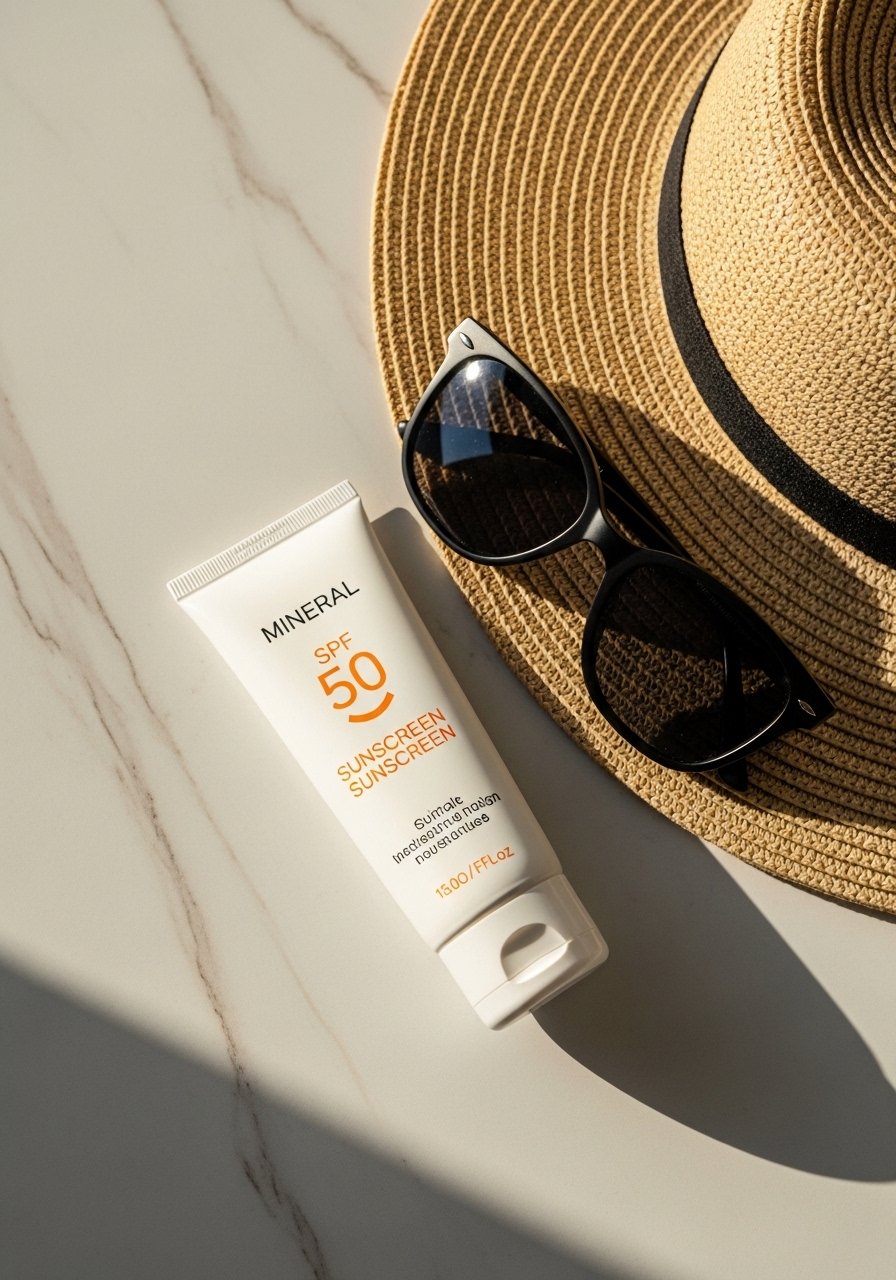
The simplest change that made the biggest difference was switching to a mineral SPF 50 as my daily base. Mineral filters sit on the skin and reduce pilling under makeup when applied correctly. I pat two fingertip amounts onto face and neck, about the size recommended by dermatology guidelines, and let it set for three minutes before makeup. For dry skin add a lightweight hydrator first. Try mineral SPF 50 sunscreen for a non-greasy finish.
Mistake to Avoid: Rubbing sunscreen into the face like lotion, which disrupts the even protective layer.
2. Layer Chemical Sunscreen for Lightweight Days
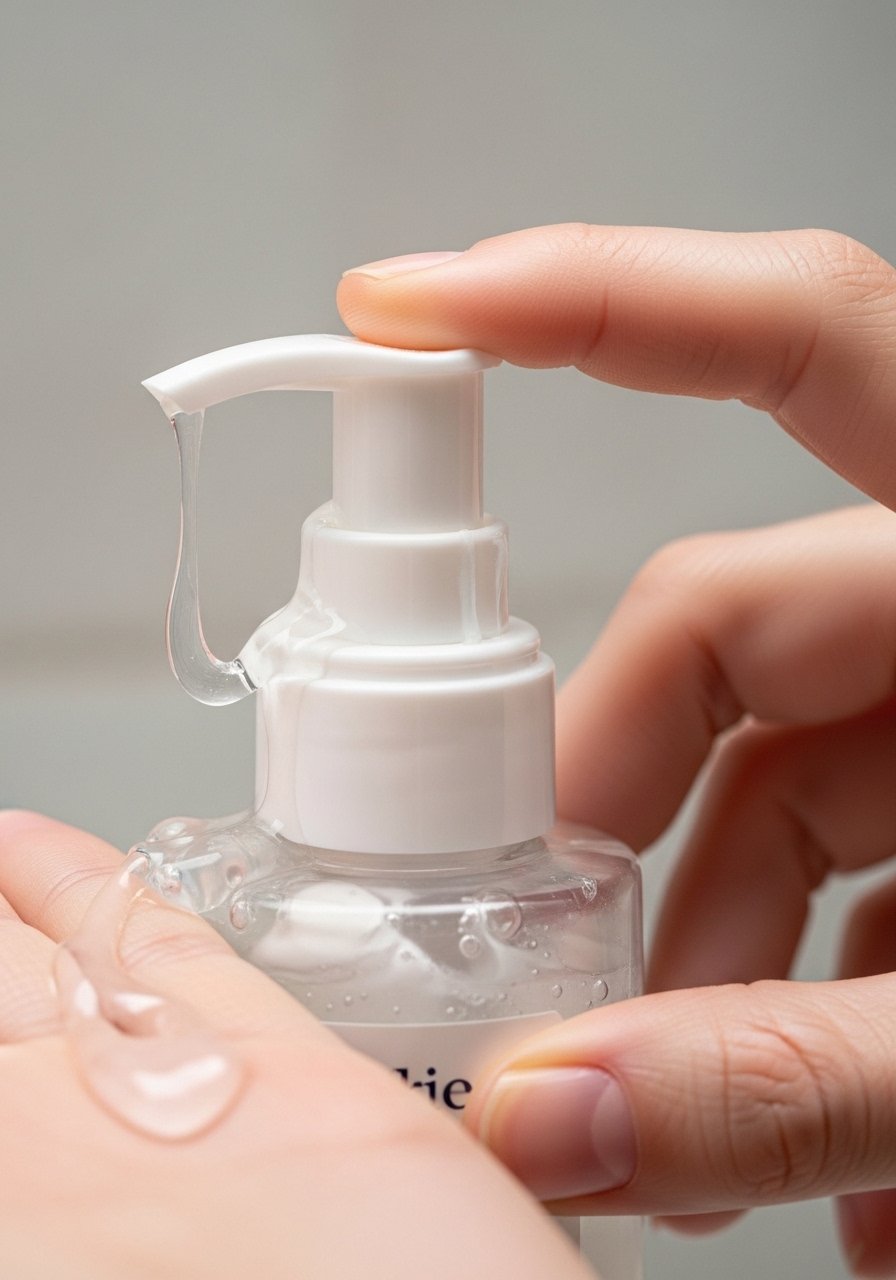
On days when I want no visible finish, a chemical sunscreen in gel form is my go-to. It absorbs quickly and plays nicely under dewy foundations. Use one pump for the face and a small dot under each eye. People with sensitive skin should patch test for stinging. I use a chemical gel on hot, humid days and swap back to mineral when I expect wind or sand. Pick a clear gel sunscreen labeled broad spectrum.
Mistake to Avoid: Applying too little gel and expecting full coverage, which reduces protection.
3. Reapply With Powder Sunscreen Over Makeup
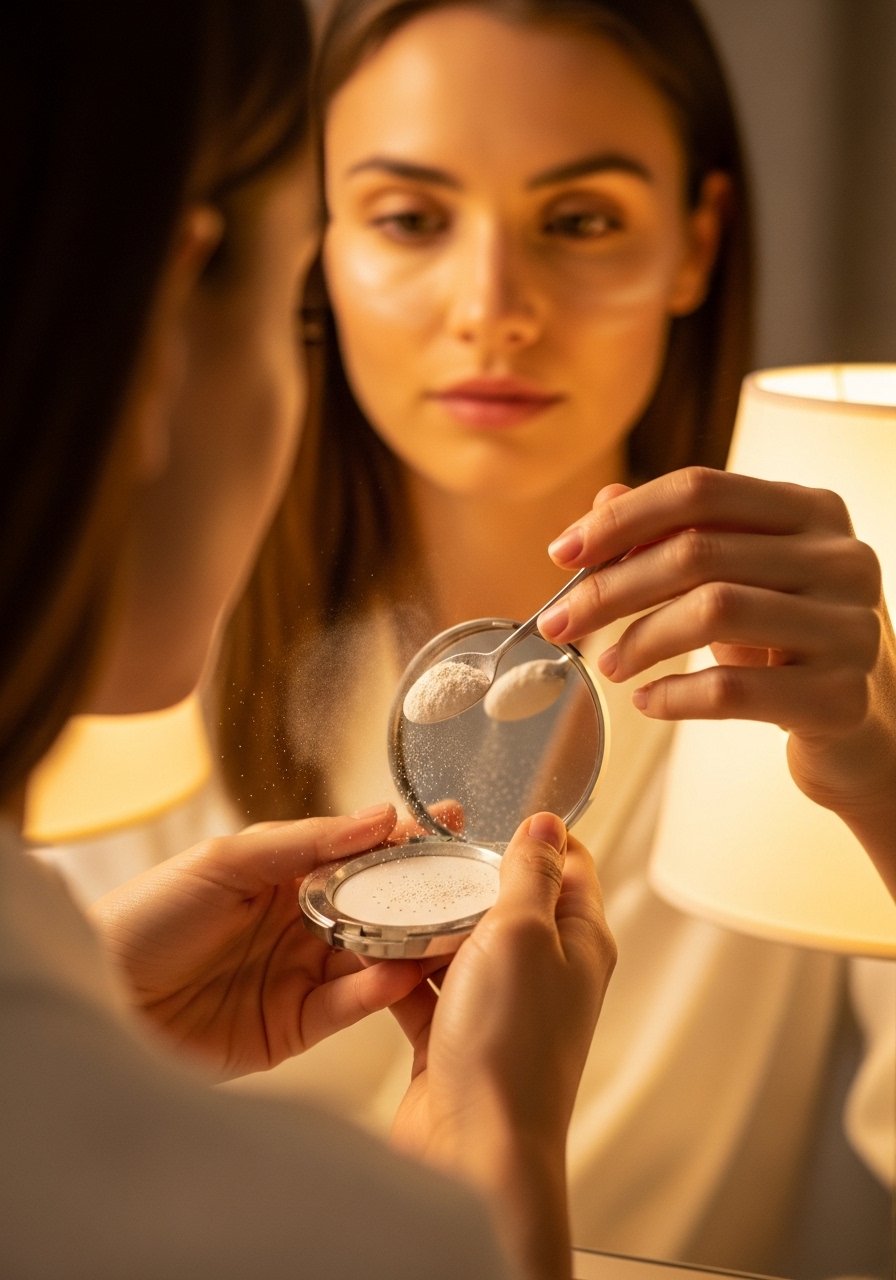
When I first tried powder reapplication it felt optional. After an outdoor lunch that lasted two hours I noticed my forehead looked darker. Powder sunscreen solves that without smudging makeup. Tap a fluffy brush into a mineral powder and lightly press over the T-zone every two hours. It is a life saver for travel days and works on oily or combo skin. Keep a compact like mineral powder sunscreen in your bag.
Mistake to Avoid: Swiping the brush back and forth, which moves foundation instead of adding protection.
4. Match SPF To Activity Level, Not Just Weather
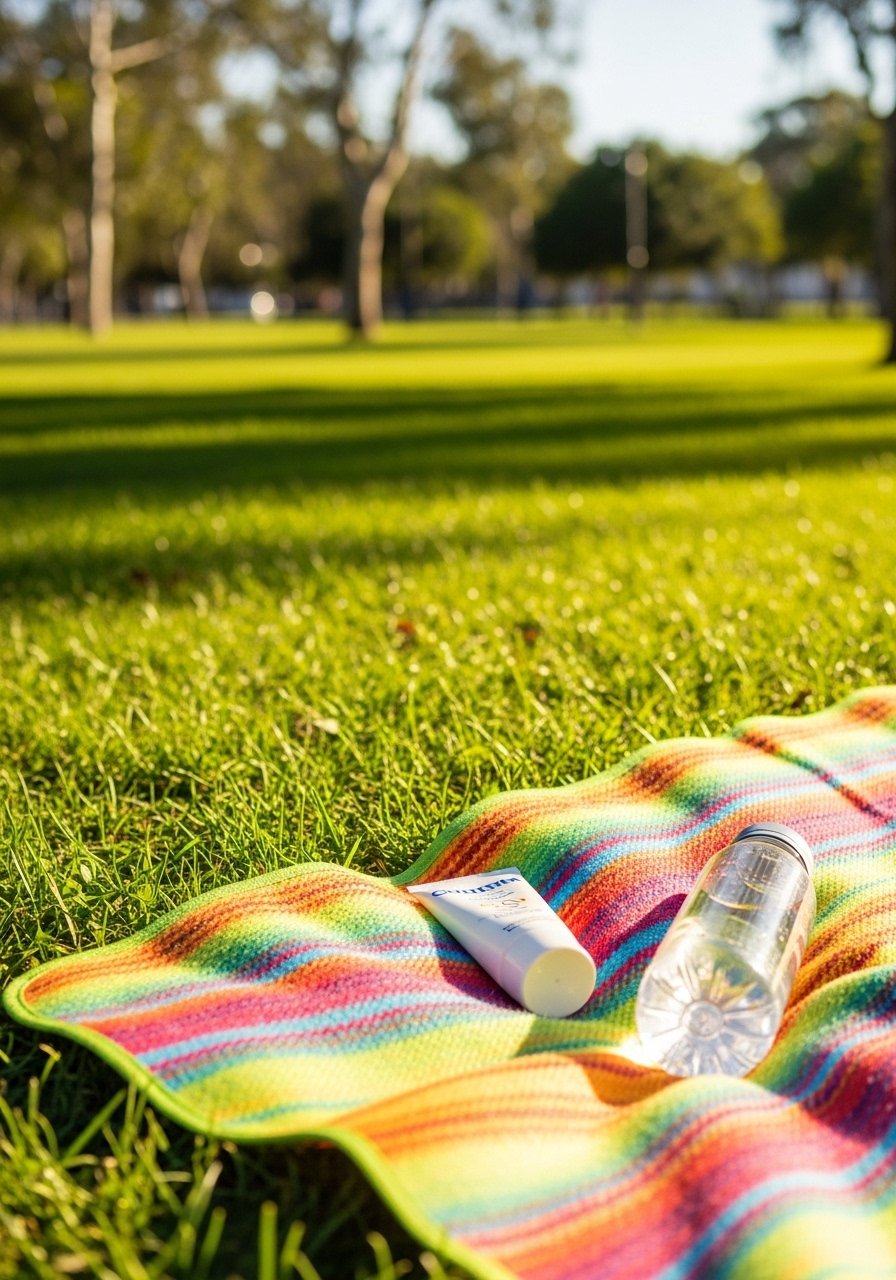
For walking to the cafe I use SPF 30 on top of makeup. For sitting poolside I jump to SPF 50 and reapply more often. The rule I follow is low activity plus incidental sun equals everyday SPF 30. Direct sun and longer exposure requires SPF 50 and a hat. That small mental switch keeps days that turn into afternoon plans from becoming sunburns.
Mistake to Avoid: Assuming cloudy means safe and skipping reapplication when outdoor time extends.
5. Don’t Forget Your Neck and Ears
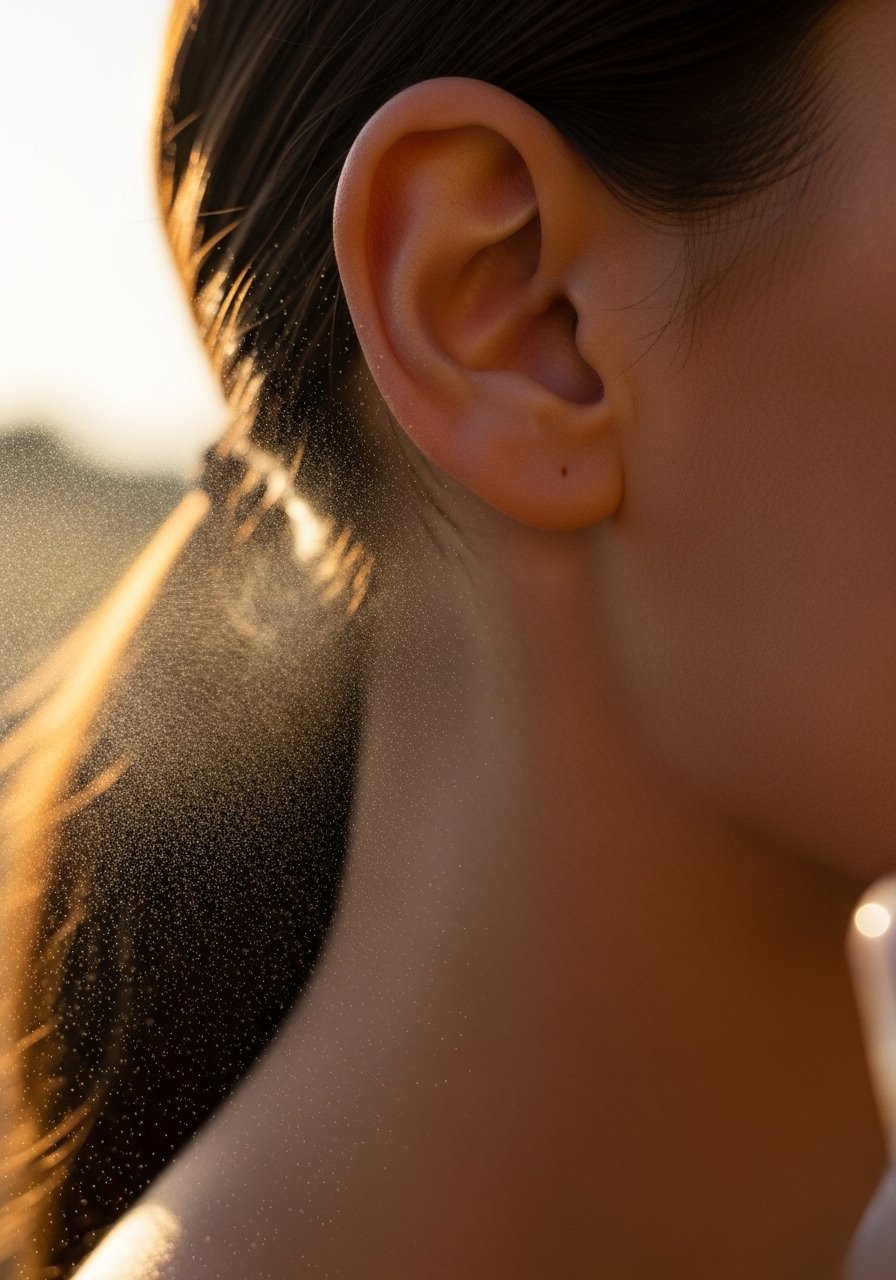
Sunscreen stops at the jawline for so many people. My first sunline came from my ear and hairline. I spray or dab sunscreen across the neck, under the jaw, and behind the ears. A lightweight SPF mist helps here. If you wear glasses, lift them and apply the area behind the ear. I travel with a spf face and body spray for quick touch ups.
Mistake to Avoid: Missing behind-the-ear spots when hair is tucked up, which creates concentrated sun exposure.
6. Put Sunscreen On Your Scalp and Part Line
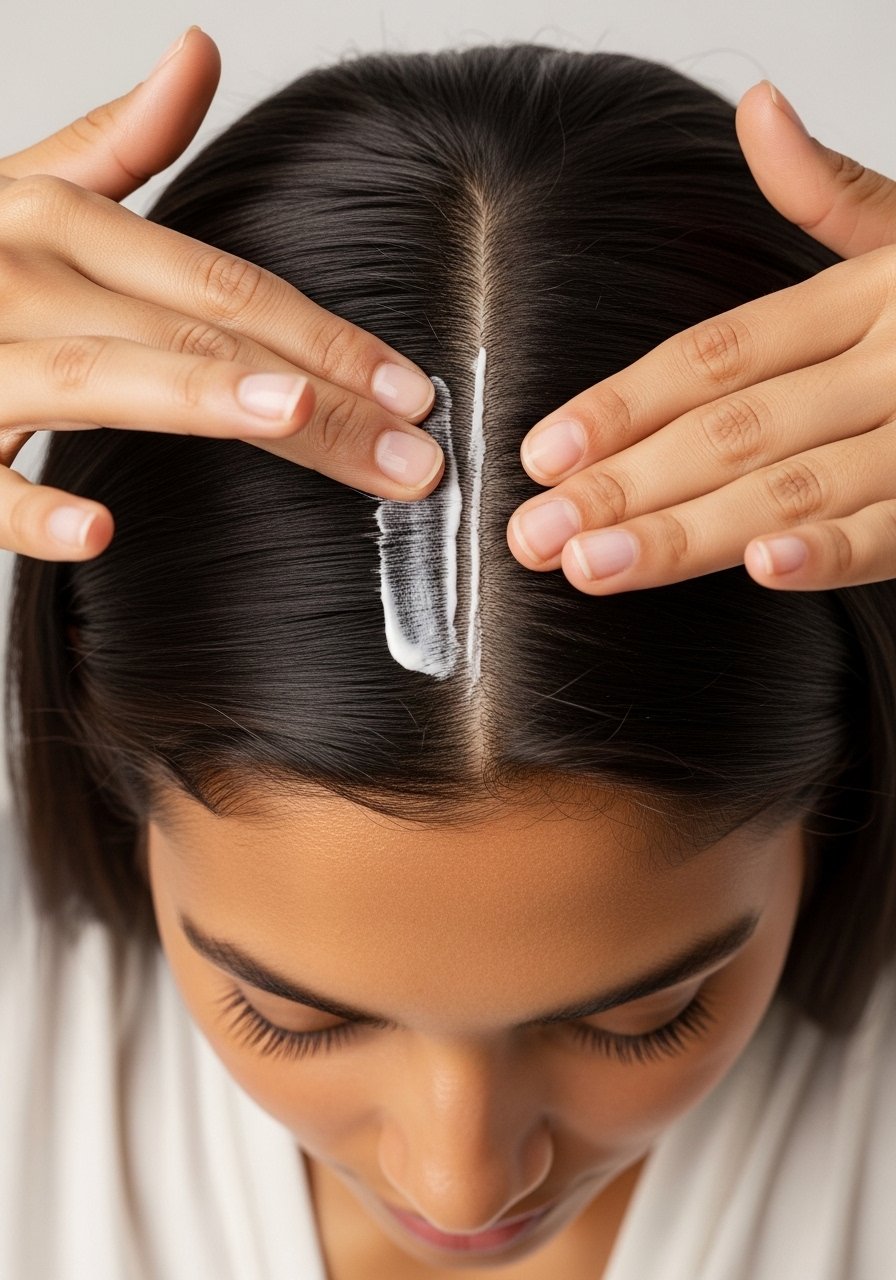
For years I ignored my scalp until a sunburned part proved it mattered. If you have thinning hair or a visible part, use a spray or a mineral stick on the scalp and along the hairline. A wide-brim hat is the best complementary step. Use a scalp sunscreen spray on days with high UV.
Mistake to Avoid: Applying drops to hair that are greasy and weigh it down instead of using a dry spray or stick.
7. Choose a Tinted Sunscreen That Matches Your Undertone
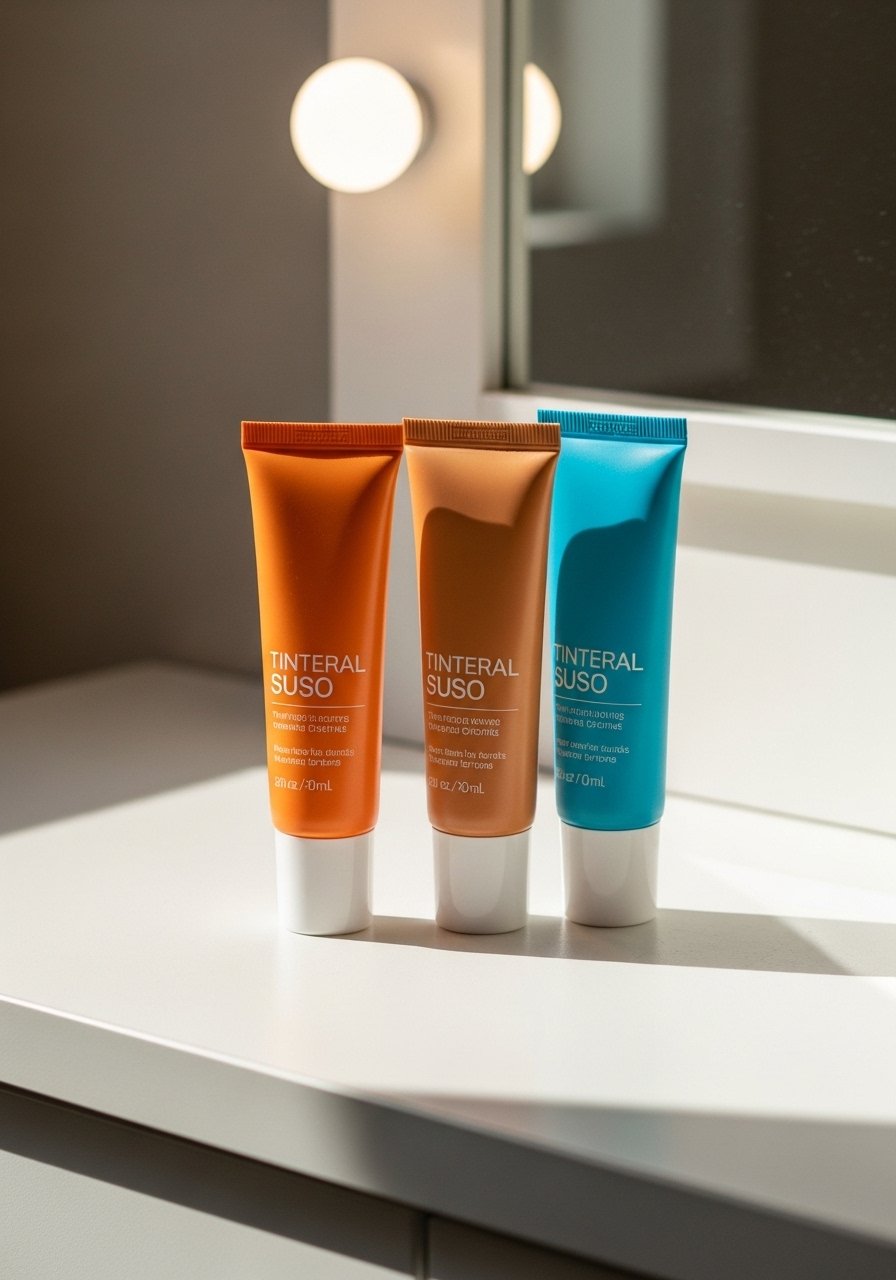
I used a single tinted mineral tube for months before realizing undertone mattered. Tinted sunscreens come in warm, neutral, and cool bases. Pick one that leans to your undertone for a sheer color correction and to reduce white cast. Blend with a sponge for a skinlike finish. If you wear full coverage try a tinted hybrid under foundation. I like this tinted mineral sunscreen.
Mistake to Avoid: Choosing the shade by packaging color instead of testing a small amount on the jawline.
8. Apply Sunscreen Before Vitamin C, After Moisturizer
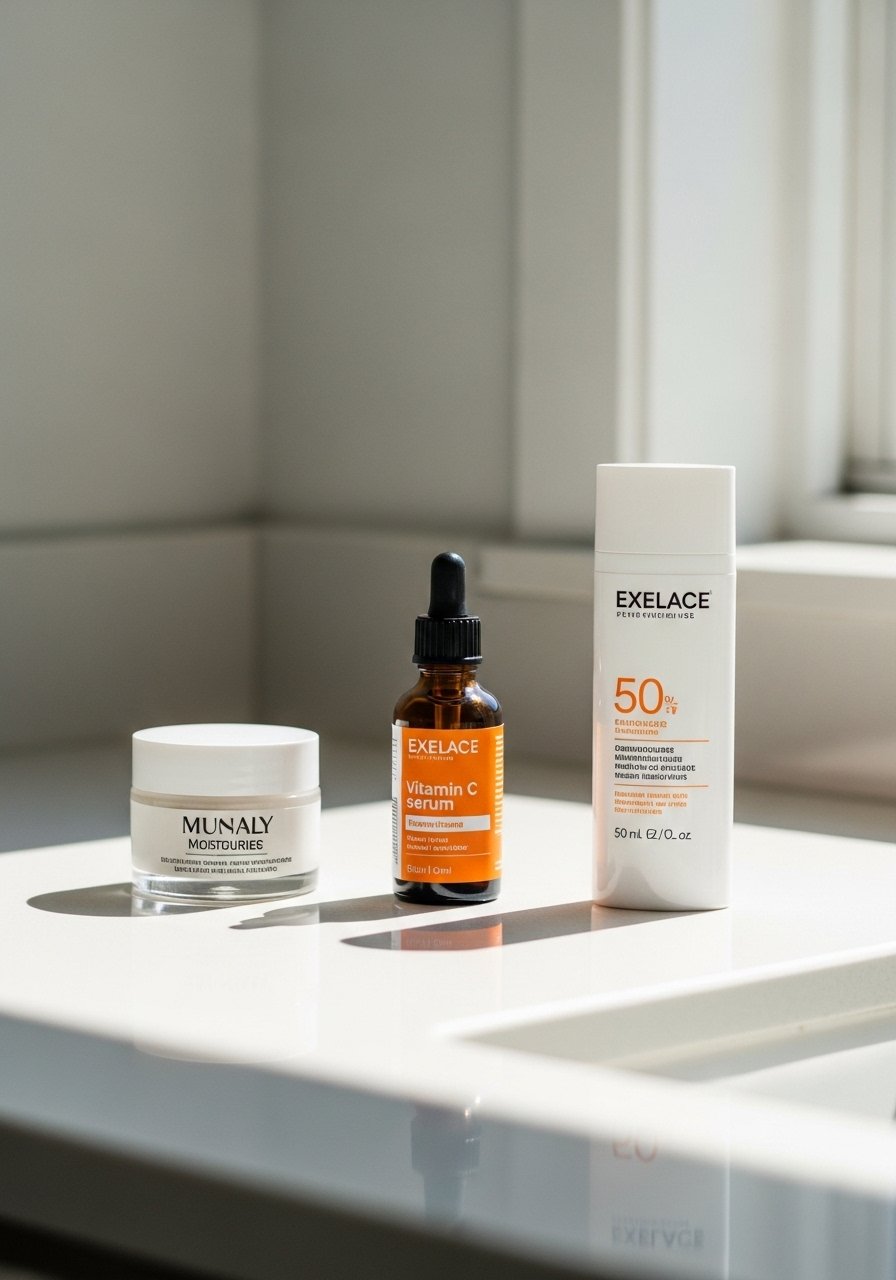
I used to put vitamin C on after sunscreen and noticed pilling. The order that works for me is hydrating moisturizer, vitamin C serum, then sunscreen once the serum sinks in. Wait one to two minutes between layers to avoid mixing. This sequence keeps your actives effective and reduces product balling. Keep a small vitamin C serum in your routine.
Mistake to Avoid: Layering wet products without wait time, which causes pilling and uneven protection.
9. Use A Water-Resistant Formula for Sweaty Days

If you will sweat or swim, choose a water-resistant SPF and reapply right after towel drying. I made the mistake of trusting non-water-resistant SPF during a beach run and ended up red under my hairline. Water-resistant formulas come with a time rating on the label. Combine with a hat for extended outdoor workouts. Look for a water-resistant sunscreen SPF 50.
Mistake to Avoid: Trusting "sweat-proof" claims without checking the water-resistance time.
10. Use Lip Balm With SPF Every Day
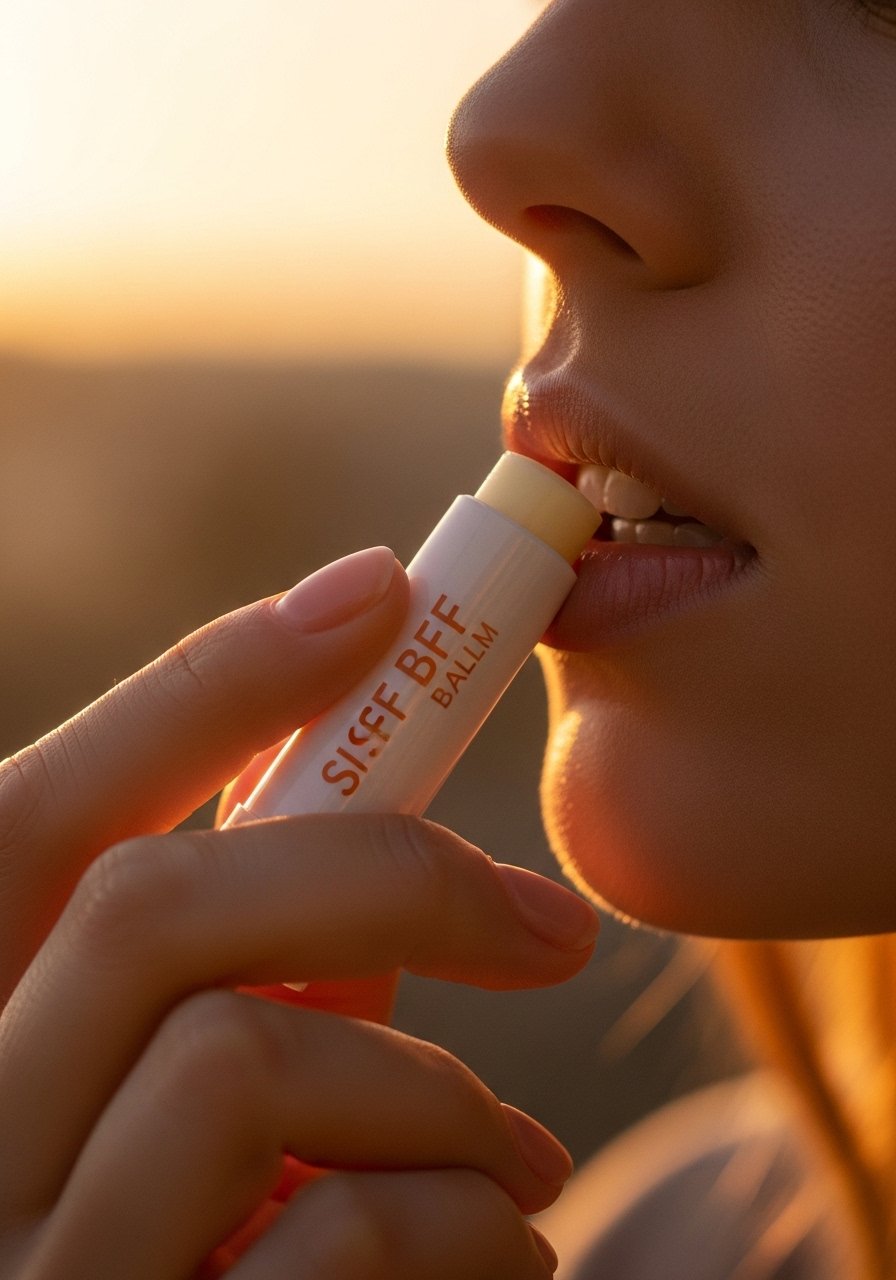
Sun damage shows on lips early. A simple swap to an SPF lip balm prevents chapping and pigmentation. Reapply after eating and when you feel dryness. Put a balm in every bag and one by the bedside. I like formulas with a slight tint for daytime. Try an SPF lip balm for easy maintenance.
Mistake to Avoid: Forgetting to reapply after meals, which leaves lips unprotected during midday sun.
11. Opt For Physical Sun Hats With A 3-Inch Brim
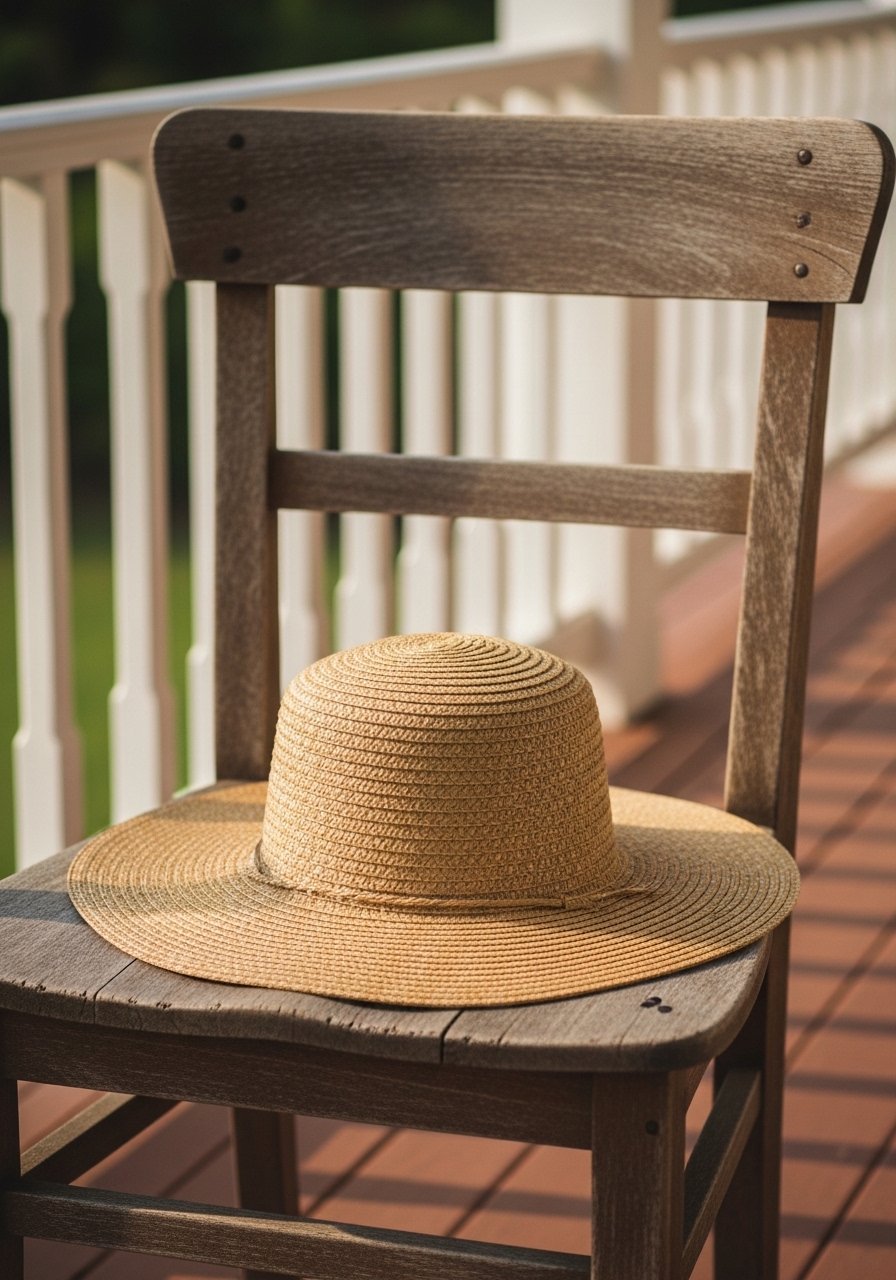
A hat with at least a three-inch brim changes how much sun hits your face. I measured once and was surprised how much a small change in brim size covers. Hats are a reliable backup when reapplication is inconvenient. Choose tightly woven materials for better protection. Pack a wide-brim sun hat for beach and city days.
Mistake to Avoid: Buying floppy hats that look nice but have gaps that let in sun at the temples.
12. Wear Sunglasses That Block 100 Percent UV
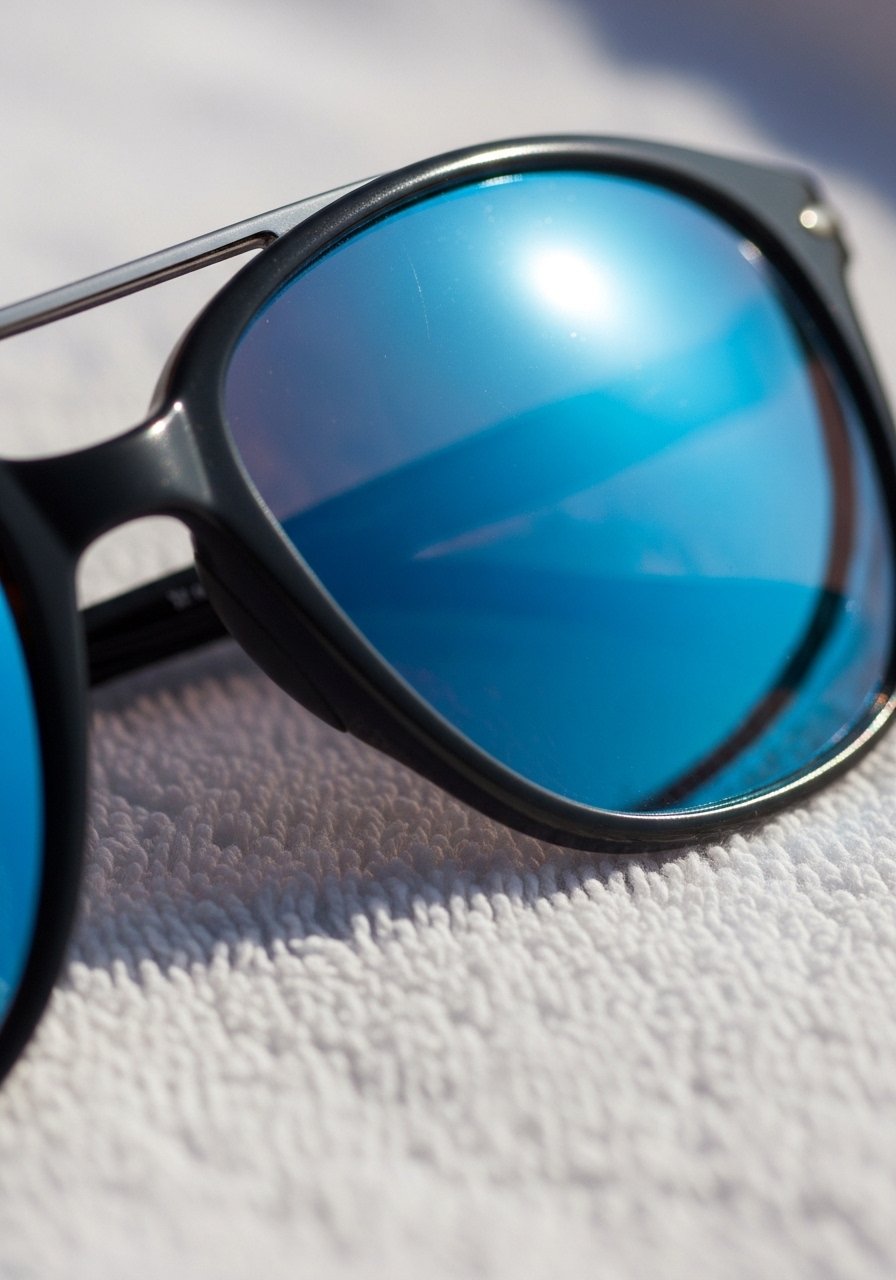
Sunglasses prevent UV damage to the delicate eye area and reduce squinting. I replaced scratched bargains with a pair that explicitly states 100 percent UV protection and noticed fewer crow's feet forming. Pick frames large enough to cover the orbit. Keep a cheap case in the glovebox so you do not leave them behind. Consider polarized sunglasses with UV protection.
Mistake to Avoid: Assuming tint equals protection, which is not always the case without UV labeling.
13. Use A Sunscreen Stick For Precise Application
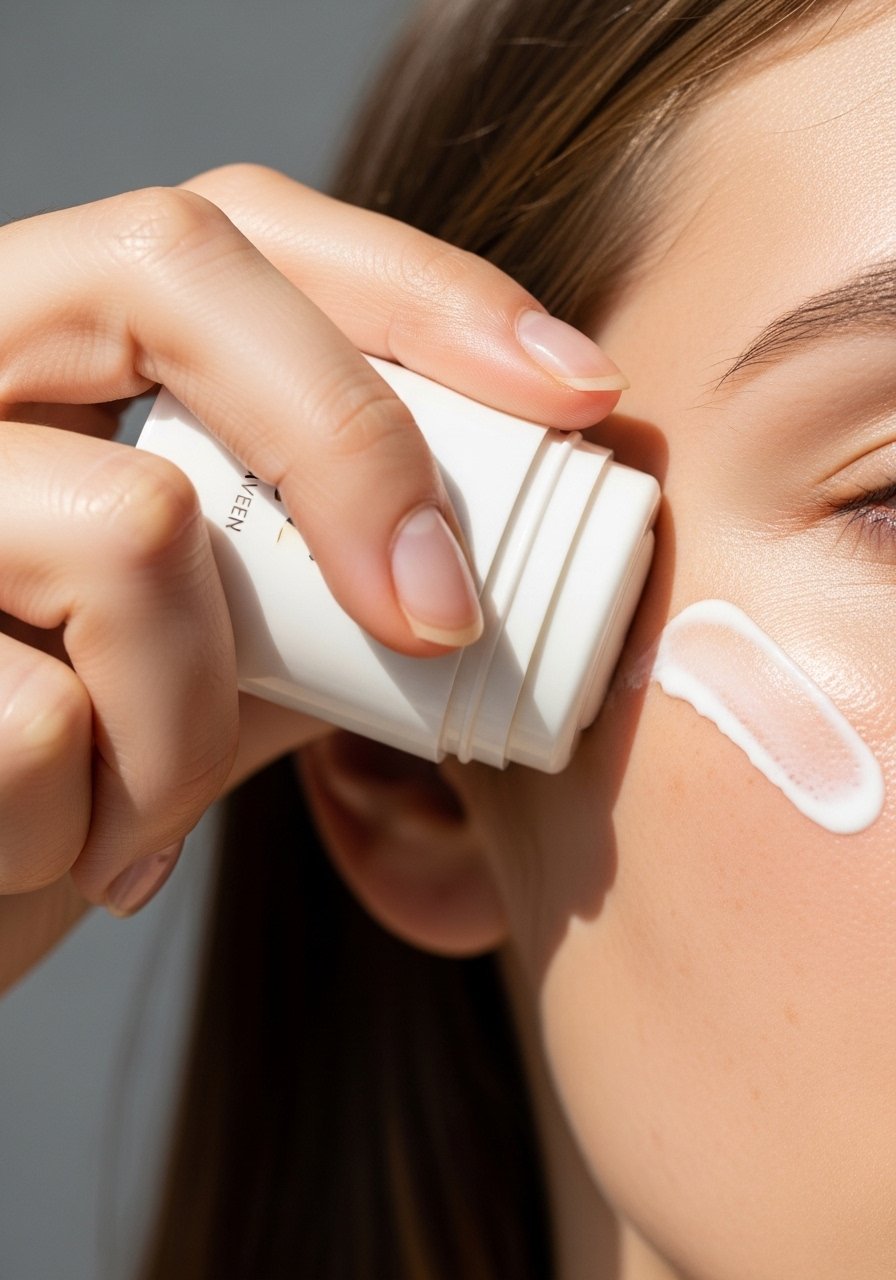
Sunscreen sticks are perfect for the nose, ears, and around the eyes. I keep one in my bag for quick touch ups and for kids. They come in mineral and hybrid formulas and minimize waste. Apply in thin layers and blend with fingertips. Sticks are also handy for beards and sideburns. Try a sunscreen stick.
Mistake to Avoid: Dragging the stick repeatedly which creates uneven coverage, rather than small layered passes.
14. Set A Reapplication Reminder
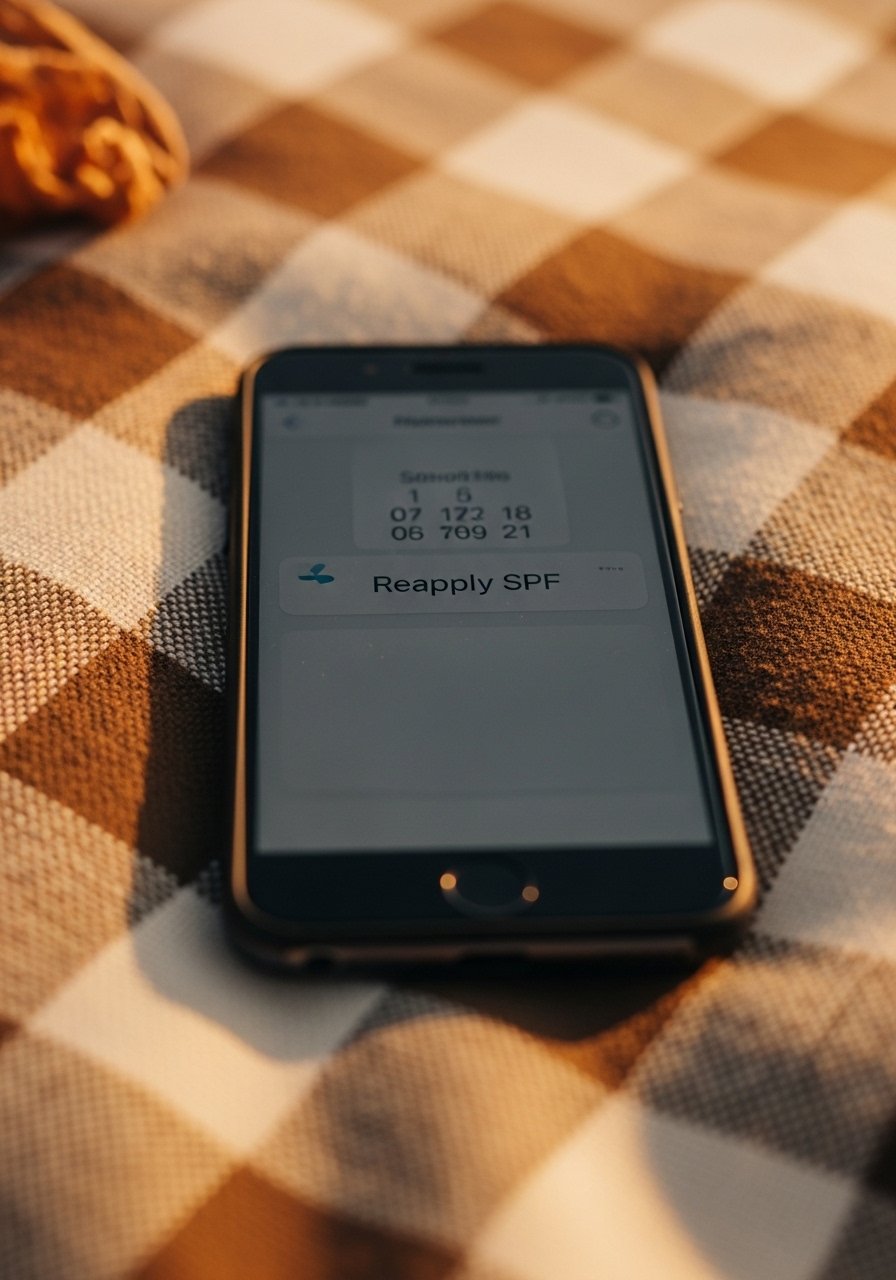
I used to plan reapplications in my head and miss them. Now I set a two-hour repeating alarm when I plan to be outdoors. It is the one habit that stopped midday burns. Use a watch alarm or a phone reminder and keep a small reapplication product handy. A compact spray is ideal. Use a travel-size sunscreen spray.
Mistake to Avoid: Assuming morning application lasts all day without scheduled reapplication.
15. Patch Test New Sunscreens Under The Jawline
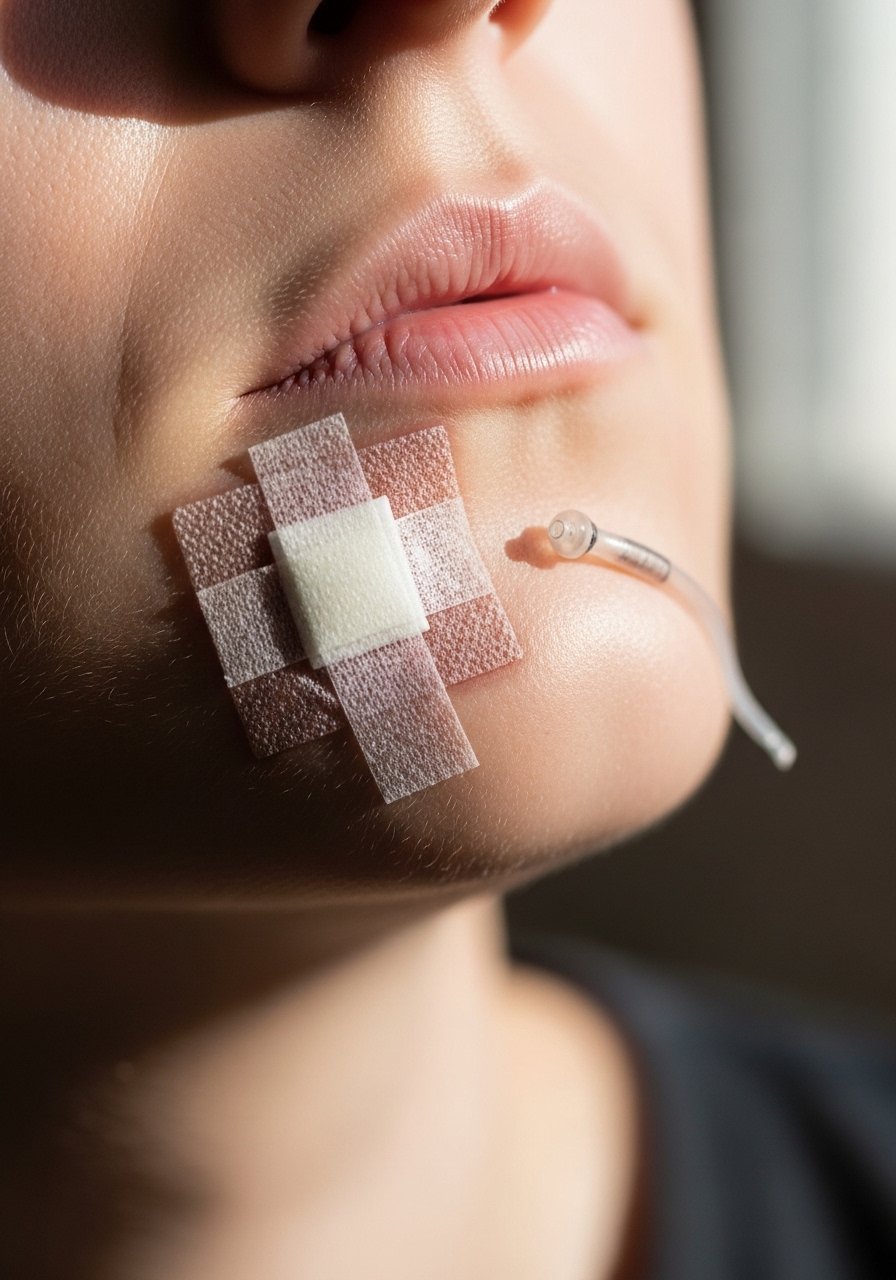
New sunscreens can pill, sting, or break you out. I learned to patch test behind the jaw for two days before full face use. This catches sensitivity to chemical filters and avoids a full-face reaction. If you test with makeup on top, look for pilling after one hour. Keep a gentle travel sunscreen sample pack to trial formulas.
Mistake to Avoid: Assuming a product is fine because it worked on your arm, which often differs from face skin.
16. Avoid White Cast With Micronized Zinc Formulas
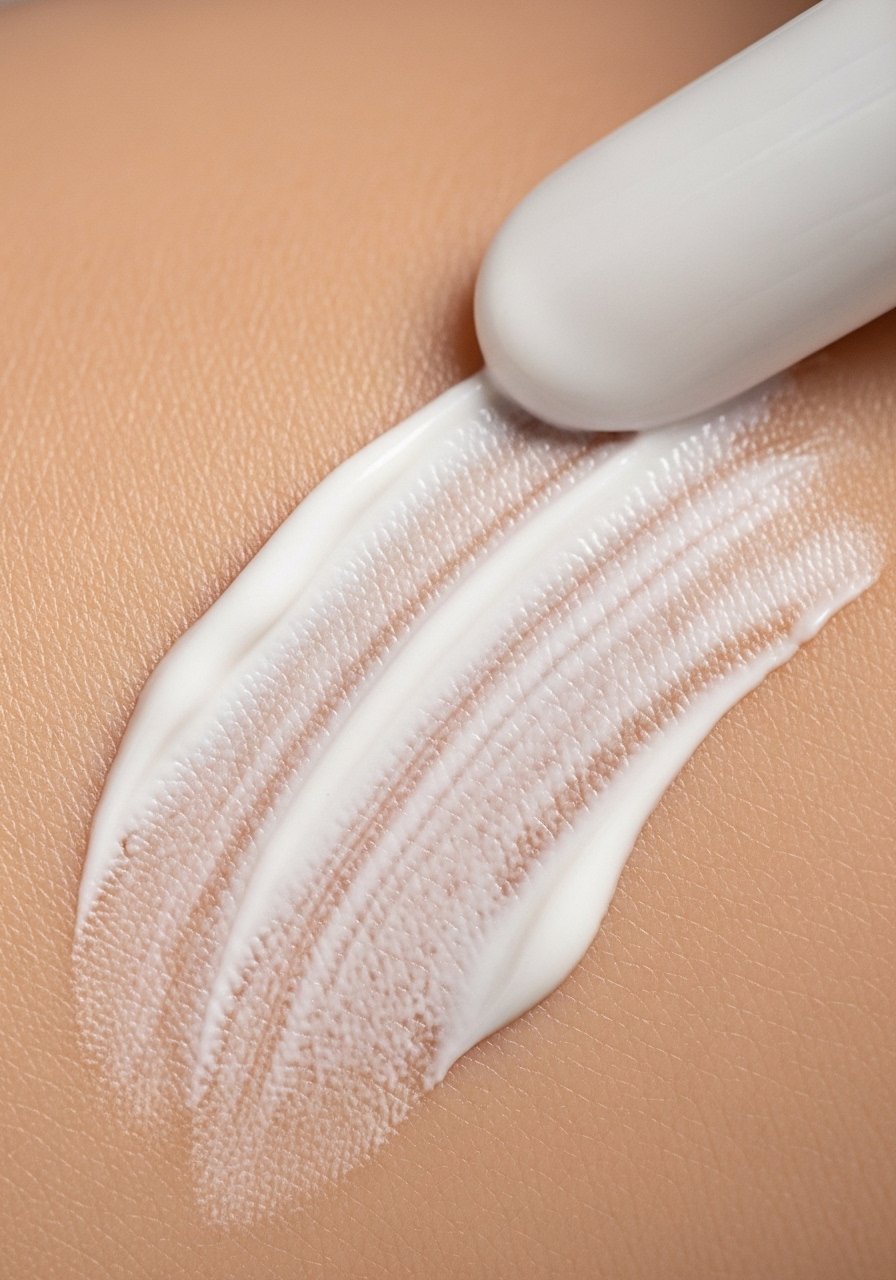
If white cast was your first sunscreen memory it probably came from thicker zinc creams. Micronized zinc formulas reduce that as long as you rub in tiny circular motions and warm the product with your fingertips. I switched to a micronized option and stopped dabbing on tinted layers to mask cast. Micronized zinc works well on most skin tones. Try micronized zinc SPF.
Mistake to Avoid: Slapping on a thick layer quickly, which leaves visible residue instead of a blended finish.
17. Pair Sunscreen With Antioxidants At Night, Not Before Sun
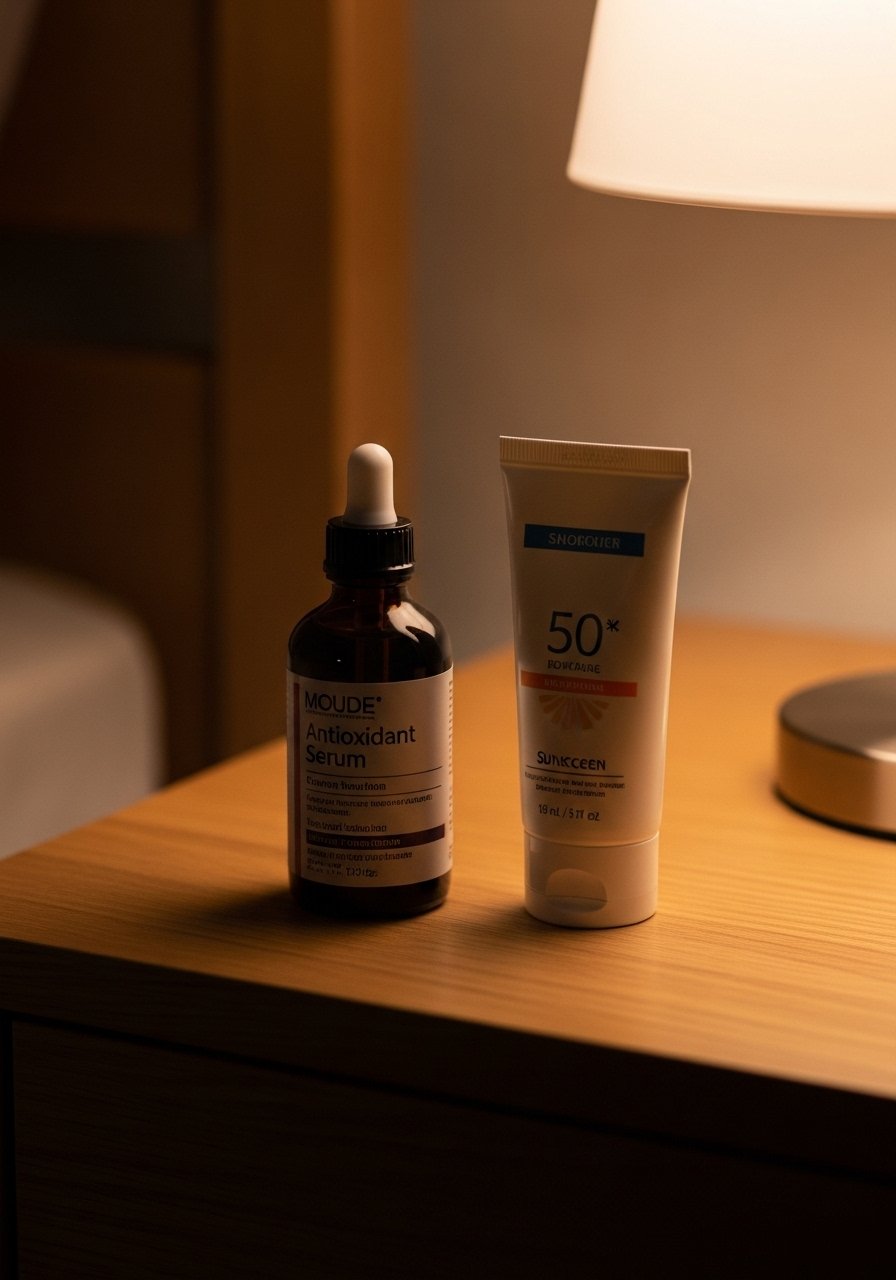
People often layer antioxidants and sunscreen in the wrong order. Use antioxidants like vitamin C in the morning under sunscreen for extra help. At night, continue antioxidants as part of repair. Wait a minute after your serum so the sunscreen sits on top. I say this after six weeks of testing a morning antioxidant routine alongside SPF for more even tone.
Mistake to Avoid: Applying serum on top of sunscreen and diluting its effectiveness.
18. Carry A Mini SPF For Hands and Décolleté
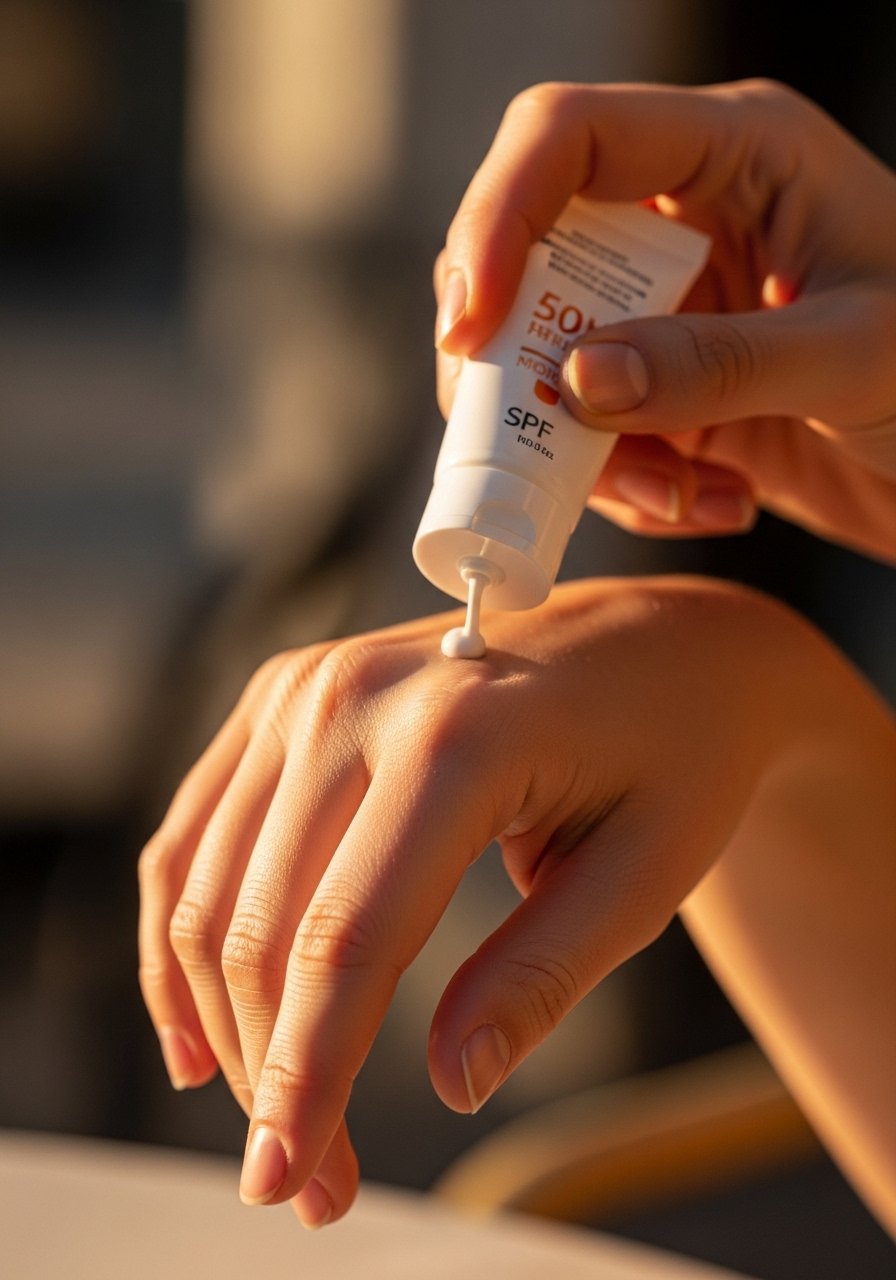
Hands and chest get sun exposure all the time and show signs of aging early. Keep a mini SPF in your bag and reapply after washing hands. I keep a 30 mL tube specifically for hands and use a light lotion texture so it absorbs quickly. Choose a travel SPF tube for convenience.
Mistake to Avoid: Using body sunscreen on hands that is too thick and leaves residue on keyboard and screen.
19. Use Sunscreen Compatible With Acne Treatments
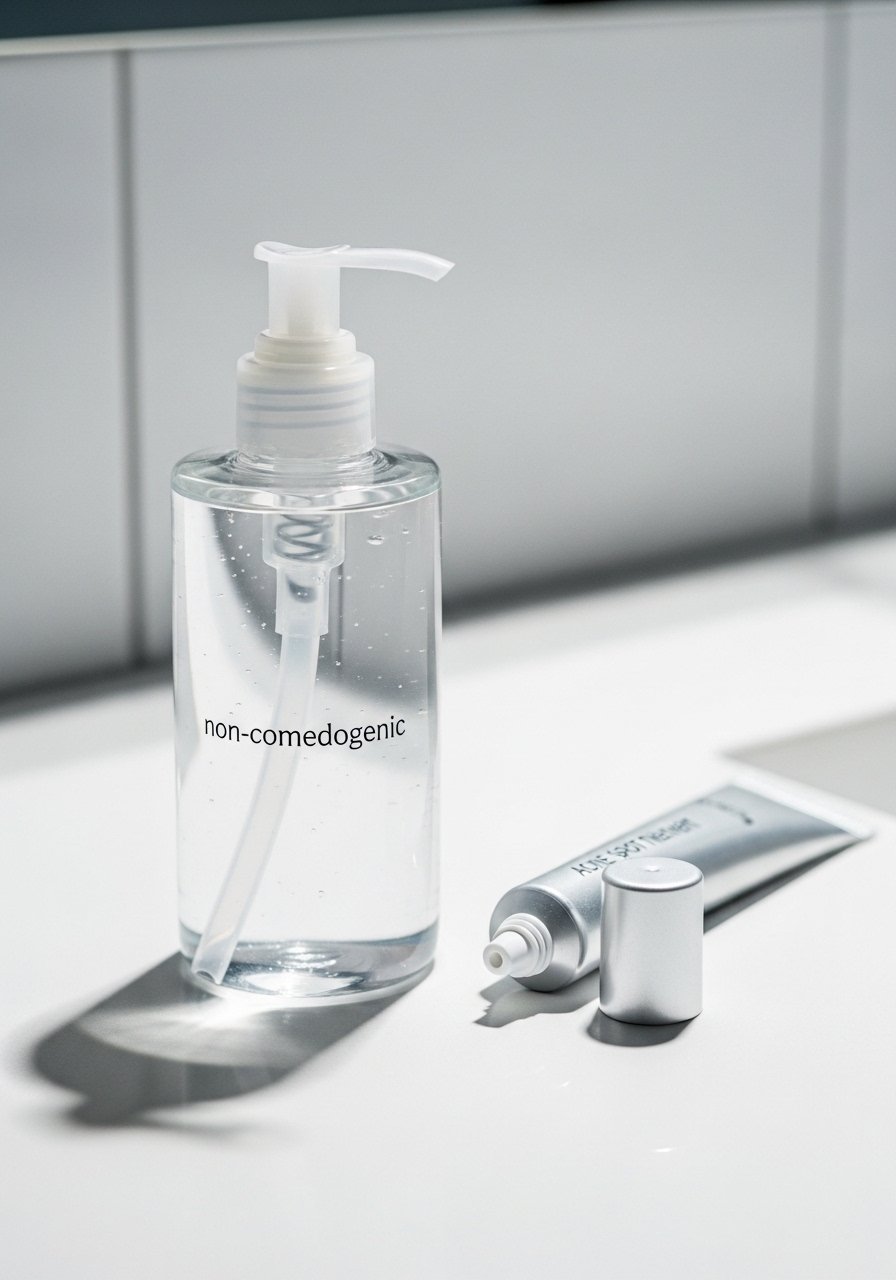
If you use retinoids or topical acne meds, sun sensitivity increases. Pick non-comedogenic, fragrance-free sunscreens that layer well over treatments. I learned to wait five minutes after a retinoid before sunscreen to avoid stinging. Mineral options are often gentler. Try a non-comedogenic facial sunscreen.
Mistake to Avoid: Skipping sunscreen because treatment causes mild irritation, which increases UV damage risk.
20. Keep SPF In Your Gym Bag For Post-Workout Outdoor Time
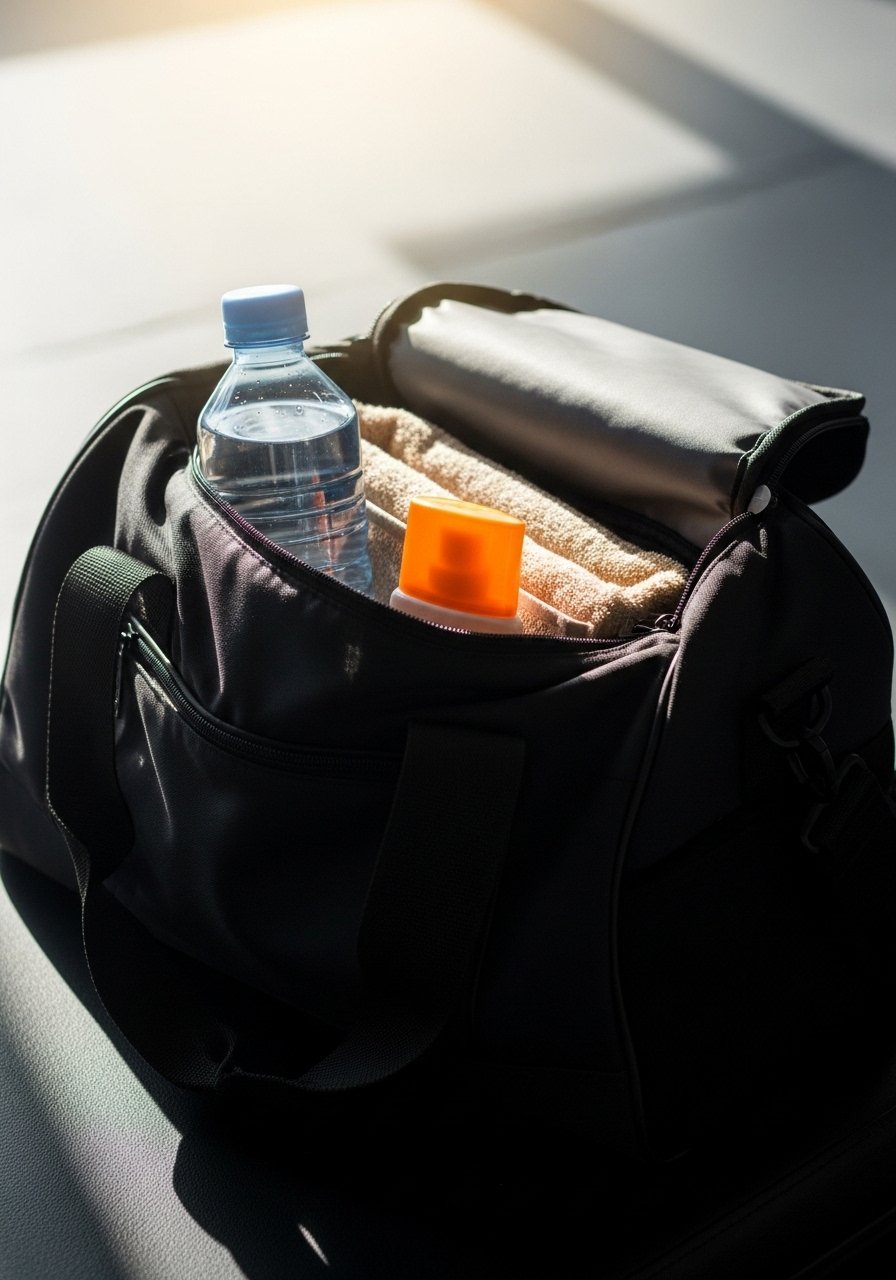
I used to think a gym session counted as indoors. When I stretched outside after workouts I forgot SPF and paid with a sunburn. Pack a small spray or stick in your gym bag for the walk home. Lightweight options do not clog sweaty skin. A sports-friendly sunscreen fits well here.
Mistake to Avoid: Leaving sunscreen at home because you plan to shower and change after the gym, which misses short outdoor windows.
21. Swap Heavy Makeup For SPF-Infused Tints On High-UV Days
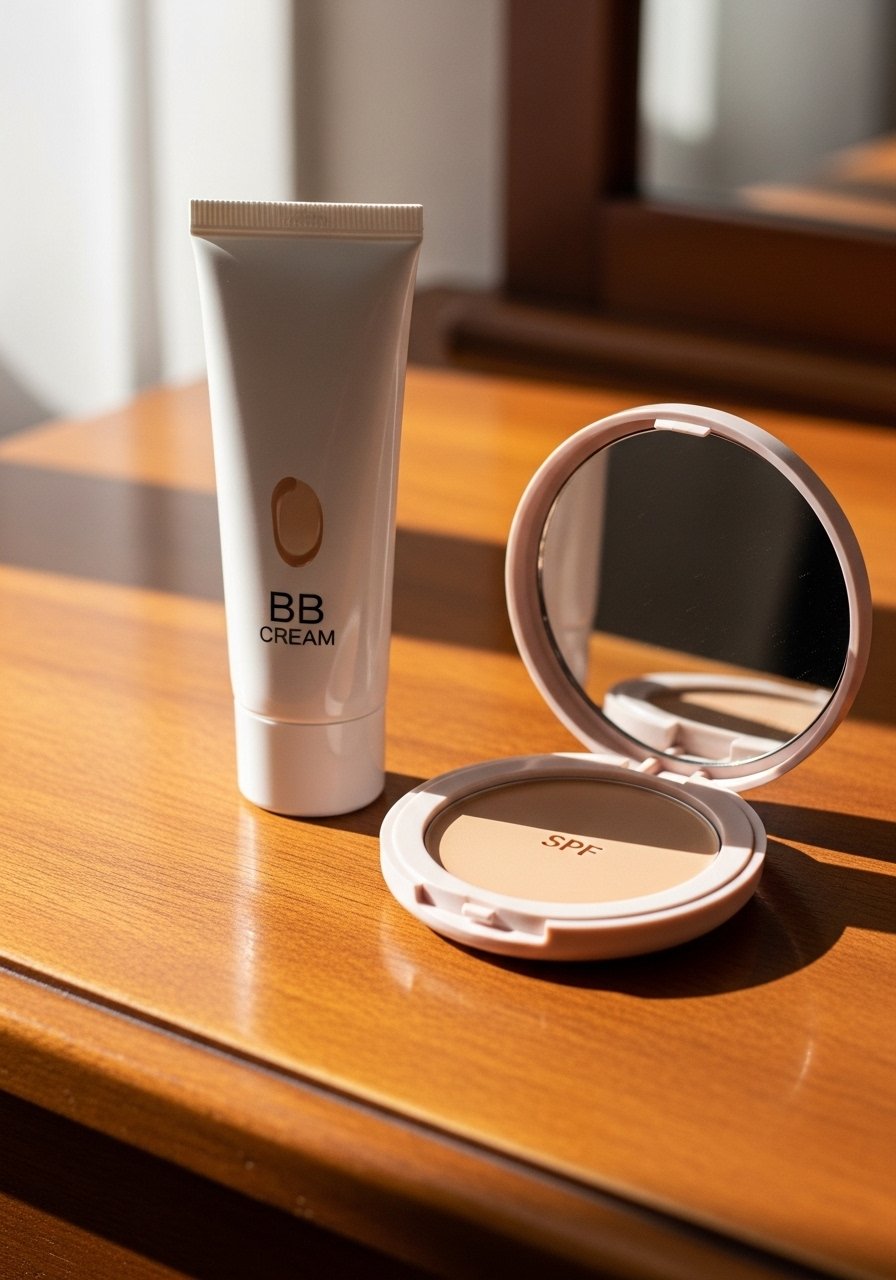
On beachy or high-UV days I skip full foundation and use an SPF-infused tint. It reduces layers and makes reapplication simpler. Tinted sunscreens double as primer for light coverage and cut down on product transfer in heat. If you need more coverage, spot conceal after SPF sets. Try a spf tinted moisturizer.
Mistake to Avoid: Trying to build heavy coverage on top of sunscreen, which causes creasing and pilling.
22. Use A Separate SPF For The Body
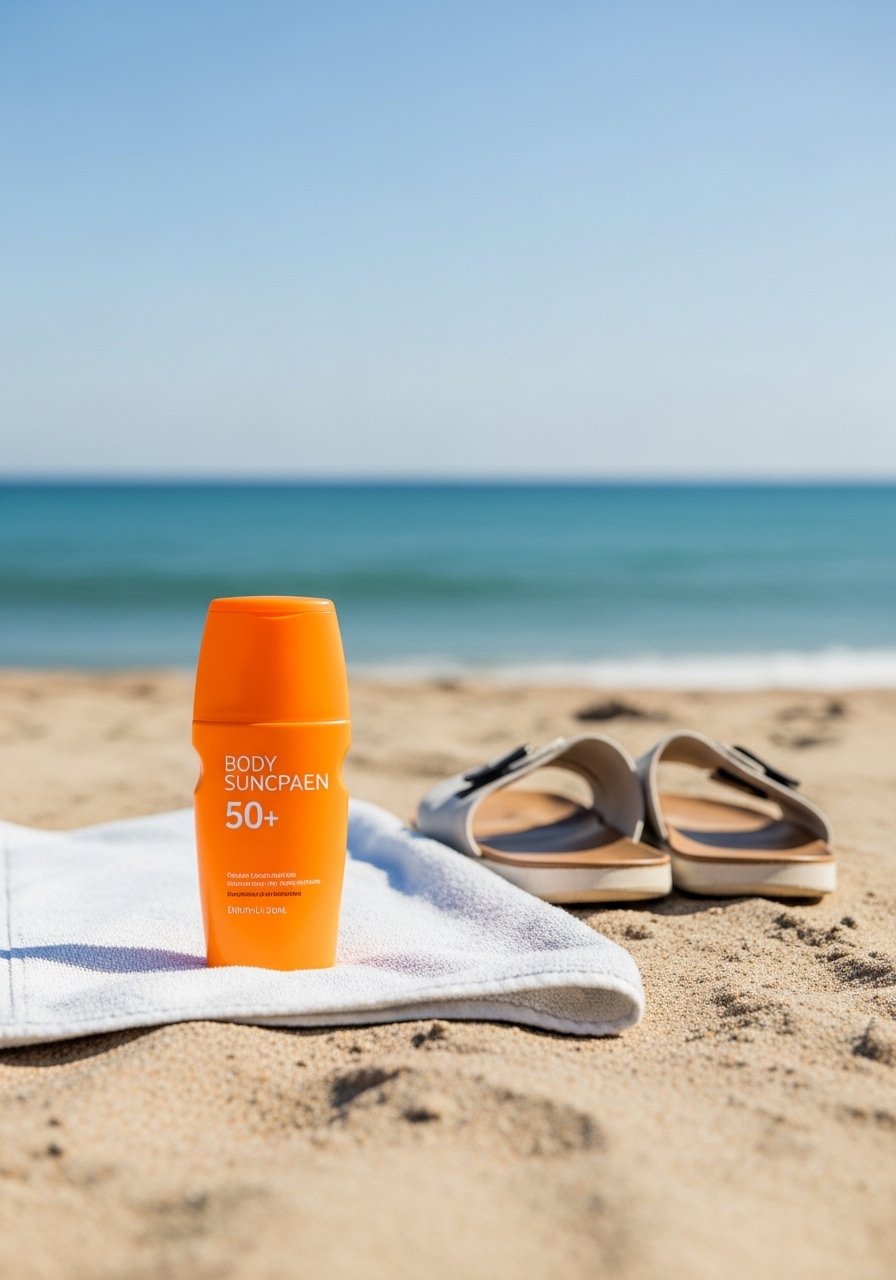
Facial sunscreens are concentrated and higher in price per ounce. Save them for the face and use a reliable body SPF for arms and legs. Body formulas come in larger sizes and often include water resistance. I keep a big bottle at home and a travel one for the bag. Consider broad spectrum body sunscreen.
Mistake to Avoid: Using a small facial tube for full body, which runs out too fast and encourages skimping.
23. Choose Makeup With Built-In SPF For Quick Errands
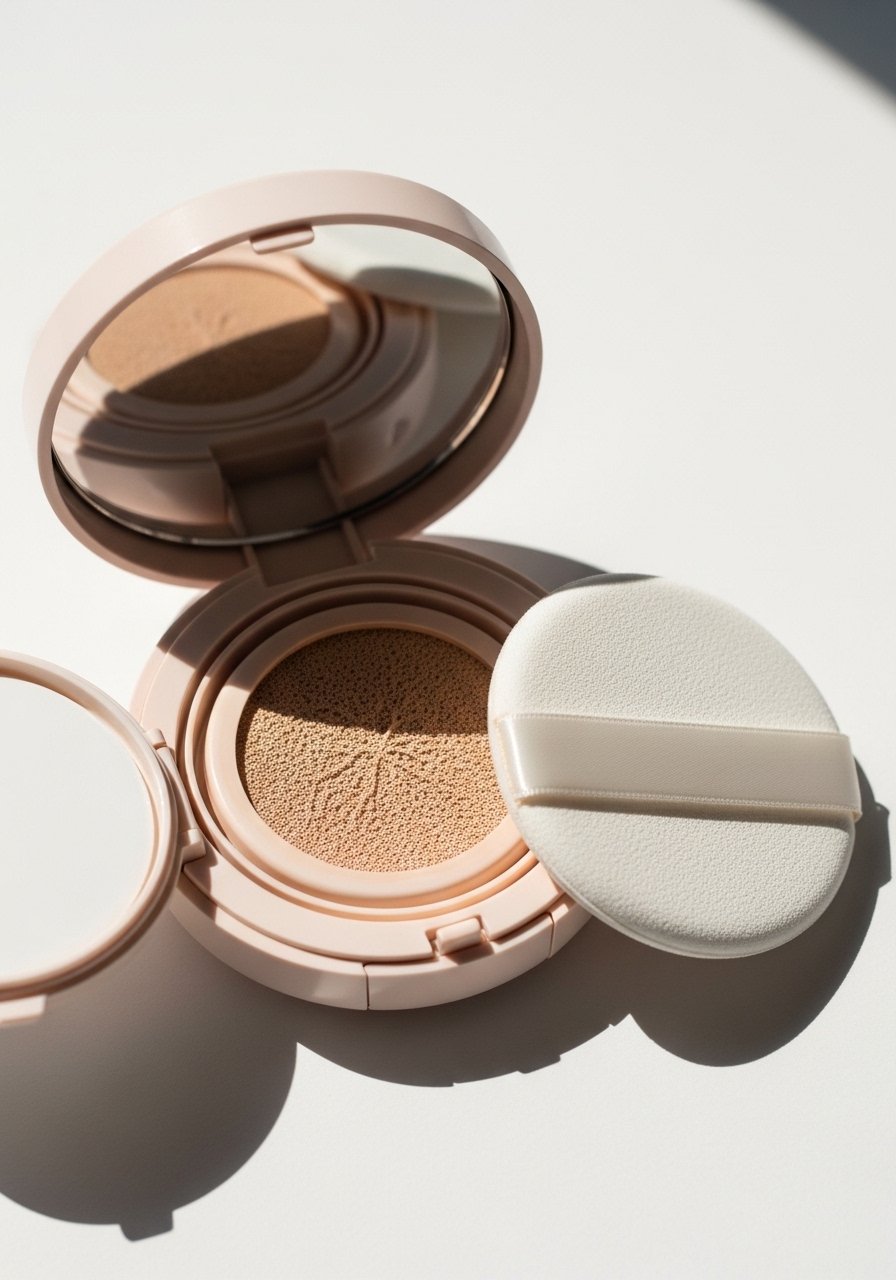
When I run quick errands I like products with built-in SPF for an extra layer. They are not replacements for sunscreen but they add backup protection. Remember to still apply your main sunscreen first. Cushion foundations with SPF are easy to reapply midday. Try a cushion foundation with SPF for fuss-free touch ups.
Mistake to Avoid: Relying on makeup SPF as the only source of protection for long sun exposure.
24. Look For Broad Spectrum Labeling On Every Product
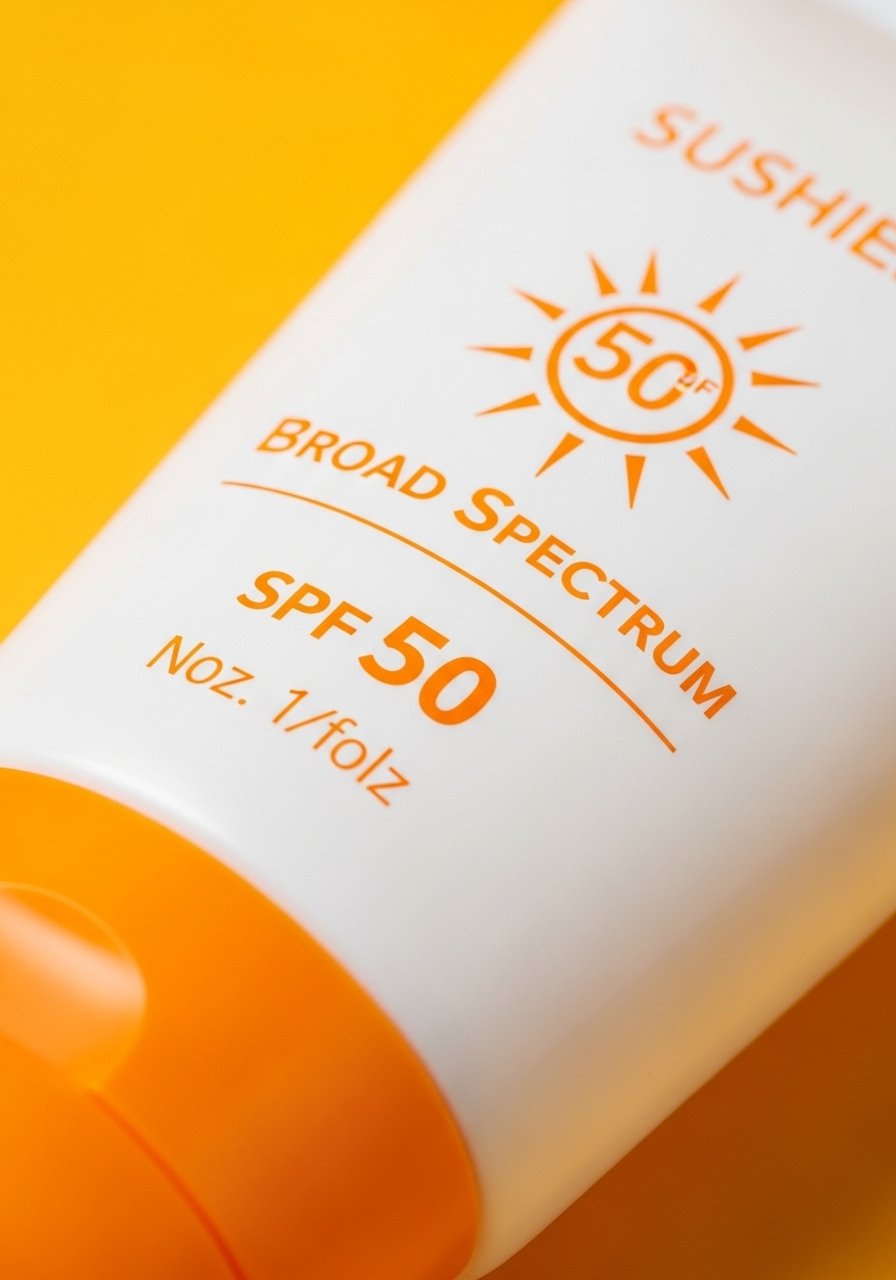
Broad spectrum means protection against both UVA and UVB. I once chose a high SPF that did not state broad spectrum and ended the summer with uneven tone from UVA. Check labels and avoid assuming higher SPF covers everything. Keep a reliable broad spectrum SPF 30 or 50 available at home.
Mistake to Avoid: Buying solely by SPF number without checking for broad spectrum coverage on the label.
25. Use Physical Shade Strategically
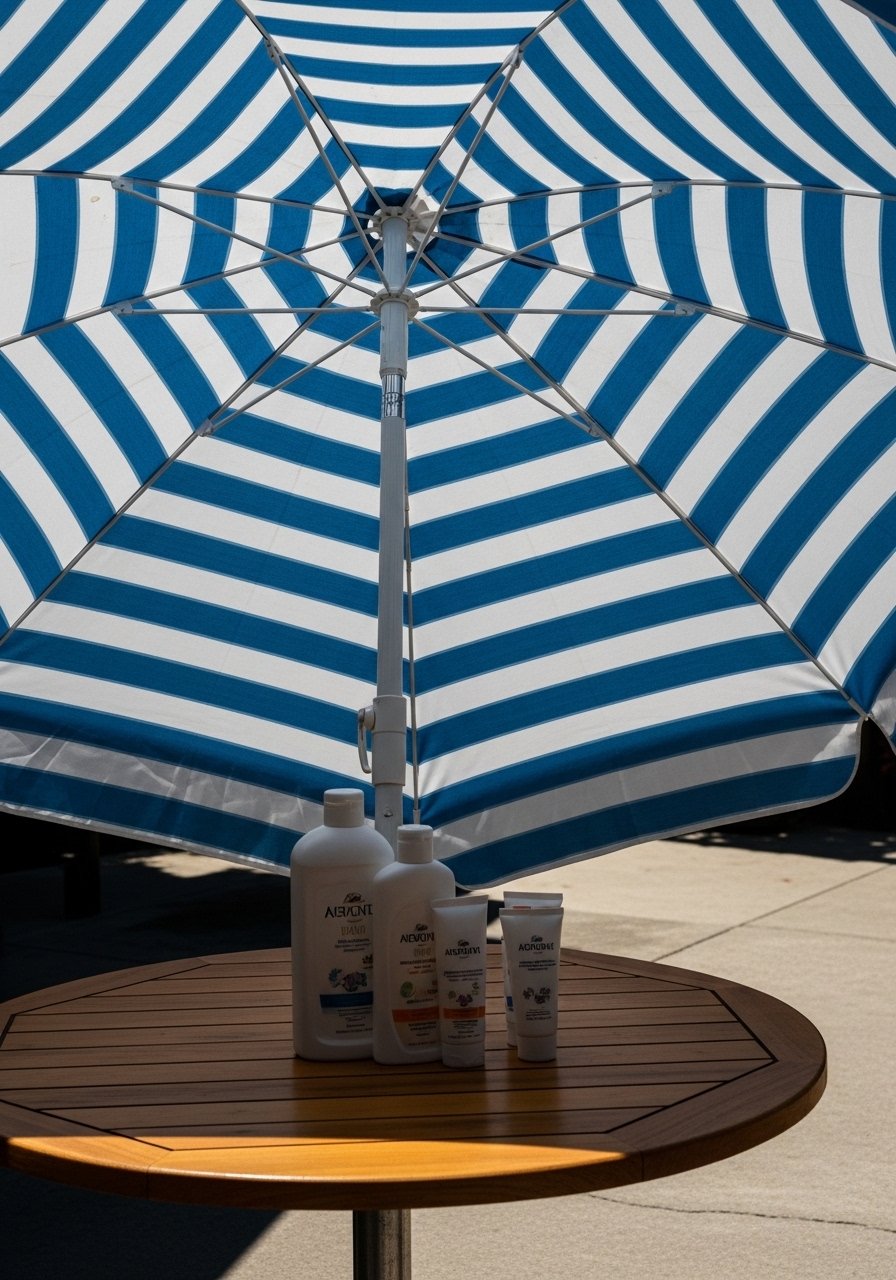
Physical shade reduces direct exposure and supplements sunscreen. I set up an umbrella or choose a table under a tree when possible. Shade is especially useful at outdoor events where constant reapplication is tricky. Combined with a hat and sunglasses, it cuts UV exposure substantially. Pack a portable umbrella for sun protection.
Mistake to Avoid: Sitting in dappled shade thinking you are fully protected, which still allows indirect UV through reflection.
26. Check Expiration Dates And Storage
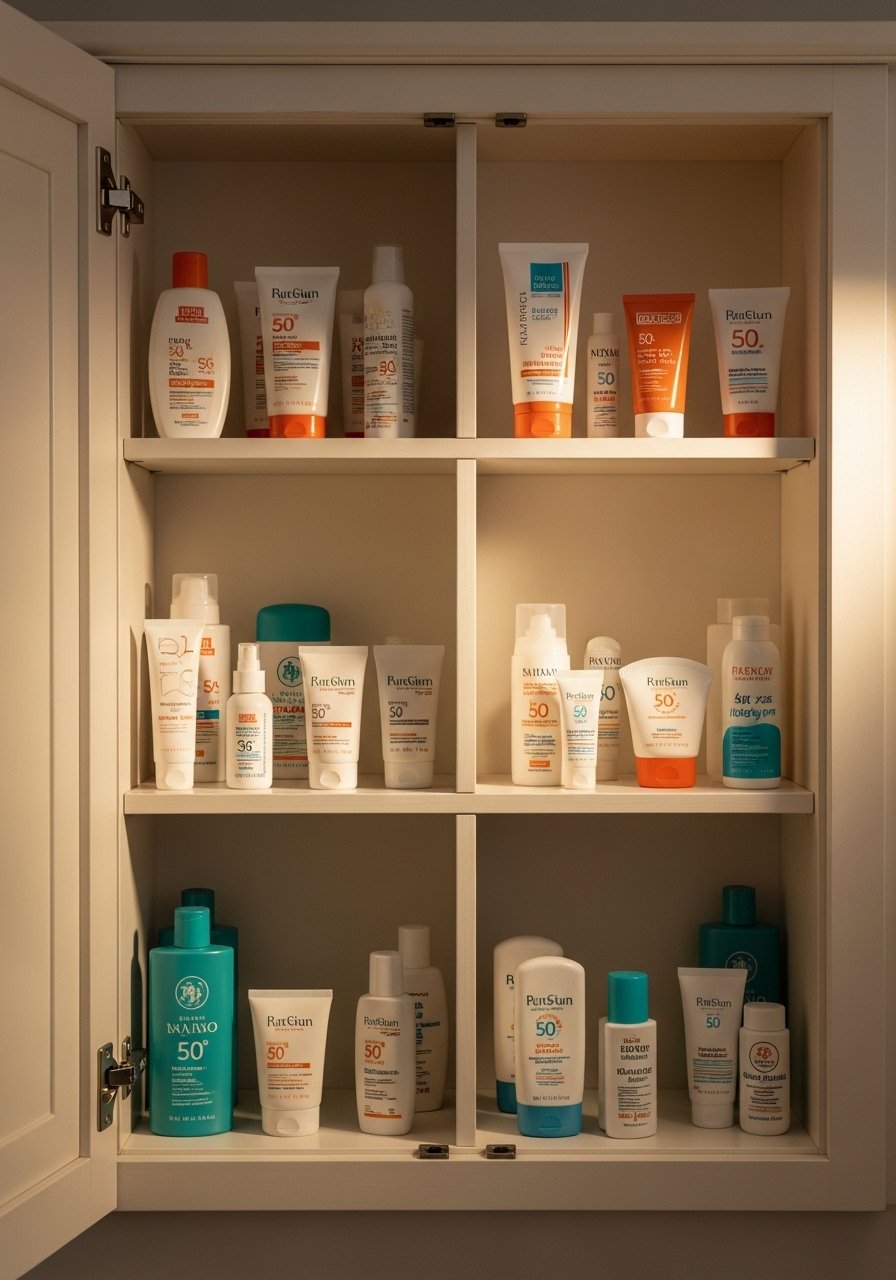
Sunscreen loses effectiveness over time and with heat. I once left a tube in a hot car and noticed a reduced finish. Check the expiration date and keep bottles out of direct sun. For travel, use smaller sizes and replace yearly. A sunscreen organizer keeps everything in one place.
Mistake to Avoid: Using old sunscreen from last season that may not provide the labeled protection level.
27. Teach Kids Sun Habits Early With Playful Routines

Sunscreen becomes normal when it is part of play. I turned reapplication into a countdown game for my niece and now she asks for SPF before playground time. Use gentle, tear-free formulas and sunscreen sticks for small hands. Make it visible by keeping a child-sized bottle on the stroller. Try a kids’ broad spectrum sunscreen.
Mistake to Avoid: Letting kids skip areas like the tops of feet and behind ears, which often get missed during play.
Your Makeup Kit
- Honestly the best items to have on hand, organized by use.
- Face Sunscreen: mineral SPF 50 sunscreen (~$12-30). Use for daily protection.
- Travel Spray: spf face and body spray (~$8-18). Quick on-the-go reapplication.
- Powder Reapplicator: mineral powder sunscreen (~$20-35). Great over makeup.
- Tinted Option: spf tinted moisturizer (~$15-40). Light coverage days.
- Stick For Precision: sunscreen stick (~$6-15). Nose, ears, hairline.
- Lip Protection: SPF lip balm (~$4-12). Reapply often.
- Scalp Care: scalp sunscreen spray (~$10-18). For visible part lines.
- Water-Resistant Body: broad-spectrum-body-sunscreen (~$10-25). For longer outdoor time.
- Hat Choice: wide-brim-sun-hat-straw (~$20-45). Three-inch brim recommended.
- Sunglasses: polarized-sunglasses-uv-protection (~$25-80). Large frames for more coverage.
- Face Gel: clear-gel-sunscreen (~$12-28). Lightweight days.
- Kids’ SPF: kids-broad-spectrum-sunscreen (~$8-20). Gentle formulas.
Makeup Tips That Actually Help
Thin coats beat one thick coat. Apply sunscreen in thin layers and let each set for a minute before adding more. A lightweight non-comedogenic facial sunscreen layered this way sits better under makeup and reduces pilling.
Keep a small product for hands. A travel spf tube in your bag stops hands from showing early sun damage and is easy to reapply after washing.
If you wear makeup, warm product between fingers. Rubbing sunscreen between palms for ten seconds before applying helps it melt into skin naturally. Use a tinted mineral sunscreen that blends when warmed.
Switch to sticks for kids and hairlines. A sunscreen stick keeps application crisp and avoids greasy spots in hair and on clothes.
Use a mirror for the hairline. A quick check after applying sunscreen catches missed spots at the temples and behind ears. Keep a compact with a small sunscreen stick for targeted touch ups.
Pick fragrances wisely. Fragranced sunscreens can irritate sensitive skin and interfere with retinoids. For reactive skin try a fragrance-free SPF option to reduce the chance of redness.
Rotate formulas by season. Use gel or spray in humid months and mineral creams in dry seasons for better comfort and consistent use. A water-resistant sunscreen SPF 50 is handy for summer activities.