
The week I stopped reaching for anything scented was the week my skin stopped erupting. I had been layering five products that promised "clarity" and ended up with itchy, red cheeks by evening. One evening I pulled everything off, used a balm cleanser and a simple moisturizer, and the redness faded by morning. That quiet routine stuck because it actually worked, not because it came in a pretty jar.
These picks lean practical, mostly fragrance-free and easy to use. Budget ranges from drugstore friendly to a few mid-price splurges between $30 and $60. Best for combination to dry reactive skin, and helpful if you flush easily or get stinging from new products. Nothing here requires layering ten actives. Patch-test if you are using prescription actives and follow your dermatologist's guidance when adding retinoids.
1. Gentle Cream Cleanser With Low-Foaming Finish
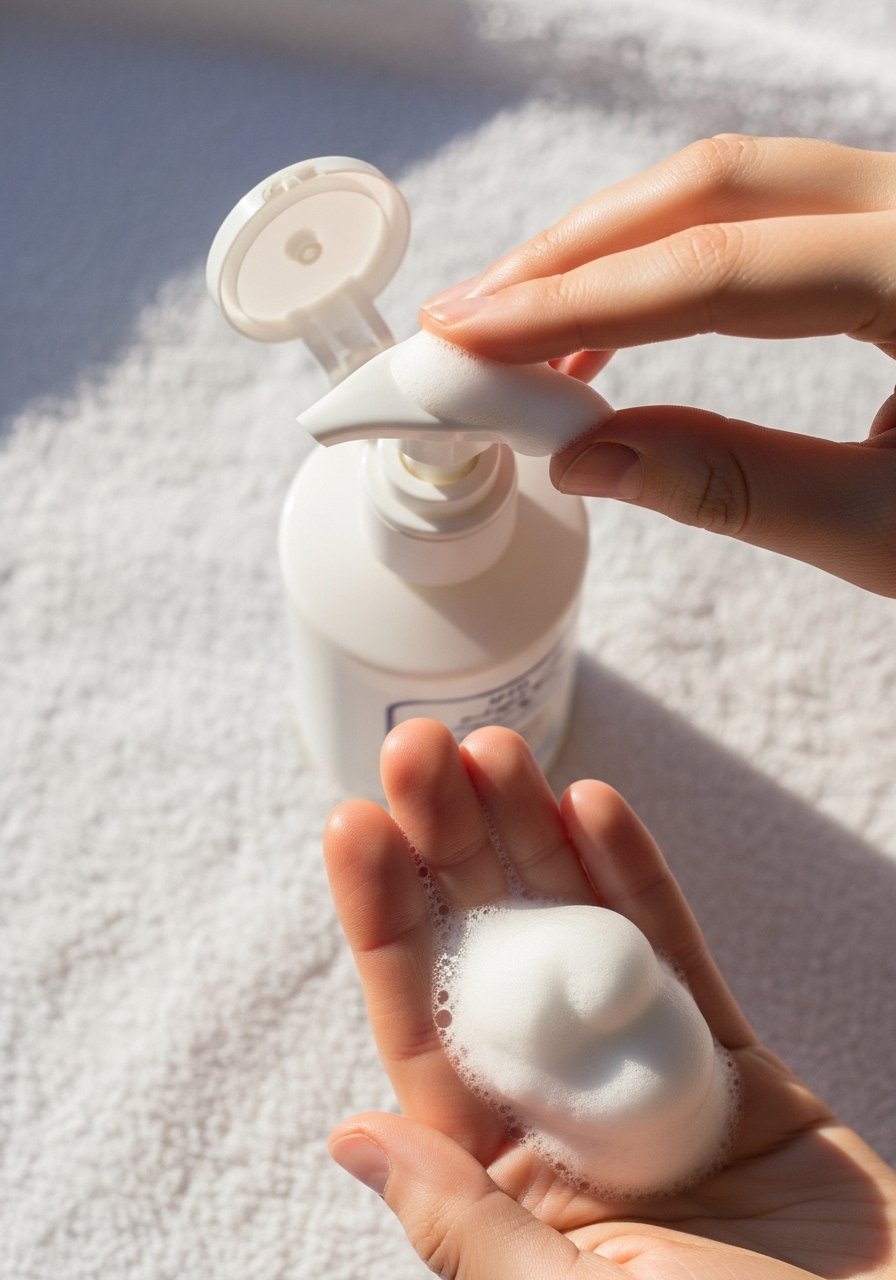
A cream cleanser that cleans without over-stripping is the baseline. Look for non-foaming or low-foam formulas with glycerin and fatty alcohols that rinse clean but leave a thin slip. I use a pea-sized amount, massaging for 30 seconds, then rinsing with lukewarm water. That short contact time prevents irritation, especially for rosacea-prone skin. For an easy option try a gentle cream cleanser fragrance-free.
Mistake to Avoid: Rubbing the face hard while cleansing, which disrupts the skin barrier and increases redness.
2. Melting Balm Makeup Remover for Sensitive Eyes
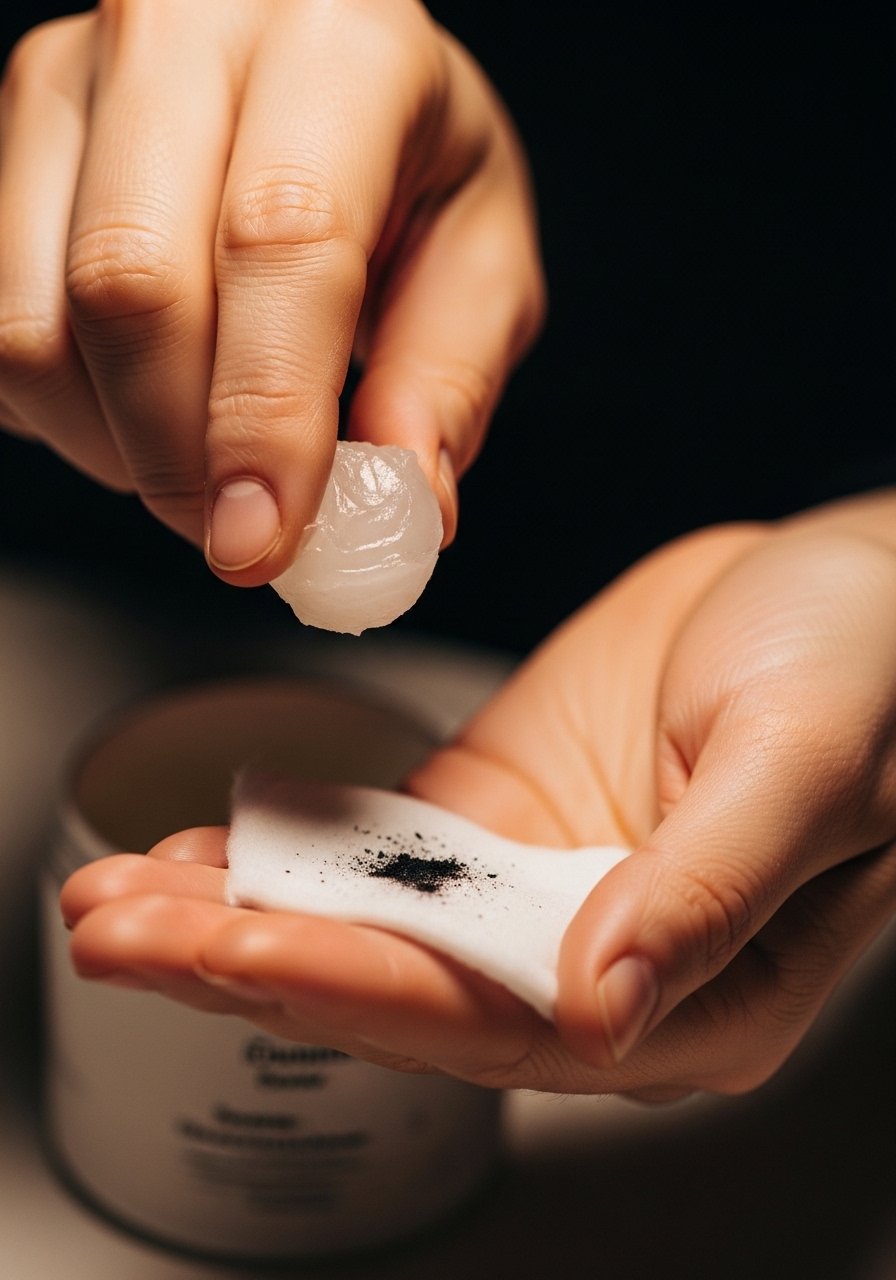
Oil-based balms dissolve waterproof mascara and sunscreen without tugging. Scoop a small amount, warm between fingers, press onto closed lids for 10 seconds, then wipe gently. This method stops the usual rubbing that drags lashes and irritates the thin skin around the eyes. Try a gentle cleansing balm for sensitive skin. Works well for contact-lens wearers when you rinse thoroughly afterward.
Mistake to Avoid: Using soap-based cleansers on the eye area and rubbing until the skin stings.
3. Micellar Water for Quick Patch-Test Removals
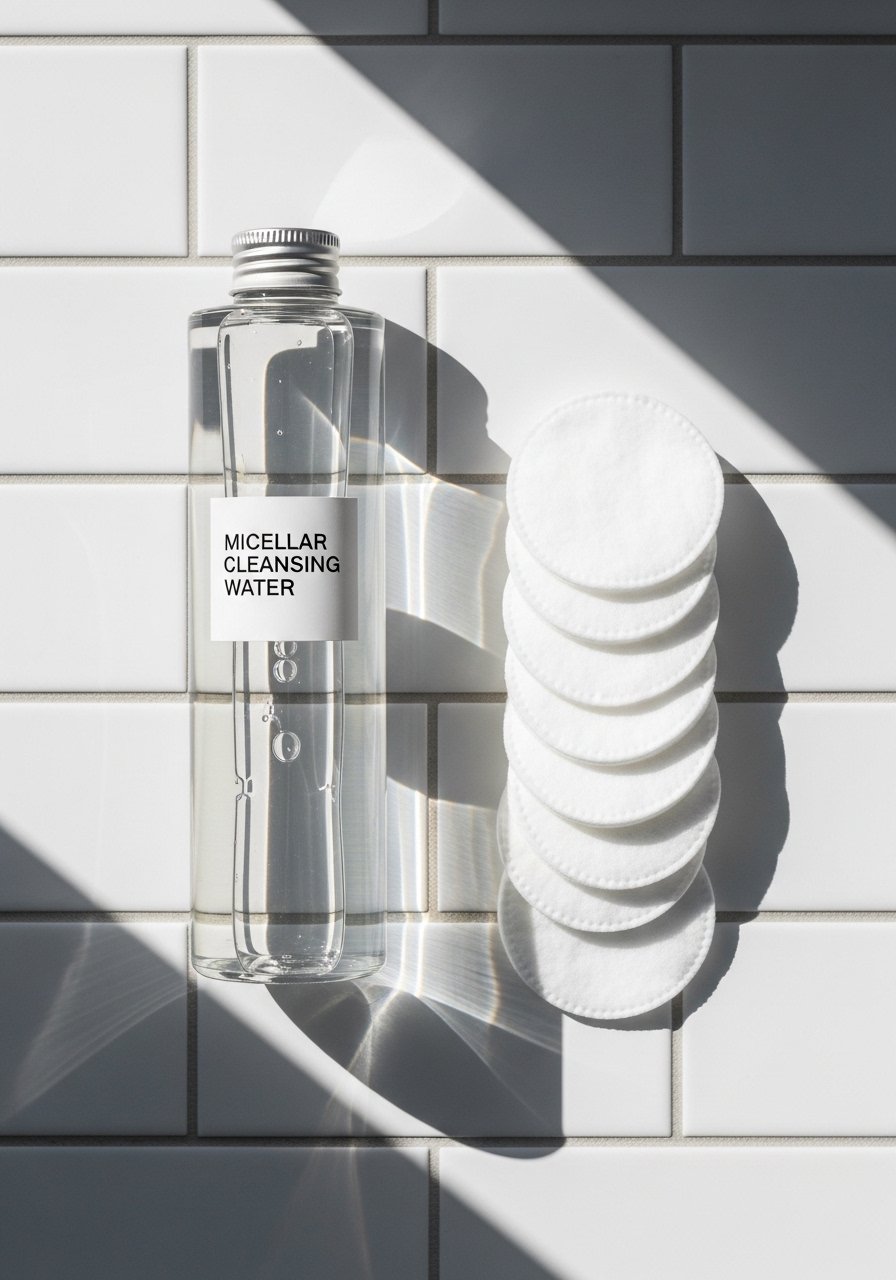
Micellar water is the quick way to remove one product when you need to patch-test. A soaked cotton pad takes off makeup without a full-face wash. Keep one bottle in your bag for trial runs and for wiping product off if something starts to sting. I keep a fragrance-free micellar water for travel and for buffering any new serum introduction.
Mistake to Avoid: Leaving micellar pads on the skin to dry, which can concentrate residues and cause irritation.
4. Lightweight Hydrating Serum With Hyaluronic Acid
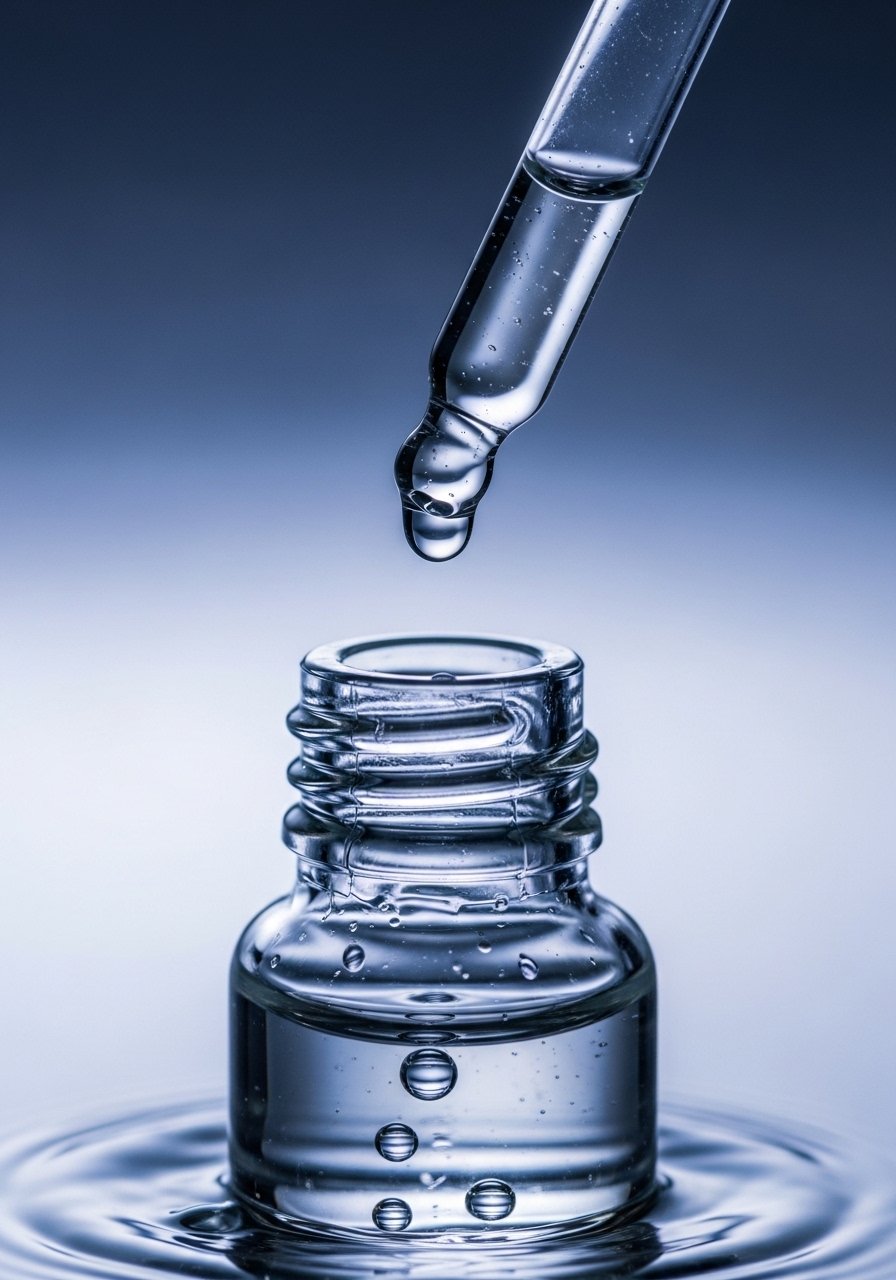
A low-viscosity hyaluronic serum adds hydration without oil. Apply to damp skin and pat three times, no rubbing. That locking-in method keeps water where it belongs and reduces the need for thicker creams that can feel heavy. I tested layering this under my daytime moisturizer for six weeks and saw less flaking. Try a lightweight hyaluronic serum.
Mistake to Avoid: Applying hyaluronic acid on dry skin, which can draw moisture out and worsen tightness.
5. Niacinamide Serum to Calm Redness and Repair Barrier
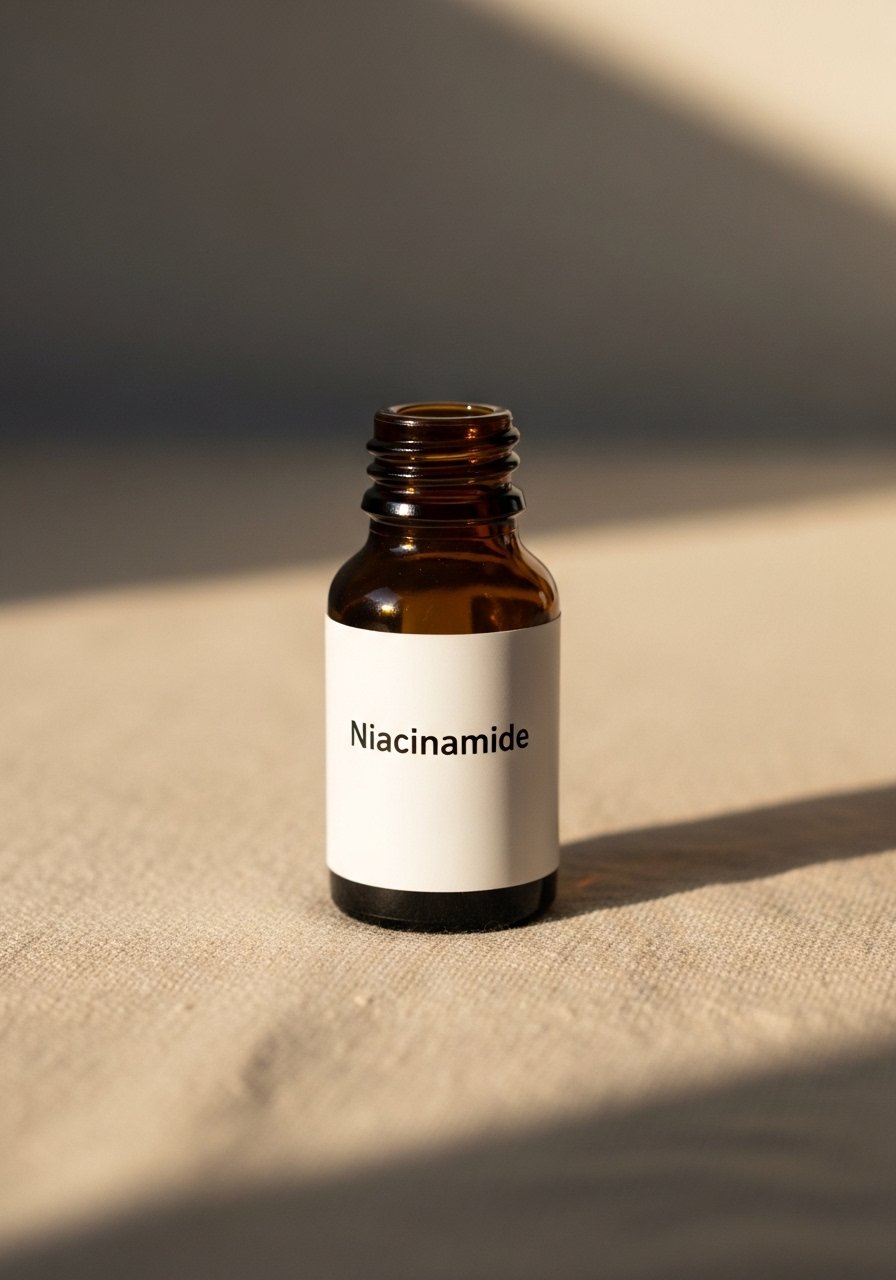
Niacinamide is one of my go-to actives because it reduces redness and strengthens barrier function without heavy peeling. Start with 2 to 5 percent if you are cautious. Apply after water-based serums and before any oil-based product. I pair it with a ceramide-rich cream for mornings. A popular choice is a gentle niacinamide serum 5 percent.
Mistake to Avoid: Adding high-concentration vitamin C immediately after niacinamide, which can sensitize very reactive skin when layered incorrectly.
6. Ceramide-Rich Moisturizer for Overnight Repair
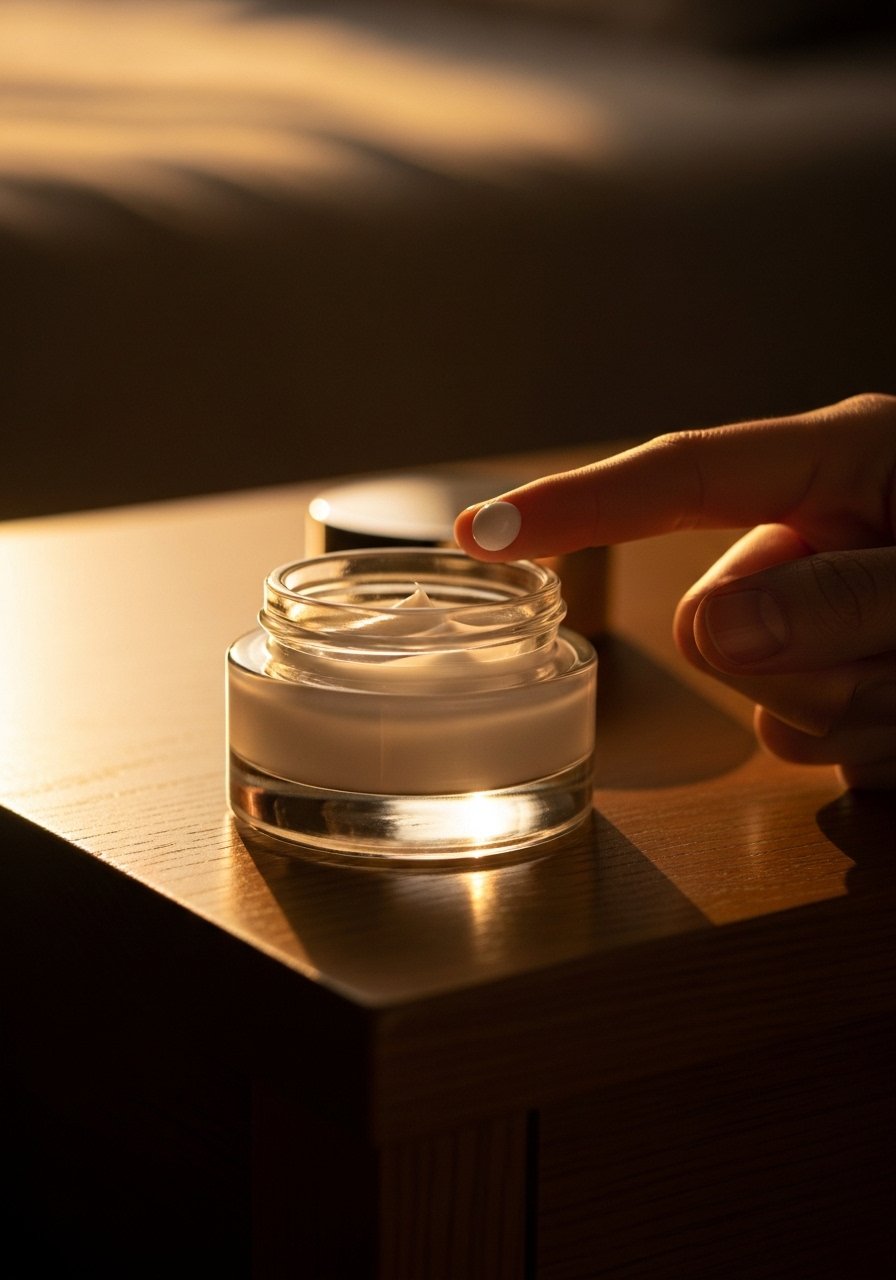
Ceramides rebuild the barrier during sleep. A thicker cream at night that contains ceramides and cholesterol helps skin recover from daytime insults. Apply in gentle upward pats, about a nickel-sized amount for the face. For reactive skin, I used this nightly for four weeks before increasing frequency and saw fewer red patches. Try a ceramide repair cream.
Mistake to Avoid: Slathering on heavy amounts that trap sweat and cause heat rash in sensitive skin.
7. Mineral Sunscreen With Non-Whitening Formula
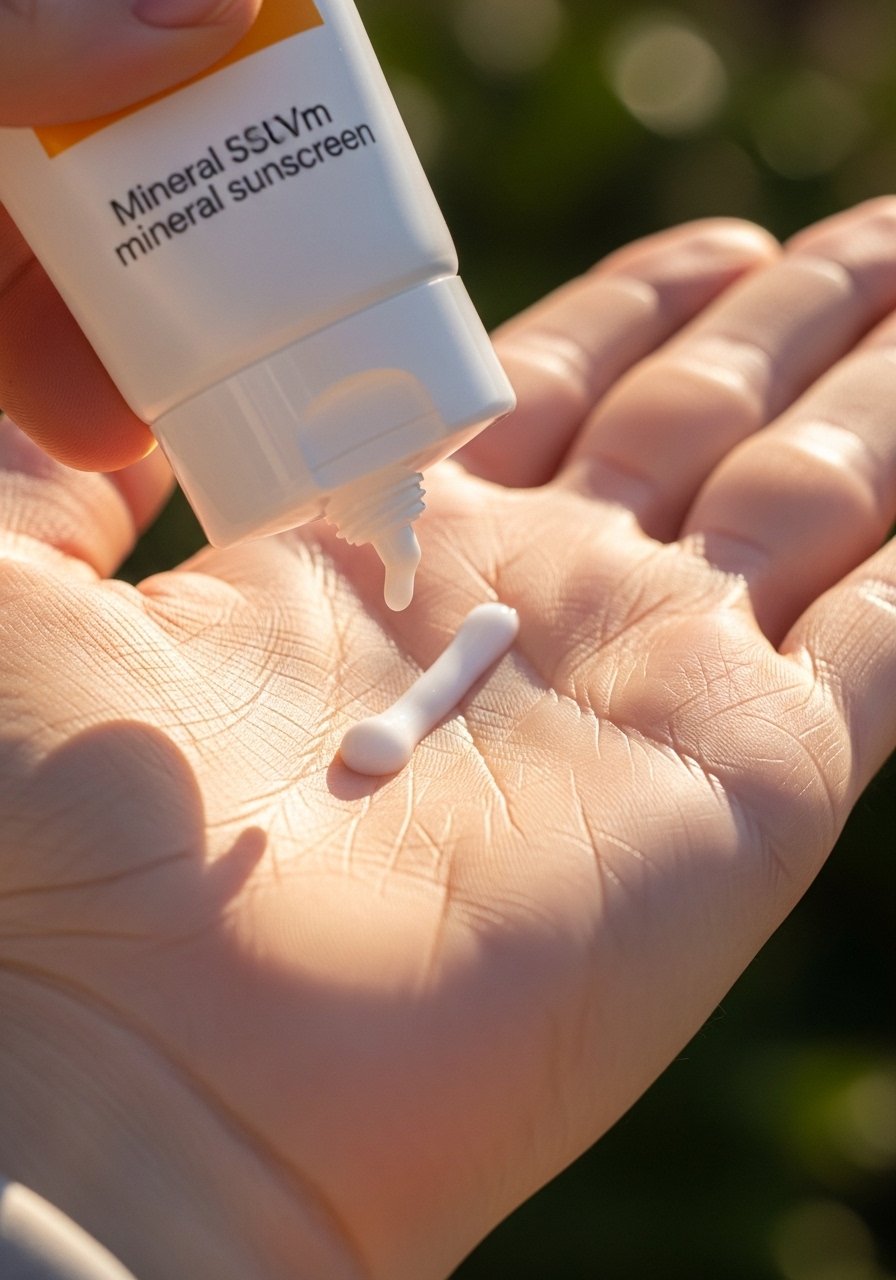
Mineral sunscreens can feel heavy or white, but newer zinc formulas sit thin and invisible. Look for micronized zinc oxide and added emollients to avoid flaking. Apply a nickel-sized amount for the face, and reapply every two hours if you are outdoors. Pair with a sheer powder SPF on top for touch-ups. Check a mineral sunscreen for sensitive skin.
Mistake to Avoid: Using too small an amount at application, which reduces actual SPF protection.
8. Tinted Mineral Powder Foundation for Covering Redness
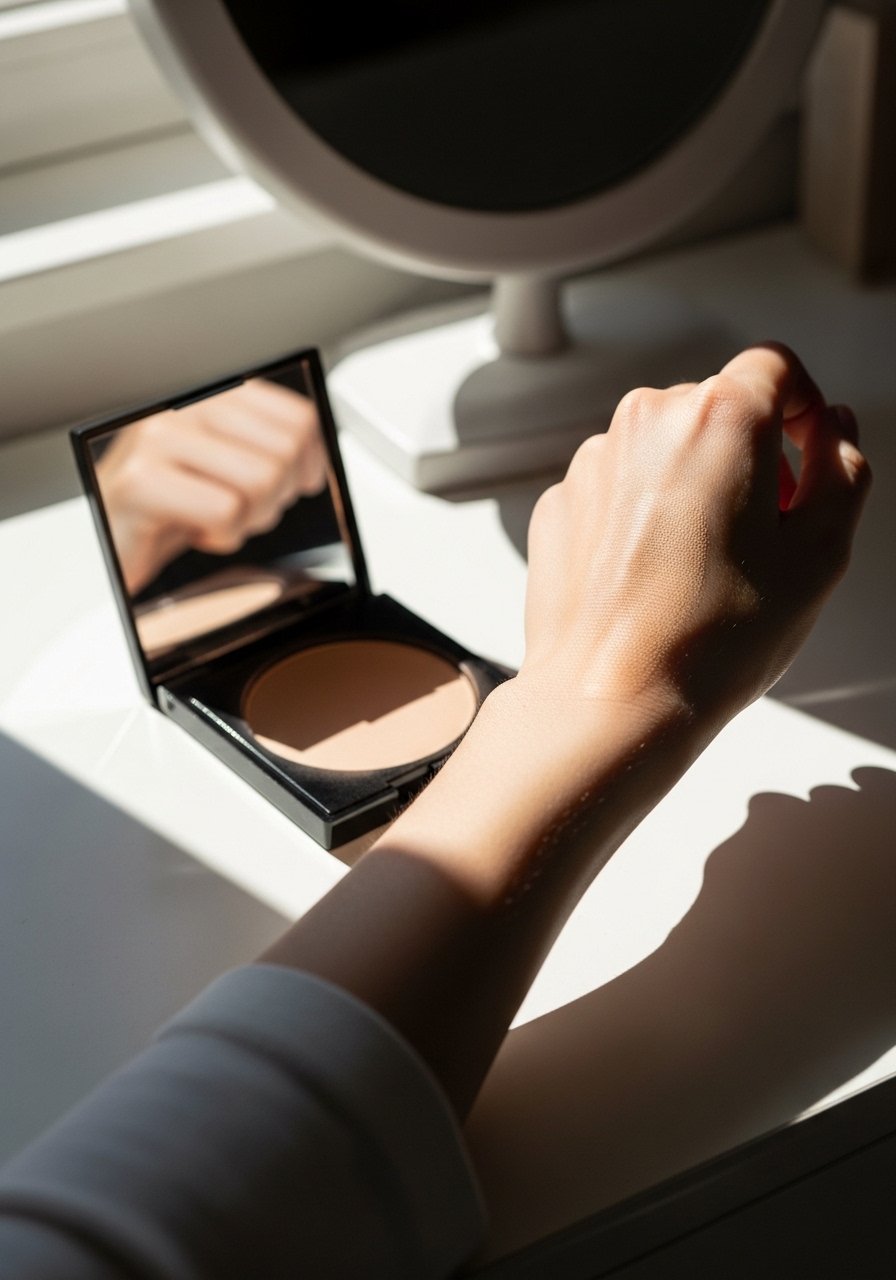
For reactive cheeks, a light mineral powder can reduce redness without clogging. Use a soft kabuki and press gently where you need coverage. Mineral powders are often non-comedogenic and sit well over sunscreen. I keep a light mineral powder foundation in my bag for midday touch-ups.
Mistake to Avoid: Brushing the powder on aggressively, which highlights texture and can flake with dry patches.
9. Fragrance-Free Face Mist to Calm Flare-Ups
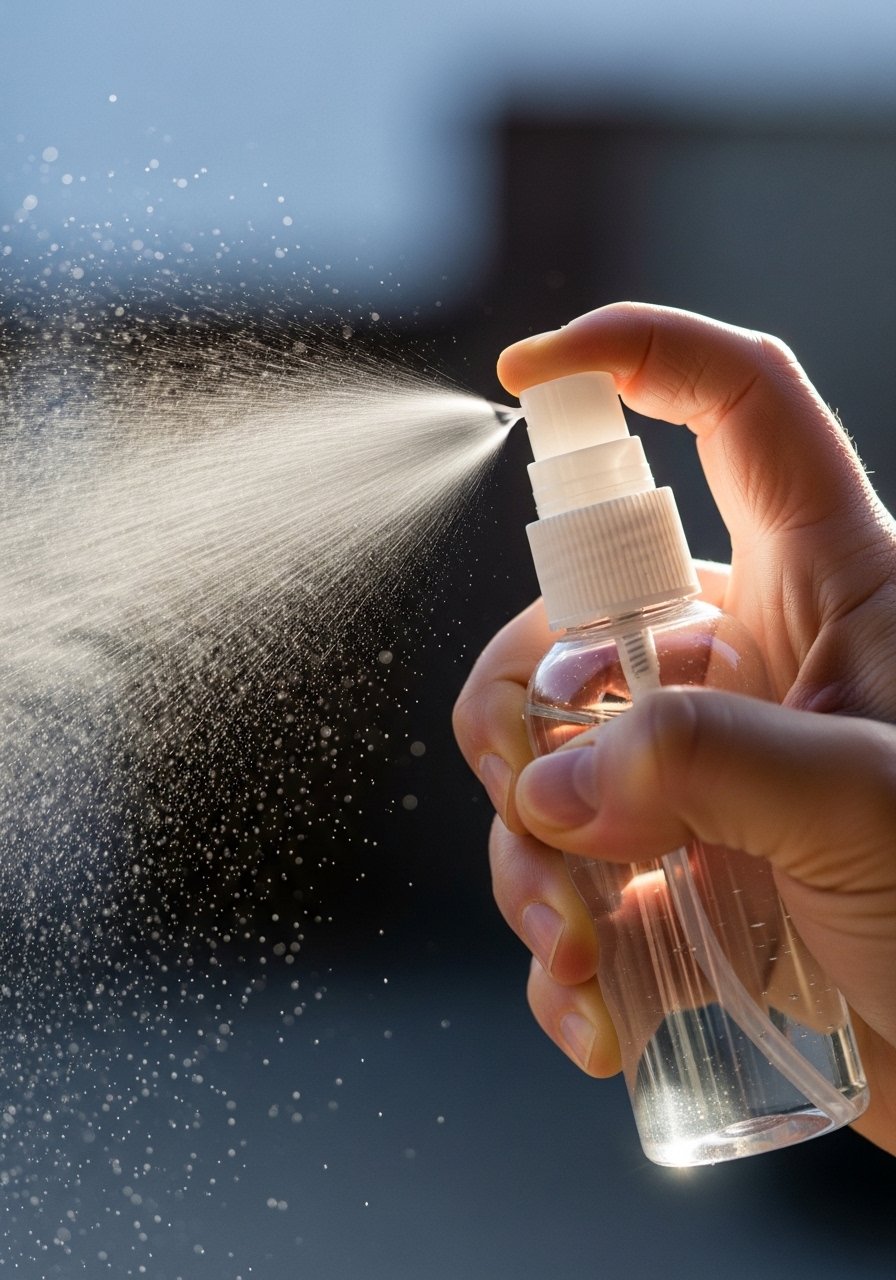
A thermal spring water or hydrating mist stops the urge to rub when skin feels hot. Spray from 6 to 8 inches away, then pat with a clean finger. Use throughout the day when you detect heat or burning after sun exposure. I use a soothing thermal water spray for flights and after workouts.
Mistake to Avoid: Spraying too close, which wets local areas and encourages rubbing that worsens irritation.
10. Barrier-Boosting Overnight Oil That Won’t Clog
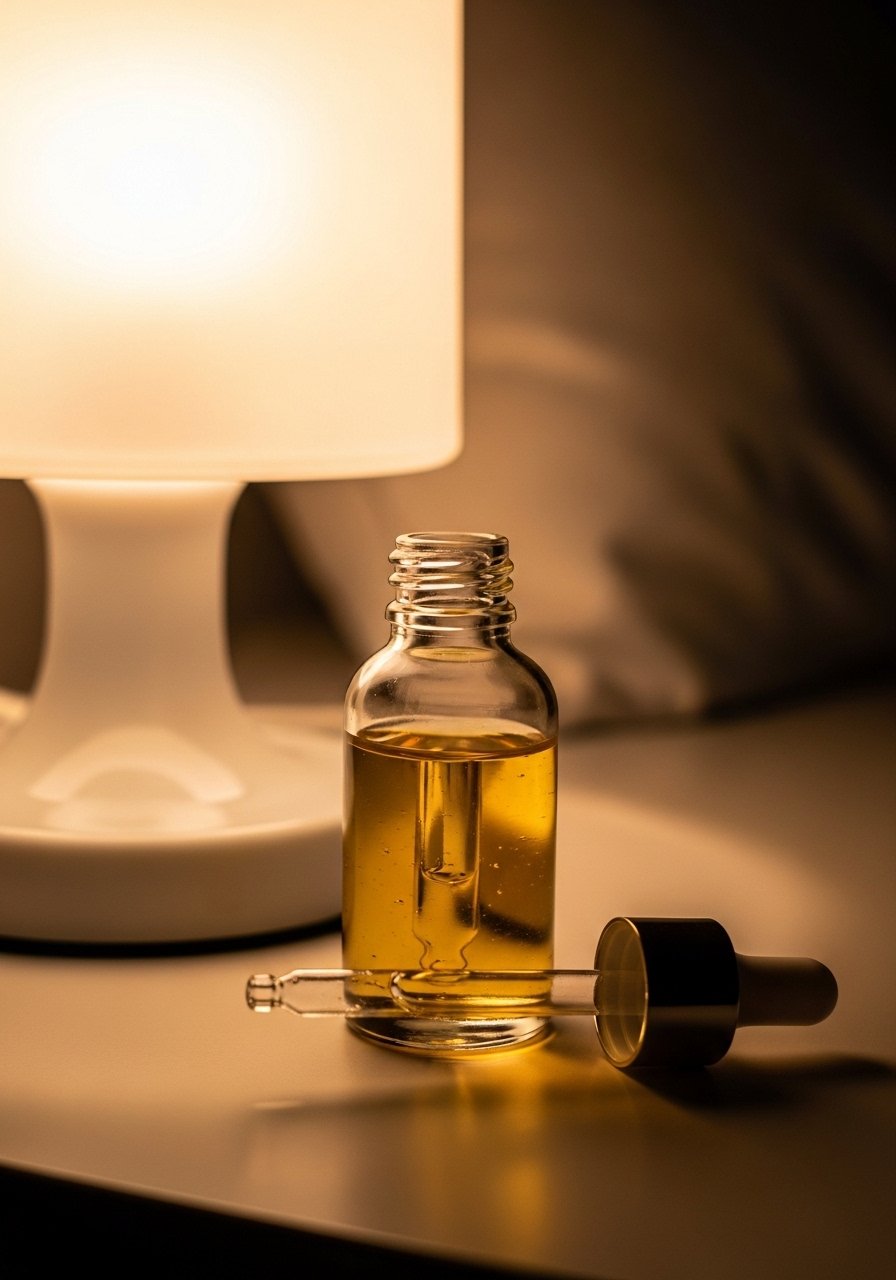
A non-comedogenic oil with linoleic-rich ingredients can complement creams for dry reactive skin. Apply three drops as the last step, pressing gently. Avoid heavy oils if you are acne-prone. I alternate oil nights and cream-only nights to keep pores clear while repairing the barrier. Try a light facial oil for sensitive skin.
Mistake to Avoid: Applying too much oil, which can sit on the surface and mix with sweat to clog pores.
11. Soap-Free Cleansing Bar for Post-Workout Rinses
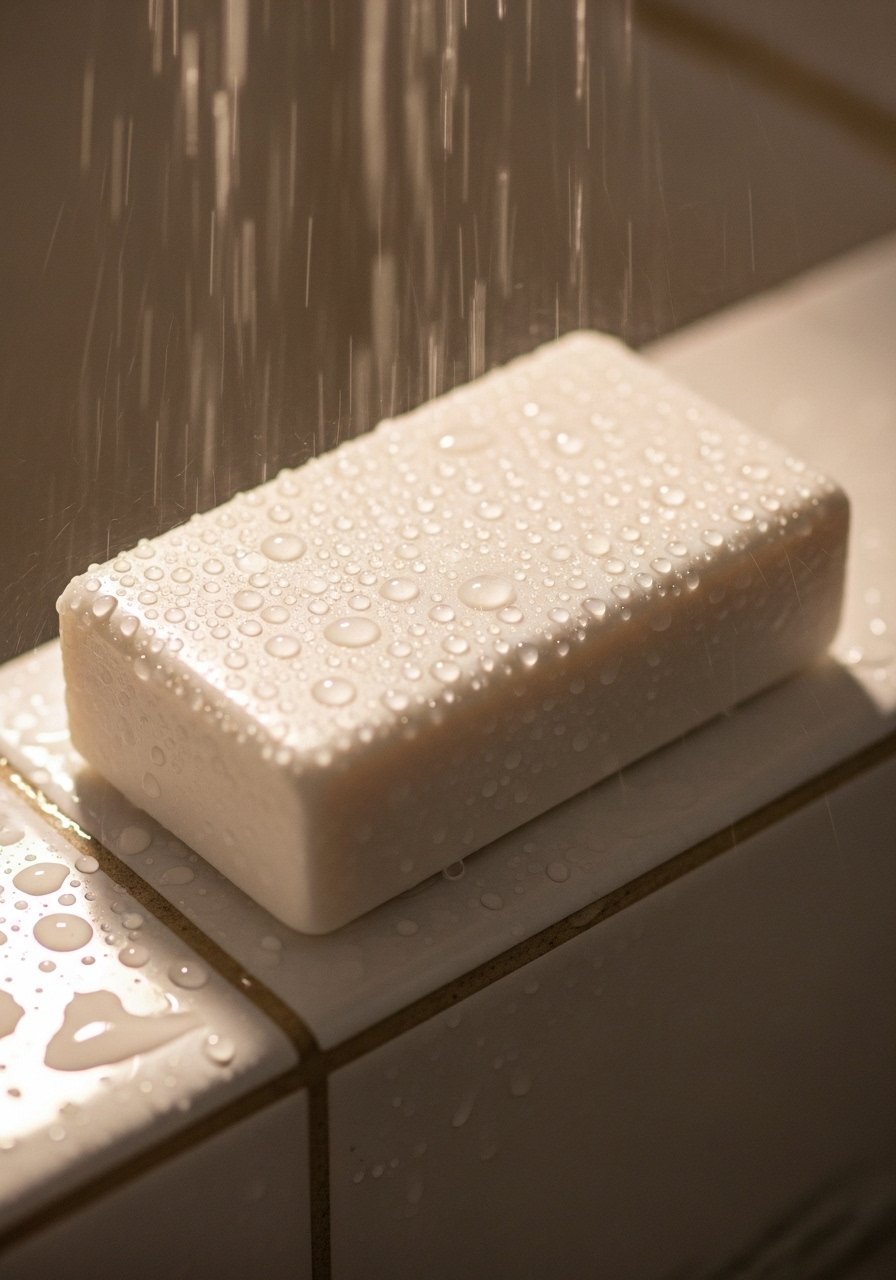
A soap-free bar helps remove sweat and SPF without stripping. Keep one in the shower for quick rinses after exercise. Use the bar on wet hands, lather, then press onto the face. The bar helps with daily grime without triggering a sting response. One reliable pick is a gentle cleansing bar unscented.
Mistake to Avoid: Using hot water with the bar, which increases redness and dilates capillaries.
12. Low-Strength Retinoid Alternative for Sensitive Skin
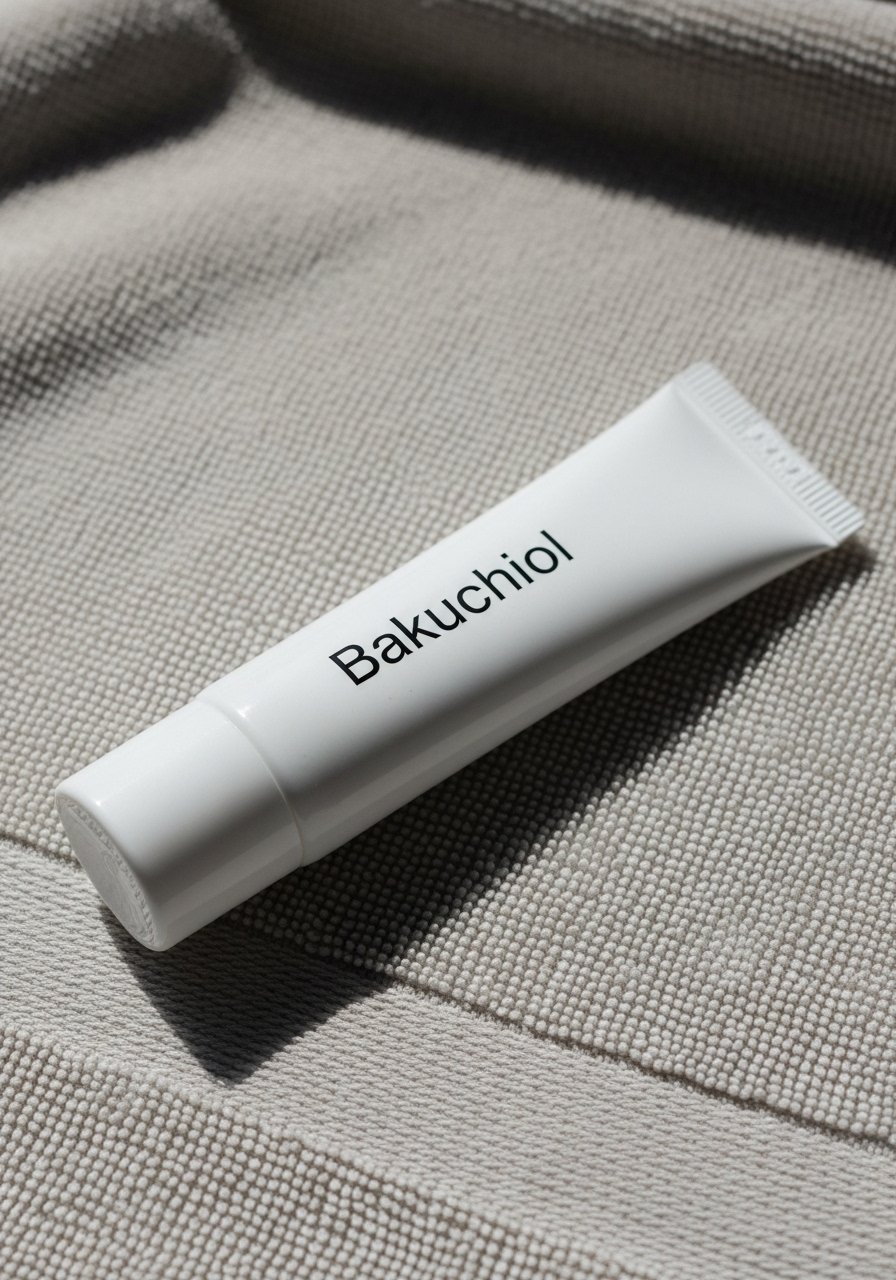
If retinol stings, try bakuchiol or a low-strength encapsulated retinol used every third night. Start with a pea-sized amount and wait three nights between initial uses. Pair it with a ceramide moisturizer to reduce flaking. After six weeks of testing this gentle rotation, I saw smoother texture with less redness than with stronger formulations. Try a bakuchiol treatment for sensitive skin.
Mistake to Avoid: Ramping up frequency too fast when you first introduce a retinoid or alternative.
13. Gentle Chemical Exfoliant With Low Percentage AHA
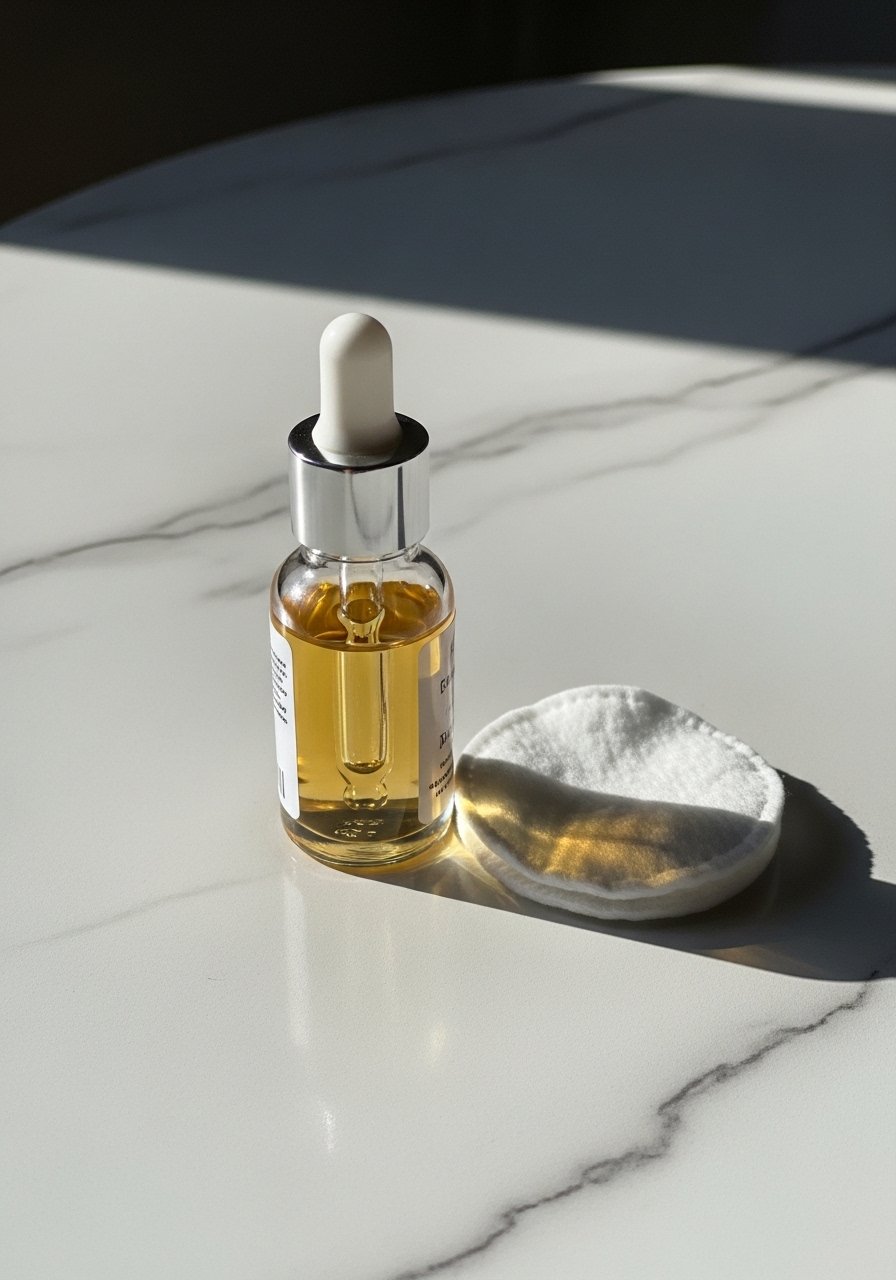
A mild 5 percent lactic acid or low-percent mandelic acid will exfoliate without aggressive peeling. Apply once a week at night at first, seven to ten days between uses. That spacing prevents barrier breakdown while keeping texture smooth. I alternate with hydrating masks and avoided daily acids for months. Look for a low-percent lactic acid serum.
Mistake to Avoid: Layering acids with vitamin C overnight, which can increase sensitivity and redness.
14. Repairing Eye Cream With Minimal Ingredients
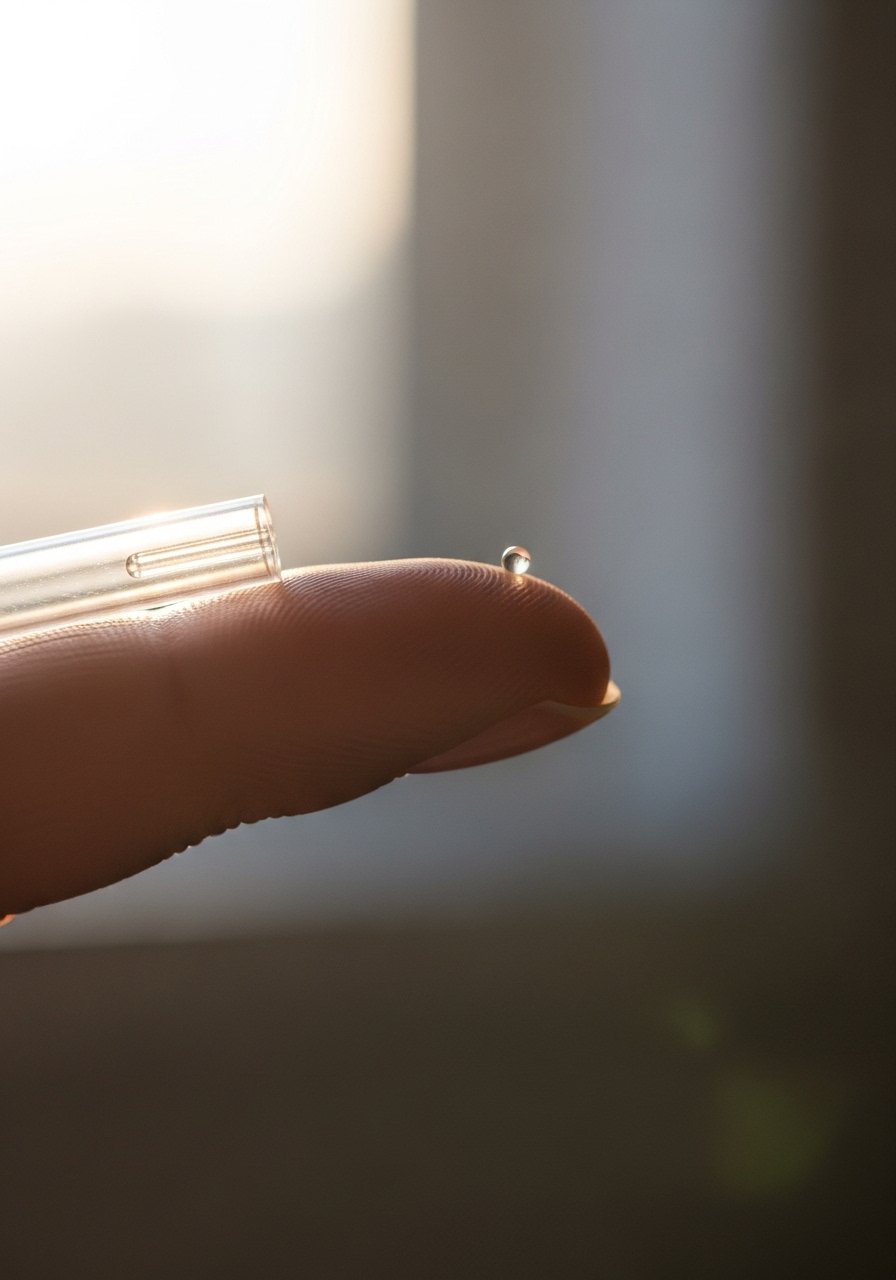
The eye area is thin and reactive. A simple formula with glycerin, squalane, and a peptide reduces dryness without irritation. Use a rice-grain amount and tap around the orbital bone, not the lid. If you wear makeup, this stops creasing under concealer. Try a minimal eye cream for sensitive eyes.
Mistake to Avoid: Applying eye cream too close to the lash line, which can migrate into the eye and sting.
15. Soothing Overnight Mask to Stop Flare-Ups Fast
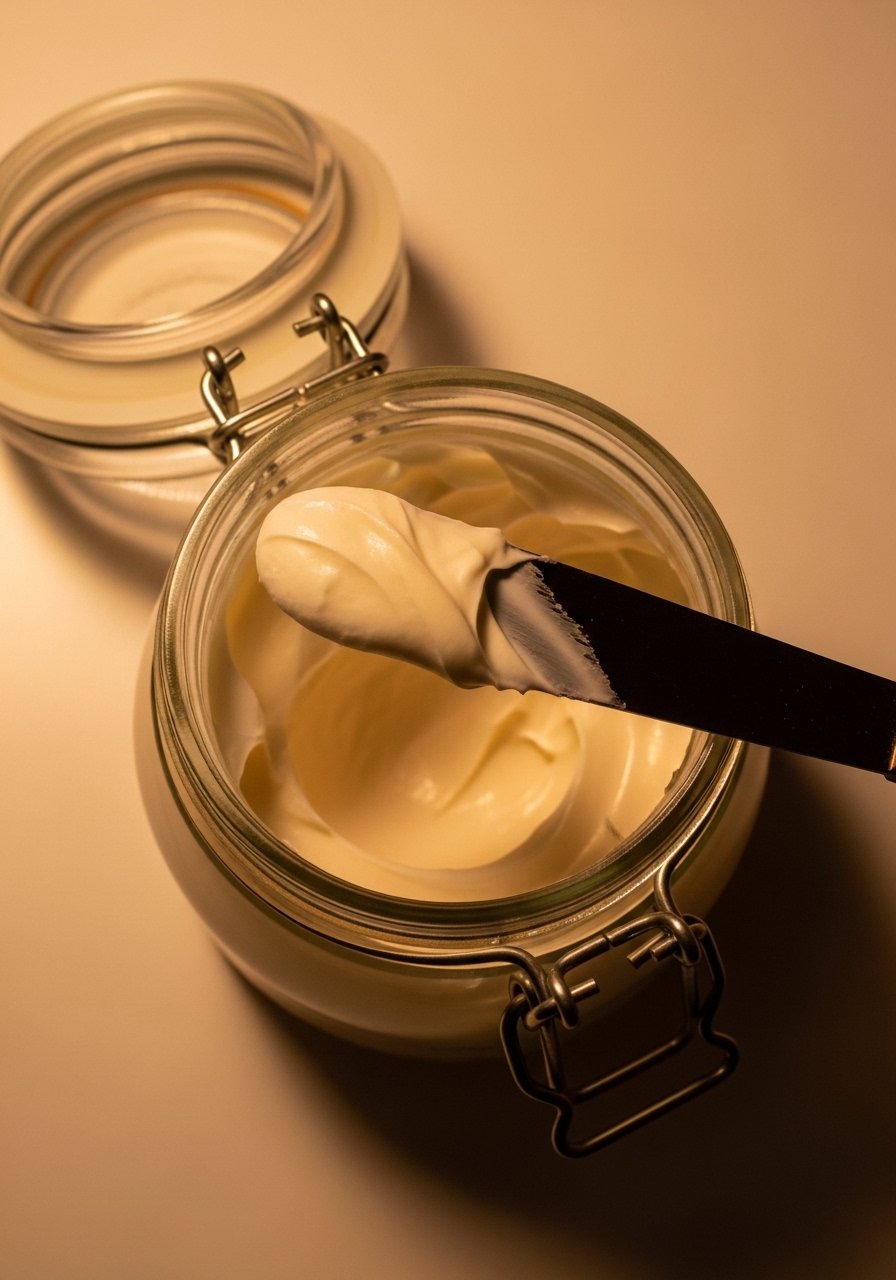
A water-based overnight mask containing panthenol and oat extract calms red patches. Use a thin layer only on problem zones, not the whole face if you are pore-conscious. I keep one for travel and slapped it on after a day in the sun. It reduced visible redness by morning without pilling. Try a soothing overnight mask for sensitive skin.
Mistake to Avoid: Using a thick occlusive overnight mask during hot weeks, which traps sweat and can cause breakouts.
16. Hypoallergenic Spot Treatment for Sudden Bumps
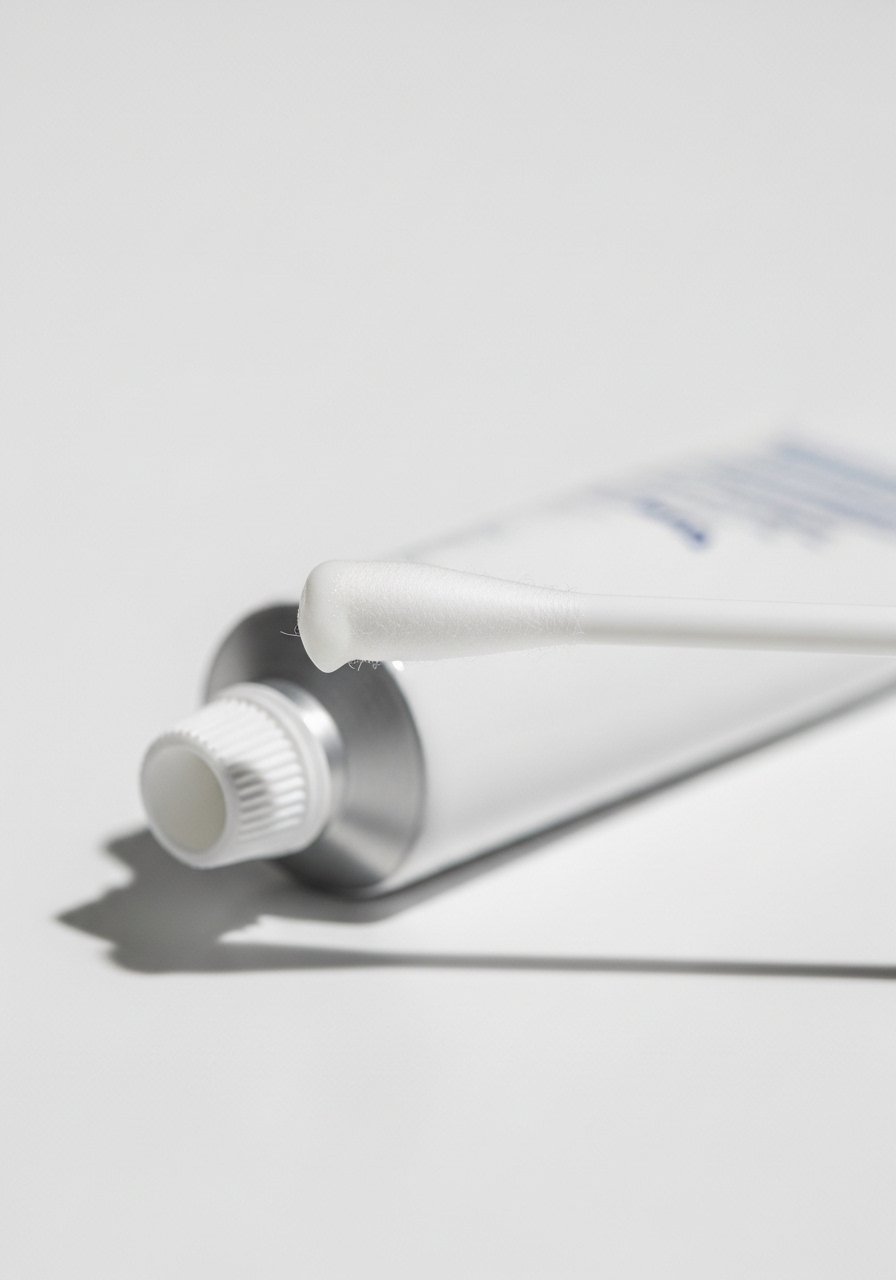
For sudden spots that itch or flare, a calming benzoyl peroxide-free spot gel with sulfur or niacinamide calms inflammation. Apply a thin layer at night only on the lesion. I keep one in my kit so I am not tempted to use harsher acne products on reactive skin. A handy option is a hypoallergenic spot gel.
Mistake to Avoid: Applying spot treatments all over the face, which dries unaffected areas and damages the barrier.
17. Lightweight Tinted Moisturizer for Everyday Coverage
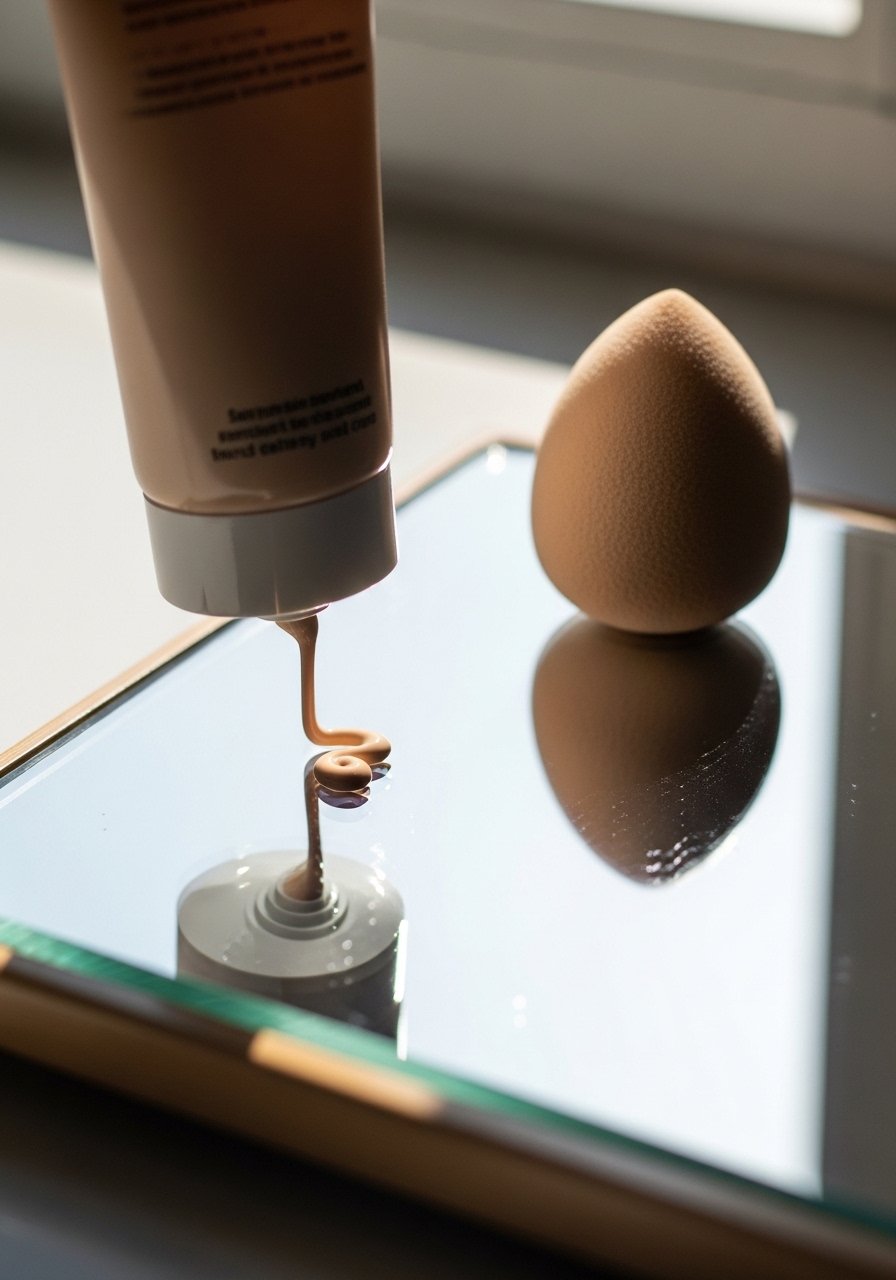
When you want coverage without a full foundation, a fragrance-free tinted moisturizer evens skin and includes SPF. Apply in light layers, using a damp sponge for blended finish. This approach covers redness without feeling heavy. I wear a tinted moisturizer SPF for sensitive skin on quick errands and low-key days.
Mistake to Avoid: Mixing sunscreen into your tinted moisturizer for SPF gains, which dilutes the sunscreen and reduces protection.
18. Cooling Gel With Allantoin for Sun-Exposed Skin
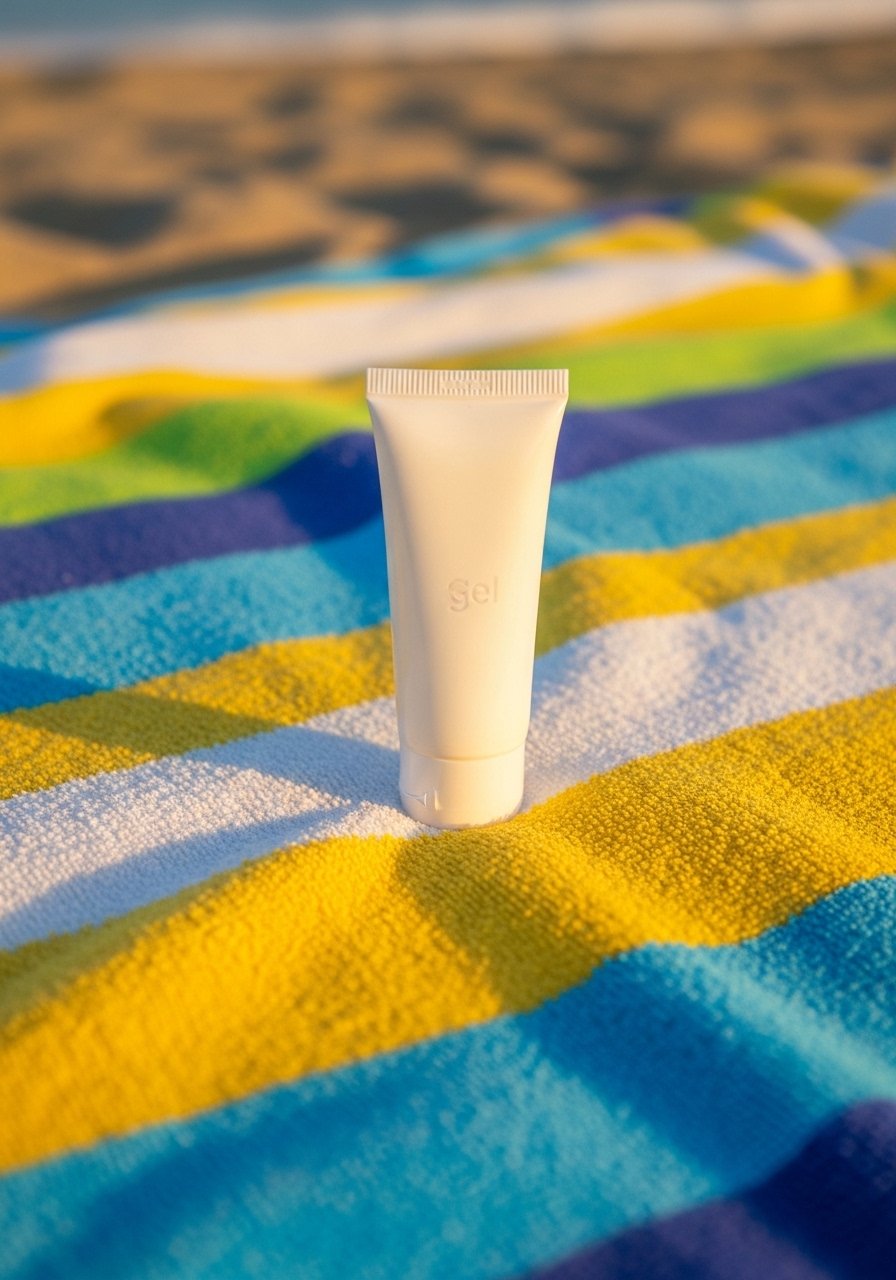
After unexpected sun exposure, a cooling gel with allantoin and aloe calms heat without adding fragrance. Apply a thin layer and cool in the fridge before use for extra relief. I keep a travel-size in my bag for outdoor events. One practical pick is a soothing gel with allantoin.
Mistake to Avoid: Applying oils or occlusives right after sun exposure, which can trap heat and prolong inflammation.
19. pH-Balanced Toner to Reduce Tightness
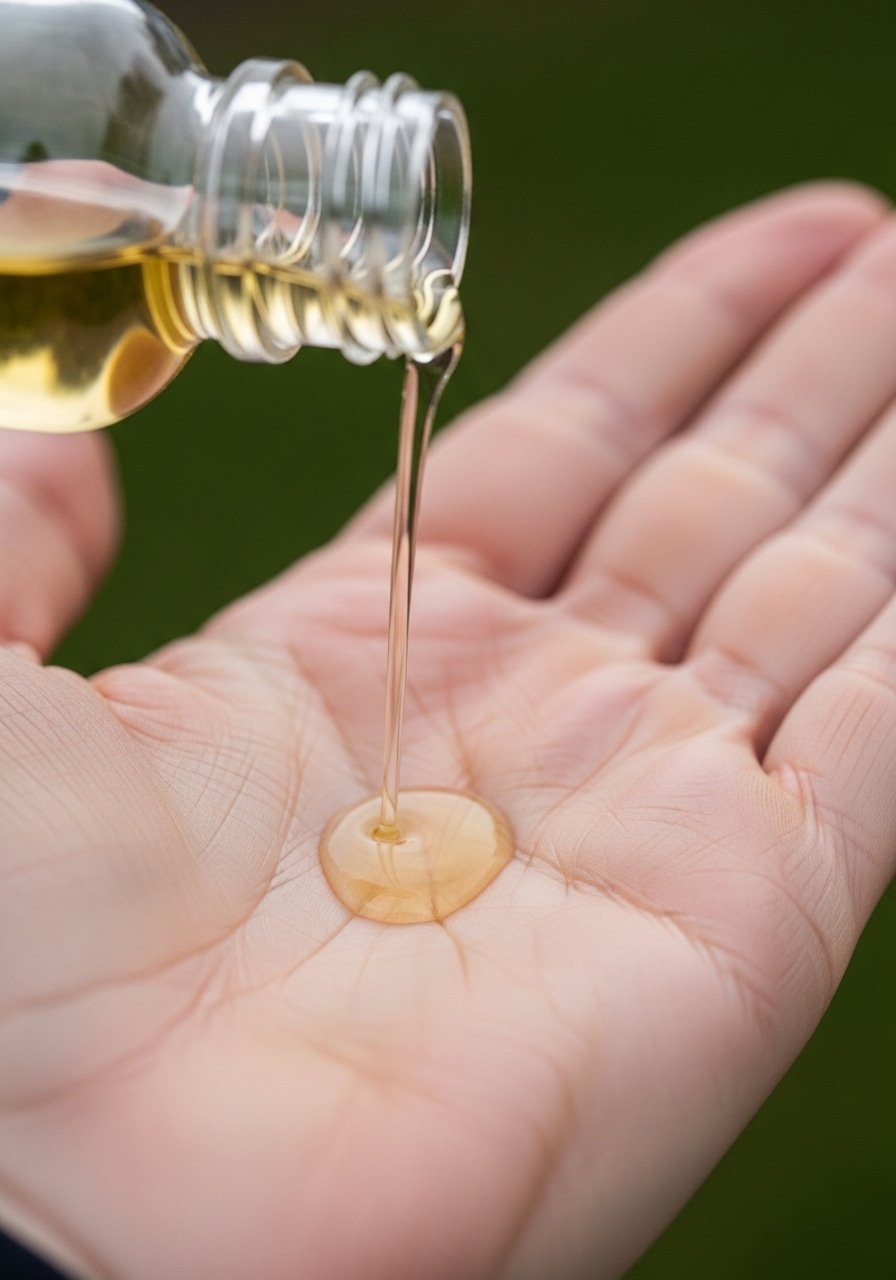
A pH-balanced toner with glycerin and minimal extracts brings moisture back without stripping. Apply by patting with hands rather than cotton to avoid micro-abrasions. Use morning and night after cleansing if you feel tight. I found this helpful when switching to a low-foam cleanser. Try a pH-balanced hydrating toner.
Mistake to Avoid: Using toners with alcohol or strong astringents, which increase dryness and flaking.
20. Fragrance-Free Sheet Masks for Emergency Dew
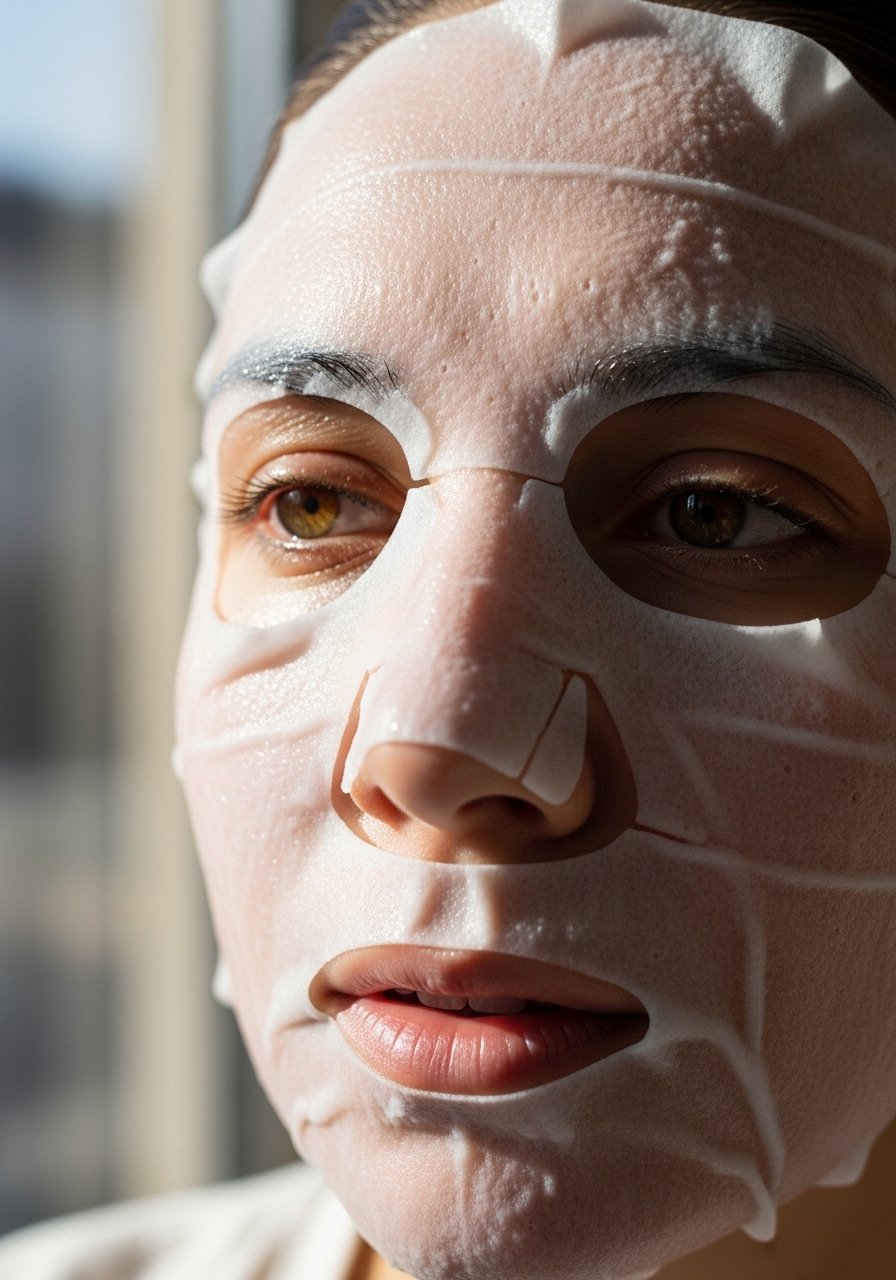
If you need fast comfort, a fragrance-free sheet mask soaked in hydrating serum can calm and de-puff in 10 to 15 minutes. Lie back, set a timer, and dab the remaining essence into the skin. Save this for travel or flights when your skin misbehaves. A reliable choice is a calming sheet mask set fragrance-free.
Mistake to Avoid: Leaving a sheet mask on for too long, which can actually dry the skin as the sheet reabsorbs moisture.
21. Powdered Mineral Blotting Paper for Oily Spots
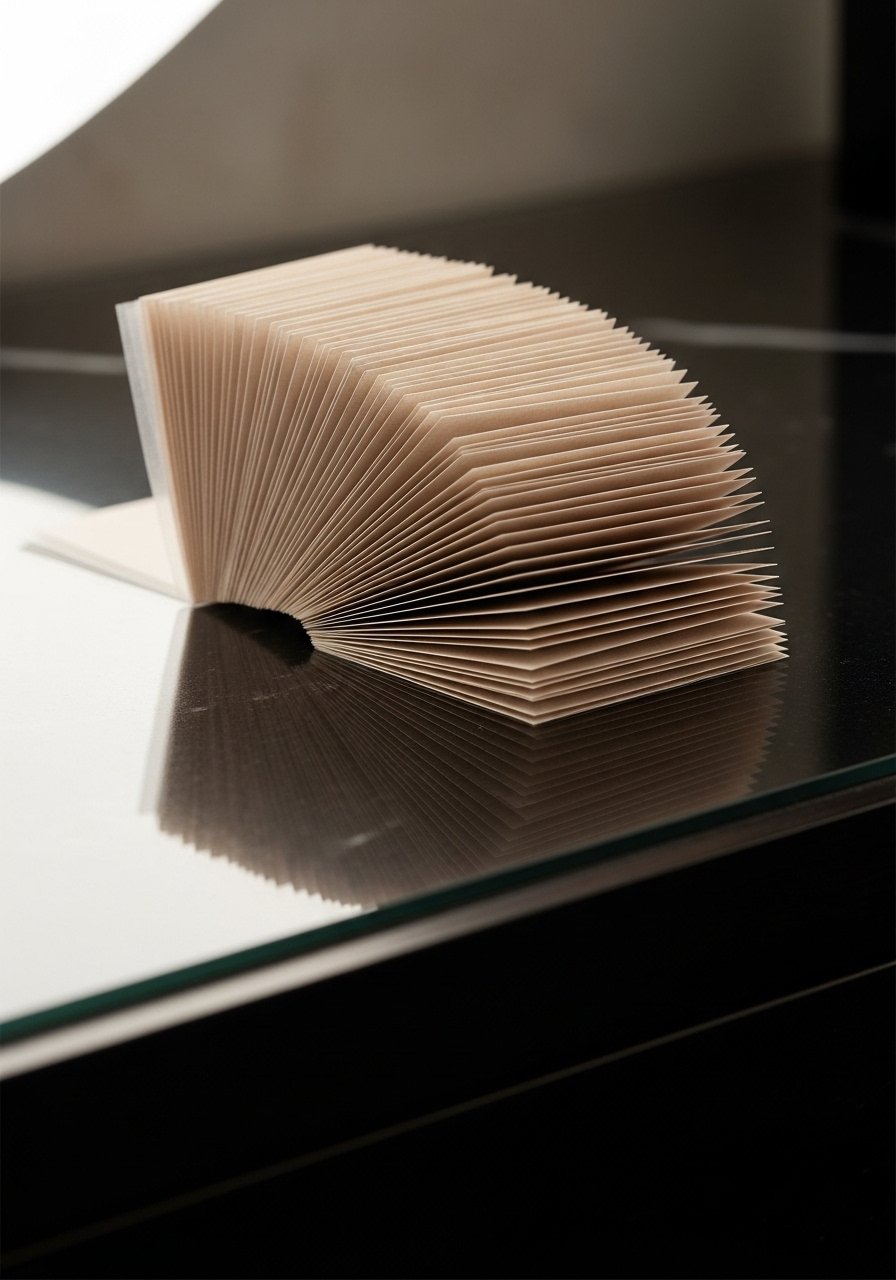
Blotting papers with a light mineral dusting absorb shine and offer a touch of coverage without disturbing makeup. Press, do not swipe, to avoid spreading oil across dry patches. Keep these in your pocket for midday calming. I reach for mineral blotting papers unscented when I need a quick touch-up.
Mistake to Avoid: Rubbing the face with blotting paper, which can pull skin and inflame red areas.
22. Gentle Cleansing Oil for Heavy Sunscreen Days
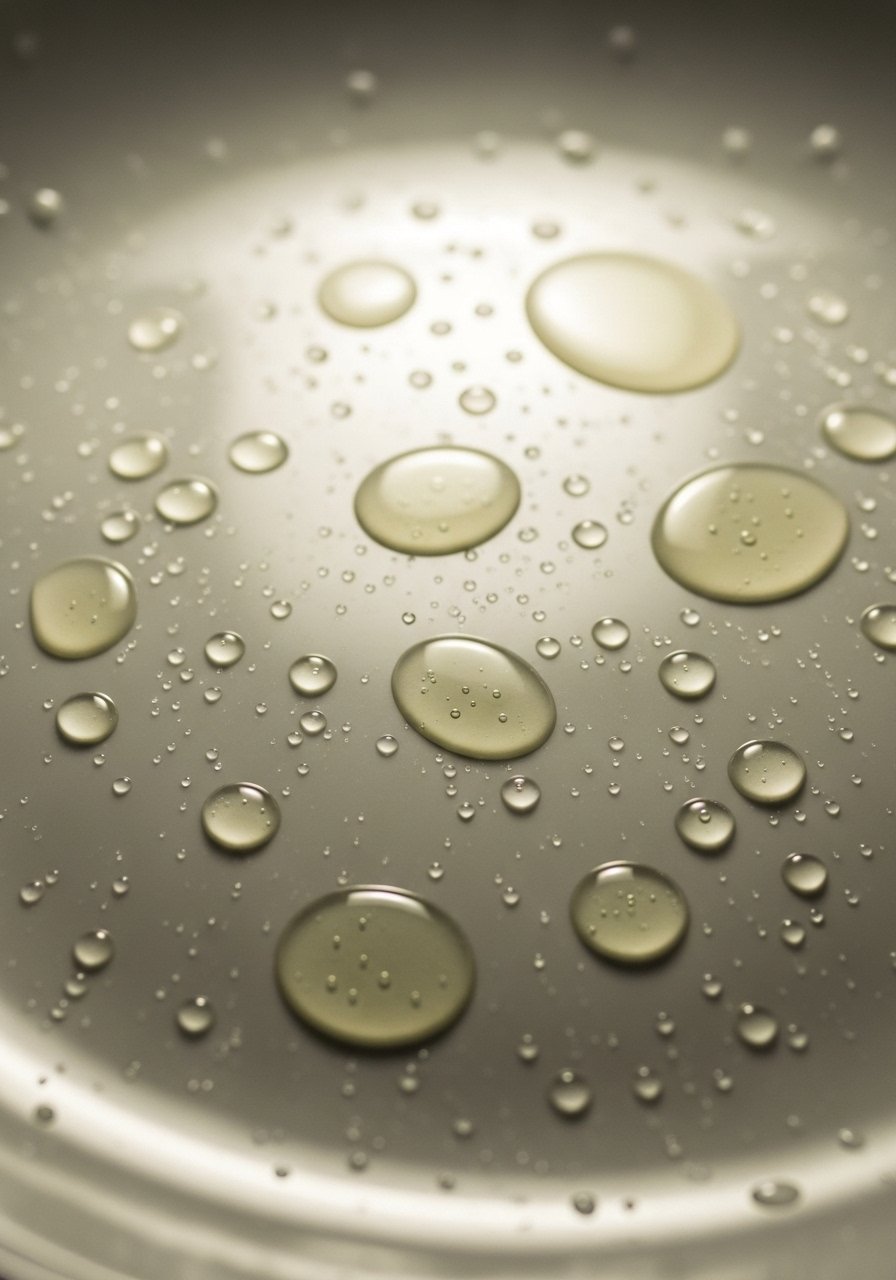
When you wear thick mineral SPF, double cleanse with a gentle cleansing oil first. Massage for 20 seconds to break down sunscreen, then follow with your cream cleanser. That prevents over-cleansing later and reduces the need for harsher scrubs. I use a gentle cleansing oil for sensitive skin on beach days.
Mistake to Avoid: Skipping the second cleanser and leaving oil residue that can clog pores overnight.
23. Fragrance-Free Lip Repair Balm for Perioral Sensitivity
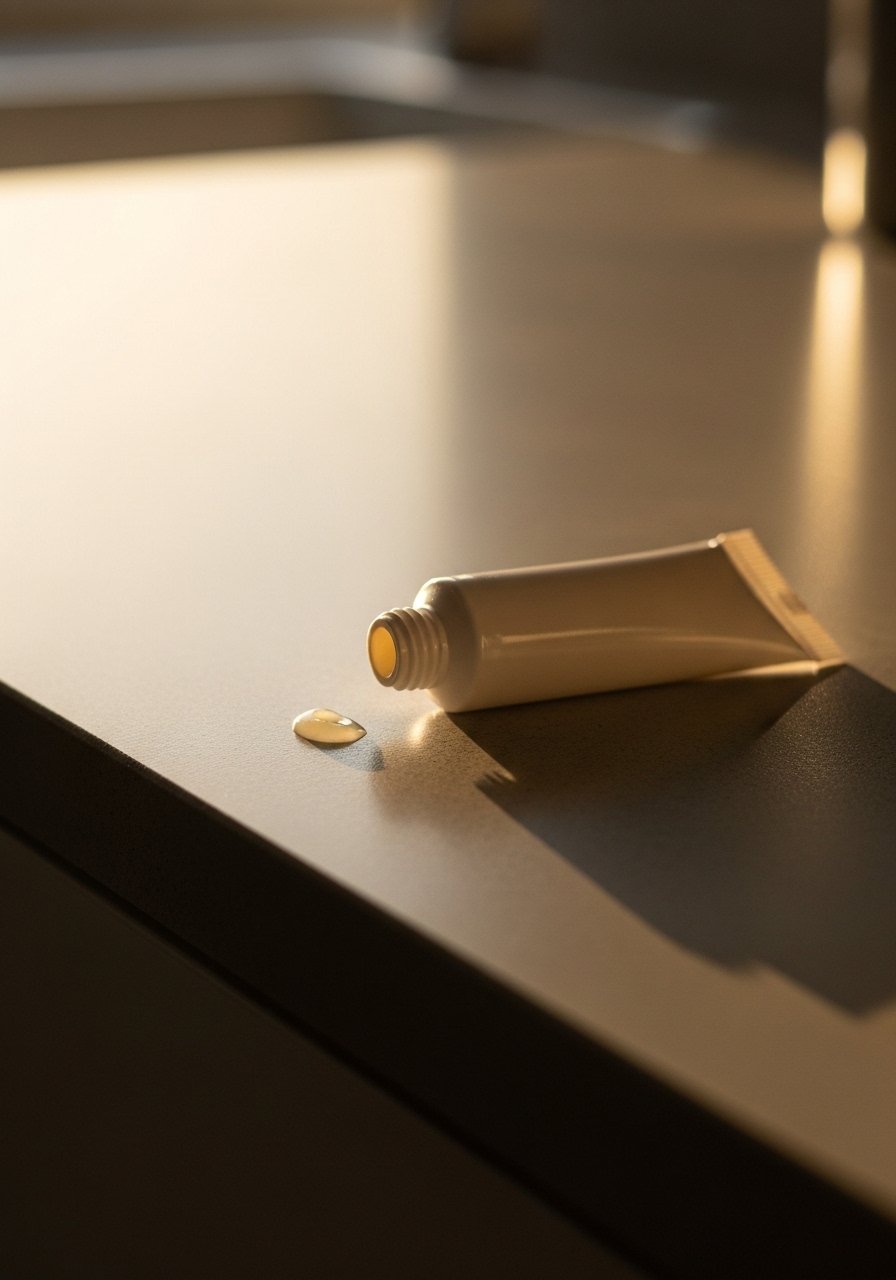
The skin around the mouth is reactive for many. A simple balm with beeswax or petrolatum and no flavor helps when you are using topical actives nearby. Apply thinly at night or before heading outdoors. I keep a fragrance-free lip repair balm in every bag.
Mistake to Avoid: Using flavored or medicated lip balms that can cause contact dermatitis when paired with facial actives.
24. Hypoallergenic Makeup Remover Wipes for Travel
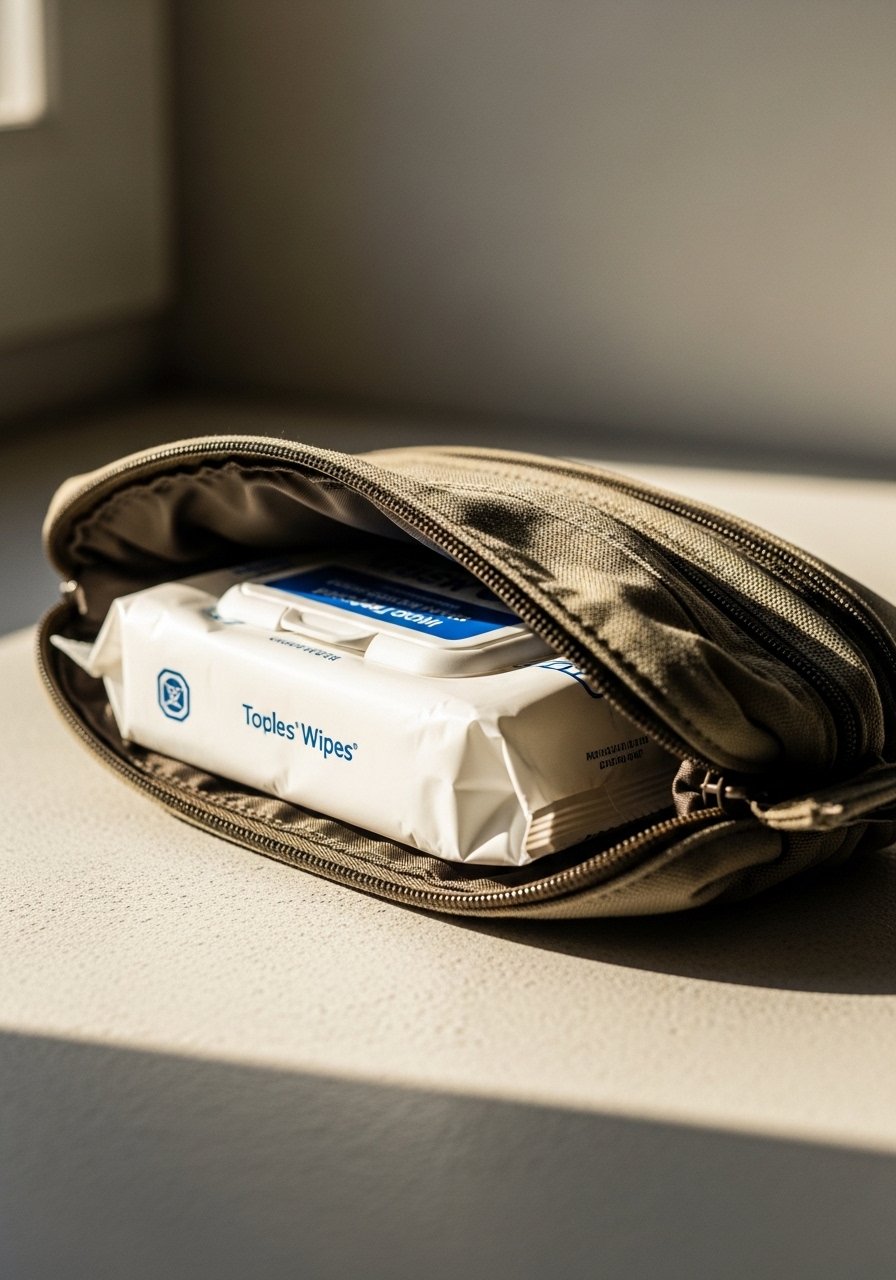
Wipes are not daily staples, but a hypoallergenic, fragrance-free option is valuable when you cannot do a full cleanse. Pat gently and follow up with your cream cleanser when you are home. I always pack hypoallergenic makeup remover wipes travel-size for red-eye flights.
Mistake to Avoid: Using wipes as a substitute for cleansing before applying heavier night products.
25. Mineral Tinted Sunscreen Stick for Touch-Ups
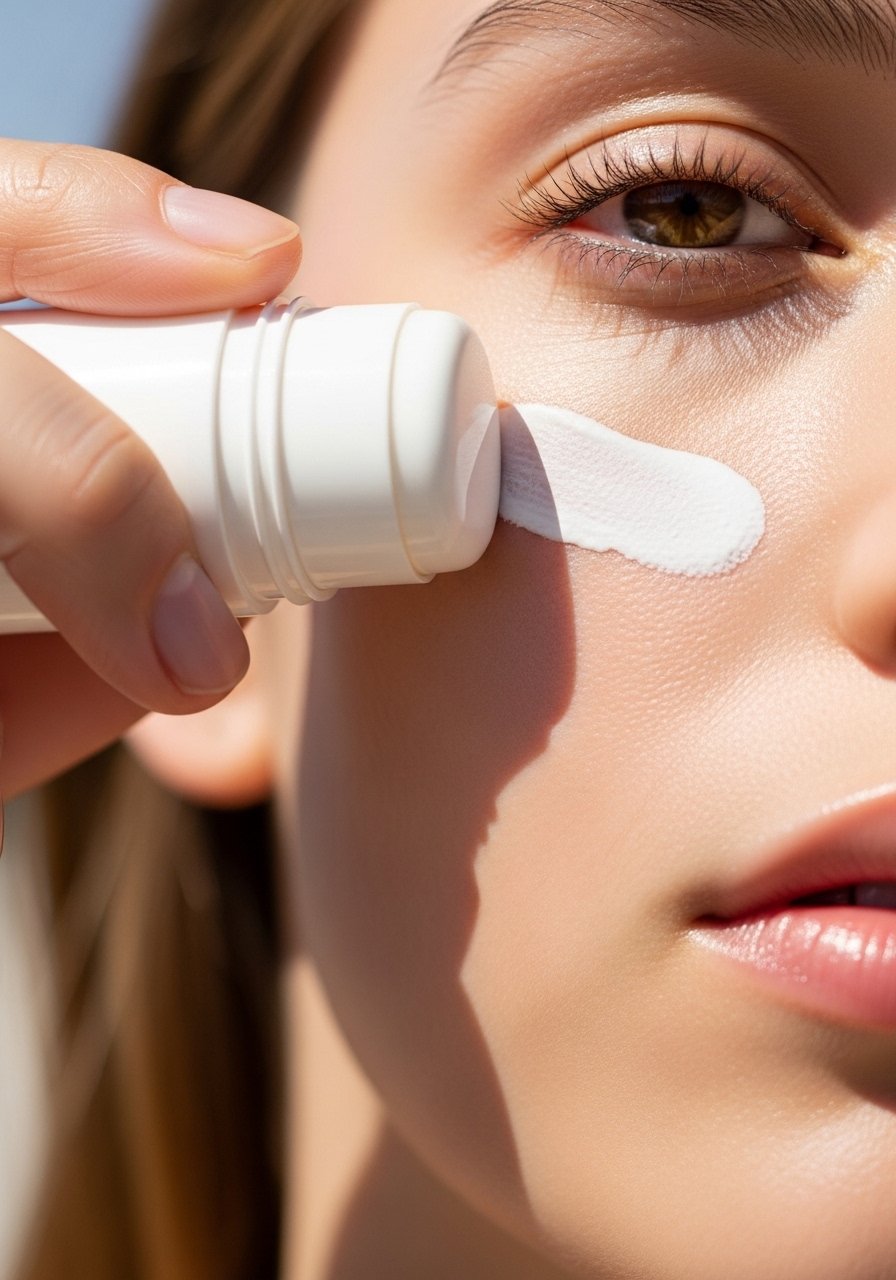
A mineral stick is perfect for reapplying SPF over makeup during the day. Swipe a thin layer and buff with fingertips. The stick allows targeted coverage on the nose and cheeks where redness tends to flare. Keep one in your purse like a tinted mineral sunscreen stick.
Mistake to Avoid: Dragging the stick harshly across dry patches, which lifts makeup and irritates the skin.
26. Minimalist Non-Comedogenic Primer for Smooth Makeup Base
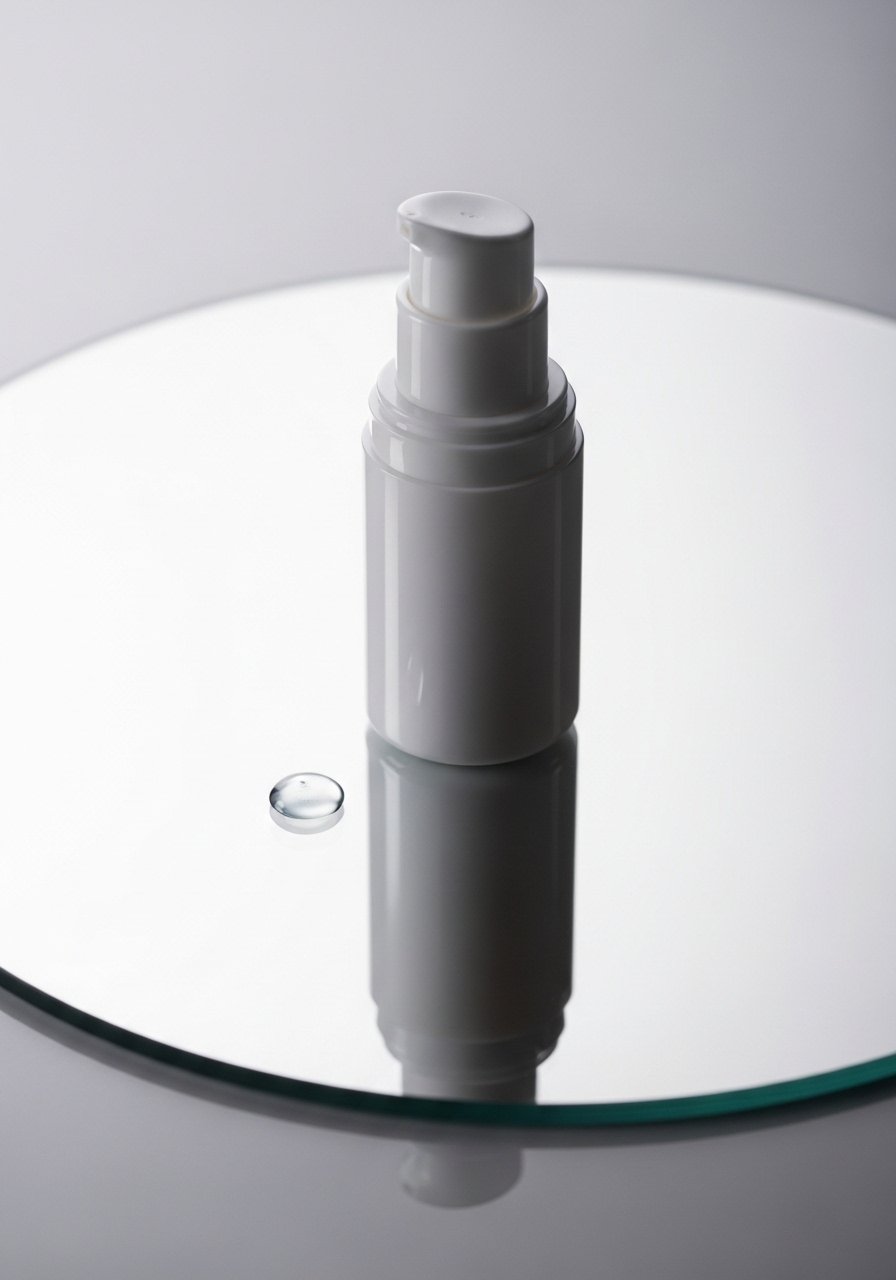
If you wear makeup, a silicone-free, non-comedogenic primer smooths texture without clogging. Apply a pea-sized amount in the T-zone and let it sit for 30 seconds before foundation. That small wait prevents pilling and reduces the need for heavy coverage. One useful pick is a lightweight non-comedogenic primer.
Mistake to Avoid: Skipping the wait time after primer and immediately layering foundation, which causes pilling.
Your Makeup Kit
- Honestly the best small investment for travel, a gentle cleansing balm travel size (~$8-15). Keeps everything tidy.
- For daily moisture, a ceramide repair cream 50-ml jar (~$20-40). Good for nightly use.
- For daytime hydration, a lightweight hyaluronic serum 30-ml (~$15-30). Use on damp skin.
- Sun protection combo: mineral sunscreen 60-ml tube and tinted sunscreen stick (~$20-40 each).
- For makeup removal, fragrance-free micellar water 200-ml (~$8-14).
- Emergency calmers: thermal water spray 150-ml and soothing overnight mask 50-ml.
- For coverage: tinted moisturizer SPF 50-ml tube and mineral powder compact.
- Extras: hypoallergenic makeup remover wipes travel pack, mineral blotting papers pack, and light facial oil 15-ml.
Most people spend somewhere between $500 and $800 when they finally commit to refreshing a room.
Makeup Tips That Actually Help
Thin layers win. Three light layers of tinted moisturizer beat one thick slab. Try a lightweight sponge for building coverage without drag.
Grab thermal water spray travel-size for flights. A quick mist calms heat and keeps you from rubbing, which is the main trigger for immediate redness.
If you are introducing an active, patch-test on the neck or behind the ear for three days before full-face use. Keep small sample pads handy for this exact reason.
A small buffer cream prevents sting. Mix a pea-sized amount of moisturizer with your active for the first two weeks. I used a fragrance-free lightweight cream to build tolerance.
Swap heavy fragrances for single-ingredient balms when you travel. A solid nourishing balm fits in carry-on and soothes perioral and cheek sensitivity.
Keep blotting papers and a compact mineral powder in your bag. Press, do not rub, when you need to reduce shine. I prefer mineral blotting papers with powder for quick fixes.
When layering products, give each step 20 to 30 seconds to settle. That short wait reduces pilling and helps sensitive skin accept a new step. Use a small fan or cool compress to speed setting if you are in a rush.
Always keep a travel-size of your calming overnight mask. It is the one product I rely on for flights, sunburn and sudden flares. My pick is a calming overnight mask travel size.