
I kept choosing the wrong red, rinsing it out after one shampoo, and wondering why my color looked flat in photos. The click came when I stopped guessing from a thumbnail and swatched swatches under my bathroom light, then left the color on the full processing time. The difference was immediate, and not subtle.
These 13 ideas are for anyone who wants red that reads intentional, not accidental. Expect options that work on fine to coarse hair, short to long lengths, and budgets from touch-up glosses to salon lifts. I tested several of these looks across four hair textures I have styled, so notes on porosity and heat-free alternatives are included where they matter.
1. True Cherry Gloss For Dark Bases
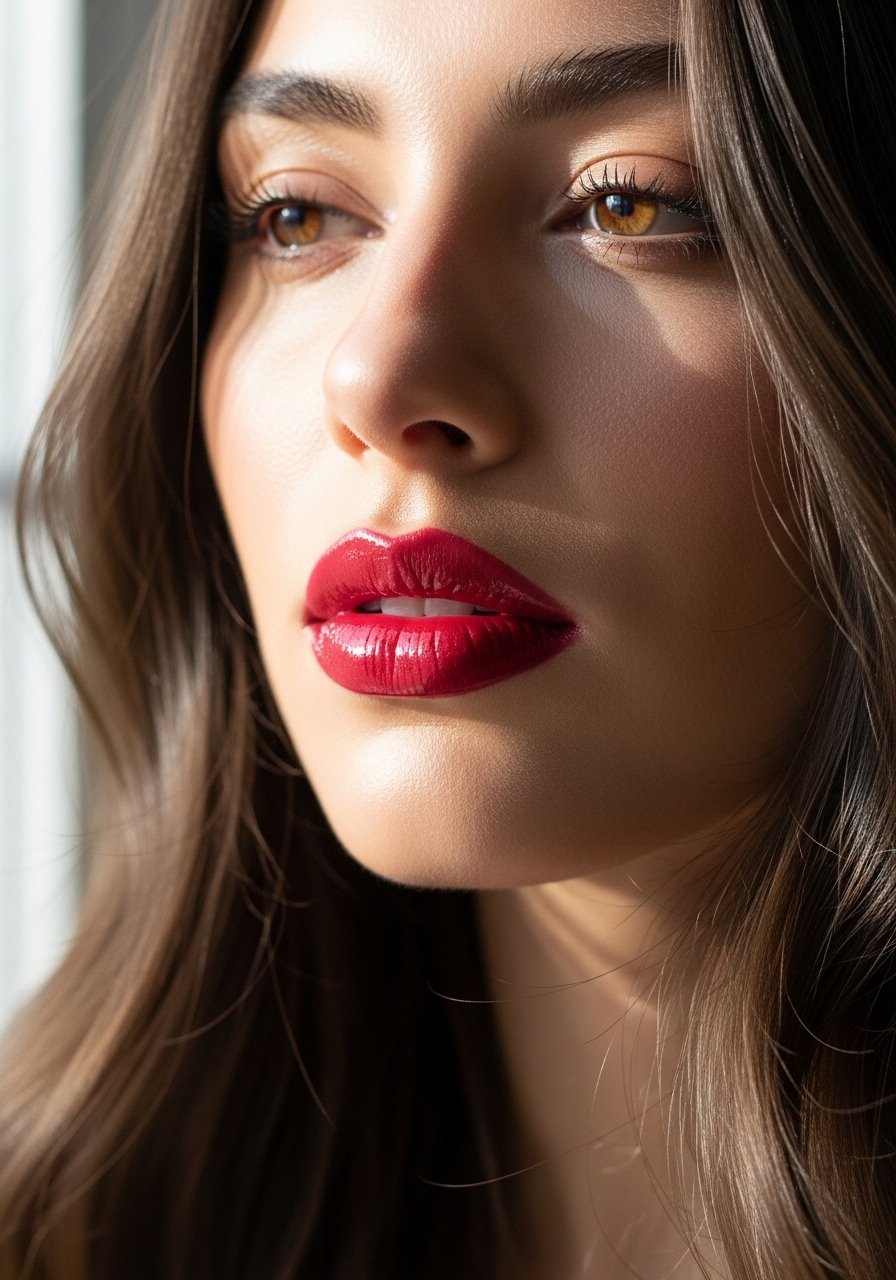
A gloss is the least invasive way to get rich red on dark hair. It sits on the cuticle instead of bleaching, so the result reads luminous rather than brassy. For at-home use, apply a color-depositing gloss after shampoo on damp hair for 10 to 20 minutes, depending on porosity. For higher porosity I leave it closer to 20 minutes, and for low porosity I dilute the gloss with a 1:1 conditioner ratio to avoid patchy saturation. This suits anyone who wants change without maintenance-heavy grow-outs and it is an easy monthly refresh.
Mistake to Avoid: Leaving a gloss on the same time for every head, regardless of porosity.
2. Copper Babylights For Soft Regrowth

Fine, face-framing copper babylights warm the complexion without full-head maintenance. They work by creating a soft halo that catches light and distracts from dark roots. Photo-vs-reality note, these read warmer in golden-hour pictures, so plan the tone if you photograph often. A stylist argument I learned: tiny sections and lower-volume developer lift one level with minimal banding. This is great for someone who wants a sunlit effect and is willing to touch up every 10 to 14 weeks.
Mistake to Avoid: Doing wide foil pieces that turn the regrowth line into a stripe.
3. Fiery Copper Mousse For Heat-Free Texture
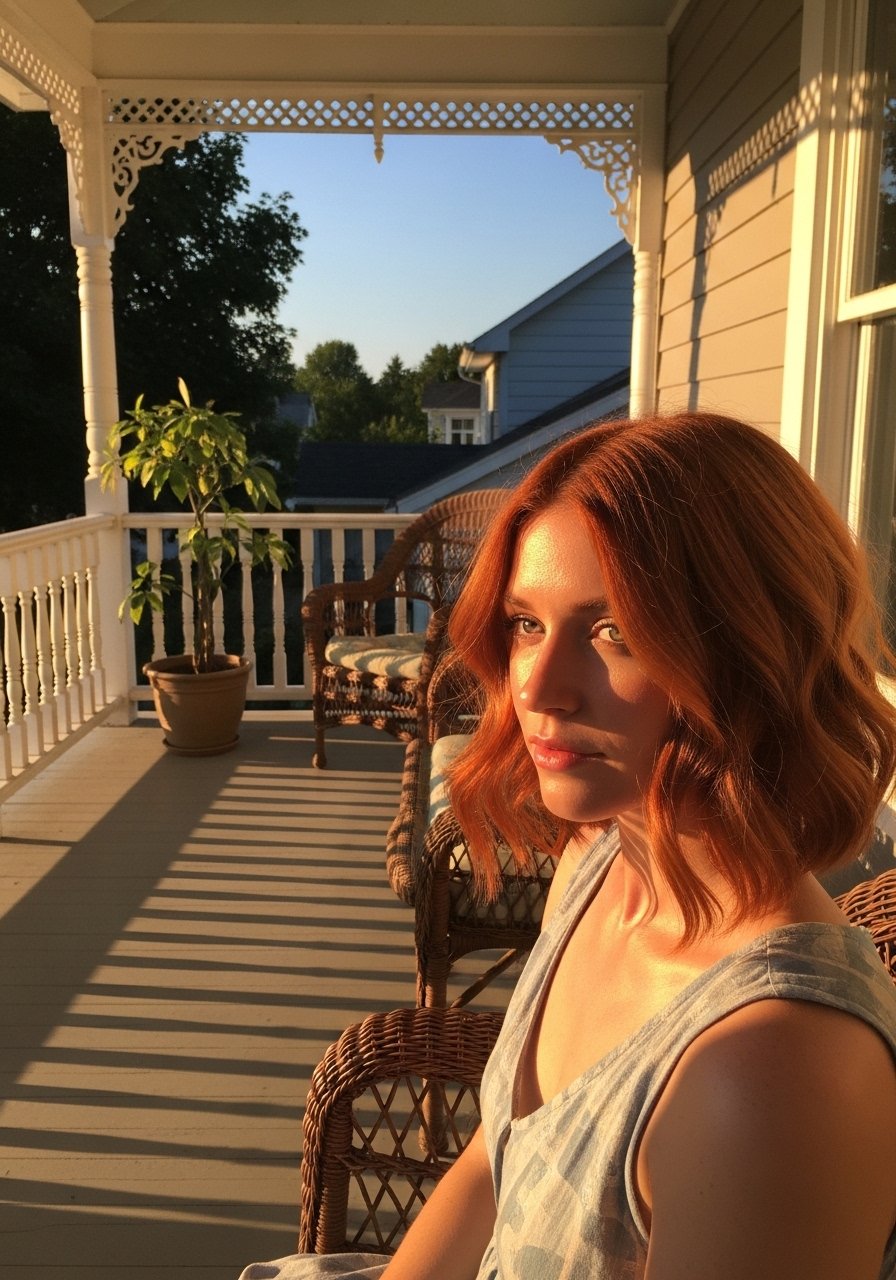
If you want both color and texture without heat, color-depositing mousse can be worked through towel-dried hair and air-dried for natural dimension. Use two to three pumps for shoulder-length hair, and rake through with a wide-tooth comb. The mousse adds temporary pigment and a light hold, so if you like to switch colors monthly this is low-commitment. It works especially well on wavy and curly textures where styling products also enhance pattern.
Mistake to Avoid: Applying mousse to fully dry hair and expecting even color deposit.
4. Deep Burgundy For Cool Skin Tones
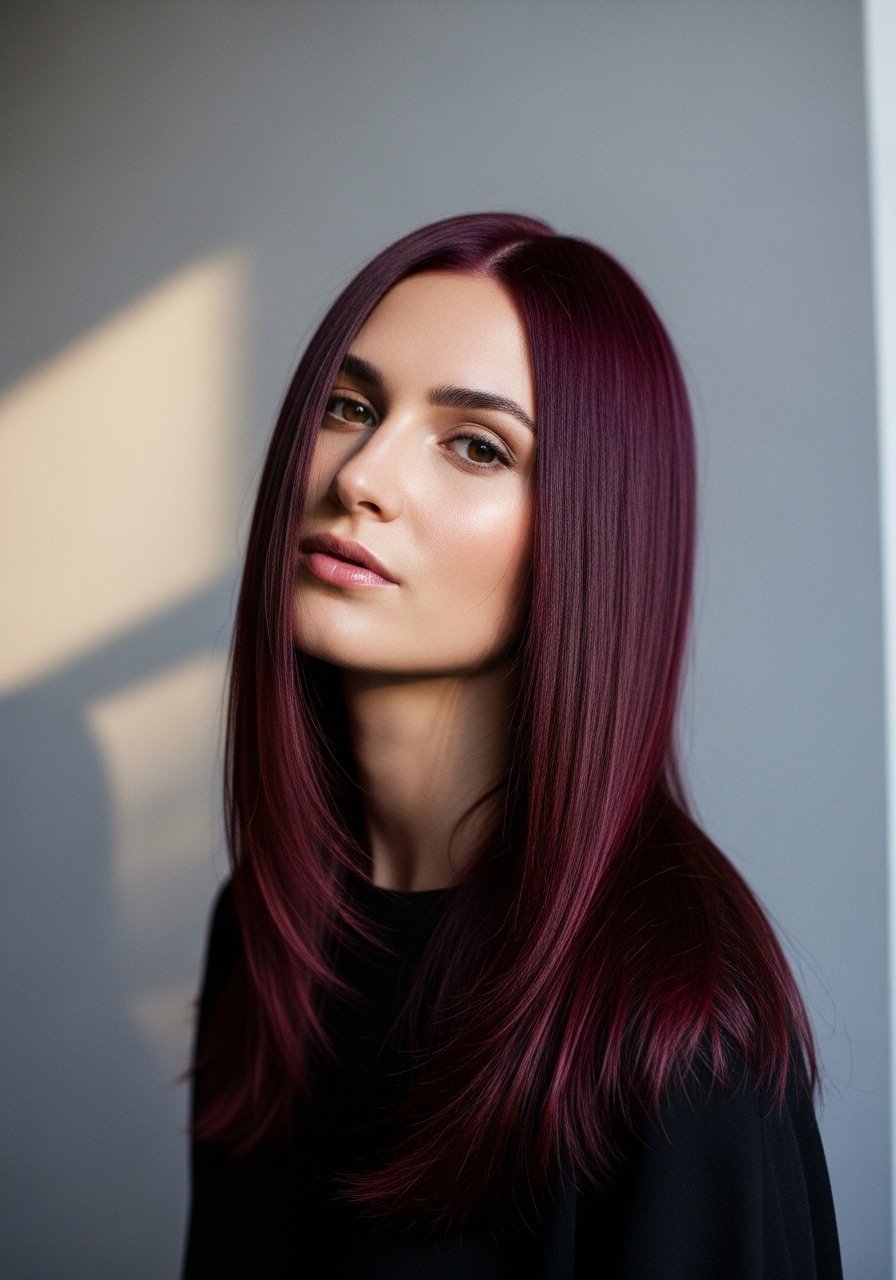
Deep burgundy hides brassiness and flatters cool undertones because it reads richer than a straight copper. On medium to dark bases, choose a semi-permanent dye with ash-red pigments to avoid orange flashes. Apply with a 1:1 developer ratio for even saturation when lifting is not required. This is a low-shimmer, polished option for someone who wants red without warm orange signals. Expect slower fading and touch-ups every 6 to 8 weeks to maintain depth.
Mistake to Avoid: Picking burgundy from a screen without accounting for indoor lighting shifts.
5. Strawberry Blonde Balayage For Natural Warmth
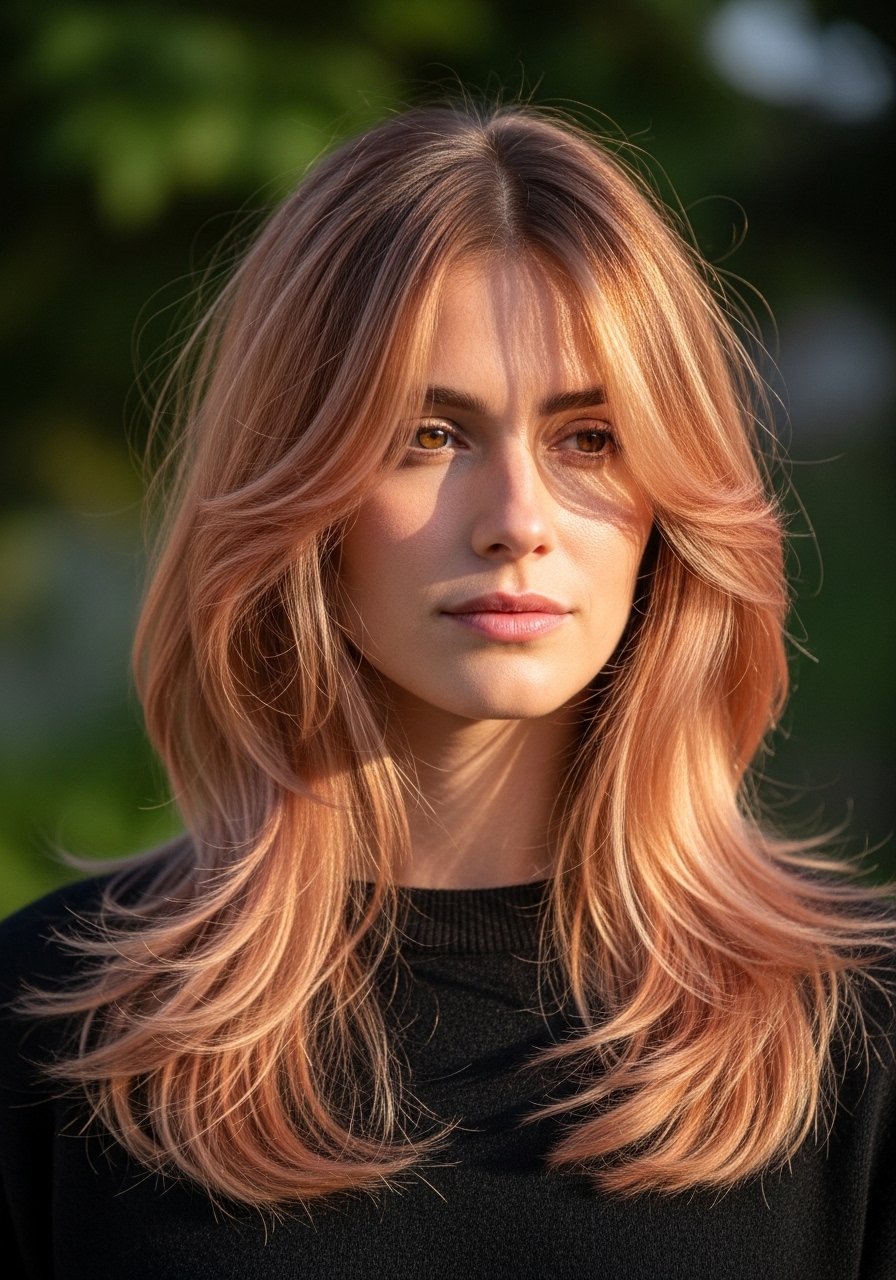
Strawberry blonde balayage blends red and blonde so roots are forgiving. The technique uses painted, thinner sections rather than full foils, which keeps grow-out soft. For best results on darker hair I recommend a gradual lift over two sessions rather than a single heavy bleach. That spreads processing time and reduces banding. This choice is ideal for someone who wants warmth and dimension without daily styling or frequent salon visits.
Mistake to Avoid: Asking for full-lift blonde and expecting strawberry tones without staged sessions.
6. Mahogany Shadow Root For Low-Maintenance Richness

A shadow root adds depth and makes red appear natural as it grows. The trick is keeping the root several shades darker than the mid-lengths so the line is diffused. On mid-porosity hair, a demi-permanent formula applied darker at the root and feathered down creates a lived-in look that stretches salon time. This style suits busy schedules and anyone who dislikes frequent touch-ups but still wants rich color.
Mistake to Avoid: Matching the root and length exactly, which removes the soft regrowth benefit.
7. Tomato Red Bob For High-Impact Short Hair
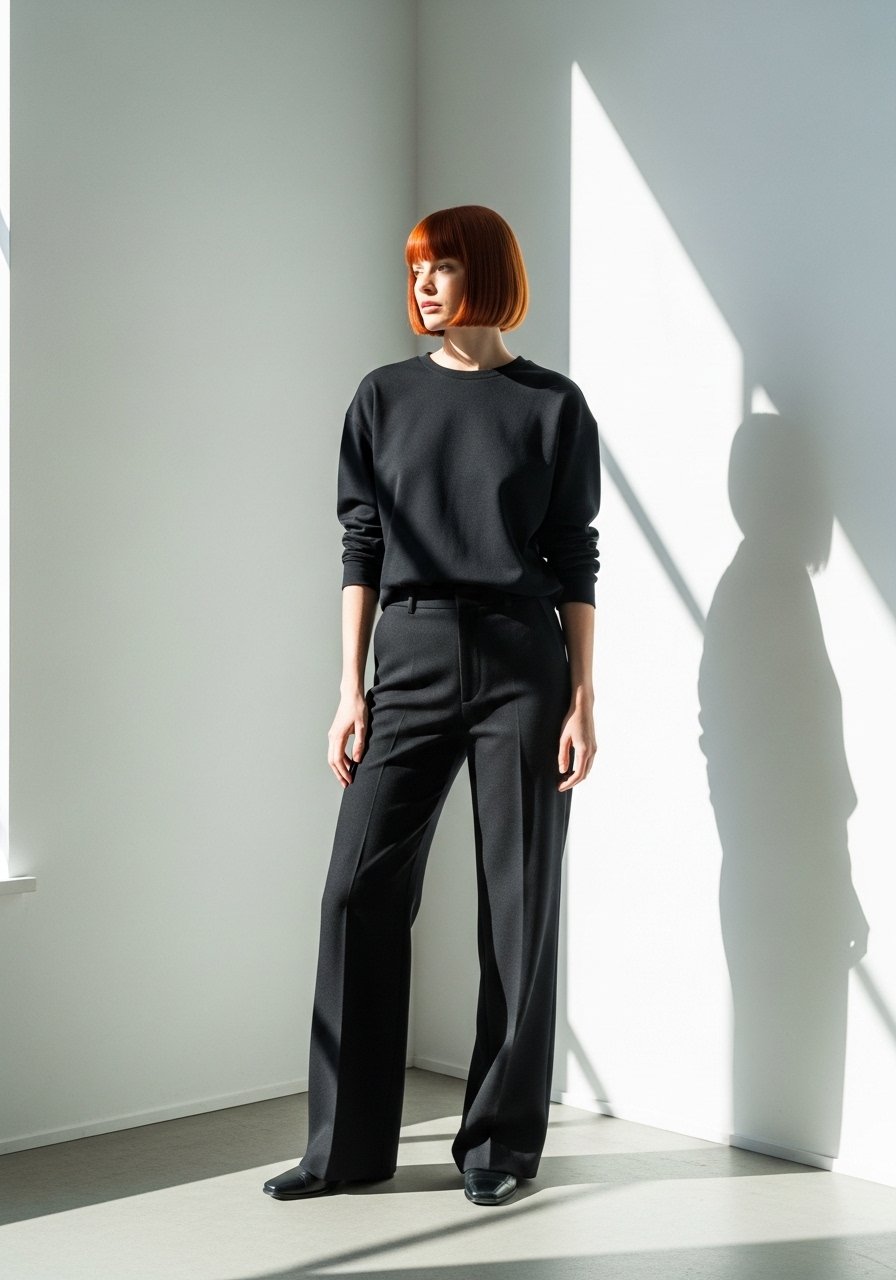
Short hair reads color more intensely. A tomato-red bob looks intentional because the cut frames the face and the pigment shows in every turn. Use a color with a gloss base to avoid a matte, faded finish, and deep-condition weekly with a protein-plus mask if you heat-style often. This is perfect for someone who enjoys bold color and is comfortable with 4 to 6 week root maintenance. I tested a similar look across fine and medium textures with consistent shine when the routine included heat protectant.
Mistake to Avoid: Skipping conditioning after color, which makes short red hair look dry fast.
If any of these ideas have you ready to actually try something, here is everything worth picking up.
Reds Toolbox For At-Home Color
Color Refreshes:
- Color-depositing gloss (~$12-25) Honest, a quick shine boost for between-salon weeks.
- Color-depositing mousse (~$10-20) Lightweight and good for heat-free texture days.
Maintenance & Care:
- Sulfate-free color shampoo (~$8-18) Keeps reds from washing out.
- Protein-plus deep conditioner (~$12-22) Use once a week after color.
Tools & Extras:
- Wide-tooth comb (~$6-12) For even product distribution.
- Microfiber hair towel (~$10-15) Cuts drying time and protects the cuticle.
- Heat protectant spray (~$9-20) Necessary for any heat styling.
- At-home root touch-up kit (~$8-18) For stretching salon visits.
- Color-safe dry shampoo (~$7-15) Freshens without stripping pigment.
8. Glazed Copper Over Blonde For Glassy Shine
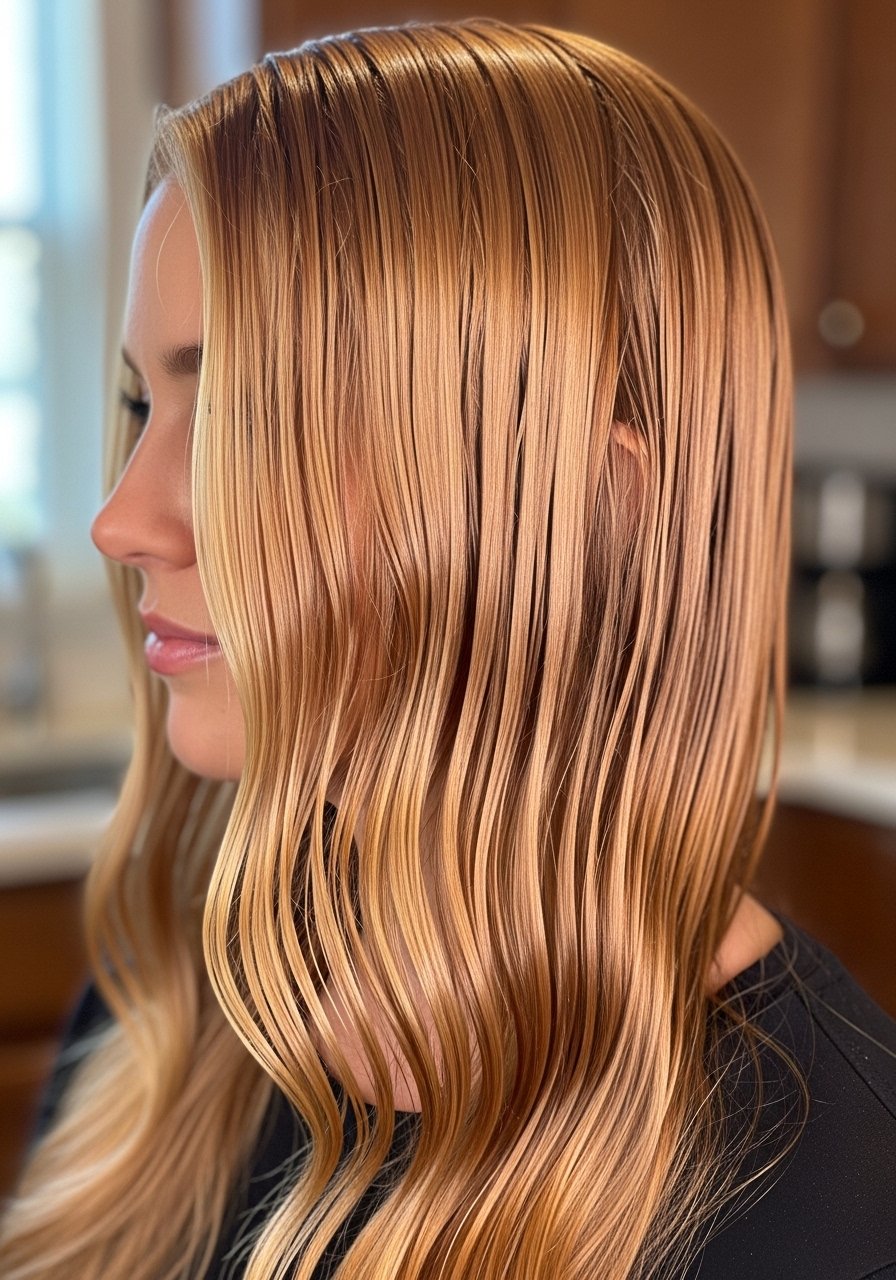
A copper glaze over blonde gives a glassy, reflective finish that is easy to tweak. For salon-level gloss at home mix the glaze with a 1:2 conditioner ratio to soften pigment intensity. Apply to damp hair and leave 5 to 10 minutes, watching saturation on high-porosity strands. This creates a polished, photo-ready sheen that suits highlights and full-blonde bases. It is a moderate skill move and perfect for someone who already maintains a blonde base and wants seasonal warmth.
Mistake to Avoid: Leaving undiluted glaze on porous ends and ending up with uneven color.
9. Soft Orange Slices For Playful Dimension
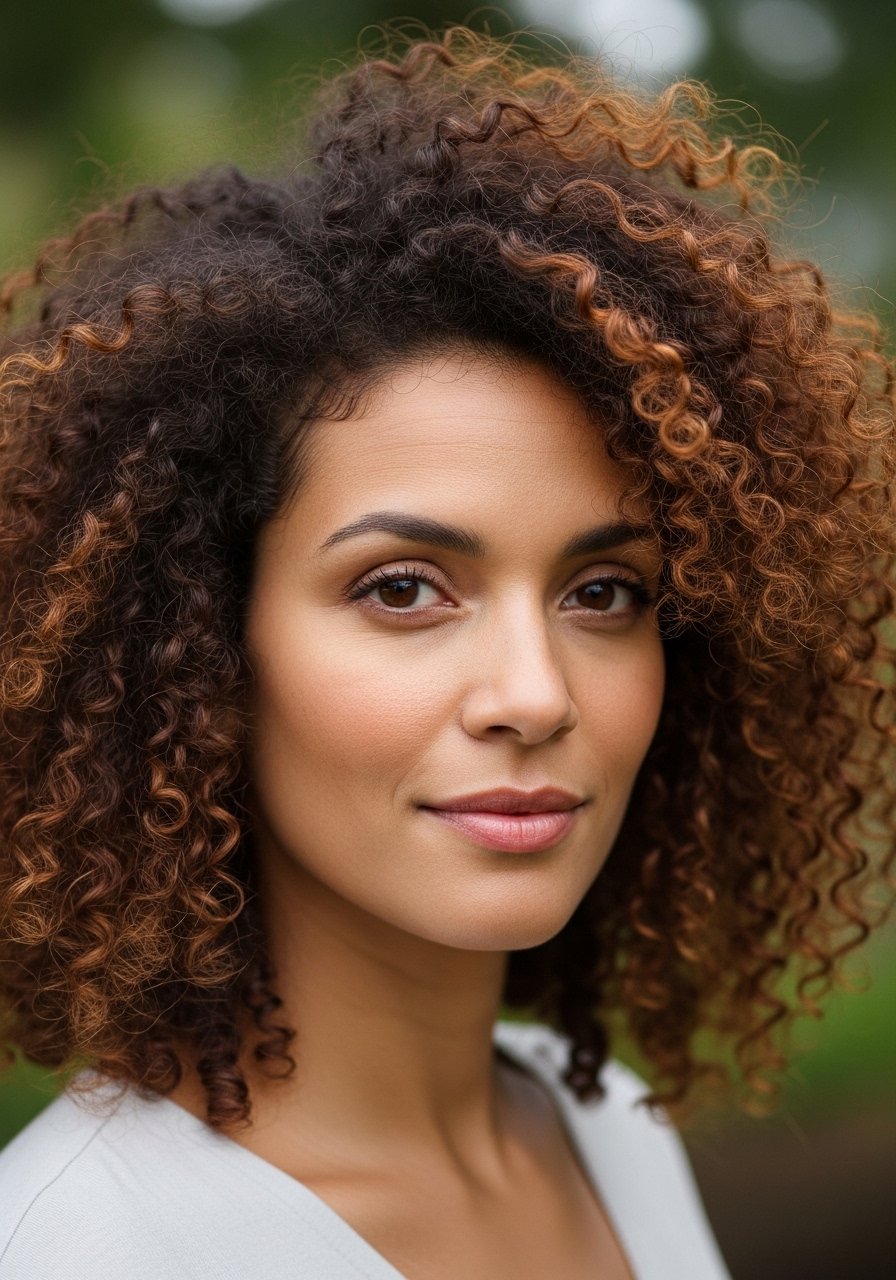
Orange-slice highlights are small, horizontal pieces of warm color placed where curls naturally open. They offer playful pops without full-head commitment. Use thin sections and a demi-permanent dye to let color fade evenly. This is great for curly textures where dimension shows differently in motion. The result feels fresh and youthful and works for people who want subtle color that appears more noticeable in sunlight.
Mistake to Avoid: Making slices too thick, which flattens curl definition.
10. Rust Red Gloss With Purple Boost For Longevity
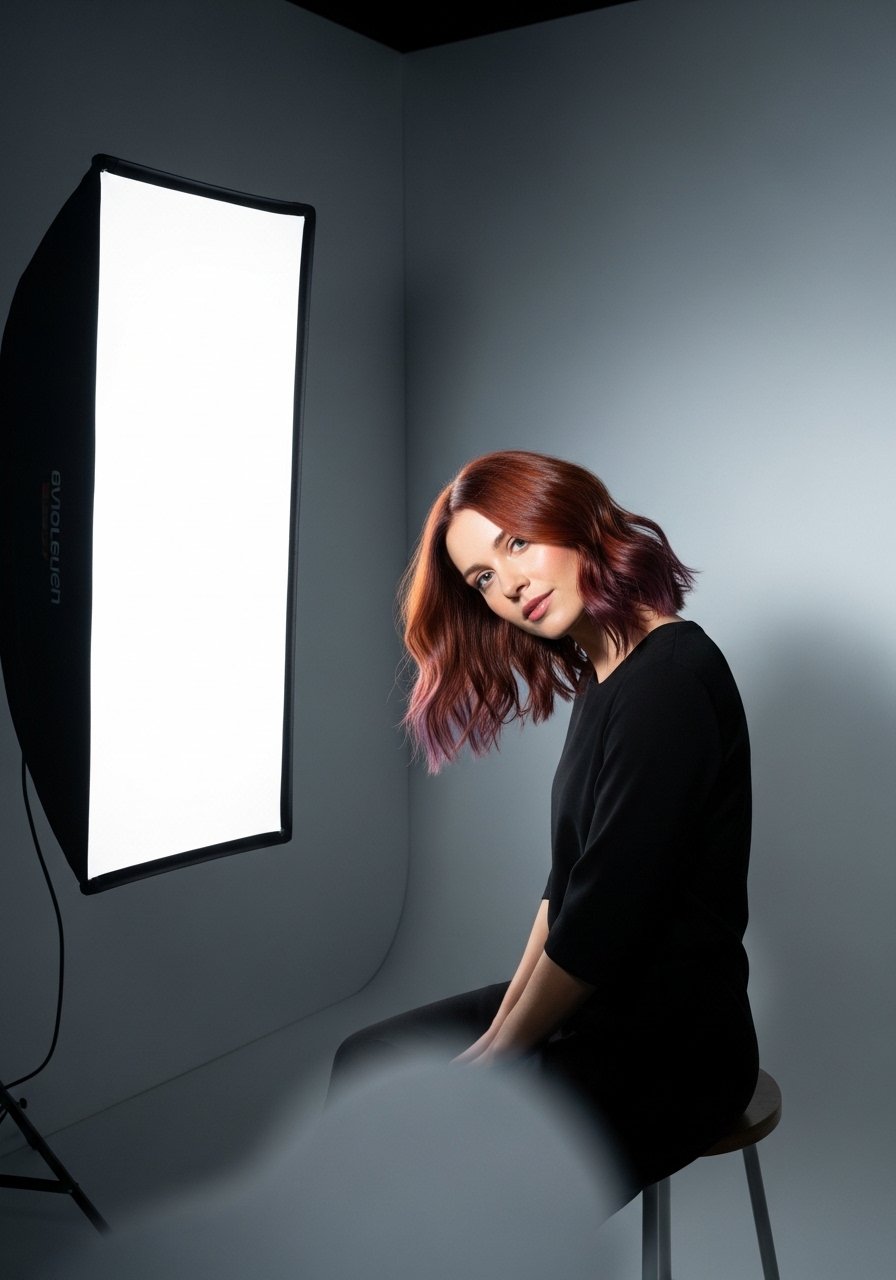
Adding a tiny purple boost to rust red counters early orange fade and keeps the color reading deeper longer. Use a 1:20 dosing of direct-dye purple added to the gloss for a subtle effect. Purple sits cool against rust, slowing the visual shift toward brass. This suits medium to dark bases and anyone who photographs in mixed lighting. It is a small chemistry tweak that makes a noticeable maintenance difference without adding heavy coolness.
Mistake to Avoid: Too much purple, which can pull the red toward an undesired muddy tone.
11. Sunset Balayage For Low-Key Warmth
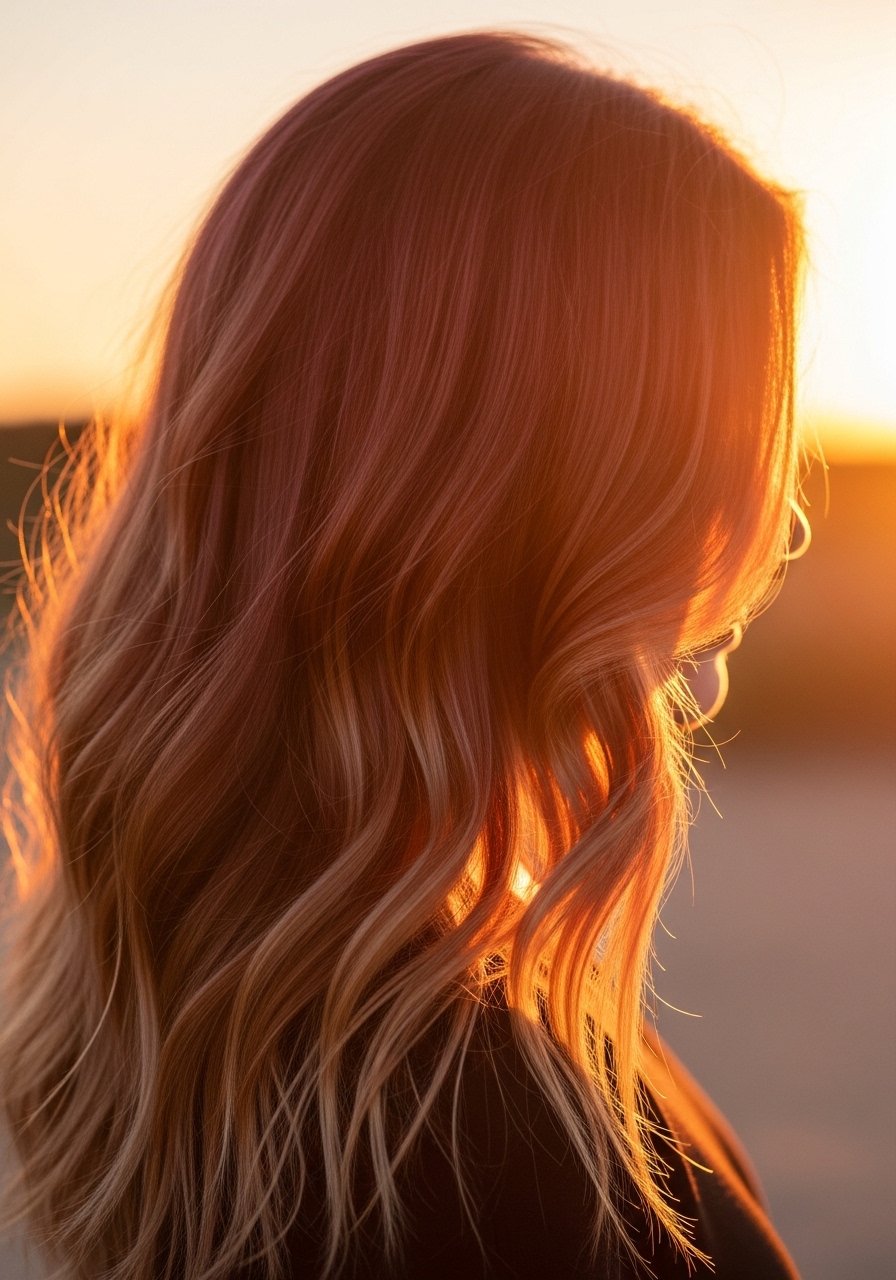
Sunset balayage layers warm reds with honey highlights so the color reads dynamic at every angle. The painterly application means regrowth is soft and forgiving. For natural results, a stylist should alternate warm and neutral tones rather than a single shade. This approach is for someone who wants dimensional color that looks good both up in a bun and when worn down.
Mistake to Avoid: Asking for even, identical highlights which removes the sunset depth.
12. Rose Copper Gloss For Cool-To-Neutral Skin
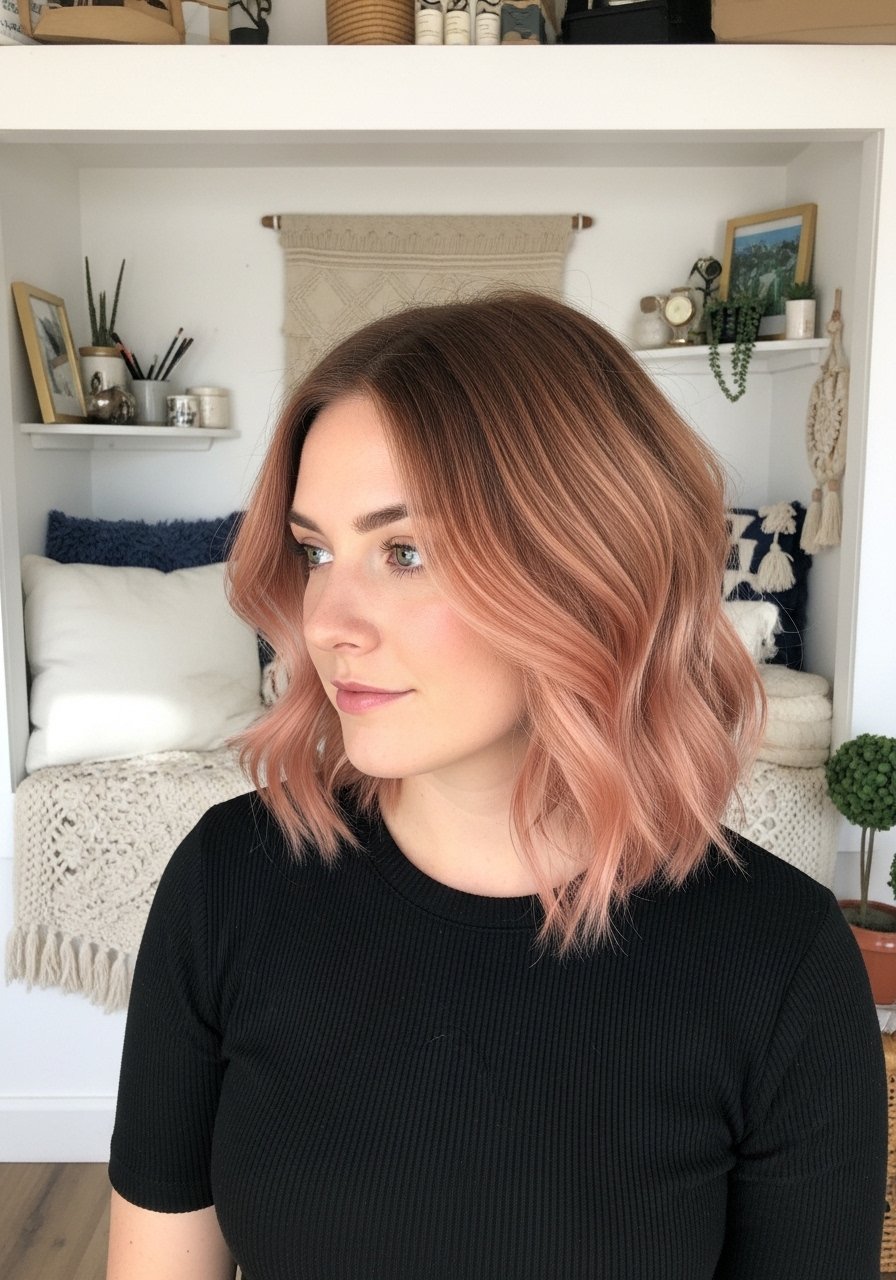
Rose copper leans a touch pink which can neutralize sallow tones without reading too warm. Use a demi-permanent gloss mixed 1:1 with a clear gloss to temper intensity on fair skin. It works well on short cuts because the pink warmth keeps the silhouette soft. This is a mid-effort look for someone who wants a flattering, modern red without overt brightness.
Mistake to Avoid: Using full-strength pink pigment on reactive or very porous hair.
13. Burnt Orange Peekaboo For Subtle Edge
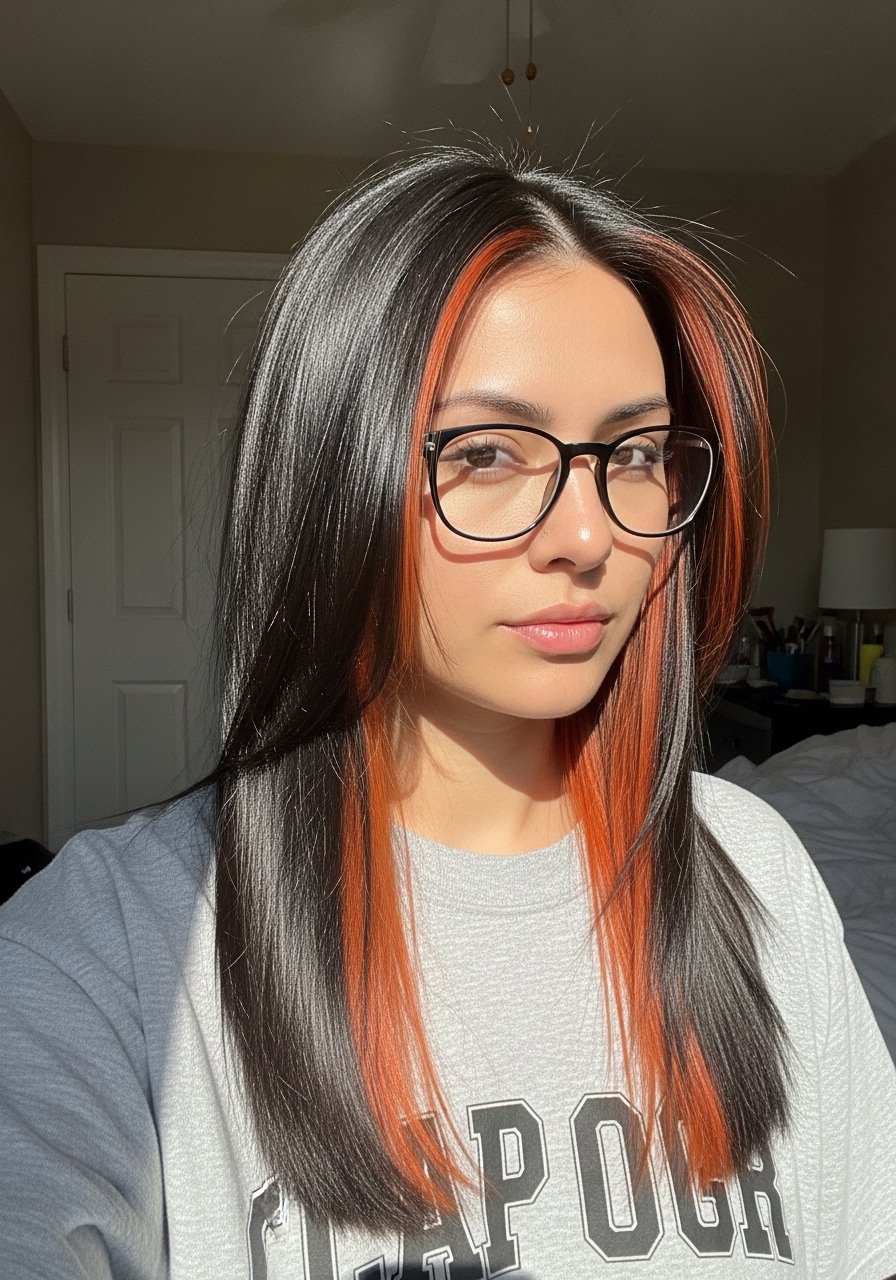
Peekaboo color places bright pigments under top layers so movement reveals color occasionally. Burnt orange panels tucked under the crown are playful and private at work. Apply with careful sectioning and use a semi-permanent dye that fades gracefully. This is ideal for those who want red without it being the headline. It also stretches the time between full-head touch-ups because only sections need re-saturating.
Mistake to Avoid: Placing peekaboo too close to the hairline so color shows constantly.
Keeping Red Fresh Between Visits
Thin layers beat one heavy layer. When refreshing color at home, apply two quick, even passes of a color-depositing mask rather than one thick coat. Grab color-depositing mask for lightweight, consistent pigment.
Use a cool rinse for the final minute of your wash. A brief cool-water finish seals the cuticle and helps preserve pigment longer. Try a temperature-resistant showerhead if your tap swings temperature.
Learn to mix for porosity. For high-porosity hair, dilute gloss with one part conditioner to two parts gloss to prevent blotches. A salon-grade clear conditioner works well.
If you heat-style, always spray. A light heat protectant spray prevents color-dulling from repeated tools.
Swap daily washing for dry shampoo days. Use a color-safe dry shampoo to stretch time between shampoos and keep reds looking saturated.