
I kept making the same pasta salad mistake, spooning dressing over the whole bowl and assuming the fridge would fix it. By hour two everything went limp, the pasta swallowed the vinaigrette, and the herbs looked tired. After a few ruined lunches and testing three recipes three times to get the timing right, I learned the simple swaps that keep a pasta salad bright for days, not hours.
These twelve recipes lean weeknight-friendly and mostly pantry-forward. Expect most builds to be under $15 per serving, with a couple that use specialty jars or cheeses closer to $25 per serving. They are best for make-ahead lunches, potlucks where travel is involved, and anyone who hates limp veggies by dinner time. Skill level is mostly beginner to comfortable cook, timing ranges from 15 to 45 minutes.
1. Olive-Vinegar Base, Dressing On The Side
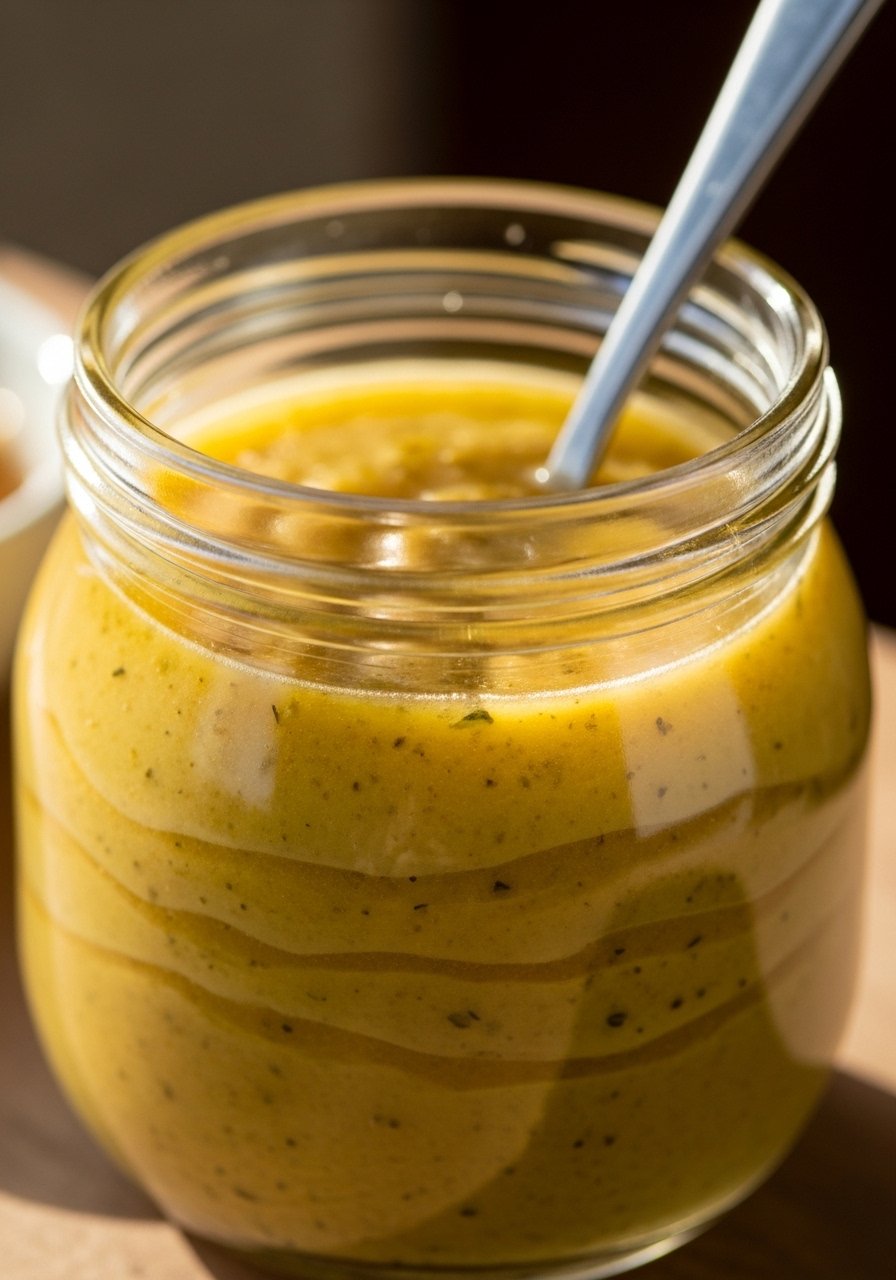
The trick that saved my lunches was serving the dressing on the side, not in the bowl. Keep your base simple, a 3:1 ratio of extra-virgin olive oil to red wine vinegar, a teaspoon Dijon, and salt and pepper. Cook pasta al dente, shock it in ice water for 30 seconds, then drain and cool fully. Pack veggies separately or add them just before serving so they stay crisp. This style fits picnic trays and travel lunches, and it is forgiving if you scale from two to eight servings.
I toss in a trusty extra-virgin olive oil for flavor and a small glass dressing bottle for travel.
Mistake to Avoid: Pouring dressing into the salad hours before eating, which soaks pasta and wilts herbs. Keep it separate.
2. Protein-Forward Pasta Salad That Holds Up
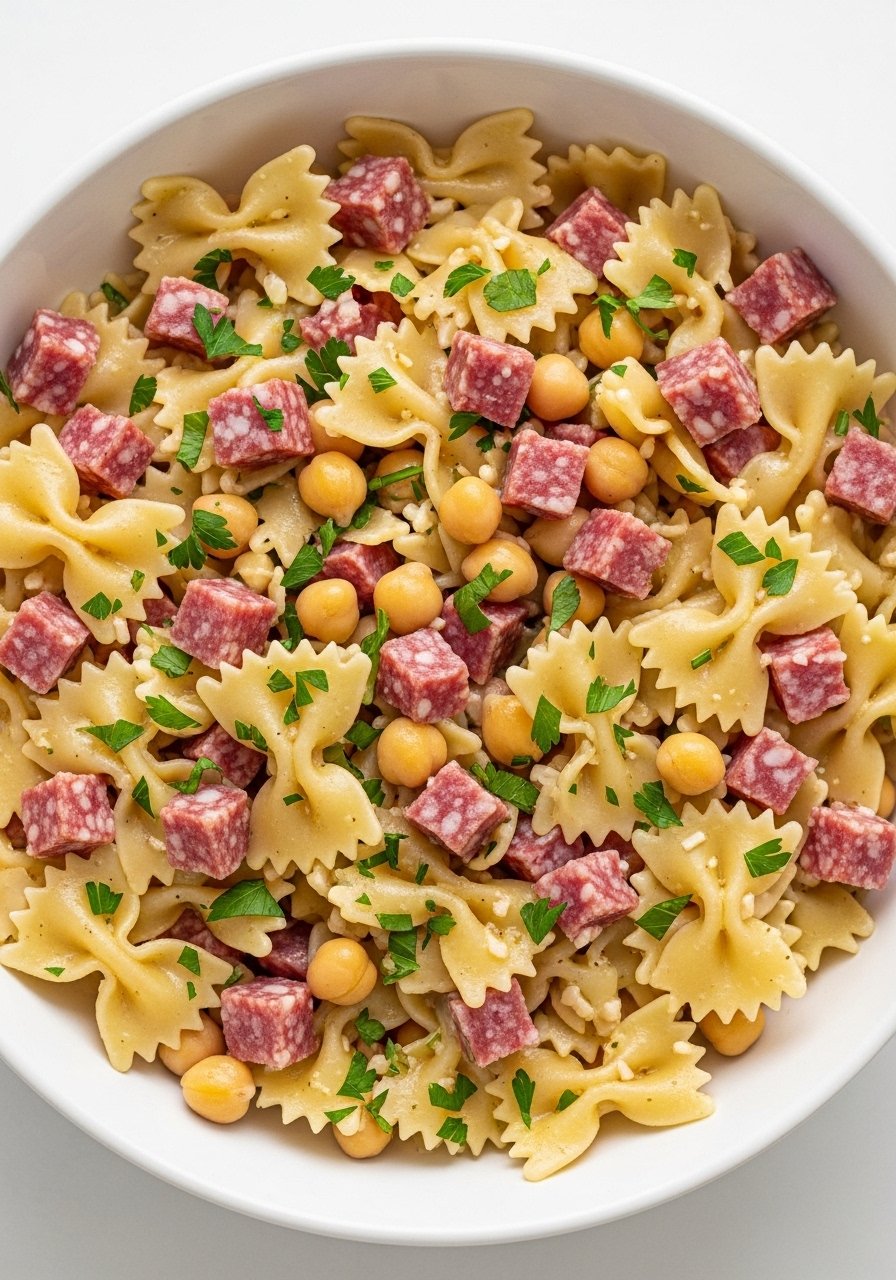
If picnic time is more than a few hours away, add a sturdy protein like chickpeas or cured salami to keep texture and flavor. I like a 2:1 pasta-to-protein ratio for balance. Canned chickpeas rinse clean and stand up to dressing, while salami gives fat that keeps the mouthfeel interesting at room temperature. This is a great option for larger crowds and the pantry-friendly build works with gluten-free pasta swaps. For weeknight meal prep, store dressing separate and mix 10 to 15 minutes before serving.
I often use chickpeas, canned and a medium-bodied salami.
Mistake to Avoid: Using soft tofu or delicate seafood for a long-haul salad. Choose proteins that hold shape.
3. Lemon-Herb Pasta That Stays Bright
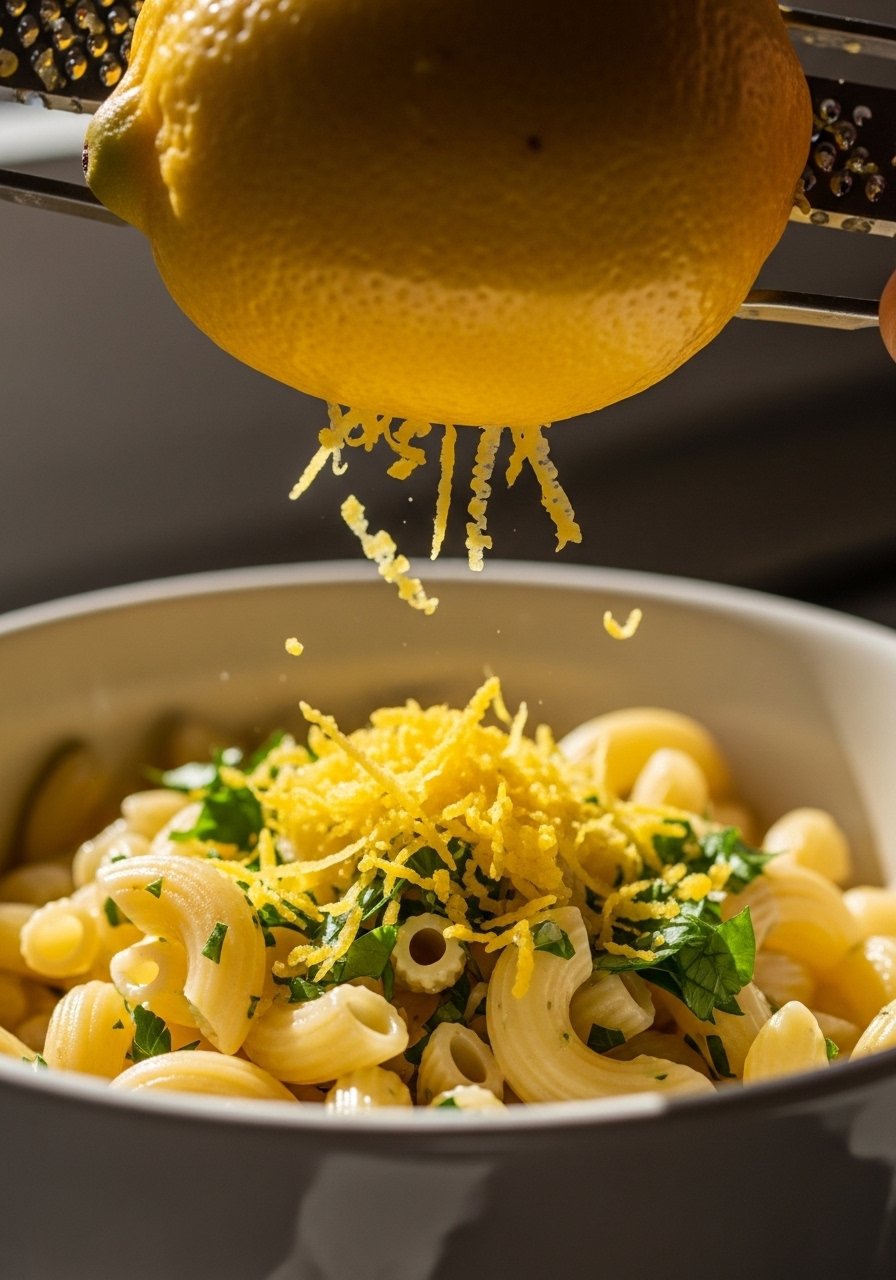
Acidity keeps everything tasting lively after refrigeration. Use a tablespoon lemon zest for each pound of pasta and 2 tablespoons lemon juice in the dressing to balance 3 tablespoons olive oil. Add herbs at the last minute, or pack them in a small container to toss in just before serving. This one pairs well with spinach or arugula, added fresh at the end. I tested the zest ratio three times to get the lemon note without turning the salad sour. Works fast and is friendly to dairy-free swaps.
I reach for a small hand zester to get fine, aromatic zest.
Mistake to Avoid: Zesting and tossing too early. Citric aromatics fade and can make the salad taste flat.
4. Mayo-Free Creaminess With Greek Yogurt
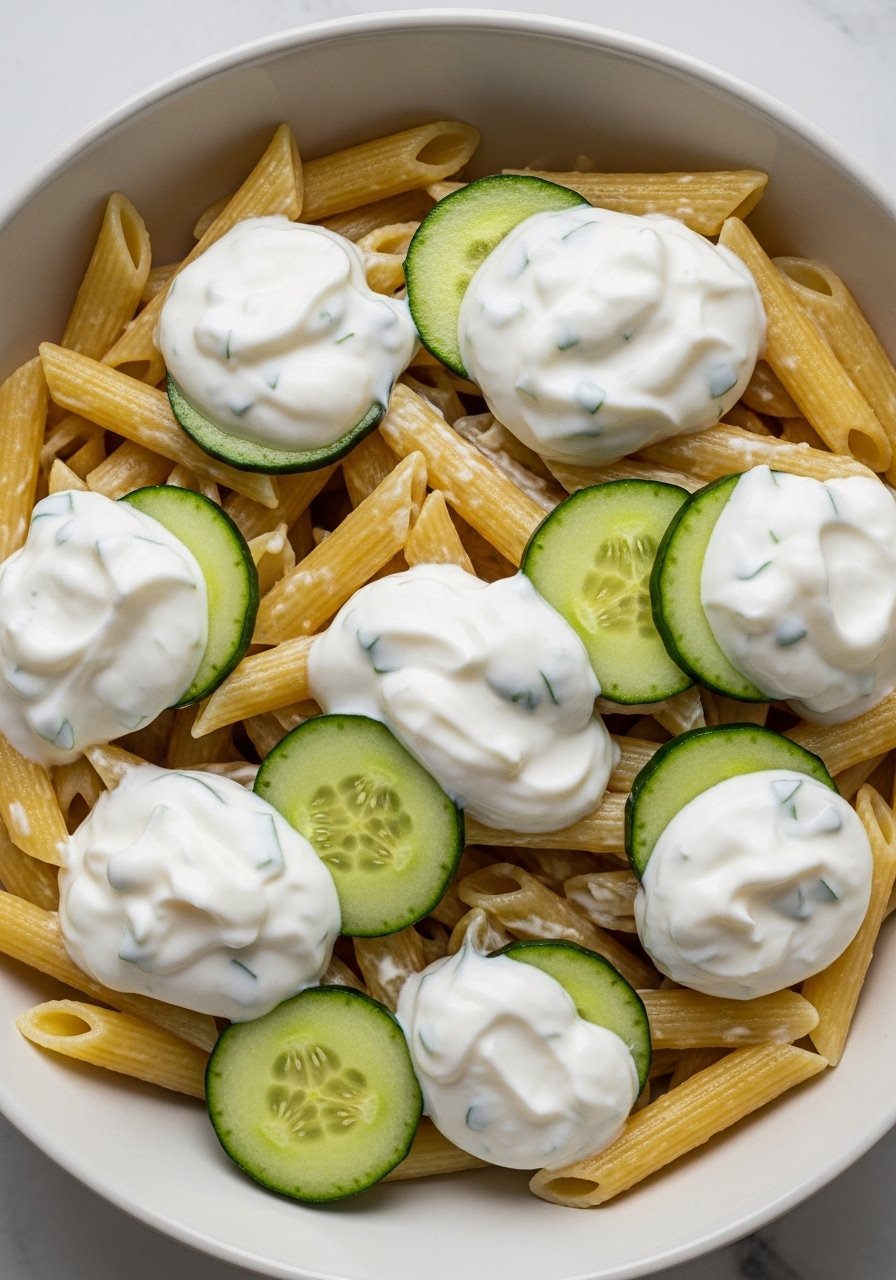
If you dislike mayo but want creamy texture, plain Greek yogurt thinned with olive oil and a splash of vinegar gives a tang that resists separation. Use two parts yogurt to one part oil and whisk until smooth. This keeps well for 48 hours when chilled properly and pairs with crunchy veg like bell pepper and celery. It suits gluten-free pastas and vegetarian diets and scales cleanly from two to eight servings. For travel, pack the dressing separately to avoid sogginess during transit.
I keep plain Greek yogurt on hand for this swap.
Mistake to Avoid: Overthinning yogurt dressing. Too much water makes it watery once chilled.
5. Roasted Veg Pasta That Won’t Weep
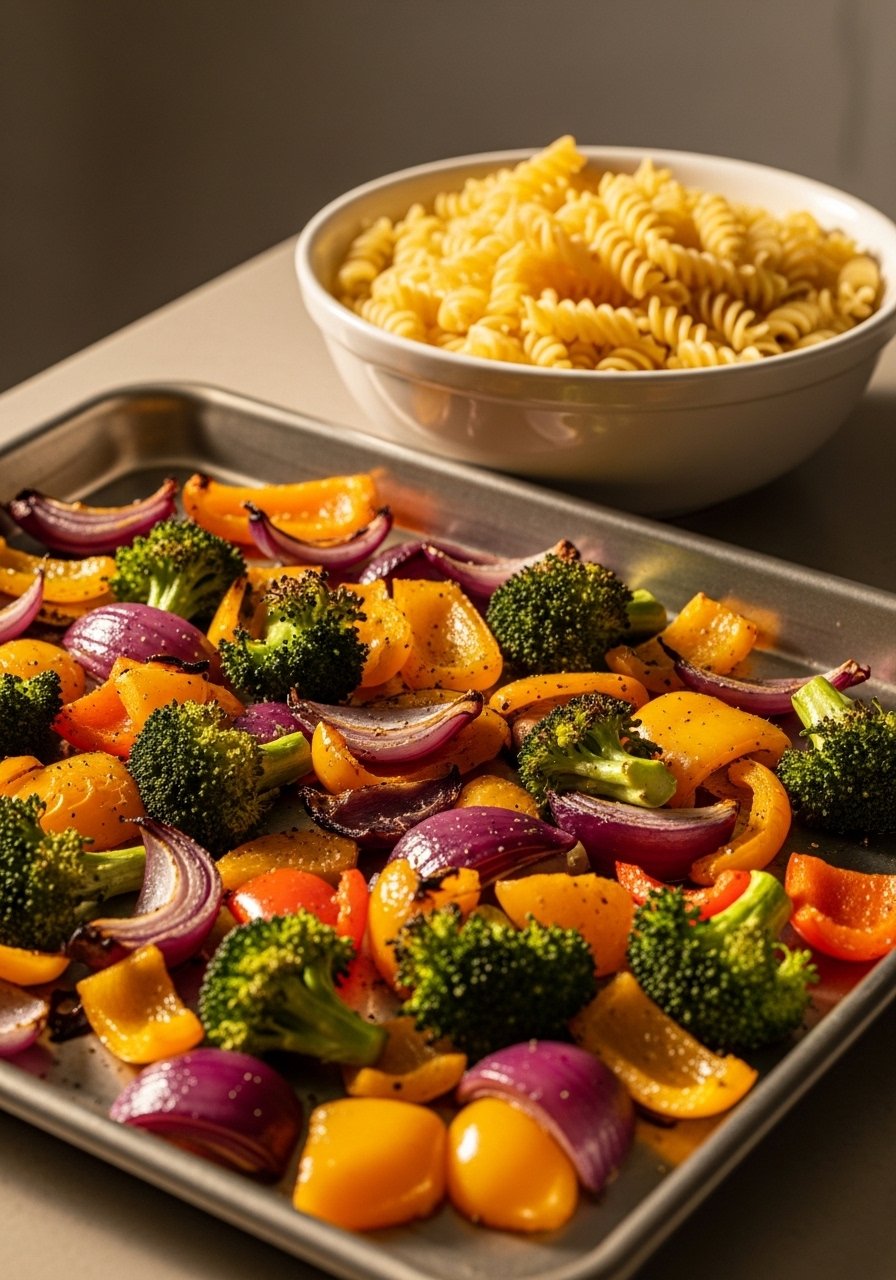
Roasting veggies concentrates flavor and reduces the water that makes salads soggy. Roast cherry tomatoes, zucchini, and peppers at 425 degrees until caramelized, let cool completely, then fold into cooled pasta. Use a light herb vinaigrette so the roasted flavor stands out. This approach is excellent for potlucks and is a smart make-ahead: roast up to two days in advance and assemble the day you serve. It is a little more hands-on but rewards with texture and depth.
Grab a heavy rimmed baking sheet for even roasting.
Mistake to Avoid: Tossing hot roasted veg into cold pasta. Steam will trap moisture and make things soggy. Cool first.
6. Tuna, Capers, and Olive Mix For Road Trips
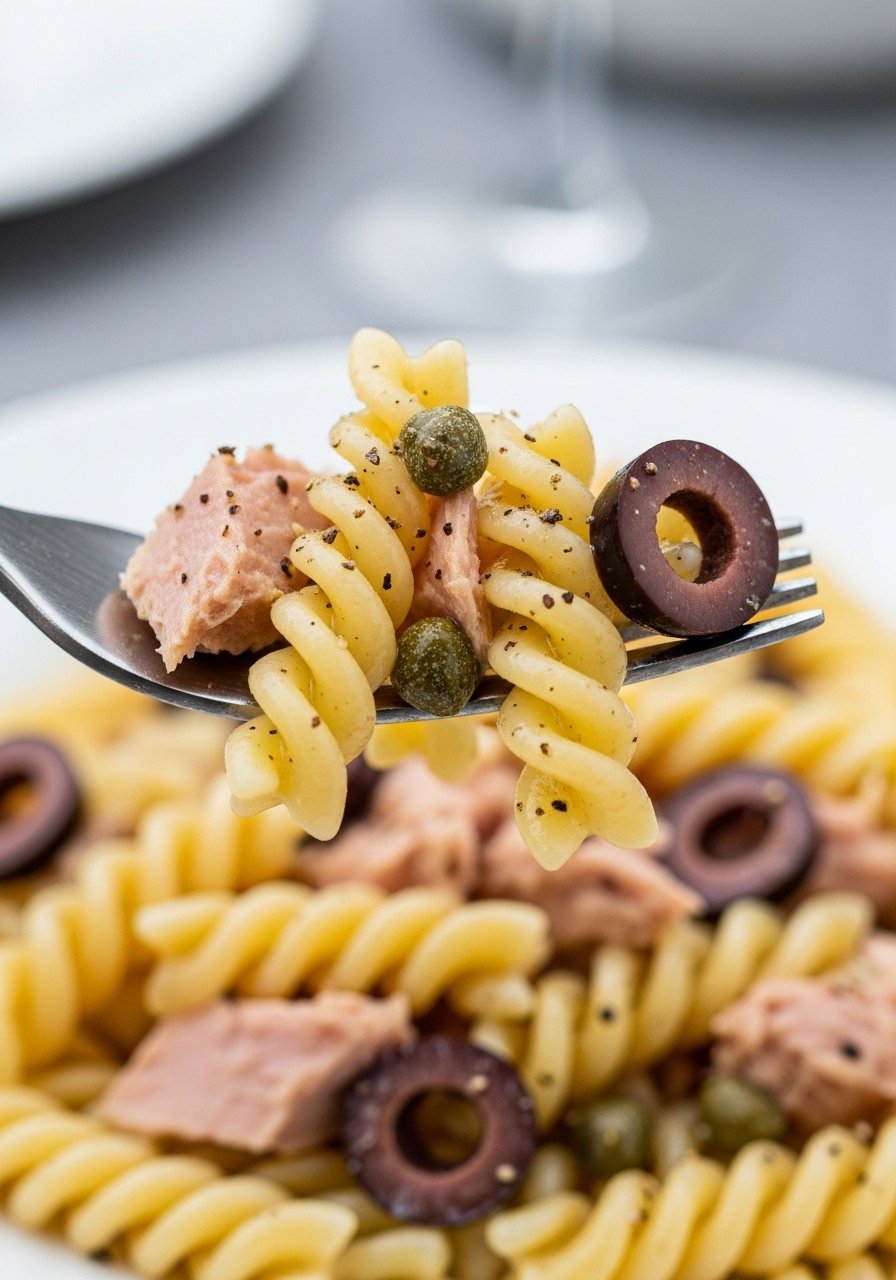
Briny ingredients mask any slight flattening that happens during travel. Drain canned tuna well, add a quarter cup of chopped olives and a tablespoon of capers per pound of pasta. The saltiness keeps the overall flavor profile lively even after hours in a cooler. This is an easy 20-minute build that scales without much extra prep. Pair with sturdy pastas like penne so the pieces hold sauce. For dairy-free packing, skip cheese and increase fresh herbs at serving to brighten.
I usually use canned tuna in olive oil.
Mistake to Avoid: Using delicate angel-hair pasta. Choose shapes that catch mix-ins and do not collapse.
7. Grainy Mustard Emulsion For Lasting Coating
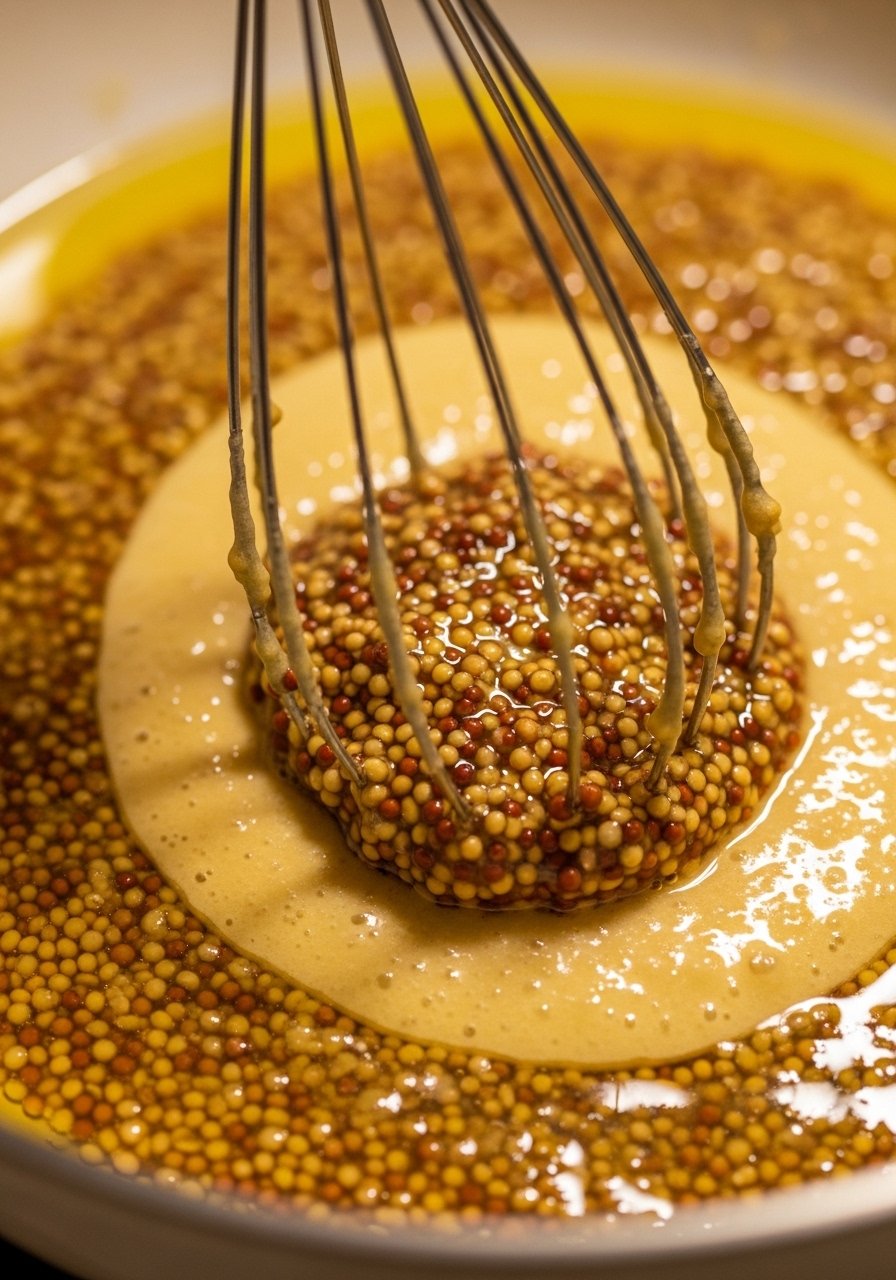
A proper emulsion clings to pasta instead of pooling. Use one tablespoon grainy mustard, one teaspoon honey, two tablespoons vinegar, and six tablespoons olive oil, whisked until homogeneous. That texture keeps the dressing on the outside of the pasta, so each bite stays flavored longer, rather than the pasta absorbing it all. This technique is great for picnic salads and pairs neatly with halved green beans and crumbled feta. It also helps when you need to scale for a crowd because emulsions can be multiplied reliably.
I keep a jar of stone-ground mustard for this.
Mistake to Avoid: Adding oil in one go. Drizzle while whisking to form a stable emulsion.
8. Crunch-First Build With Toasted Nuts

To keep crunch through the life of the salad, toast nuts and breadcrumbs separately and add them at serving. I toast almonds for 6 to 8 minutes in a skillet until fragrant and pack them in a small container. The crunch provides contrast and prevents the whole bowl from feeling mushy after refrigeration. This method is especially good with pasta shapes that trap little bits of breadcrumb, like orecchiette. It is a small step that feels intentional and scales well for potlucks.
Try a small cast-iron skillet for even toasting.
Mistake to Avoid: Mixing toasted nuts in too early. They absorb moisture and lose crunch.
9. Marinated Veg Medley For Make-Ahead Meals
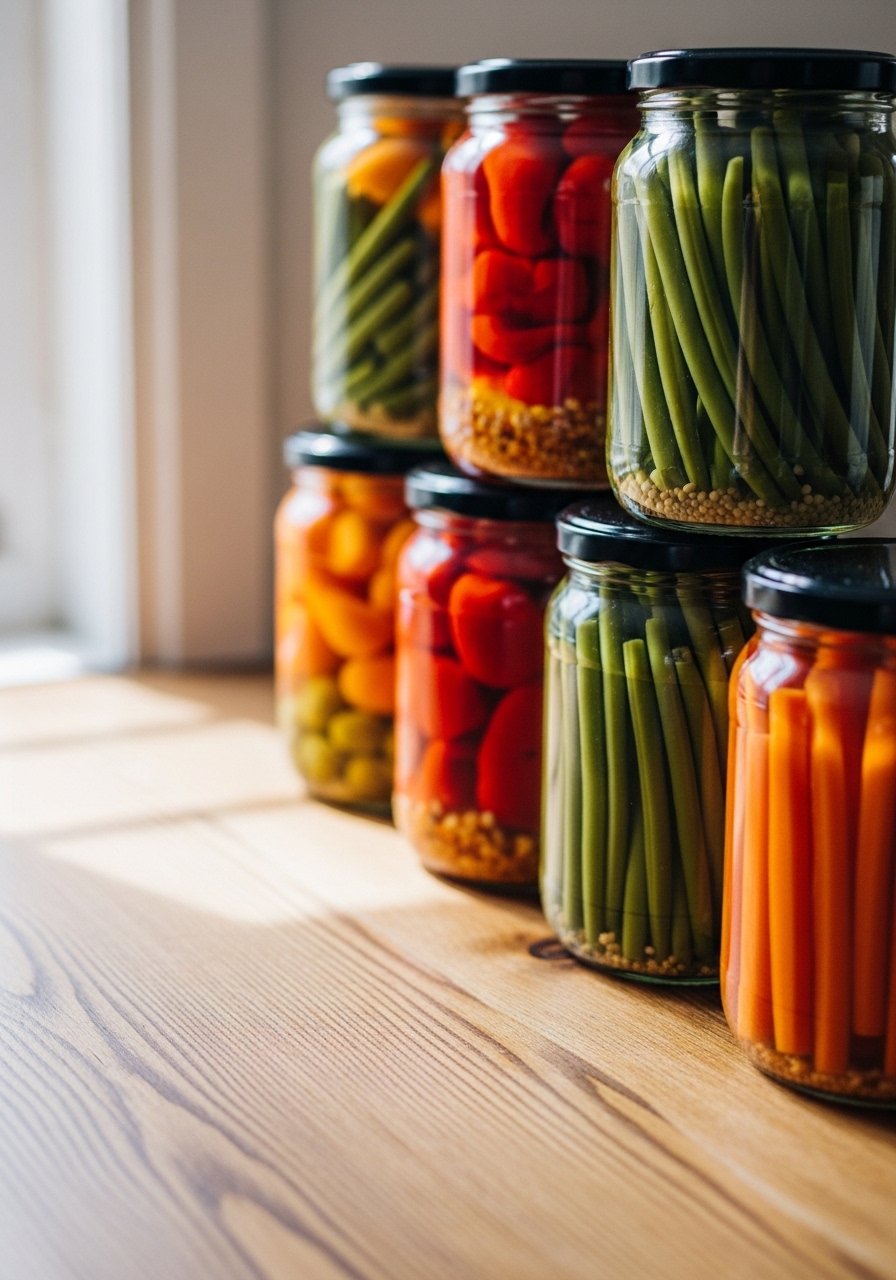
Marinate artichokes, roasted peppers, and mushrooms in oil, vinegar, garlic, and herbs for at least two hours and store separately. When you toss them into cooled pasta shortly before serving, they bring concentrated flavor without adding extra moisture. This is a good option if you want bold flavor without last-minute chopping. It also frees you to scale up because jars stack in the fridge. Works for vegetarian and gluten-free builds, and it stores well for 3 to 4 days.
I use a set of glass storage jars for marinating.
Mistake to Avoid: Marinating too long in acid. Vegetables can become mushy if left weeks.
10. Cheese Strategy: Crumble at the End
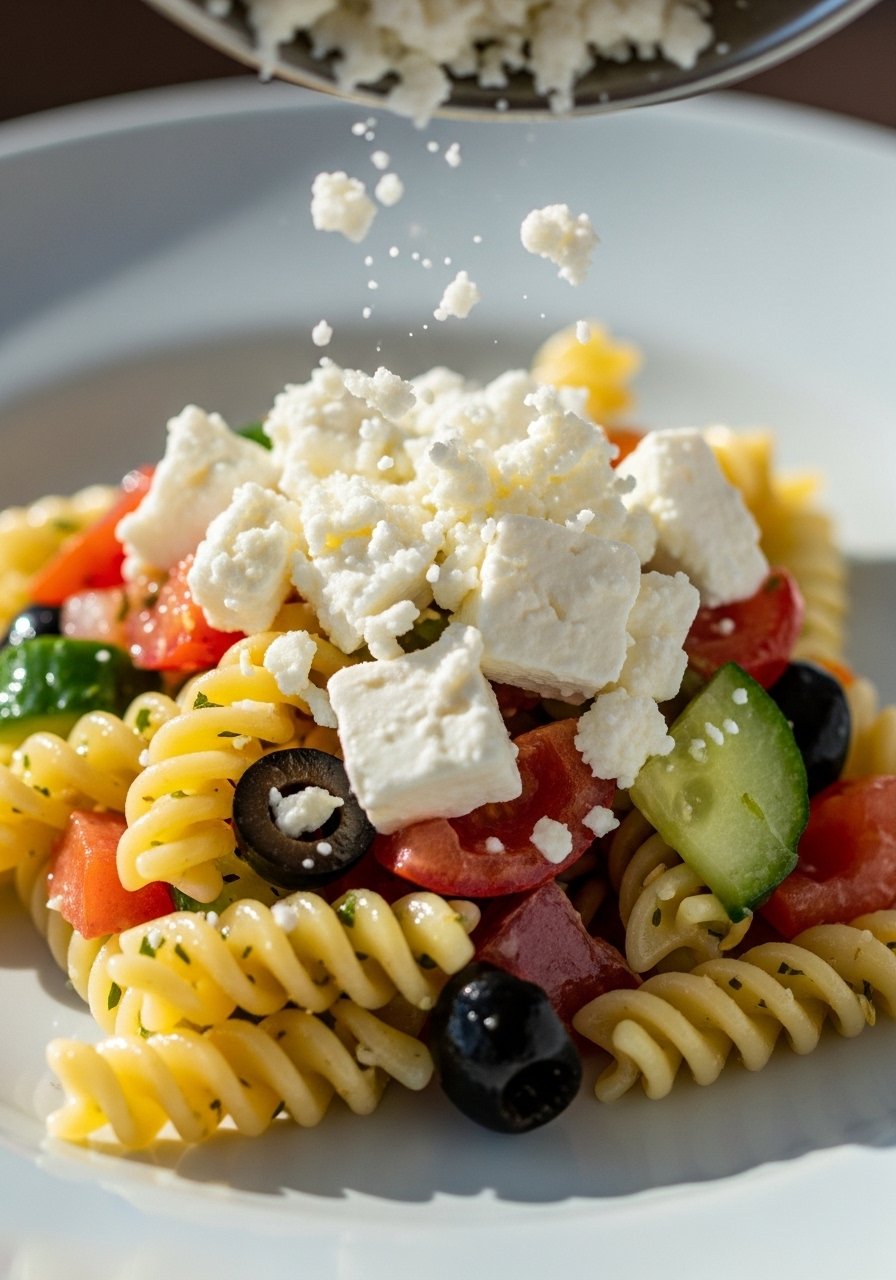
Soft cheeses breathe moisture. Add crumbled feta, goat cheese, or burrata right before serving. If you must make ahead, use aged cheeses like Parmesan shavings that tolerate refrigeration and still deliver savory punch. For salads destined for travel or all-day events, pack soft cheese separately in a small container. This keeps the salad from turning greasy or watery and maintains the cheese texture people expect. It is a simple finishing gesture that makes a big difference in perceived freshness.
I keep a block of Parmigiano-Reggiano for grating.
Mistake to Avoid: Mixing fresh soft cheese in early. It will break down and water out the dressing.
11. Herb Timing And Storage For Brightness
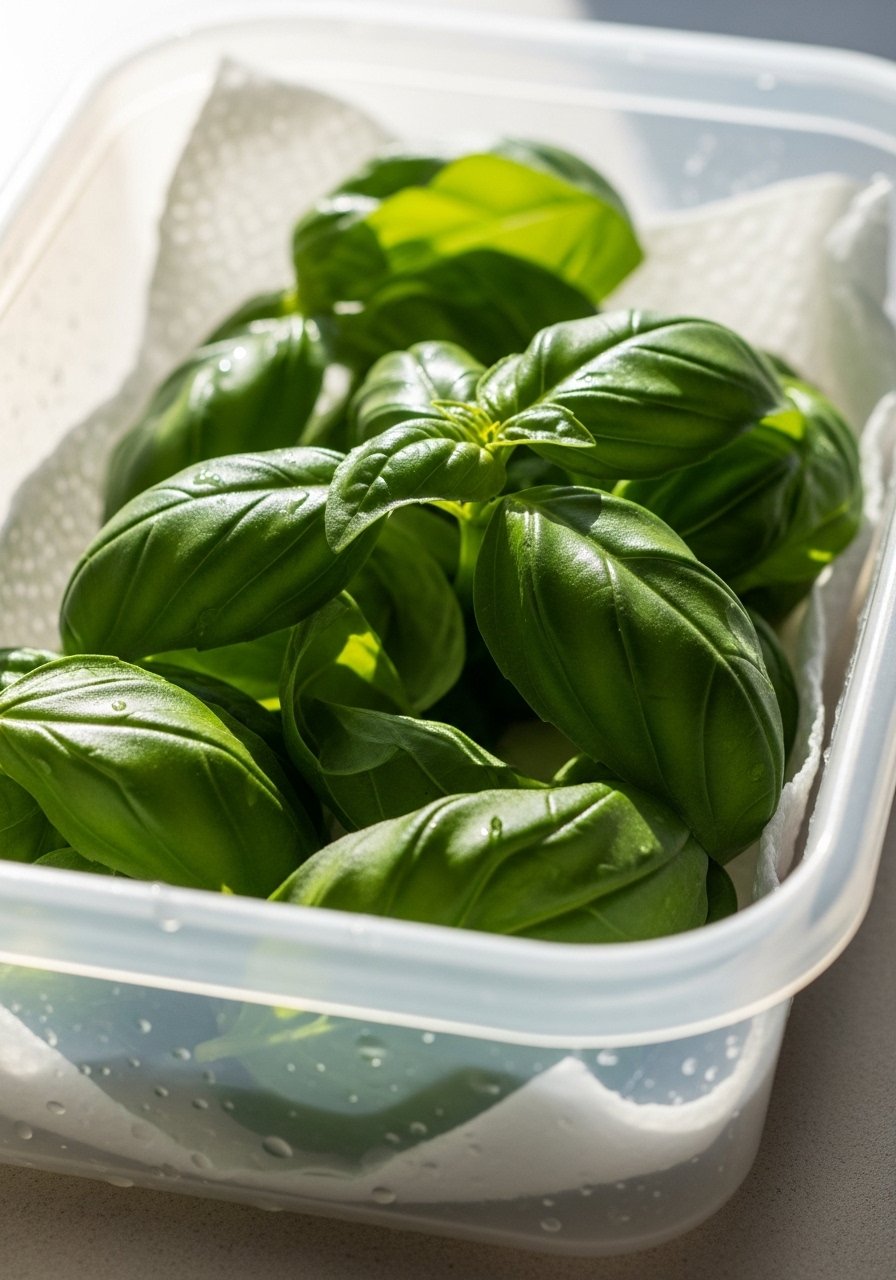
Herbs are fragile, so timing is everything. Chop hearty herbs like parsley early and toss them into the salad. Save delicate herbs like basil or dill for the finish, packing them in a paper towel-lined container to keep them from sweating. If you must add basil earlier, tear rather than chop to reduce bruising. These small handling changes extend the perceived freshness for a day or two, and they make the salad look alive rather than tired.
A small herb keeper container helps prolong life.
Mistake to Avoid: Chopping all herbs at once. Delicate ones bruise and darken before service.
12. Airtight Packing And Layering For Travel
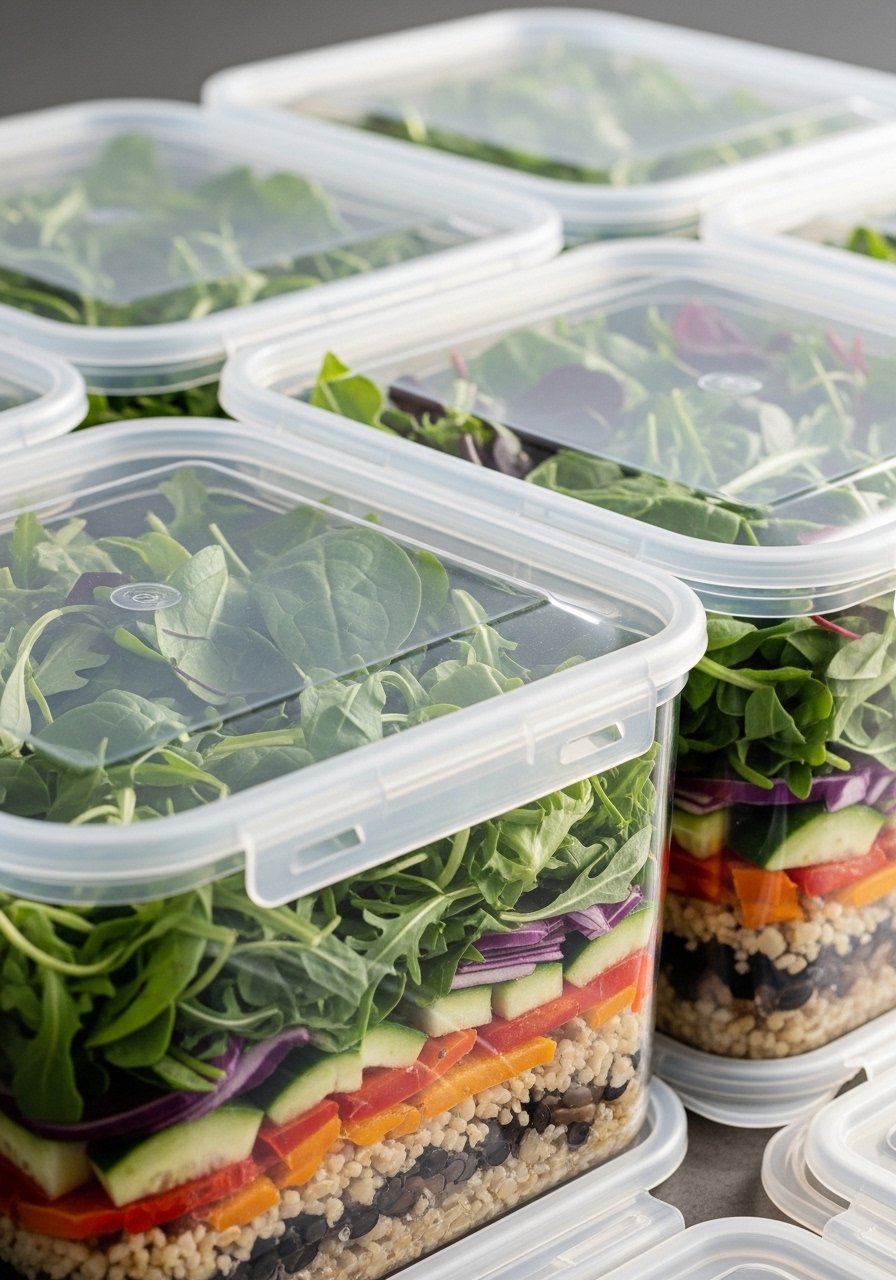
How you pack matters as much as what you pack. Layer denser ingredients at the bottom and keep dressing and delicate add-ins on top or in separate small jars. Use airtight glass containers to avoid flavor transfer and condensation. For short trips, a small cooler with ice packs is enough. For longer drives, freeze a 1-inch slab of water in a sealed bag to act as an ice block without adding moisture. These organization tricks solve the "soggy at arrival" problem more reliably than special ingredients.
I like these airtight glass containers set for the fridge and travel.
Mistake to Avoid: Putting dressing in the bottom of a shallow container. The salad will sit in liquid and go soft.
Your Pantry and Equipment
- Honestly the most useful thing I bought for salads, a set of airtight glass containers (~$25-40). Keeps layers separate and reheats well.
- For quick zest and grate work, a microplane grater (~$8-15). Small, sharp, and worth it.
- For even roasting use a heavy rimmed baking sheet (~$20-35). Hot, dry heat caramelizes veg.
- A glass dressing bottle with pour spout (~$8-14) for on-the-side emulsions.
- Canned chickpeas, 15 oz (~$1-2) for protein that lasts.
- Stone-ground mustard jar (~$3-6). Makes stable dressings.
- Cast-iron skillet 8 inch (~$20-30) for toasting nuts and breadcrumbs.
- Set of small glass storage jars (~$12-20) to keep add-ins separate.
Cooking Tips Worth Stealing
Thin dressing coats better than a heavy pour. Three thin coats of extra-virgin olive oil mixed with acid make the salad taste fresher for longer. Apply at serving or in layers.
Grab a good microplane for zest and hard cheese. Zest releases oils that brighten a salad more than extra juice alone.
A quick trick I use: shock pasta in iced water for thirty seconds, then drain and toss with a tablespoon of oil before chilling. This set of small ice packs helps keep salads cool in transit.
Contrast tip: everyone thinks more dressing equals more flavor. In reality, layering dressing and adding crunchy elements at the end preserves both flavor and texture. Use airtight dressing bottles to portion for travel.