
I kept buying midi dresses that looked modest in the photo but clung in a way that felt like a costume under fluorescent lights, so I stopped buying by silhouette alone and started testing fabric weight, sleeve length, and how the hem fell when I walked. It took one sunlit brunch and a very revealing mirror to realize the tiny details were the difference between feeling covered and feeling confident.
These picks are for people who want more coverage without looking frumpy, on a midrange budget and with time for one quick tailoring session if needed. I tried these looks across tall, petite, and curvy friends, and after rotating a handful for a full season I kept returning to the same handful of fixes: sleeve length that actually covers, small waist definition, and breathable lining. Expect easy shopping, basic sewing fixes, and a few affordable links for quick swaps.
1. Smocked High-Neck Midi With Puff Sleeves
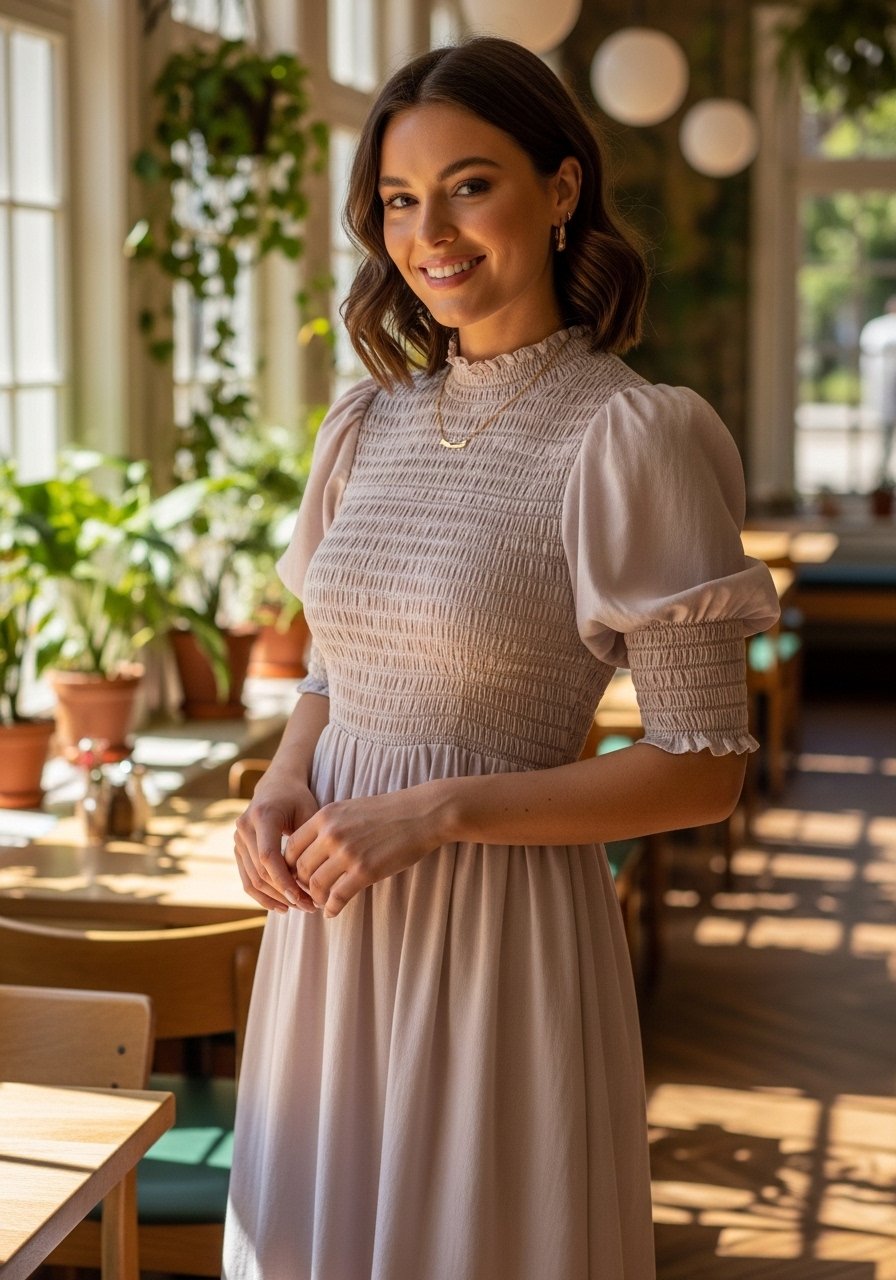
The smocked chest gives structure without being tight, and a high neck keeps the look modest while still feeling modern. Aim for sleeve length that hits two fingers below the elbow and a skirt fullness ratio where the hem is about 1.5 times the waist to avoid a tent shape. This works for most body types, and you can add a thin belt to bring the waist in. Try a smocked midi dress in cotton for breathability or a lined rayon for fall. Small tailoring on the sleeve hem takes under 20 minutes and keeps the silhouette intentional.
Mistake to Avoid: Buying smocked without checking how the neckline gaps when you lift your arms.
2. Shirt Dress With a Narrow Belt for Definition
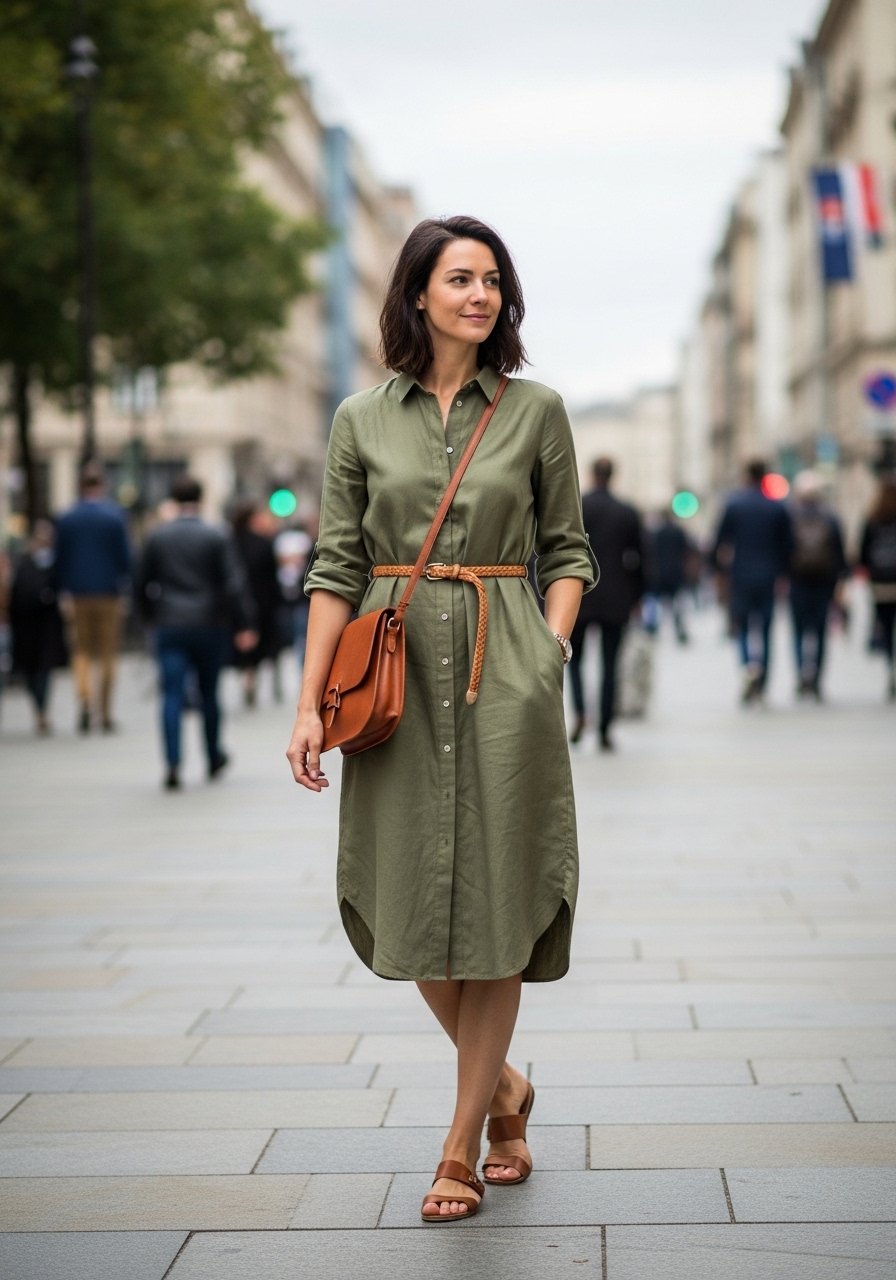
A classic shirt dress reads pulled together but modest when buttoned to the collar and cinched at the waist. For a balanced look, belt at your natural waist not the smallest part of your torso, roughly 1 to 2 inches above the hip line on most people. Choose a medium-weight cotton poplin so it does not cling, and swap a floppy leather belt for a structured skinny one for a cleaner line. I like pairing this with a thin leather belt and low block heel for daily wear. Budget option: a thrifted shirt dress shortened by one inch at the hem.
Mistake to Avoid: Cinching the belt too low so the dress becomes a column that overwhelms your proportions.
3. Wrap Midi With a Slip Layer for Opacity
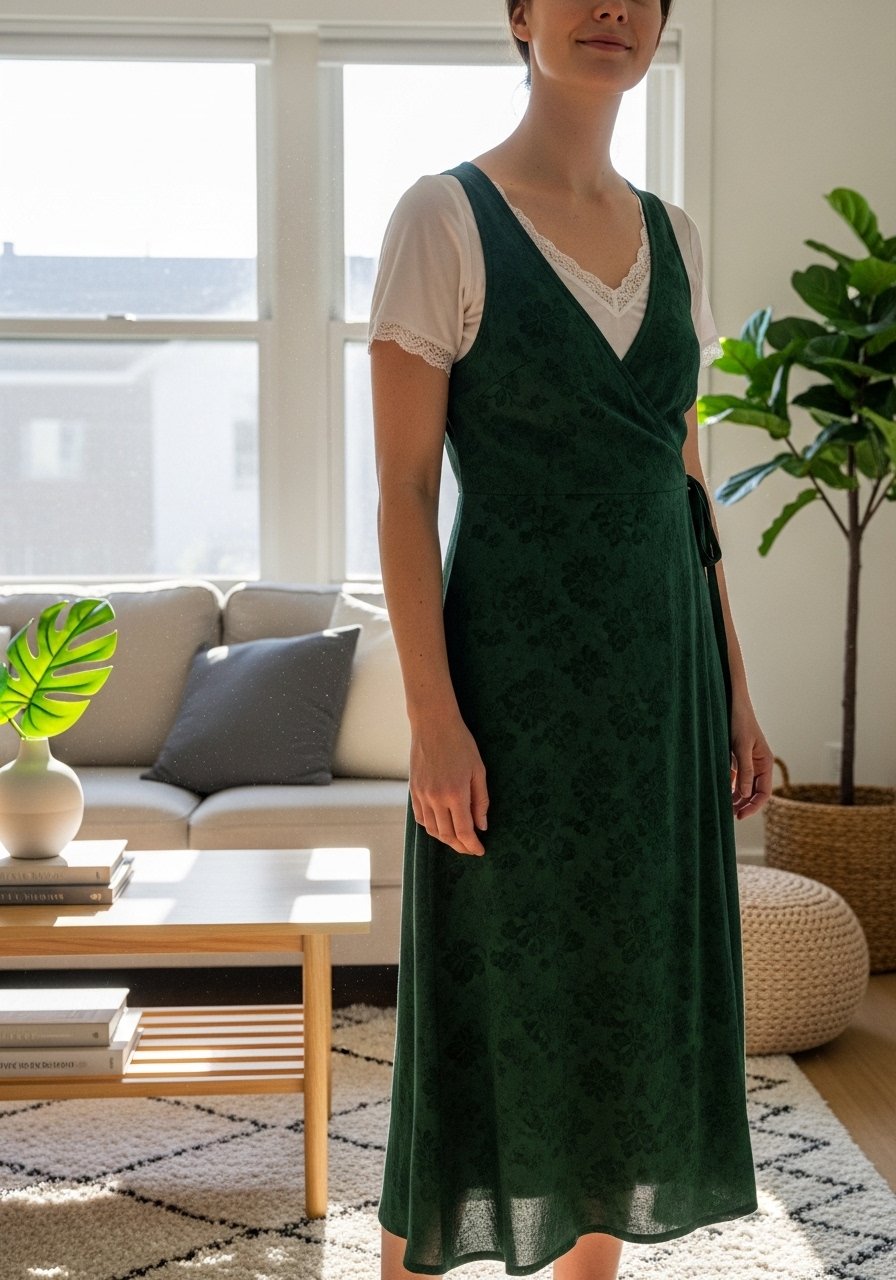
Wrap styles look forgiving but can gape at the chest or hang open in wind. Add a fitted slip that ends one inch below the wrap overlap to prevent reveal while keeping the wrap silhouette. Opt for a slip in a tonal shade and breathable fabric, like a cotton blend, to avoid static. I pair my wraps with a cotton camisole slip and the result reads intentional rather than layered-on. For modesty and mobility, test the wrap with two steps forward and one step back to check overlap retention.
Mistake to Avoid: Skipping the slip because the fabric seems opaque in store lighting.
4. Tiered Maxi With a Defined Waist
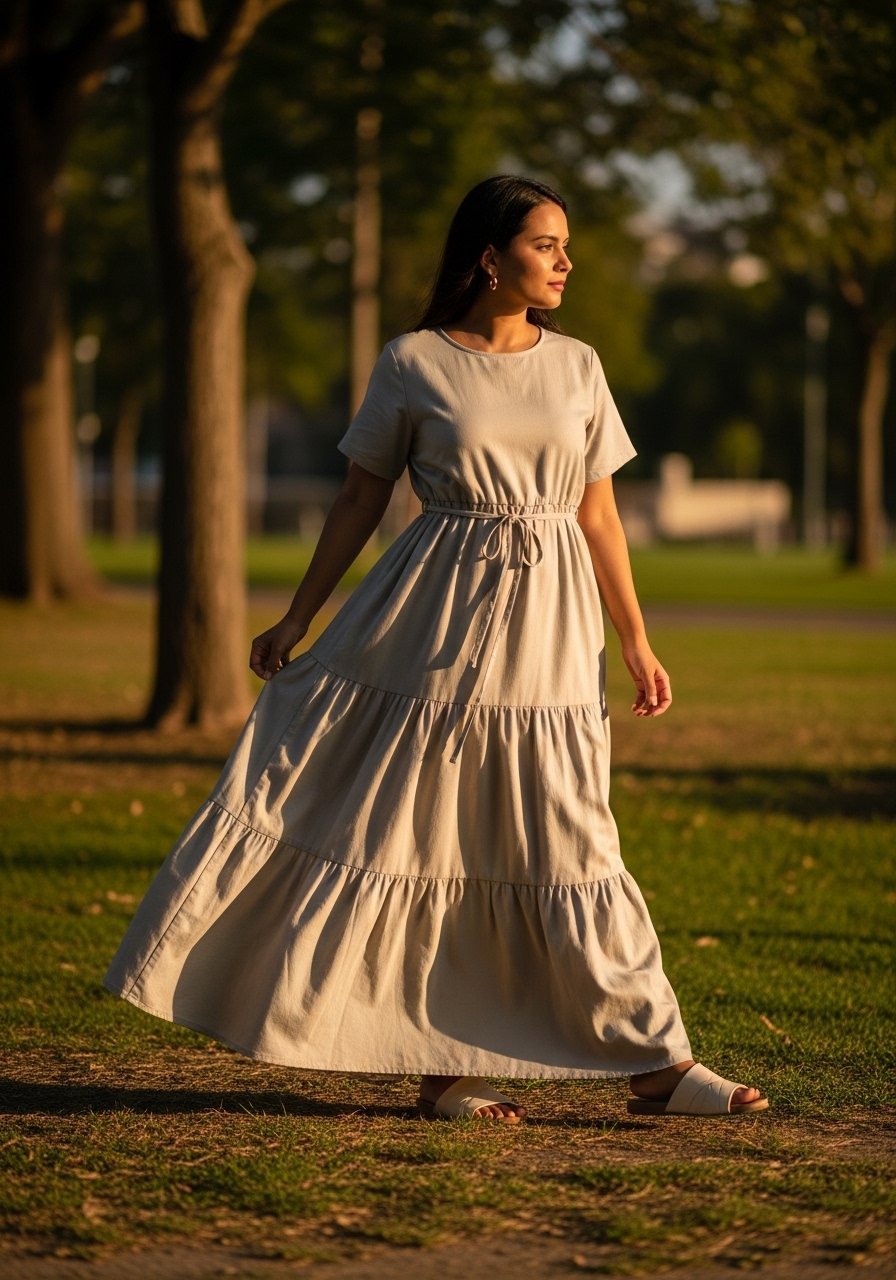
Tiered maxis can look shapeless. A sewn-in or removable waist tie that creates a 1.5 to 2 inch pinch at the waist gives the dress shape without revealing the torso. Pick a tiered dress with at least one internal lining layer to prevent cling and uneven sheerness. This style reads romantic and comfortable, and works well for curvy figures when the tiers are in gentle proportions rather than boxy panels. Try a lined tiered maxi dress with a cotton-viscose blend for easy movement.
Mistake to Avoid: Choosing tiers that start below the hips, which adds visual width and hides the waist.
5. Sweater Dress With Opaque Tights for Cooler Months

A mid-weight sweater dress hits at or just below the knee keeps things modest and cozy. Match the dress length to tights so there is no skin gap when you sit. I prefer tights in a 60 to 80 denier range for true opacity. Pair the look with a structured coat for polish. For budget flexibility pick a ribbed knit sweater dress under $60 and swap the tights seasonally. Heat-free alternative: layer a long sleeve thermal under a lighter knit in early fall.
Mistake to Avoid: Wearing thin tights with a short sweater dress and assuming sitting will not reveal more than intended.
6. Collared A-Line Midi With Contrast Buttons
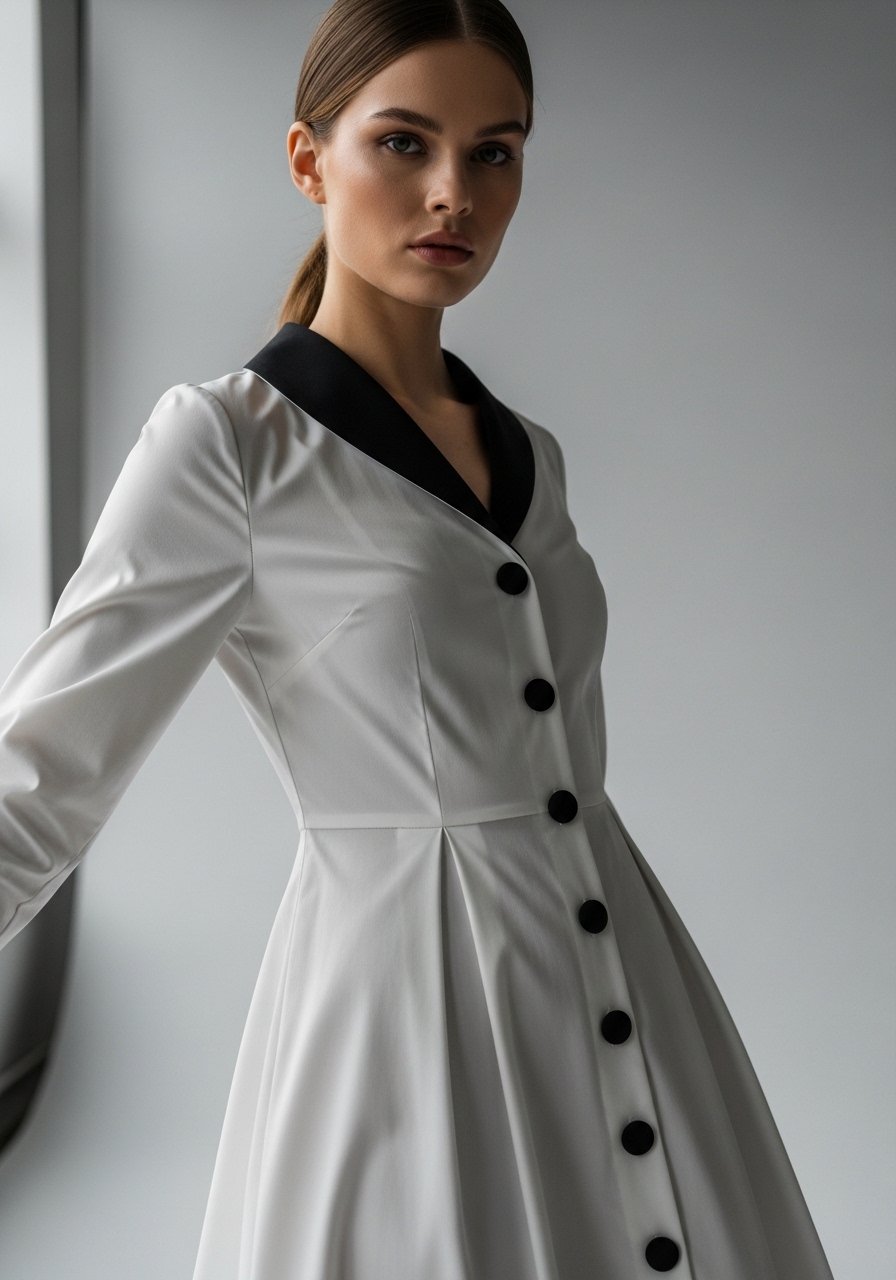
A sharp collar and vertical button line elongate the torso and keep the neckline modest. Buttons that stop 4 inches above the bustline add style without risking exposure. A-line cut with a waist to hem width ratio near 1:3 keeps movement graceful. This reads modern and works on petite frames when the collar size is scaled down. Try a cotton blend A-line midi dress with sewn-in stay tape at the placket for durability.
Mistake to Avoid: Choosing oversized collars that swallow a small frame and make the dress look boxy.
7. Sheer Overlay With a Matching Lined Slip
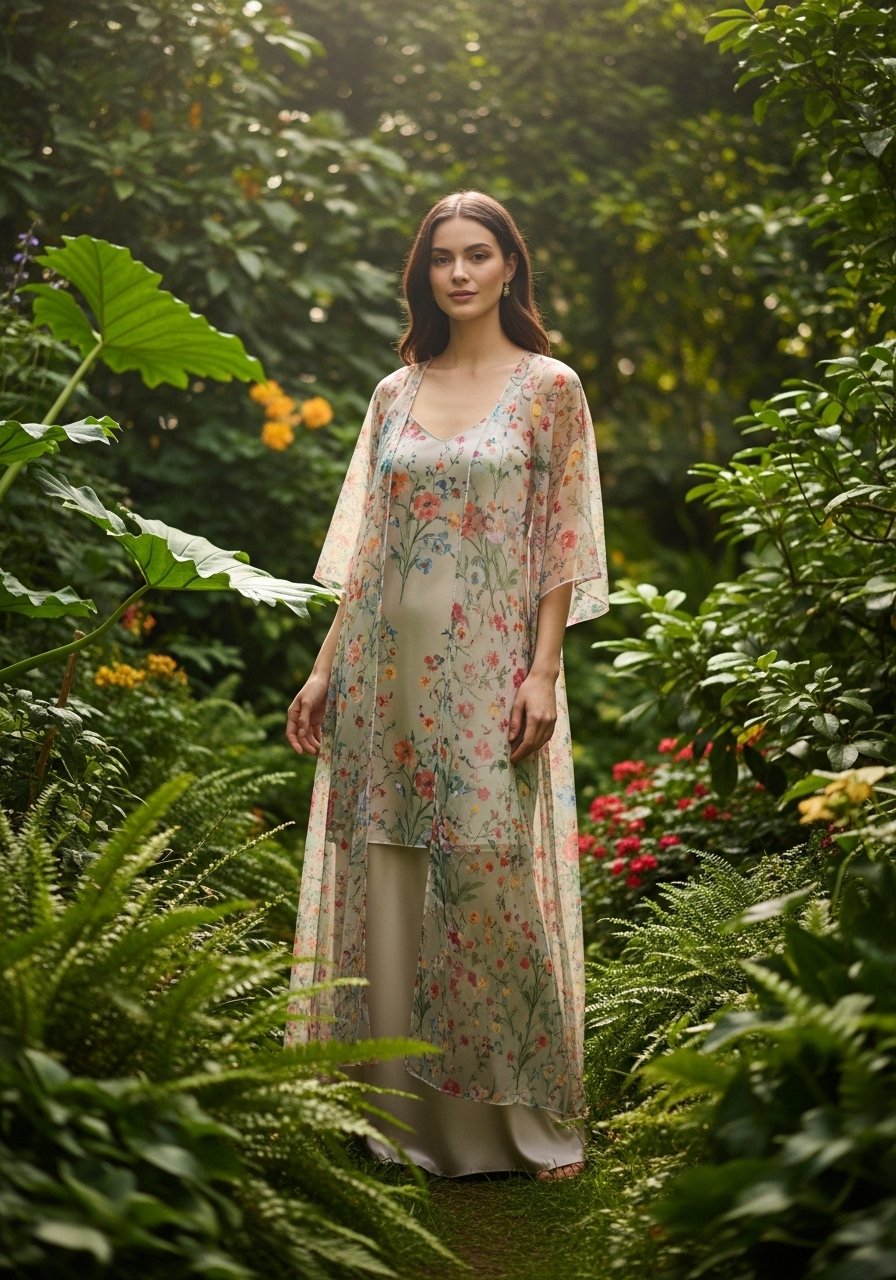
Sheer overlays are flattering when the slip matches the overlay in tone and fabric weight. For a polished look, ensure the slip is at least one shade deeper than the overlay print so movement does not reveal skin. Pay attention to straps; wider slip straps prevent the overlay from shifting and reduce nip-slip risk. I wear a lined slip dress underneath and it makes the whole outfit feel intentional rather than improvised. This solves the common frustration of sheer pieces feeling too delicate for daily wear.
Mistake to Avoid: Using a mismatched slip that creates a floating, ill-fitting under layer.
If any of these ideas have you ready to actually try something, here are the core pieces I keep reaching for.
Modest Dress Capsule Finds
Dresses:
- Smocked midi dress (~$30-70), breathable cotton options for summer and lined rayon for cooler months.
- Tiered maxi dress (~$50-120), pick one with internal lining.
Layers & Undergarments:
- Cotton camisole slip (~$15-30), I own three colors.
- Lined slip dress (~$20-40) for sheer overlays.
- Opaque tights 60-80 denier (~$8-15) for winter coverage.
Accessories & Finishers:
- Thin leather belt (~$18-35) to define the waist.
- Low block ankle boots (~$40-120) for everyday polish.
- Tailoring tape (~$6-12) to adjust hems and plackets quickly.
8. Pleated Midi With Ankle Boot Balance
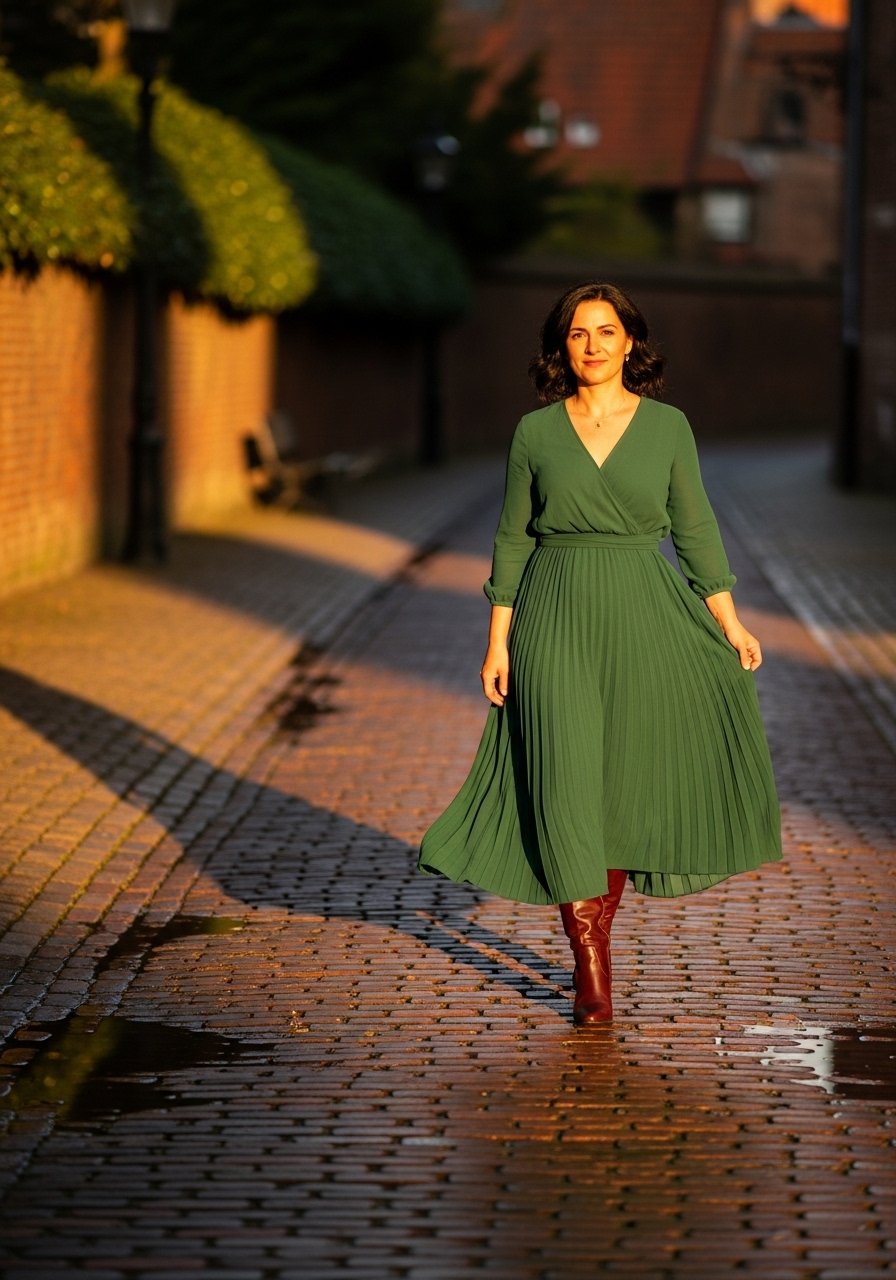
Pleated skirts read modest when the pleat depth is about 1 inch and the hem falls mid-calf to avoid looking juvenile. Pair with ankle boots that expose no more than 1 to 2 inches of skin above the top of the boot when you sit. That small ratio keeps the look grounded and comfortable. A polyester-viscose pleated midi resists wrinkling and costs less than silk. I often add a pair of block ankle boots for the right proportion and to prevent the skirt from brushing the ground.
Mistake to Avoid: Picking pleats that are too shallow, which makes the skirt cling and show silhouette lines.
9. Blazer Over Dress for Structured Coverage
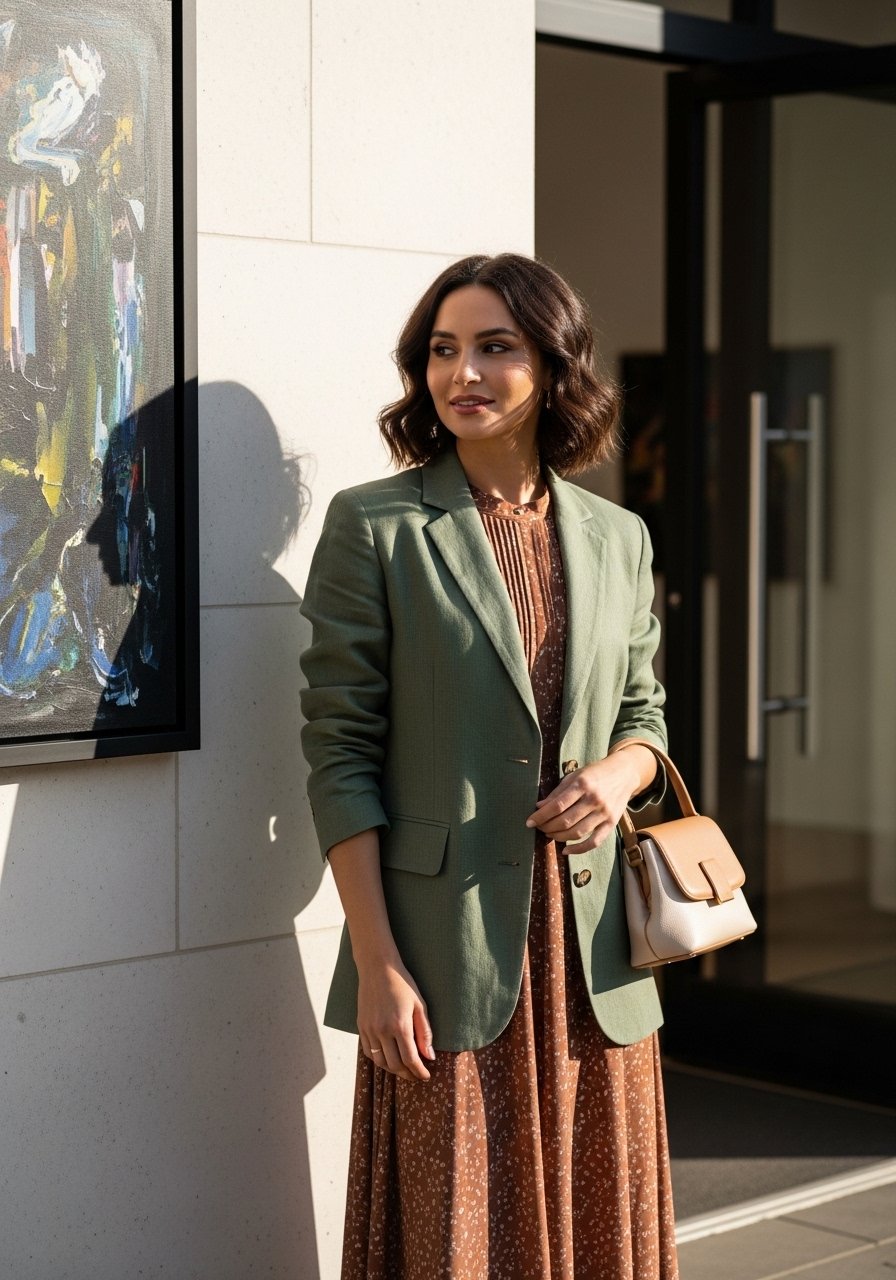
A single-breasted blazer creates a vertical line that conceals and streamlines. Look for a blazer where the shoulder seam sits at your shoulder edge and the sleeve ends two fingers beyond the dress cuff. Cropped blazers work for petites, while longer blazers suit taller frames. For temperature control pick a lightweight wool blend or structured knit. I often throw on a single-breasted blazer and a belt over both for a polished, work-ready outfit.
Mistake to Avoid: Wearing a blazer with heavy shoulder pads that add width and reduce the modest silhouette.
10. Shirt-Waist Dress With Cuffed Sleeves
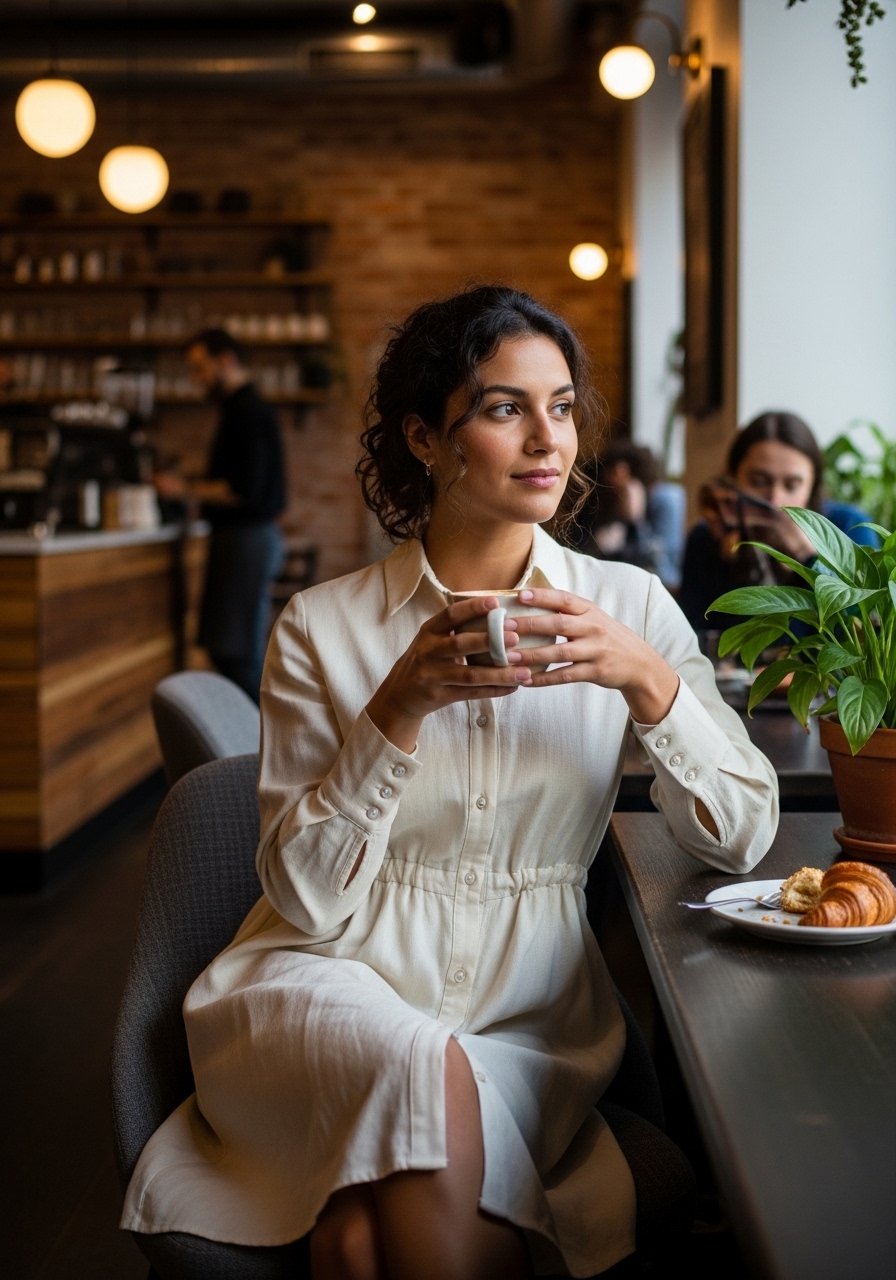
Cuffed sleeves feel intentional and keep arm coverage tidy. Aim for a cuff that is 1.5 to 2 inches wide and hits at the wrist bone. A shirt-waist silhouette with a slightly flared skirt balances the torso and prevents cling at the hips. Linen blends can wrinkle but breathe, while a cotton-sateen finish resists crease for travel. I shorten a sleeve cuff by 0.5 inches when I need more wrist coverage and find a shirt-waist dress in mid-weight fabric is a useful wardrobe anchor.
Mistake to Avoid: Leaving cuffs loose so they ride up and reveal more forearm than intended.
11. Shirred Bodice Dresses for Comfortable Coverage

Shirring gives shape while remaining flexible, great for those who dislike restrictive tailoring. Look for shirring panels that are 2 to 3 inches wide across the bust and stop at the underbust so the skirt hangs clean. That detail prevents the whole dress from feeling like a stretch tube. A cotton-elastane blend is breathable and holds shirring without overstretching. I link a shirred bodice dress when I need both comfort and coverage for long days.
Mistake to Avoid: Choosing shirring that runs the full torso and creates unwanted bulk under jackets.
12. Coatdress for Winter Modesty

A coatdress doubles as outerwear and outfit, saving layering bulk. Look for a length that mirrors your dress length and a closure that reaches up to the collarbone for maximum coverage. Wool blends with a hidden button placket reduce wind exposure. Fit the sleeve so you can wear a thin sweater underneath without the shoulders pulling. I prefer a wool blend coatdress with a lining that resists static for a cleaner silhouette in cold months.
Mistake to Avoid: Buying a coatdress that is the wrong length for your skirt, creating uneven layers that look accidental.
13. Monochrome Looks With Textured Accessories
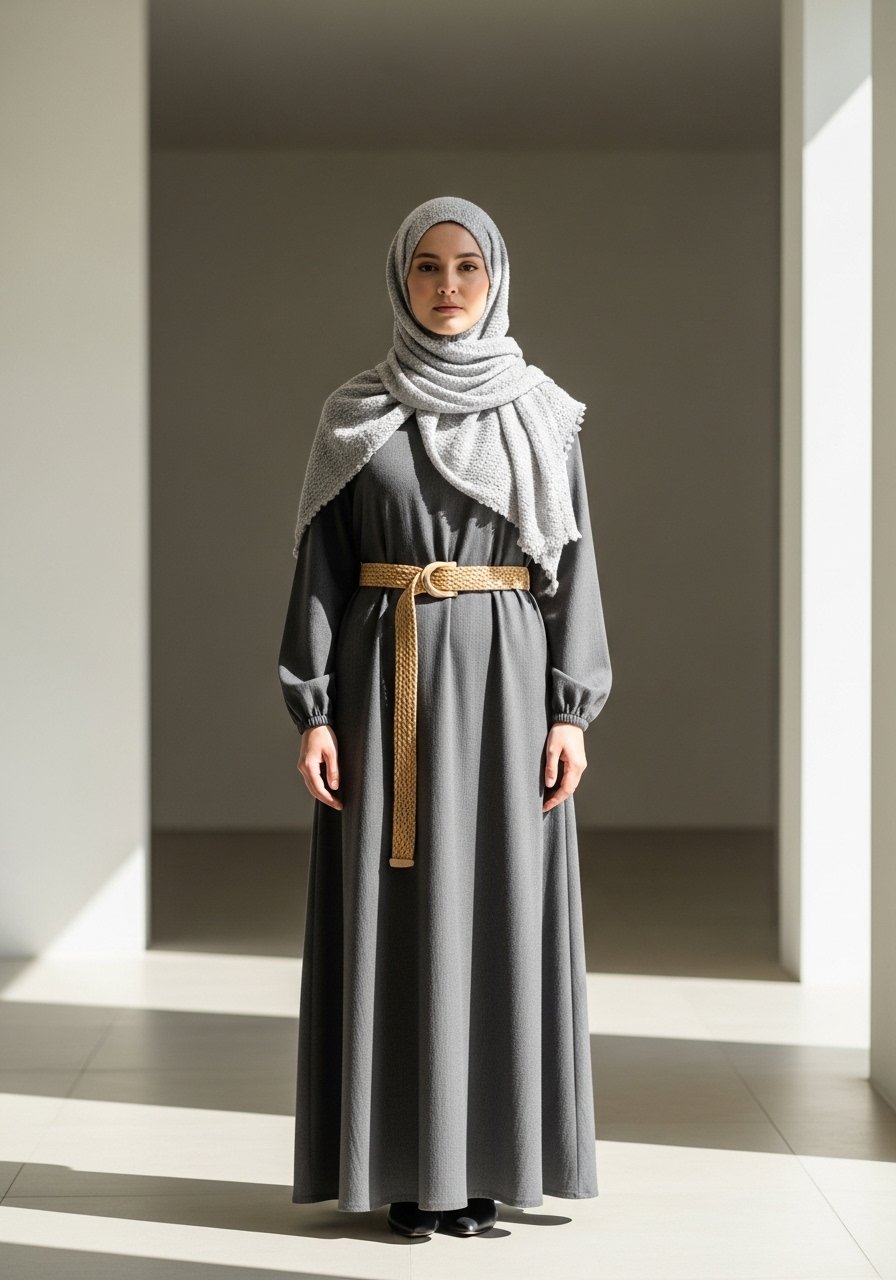
A single-color base in a modest dress looks refined when you add texture in accessories. Try a tone-on-tone ratio where accessories are one or two shades darker than the dress to create depth without breaking modesty. Swap big statement jewelry for a woven belt or a textured scarf to keep attention on silhouette rather than cleavage. I reach for a neutral woven belt and a lightweight scarf for days when I want interest without showing skin.
Mistake to Avoid: Adding bright, contrasting accessories that shift the outfit away from a modest, cohesive look.
Modest Dress Styling Shortcuts
Wear a slip that matches the print tone. A slight tonal difference prevents the overlay from reading like an accidental layer, pick a cotton camisole slip to start.
Grab opaque tights 60-80 denier for chilly days. They cover without bulk and pair well with mid-calf and ankle boots.
If you hate hemming, try tailoring tape for a temporary fix that lasts a whole day and keeps proportions correct.
Most people buy one belt and keep swapping it. Try two widths, one thin and one medium, like the thin leather belt and a woven option, to change silhouette quickly.
When testing online, photograph yourself walking and sitting, not just standing. A quick phone video reveals sheerness and gap issues that still photos hide.