
I kept walking into the kitchen and opening the wrong drawer for the third time in a row. I would swear the measuring spoons had legs, or that the spatula had decided to live under the colander. After a weekend of sorting, labeling, and a few badly assembled organizers, cooking suddenly stopped being a scavenger hunt and started feeling calm again.
These tips are for people who cook on weeknights, share counters with a roommate, or rent a place and want order without permanent changes. Most ideas are low skill and under $40, with a few upgrades around $60. Expect a mix of renter-friendly fixes and one or two small installs that are easy to undo.
1. Group Tools by Task, Not by Type
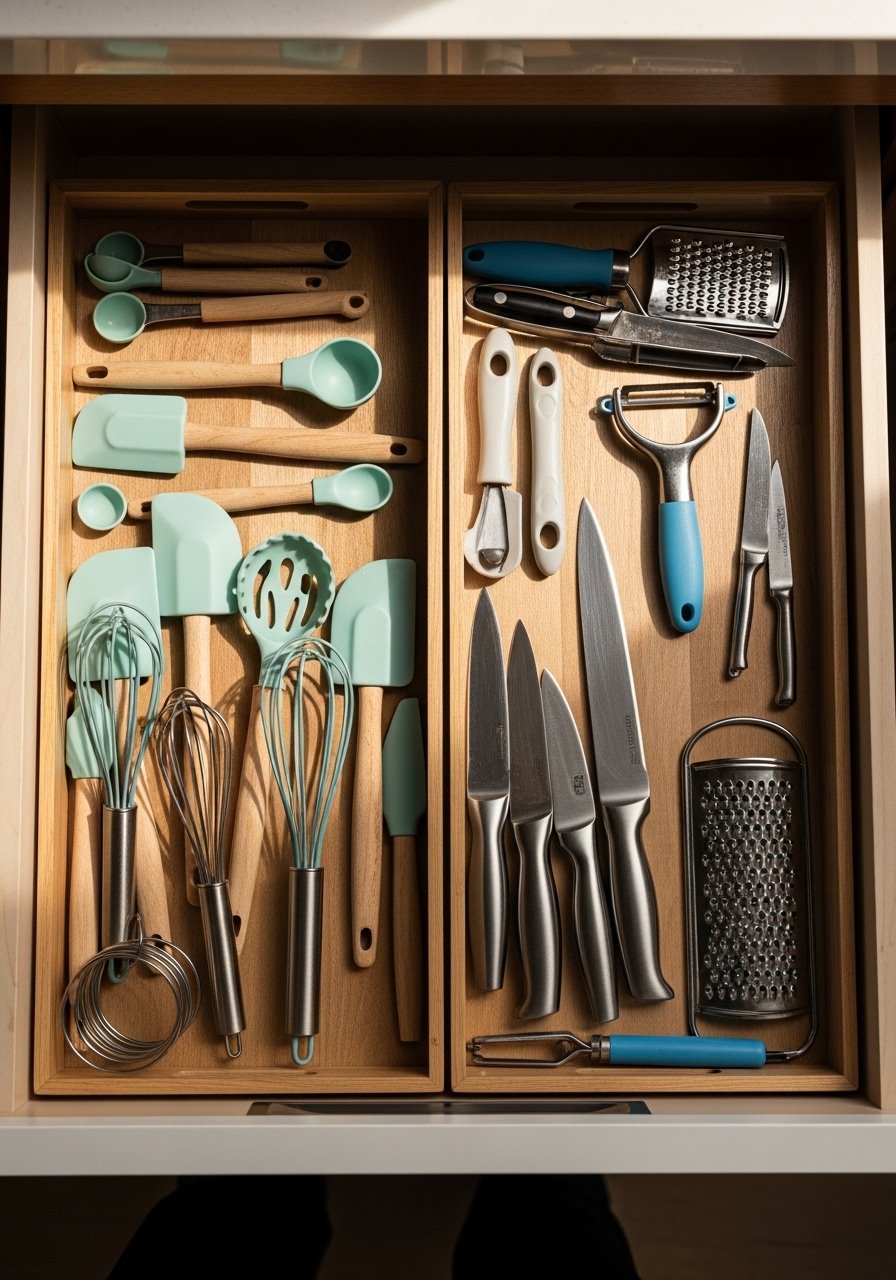
I stopped putting all spoons together and instead made a baking tray, a prep tray, and a serving tray. When everything is task-based, my brain knows exactly where to reach during a recipe. Use a bamboo drawer organizer set to section one deep drawer into zones. This feels modern and lived-in, and it is cheap to change when needs shift. Works well for renters and small kitchens.
Mistake to Avoid: Trying to make one tray fit every tool. Instead dedicate one tray per task so items do not migrate.
2. Install a Pull-Out Under-Sink Shelf
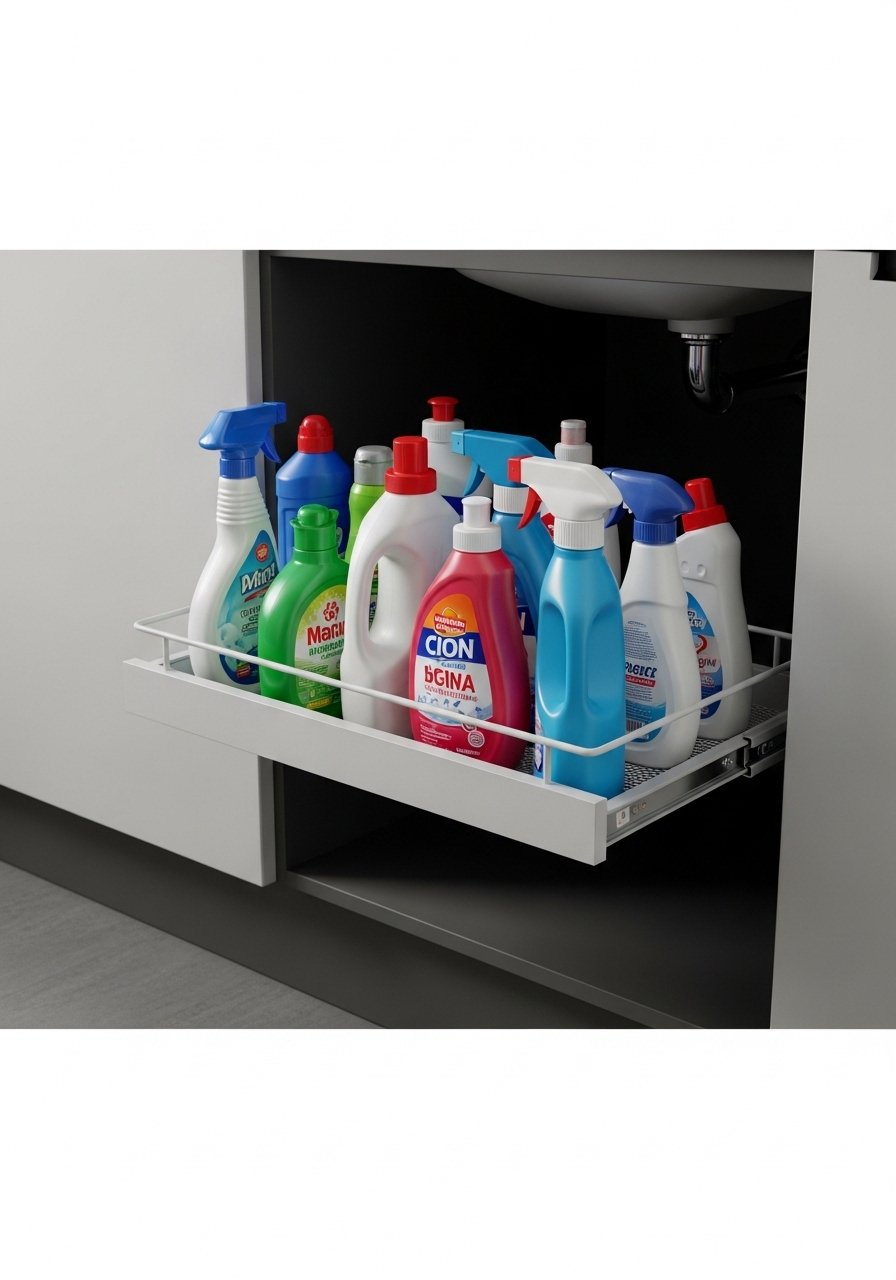
Under the sink is a battle zone until you add a pull-out shelf that rides out to you. A pull-out under-sink organizer gives visibility to cleaners and trash bags, so nothing sinks to the back. It works for renters if you only use clip-on or freestanding models. Measure width down to the half inch for a snug fit. This saves time when you are juggling a pot on the stove and a drippy spoon.
Mistake to Avoid: Installing a fixed shelf that blocks plumbing. Pick a model that accounts for pipes or opt for a shallow, mobile unit.
3. Use Clear Canisters for Dry Goods

I replaced paper bags with three sizes of clear canisters and the pantry stopped looking like a mystery novel. Clear canister set, 4-piece lets you see quantities at a glance and stacks without toppling. Aim for 24 to 48 ounce sizes for staples. Label with chalk stickers so you can change contents without messy tape. This creates a calm visual and speeds up measuring when you bake.
Mistake to Avoid: Buying too many different sizes. Stick to two or three sizes that cover your weekly usage.
4. Mount a Magnetic Knife Strip
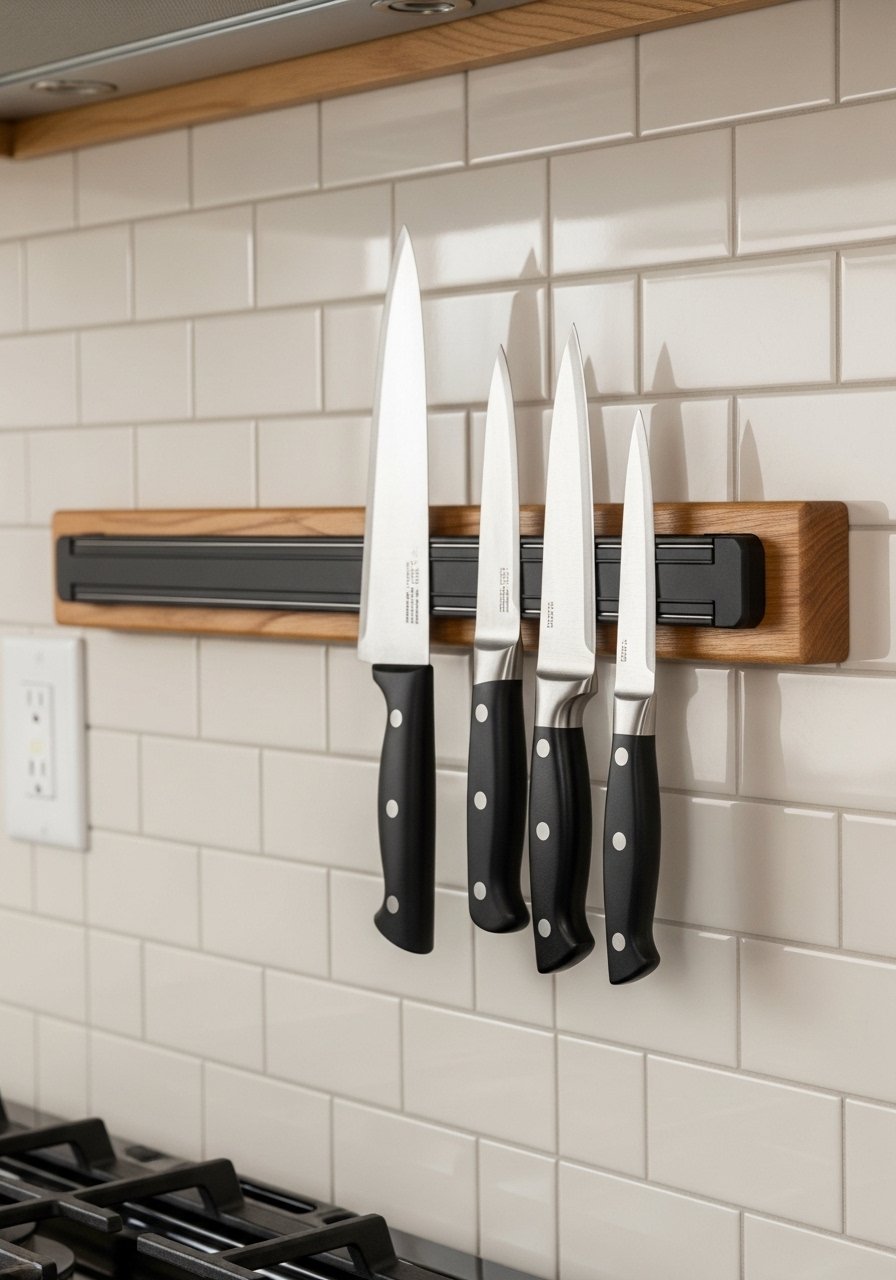
Countertop blocks are bulky and attract crumbs. A magnetic knife strip frees up counter space and keeps knives at arm’s reach. I used a magnetic knife strip, 18-inch that screws to the wall, but there are heavy-duty adhesive versions for renters. Place it away from little hands and above the prep zone for safe reaching. The visual is cleaner and your knives stay sharper than when jammed into a block.
Mistake to Avoid: Mounting it too low. Keep knives well above countertop clutter and out of reach of children.
5. Create a Baking Station
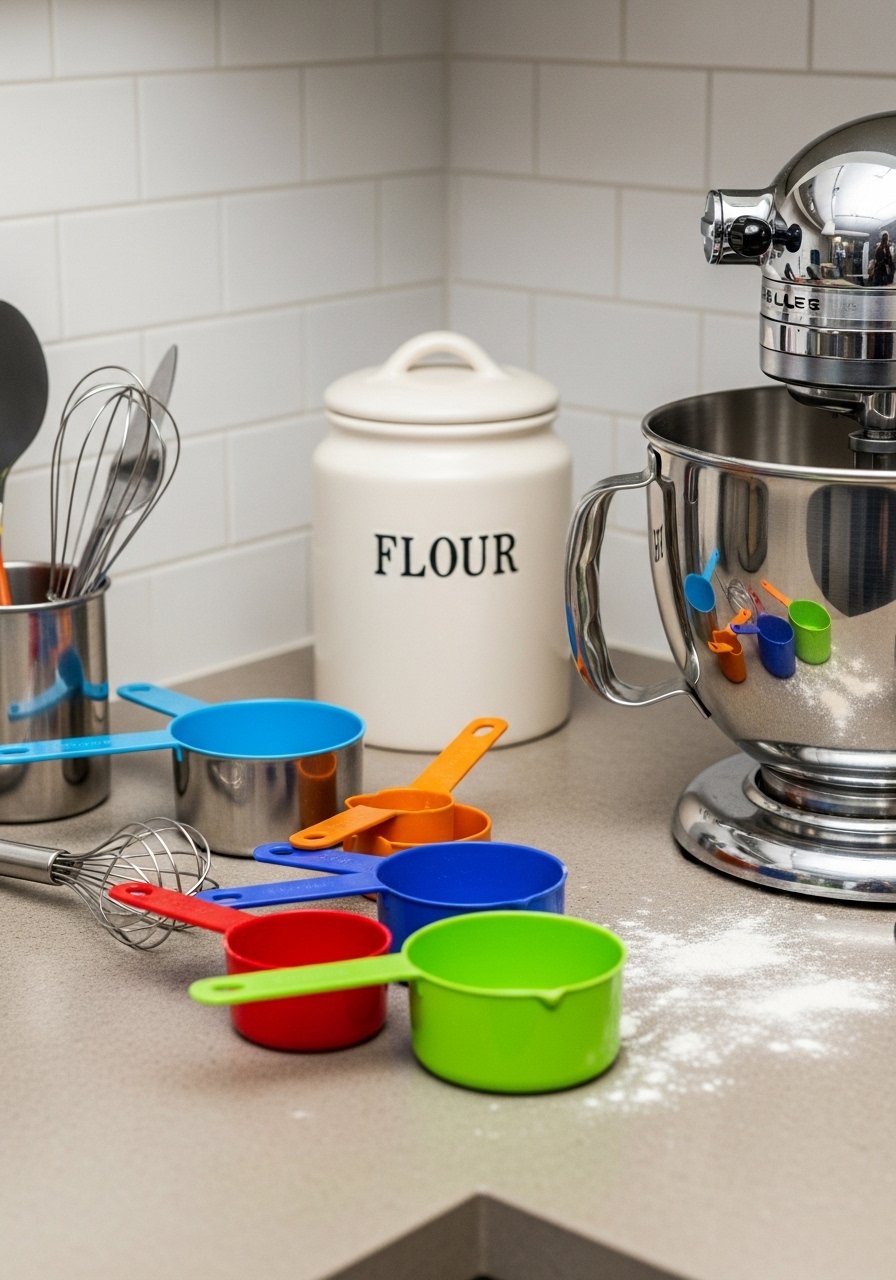
I made a small baking station with flour, sugar, measuring cups, and a scale in one cupboard near the mixer. Use a digital kitchen scale and a shallow pull-out shelf so you can weigh on the counter without rearranging everything. This is perfect for weekend bakers and people who like meal prep. Keep similar tools together so you stop hunting mid-recipe.
Mistake to Avoid: Splitting baking items across cupboards. Consolidate so one recipe does not turn into a treasure hunt.
6. Add a Vertical Lid Organizer Inside a Cabinet Door

Splayed pan lids used to be my paper cut hazard. A slim pan lid organizer for cabinet door holds lids upright and uses dead space. It fits most shallow doors and is renter-friendly. Keep lids with their matching pans by placing the organizer near the pan shelves. You will save seconds every time you cook, which add up across a week.
Mistake to Avoid: Putting lids on top of pans. That creates unstable stacks and makes retrieval awkward.
7. Use Tension Rods for Spray Bottles
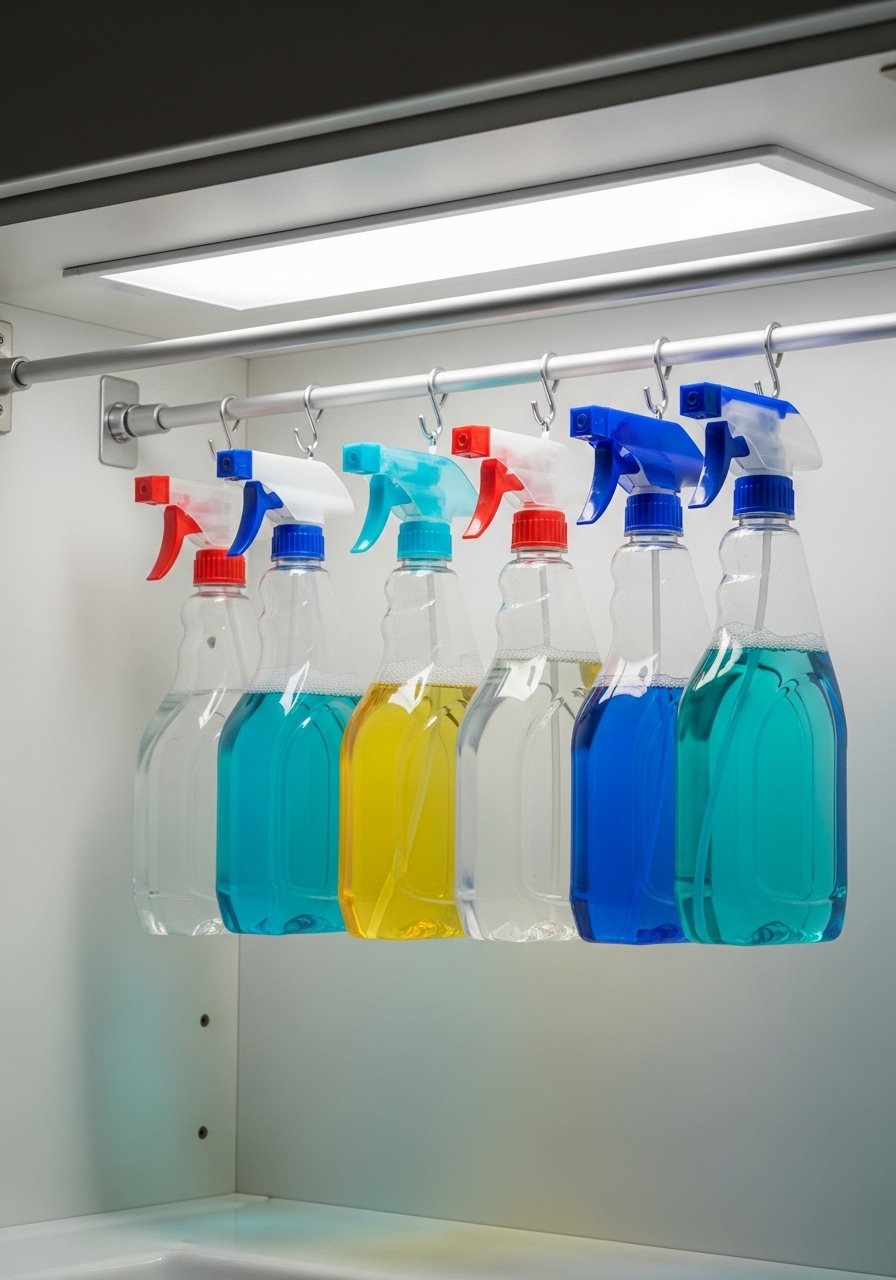
A thin tension rod under the sink lets you hang spray bottles by the trigger and stop them slamming into each other. A stainless tension rod, 18-28 inch is cheap and leaves no marks. Arrange bottles so the labels face out. It is a small change that prevents spills and keeps cleaning supplies visible.
Mistake to Avoid: Laying bottles on their sides. They leak, roll, and hide the product you need.
8. Hang a Rail for Utensils Above the Stove
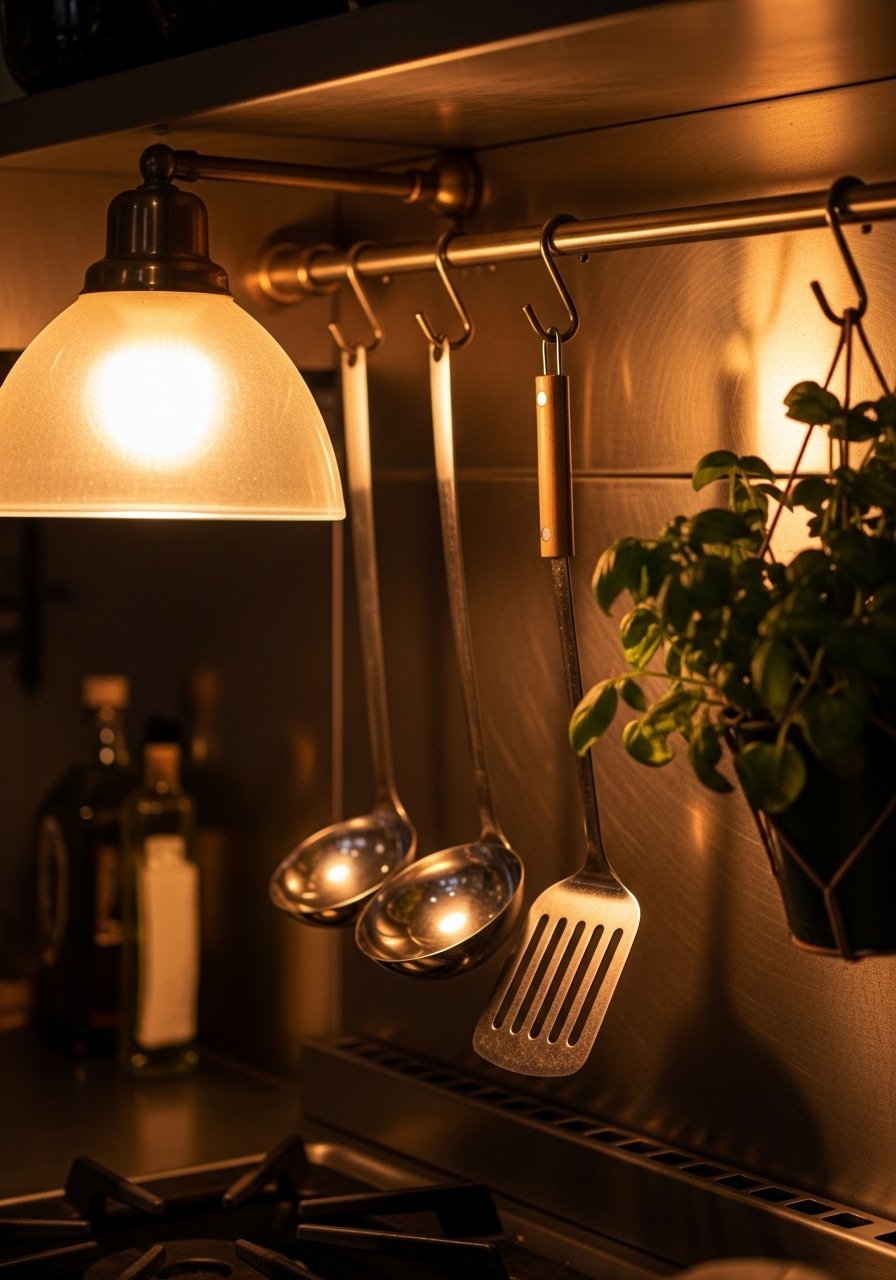
When I put a slim rail above the stove, the wooden spoons stopped living in the sink. A kitchen utensil rail, 24-inch keeps the tools you use most within reach. Choose stainless hooks that slide. This feels like a small chef’s kitchen and prevents cluttered counters. Pair it with the magnetic knife strip from idea 4 for a compact work triangle.
Mistake to Avoid: Hanging everything on one hook. Use multiple hooks so tools do not tangle.
9. Invest in Stackable Drawer Dividers
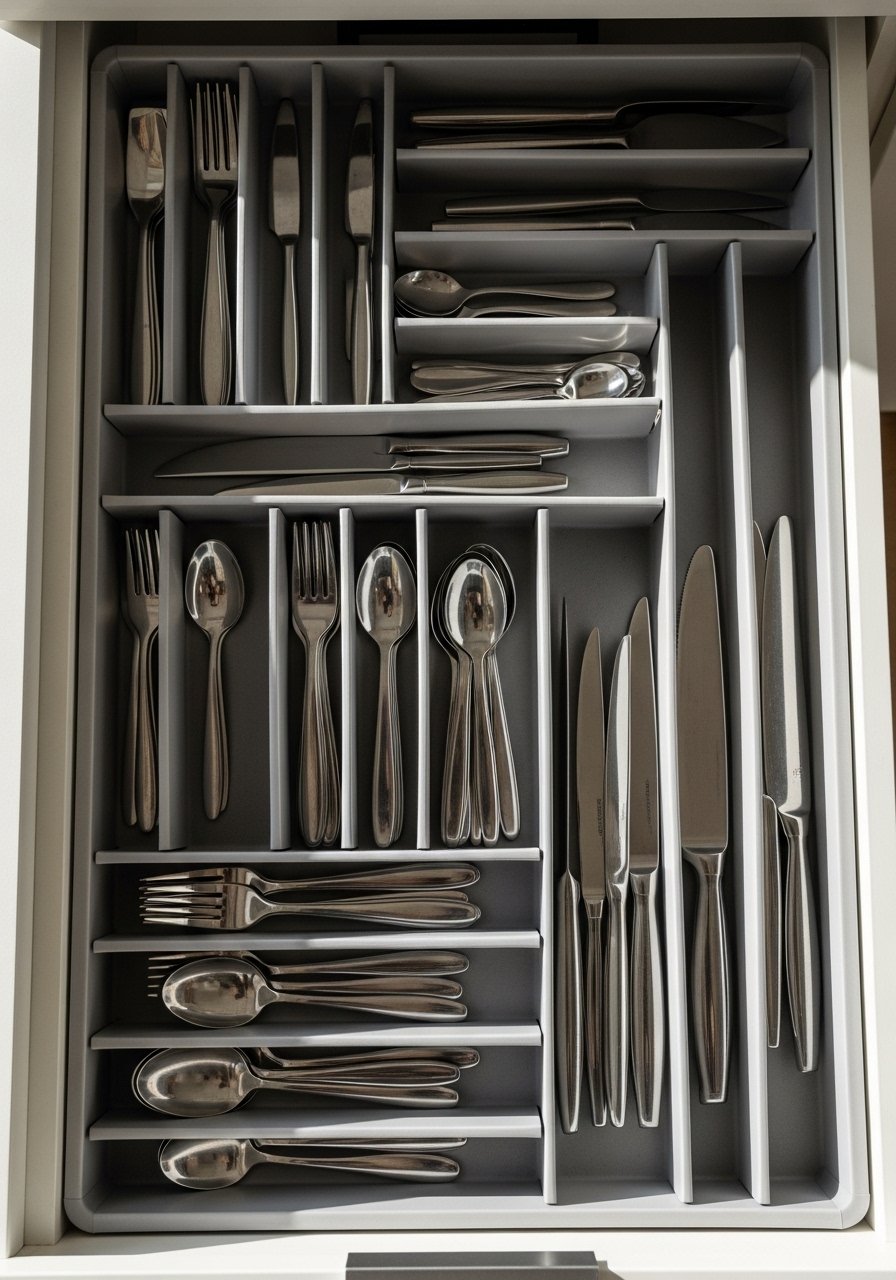
Silverware and gadgets multiply unless you force order. Stackable dividers let you build cubbies for gadgets, cloths, and small cutting tools. Try a stackable drawer divider pack. They adapt if your needs change. This works well in shallow junk drawers and in deeper utensil drawers where everything used to pile up.
Mistake to Avoid: Forcing flexible bendy organizers into a deep drawer. Use rigid dividers so compartments hold their shape.
10. Use a Tiered Shelf for Cupboard Height
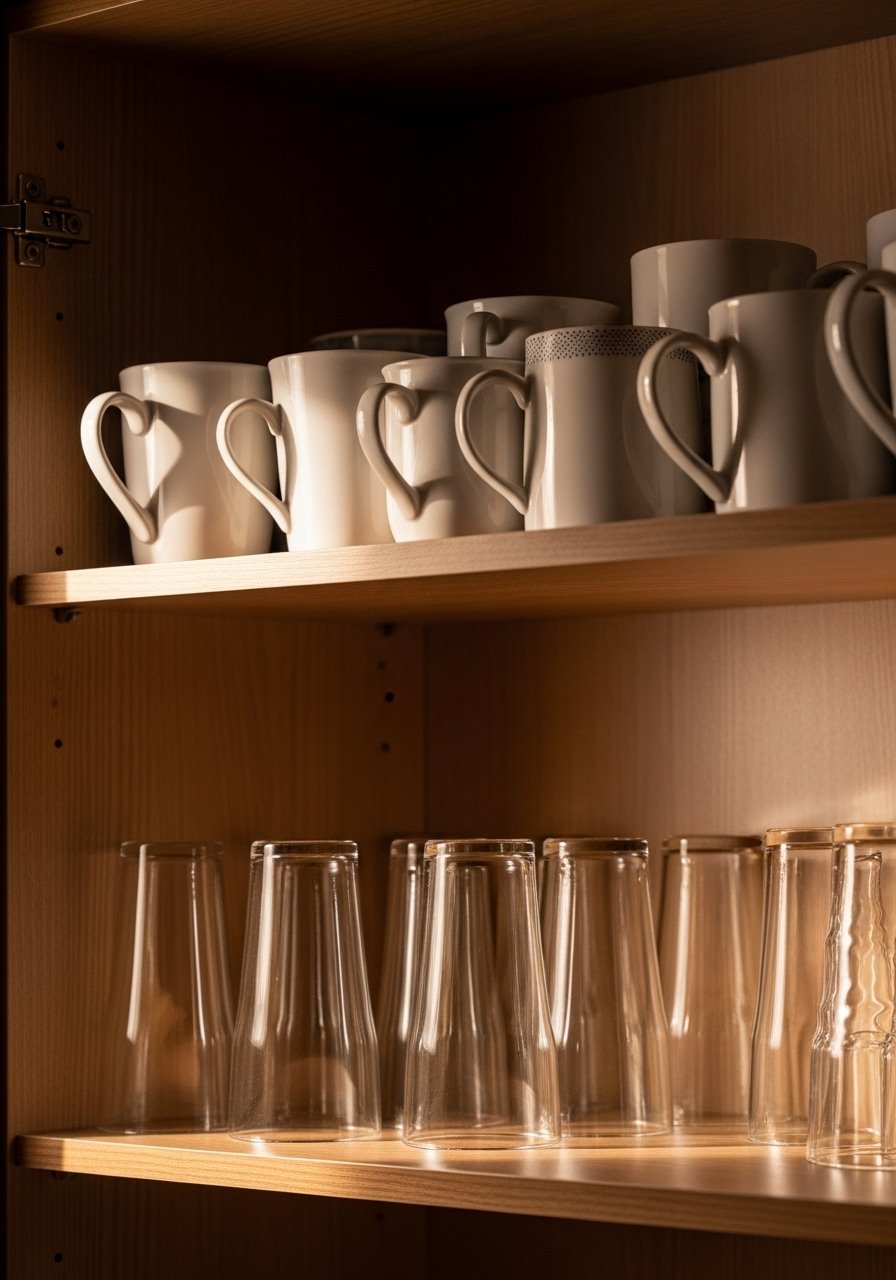
Shelves with low clearance waste vertical space. A tiered shelf riser, two-tier creates levels for mugs and plates and keeps things visible. In small apartments this doubles usable space in one cabinet. Place similar-height items together for the cleanest result. It helps when you have deep cupboards and want small items reachable without pulling everything out.
Mistake to Avoid: Stacking different heights together. Keep same-size items on the same tier for stability.
11. Anchor a Rolling Cart as a Mobile Prep Station
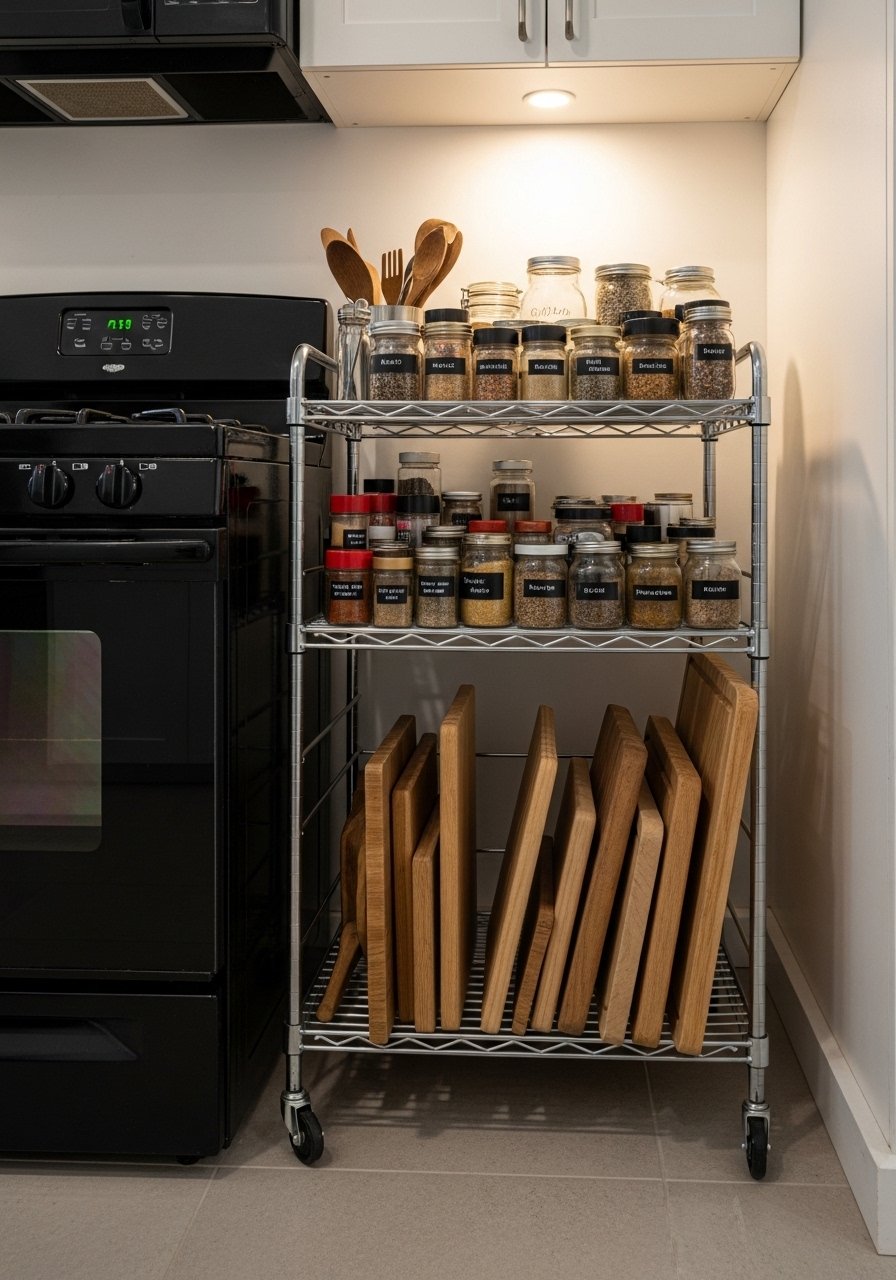
A slim rolling cart fills a gap between counter and fridge and moves where you need it. I anchored one as my mobile prep station with a 3-tier rolling utility cart. Load it with oils, spices, and a small tray for dirty tools. If you need to clear counters for guests, just roll it away. This is ideal in rentals and small kitchens.
Mistake to Avoid: Loading the cart with breakables. Keep heavy or fragile items tucked on the lowest shelf.
12. Consolidate Spices into a Pull-Out Rack
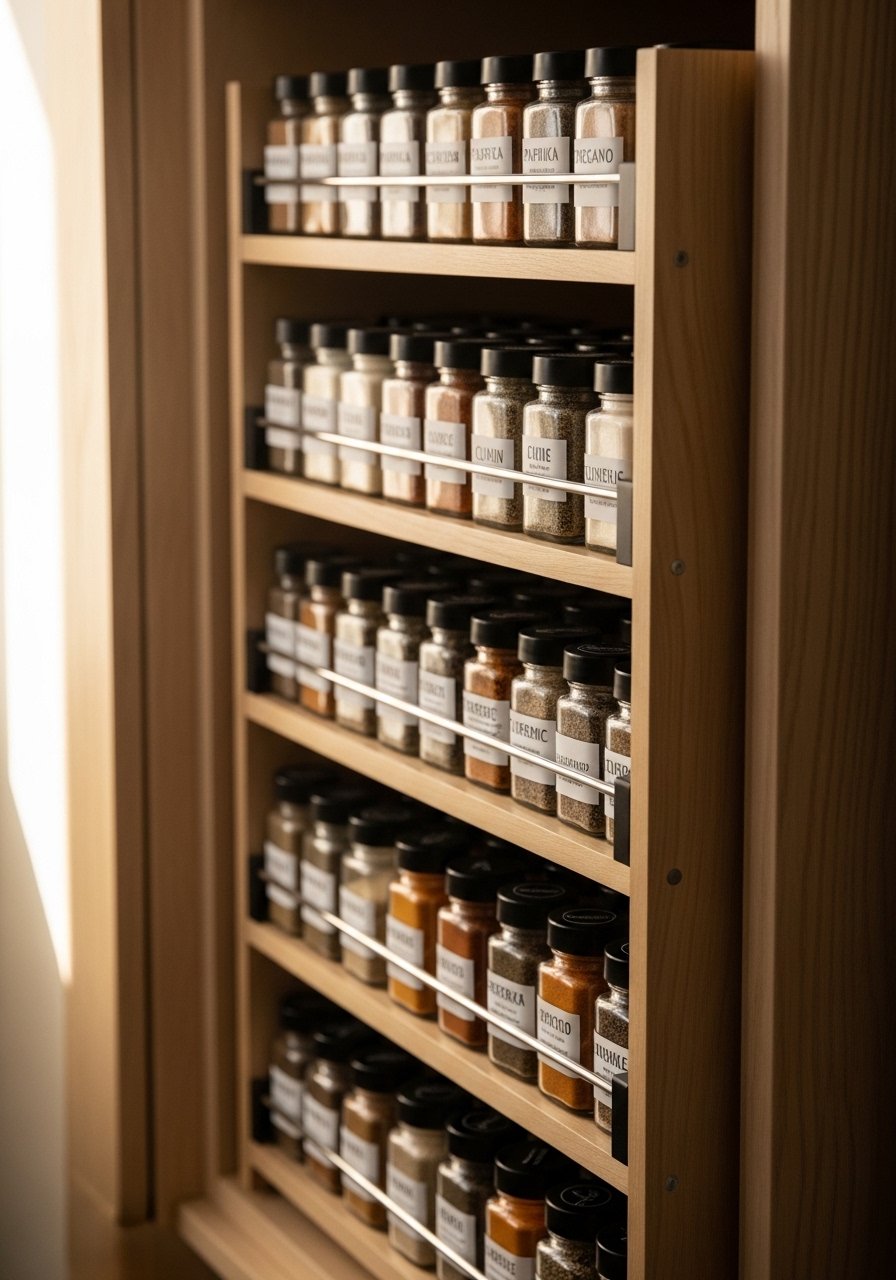
A pull-out rack makes spices readable at one glance. I decanted into uniform spice jars, set of 24 and lined them up alphabetically for weeknight speed. Use printed labels and put the rack near the stove. The payoff comes during busy cooking when you can grab a spice without knocking over something else.
Mistake to Avoid: Keeping spices in different containers. Uniform jars keep the shelf tidy and consistent.
13. Keep Cutting Boards Upright in a Cabinet
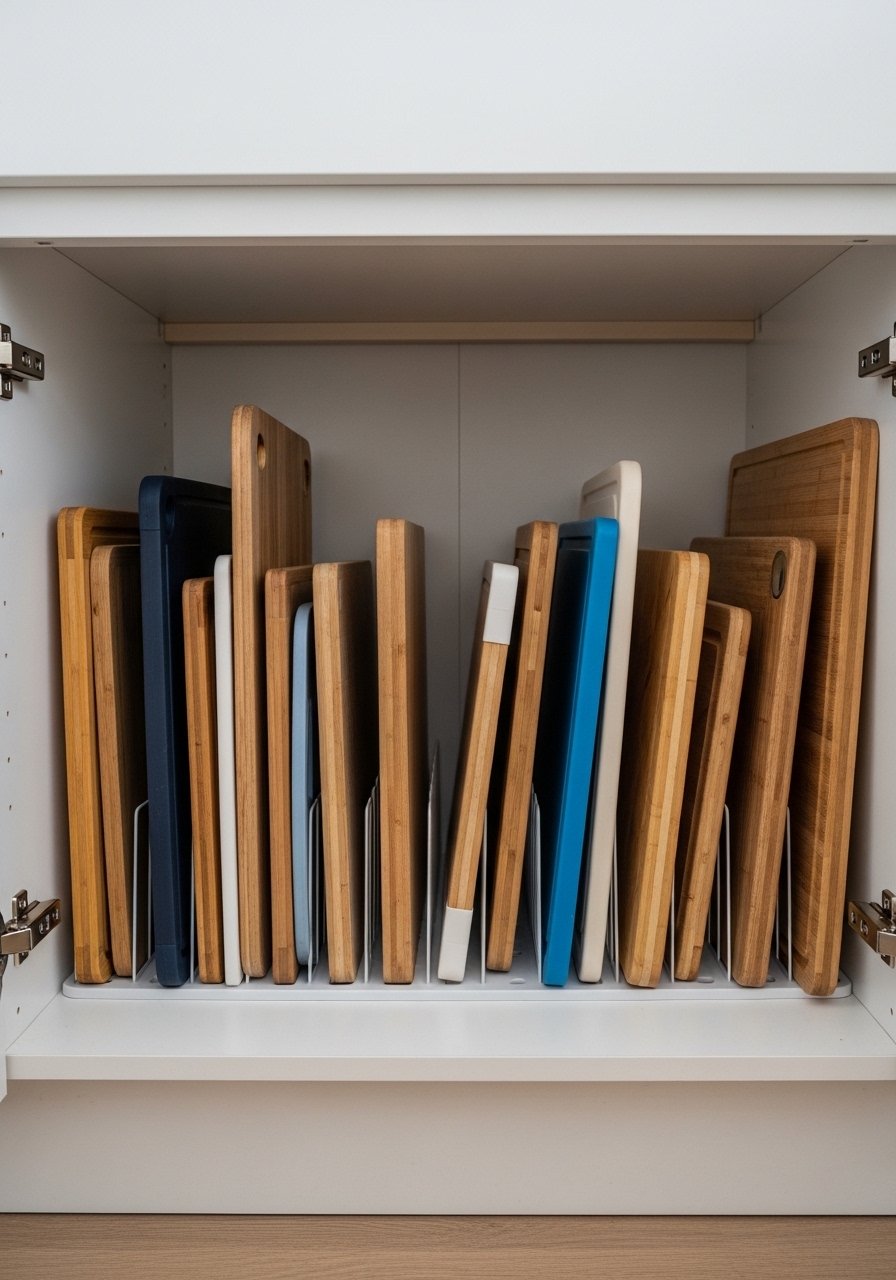
Stacking cutting boards creates a leaning leaning problem until you make them vertical. A cutting board rack for cabinet sorts boards by size and allows air to circulate. Store them near the prep sink to shorten steps. This saves space and prevents warped boards sitting damp in a stack.
Mistake to Avoid: Laying wet boards flat on top of each other. They trap moisture and warp.
14. Use a Magnetic Spice Jar Set on the Fridge
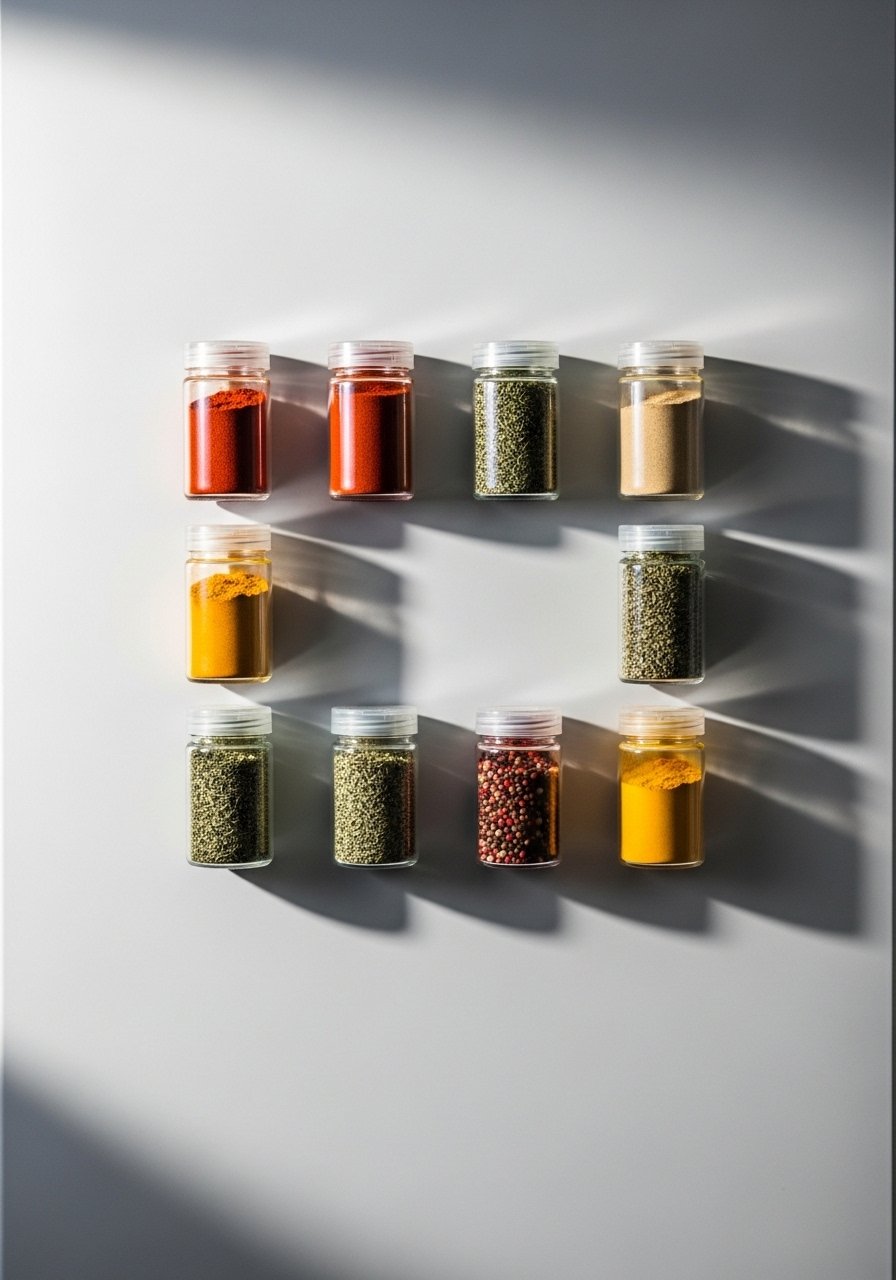
If cabinet space is limited, magnetic spice jars on the fridge free the pantry. A magnetic spice jar set, 12-piece keeps small spices visible. Stick labels on the lid so you can read them when the jars are horizontal. This is great for renters and small spaces where cabinet real estate is precious.
Mistake to Avoid: Mixing bitter or wet spices in these jars. Keep them dry and refill regularly to maintain freshness.
15. Create a Coffee and Tea Station
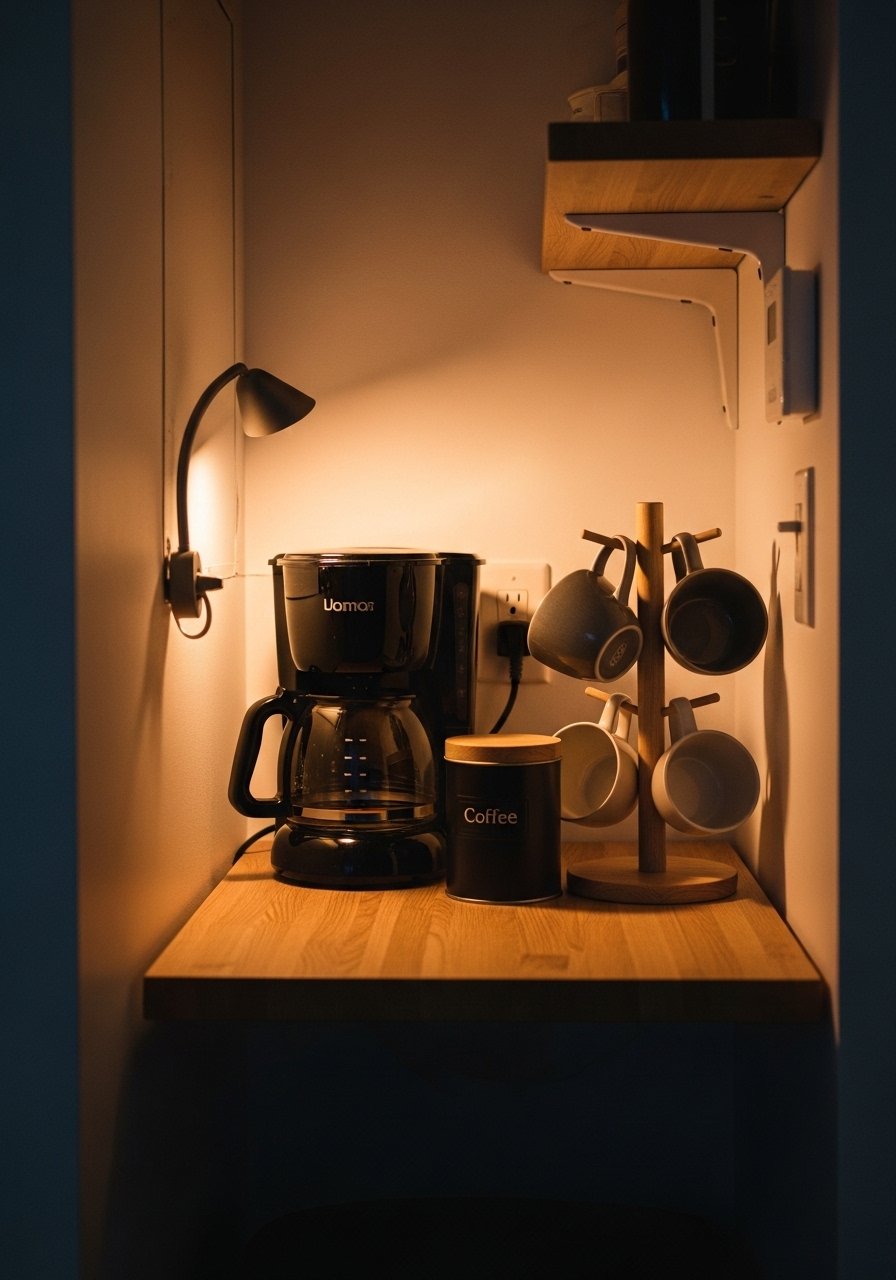
I made a dedicated coffee corner with mugs, sweeteners, and a tray. Use a ceramic canister for coffee and a small mug tree. Keep the kettle and grinder together to cut the morning shuffle. Grouping reduces spills and speeds up the whole ritual.
Mistake to Avoid: Spreading your coffee items across the kitchen. Keep everything you need to make a cup within arm’s reach.
16. Add Shelf Risers in the Fridge
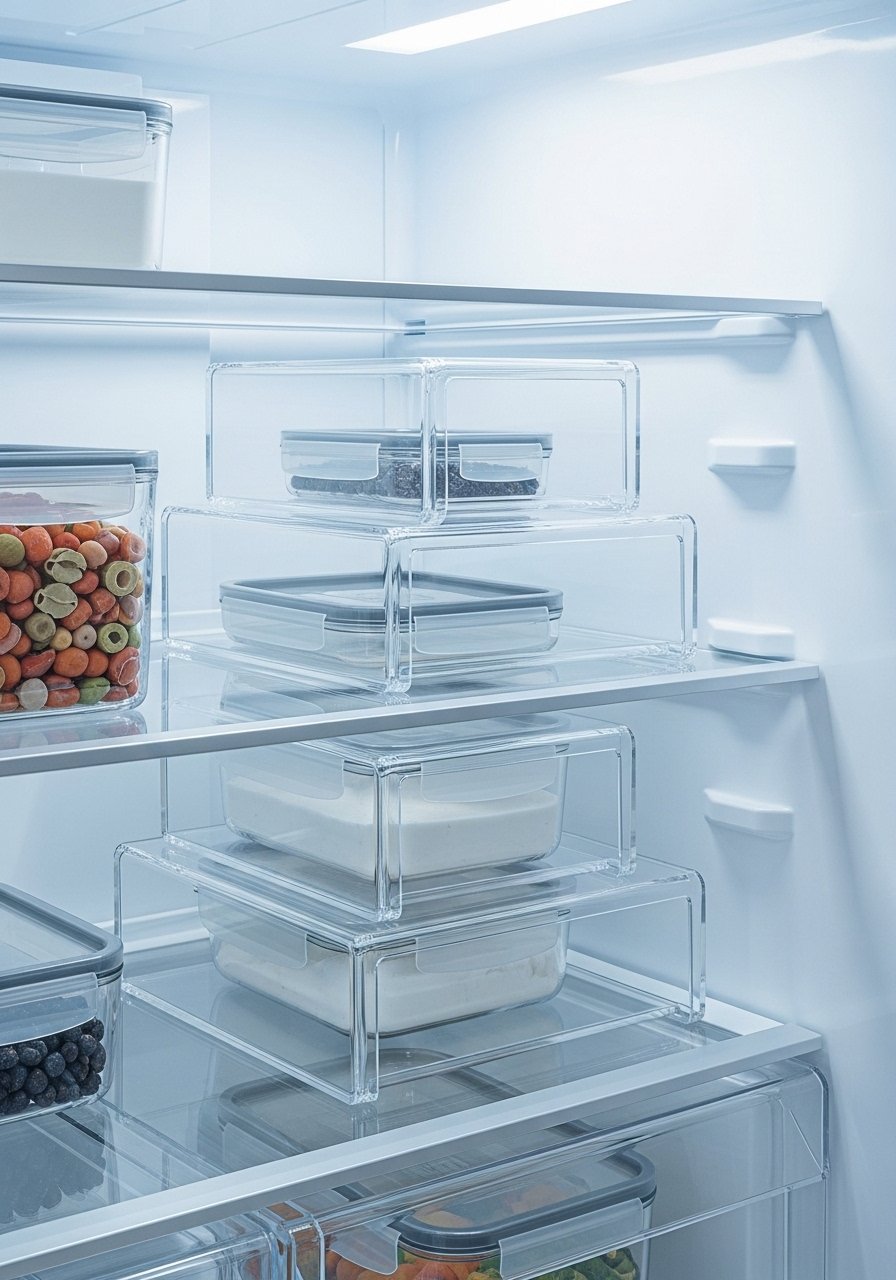
Fridge shelves are wasted when you cannot see stored items. A fridge shelf riser set makes layers for condiments and meal-prep containers. This reduces expired mystery food and makes it easy to spot what you need. It helps particularly in small households where leftovers pile up.
Mistake to Avoid: Stacking mismatched containers that hide what is underneath. Use uniform containers and risers to keep visibility.
17. Use Under-Shelf Baskets in the Pantry
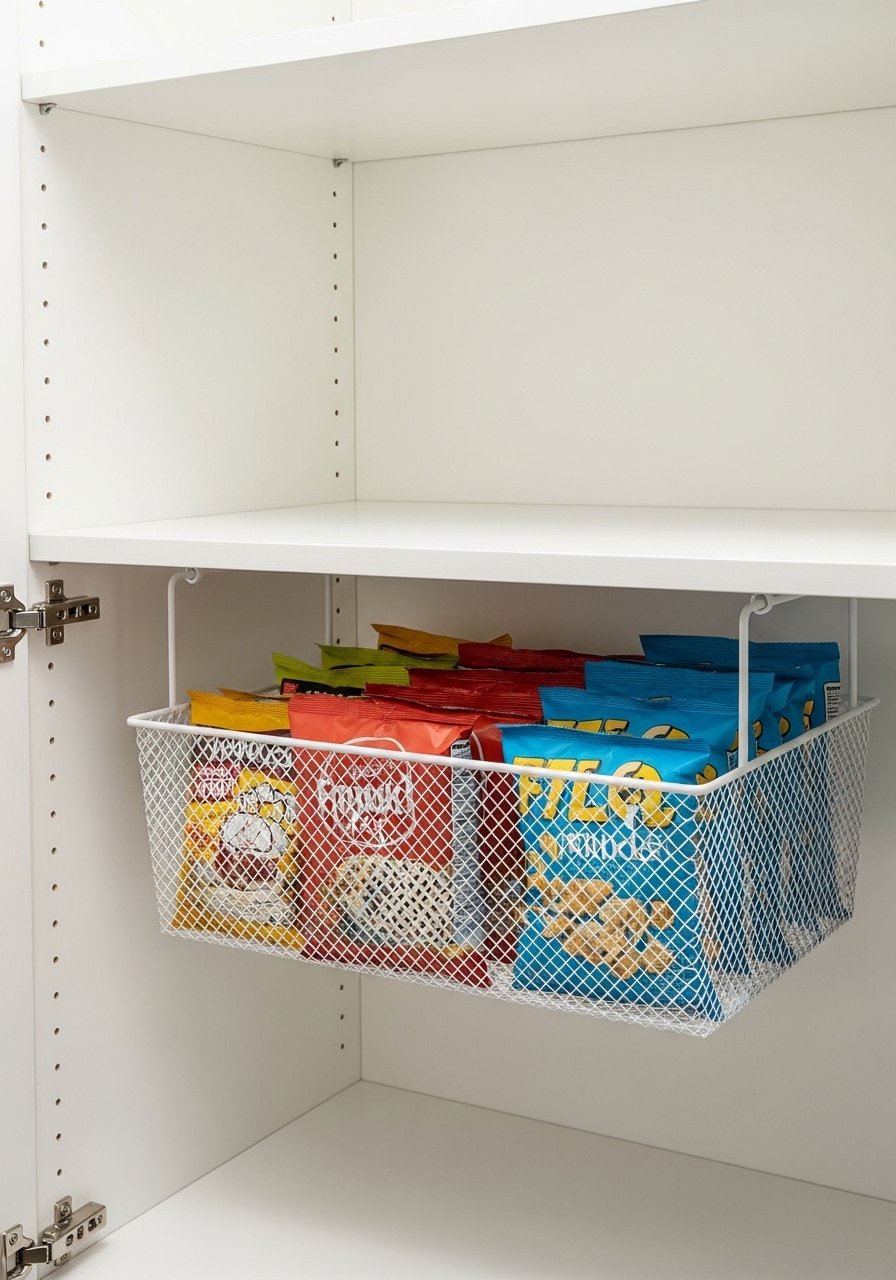
Under-shelf baskets instantly add a new tier for snack bags and small items. A wire under-shelf basket slides onto the existing shelf and is renter-friendly. Keep quick-grab items there so the main shelves hold larger boxes. It makes the pantry feel intentional and increases usable storage.
Mistake to Avoid: Overloading the basket. Keep it to lightweight items so the shelf remains secure.
18. Designate One Drawer for Junk, Tamed
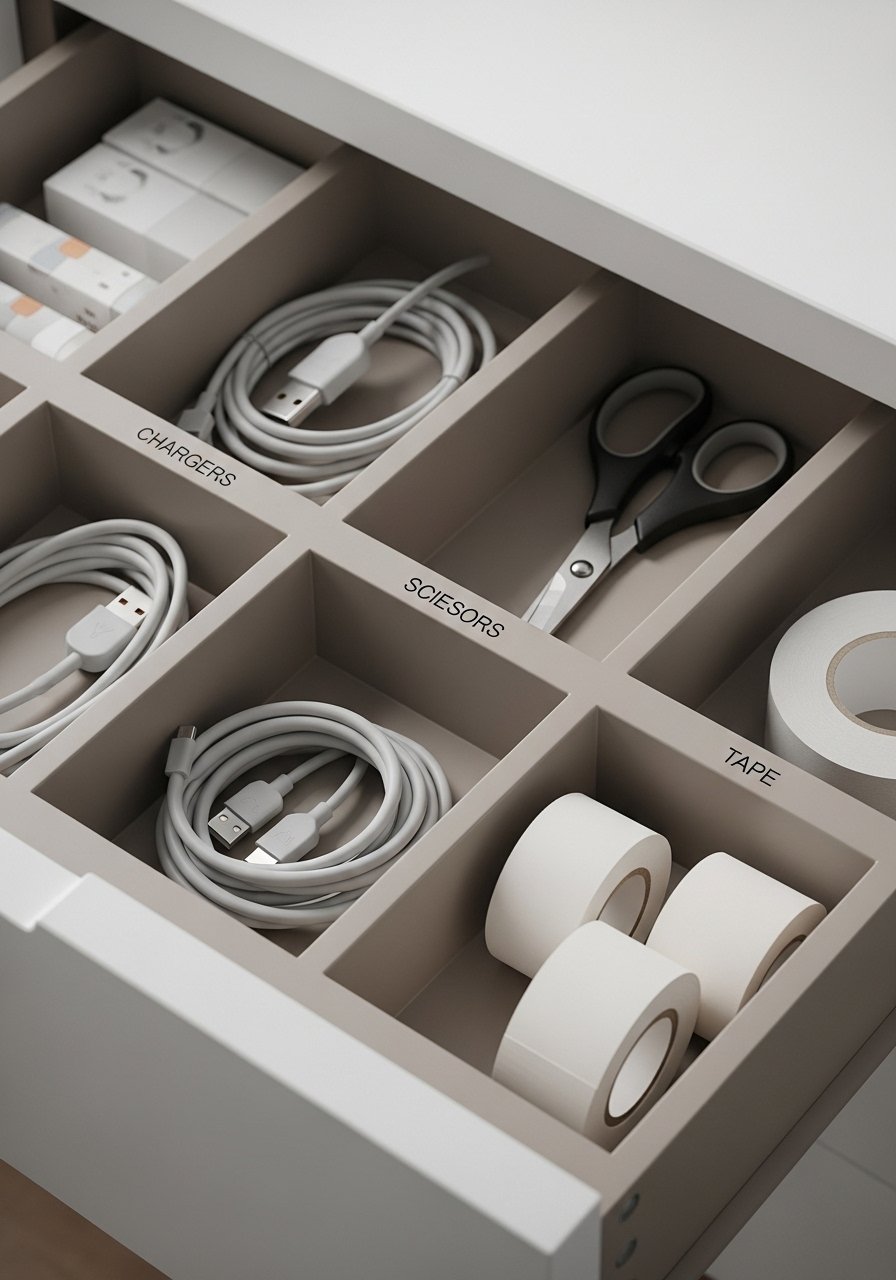
We all have one junk drawer. Make it small and named by function with labels. A multi-compartment drawer organizer tames the chaos and keeps batteries and tape in one place. Every month I do a five-minute edit and toss what does not belong. That small habit prevents drawer creep.
Mistake to Avoid: Letting the drawer grow without rules. Limit it to three categories so it stays usable.
19. Mount Hooks Behind Cabinet Doors
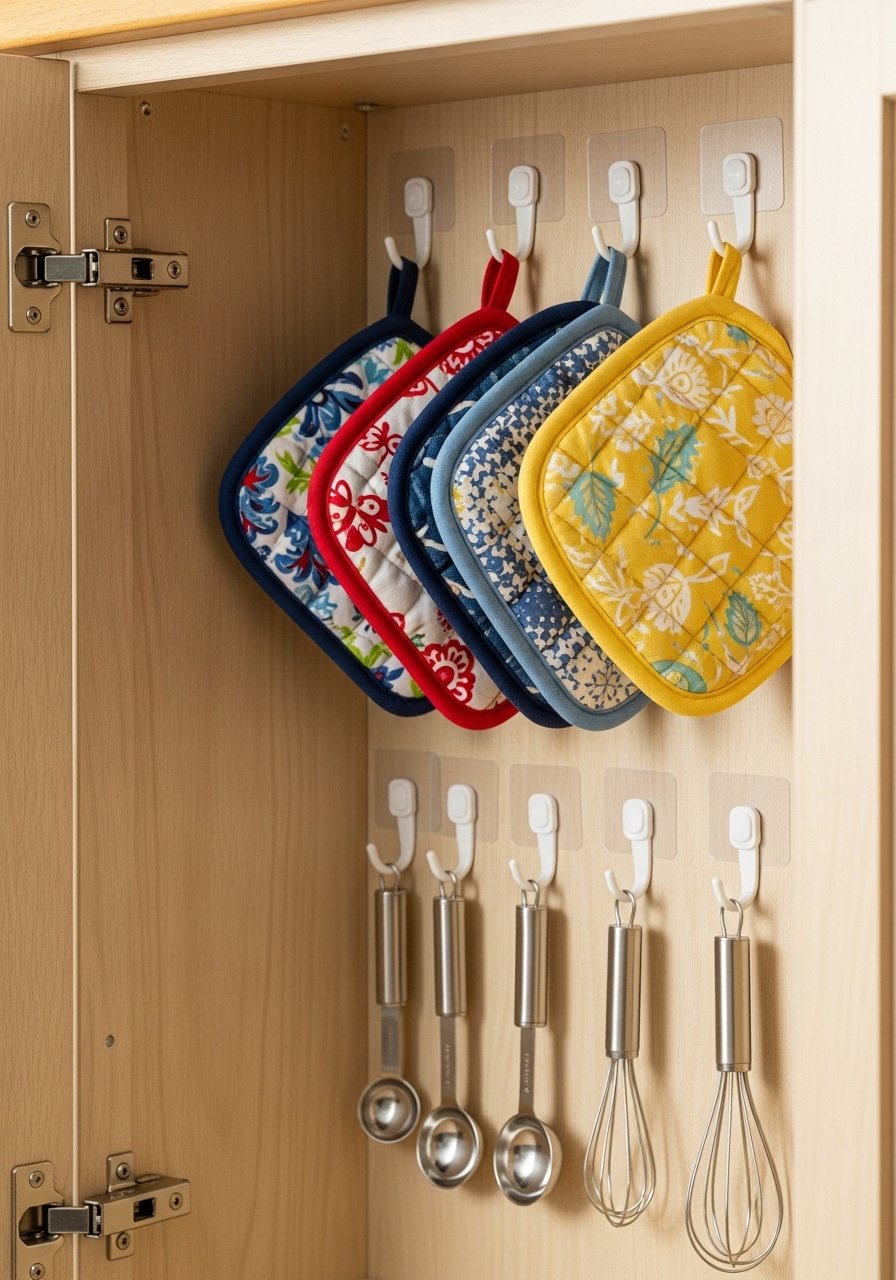
The back of cabinet doors is dead space. Adhesive hooks hold pot holders, small strainers, and measuring spoons. Try adhesive cabinet hooks, pack of 6. This is ideal for renters because there is no drilling. Keep heavier items off these hooks and reserve them for textiles and light utensils.
Mistake to Avoid: Using the hooks for heavy pans. They are best for soft, light items that launch utility without strain.
20. Keep Frequently Used Pots on a Low Pull-Out Shelf
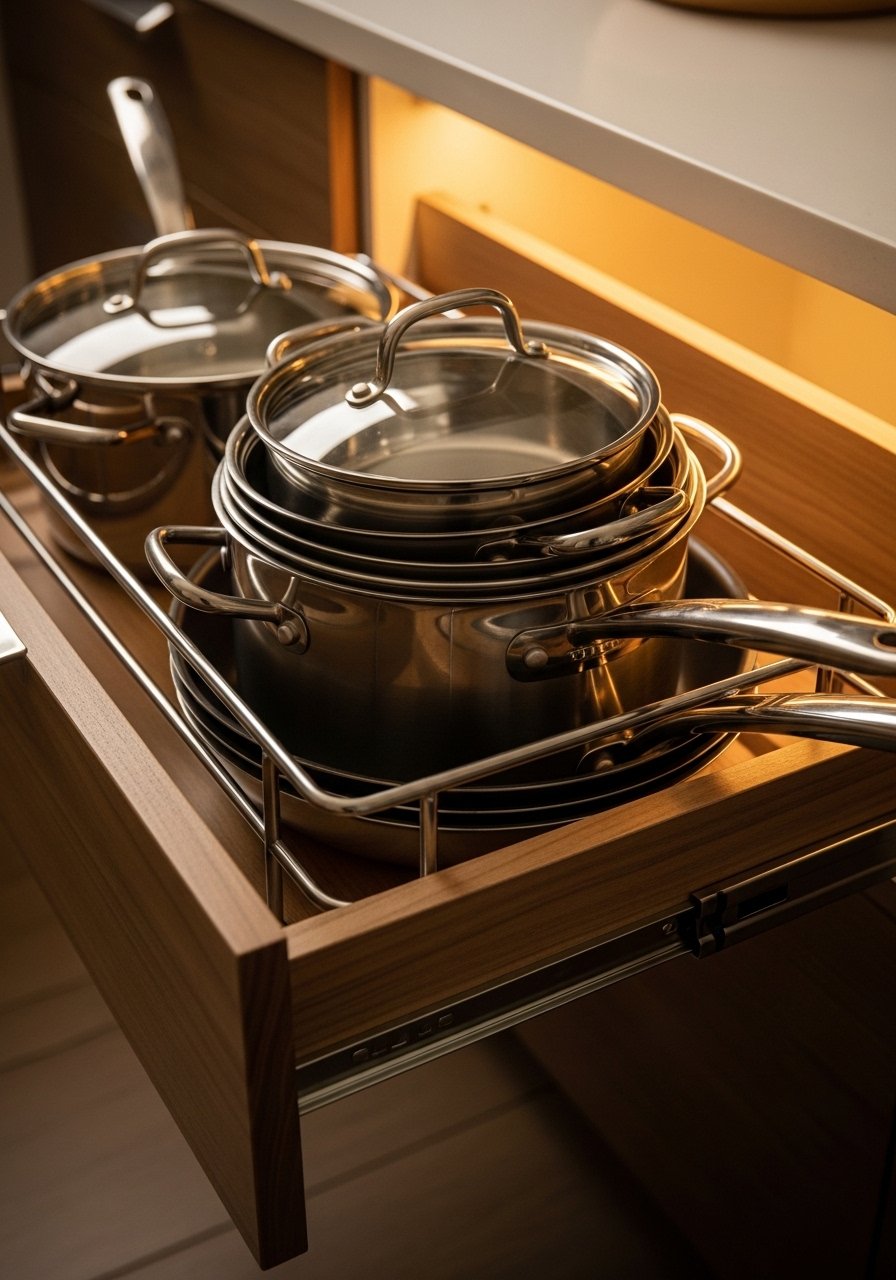
Storing daily pots on a low pull-out shelf saves bending and rummaging. A pull-out cabinet tray for cookware brings the heavy items out to you. Nest lids separately in your vertical organizer from idea 6. This setup is especially helpful if you cook a lot on weeknights and want fewer steps between cupboard and stove.
Mistake to Avoid: Stacking heavy cookware on a high shelf. Keep heavy items low and accessible.
21. Keep a Baking Sheet Rack Vertical
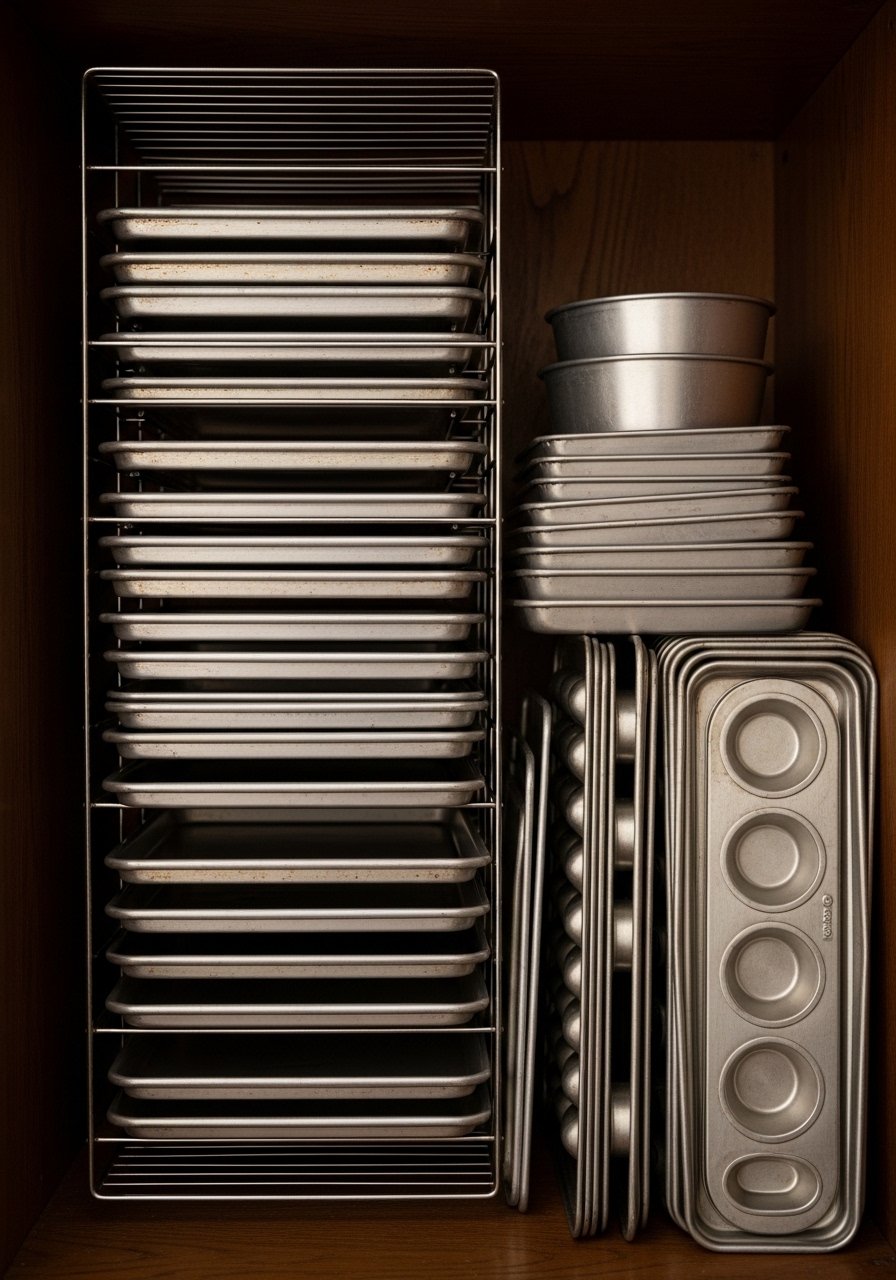
Baking sheets and trays eat space unless stored vertically. A baking sheet organizer slots them upright so you can pull one without shifting others. Store next to the oven for convenience. This small shift keeps your flatware from leaning precariously and prevents scratched surfaces.
Mistake to Avoid: Sliding trays on top of each other. That makes retrieval awkward and promotes warping.
22. Use a Lazy Susan in Corner Cabinets
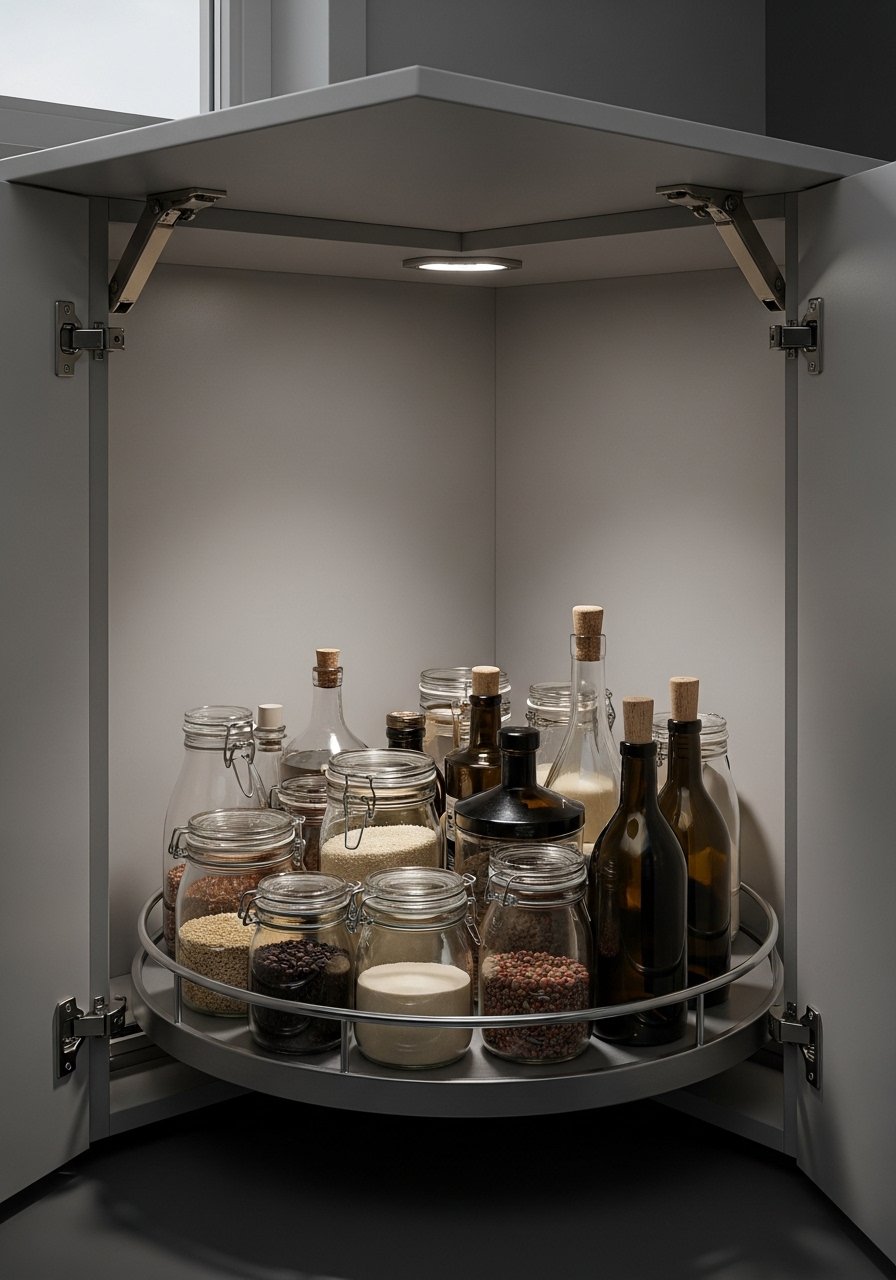
Corners are deep and invisible until you introduce a lazy susan for corner cabinet. It brings condiments and bottles to the front and is great for infrequently used items. A two-tier model maximizes height. This trick is a small investment that pays off in fewer knocked-over bottles.
Mistake to Avoid: Stacking tall bottles on a fixed shelf. Use tiers so everything sits upright.
23. Label Everything You Refill
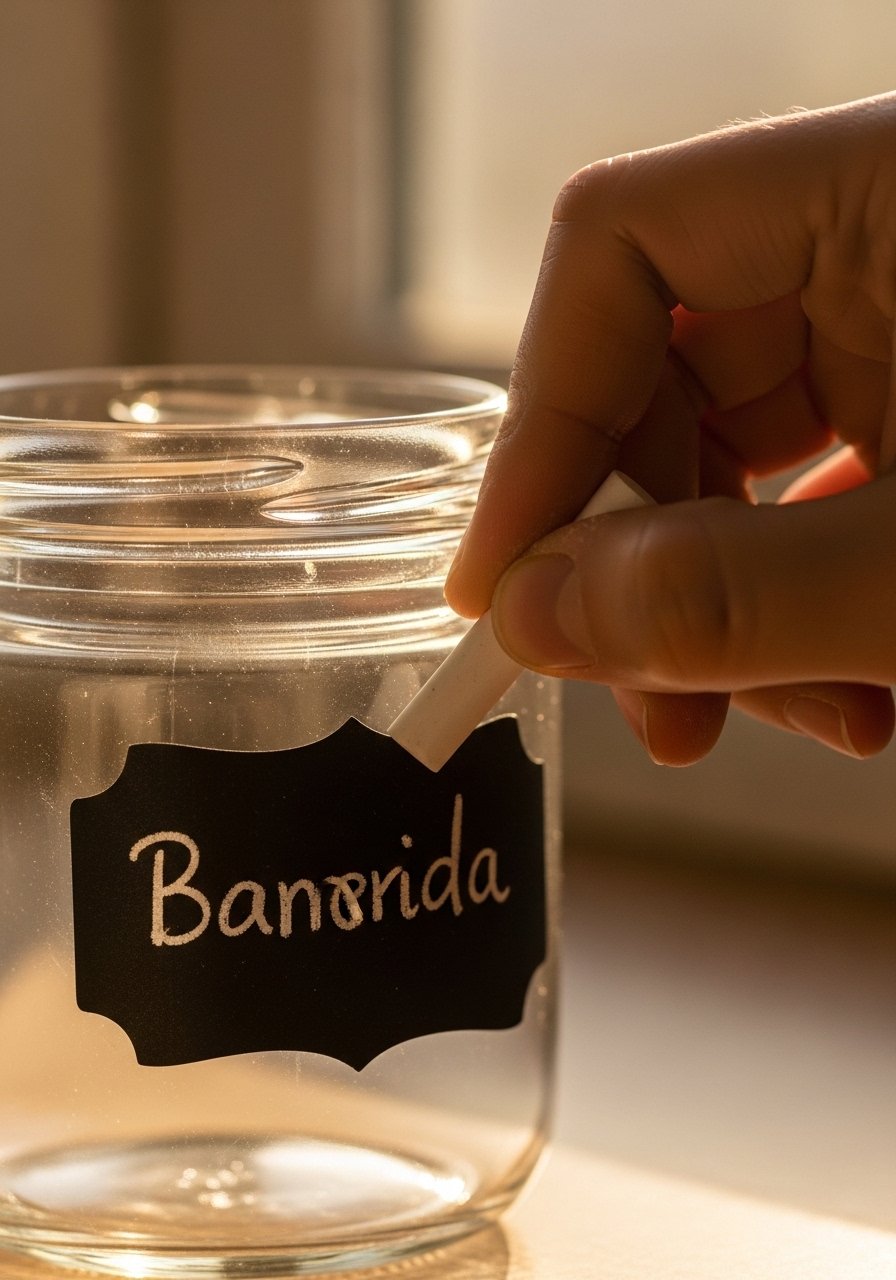
Labeling is the glue that keeps systems working. Use chalkboard labels or a label maker tape refill for neat printed tags. Note dates on opened staples like flour or nut butters so you can rotate stock. Labeling saves guesswork and reduces throwaways, and it makes sharing a kitchen with roommates less fraught.
Mistake to Avoid: Labeling only once and never updating. Add dates or swap labels when you refill.
24. Keep a Small Tray for Daily Mail and Keys

An entry tray near the kitchen keeps daily clutter anchored. A small catchall tray in leather corals keys, mail, and receipts so counters stay clear. Empty it nightly. This one habit stops papers from migrating to the stove and keeps surfaces ready for cooking.
Mistake to Avoid: Letting mail pile on the counter. Sort it daily so the kitchen remains a workspace.
25. Use Clear Bins for Fridge Drawers

Fridge drawers are easier to manage with clear, shallow bins. Use a clear food storage bin to corral cheeses, deli packets, and snacks. Pull the bin out to clean and scan contents. This is especially helpful for households with kids who open every drawer in search of a snack.
Mistake to Avoid: Dumping loose items into drawers. Containment keeps things visible and reduces spoilage.
26. Create a Landing Zone for Dirty Dishes
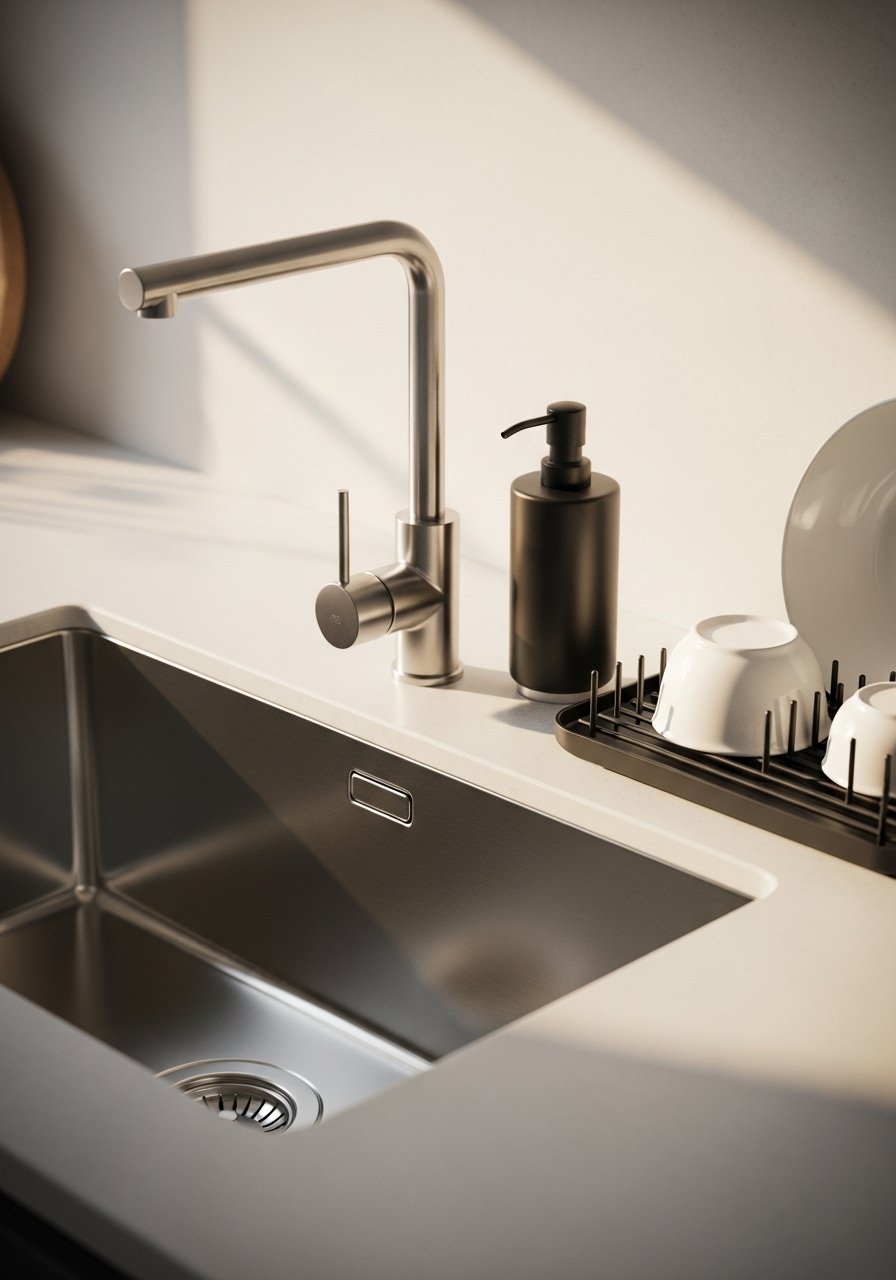
If dishes pile up, designate a drying spot with a compact dish drying rack, foldable that drains into the sink. Fold it away when not in use. Keeping one intentional landing zone prevents plates from migrating to counters and keeps the prep area clear. It is a small habit with a big visual payoff.
Mistake to Avoid: Leaving wet dishes on the counter. Use a rack that contains water and folds away.
27. Store Small Appliances Visibly by Frequency

I stopped putting the toaster behind a door and instead stored it on the counter because I use it daily. Stow less-used appliances behind doors or in high shelves. A slide-out appliance garage hides less-used items but keeps them accessible. The rule is simple, if you use it weekly, keep it visible.
Mistake to Avoid: Hiding daily-use appliances. If you use it often, counter space is its home.
28. Rotate Seasonal Cookware and Supplies
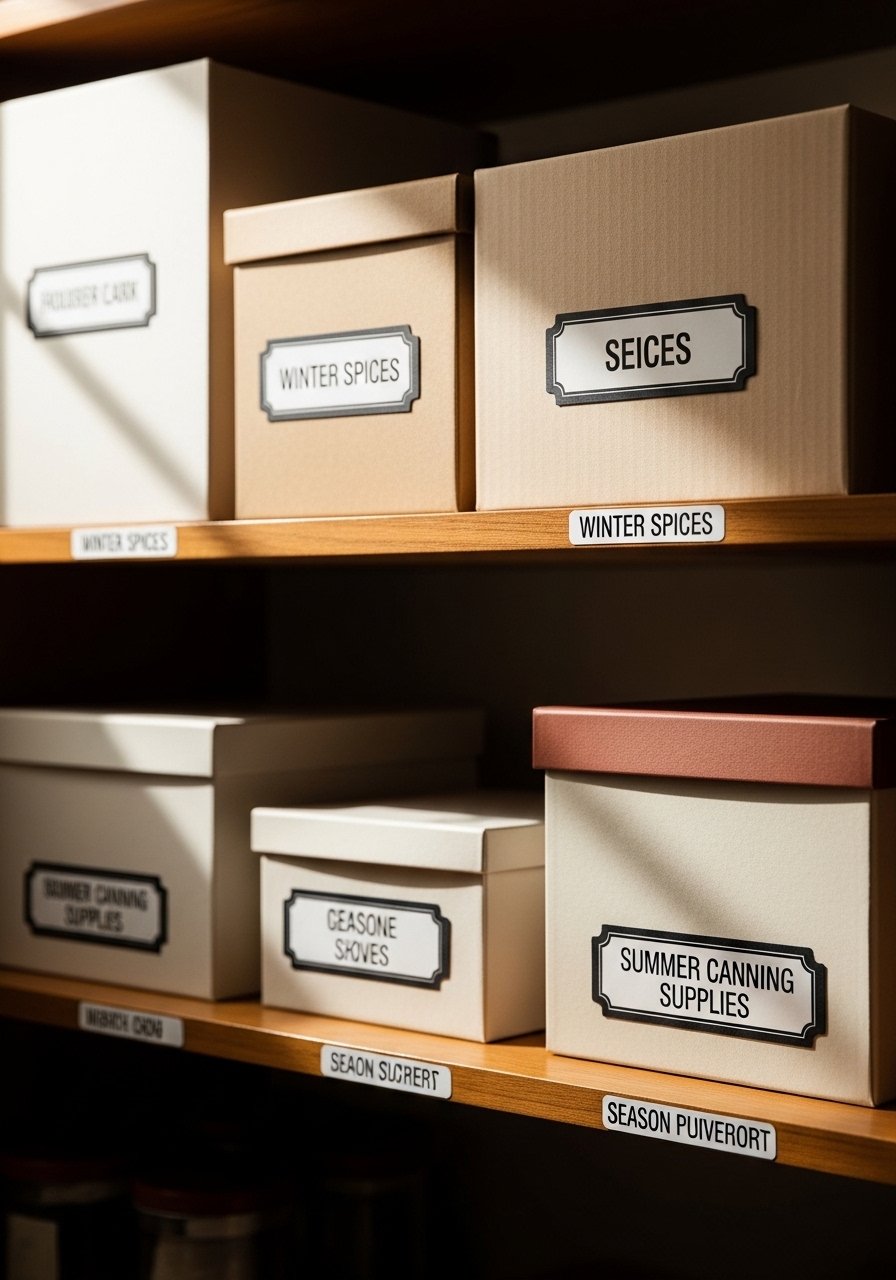
I boxed my holiday cookie cutters and rotated them to the top shelf for most of the year. Keep seasonal cookware in labeled bins and store them high or low depending on frequency. A set of stackable storage bins, 3-pack makes swapping seasonal gear painless. This keeps everyday items front and center and bulky seasonal pieces out of the way.
Mistake to Avoid: Leaving seasonal items in prime space year-round. Move them out and reclaim the real estate.
Your Decor Shopping List
- For drawer zoning, a bamboo drawer organizer set (~$20-35). Honest, this is the one that made a chaotic drawer usable.
- For under-sink order, a pull-out under-sink organizer (~$30-60). Choose a width that matches your cabinet interior.
- For dry goods, clear canister set, 4-piece (~$25-45). Glass or BPA-free plastic both work.
- For knives, an 18-inch magnetic knife strip (~$20-40). Choose the mounting style that fits your walls.
- For spice control, spice jars set, 24-piece (~$15-30). Uniform jars save space and time.
- For small kitchens, a 3-tier rolling utility cart (~$40-80). Narrow models fit tight gaps.
- For lids, a pan lid organizer for cabinet door (~$15-25). Perfect for renters.
- For baking prep, a digital kitchen scale (~$15-30). Essential if you bake from recipes with grams.
- For pantry tiers, under-shelf wire baskets (~$10-20). Lightweight and easy to relocate.
- For cabinets, stackable shelf risers, two-tier (~$12-25). Choose height by item size.
- For fridge order, fridge shelf riser set (~$12-22). Clear plastic is easiest for visibility.
- For catchall needs, a small leather catchall tray (~$12-25). Keeps keys and daily clutter corralled.
- For seasonal storage, stackable storage bins, 3-pack (~$20-40). Label them clearly.
Decorating Tips Worth Knowing
Rotate what’s visible seasonally. Swap heavy textiles for lighter ones in spring, using linen cushion covers to change the vibe without a big spend.
Grab a label maker tape refill and make neat, consistent tags. Small labels stop confusion when multiple people use the kitchen.
For tiny kitchens, choose vertical solutions first. A magnetic spice jar set moves storage up and out of crowded shelves.
Thin containers for the fridge beat bulky ones. Shallow, uniform containers stack cleanly and save headspace. Try meal prep containers, 6-pack that fit neatly on risers.
If you cook with kids or pets, use safety cabinet locks on lower cupboards. They are cheap and protect curious hands and paws.
Use a foldable dish rack that you can tuck away. It frees counter space and looks cleaner when not in use.
Most people spend somewhere between $500 and $800 when they finally commit to refreshing a room. Keep that in mind and pick the two or three items that will give the biggest daily return.
Buy a small indoor herb pot and keep it by the window. Fresh herbs shorten the trip to the grocery store and make weeknight dinners feel intentional.