
I kept forgetting to check the saucer under my fiddle leaf fig. One morning the leaves were limp and the soil smelled bad, and it hit me that plant care is mostly small rhythms, not big budgets. After a few ruined pots and one triumphant re-root, I learned the tiny habits that actually keep plants alive in real homes.
If you have a small apartment, a Tuesday watering habit, and a willingness to learn by trial and error, these tips are for you. Most items are under $30, with a few helpful splurges around $40 to $60. After trying this in three rentals, I focused on routines that work in low light, for pets, and for folks who tend to water too often.
1. Water by Weight, Not by Calendar
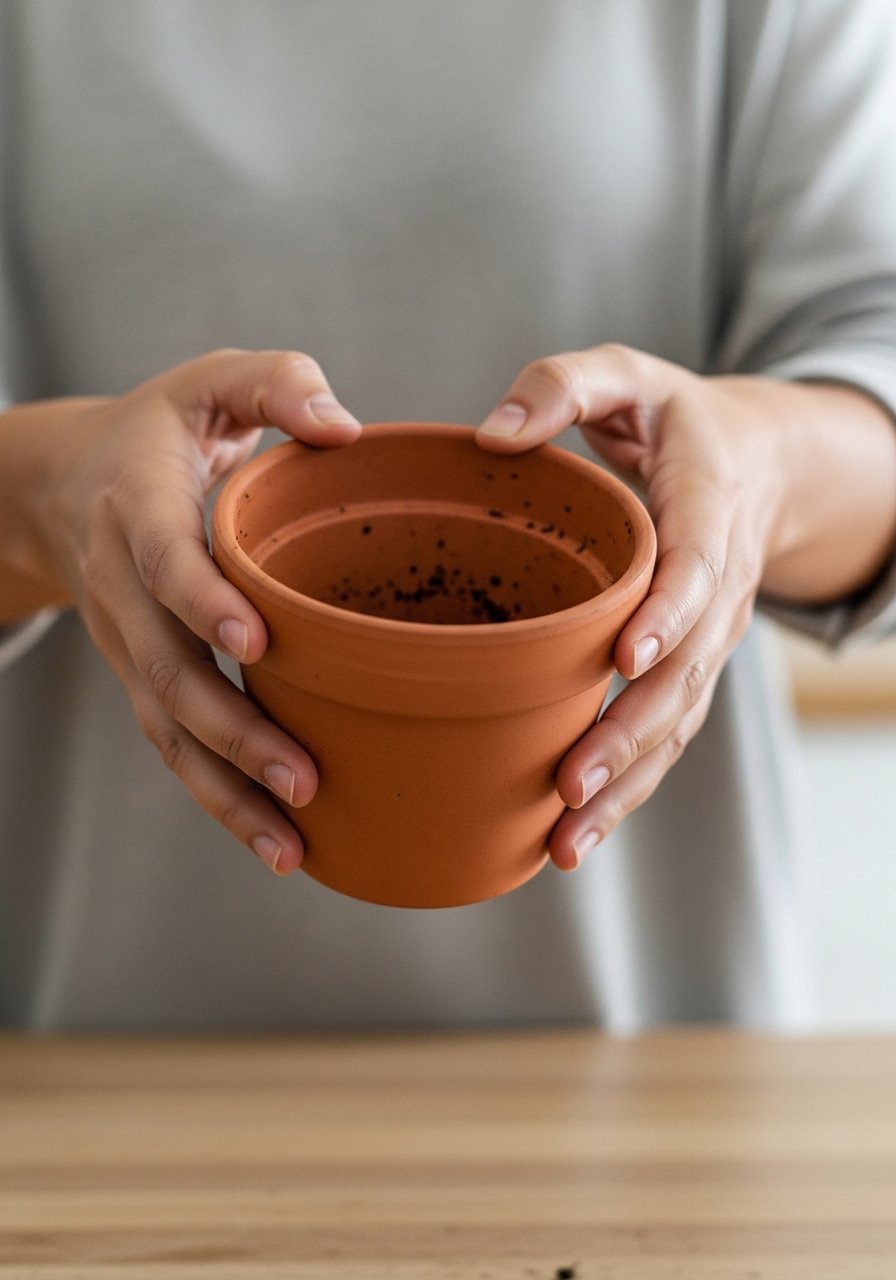
The easiest trick is learning each pot’s weight when dry and when right after watering. For a 6-inch pot that means about a one-third to one-half pound difference depending on soil mix. It stops calendar watering cycles that lead to root rot. Use a lightweight scale or just lift with your fingers. This works for busy people and those with mixed-skill plant kids. I keep a moisture meter in the cabinet from time to time for stubborn succulents, like the reliable moisture meter.
Mistake to Avoid: Watering on a fixed schedule without checking the pot first can drown roots. Check weight instead.
2. Match Pot Material to Plant Needs
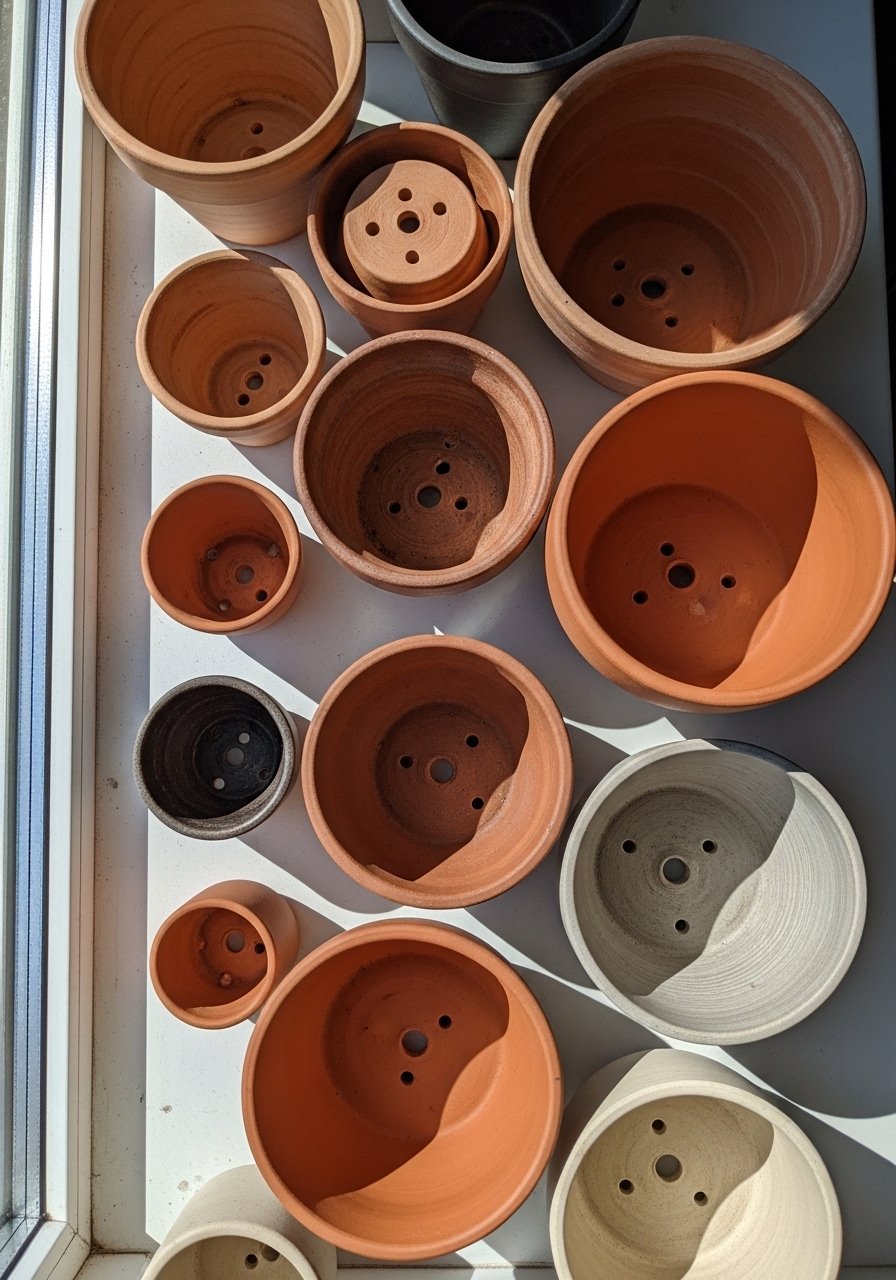
Terracotta breathes and helps faster-draining mixes for succulents and cacti. Glazed ceramic holds moisture longer and suits ferns and monstera in draft-free rooms. Match the pot to the plant, not the decor alone. For renters, partial swaps work: use a decorative cachepot with a plastic nursery pot inside. I use a set of terracotta 6-inch pots, pack of 4 for cost-effective rotation.
Mistake to Avoid: Choosing pots for color without drainage leads to constant soggy soil. Prioritize drainage first.
3. Learn Your Light in Steps

Don’t guess light by feel. Map the window with short tests: leave a white card for an hour at different spots across a day. Bright indirect means the card reads bright without direct sunburn. Low light is consistent soft shadow. This quick test saved me from moving a snake plant into a south-facing window where it scorched. Pair this with idea 7 about rotating plants every few weeks.
Mistake to Avoid: Assuming "bright room" equals bright spot. Test specific locations instead.
4. Use the Right Potting Mix for the Plant
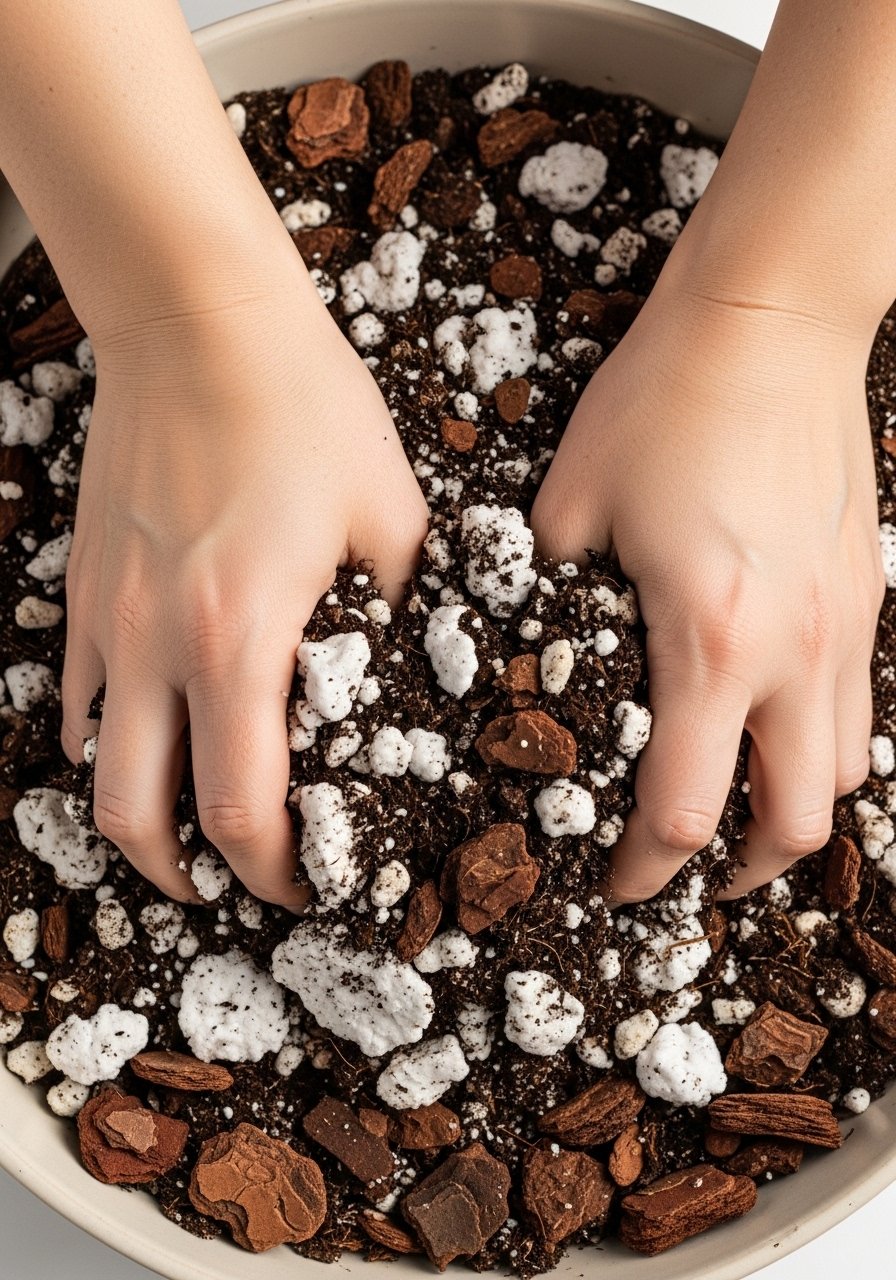
A standard houseplant peat mix is fine for most things. Succulents need more grit and less peat. Orchids need bark and air. For a happy philodendron I mix two parts all-purpose mix with one part perlite and a handful of orchid bark for airflow around roots. That specific ratio turned a limp plant into a perky one in three weeks. For quick buys I keep well-draining succulent mix on hand.
Mistake to Avoid: Reusing old soil without refreshing it makes compaction and poor drainage worse. Repot or amend when needed.
5. Repot When Roots Circle the Pot
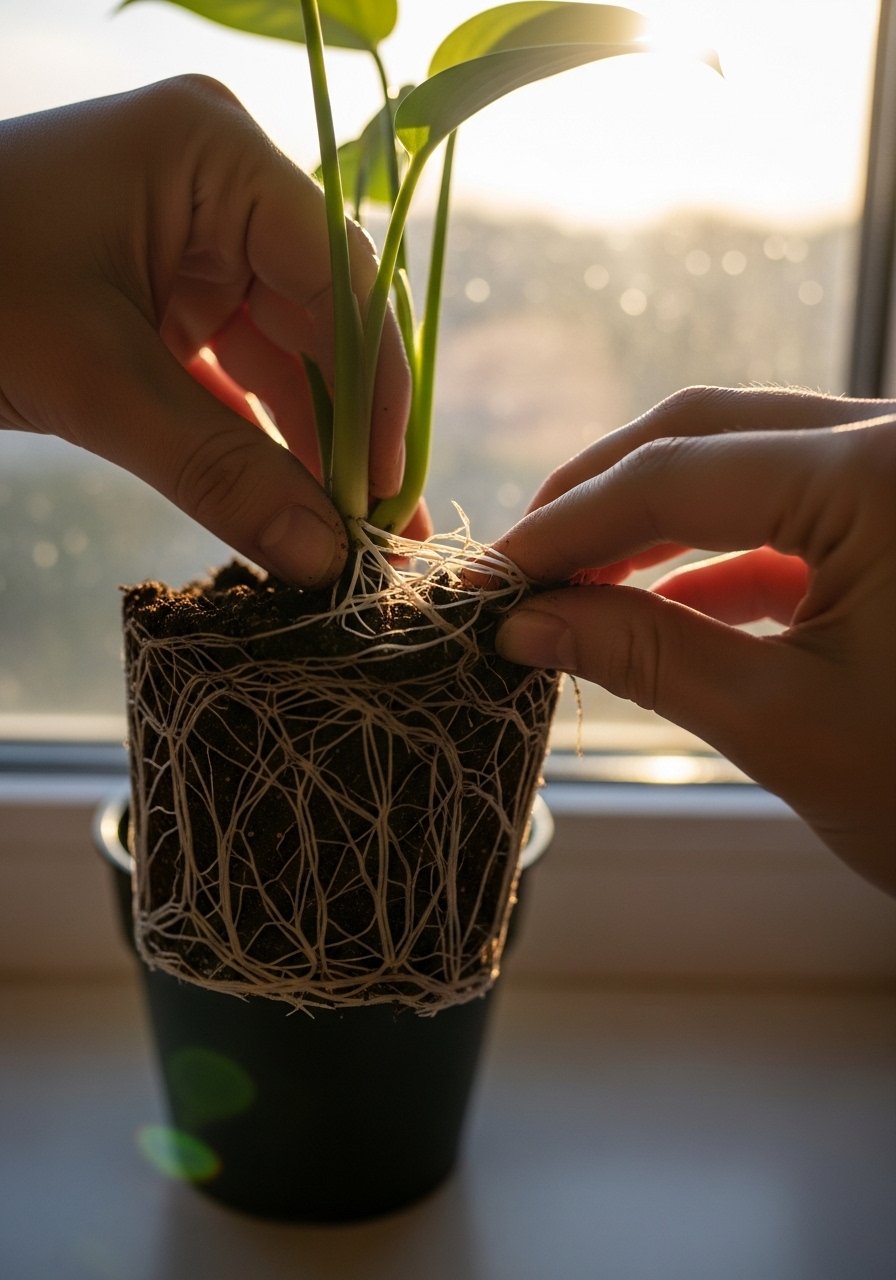
When roots spool around the drainage hole, it is time. Move up one pot size, not two. Too-large pots invite overwatering and slow growth. I used a 2-inch upsize rule and saw plants settle faster. Gently tease roots and trim any mushy bits. For heavy clay pots I keep a pair of rubber pot grippers to avoid dropping things during repotting.
Mistake to Avoid: Jumping to a much larger pot causes water to collect and roots to rot. Increase size gradually.
6. Make a Humidity Corner for Tropicals

If you have a humidifier, set it near a cluster of humidity-loving plants. If not, a tray with pebbles and water under pots raises local humidity without misting every day. Grouping plants creates a microclimate and reduces dry-edge browning. I keep a small ultrasonic humidifier for winter and use the pebble tray for budget days. Try the compact ultrasonic humidifier for small rooms.
Mistake to Avoid: Misting leaves daily as a substitute for humidity. It only gives a quick surface fix and can encourage fungus.
7. Rotate Plants, Not Just Pots
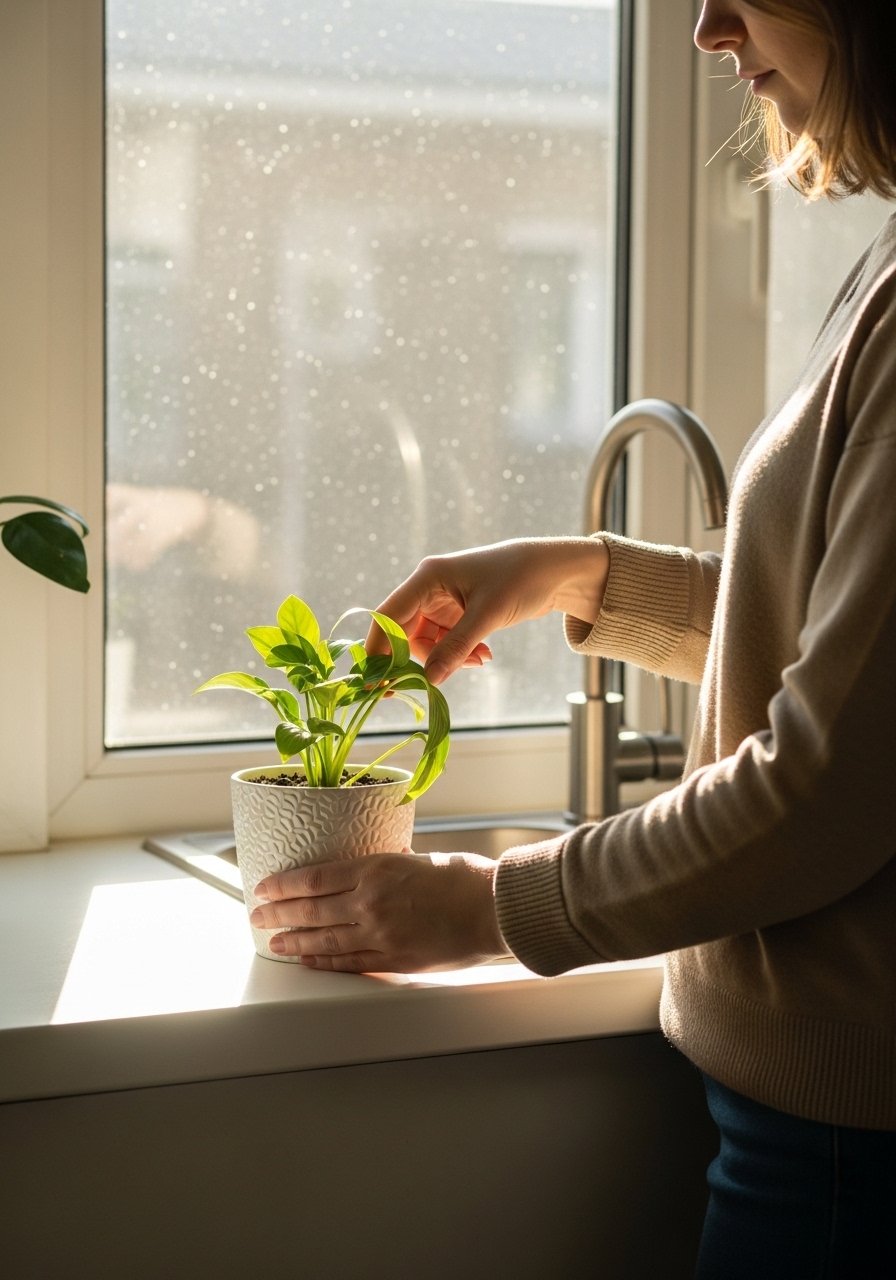
Plants lean toward light. Rotate them one quarter turn every week to keep growth even. For vining plants, rotate and prune alternating sides to encourage fuller shape. This small habit stopped my snake plant from becoming a one-sided rag. Pair with idea 3 about mapping the light so each rotation has a predictable outcome.
Mistake to Avoid: Letting plants lean toward one side and ignoring balance leads to lopsided growth. Rotate regularly.
8. Use Slow-Release Fertilizer for Busy Weeks
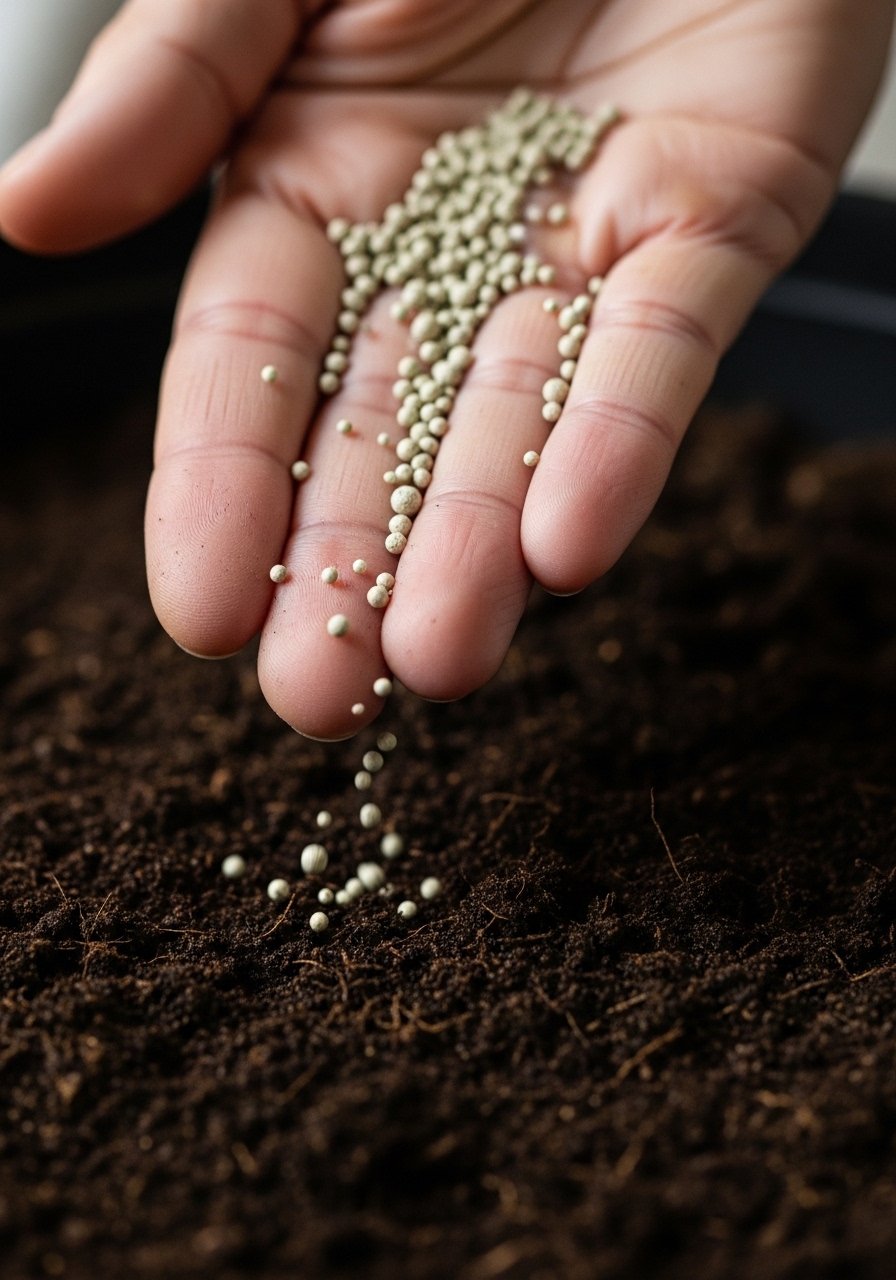
If you forget to feed, a slow-release granule gives a steady, low-maintenance nutrient supply for three to four months. I add it at repotting time and supplement with a diluted liquid feed during spring. For a controlled boost try long-release fertilizer pellets. This suits people who like routine but skip weekly chores.
Mistake to Avoid: Overfeeding with concentrated liquid fertilizers causes burnt leaf edges. Use slow-release or dilute well.
9. Wipe Leaves to Improve Photosynthesis
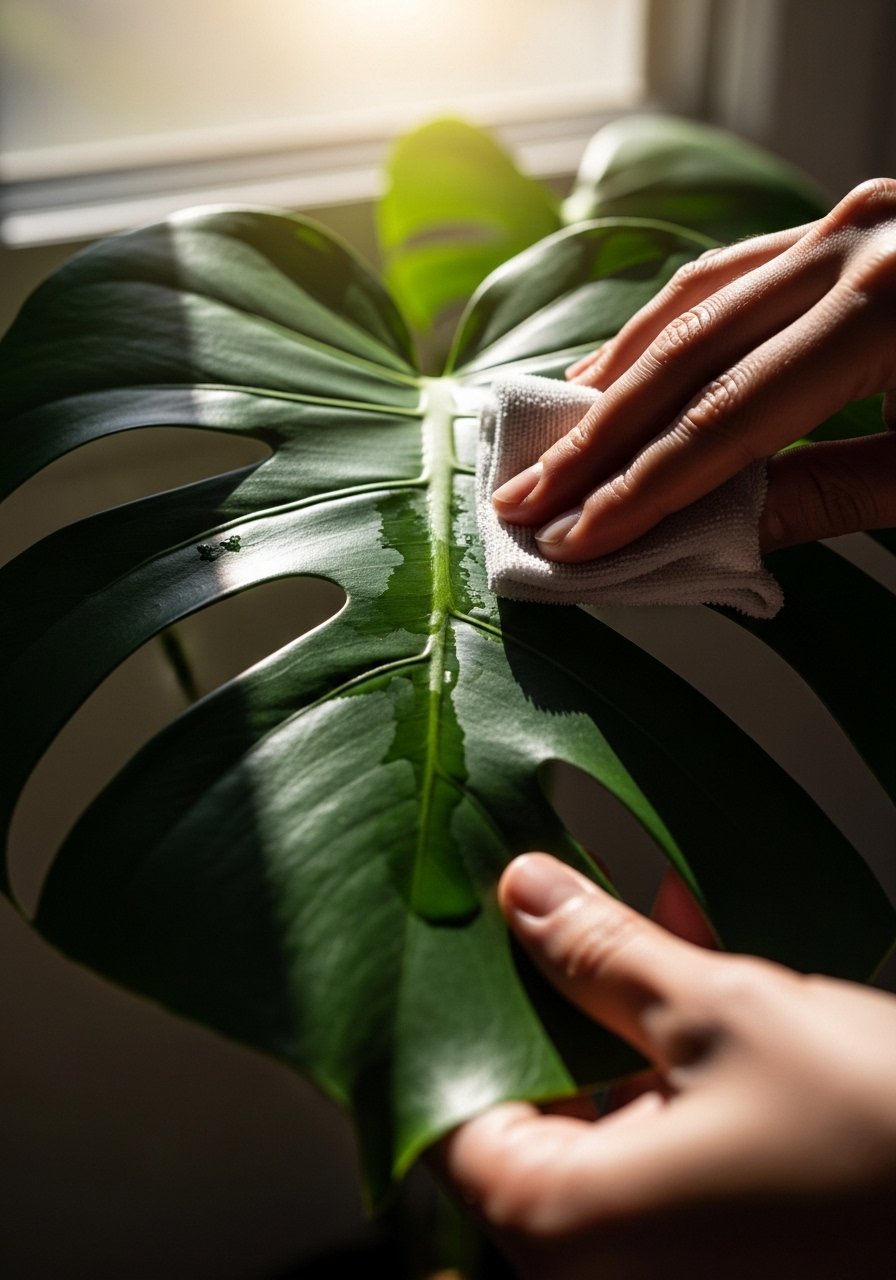
Dust blocks light and invites pests. Every few weeks wipe broad leaves with a damp microfiber cloth. For hairy plants, use a soft brush instead. A quick clean made my rubber plant regain its shine and faster new growth followed. I keep a pack of microfiber cloths next to the watering can.
Mistake to Avoid: Spraying houseplant shine products. They clog pores and look fake. Use water and cloth only.
10. Quarantine New Plants
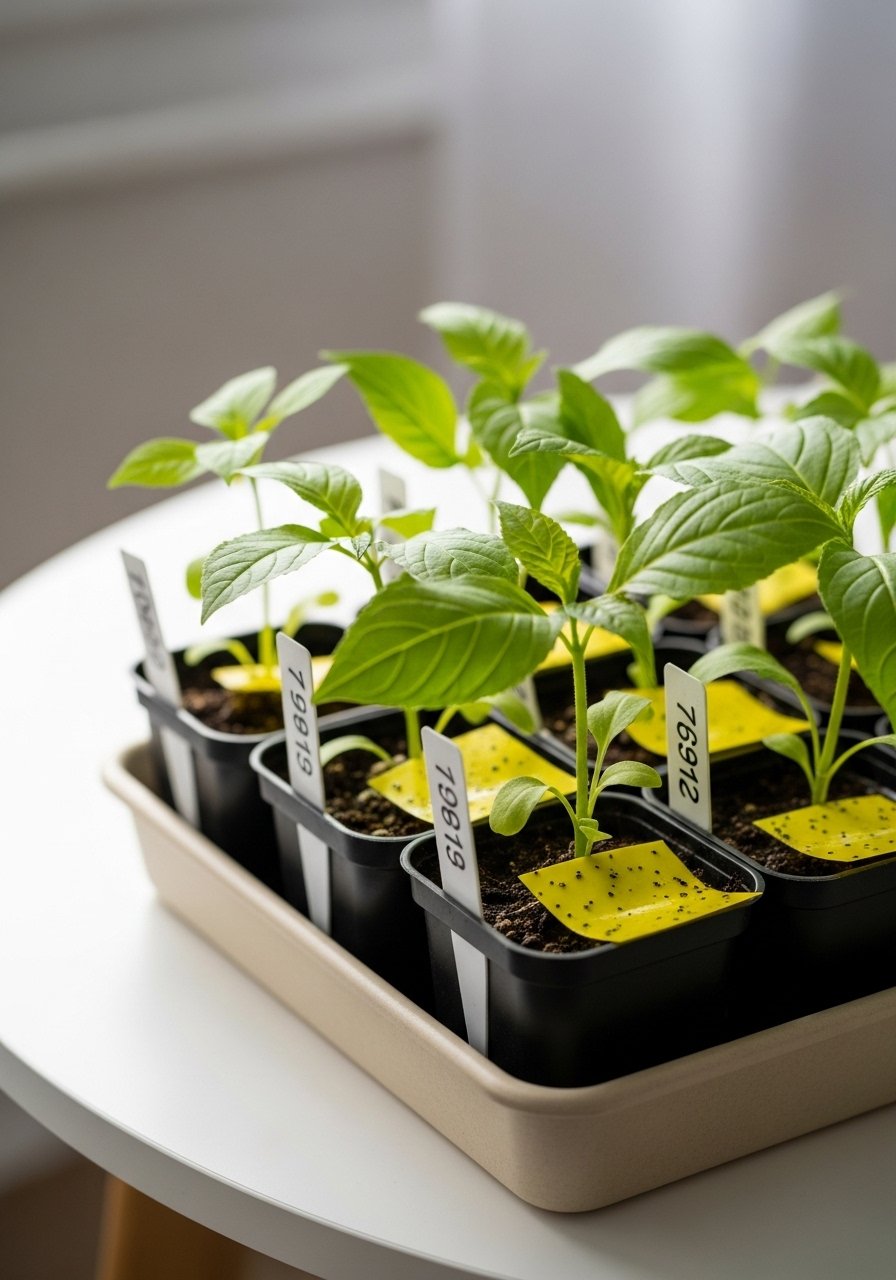
Bring new plants into a separate spot for two weeks to watch for pests and disease. I had a mealybug invasion once because I ignored this step. During quarantine, check undersides of leaves and soil. If pests appear, treat with insecticidal soap or neem oil. I keep sticky insect traps nearby for early detection.
Mistake to Avoid: Placing new plants directly among established ones spreads pests fast. Quarantine first.
11. Prune for Shape and Health
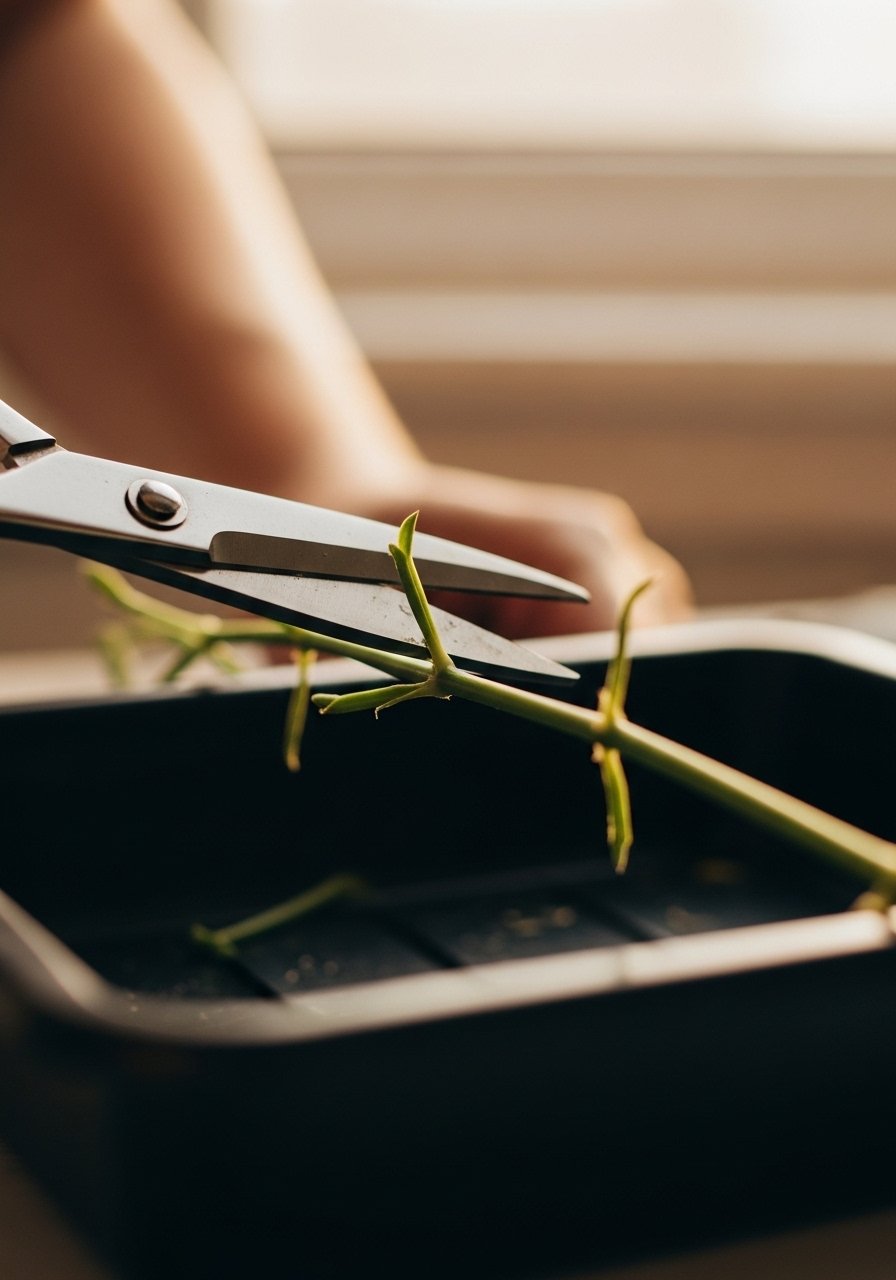
Pruning makes plants denser and redirects energy. For trailing plants, cut back to a node so new shoots form. Sterilize scissors between cuts to avoid disease transfer. I use a clean sharp pair of snips that cost under $20 and they last years. Try precision pruning shears for clean cuts.
Mistake to Avoid: Heavy random cuts that remove too much foliage at once. Prune gradually and purposefully.
12. Propagate from Healthy Cuttings
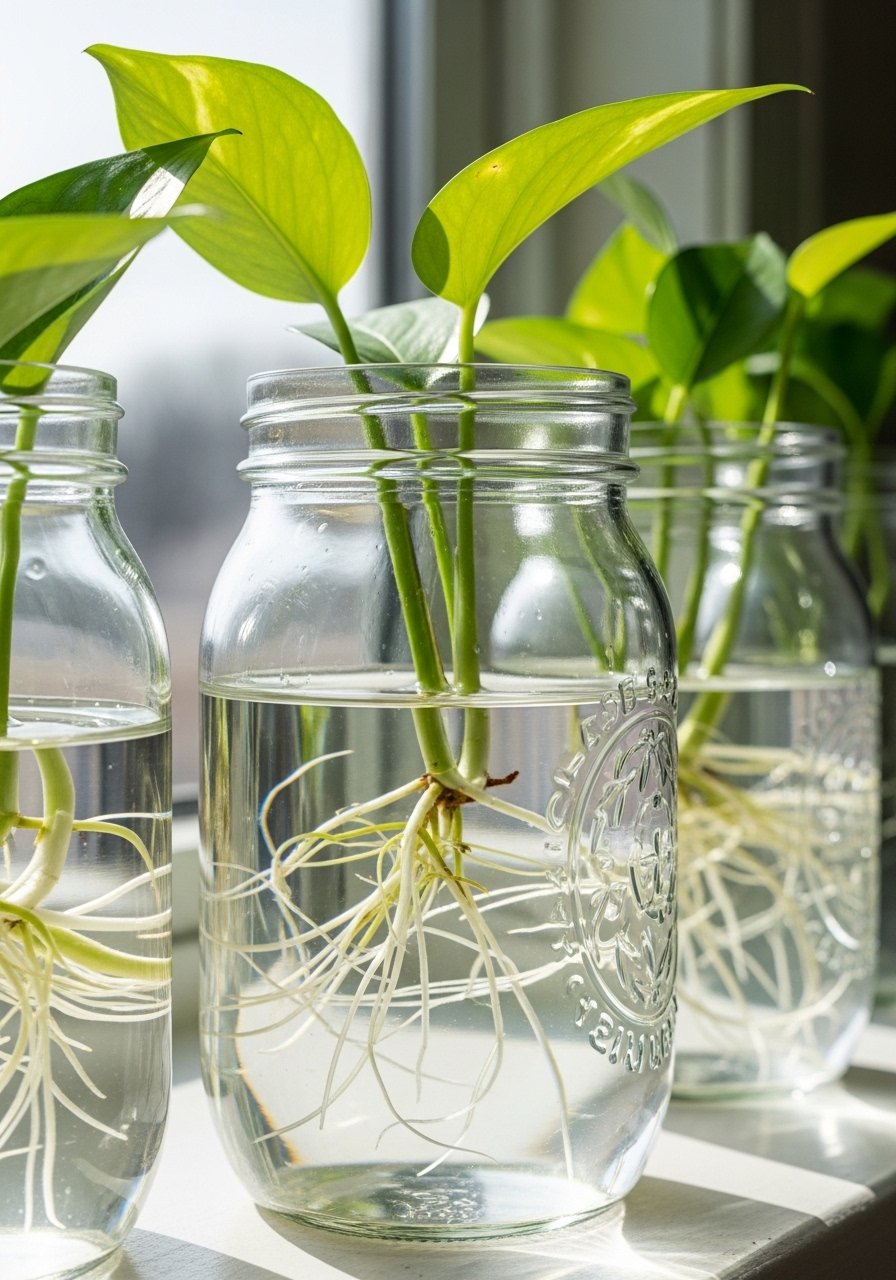
Water propagation is forgiving for beginners. Cut below a node, place in water, and change water weekly. Once roots reach one to two inches, pot up in a light mix. I propagated a handful of pothos this way and filled a shelf for friends. Keep clear glass jars for easy root checks.
Mistake to Avoid: Planting unrooted cuttings straight into soil where they may rot. Water-root until healthy roots appear.
13. Learn Common Pests and Early Signs
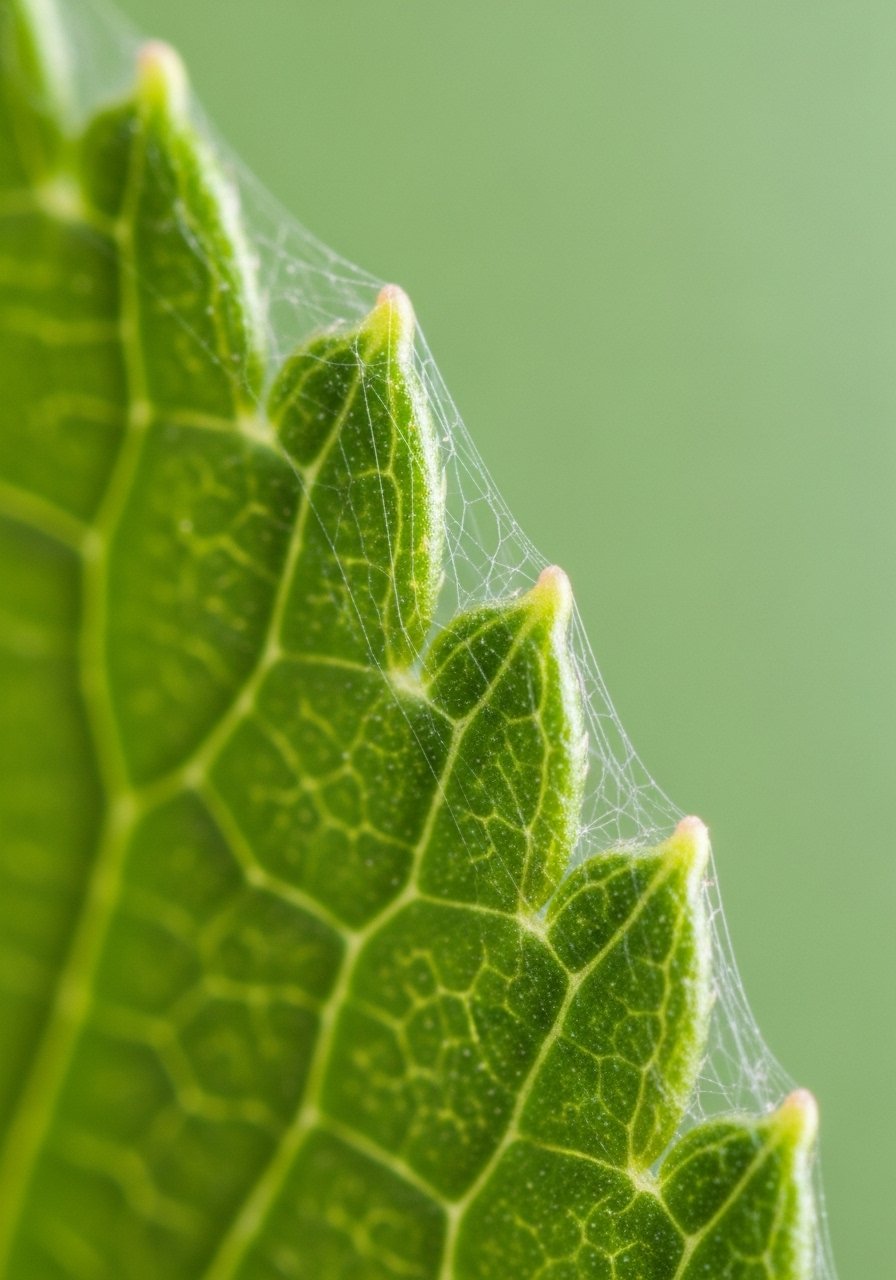
Spider mites, mealybugs, and scale leave telltale signs like stippling, cottony clusters, or small brown bumps. Early detection makes treatment easy. If you see sticky residue or yellow speckles, isolate the plant and treat with a soap spray or neem oil. I carry a small bottle of organic neem oil spray for quick responses.
Mistake to Avoid: Waiting until infestation looks bad. Treat at the first sign to avoid full-house outbreaks.
14. Keep a Simple Care Log
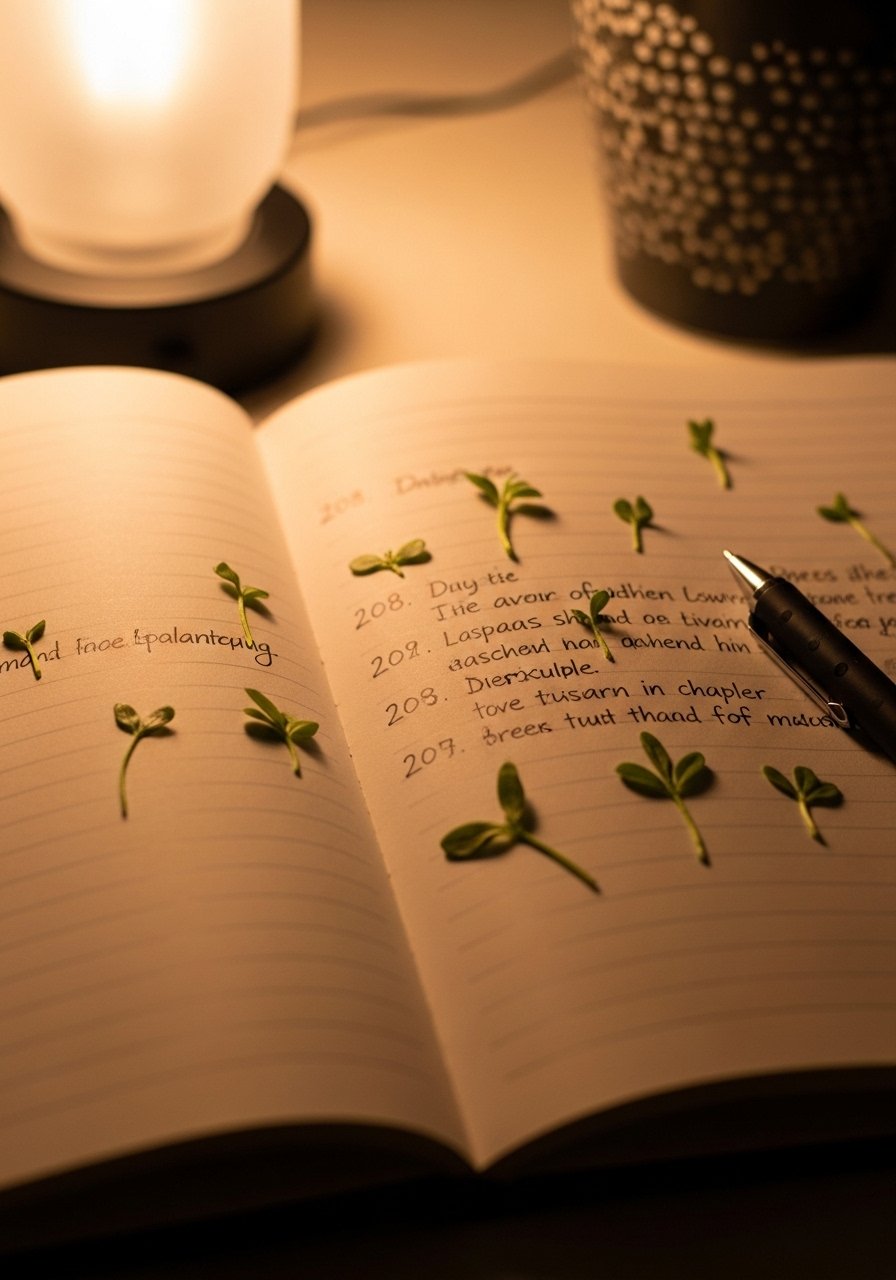
Write short notes: water date, repot date, fertilizer added, pest checks. A one-line habit tracker like "watered" or "checked leaves" avoids guesswork and stops overwatering repeats. I use a pocket notebook in the plant shelf and it saved one rare philodendron more than once. For a digital option try a basic plant care app on your phone.
Mistake to Avoid: Relying on memory. You will overwater or skip months without a log.
15. Adjust Care by Season
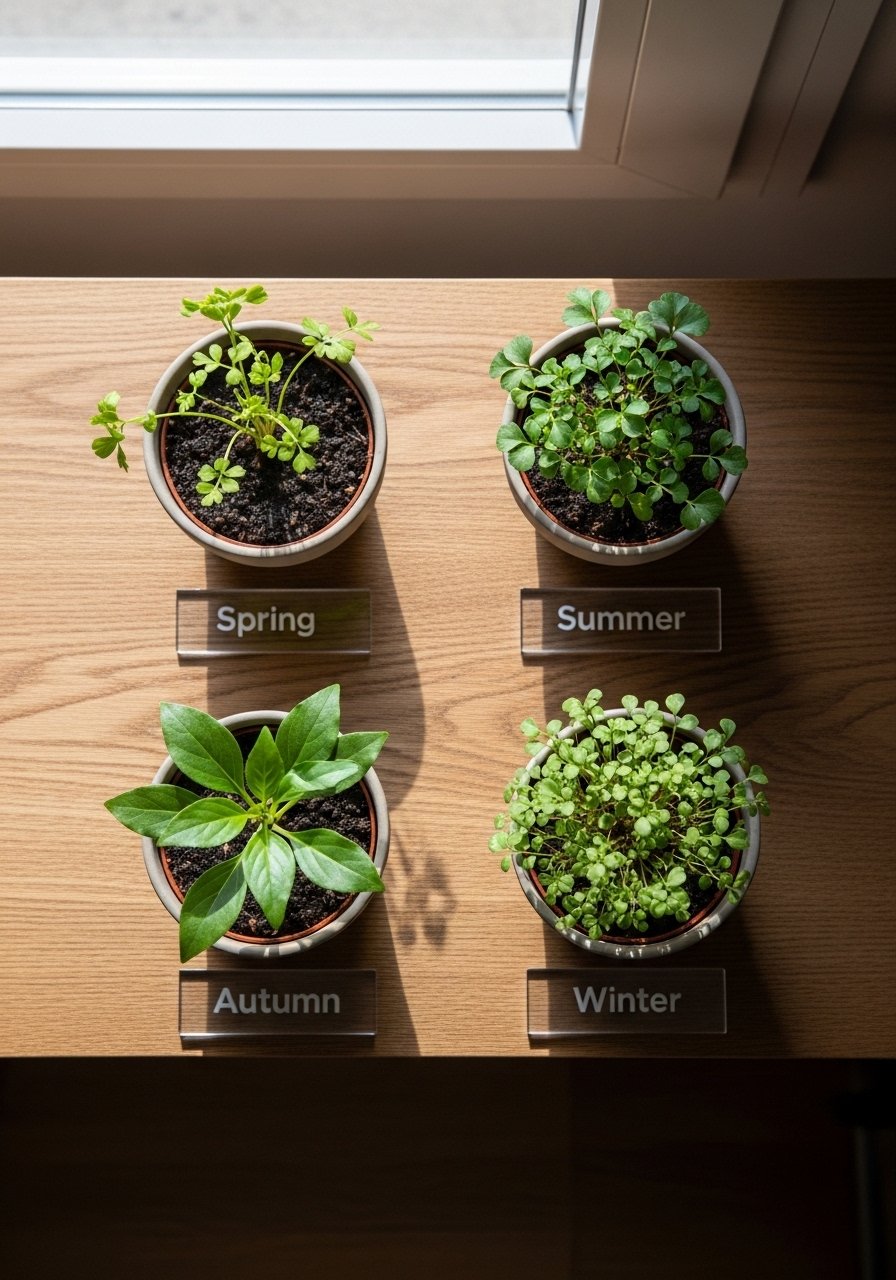
Plants grow in spring and summer and rest in fall and winter. Water less and feed less in the colder months. I reduced astringent watering by about half for most houseplants in winter and they stayed healthy. Keep an eye on indoor heating which dries soil faster than the outside weather suggests.
Mistake to Avoid: Treating indoor plant schedules like outdoor garden calendars. Indoor heat and light are different.
16. Use Saucer Care to Prevent Standing Water
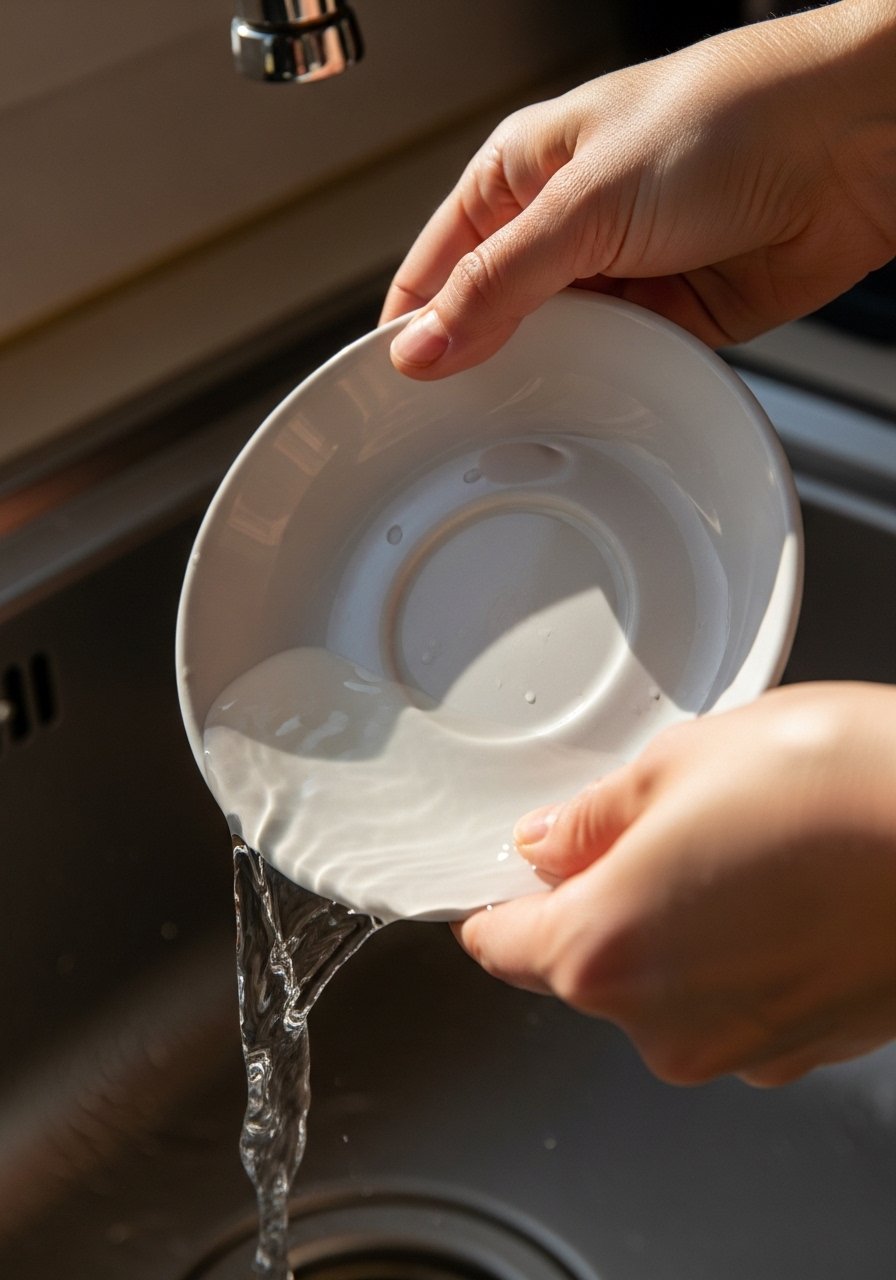
Empty saucers within 30 minutes after watering. Letting pots sit in water invites root rot and gnats. If you want a humidity tray, keep the pot above the water on pebbles so it never sits directly in water. A shallow stackable saucer set is handy, like these durable plant saucers, pack of 6.
Mistake to Avoid: Leaving pots standing in saucers full of water for days. Drain every time.
17. Treat Brown Leaf Tips the Right Way
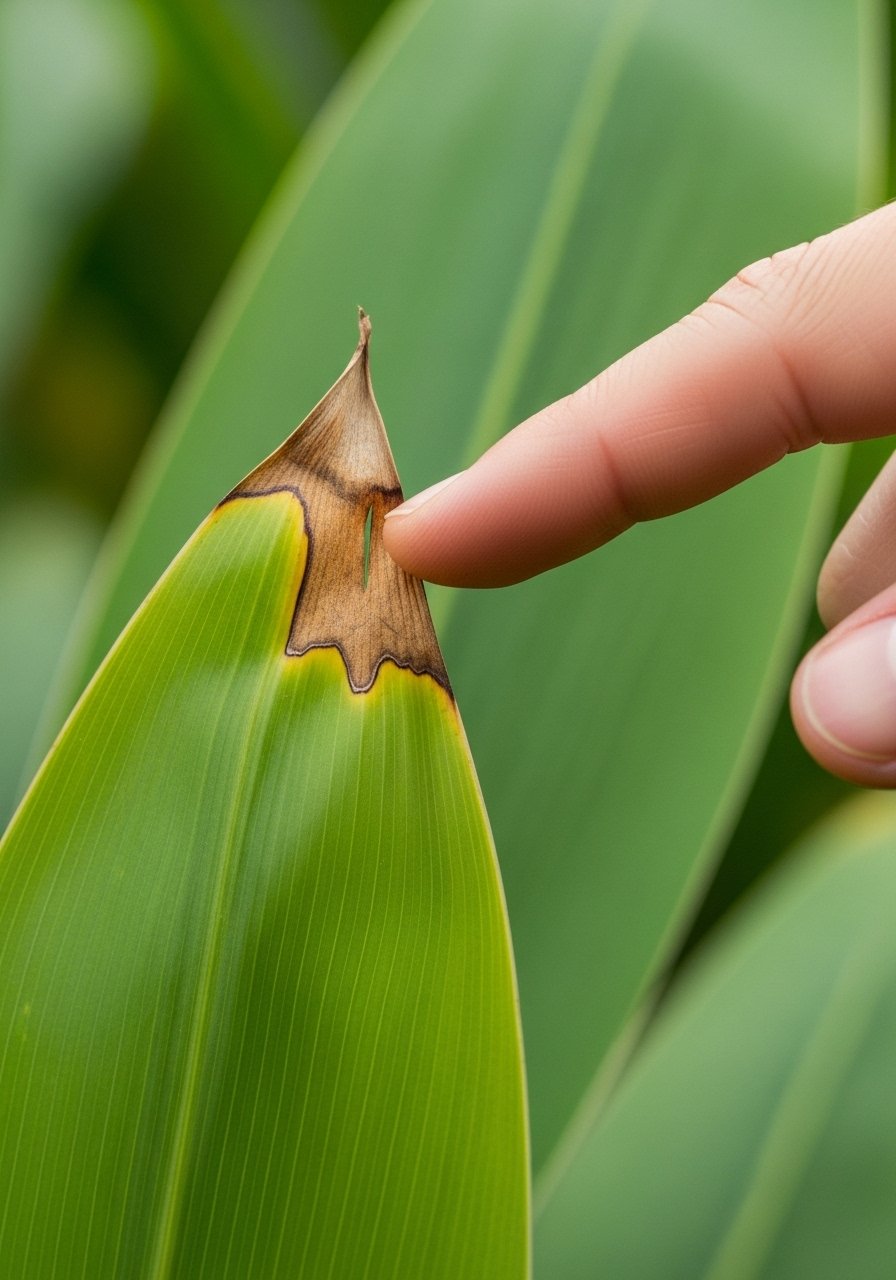
Brown tips often mean low humidity, fluoride in water, or inconsistent watering. Clip only the browned part with clean scissors for a neat look. Switch to filtered or distilled water if tap issues persist. I started using filtered water for my sensitive peace lily and brown tips dropped dramatically. Try a small countertop water filter pitcher.
Mistake to Avoid: Cutting the entire leaf off immediately. Trim just the damaged tip and monitor recovery.
18. Choose Pet-Safe Plants If Needed
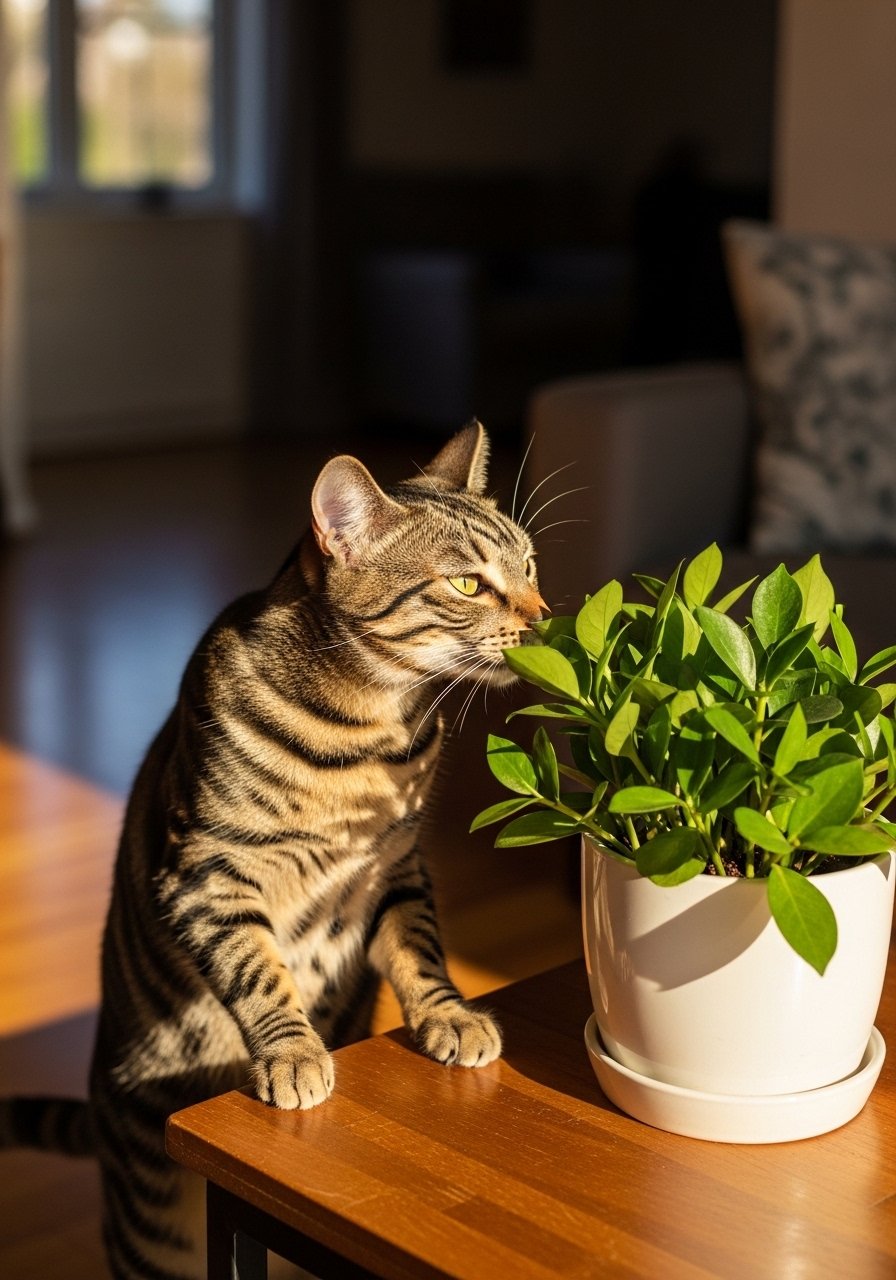
If you have curious pets, pick non-toxic plants like spider plants, Boston ferns, and some palms. Place tempting plants out of reach on higher shelves. I moved a few attractive but toxic species to a bedroom shelf after my cat took a bite. For pet households consider snake plant alternatives that are safe for cats.
Mistake to Avoid: Putting toxic plants at floor level in pet homes. Elevate or choose safer species.
19. Use Grow Lights for Low-Light Rooms
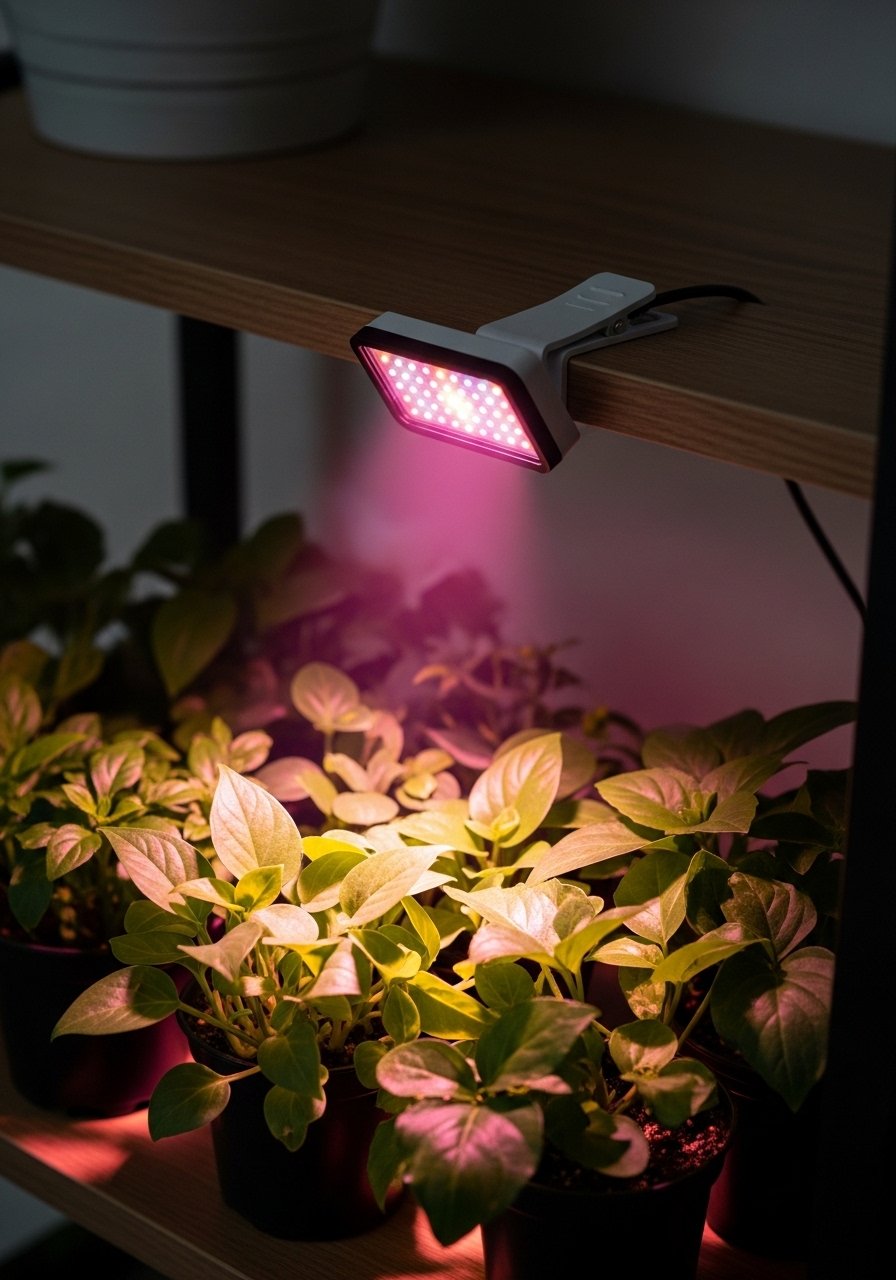
If natural light is limited, use full-spectrum LED grow lights for 4 to 6 hours a day depending on species. Position the light 6 to 12 inches above foliage and adjust as plants grow. I kept a fern alive on a north wall using a clip-on grow light for winter months. Try the adjustable LED grow light panel.
Mistake to Avoid: Using sunlight bulbs that emit heat. Use LEDs that provide the right spectrum and stay cool.
20. Control Soil Dryness with Top Mulch
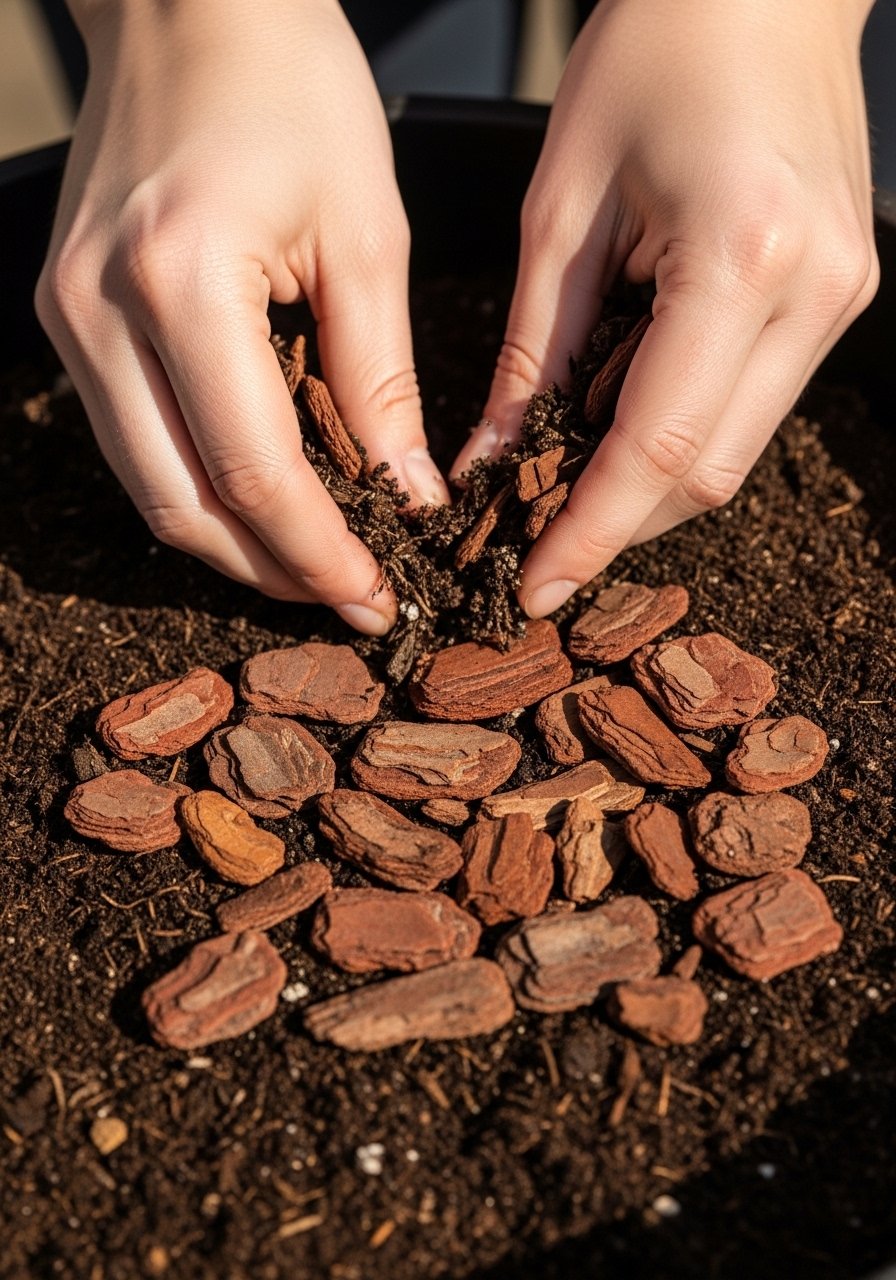
A one to two centimeter top layer of bark or pebbles reduces surface evaporation and keeps soil evenly moist. It also looks tidy. For plants that like a dry surface, skip the mulch. I added bark on a cluster of peace lilies and the top soil stayed evenly hydrated between waterings. Use decorative bark chips for a clean finish.
Mistake to Avoid: Using mulch that traps too much moisture for succulents. Match the top layer to plant preference.
21. Deal with Root Rot Fast and Confidently
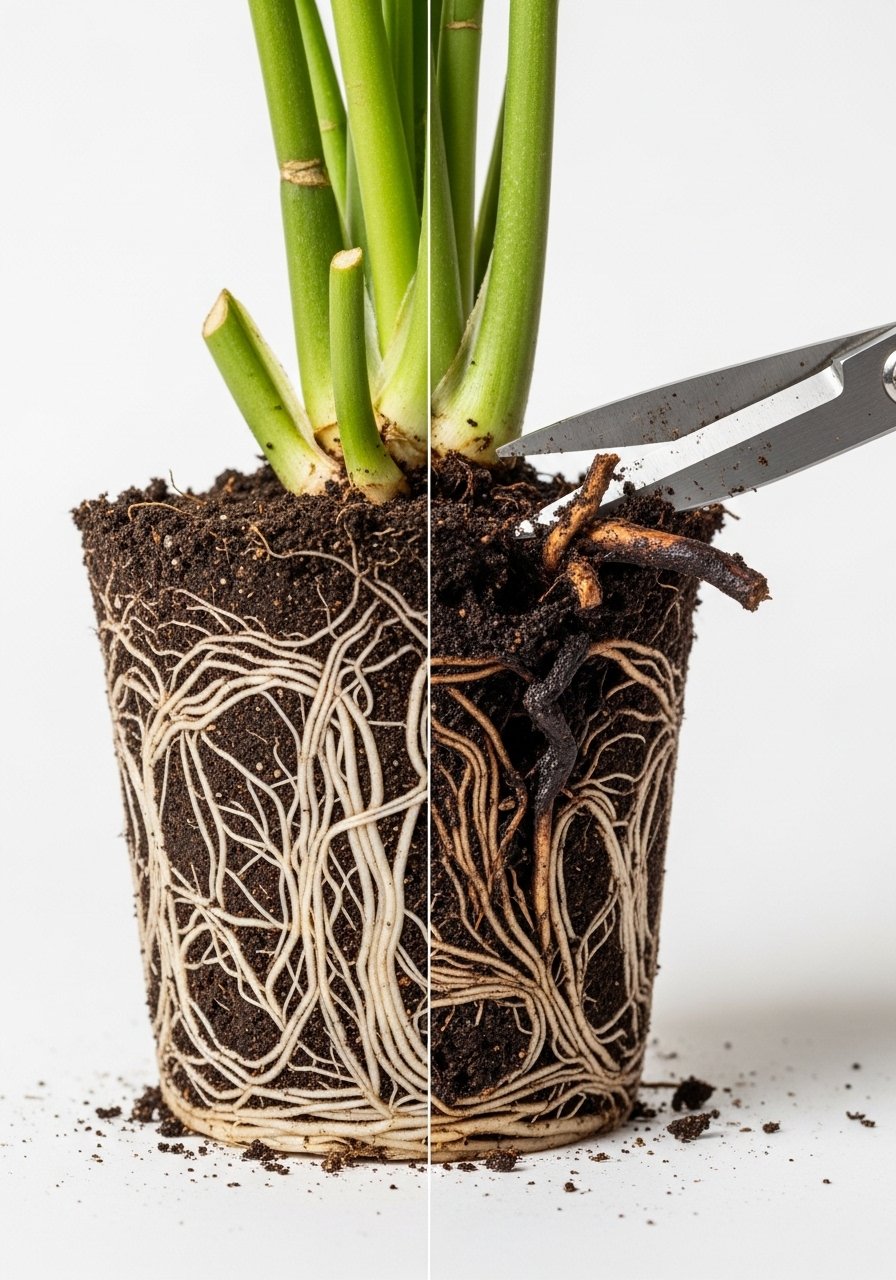
If soil smells sour and roots are brown and mushy, act fast. Remove the plant, trim rotten roots to healthy white tissue, rinse, and repot in fresh mix. Let it dry an hour before the first light watering. I saved a once-drowned pothos this way and it bounced back within a month. A small pair of root-cleaning scissors is worth keeping in the kit.
Mistake to Avoid: Replanting into the same soggy soil. Use fresh, well-draining mix after trimming.
22. Avoid Overly Decorative Soil Covers That Trap Moisture
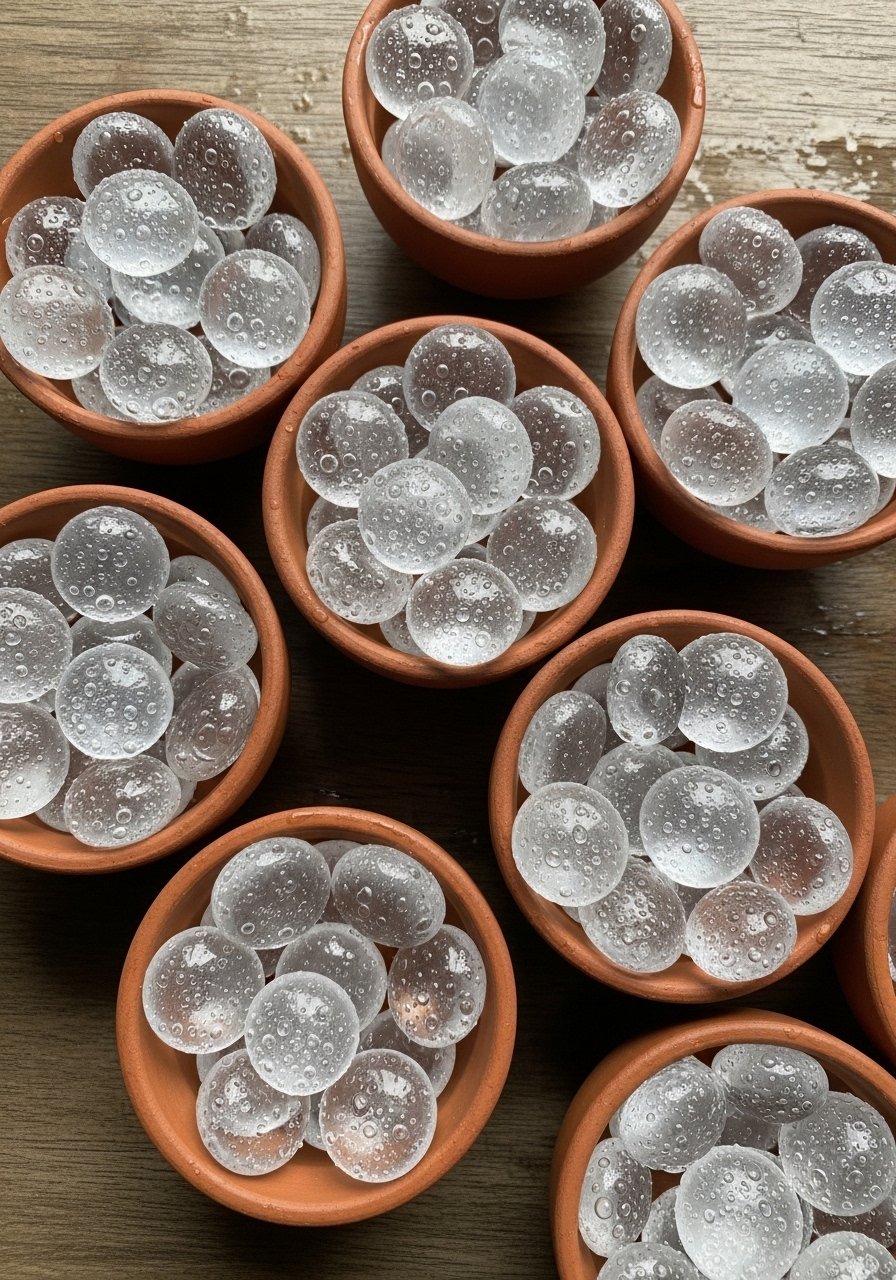
Plastic mesh or sealed decorative covers can hide soil condition and trap moisture. That encourages fungus gnats and rot. If you like the look of pebbles, leave a small bare ring around the stem for inspection. I swapped plastic crystals for real pebbles and my gnat problem waned. Try natural river pebbles, 5-pound bag for a cleaner option.
Mistake to Avoid: Using sealed decorative covers that prevent you from seeing soil dryness. Choose breathable options.
23. Learn One Reliable Watering Method Per Plant Type
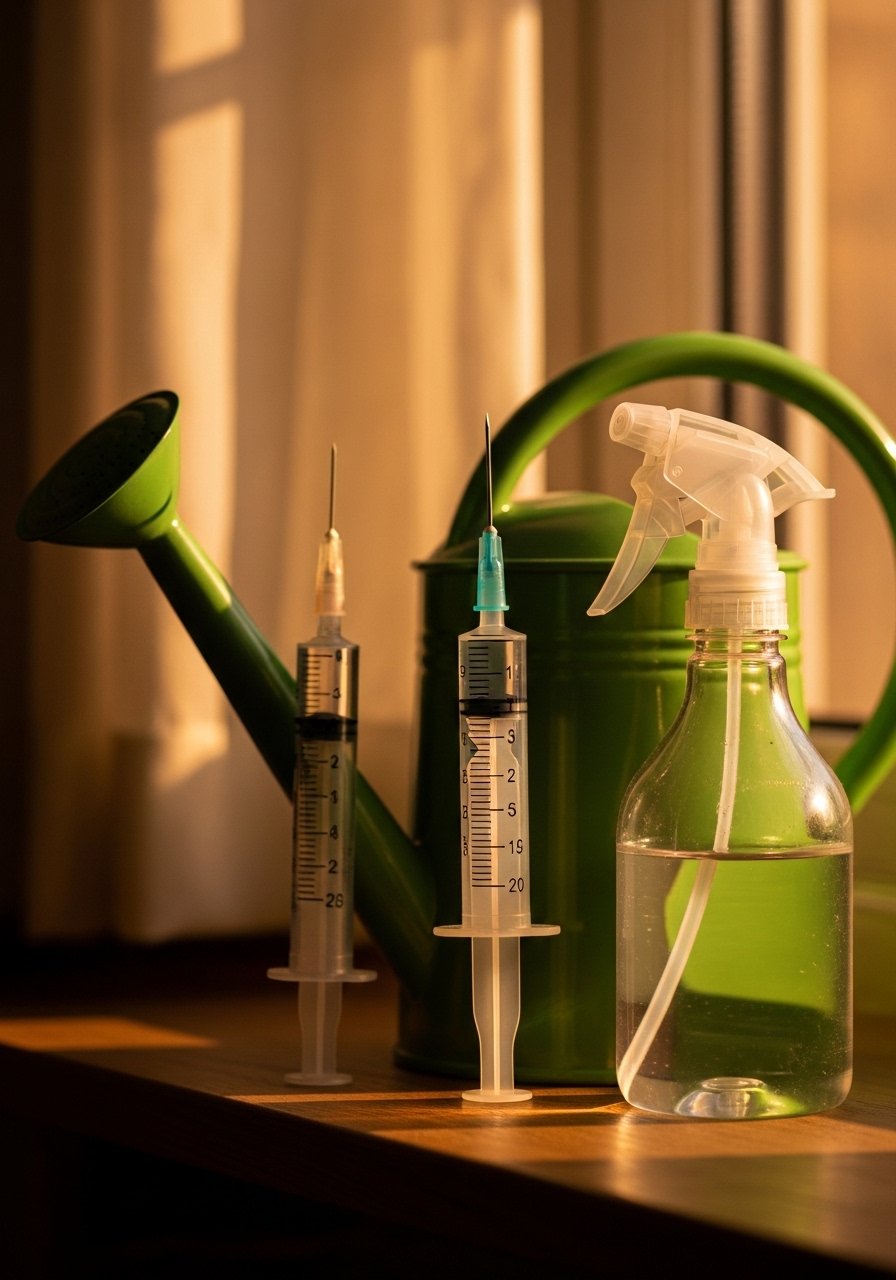
Different plants need different methods. Long-spout watering helps direct water to root zone for upright plants. Bottom watering suits succulents. A syringe helps with tight pots. Pick one method and stick to it per species so you get consistent results. I use a long-spout for tall pots and a bottom-soak for succulents. My go-to is the precision water can with long spout.
Mistake to Avoid: Switching watering methods randomly. Consistency prevents under- or over-watering.
24. Start Small and Expand Slowly
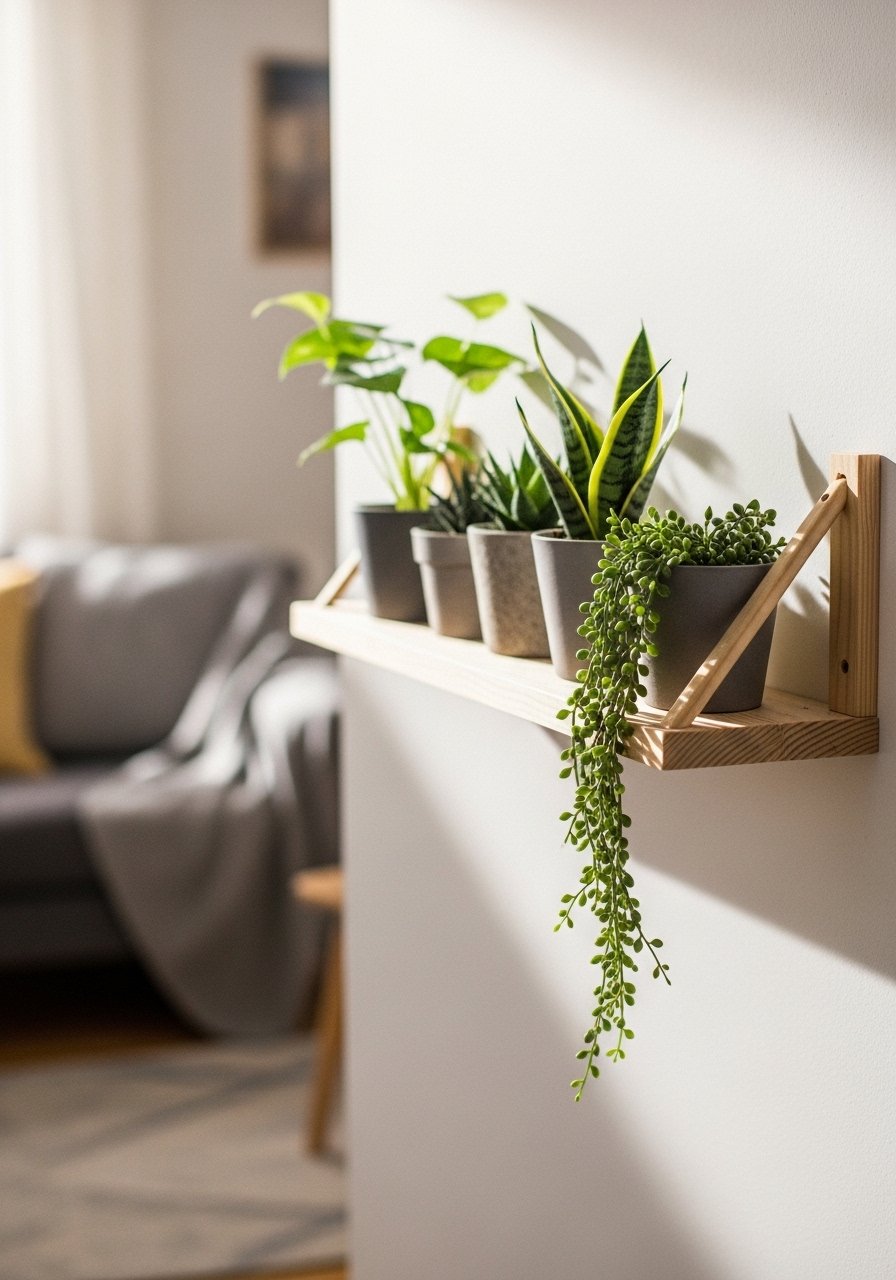
Begin with forgiving plants like pothos, snake plant, or ZZ plant. Learn their quirks and then add a more demanding species every two months. Most people spend somewhere between $500 and $800 when they finally commit to refreshing a room. Starting small saves money and frustration and helps you build confidence. For beginners I recommend a starter kit such as this houseplant starter bundle.
Mistake to Avoid: Buying too many high-maintenance plants at once. Grow your collection at a steady pace.
Your Decor Shopping List
- Honestly the best $18 I have spent. Precision water can with long spout (~$18-$25). Helps water at the root without splashing leaves.
- For checking soil moisture. Reliable moisture meter (~$12-$20). Simple readings save a lot of guesswork.
- For small rooms with dry air. Compact ultrasonic humidifier (~$30-$50). Adds humidity near a cluster of plants.
- Repotting basics. Precision pruning shears (
$12-$25) and root-cleaning scissors ($8-$15). - For water propagation. Clear glass jars set (~$10-$18). Transparent jars make rooting simple.
- To keep pests visible. Sticky insect traps (~$6-$12). Cheap early-warning system.
- Decorative and functional. Natural river pebbles, 5-pound bag (~$12-$20) for humidity trays and clean surfaces.
- A clean cloth for leaf care. Microfiber cloths pack (~$8-$14). Gentle on leaves.
- For succulents and cacti. Well-draining succulent mix (~$10-$18) in 3 to 5 liter bags.
- For practical saucers. Durable plant saucers pack (~$12-$25). Prevents mess and lets you drain promptly.
- Grow light for low-light spots. Adjustable LED grow light panel (~$35-$60). Keeps plants green indoors.
- A small long-term fertilizer for busy weeks. Long-release fertilizer pellets (~$10-$20). Low-maintenance feeding.
Decorating Tips Worth Knowing
- Thin layers of decor beat overstuffed shelves. A single staggered row of plants looks cleaner than a crowded cluster. Grab small terracotta pots, pack of 4 for cohesive styling.
- Grab clear glass jars set for water propagation and display. Using clear vessels shows roots and adds a light-reflecting element to shelves.
- Observation first. Group plants by light needs on the same shelf. Use a clip-on adjustable LED grow light panel for one low shelf rather than lighting the whole room.
- Thin coats beat one thick coat every time. Three thin layers of top-dressing like pebbles look more natural than one chunky dump. Try natural river pebbles, 5-pound bag.
- Contrast-first. Everyone piles small pots on a console. One tall floor plant anchors a corner better than five tiny pots. For an affordable tall option consider a taller decorative planter with drainage.
- Use a simple tray under planters near entryways to protect floors. Observation-first. Durable plant saucers pack keep spills contained and look neat.