
I kept piling on thick sweaters the first few springs and looked like a marshmallow at a coffee shop. It felt safe, except by noon I was sweating through a scarf. After a few ruined outings I tried a different route: thinner layers with clear proportions and a strong outer piece. It took three attempts before it stopped feeling like I was missing something. Now I wear lighter layers most days and actually feel like myself.
This guide shows how to keep spring layers airy, practical, and stylish without bulk. It works for weekend errands, office days, and travel, and it can be done on a modest budget. I tested versions across a full season, swapping one heavy piece for three lighter ones, and the outfit kept its shape and warmth without feeling heavy. Expect notes for petite and curvy bodies, quick swap ideas for unpredictable rain, and a couple of pieces that punch above their price.
What You'll Need
Clothing Basics:
- lightweight-merino-crew (~$30-70)
- silk-cami (~$20-60)
Layering Pieces:
- lightweight-cardigan (~$25-80)
- unlined-trench-coat (~$60-200)
- packable-down-vest (~$30-130)
Accessories:
- silk-scarf (~$10-40)
- cloth-belt (~$8-30)
Start with a slim base
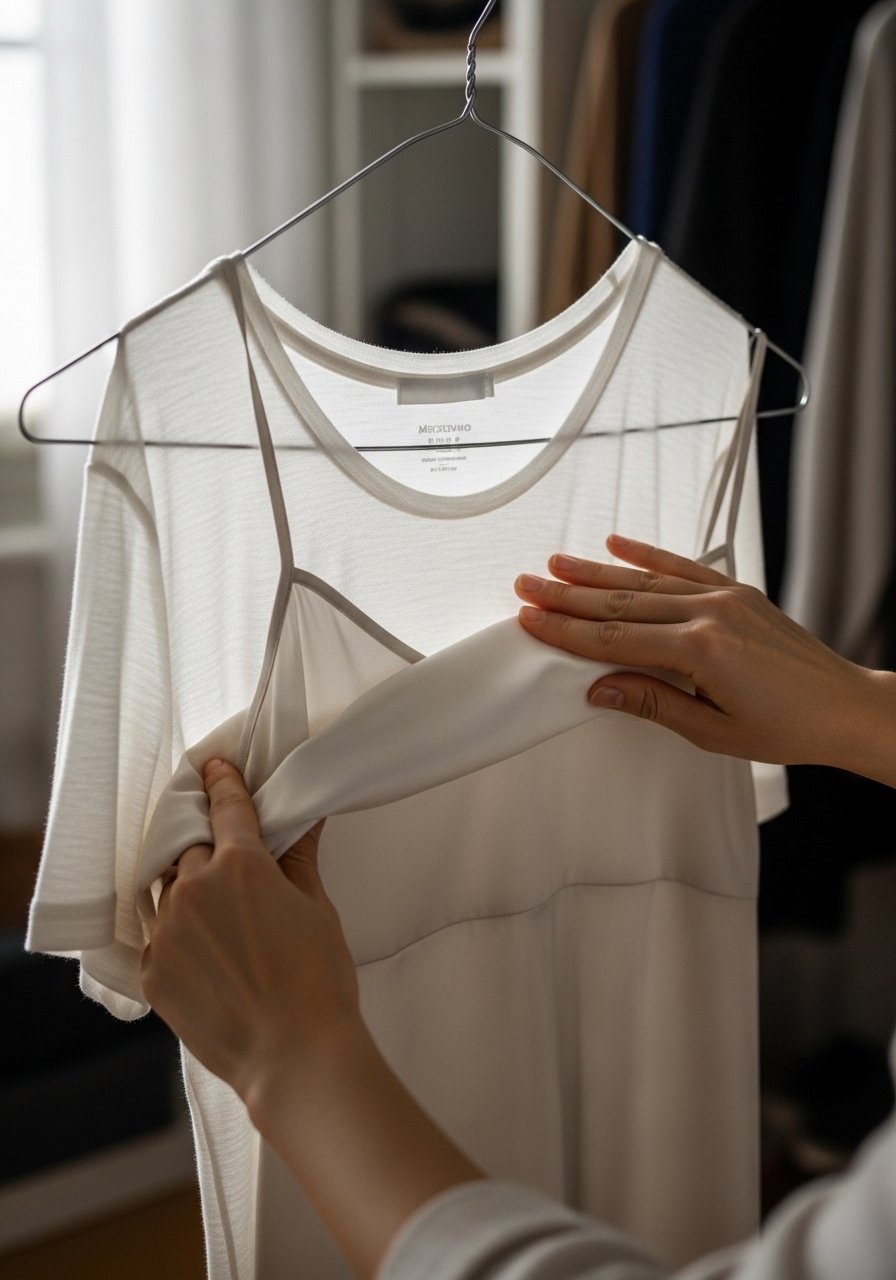
Pick a fitted base layer that breathes and sits close to your skin, like a lightweight merino tee or a silk cami. The idea is simple, thin to thick, so the next layers add warmth without creating visible lumps. I aim for the base to be about 2 to 4 ounces in hand weight and to leave 2 to 3 inches of hem showing under mid layers. That visible band gives the outfit depth without extra bulk. After rotating this combo for a full season I realized the base controls the silhouette more than any jacket.
Mistake to Avoid: Wearing a baggy base that traps air and makes later layers puff out.
Choose a mid layer for warmth, not padding
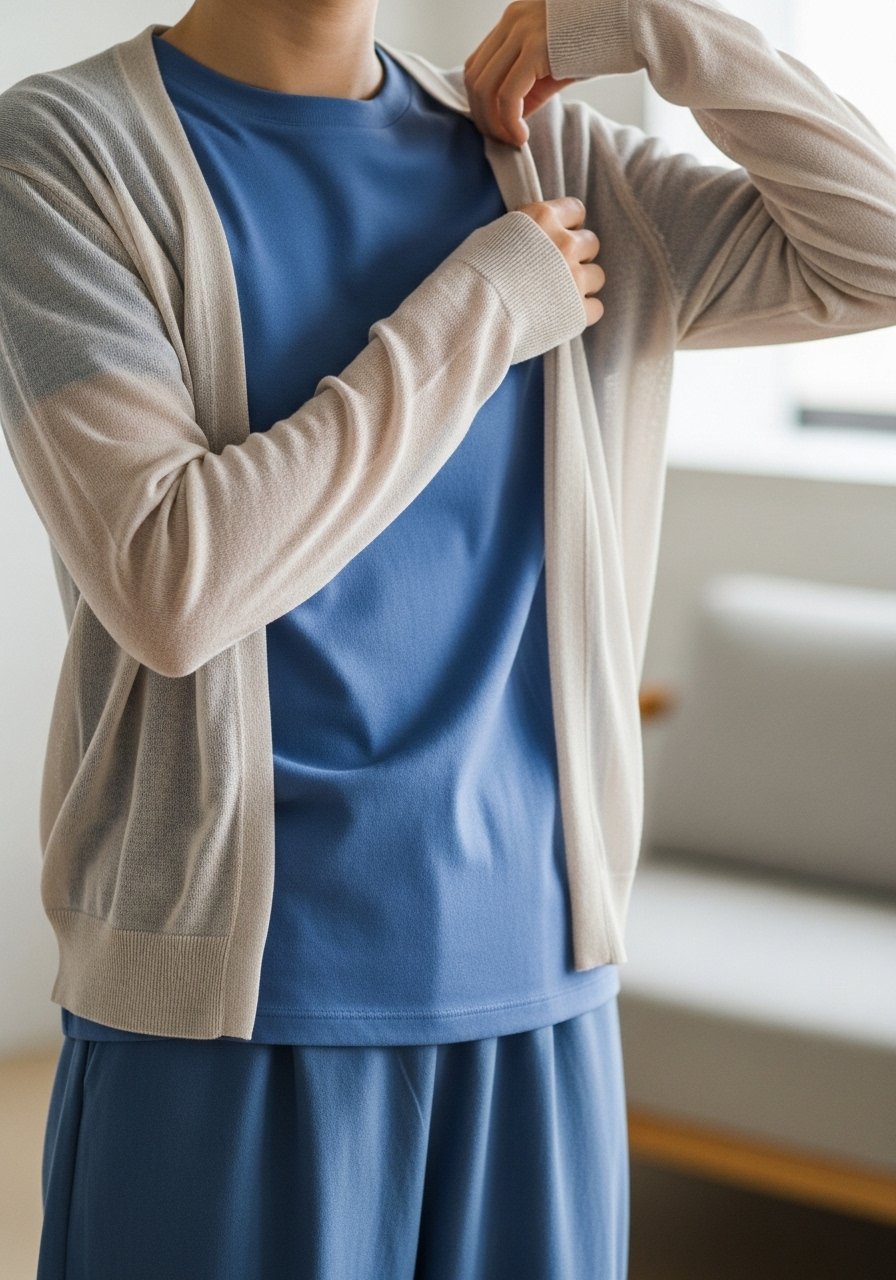
Go for a mid layer with structure that compresses, not puffs. A 6 to 8 gauge lightweight knit or a thin fleece works better than chunky knits. I swapped one bulky sweater for two thin layers and found the warmth remained but the profile stayed flat. The rule I use is a 1 to 1 mid-to-outer warmth ratio, meaning the mid layer should contribute roughly half the outfit warmth while still draping. For office days I use a fine-knit cardigan. For weekends I pick a thin utility shirt that snaps closed.
Mistake to Avoid: Choosing the thickest knit you own because it "feels warm," which ruins the shape.
Make the outer layer the statement
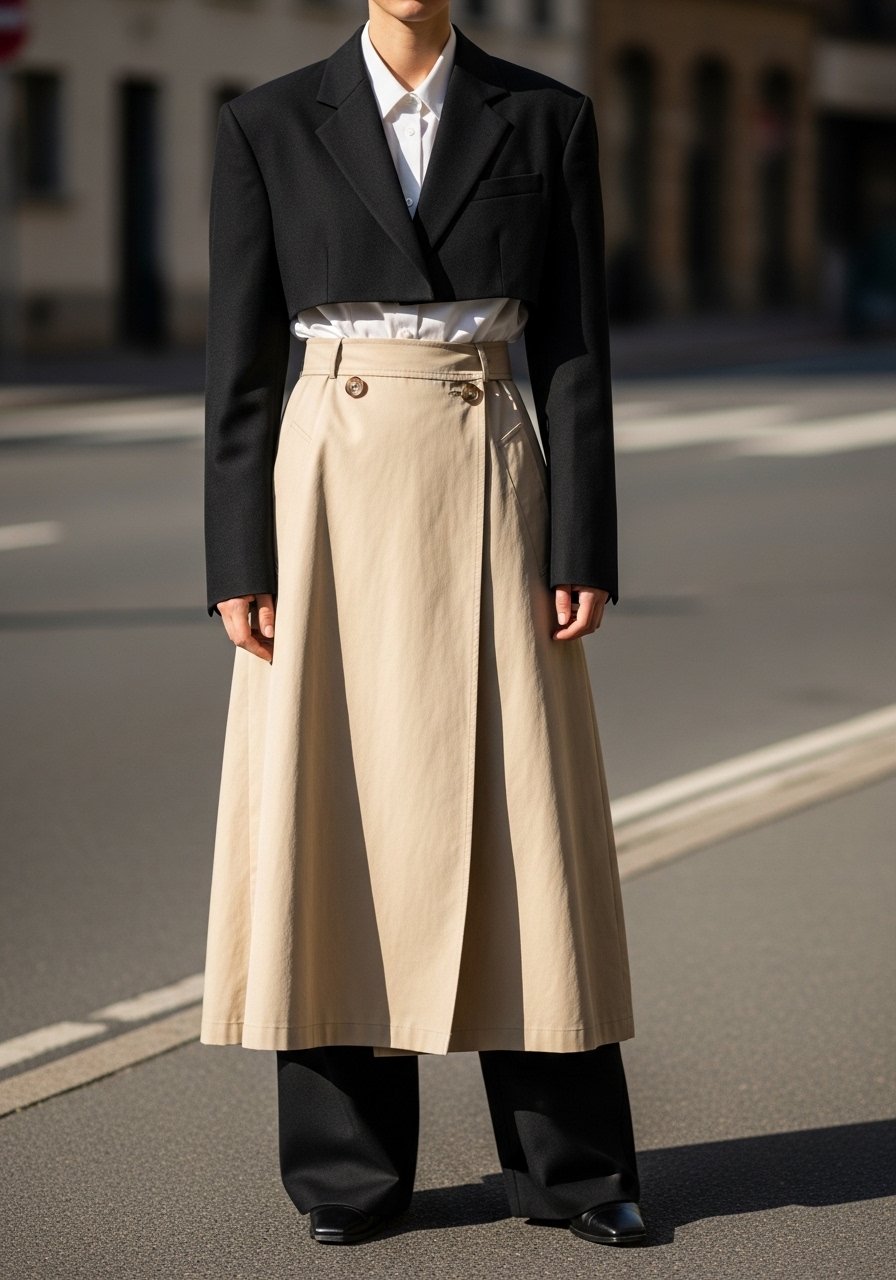
The outer layer defines the look, so keep it structured and unlined when possible. An unlined trench or a single-breasted blazer reads clean and keeps the profile narrow. I follow a proportion rule: if one layer is long, make another shorter. For example, pair a long trench with a cropped blazer or keep the inner layers short enough that the trench flows. This gives the eye a deliberate vertical line, not a heap. After rotating outfits for three seasons, I find one solid outer pays for itself in options.
Mistake to Avoid: Wearing two long, heavy outer layers that stack and remove movement.
Use texture and negative space for interest
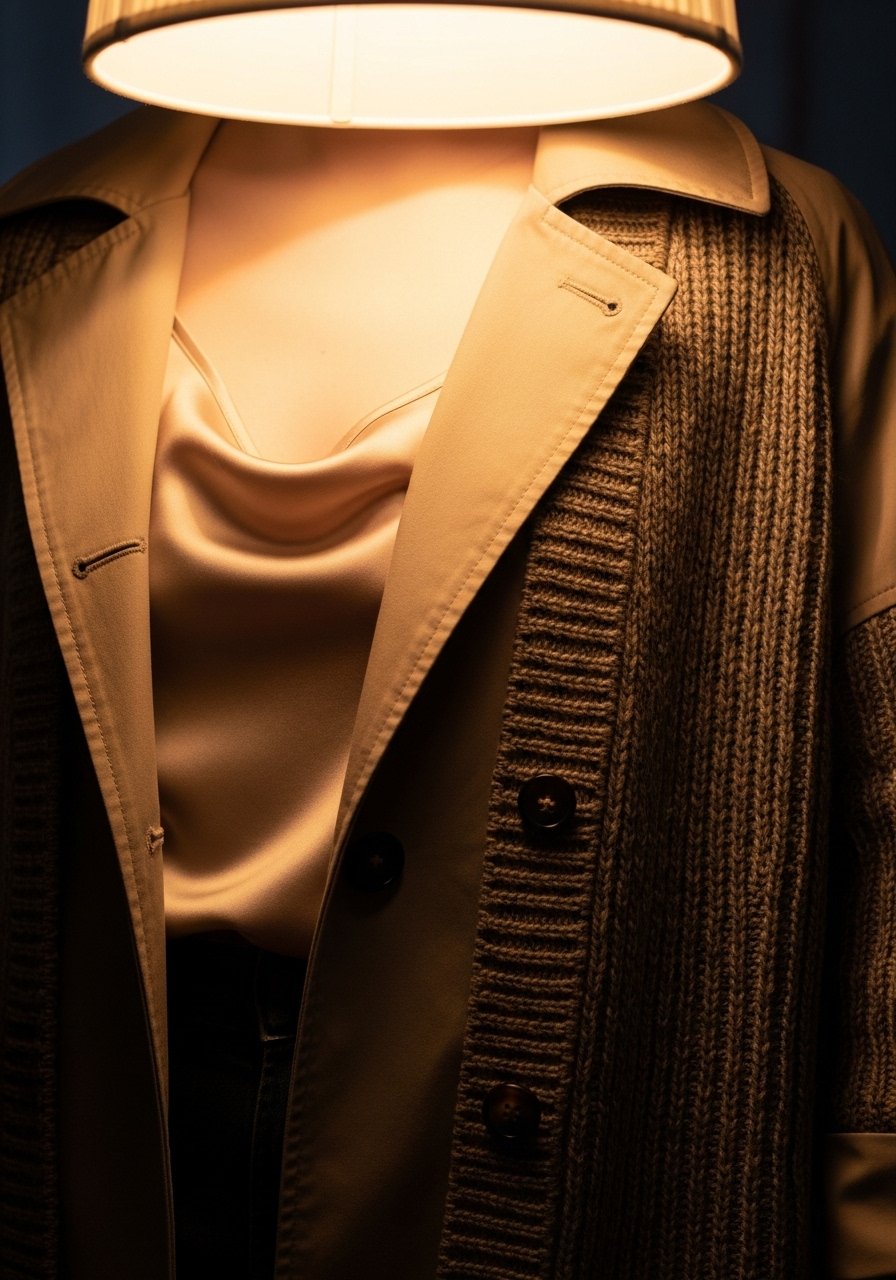
Instead of adding volume, add contrast in texture and small gaps. A silk cami next to a nubby knit gives richness without thickness. I like a silk scarf loosely tied so it creates a soft V and leaves negative space at the collarbone. Use one soft fabric and one that has light structure. That balance reads intentional. I almost skipped this step the first time, and the outfit was flat. Once I added just a 1-inch scarf knot, it felt finished.
Mistake to Avoid: Piling similar bulky textures that amplify perceived bulk.
Shape it with belts and sleeve tricks

A narrow belt or half-tuck works wonders to control where fabric sits. If you keep the overall layers thin, cinching at the waist creates an immediate silhouette. For curvy bodies, a belt at natural waist keeps proportions balanced. For petite frames, belt slightly above the hip to lengthen the leg line. Also roll sleeve cuffs up 1 to 2 inches to reveal the base and lighten the look. I used a cloth belt as a budget trick and it made a $40 trench read far more tailored.
Mistake to Avoid: Cinching over a heavy knit that bunches and creates a muffin effect.
Pack a compact option for midday shifts
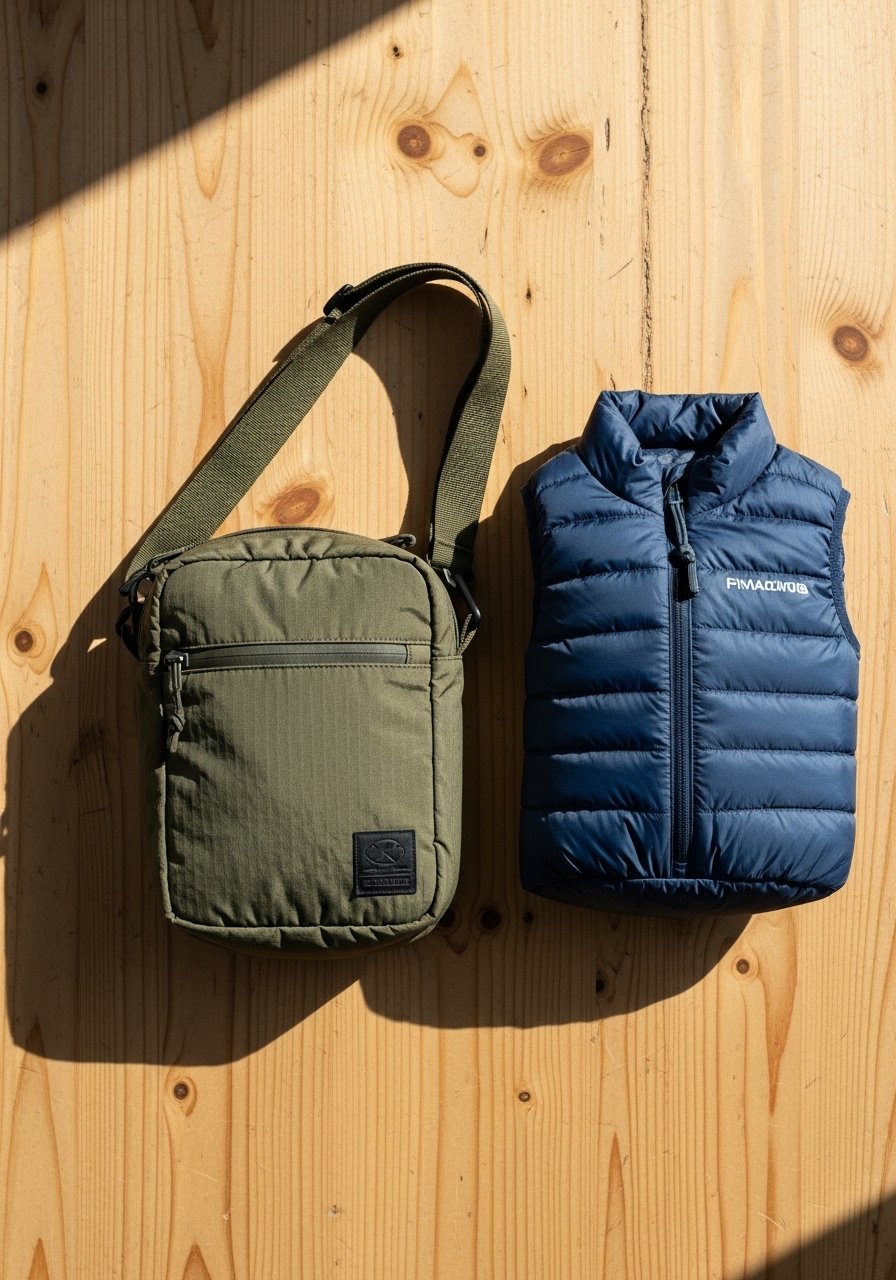
Bring one compressible layer that you can stash in a bag, like a packable down vest or a lightweight technical windbreaker. My rule of thumb is a packable piece that compresses to under the size of a grapefruit. If afternoon warms up, you remove your vest and the outfit still looks put together because the structure was planned from the start. This trick saves the day when spring goes from cool to muggy in an hour.
Mistake to Avoid: Throwing a bulky sweater into your bag and ending up with a lumpy tote.
Fashion Tips
Swap bulky for technical fabrics: Choose a thin merino or technical tee instead of a cotton tee for similar warmth with less weight. Try the lightweight-merino-crew.
One long, one short: If you wear a long outer, keep inner layers cropped or untucked to preserve clean lines. A cropped blazer pairs well with a unlined-trench-coat.
Use scarves sparingly: A narrow silk scarf adds texture without adding perceived thickness. Consider the silk-scarf.
Tailor the fit: Shortening a hem by 1 to 2 inches can reduce drag and bulk across the hips. Small tailoring beats oversized shapes for light layering.
Roll, do not fold sleeves: Rolling sleeves 1 to 2 inches exposes the base layer and breaks up mass. It also adds a casual, lived-in note.
Neutral base, playful accents: Keep the base neutral and add one accent color or print in a scarf, shoe, or belt to keep the outfit intentional.
Packable outer as a rule: Keep a compressible layer in your bag for sudden changes. I use a packable-down-vest.
Wear It Lightly
You will get this by practicing the order: base, mid, outer, then shape. Start by swapping one chunky sweater for two thinner layers and test it on a Tuesday when you do not want to think. I am still not sure this is the best way, but it has worked every time for me. Final tip, if you only change one thing, make it the outer layer. It controls what people see, and that control keeps layers feeling deliberate and light.