
I spent an evening trying to copy a salon set and ended up with chipped tips by the next day. I thought the missing piece was more polish. It was not. After a month of testing a simple routine, a few tweaks and one salon tech showing me a finishing move, I finally got two-week wear at home. It still surprises me when a $10 polish holds as long as a gel.
This guide covers the humble at-home method that lasted two weeks for me when I followed it exactly, and it works for short to medium nails. Budget range: $10 to $30 for the essentials if you pick one polish and a strong top coat. You will see timing, how many thin layers to use, and a maintenance plan that keeps the finish fresh without daily fuss.
What You'll Need
Tools & Brushes:
- Glass nail file (~$6-12)
- Cuticle pusher and trimmer set (~$8-16)
- Small angled cleanup brush (~$5-10)
Base & Top Coat:
- OPI Base Coat (~$8-12)
- Seche Vite Top Coat (~$7-12)
Polishes & Designs:
- OPI Nail Polish (~$8-12)
- Essie Nail Polish (~$8-12)
Finishing & Extras:
- Isopropyl alcohol wipes (~$6-10)
- Cuticle oil (~$5-12)
- Quick-dry drops (~$6-12)
Clean Slate: Shape, Buff, and Dehydrate
Pull all old polish off first. Shape with a glass file so the edge is one smooth plane that hugs the fingertip. Use a 180-grit equivalent for shaping then a finer 240-grit for the edge so it does not catch. Lightly buff the nail surface to remove shine, but not until it feels thin. Wipe each nail with an isopropyl alcohol wipe to remove skin oil. The more honest you are about cleaning, the longer the polish will stick. I almost skipped the alcohol wipe the first time and it peeled in three days.
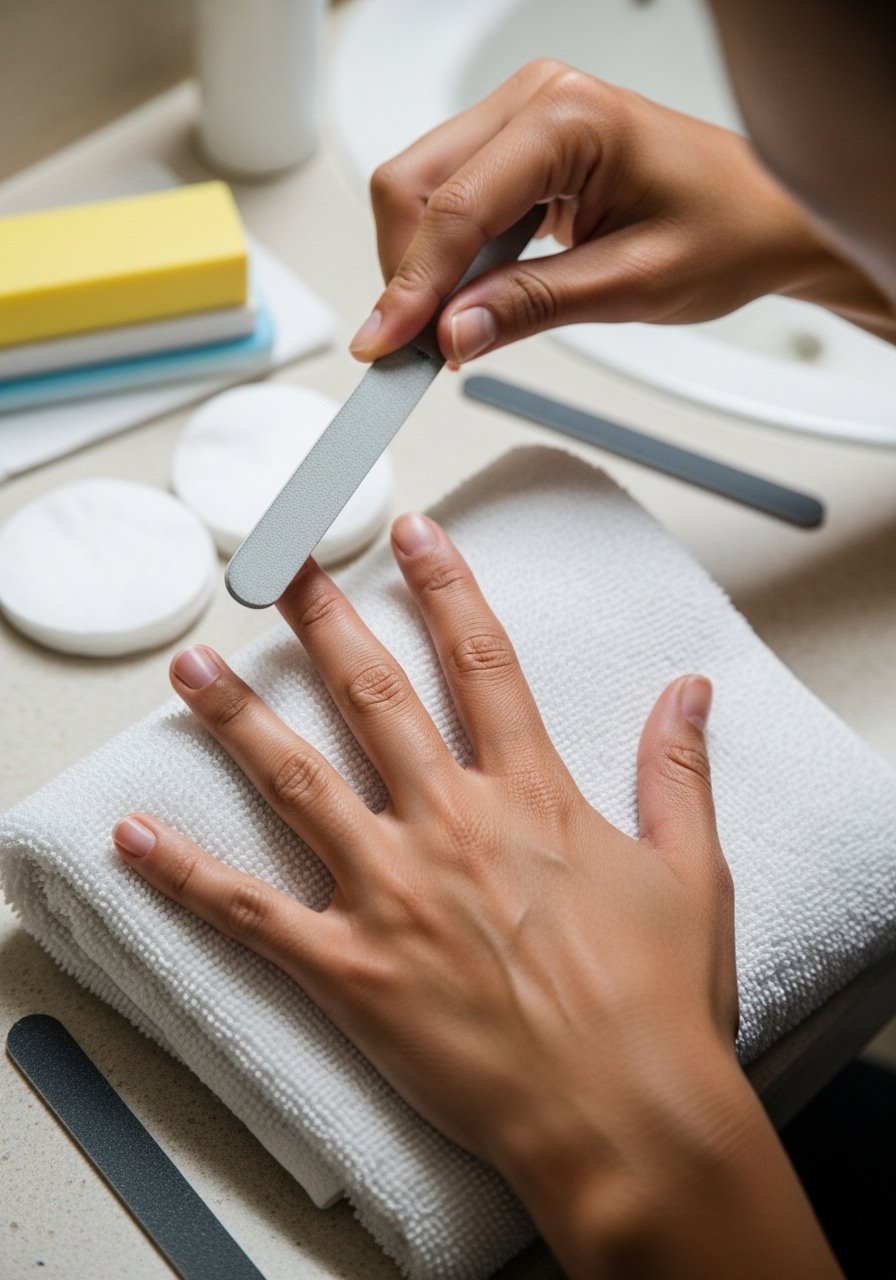
Mistake to Avoid: Pushing the cuticle back aggressively and cutting into skin, which invites lifting and infection.
The Base Coat Step That Actually Bites
Apply a thin base coat in one swipe down the center and then two side strokes. The thin-layer principle matters here: thin coats dry evenly and stick better than thick ones. Wait about 60 seconds until it is tacky, not wet, before moving to color. If you are using a bonding base like OPI Base Coat, it will feel slightly sticky to the touch, and that is good. For sensitive nails, use a non-acid formula and patch test once.
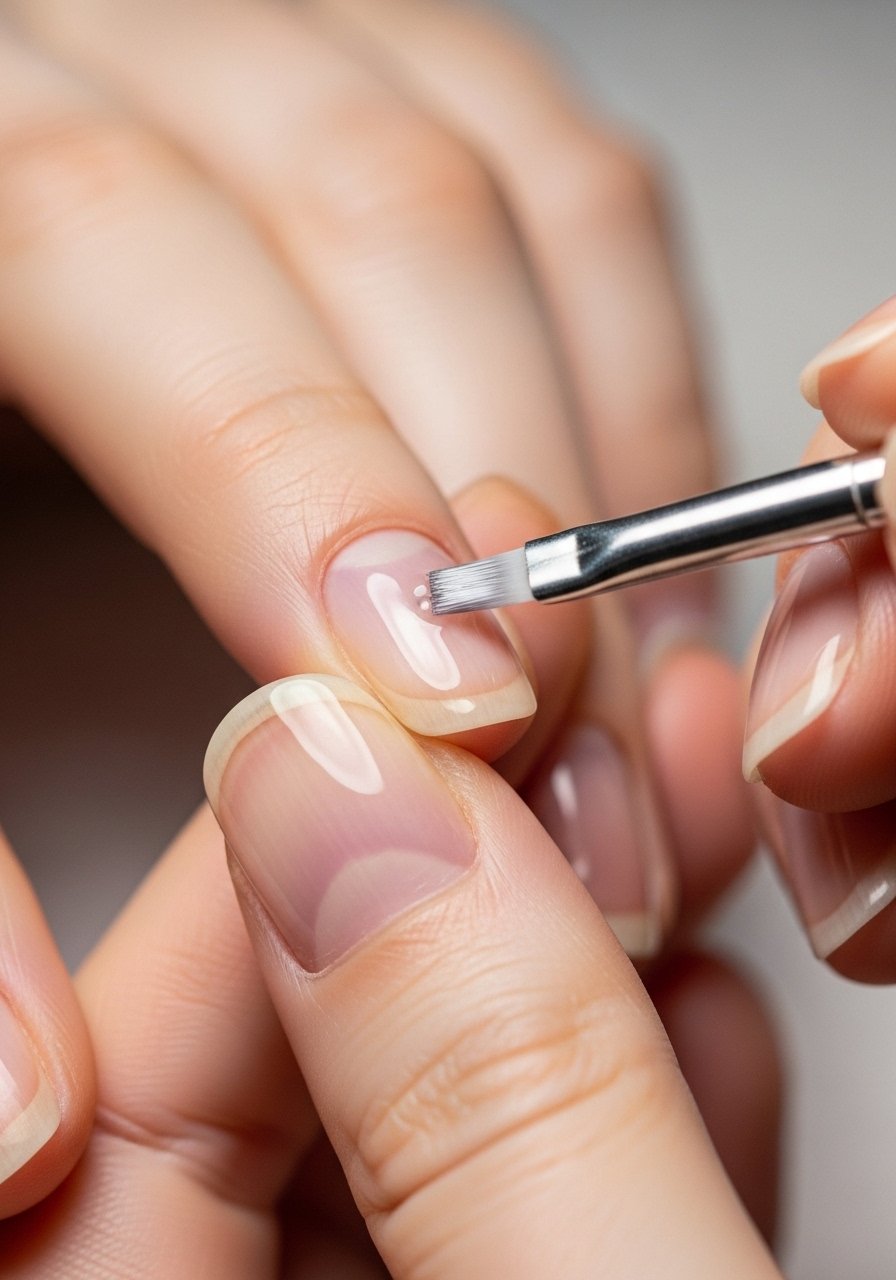
Mistake to Avoid: Applying a thick base coat because you think it adds protection, which causes bubbling and lifts.
How to Apply Nail Polish Perfectly: The Three-Stroke Method
Start at the cuticle, leaving a 1 mm gap, then pull one stroke down the center and one down each side. Aim for two thin coats rather than one thick one. Let each coat dry 90 to 120 seconds until it is no longer tacky. After the first coat, you will see the color deepen but it will not be perfect. The second thin coat fills streaks and self-levels. Drag the brush very lightly under the free edge for a tiny seal. The polish brush should feel smooth and glide; if it drags, it is too thick or old.
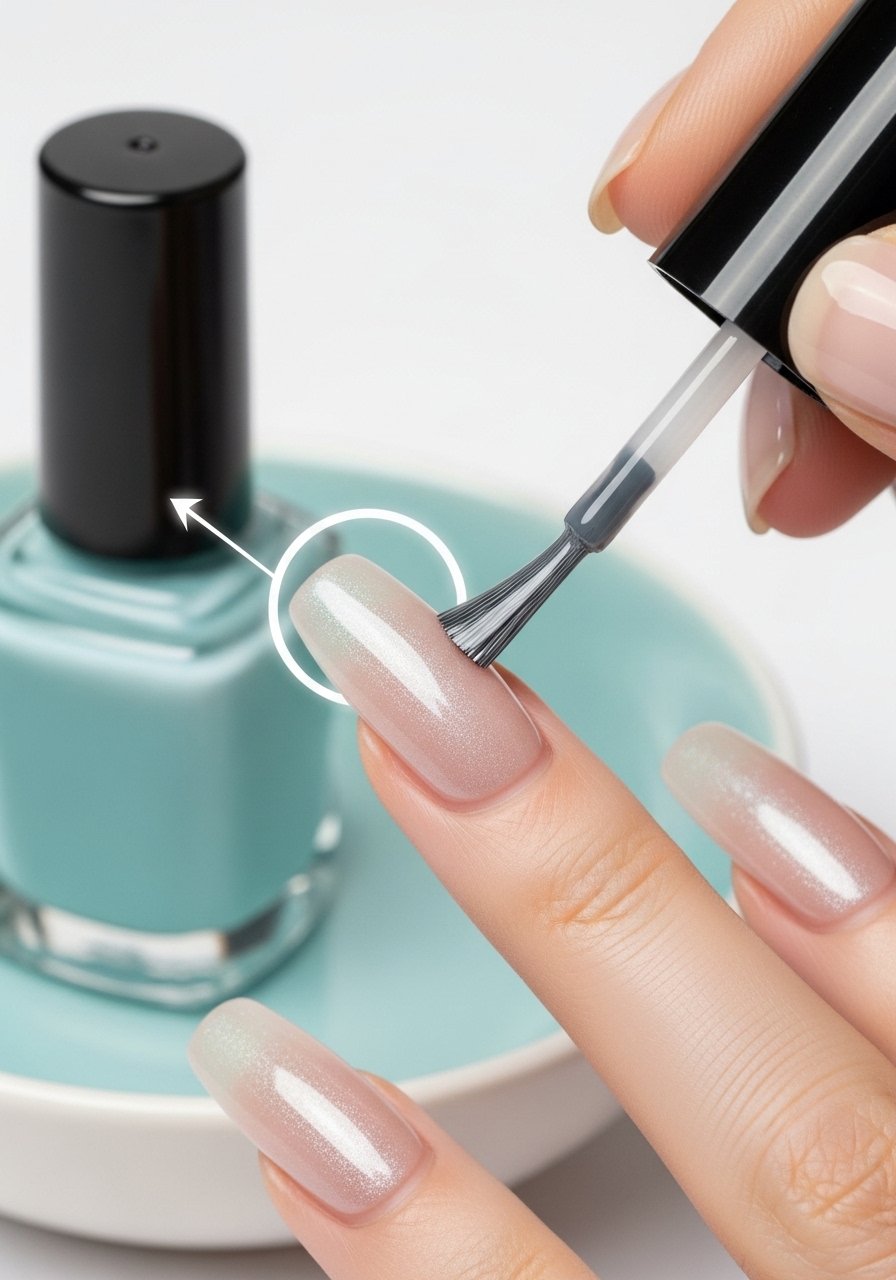
Mistake to Avoid: Flooding the cuticle with polish, which creates a weak film that chips first.
Seal the Deal with Top Coat and Edge Work
Apply your top coat in one even coat, then immediately run the brush along the tip under the nail edge to seal. Use a fast-dry top coat like Seche Vite for a glassy finish. Wait 10 minutes before doing anything that needs pressure, and 1 hour for a more forgiving dry. If you are doing gel, cure under an LED lamp for 30 to 60 seconds per manufacturer instructions. The click when you close the bottle is oddly satisfying and feels like progress.
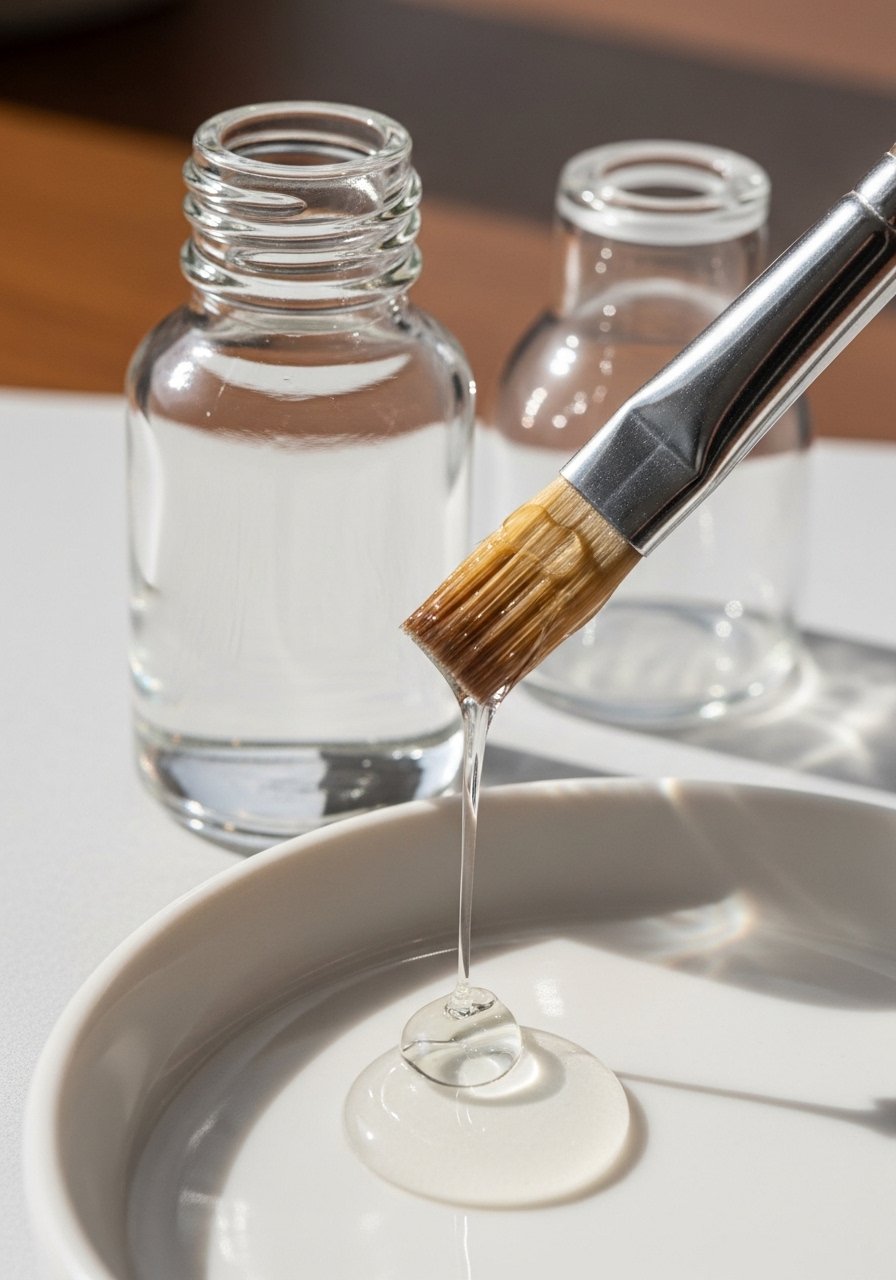
Mistake to Avoid: Not sealing the free edge, which is the most common way a manicure fails.
Quick-Dry Rituals and Protecting the Finish
Five minutes after the top coat, add a drop of quick-dry solution to each nail or mist a quick-dry spray for extra insurance. I put my nails into a bowl with cool water after seven minutes once, and it did speed skin-to-polish bonding. Use cuticle oil after 10 minutes to rehydrate the surrounding skin. For chores, put on thin rubber gloves for anything involving water for more than ten minutes. One trick I borrowed from the salon is to repeat a very thin top coat on day 7 for longevity.
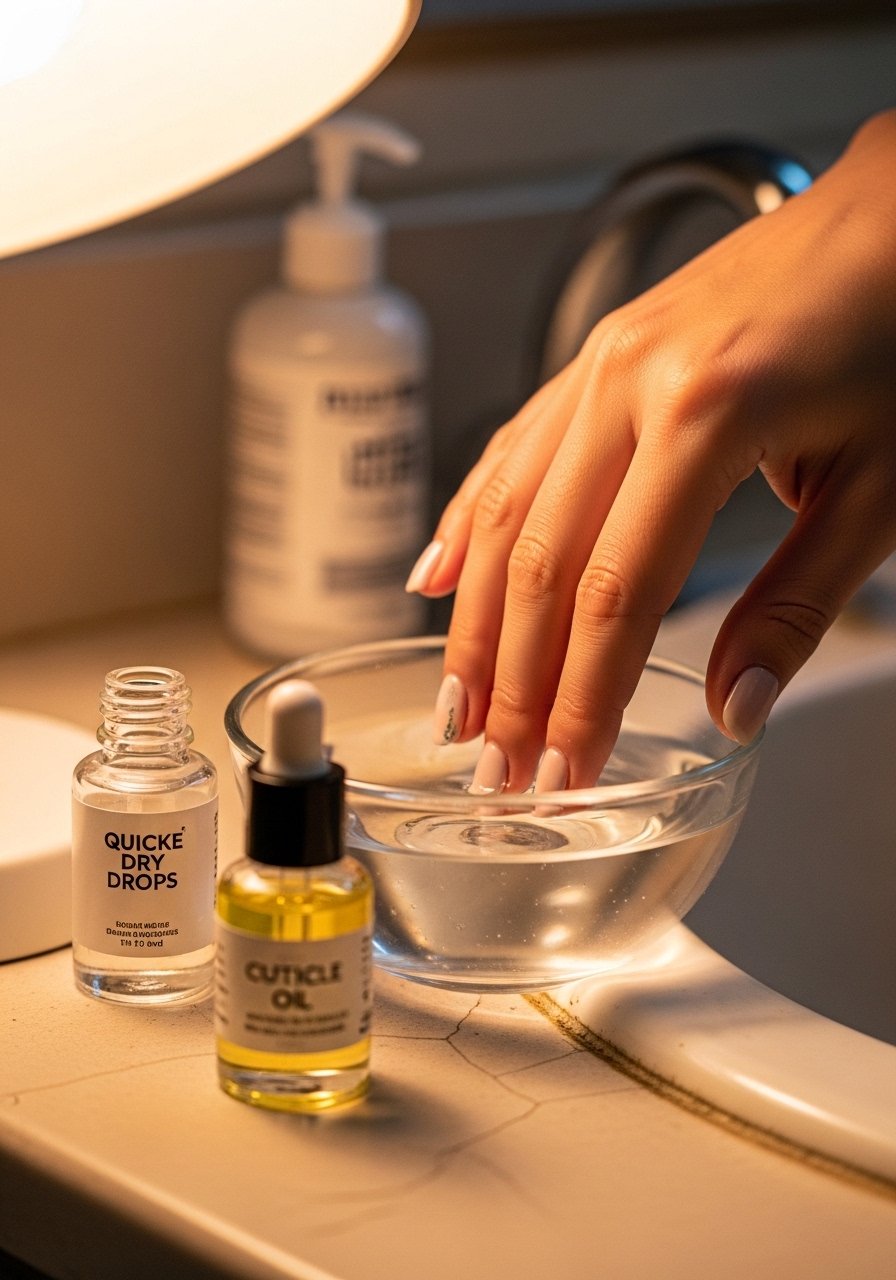
Mistake to Avoid: Rubbing nails too soon after top coat, which drags the glossy finish.
Simple Maintenance: Recoat, Repair, Repeat
If a tip chips, file the snag and paint a tiny patch then reseal with top coat. Every 5 to 7 days apply a thin fresh top coat to restore shine and adhesion. If you plan heavy work, remove and redo rather than patching repeatedly. Use an acetone-free remover for touch-ups and a full acetone soak only when you plan to strip completely. I am still not sure this is the best way, but it has worked every time for me in the last month.
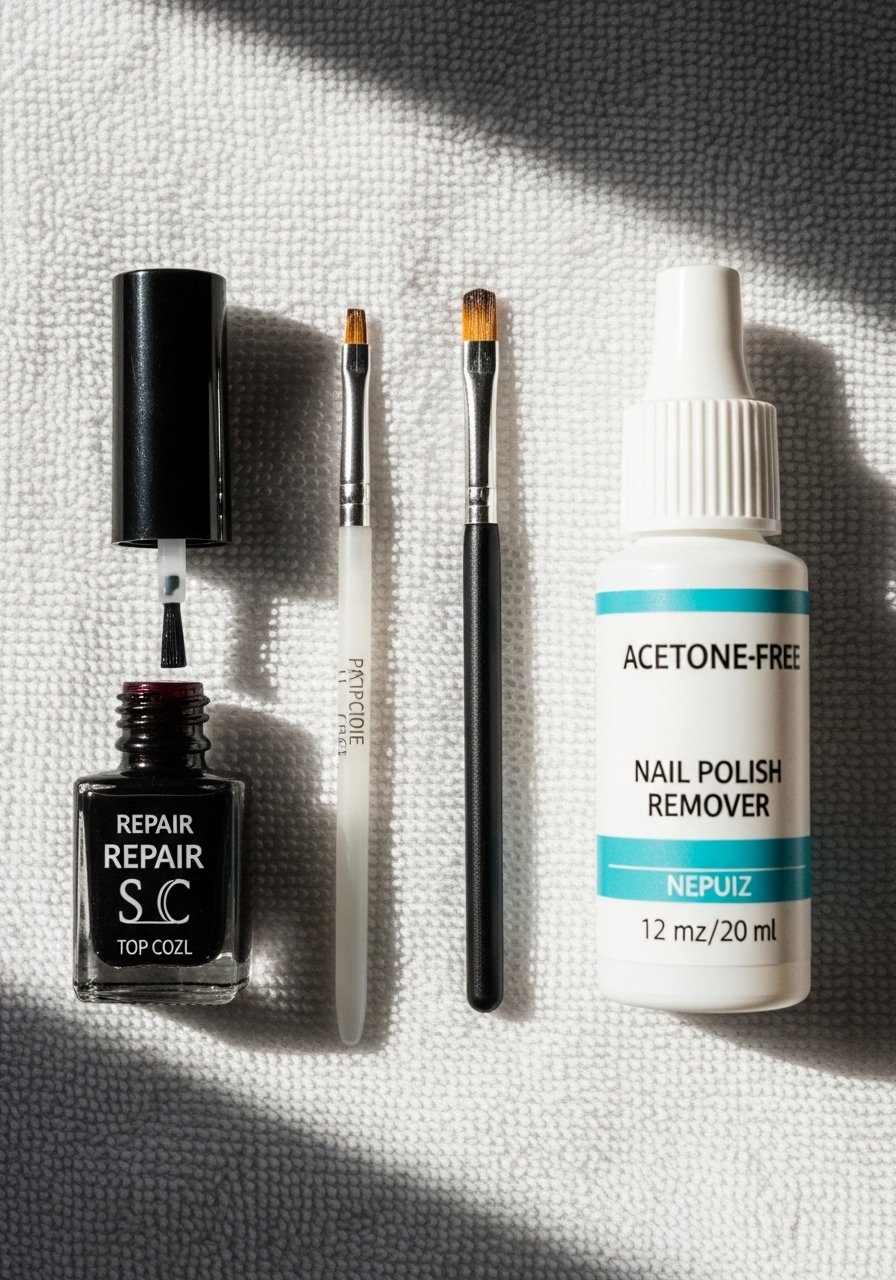
Mistake to Avoid: Letting chips grow and catching them on fabric, which makes them worse quickly.
Nail Tips
Thin Layers Rule: Two thin coats beat one thick coat every time, and they dry faster with less bubbling. Try Essie Nail Polish.
Seal the Edge: Drag your brush under the free edge on base, color, and top coat to stop chipping early. A smooth top coat like Seche Vite Top Coat works well.
Dehydrate for Adhesion: Wipe nails with an isopropyl-alcohol-wipe before base coat to remove oils.
Skip Thick Formulas: If a bottle is goopy, thin it with a few drops of nail polish thinner rather than adding more coats. Keep an angled cleanup brush handy.
Nightly Oil: Massage cuticle oil into the nail and surrounding skin nightly to prevent peeling and to keep the film flexible, try Cuticle Oil.
Protect While Wet: Wear gloves for washing dishes and long cleaning sessions to avoid lifting from repeated water exposure.
Refresh Instead of Strip: On day 7 to 10, a thin top coat refresh keeps the set looking new and avoids full removal sooner.
Wear With Confidence
A two-week set is not magical, it is mostly consistency. Keep your files, top coat, and cuticle oil nearby. If a chip shows up, fix it small and reseal. After a month of testing this gel system and copying the salon tech's edge-seal move, I stopped replacing my polish every two days. Final tip: keep a tiny repair kit in a small pouch for Tuesday night touch-ups so you do not have to redo the whole hand.