
I kept scrubbing the same spot near my temples because that felt like "clean." Each wash day ended with frizz, not shine. It took swapping the scrub-for-softness habit and one tiny change in timing to stop my ends from looking like straw. After a few experiments across four hair textures I have styled, the fix was simpler than the product aisle made it feel.
These ideas lean practical and low-fuss. Most items are under $35, with a few splurges around $40 to $60. If you are pressed for time, focus on a few nightly habits and one weekly treatment. The vibe is lived-in, not salon-walked-out. Works for straight, wavy, curly, and coily hair when I note texture-specific tweaks.
1. Pre-Shampoo Oil Massage
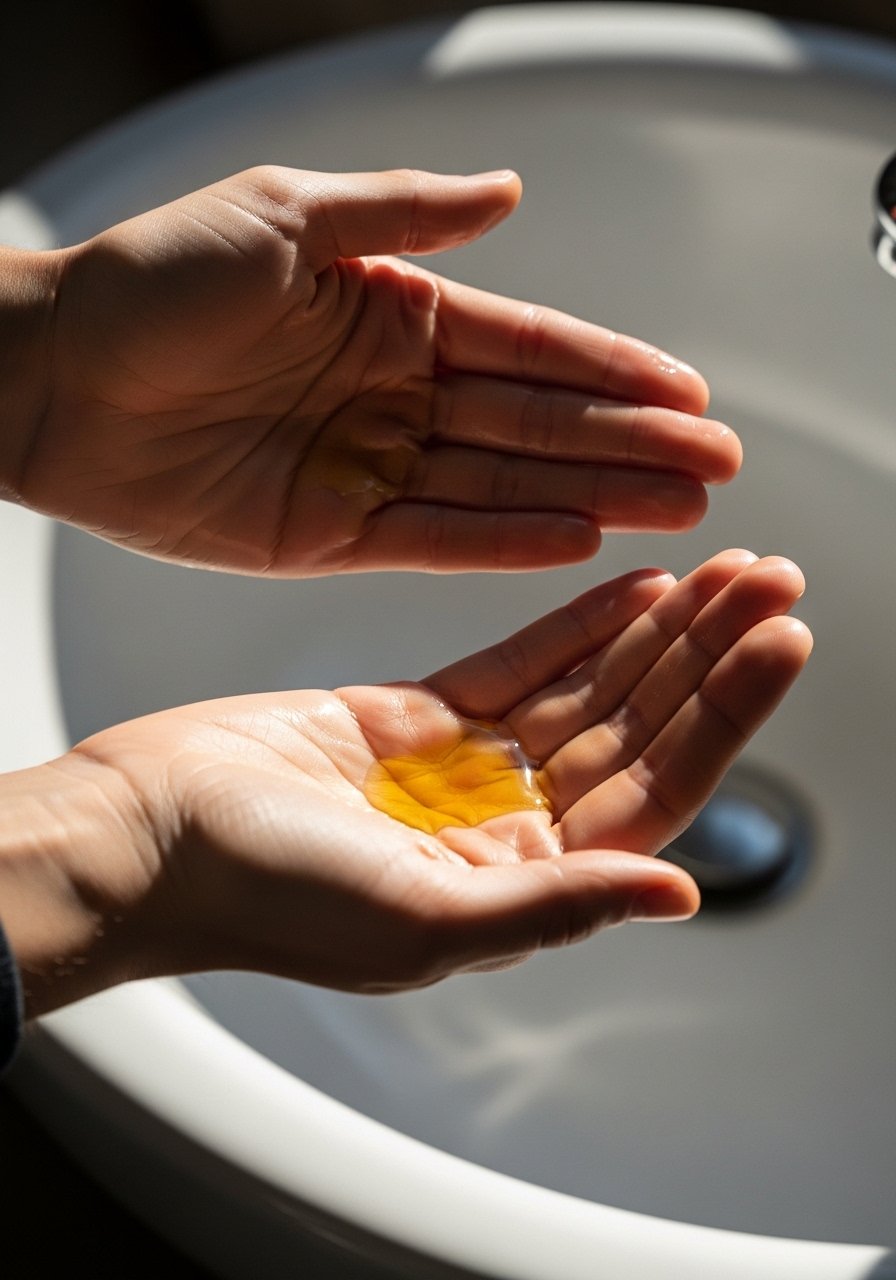
Warm a teaspoon of oil in your palms and gently massage it into the mid-lengths and ends for 10 minutes before shampoo. For fine hair use a lighter oil like grapeseed. For thicker textures try coconut or avocado. The oil softens tangles, protects against stripping during wash, and lets a gentle shampoo do less heavy lifting. I lean on one part oil to three parts conditioner when following with a mask for balance. Pair with a lightweight argan oil for daily use.
Mistake to Avoid: Rubbing oil into the roots and letting it sit all day, which can weigh down fine hair.
2. Co-Wash Once a Week
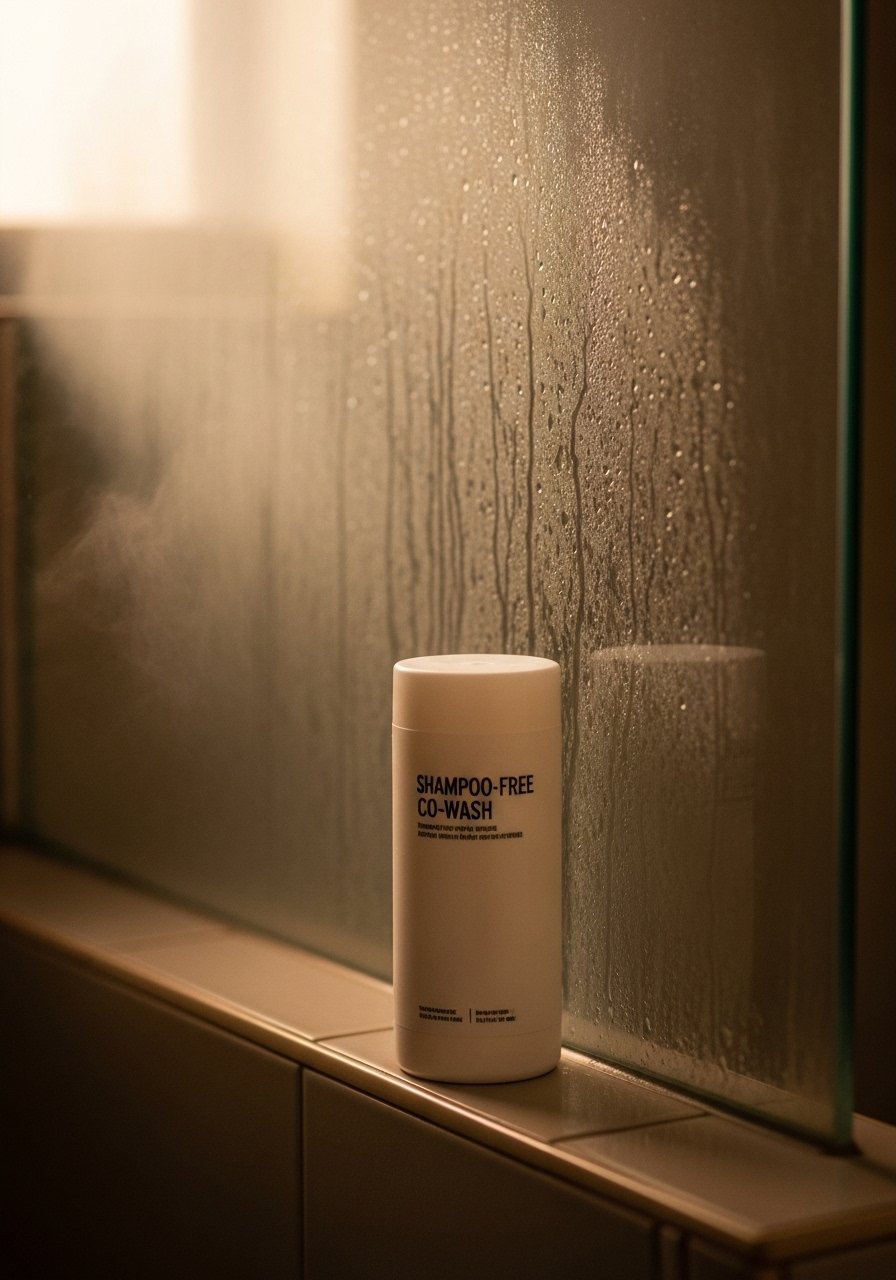
When your scalp is not overly oily, replace one shampoo with a conditioner-wash. Apply to scalp and work through with fingertips for two minutes, then rinse. Co-washing keeps moisture in the shaft and reduces friction from repeated washes. It works well for wavy and curly textures that need hydration without stripping. Try a creamy cleansing conditioner and follow with a light leave-in. Overdoing co-wash without occasional clarifying will cause buildup.
Mistake to Avoid: Skipping the scalp massage step and only rinsing the lengths, leaving oils at the roots.
3. Swap to Sulfate-Free Shampoo
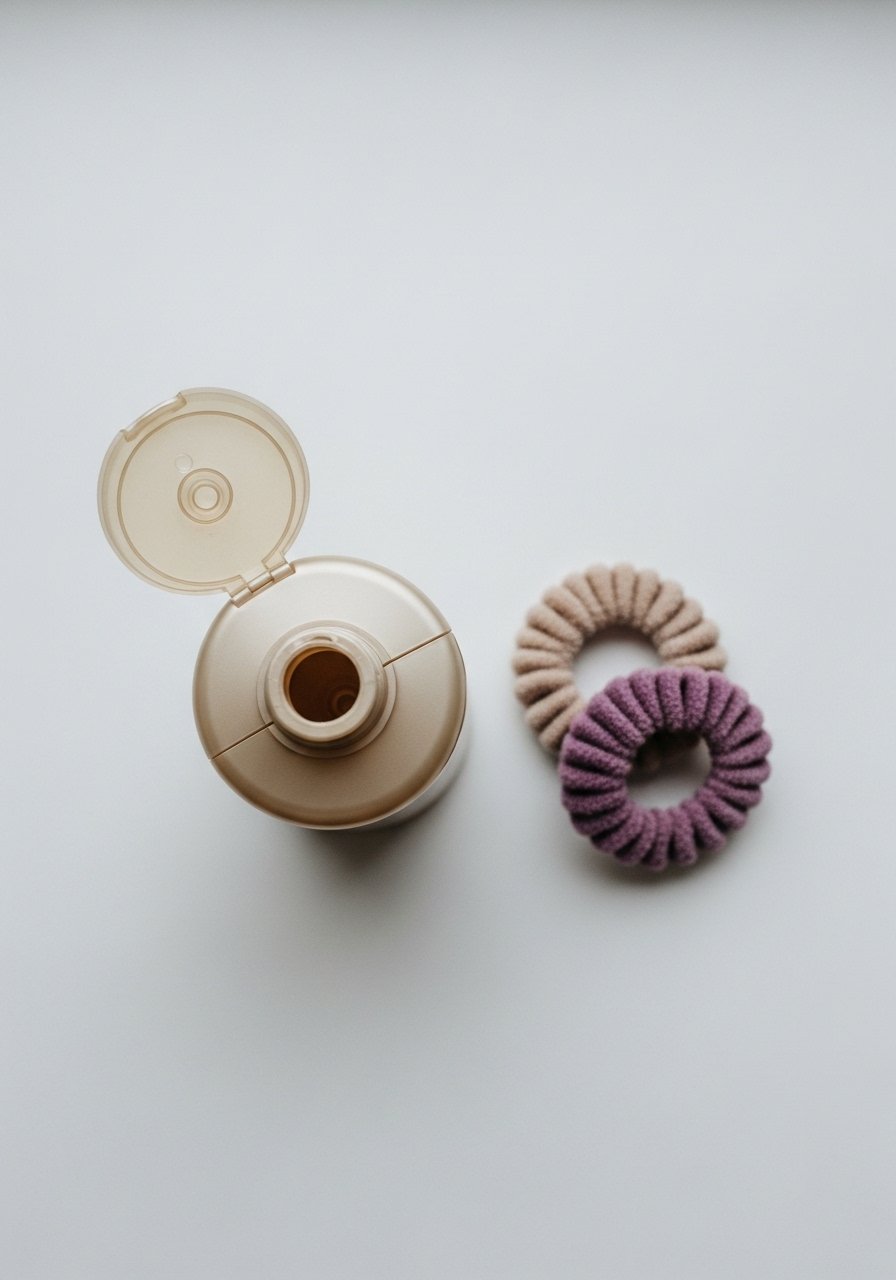
Sulfate-free formulas clean without pulling all natural oils. Use on wash days where you want moisture to stay in. For high-porosity hair pick a creamier, richer sulfate-free option. For low-porosity hair choose a thinner formula so it spreads easier. I alternate these with a mild clarifying wash every 4 to 6 washes. Start with sulfate-free shampoo to see how your scalp responds.
Mistake to Avoid: Expecting sulfate-free to foam like traditional shampoos and overusing product because of the difference in lather.
4. Weekly Cream Deep Conditioner
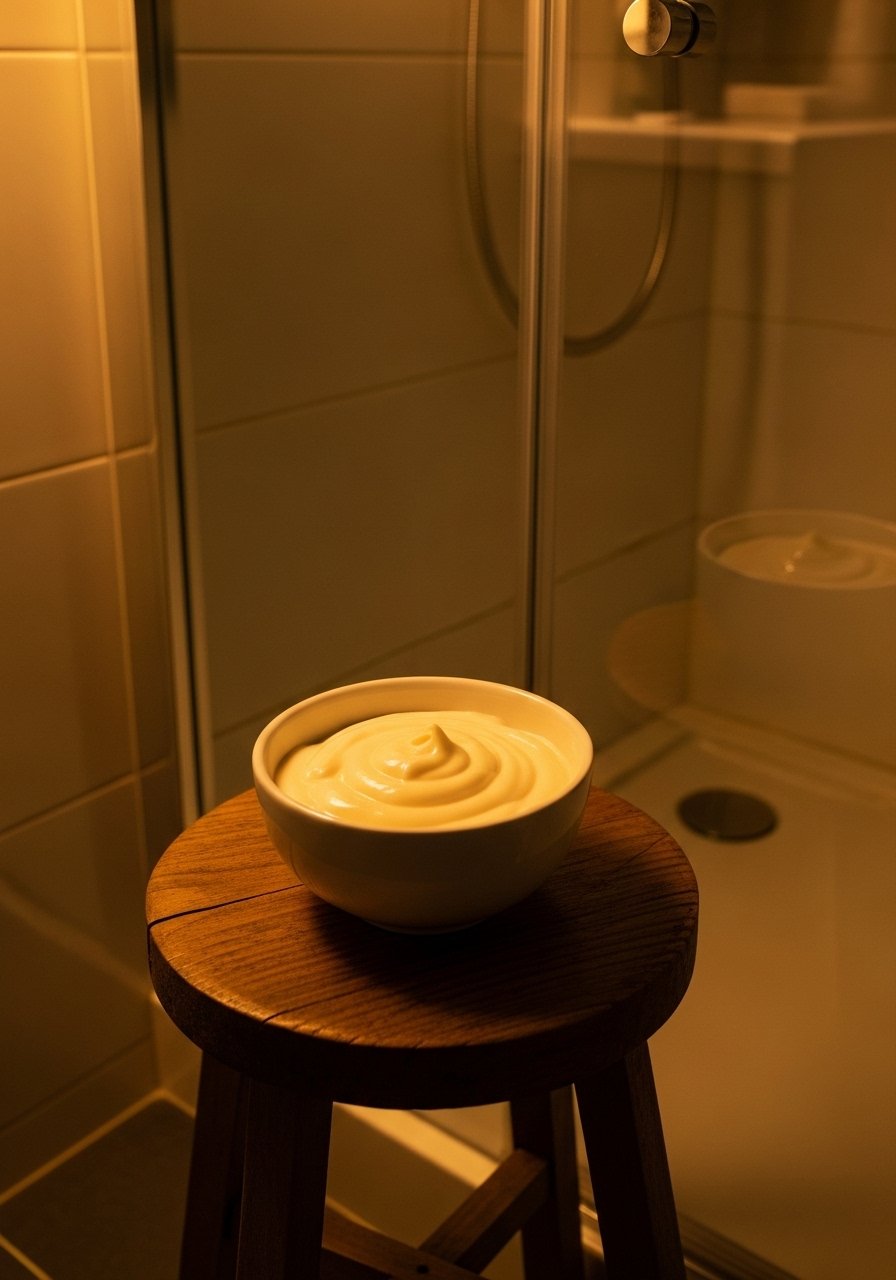
Set one night a week for a cream rinse that sits 15 to 20 minutes under a shower cap. For dry hair add a teaspoon of oil to two tablespoons of conditioner. For fine hair reduce oil to a quarter teaspoon. The result is softer mid-lengths and fewer flyaways for three to five days. I have a $24 jar I return to again and again. Apply generously, comb through with a wide-tooth comb, and rinse with cool water to seal the cuticle.
Mistake to Avoid: Leaving heavy cream at the roots, which can make hair look greasy by morning.
5. Heat-Activated Hot Oil Treatment
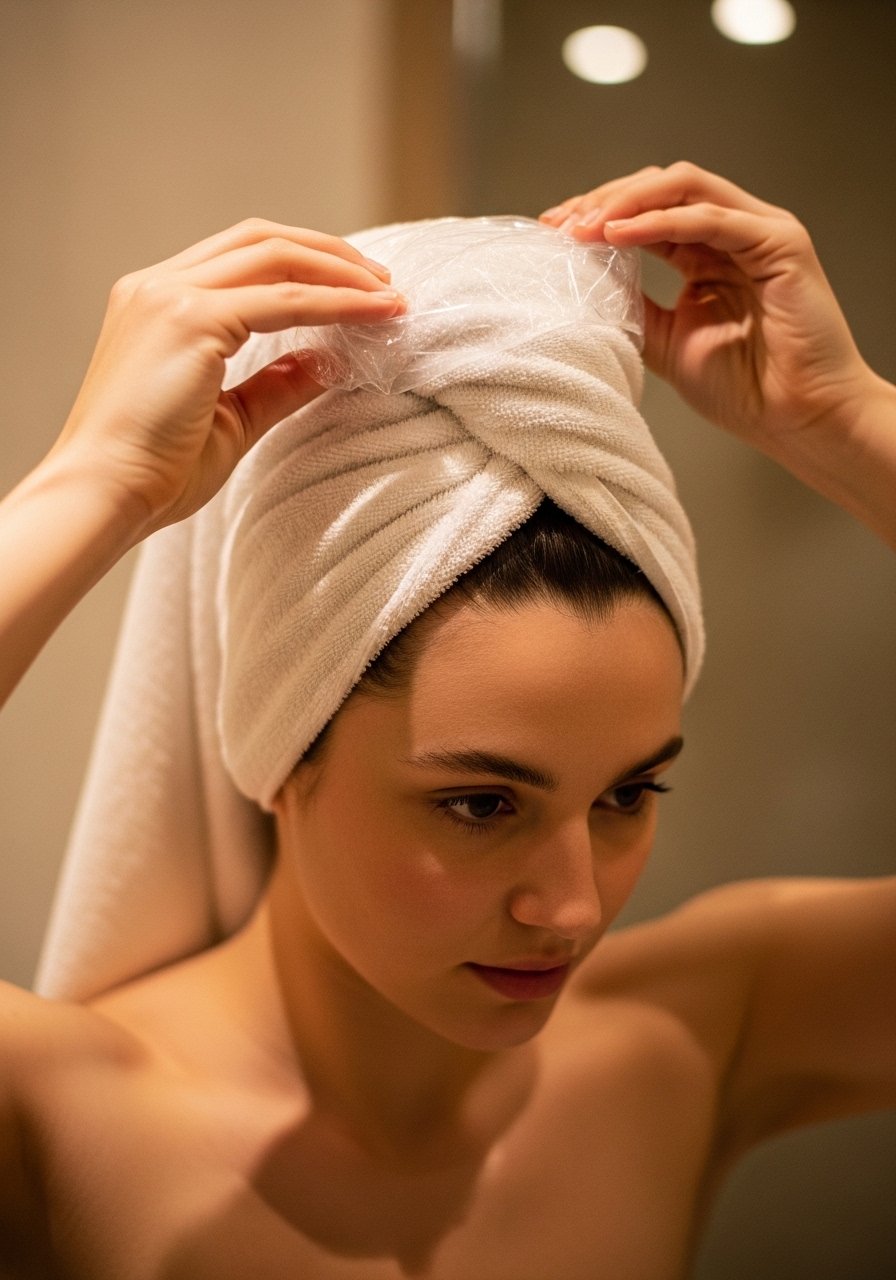
Use a heat cap or warmed towel over a nourishing oil blend for 20 minutes. Heat opens the cuticle enough for oil to penetrate, particularly on medium to high porosity hair. Keep it to 20 minutes to avoid over-softening the shaft. I do this every other week during dry months and notice smoother styling the next day. Try a deep heat cap if you want a hands-off option.
Mistake to Avoid: Leaving the cap on too long and skipping the clarifying shampoo afterward, which can make hair limp.
6. Daily Leave-In Mist
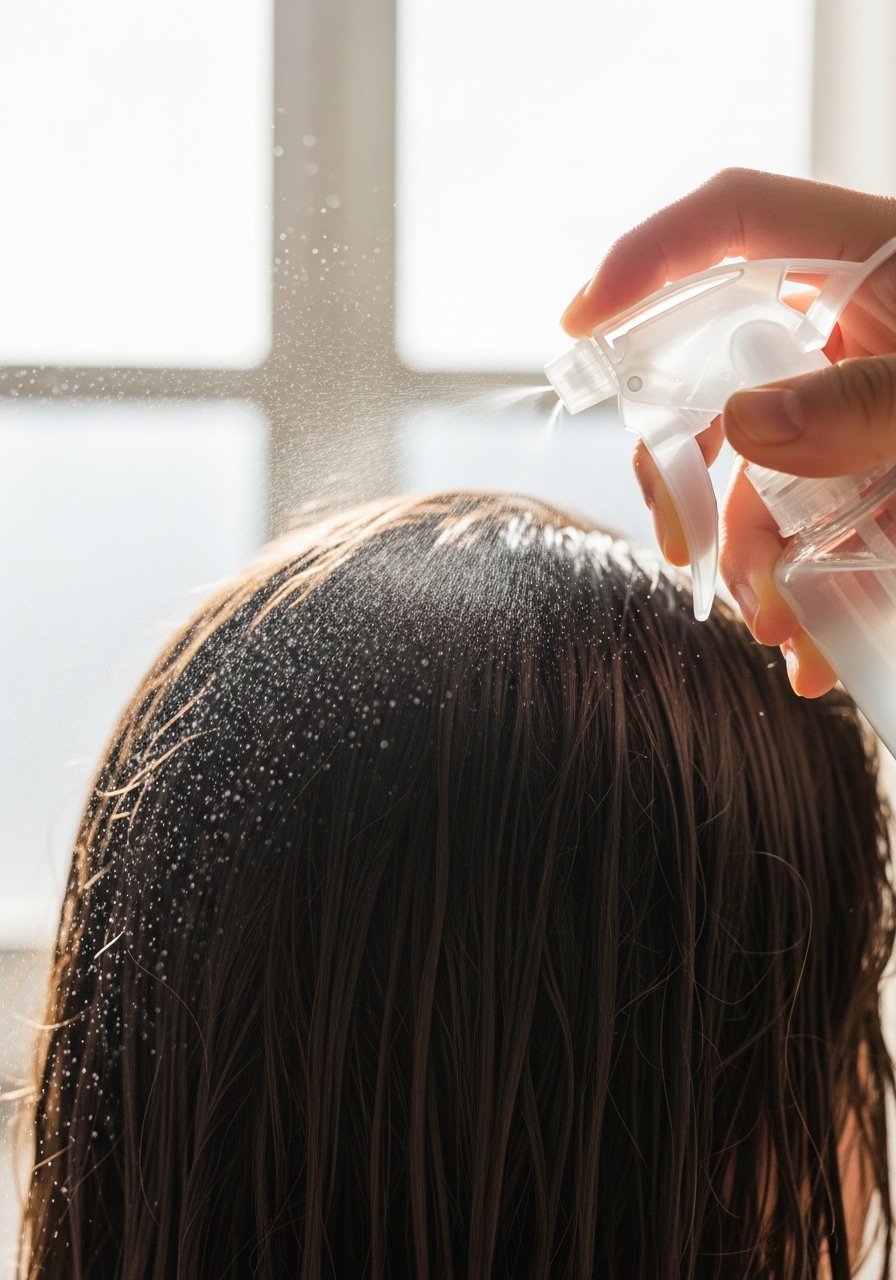
A lightweight leave-in keeps strands hydrated between washes and detangles in one step. Apply to damp hair focusing on mid-lengths and ends, not at the scalp. For fine hair use a mist formula, for coarse hair a creamier lotion. I keep a travel-size leave-in conditioner spray in my gym bag so I can refresh on the go. It reduces frizz and primes hair for styling.
Mistake to Avoid: Spraying too close to roots and creating a weighed-down band at the hairline.
7. Microfiber Plop for Curls
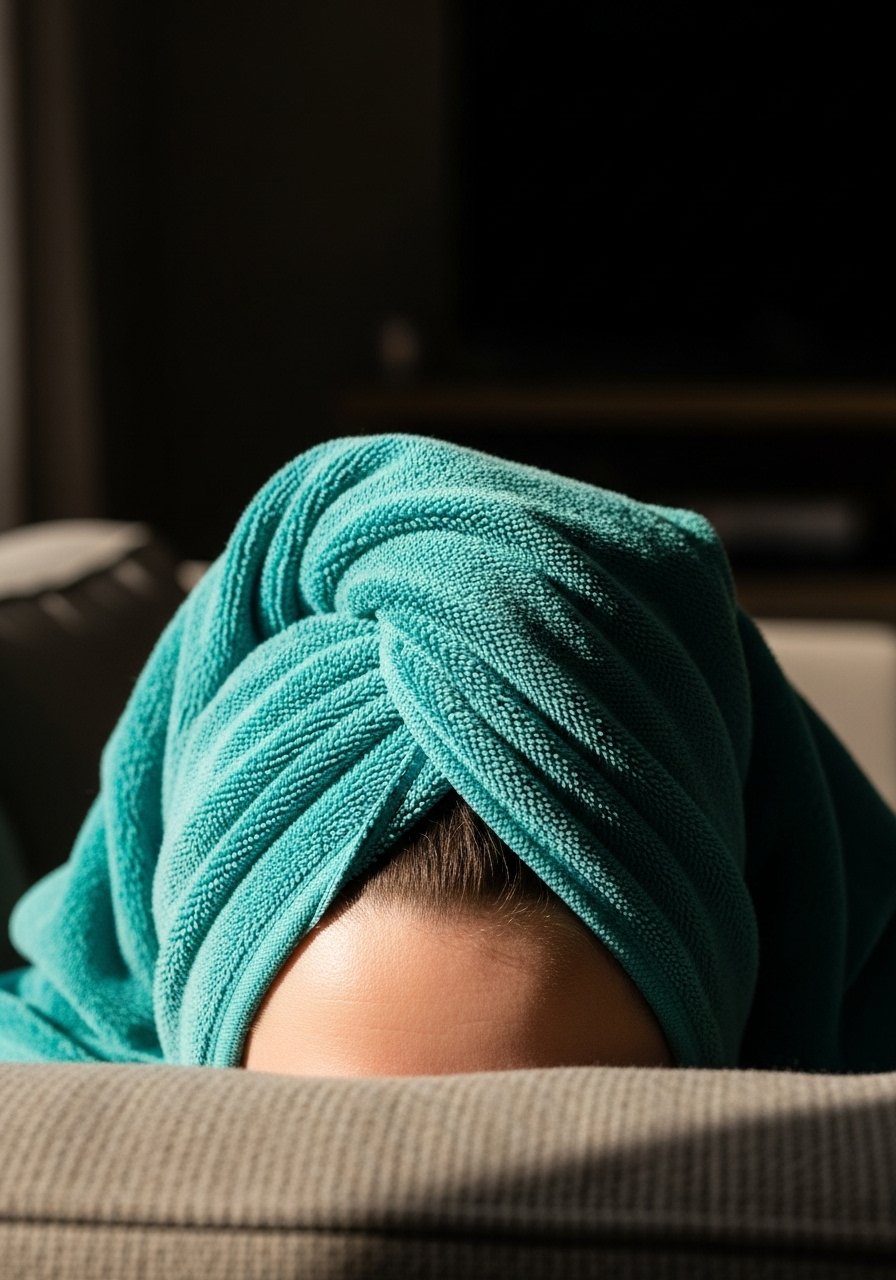
Swap a cotton towel for microfiber when drying curls. Plop hair into the towel for 10 to 15 minutes to absorb water without roughing the cuticle. Use a microfiber turban or T-shirt to reduce frizz and keep curl definition. This step cuts drying time and lowers heat need. I use a pack of microfiber hair towels and it saves at least fifteen minutes on styling.
Mistake to Avoid: Vigorously rubbing hair with a towel, which breaks the curl pattern and causes frizz.
8. Final Cool Rinse
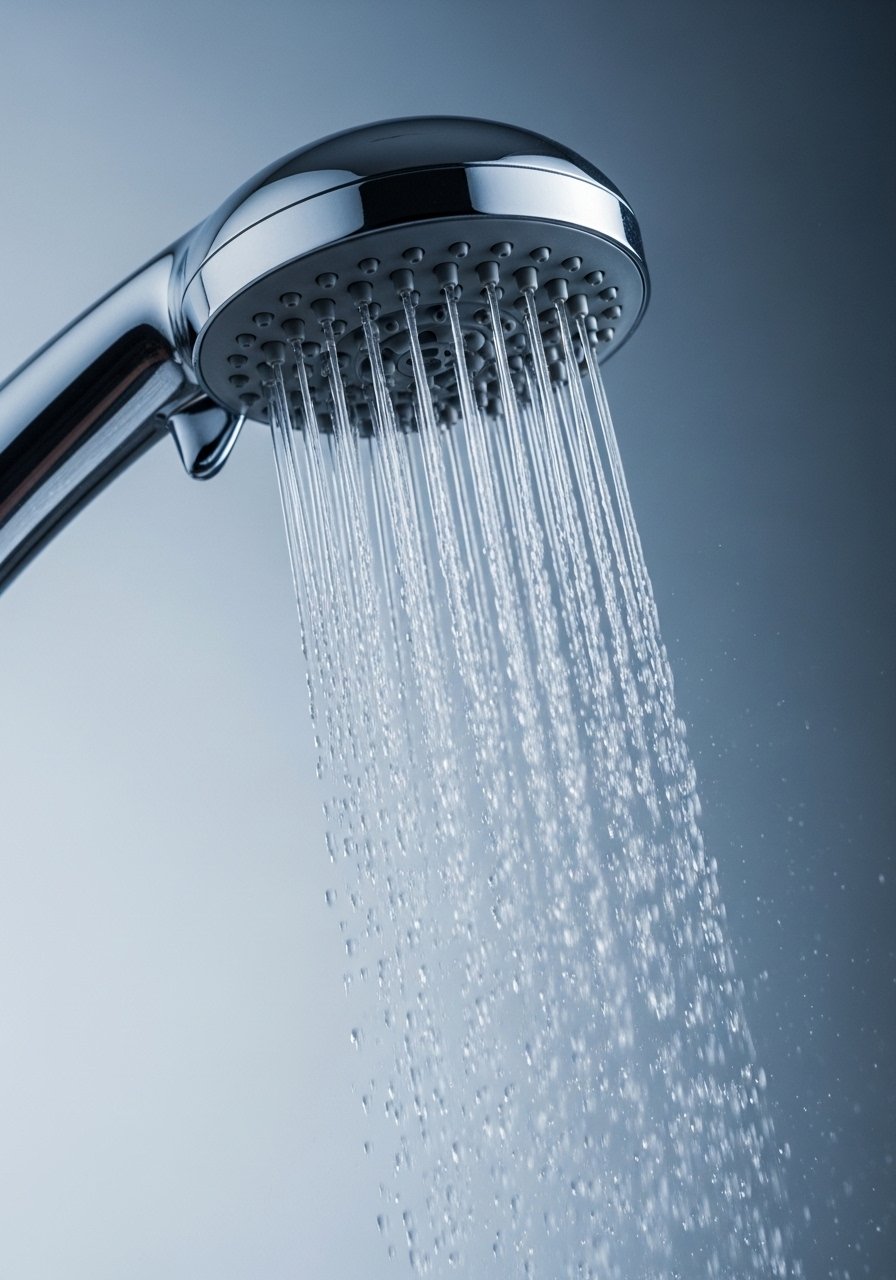
Finish your wash with a short cool rinse to help close the cuticle and lock in moisture. Ten to twenty seconds at the end is enough. This simple step makes hair reflect light differently, giving a silkier finish especially on treated hair. It is a small time investment for a noticeable difference when air-drying. No product needed, just change the water temperature for the last pass.
Mistake to Avoid: Skipping the cool rinse because it feels brief and useless; it actually reduces frizz.
9. Overnight Mask with Ratios
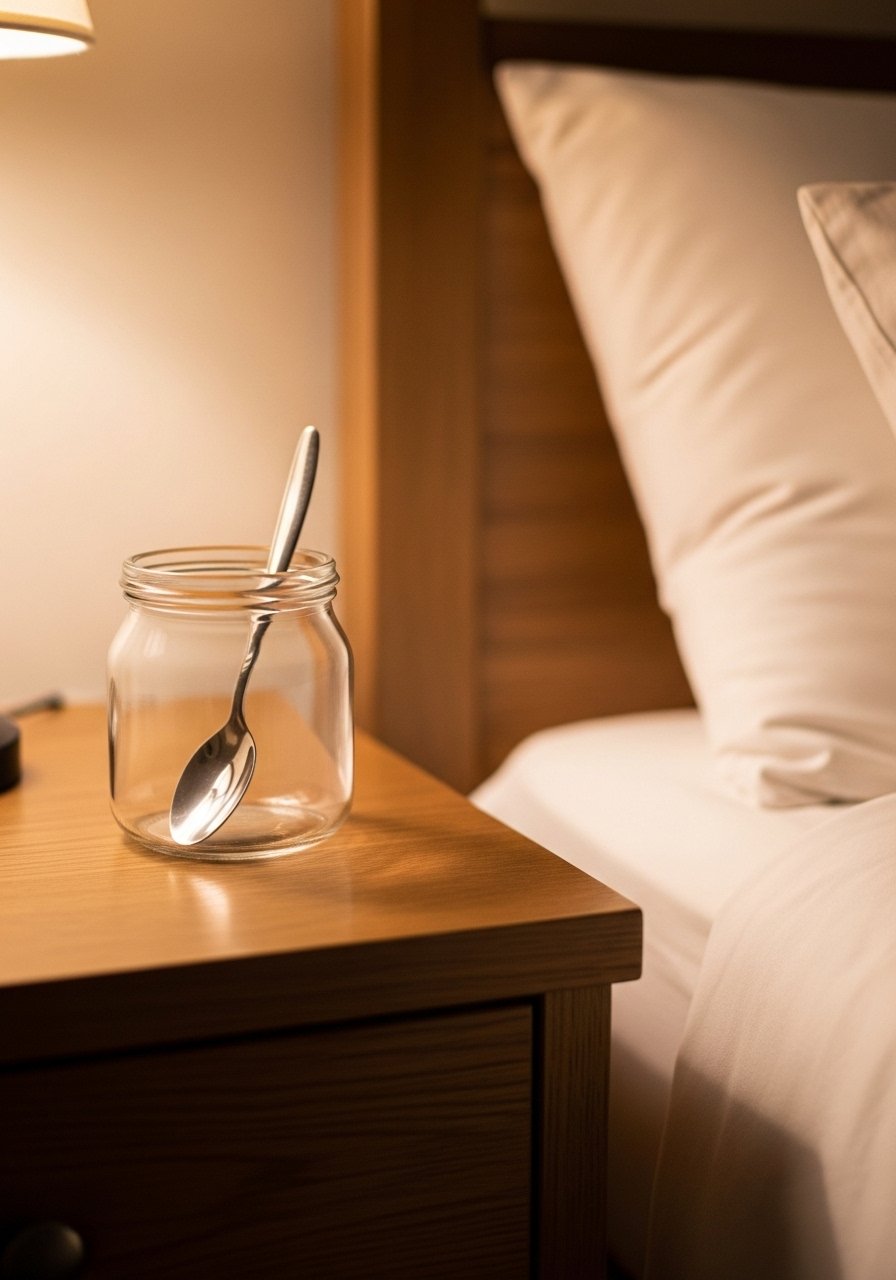
For deeper hydration mix two tablespoons of conditioner with one teaspoon of coconut or jojoba oil. Apply to mid-lengths and ends, braid loosely, and sleep on a satin pillowcase. The mix is light enough not to stain pillowcases but rich enough to restore moisture overnight. Rinse in the morning with lukewarm water. I tried full-oil overnight treatments and found the conditioner-oil ratio gives the same softness without grease.
Mistake to Avoid: Applying full-strength oil to unwashed hair overnight, which can attract dirt and make rinsing harder.
10. Scalp Hydration Serum
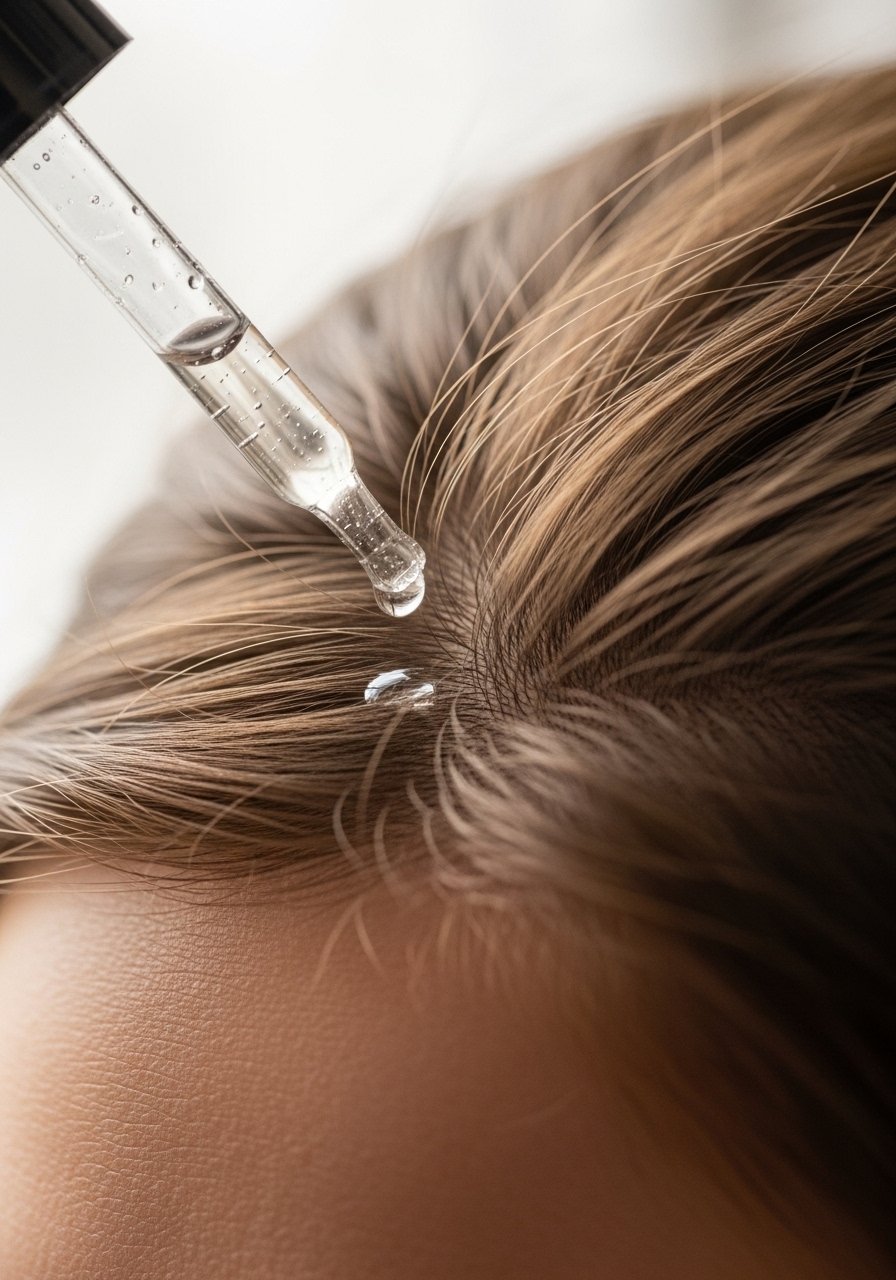
Hydrated hair starts at the scalp. Use a lightweight, non-greasy serum one to two times a week if your scalp feels tight. Apply in a few drops along the part and massage gently to encourage circulation. For oily scalps use a water-based tonic instead. Scalp care improves overall strand health and can reduce dry flyaways. Try a small bottle of a scalp moisturizing serum and see how your skin responds.
Mistake to Avoid: Overapplying and assuming more product equals better results, which can clog follicles.
11. Use the LOC or LCO Method
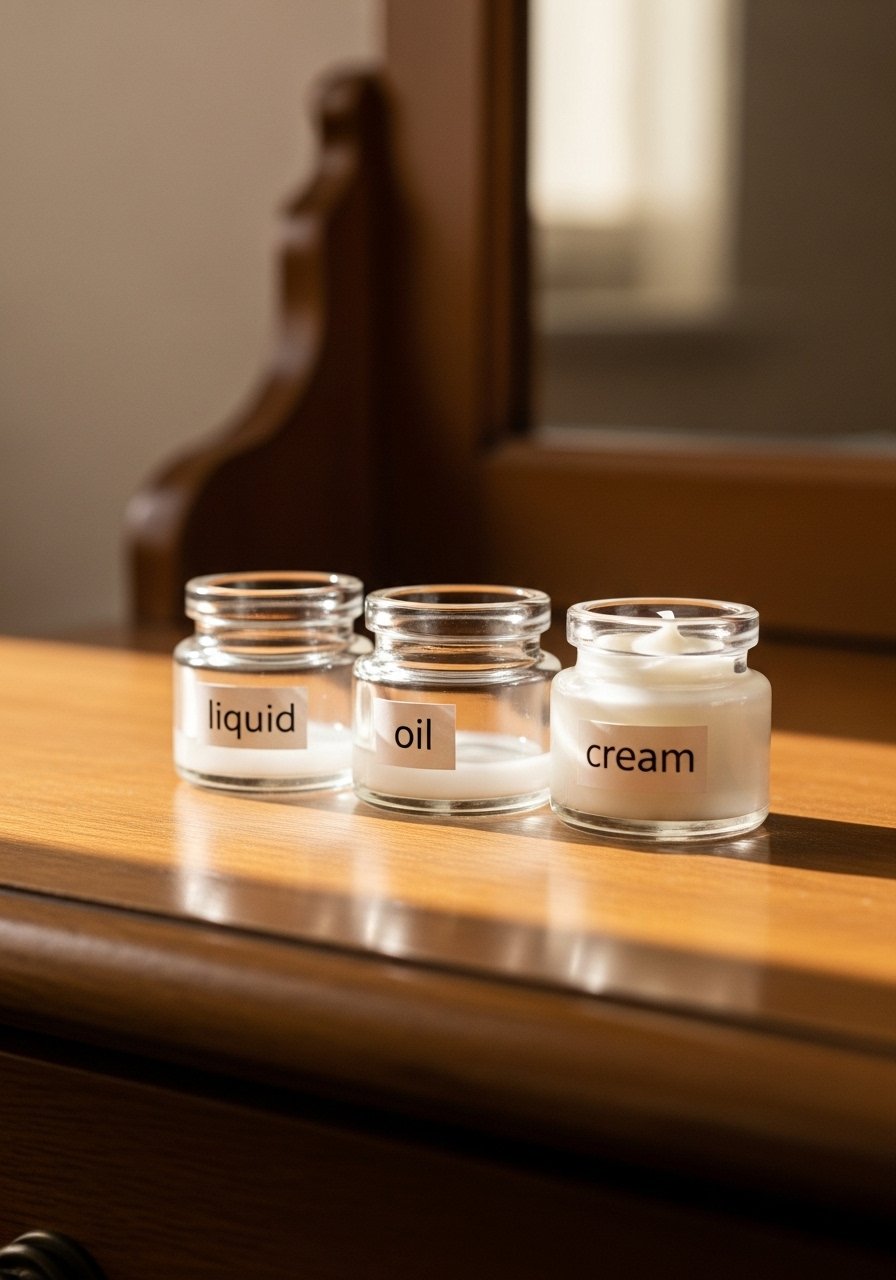
Liquid, oil, cream or liquid, cream, oil. Pick one sequence and be consistent. For humid climates I prefer LCO: apply a water-based leave-in, a light oil, then a sealing cream. For dry climates LCO sometimes flips better to LCO. The order controls how moisture is sealed for your porosity. I test the combo for each client based on texture and porosity. Try a lightweight sealing cream to finish.
Mistake to Avoid: Layering heavy creams over a heavy oil and creating a greasy, limp result.
12. Balance Protein and Moisture
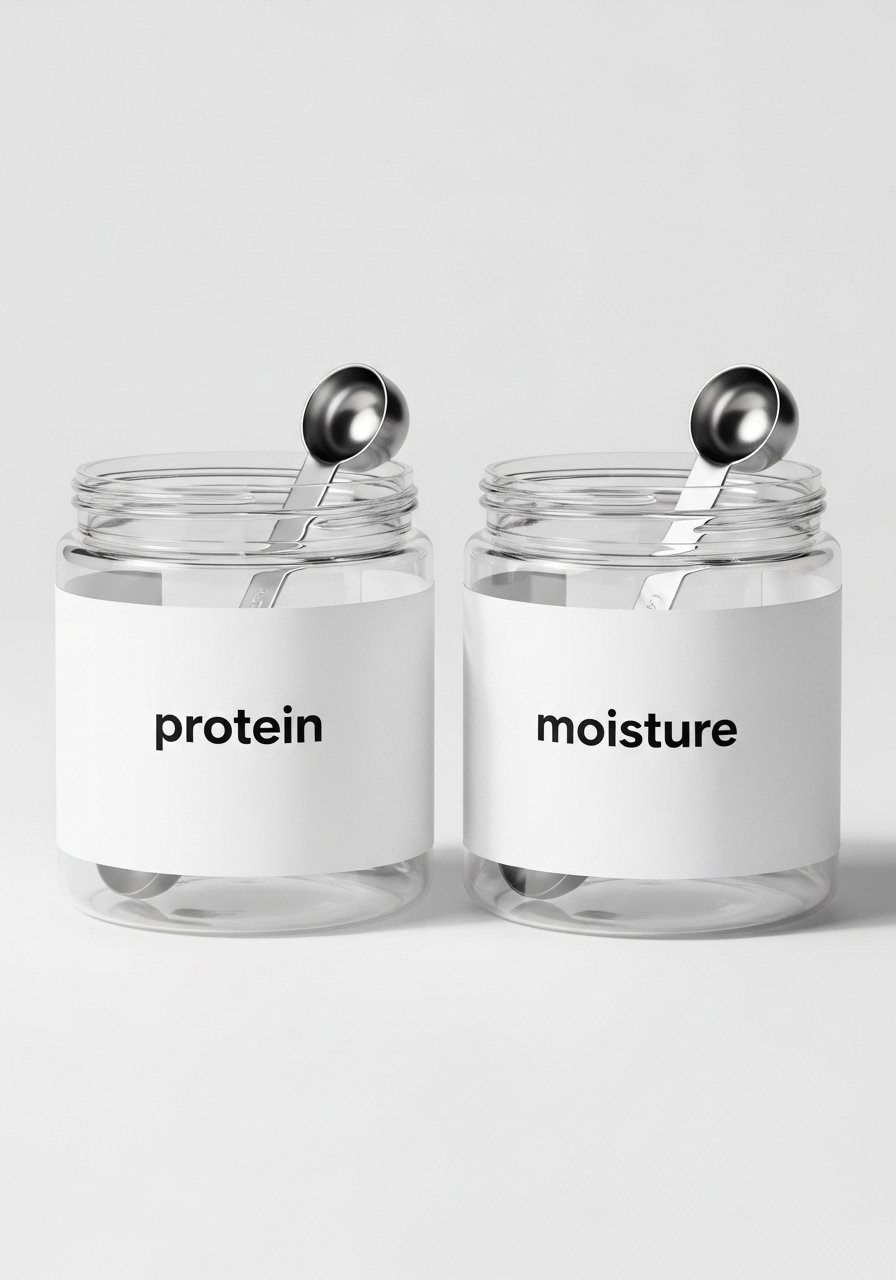
Too much moisture without protein makes strands mushy and limp. Add a protein treatment every 4 to 8 weeks if your hair feels stretchy when wet. Use a targeted protein mask for damaged ends and a hydrating mask otherwise. Rotate treatments and note how hair responds. I measure outcomes by elasticity tests and cut down on protein when hair snaps rather than stretches.
Mistake to Avoid: Assuming protein fixes every problem and using it weekly, which can lead to brittle-feeling hair.
13. Humidity-Resistant Styling Balm
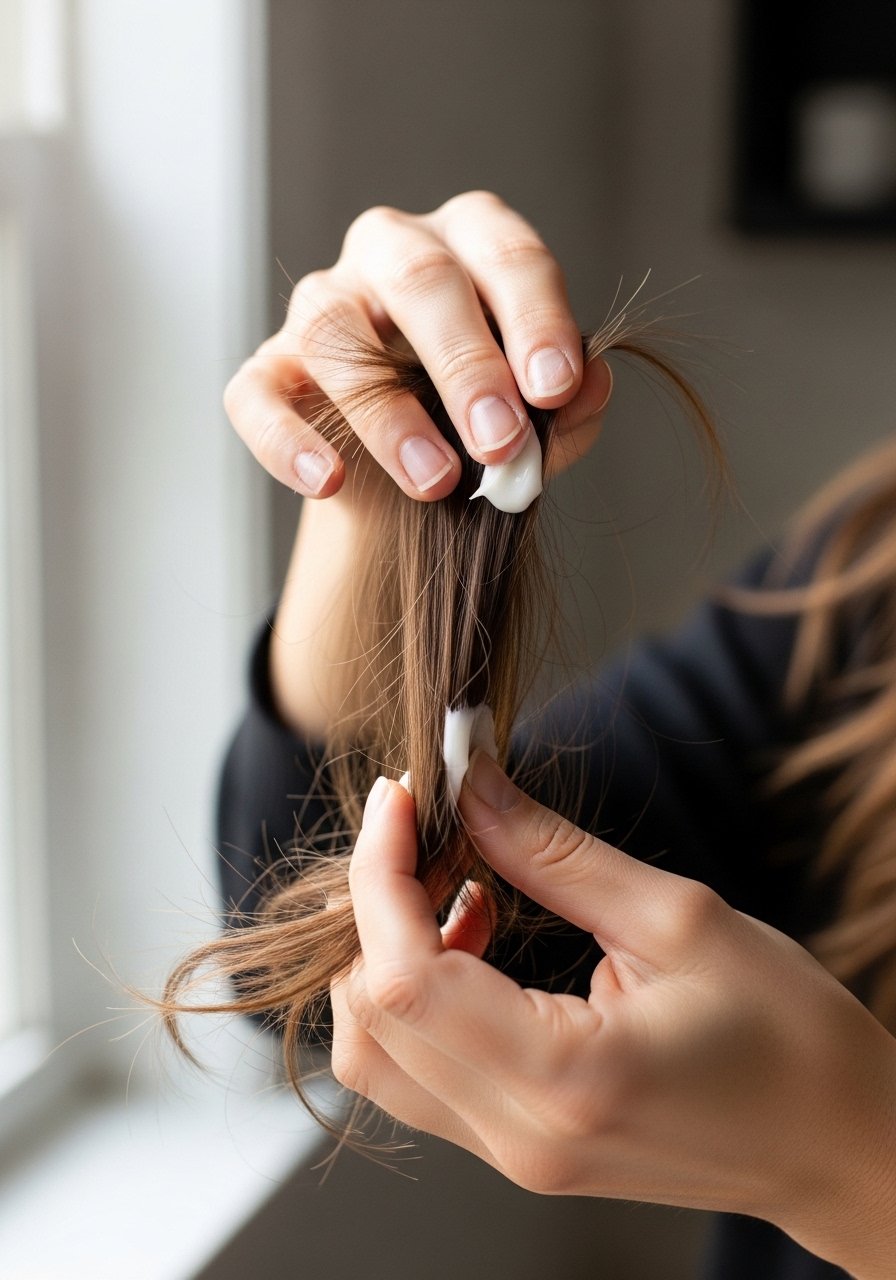
A light styling balm will smooth cuticles and create a barrier against humidity without the crunch. Use a pea-sized amount on damp hair and distribute with fingers or a wide-tooth comb. Works on medium to coarse hair that frizzes in the afternoons. Keep it minimal for fine hair. I use one with low hold and silicone alternatives for a soft finish. Try a humidity control styling balm.
Mistake to Avoid: Using a nickel-sized blob and ending up with flat, heavy hair.
14. Heat Protectant That Adds Moisture
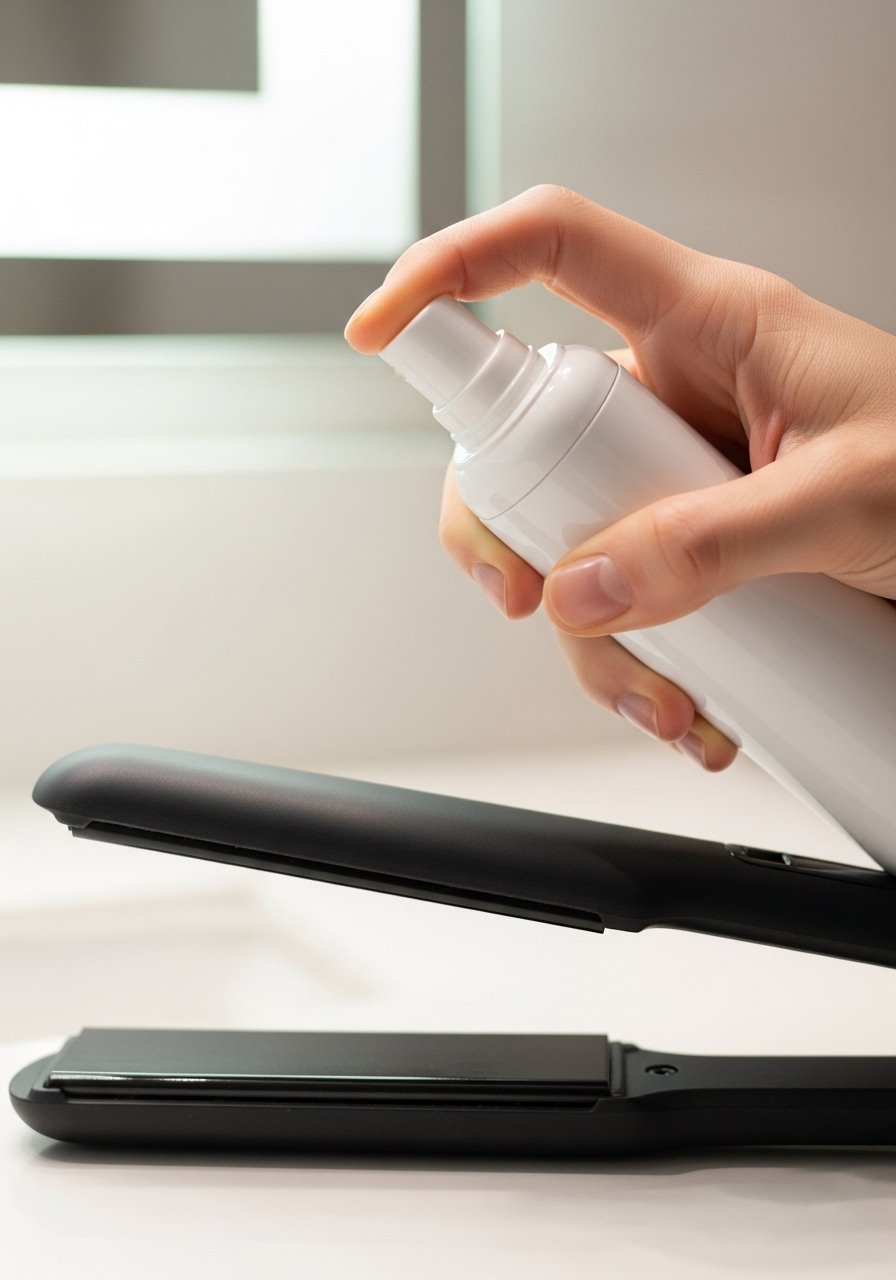
Choose a heat protectant that includes humectants or light oils so it protects and hydrates. Apply evenly to damp hair before drying. For porous hair, use a creamier heat protectant to prevent excessive evaporation during styling. I swap between spray and cream depending on length and texture. A hydrating heat protectant spray stops breakage and keeps strands glossy.
Mistake to Avoid: Applying heat protectant only to the top layer and not to inner strands, leaving hidden hair unprotected.
15. Wide-Tooth Comb Detangling
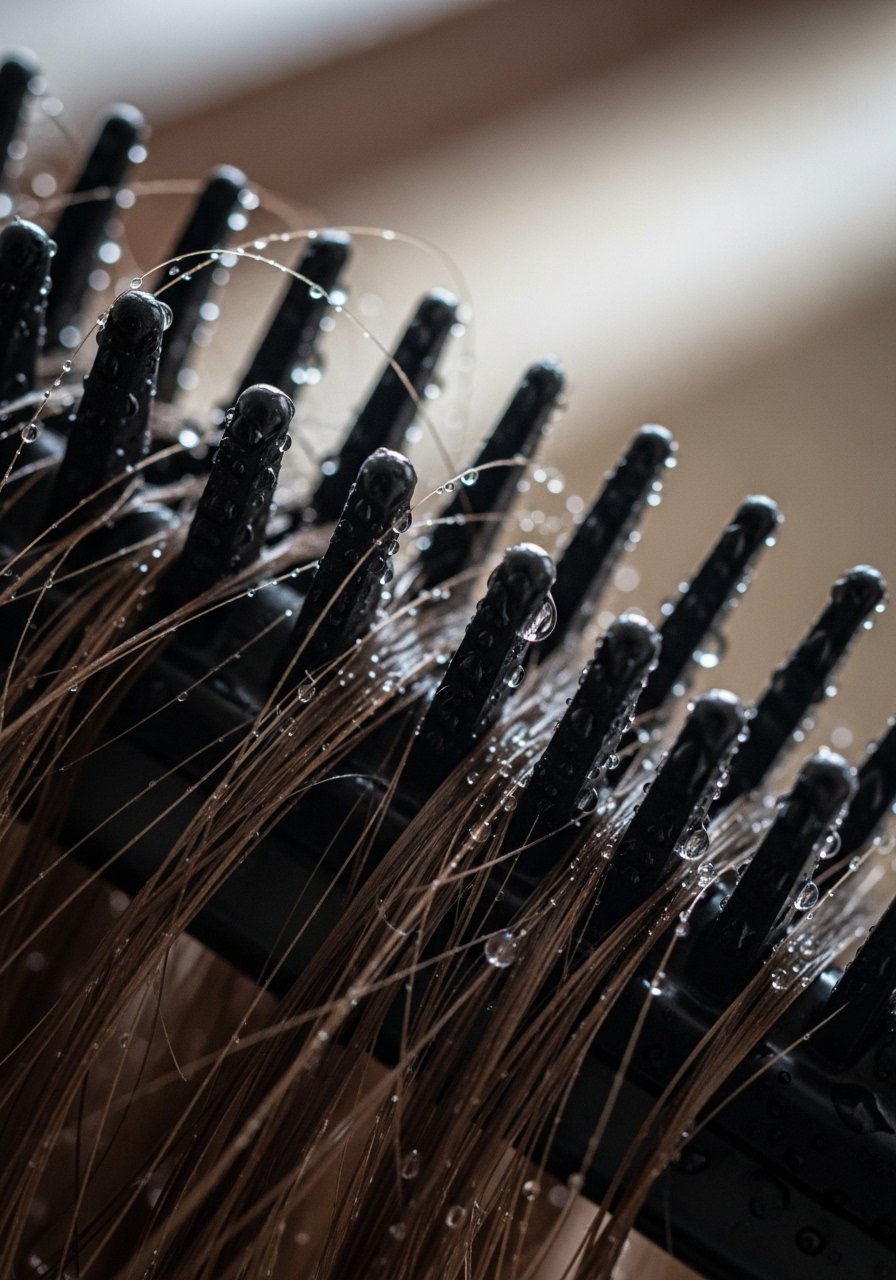
Detangle in the shower with conditioner using a wide-tooth comb from ends to roots. This reduces breakage and keeps the cuticle intact. For curly textures detangle in sections to preserve shape. Avoid brushing wet hair with dense bristles. I keep a wide-tooth comb in every shower caddy and it has saved more than one styling day.
Mistake to Avoid: Starting at the roots and pulling knots down the shaft, which causes split ends.
16. Satin Pillowcase or Bonnet

Sleep on satin or silk to reduce friction that causes breakage and frizz. For very curly hair a bonnet keeps styles intact. A pillowcase is a one-step swap that changes how hair looks in the morning. I suggest satin for people who toss a lot and bonnets for those with defined styles. Try a silk pillowcase for a simple overnight upgrade.
Mistake to Avoid: Tucking long hair under the pillowcase in a tight knot, which bends the shaft and creates kinks.
17. Strategic Trims for Health

Trim split ends every 8 to 12 weeks for most textures. That prevents splits from traveling and keeps moisture distribution even. A small dusting lengthwise often does more for silkiness than a dramatic chop. If you are growing hair, opt for a dusting every ten weeks. I found minor trims beat deep cuts for maintaining length and shine.
Mistake to Avoid: Waiting until ends are visibly frayed and then removing an inch or more instead of trimming sooner.
18. Shower Water Filter
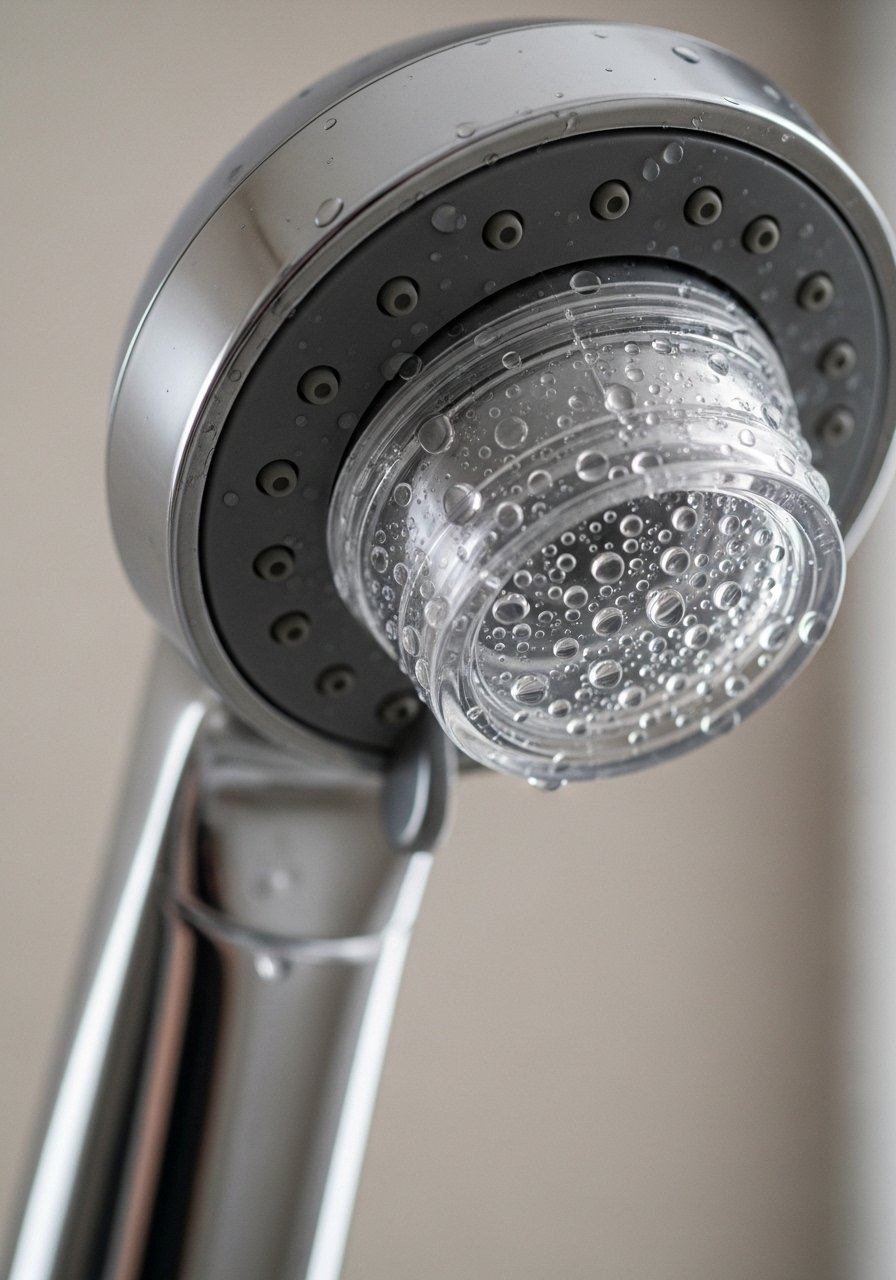
Hard water deposits minerals that dry out hair and dull color. Installing a simple shower filter can reduce buildup and help conditioners penetrate better. It is a small household fix with measurable results for moisture, especially on treated hair. I noticed softer texture after a week of filtered showers. Consider a shower-filter attachment if your tap water leaves residue.
Mistake to Avoid: Blaming products alone when water quality is undermining moisture.
19. DIY Avocado and Olive Mask
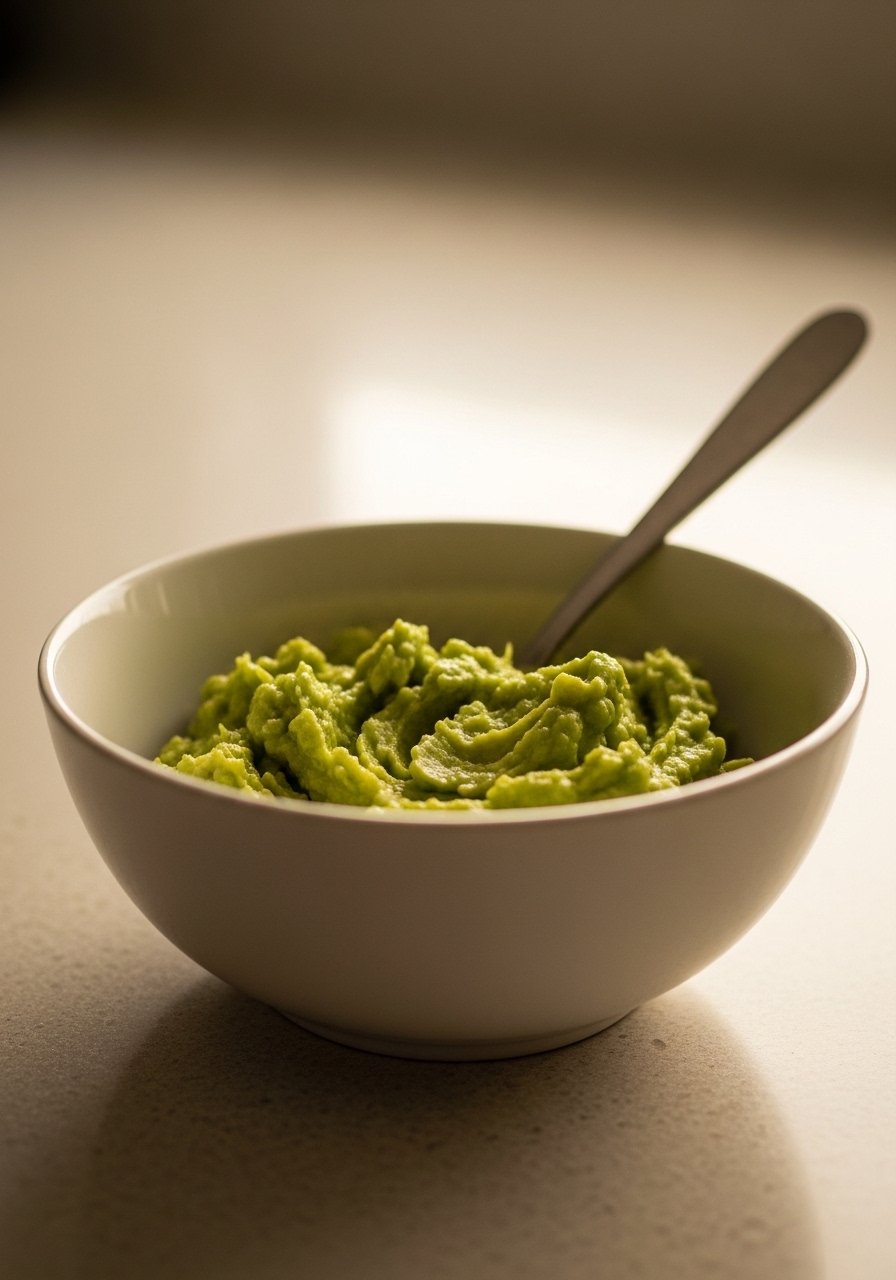
Mash half an avocado with one tablespoon of olive oil and one tablespoon of plain conditioner. Apply to damp hair for 20 minutes, then rinse. The avocado adds lipids, olive oil seals them in, and conditioner provides slip. This is a low-cost weekly treat for dry ends. For finer hair reduce olive oil to one teaspoon. Try it once and compare your next-day softness.
Mistake to Avoid: Overusing rich DIY masks weekly without monitoring how your hair responds to oils.
20. Low-Heat Diffuse Technique
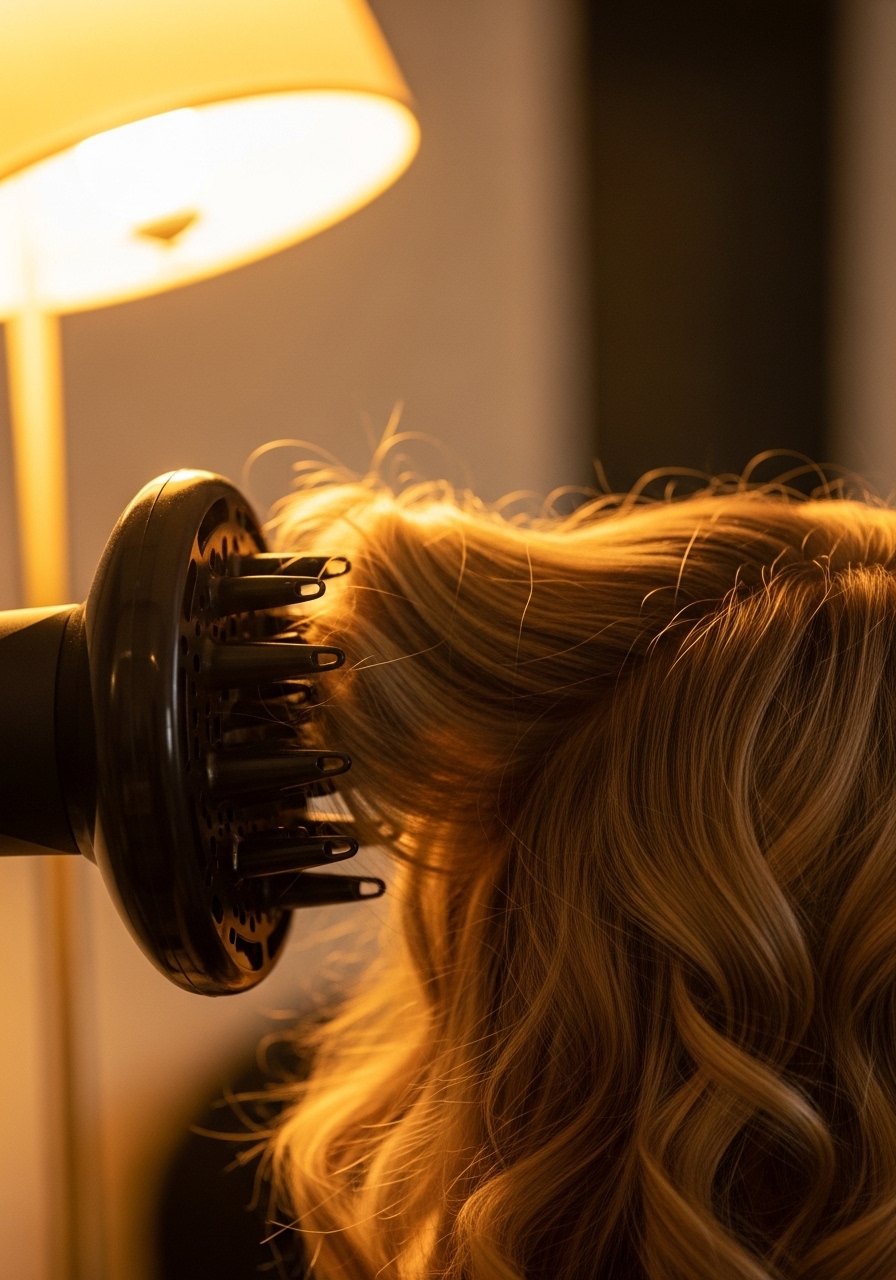
Diffuse on low heat and low speed, cupping curls gently at the roots to build volume while leaving ends soft. Keep the dryer at least two inches away. High heat dries out the cuticle and makes hair frizz. For straight hair, use a low-heat setting with a round brush to minimize damage. A lightweight diffuser can make air-dry days faster with less drying time.
Mistake to Avoid: Cranking the heat up to speed styling, which sacrifices moisture for speed.
21. Avoid Alcohol-Heavy Products

Watch for short-chain alcohols high on ingredient lists. They dry the hair quickly and strip out moisture. Opt for alcohol-free or fatty-alcohol formulas like cetyl or stearyl alcohol, which are actually conditioning. This is an easy win for anyone noticing midday dryness. I swapped a drugstore gel for an alcohol-free formula and regained softness without losing hold.
Mistake to Avoid: Assuming all alcohols are bad and avoiding conditioners that contain beneficial fatty alcohols.
22. Finger-Coiling for Defined Curls
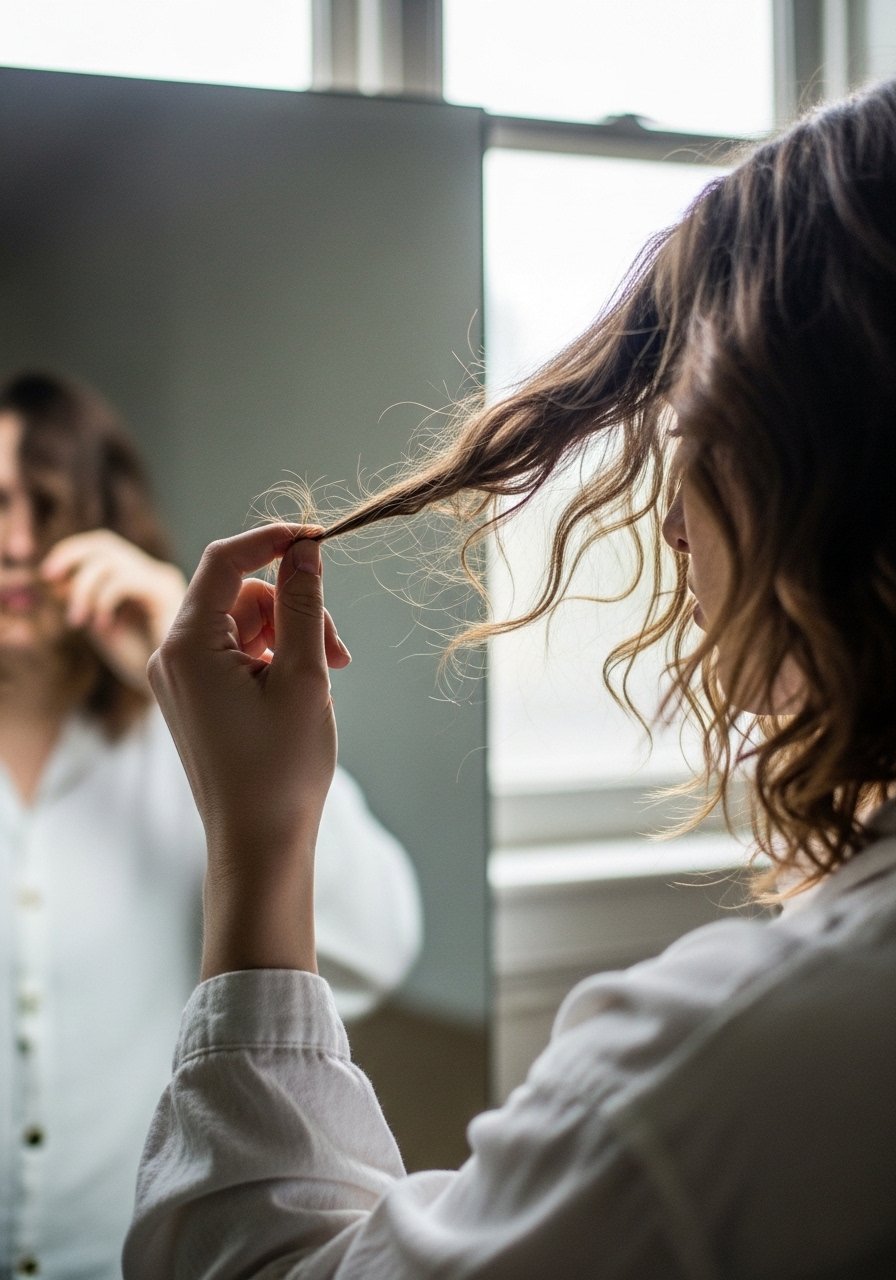
For curl definition without heavy product, finger-coil small sections with a pea-sized amount of cream. This controls frizz and keeps curls hydrated because product is distributed evenly. It takes time but pays off for second-day styling and clump retention. Try a lightweight curl cream and a small styling paste for hold without stiffness.
Mistake to Avoid: Using too much product per section and ending up with separated, crunchy clumps.
23. Refresh Spray for Second-Day Hair
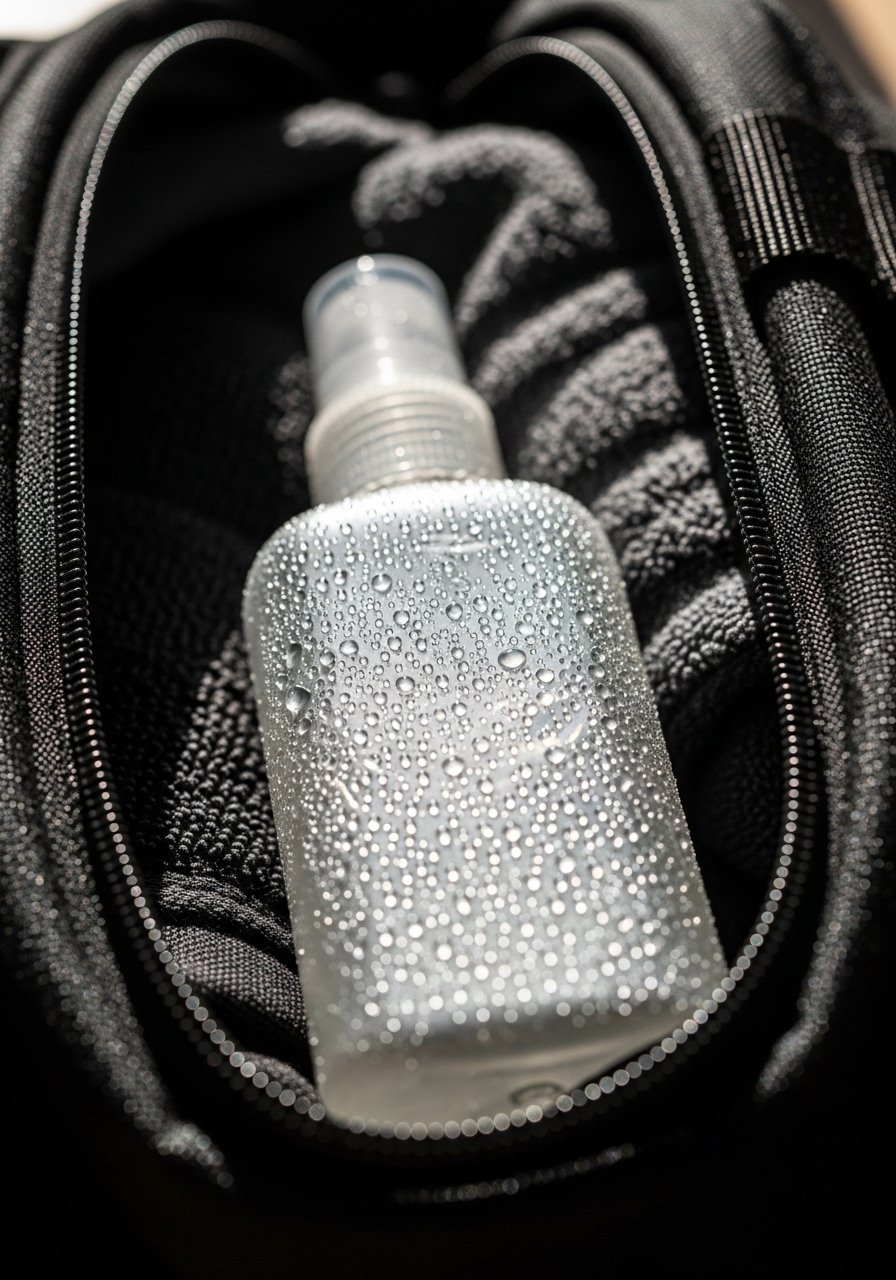
Mix one part leave-in with three parts water in a spray bottle to revive shape and add moisture on day two or three. Lightly mist and reshape with fingers or a soft brush. This keeps routines short and prevents over-washing. For curls focus on mid-lengths and ends. I keep a travel refresher spray handy and it extends styles without reapplying heavy products.
Mistake to Avoid: Spraying too close and saturating the roots, which flattens volume.
24. Gentle Scalp Exfoliation
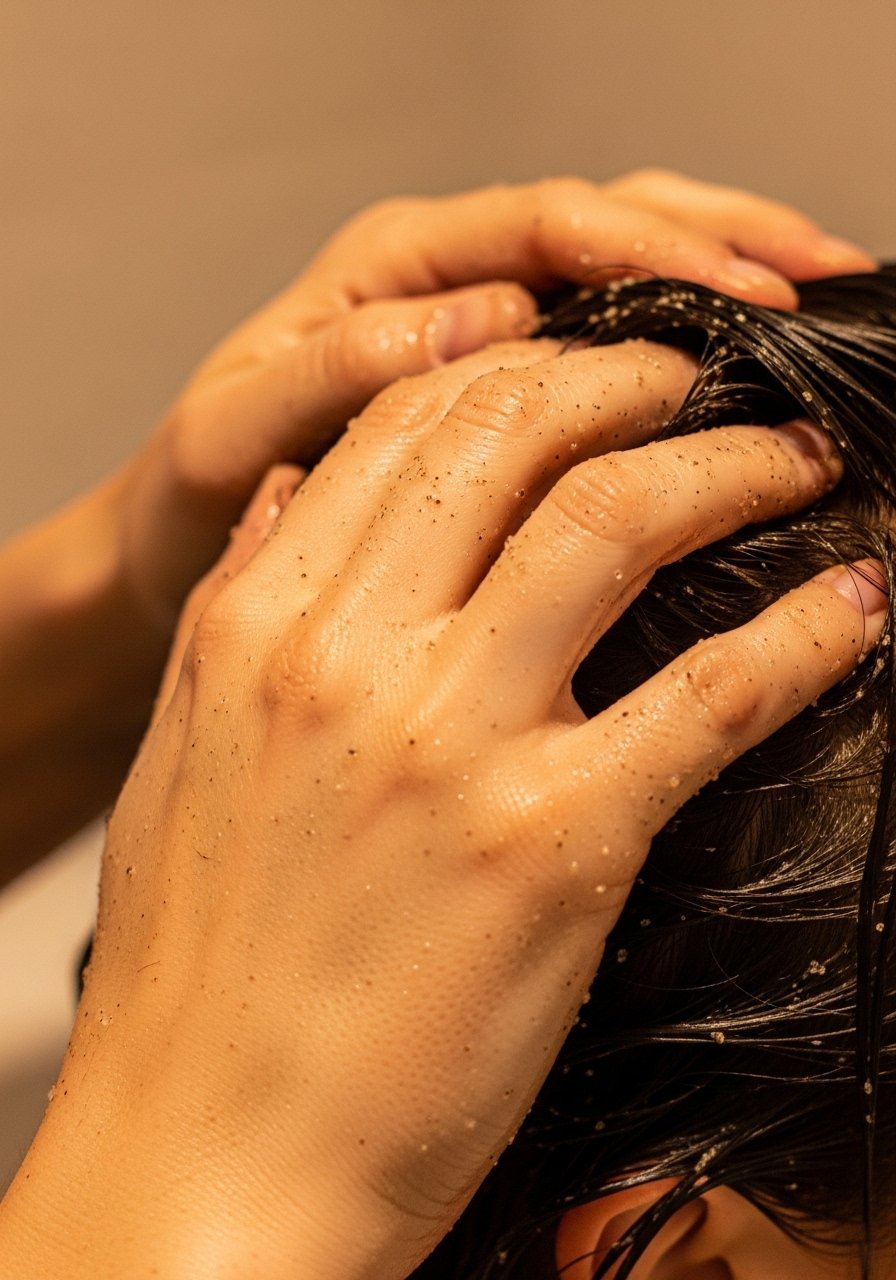
Use a gentle enzyme or sugar scrub once a month to remove buildup that blocks product absorption. A clear scalp allows conditioners and serums to work better. Massage for 60 seconds and rinse well. People with sensitive scalps should patch test first. After exfoliation, apply a hydrating scalp serum to lock in moisture and reduce flakiness.
Mistake to Avoid: Over-scrubbing with harsh brushes that damage the skin barrier and create irritation.
25. Humectant Use Depends on Climate
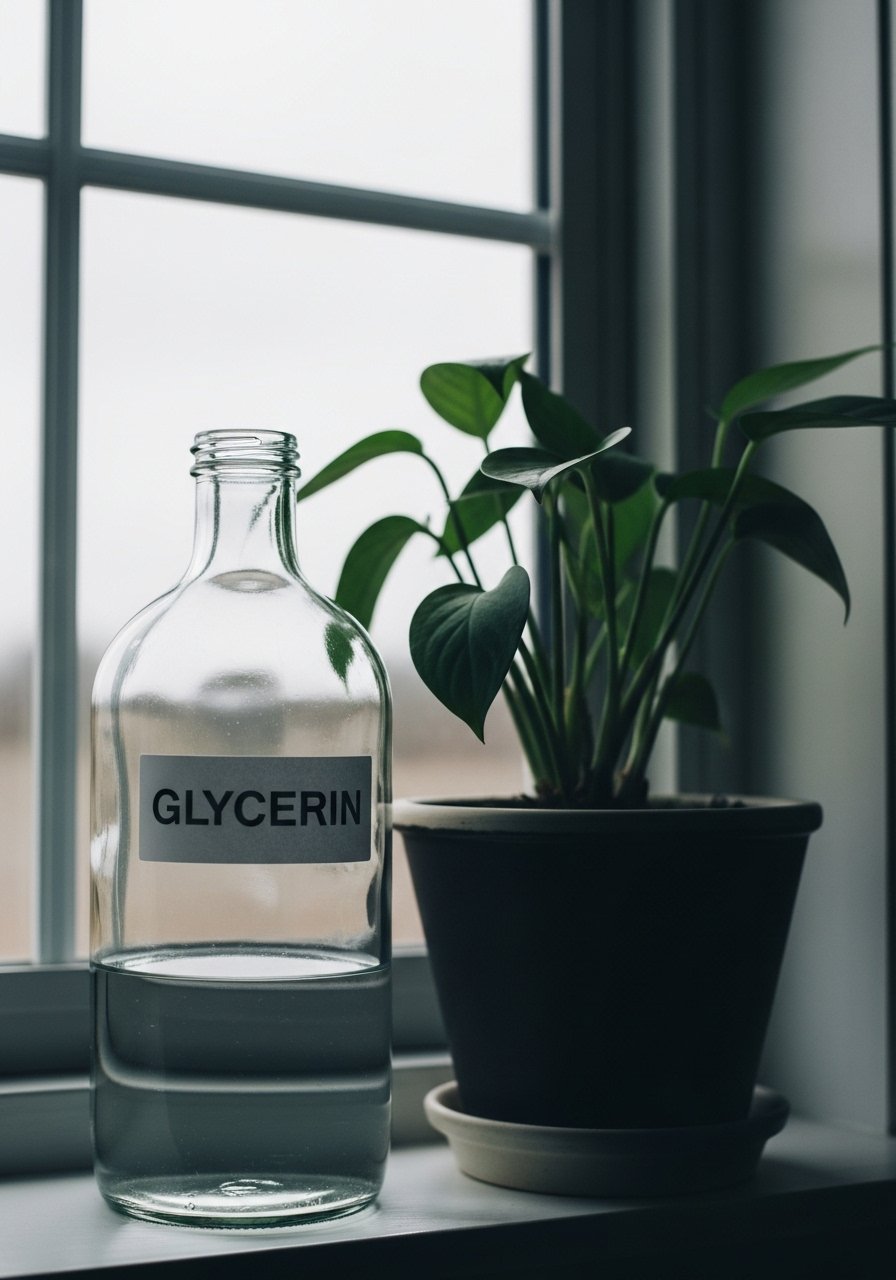
Humectants like glycerin pull moisture from the air into the hair. In dry climates they can draw moisture from the shaft and cause stiffness. In humid climates they help hydrate. Adjust by pairing humectants with an occlusive oil or cream in dry weather. I alternate humectant products seasonally and note the change in softness.
Mistake to Avoid: Using a glycerin-heavy product in dry winter air without a sealing step, which can make hair crunchy.
26. Match Washing Frequency to Porosity

Low-porosity hair benefits from less frequent heavy conditioning and occasional warm oil pre-treatments to help products penetrate. High-porosity hair often needs more frequent conditioning and sealing. Test porosity with a simple strand test and tailor wash frequency. I find people default to a weekly schedule, but porosity-based tweaks make moisture stick better.
Mistake to Avoid: Using the same routine for every porosity type and wondering why products fail.
27. Overnight Braids for Soft Waves
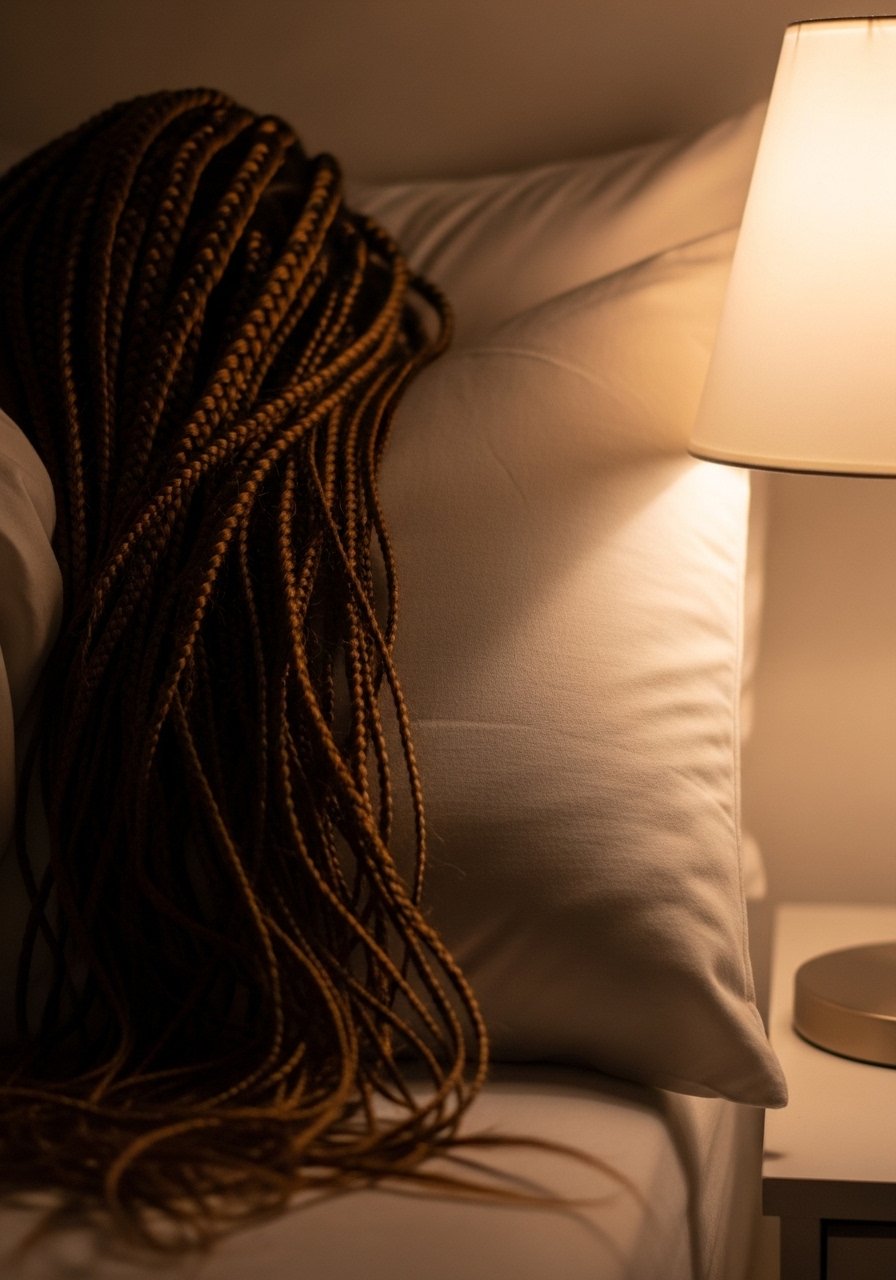
Braid slightly damp hair into one or two loose plaits before bed for soft, hydrated waves by morning. Use a leave-in and avoid elastic hair ties. This reduces heat styling and preserves moisture. Works on medium to long lengths. For tighter waves, make smaller braids; for loose waves, keep them larger.
Mistake to Avoid: Braiding bone-dry hair and expecting defined waves; some dampness is necessary for shape.
28. Clay-Based Cleansers for Buildup
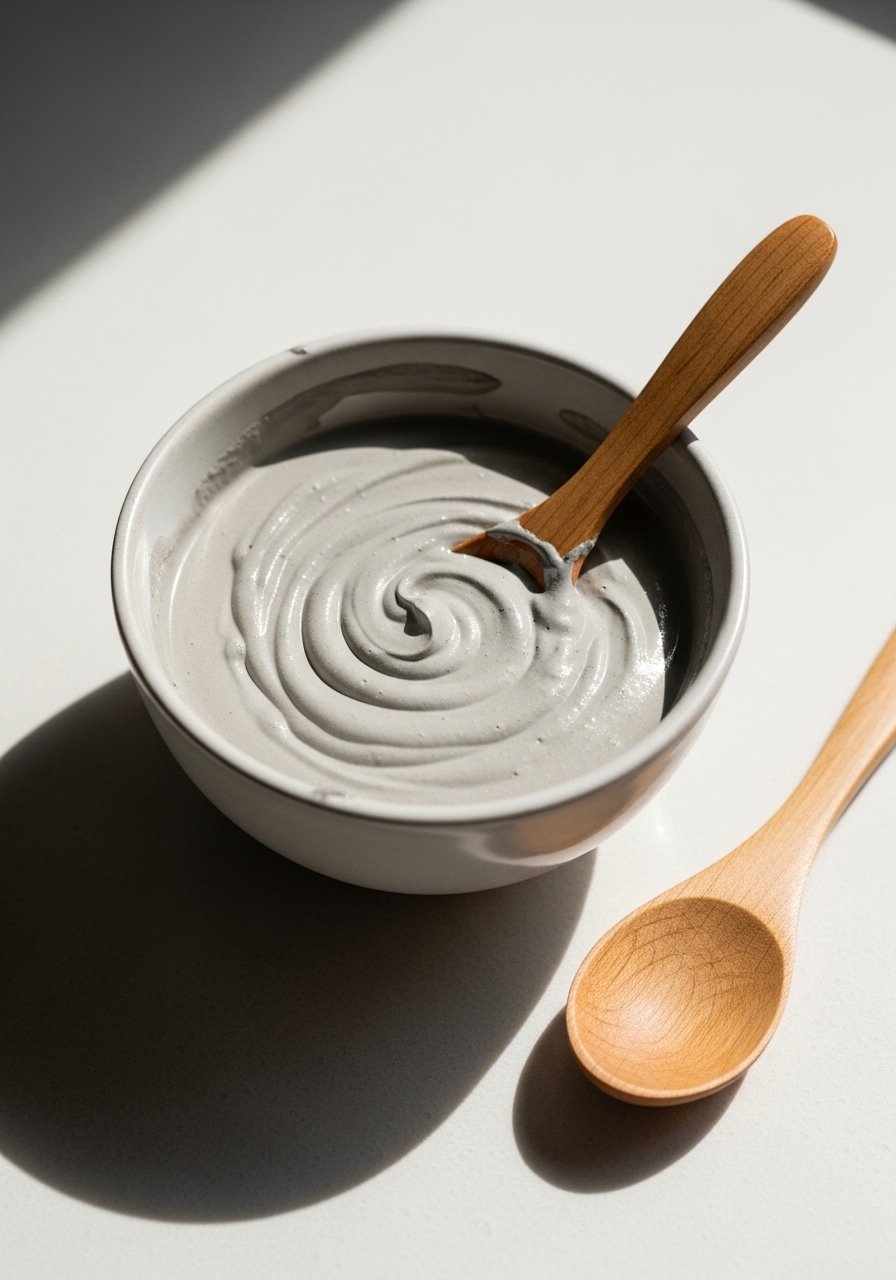
If conditioners and co-washes leave residue, a clay-based cleanser removes buildup without stripping natural oils. Use once every 4 to 6 washes depending on styling product use. Clay cleansers clarify while maintaining some moisture, making them a good middle ground between sulfate shampoos and gentle washes.
Mistake to Avoid: Using clay cleansers weekly which can dry out hair; stick to occasional use.
29. Consider Omega Fatty Acid Support
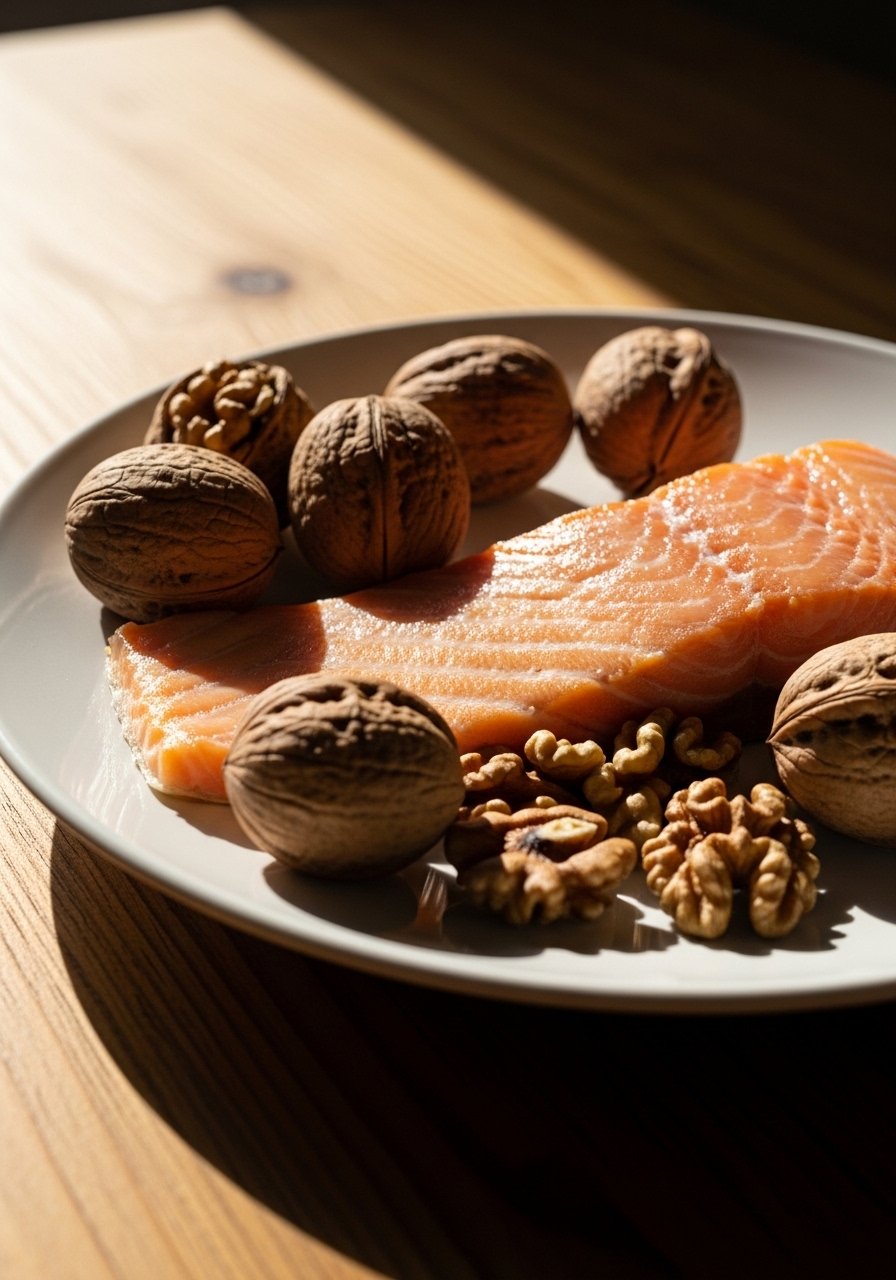
Diet affects hair hydration. Adding omega-3 rich foods or a supplement can support scalp health and moisture retention. I noticed less midday frizz after increasing omega intake for a month. Check with a health provider for dosing if you use supplements. This is a background habit that complements topical care.
Mistake to Avoid: Expecting dietary changes to fix extreme dryness overnight without topical support.
30. Rotate Oil Types Weekly
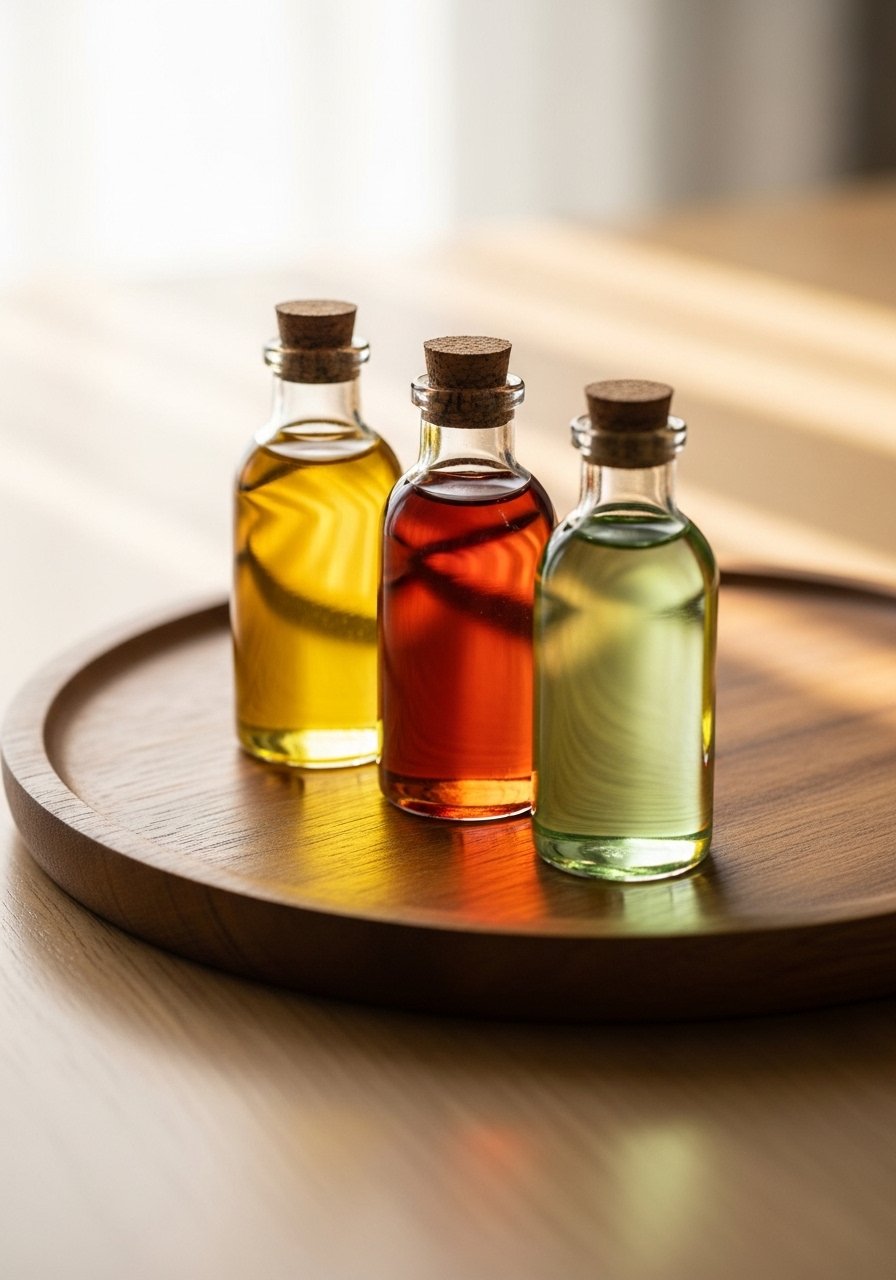
Rotate lighter oils like grapeseed with richer oils like avocado on different weeks. This prevents buildup and addresses changing seasonal needs. Lighter oils can be daily, while richer oils are best as weekly treatments. Keep a small bottle of jojoba or grapeseed oil for quick midweek smoothing.
Mistake to Avoid: Using a single heavy oil every day and assuming hair will adapt rather than accumulate residue.
Your Hair Styling Kit
- Honestly the best little pick-me-up, leave-in conditioner spray (~$12-22). Use on damp hair and to refresh second-day style.
- For deep treatment nights, rich deep conditioner jar (~$18-35). One spoonful mixes well with oils.
- For detangling, wide-tooth comb (~$6-12). Works on wet hair without tugging.
- For curl care, microfiber hair towels set (~$10-18). Cuts drying time and frizz.
- For styling heat protection, moisturizing heat protectant spray (~$12-25). Use before any tool.
- For targeted scalp care, scalp serum (~$15-30). Helps with tight or dry scalps.
- For overnight care, silk pillowcase (~$20-40). Reduces friction.
- For occasional clarifying, shower-filter attachment (~$30-70). Helps if your tap is hard.
- For light daily oiling, grapeseed and jojoba oil duo (~$10-20). Swap weekly.
- For styling texture, anti-frizz styling balm (~$12-28). Small amount goes far.
- For diffusing, dryer diffuser attachment (~$10-25). Keeps curls intact.
- For travel refresh, small spray bottle set (~$6-12). Mix leave-in with water.
Hair Styling Tips Worth Knowing
Thin layers, not one thick coat. Apply product in light layers to avoid build-up. For example, two quick sprays of leave-in spray spread better than a single heavy shot.
Grab a microfiber towel for drying. It saves time and reduces friction so styling goes smoother.
Curly hair air-dries best plopped in a T-shirt or microfiber turban. This turbans set tames frizz and keeps shape overnight.
Avoid high-alcohol sprays on dry hair. Swap to alcohol-free styling gel if your hair feels brittle midday.
A short cool rinse seals the cuticle. No product required, just switch the water for the final pass to increase shine.
Try a small portion of oil warmed on your palms, then run through ends. A little jojoba or grapeseed goes a long way. I use jojoba oil for touch-ups.
If your hair is limp, dust roots with a tiny amount of dry shampoo and then add a moisturizing mist to mid-lengths. Dry shampoo powder revives lift without drying out the rest.