
I kept stuffing bunches of herbs into zip-top bags and then unwrapping them three days later to find a sad, slimy pile. The exact moment it clicked was when I treated herbs like flowers and pantry staples at the same time. A few small swaps, one timed freeze test, and I stopped tossing a third of my grocery herbs every week.
These tricks are simple, low-budget, and mostly under $20. They work for apartment cooks who meal-prep on Sundays and for people who like a fresh chop on weeknights. Expect a mix of fridge, freezer, and shelf methods, a couple of small tools, and one technique I tested three times to get the timing right.
1. Treat Stems Like Flowers, Not Salad
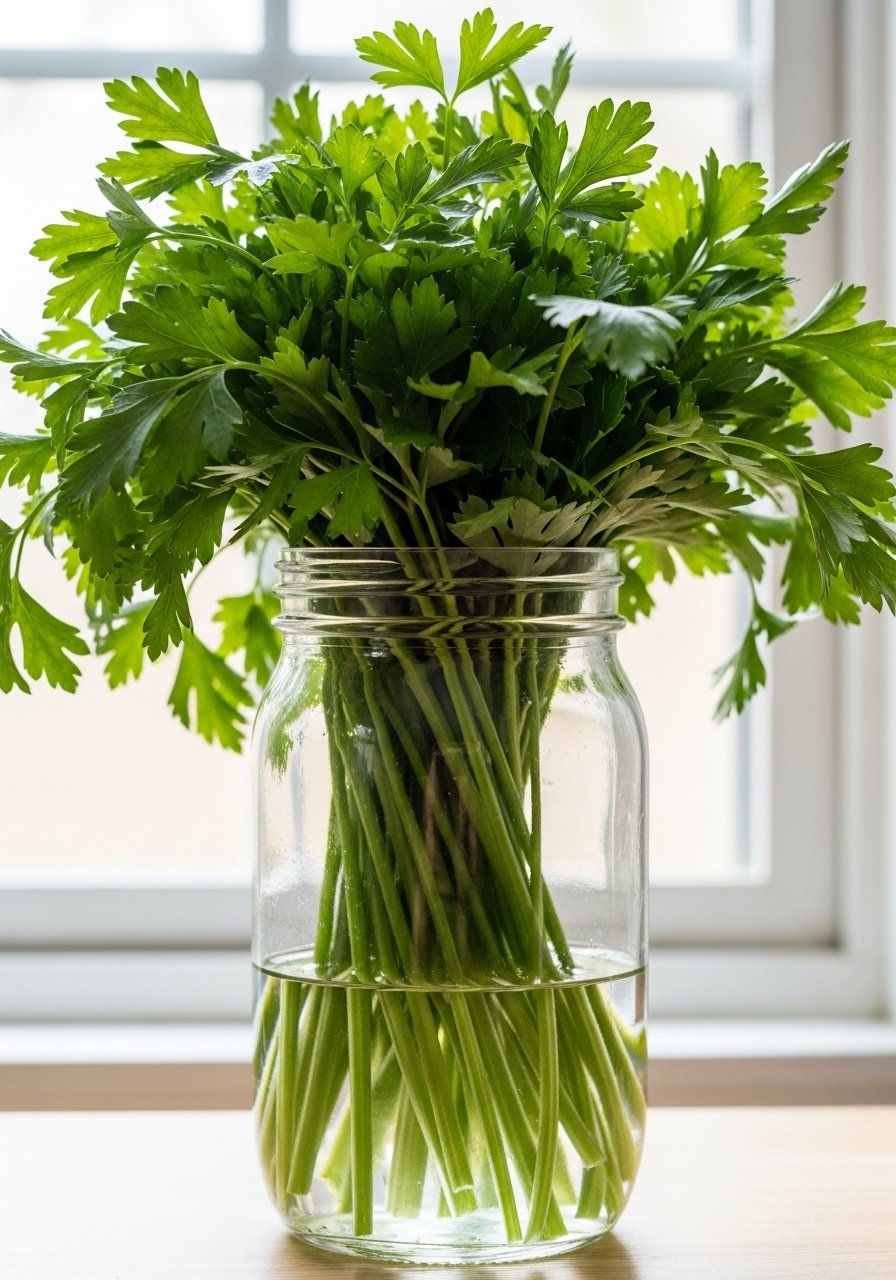
The thing that saved my cilantro and parsley was trimming the stems and standing them upright in a jar with about 1 inch of water, then covering the leaves loosely with a plastic bag. Change the water every 2 days. Basil is the exception, keep basil at room temperature out of the fridge, and it will last like cut flowers. For cost-conscious setups use a set of small mason jars for $12 to $18. This method makes herbs feel fresh when you chop them, and it is fast for weeknight cooks.
Mistake to Avoid: Putting basil stems in the fridge, which makes the leaves black and limp.
2. Single-Layer Damp Towel for Delicate Leaves
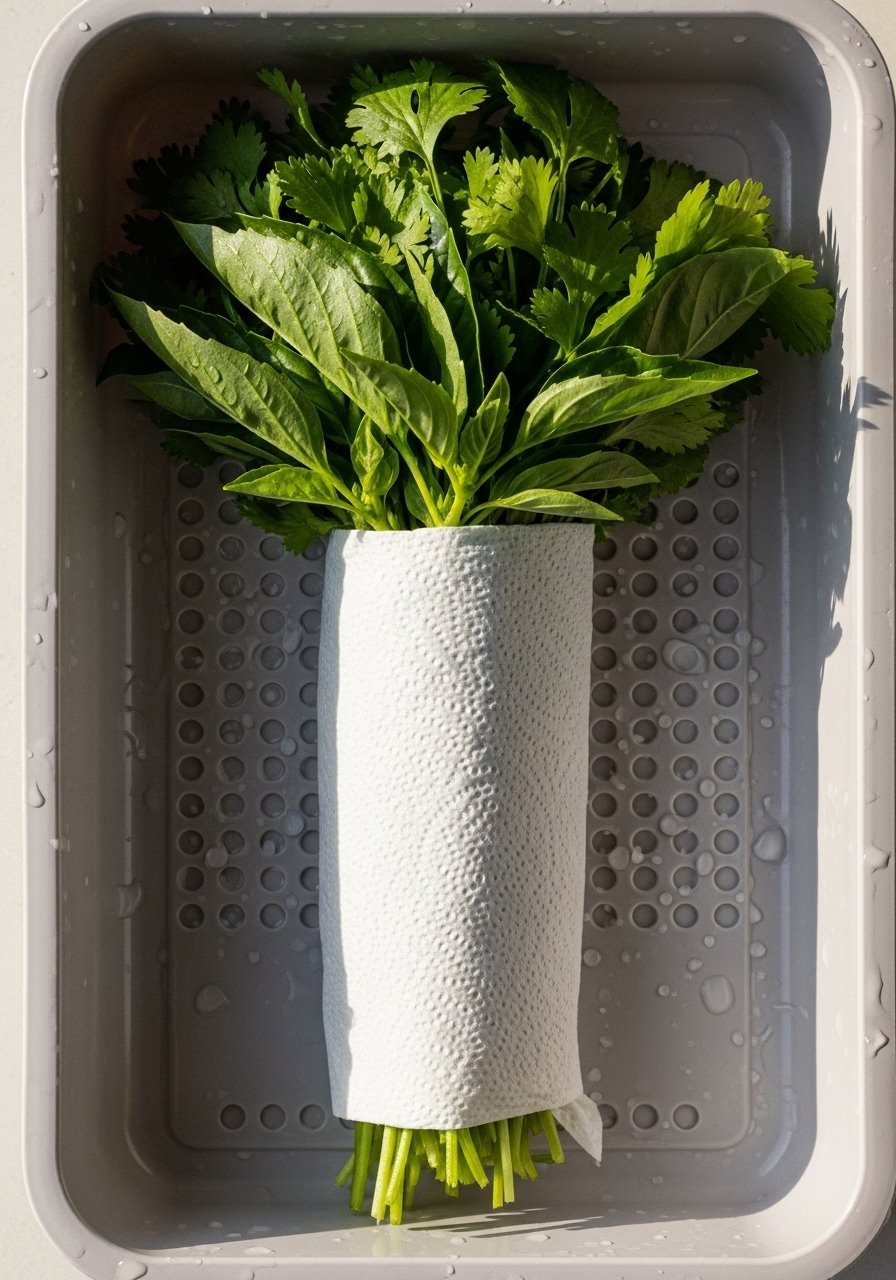
When herbs wilt overnight it is usually from trapped moisture turning into slime, not lack of water. Lay herbs flat on a barely damp paper towel, fold once, then put them in a perforated storage container or a produce-crisper drawer. The key detail I learned, and I tested this three times to get the timing right, is the towel should be damp not dripping. This is the best fit for tender herbs like dill, chives, and cilantro. An inexpensive perforated container keeps air moving. Try a breathable produce keeper to stop condensation.
Mistake to Avoid: Wrapping herbs in multiple wet towels, which accelerates decay.
3. Freeze Cubes of Herbs in Oil for Ready-to-Go Flavor
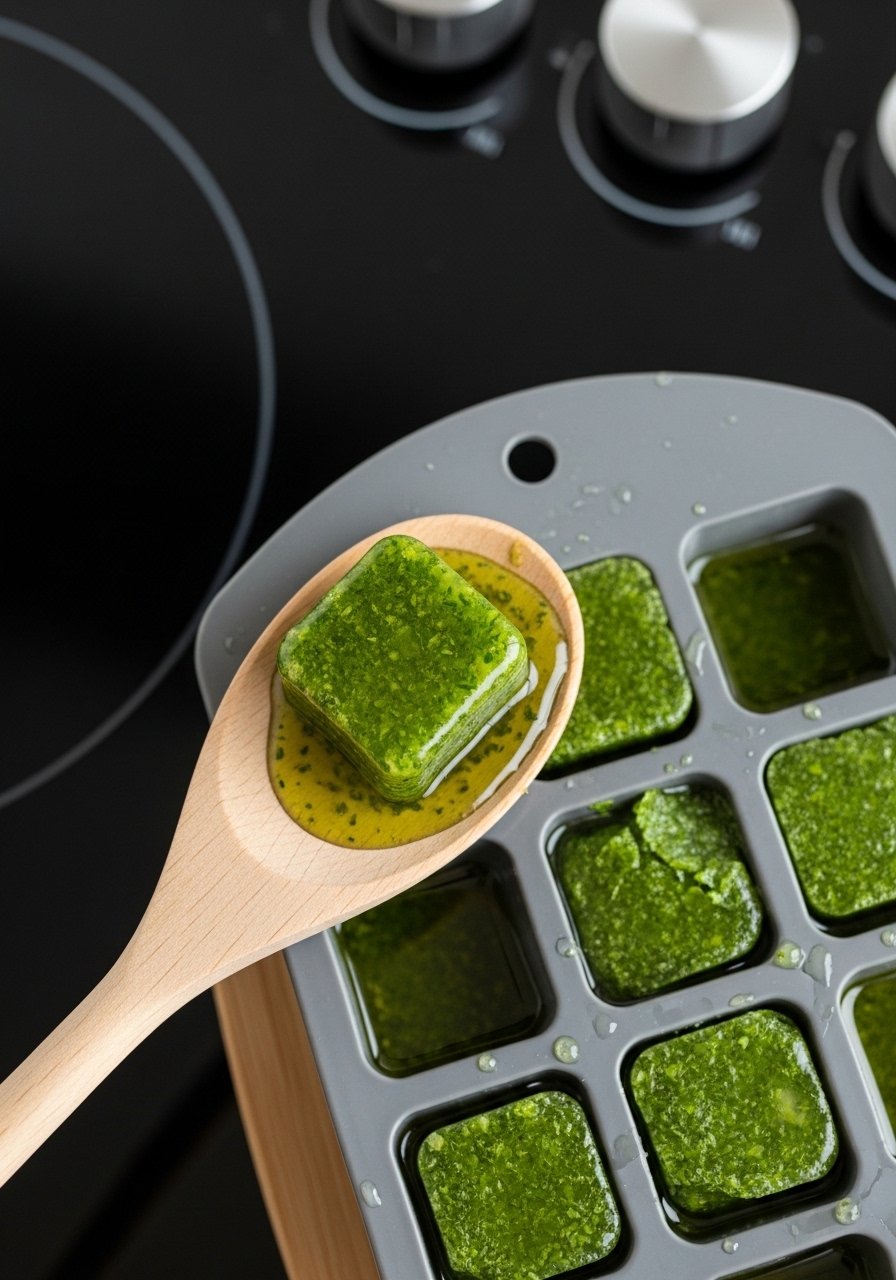
For sauces and sautés, freeze 1 to 2 tablespoons of chopped herbs per ice cube with olive oil or butter. Use a silicone tray so cubes pop out easily. I use one tablespoon chopped basil with one tablespoon oil per cube for quick pesto notes. Pop out cubes into a labeled freezer bag and use within three months for best flavor. A cube softens right into a hot pan and preserves bright taste better than frozen leaves alone. For garlic-herb butter, mix 2 parts butter to 1 part herbs, scoop into cubes, and freeze.
Mistake to Avoid: Freezing loose leaves where they clump and brown inside the bag.
4. Quick Blanch Then Shock for Leaf Color and Aroma
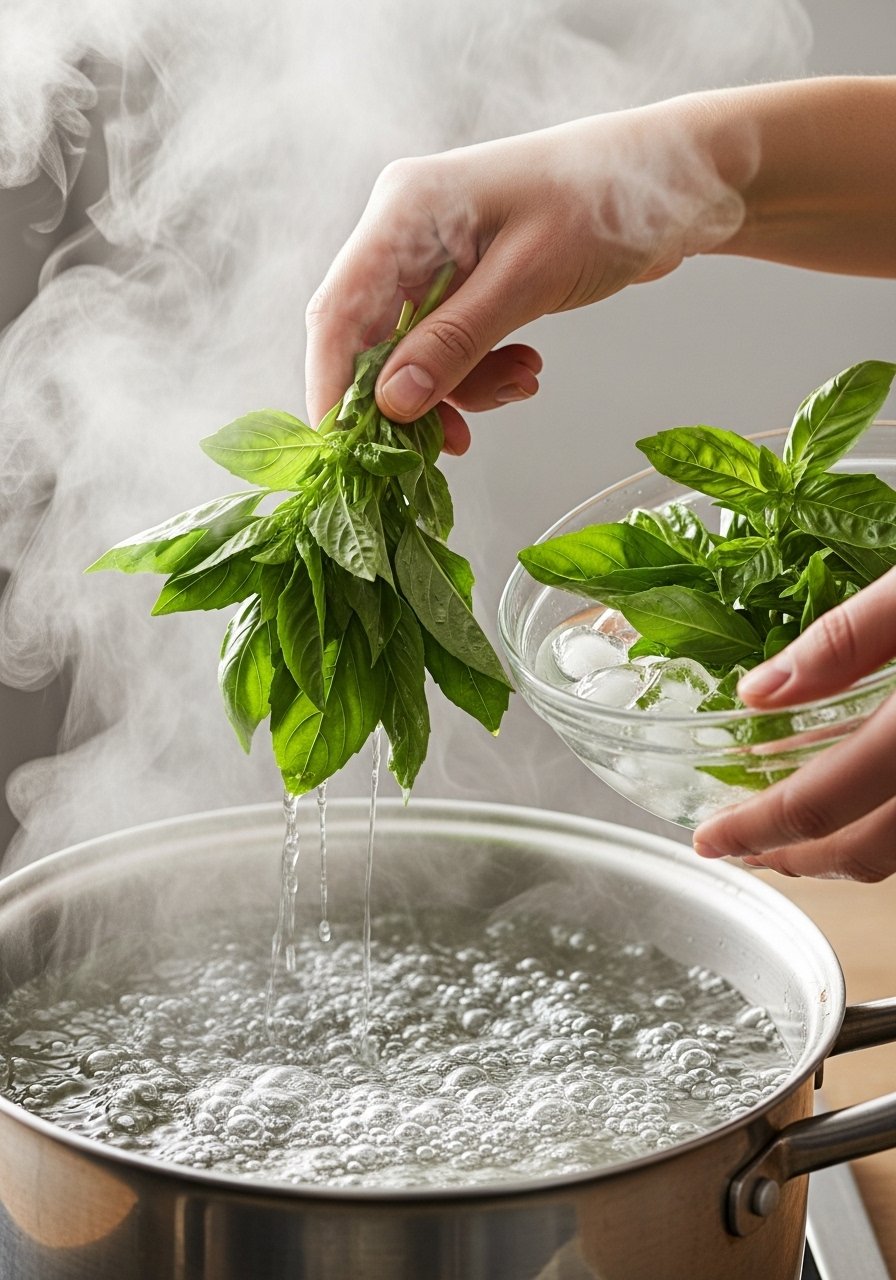
If you want herbs that keep color and a fresh aroma in the freezer, blanch them for 10 to 20 seconds based on leaf size, then plunge into ice water. Squeeze out excess moisture, pat dry, then freeze flat on a tray before bagging. Blanching stops enzymatic browning, which is why some frozen herbs turn an off brown. This takes 10 minutes for a batch and is worth it for leafy herbs you use for garnishing. Use a fine mesh strainer to lower herbs safely into boiling water.
Mistake to Avoid: Skipping the ice bath, which lets heat keep cooking the leaves and dulls flavor.
5. Oven or Dehydrator Drying for Long Pantry Life
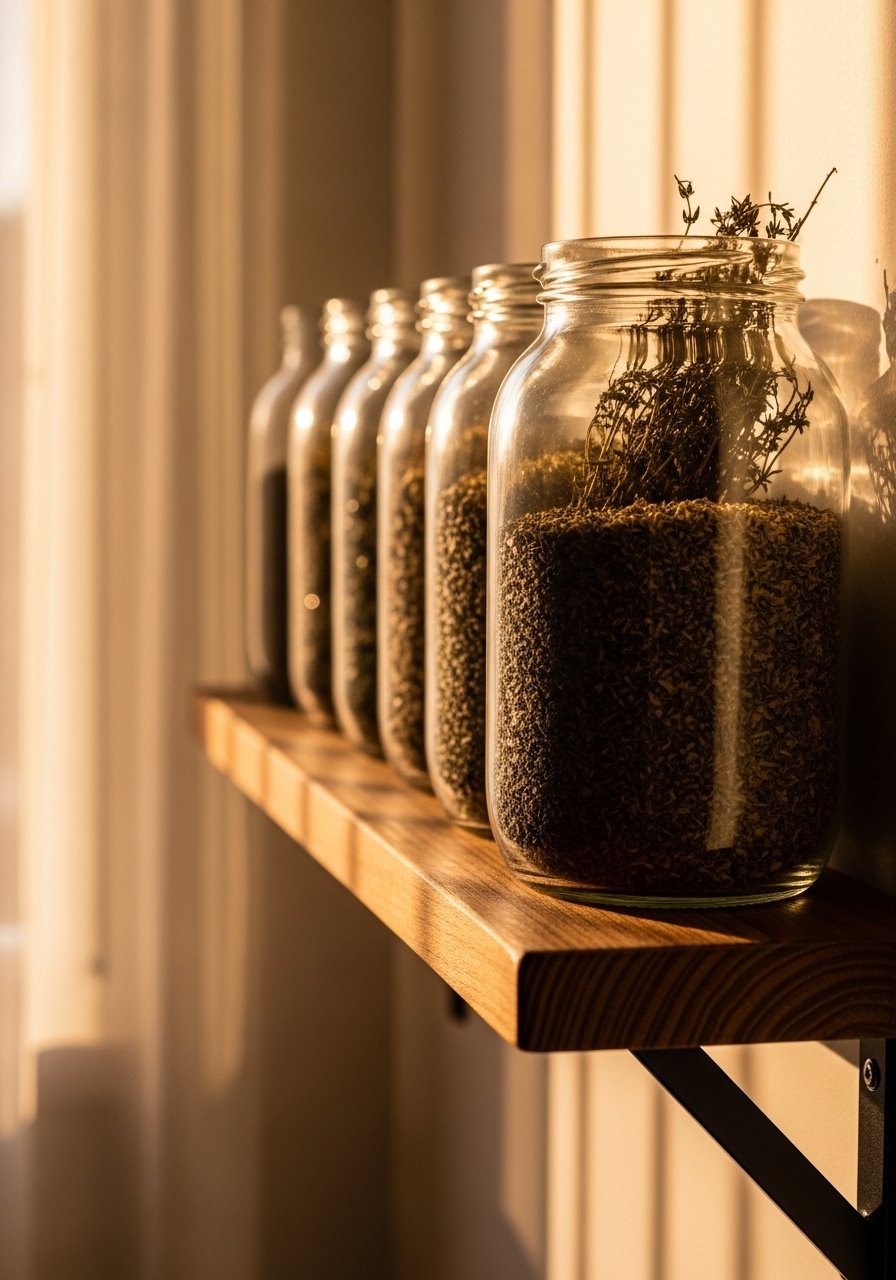
For long-term storage, dry rosemary, thyme, oregano, and sage. Use a dehydrator at 95 to 110 degrees Fahrenheit for 2 to 6 hours, or the lowest oven setting for 1.5 to 3 hours, checking every 20 minutes. The leaves should crumble under your fingers. Store in airtight, dark jars and label with the date. Dried herbs concentrate flavor, so start with 3 to 1 fresh to dry ratio by volume in recipes. I tested small batches to get the oven timing right. A small dehydrator saves electric bills and looks tidy on a counter.
Mistake to Avoid: Leaving stems in while drying, which slows drying and traps moisture.
6. Herb Butter and Compound Fats for Immediate Use
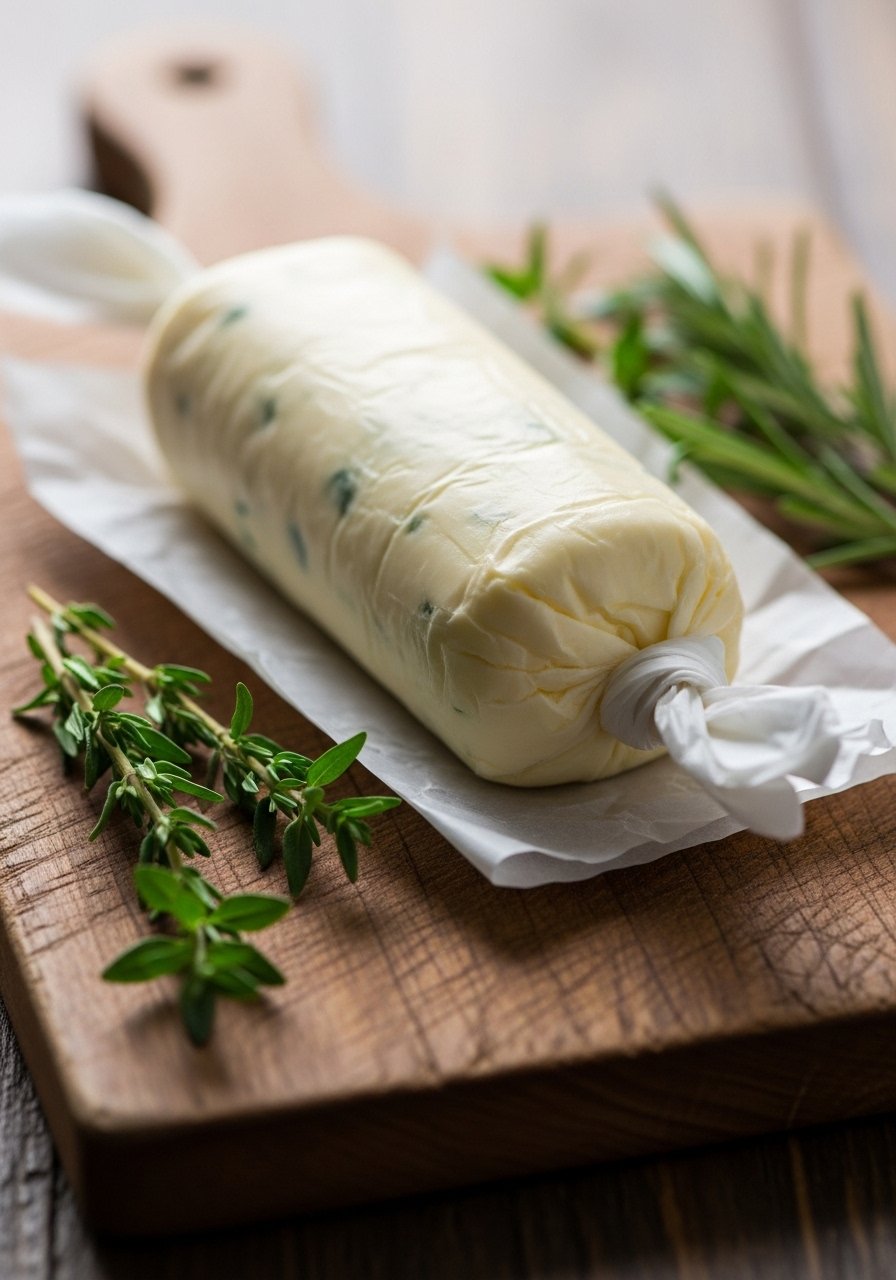
If you cook with herbs often, make a compound butter or herbed oil. Chop 1 cup packed herbs into 8 ounces softened butter, roll in parchment, and freeze. Slice coins into a hot pan for instant flavor. Oils keep in the fridge for a week and in the freezer for three months. For savory spreads try 2 parts parsley to 1 part chive. A small investment in beeswax or parchment sheets makes rolling tidy. This is the weeknight shortcut that feels upscale with minimal effort.
Mistake to Avoid: Storing herb oils at room temperature, which can develop off notes quickly.
7. Vacuum Sealing for Bulk Sprigs and Longer Freezer Life
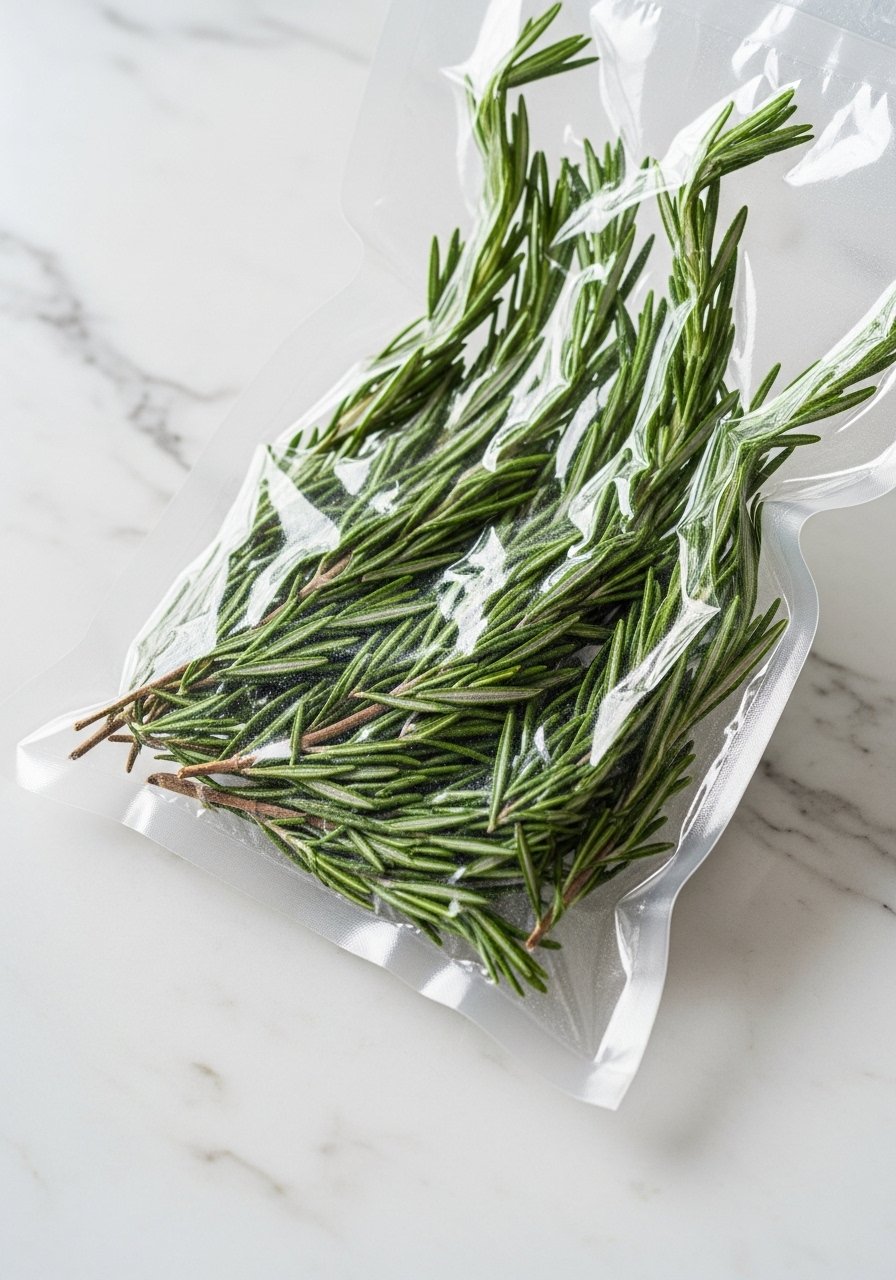
Vacuum sealing removes freezer-burn air and compresses herbs into tidy portions. Lay washed, dried sprigs flat, vacuum seal in single-serving packets, and label with the date. Frozen, vacuum-sealed thyme or rosemary can keep excellent quality for six months to a year. If you do not want to buy a machine, double-bag with an airtight zipper and press as much air out as possible. I use vacuum sealing for bulk buys after a farmers market haul. For home cooks who buy large bunches it is a clear waste saver.
Mistake to Avoid: Sealing wet herbs, which traps moisture and turns leaves limp after thaw.
8. Store Woody Herbs Dry and Loose in the Fridge
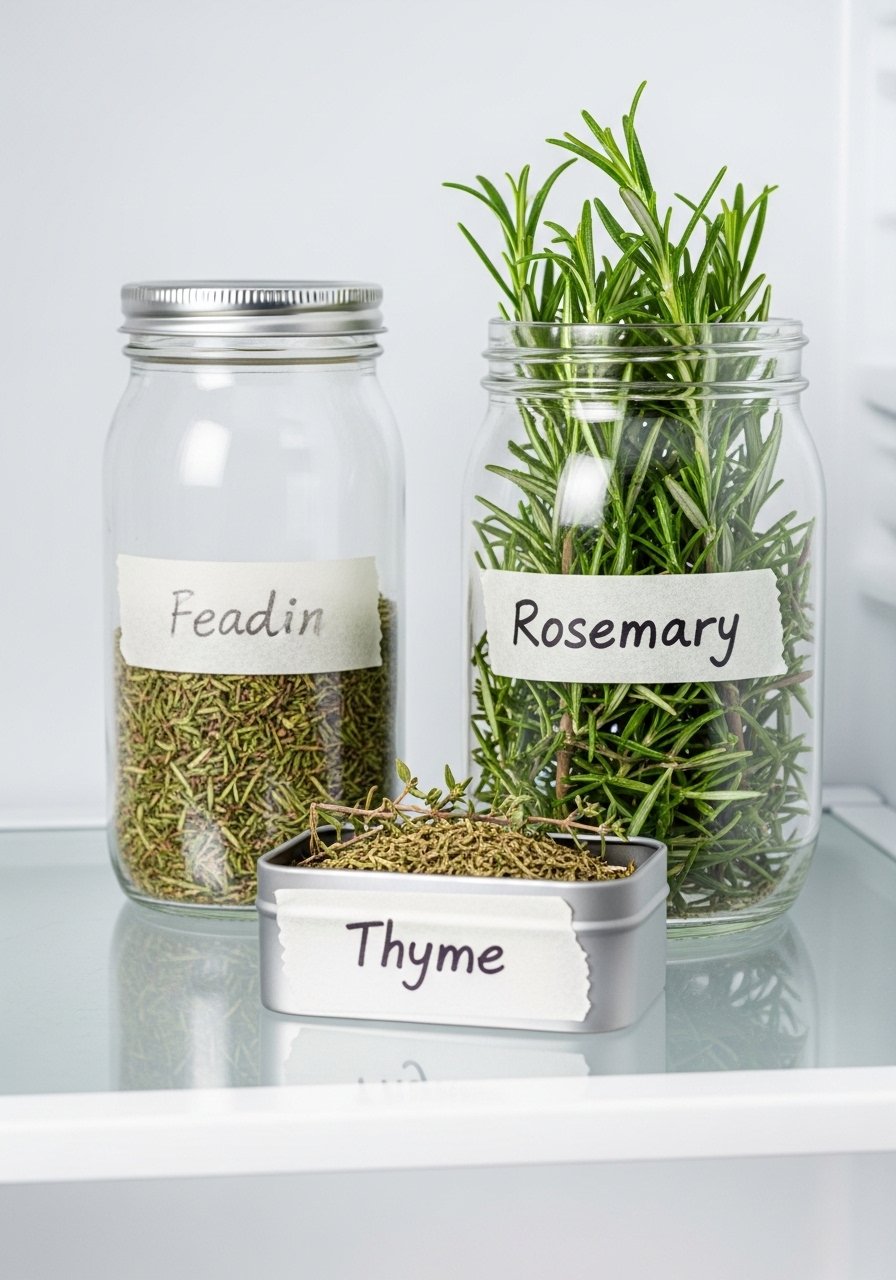
Rosemary, thyme, and sage tolerate drier storage than tender herbs. Strip leaves off stems if you plan to use them quickly, or store whole sprigs upright in a jar with the lid slightly open to keep humidity low. They prefer the crisper drawer set to low humidity. These herbs are great for roasted vegetables and braises, and they will not need oil or blanching. Keep them slightly dry and they will outlast delicate leaves by weeks. A simple tin or jar works better than sealed plastic for woody herbs.
Mistake to Avoid: Putting rosemary in a sealed plastic bag, which creates condensation and mold.
9. Infuse Salt or Sugar with Herbs for Pantry-Friendly Use
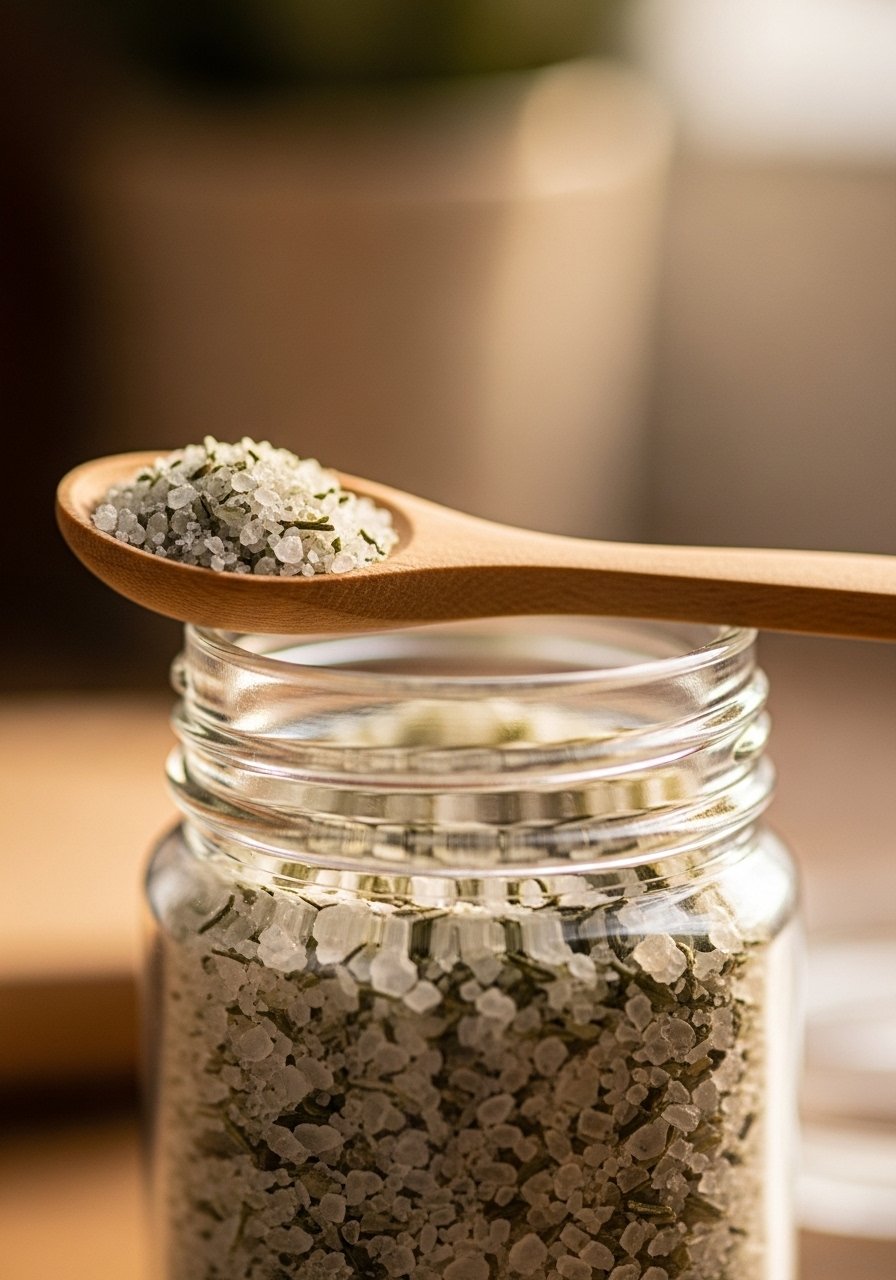
Turn herbs into culinary tools by mixing chopped, fully-dried herbs into coarse salt or sugar. Use a 3 to 1 ratio of salt to herbs for finishing salts. Store the mix in small jars away from heat and light. Herb salt gives lots of flavor with no refrigeration and makes for easy seasoning when you forget fresh herbs. It is also a good way to preserve a late-season herb glut. Use this with roast meats or sprinkled on a tomato salad.
Mistake to Avoid: Mixing fresh wet herbs into salt, which draws moisture and causes clumping.
10. Label, Date, and Rotate Like a Mini Pantry System
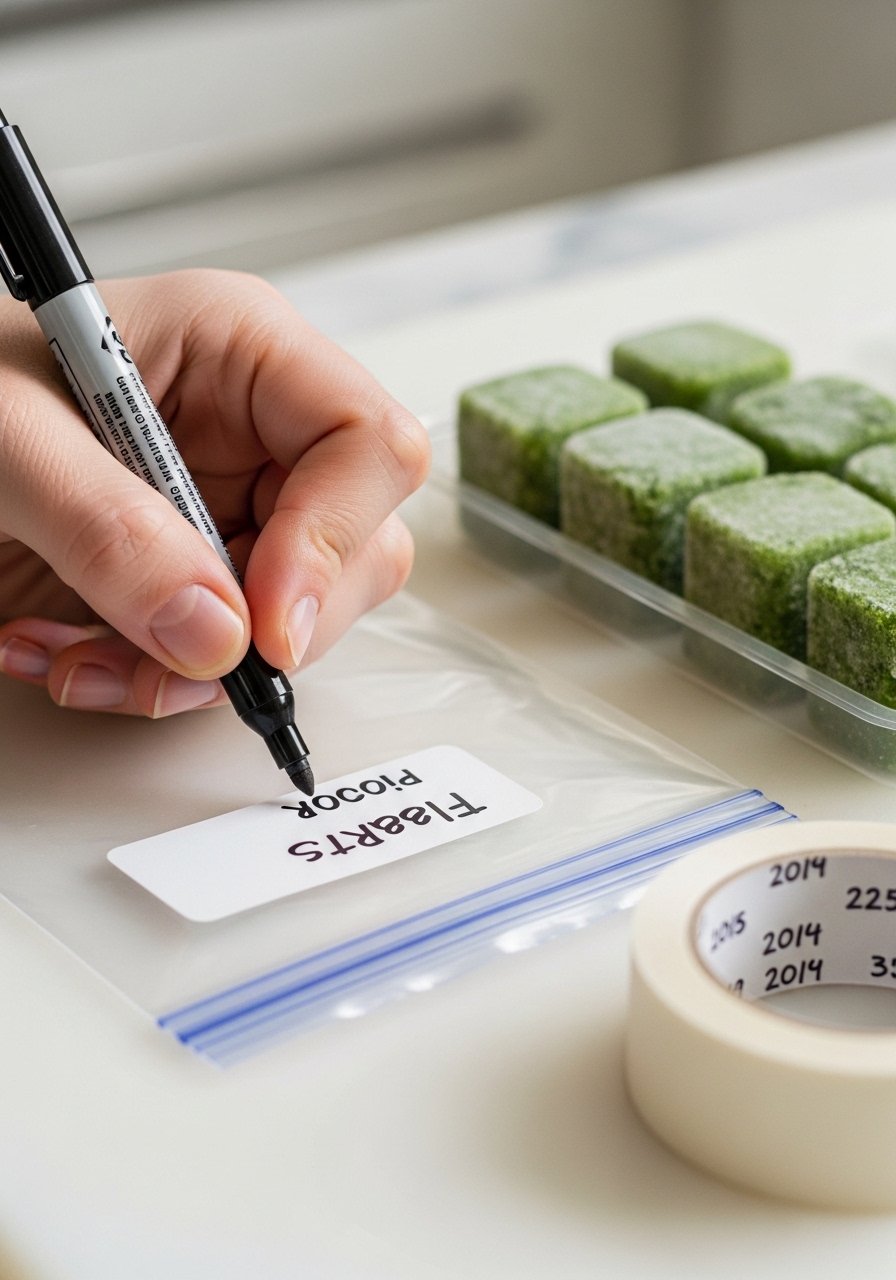
I stopped wasting frozen cubes when I started labeling with date and use-by reminders. Use freezer-safe labels and organize by week or recipe type. First in first out matters with herbs because flavor fades even in the freezer. Keep a simple log on your phone or a masking-tape label on bags. If something is older than three months, check color and smell before using. This small habit reduces mystery bags and meal-time panic on busy nights.
Mistake to Avoid: Tossing everything into one unlabeled bag and losing track of what is still good.
11. Quick Pantry Charts for Each Herb Family
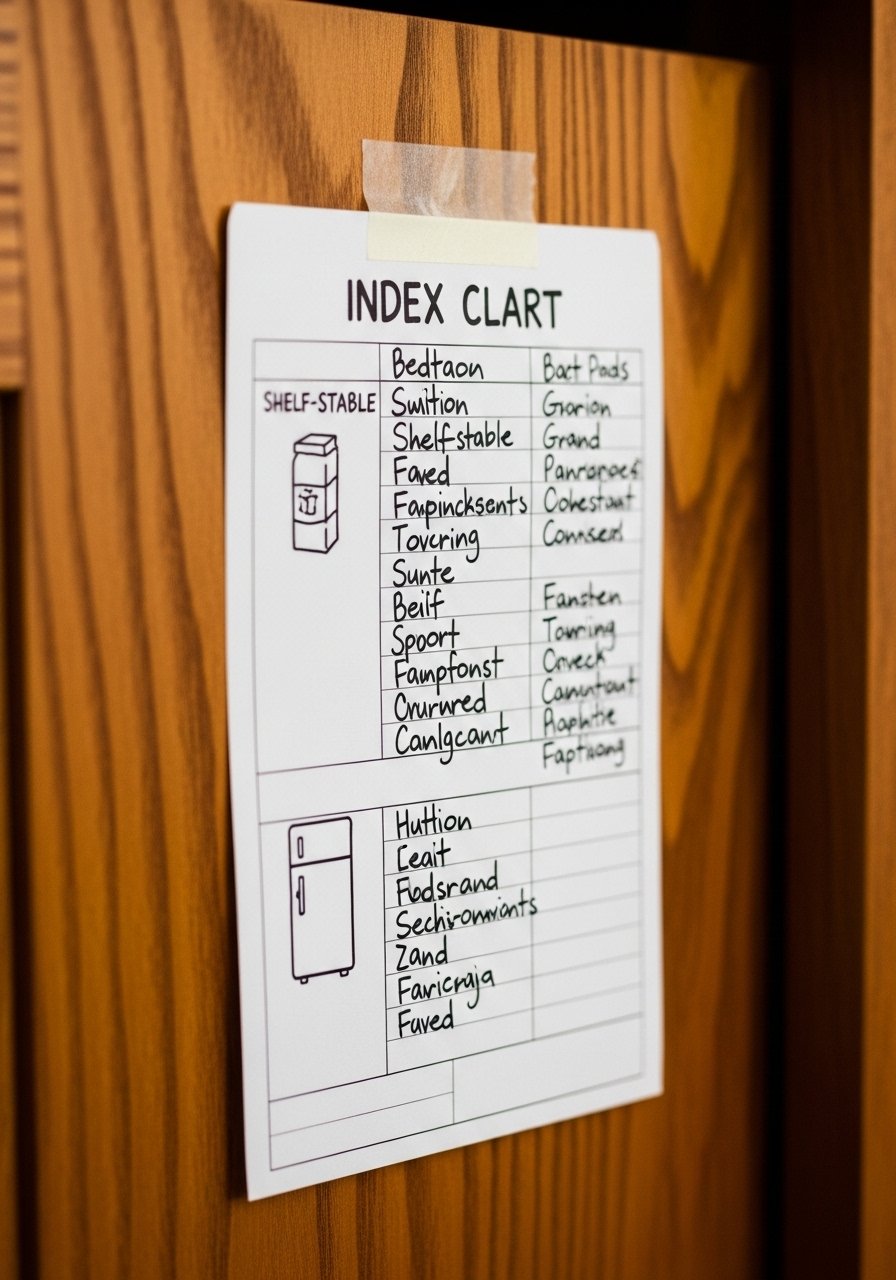
Make a one-page chart for yourself: basil room temperature, cilantro-parsley-cherish in jars with water, woody herbs dry in fridge, freeze cubes for pesto-ready use. Include use-by windows: fresh herbs in jar 7 to 10 days, damp-towel herbs 4 to 7 days, frozen cubes 3 months, dried herbs 6 to 12 months. Having the chart saves guesswork when you come home with a market haul. Put it on the fridge and follow it for a few weeks to build the habit.
Mistake to Avoid: Assuming all herbs follow the same timeline, which leads to premature tosses or spoiled meals.
Your Pantry and Equipment
- Honest and cheap starter: Wide-mouth mason jar set, 12-pack (~$12-18). Good for stems-in-water storage and small batches.
- For freezing cubes: Silicone ice cube tray, 2-pack (~$8-12). Flexible and easy to pop.
- For batch drying: Countertop dehydrator, 5-tray (~$55-80). Saves oven energy and keeps color.
- Quick prep tool: Herb scissors with five blades (~$10-15). Speeds up chopping for butter and cubes.
- Seal and store: Vacuum sealer starter kit (~$40-70). Handy for bulk buys.
- Airtight storage: Glass spice jars, set of 12 (~$20-35). For labeled dried herbs and salts.
- Labeling: Freezer-safe masking tape and permanent marker set (~$6-10). Small time saver.
Cooking Tips Worth Stealing
Thin layers in the freezer beat big lumps. Freeze single-layer trays of herbs or cubes before bagging. Silicone trays do the job and cost less than $12.
Use the product name and short reason first in this tip to vary the shape.
Herb scissors are worth the drawer space for weeknight chops. Five-blade herb scissors cut quickly and reduce bruising compared with blunt knives, so you keep more aroma.
If you like making sauces, keep a jar of herb oil in the fridge for up to a week. A small pouring bottle makes portioning easy and avoids over-oiling a pan.
When you dry herbs, test for crispness. If the leaves do not crumble between your fingers they still have moisture. Use a small dehydrator to finish them without overheating.