
I bought a chambray shirt dress in two sizes before I stopped guessing. The smaller one skimmed my waist and the larger one swallowed me, and neither worked in photos. After a season of trying belts, slips, and hemming tricks, I learned the fit math that actually matters and how small additions change a denim dress from shapeless to intentional in real life.
If you rent, hate multi-step outfits, and want looks that survive a full day, these ideas are for you. Most outfits here cost under $120 to assemble if you already own basics. The vibe stays casual with one polished option, and I tested several combos after rotating this outfit for a full season so the notes on fit and layer actually match living life.
1. Cinched Waist With A Narrow Leather Belt
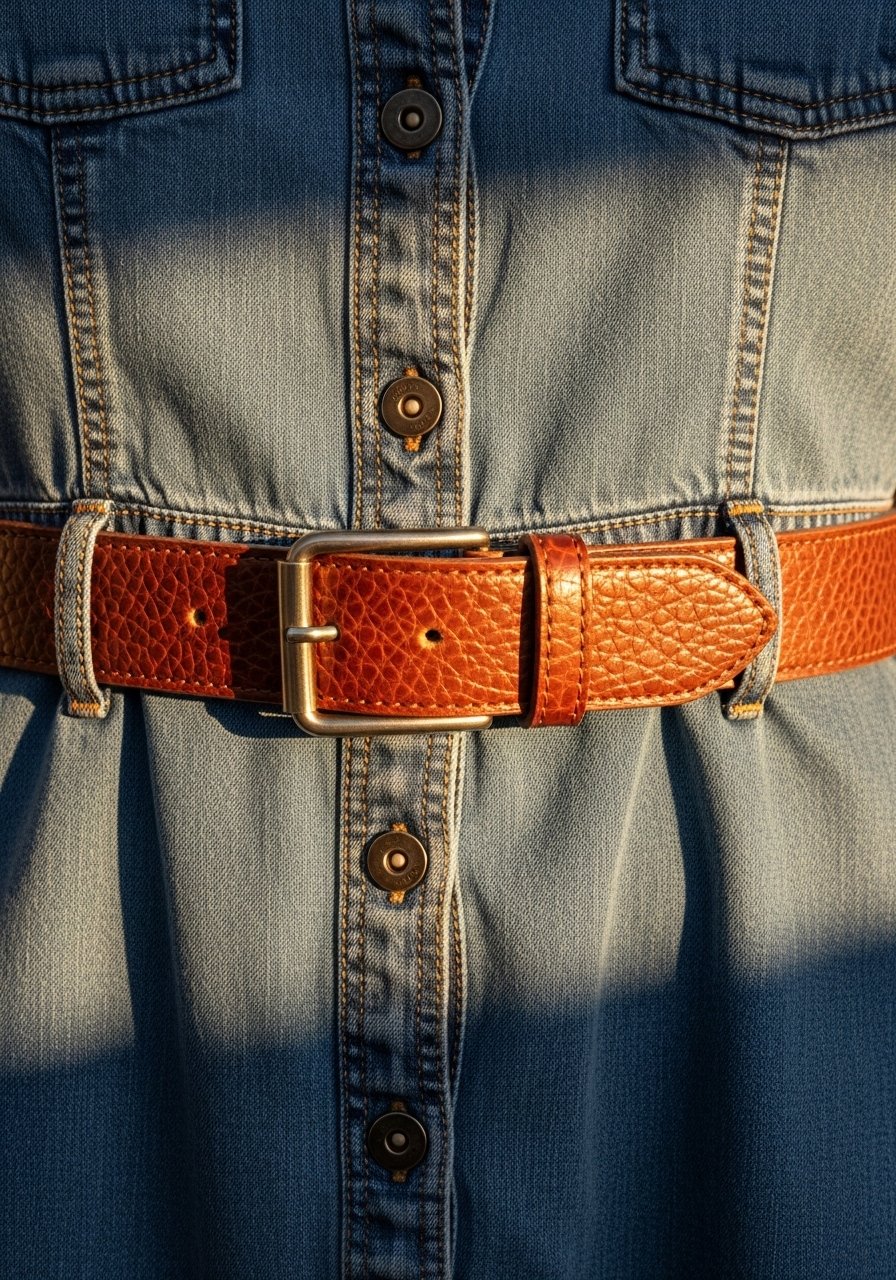
A narrow belt is the fastest fix for a boxy denim dress, especially when the hem hits two inches above the knee. It creates a 2:1 ratio of torso to skirt visually, which reads more tailored in photos. Use a 1 to 1.5-inch belt for petite frames, and a 1.75 to 2-inch belt if you have a longer torso. Try a worn brown option like a 1.25-inch leather belt for everyday wear.
Mistake to Avoid: Using a too-wide belt that compresses the bust line and makes the dress look unbalanced.
2. Layered Tee Under A Button-Front Dress
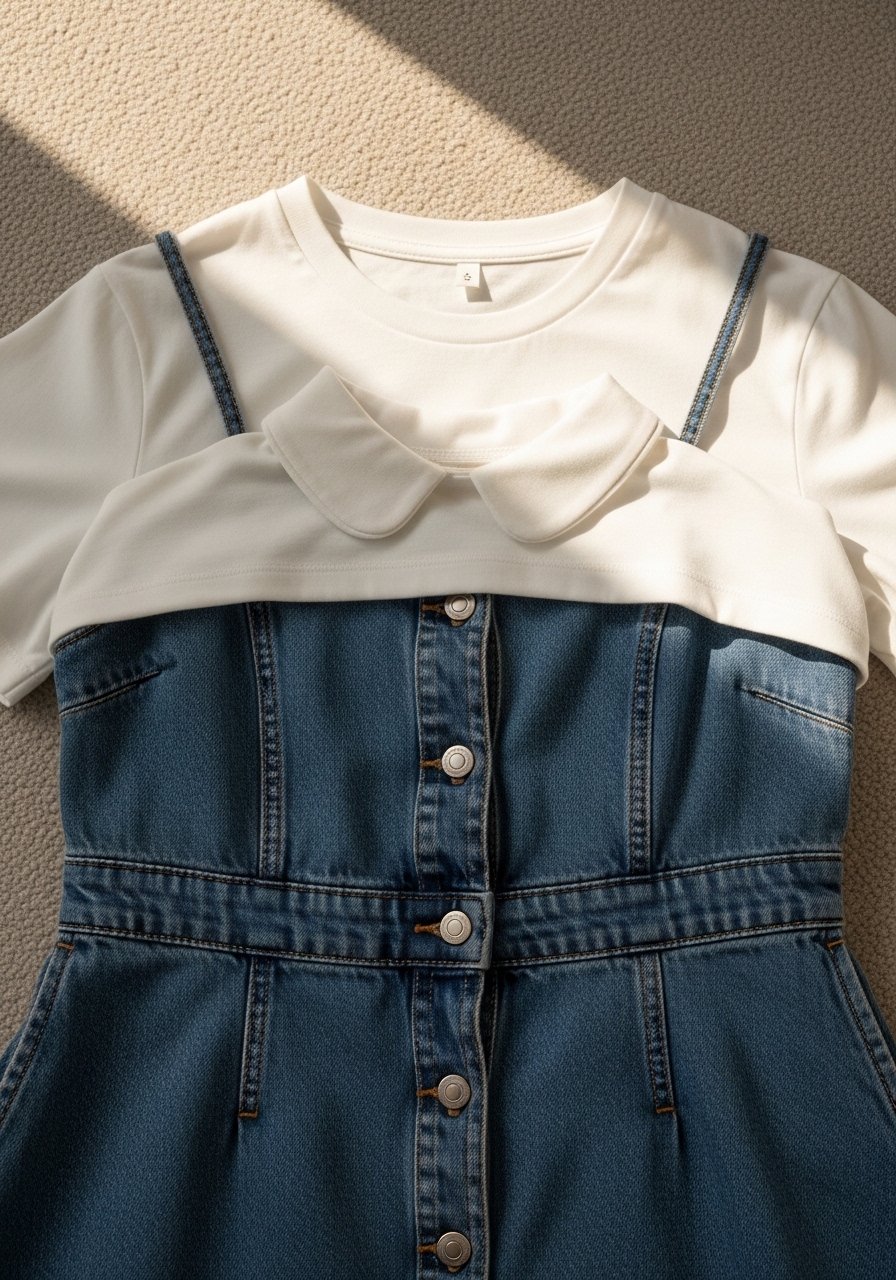
A thin cotton tee under a button-front dress makes the look casual and fixes gaping at the bust, which is one of the most common frustrations. Choose a fitted rib tee about 3/4 inch shorter than the dress shoulder seam so sleeves peek just enough. Keep the tee lightweight so the dress still drapes. I pair this with a slim rib tee for around $18.
Mistake to Avoid: Wearing a bulky tee that adds unnecessary volume under the dress.
3. Slip Layer For Smooth Lines
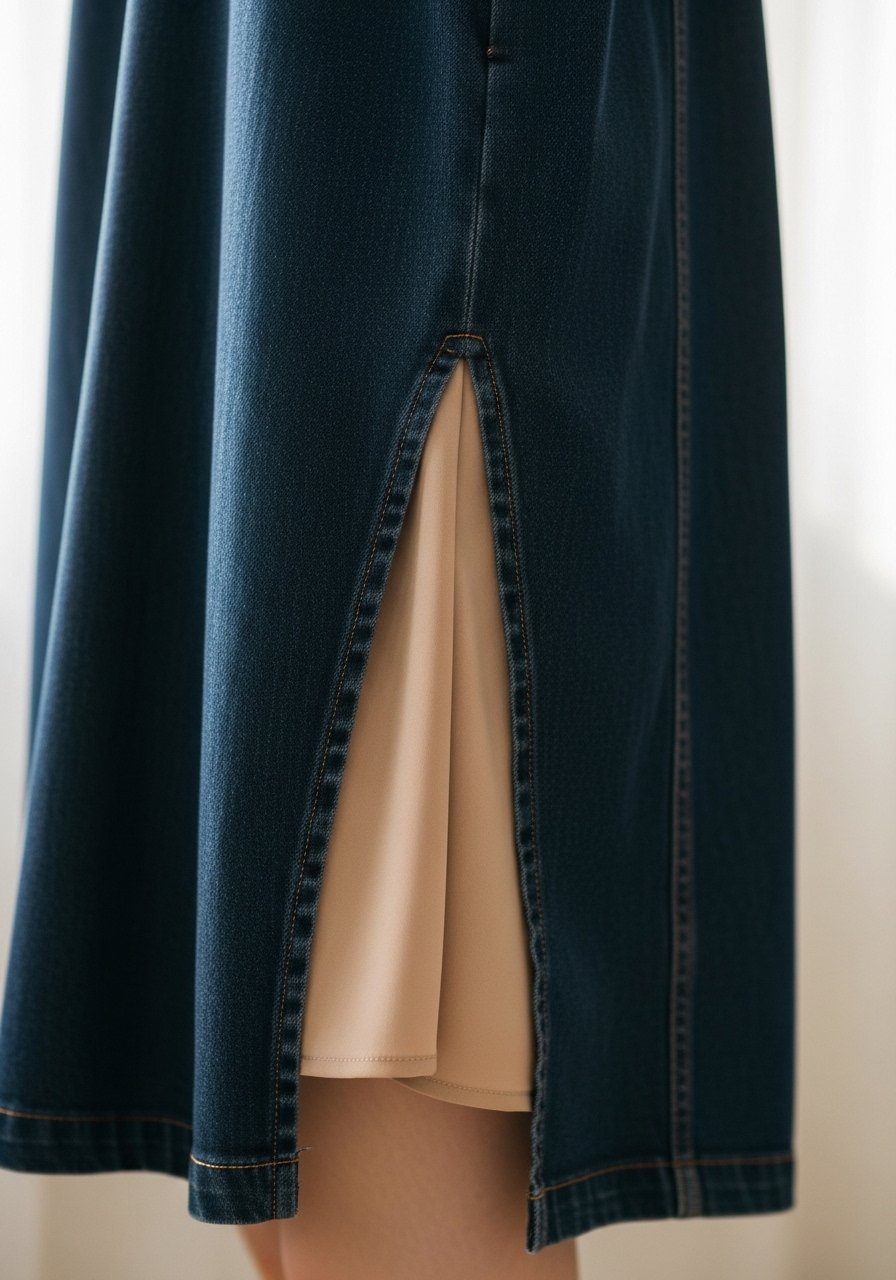
A slip in a breathable knit smooths cling and fixes static when cotton denim rubs against tights. Pick a slip with a 2 to 3 percent elastane content so it stretches without sagging. This works best for curvy and straight body types who find denim dresses pull across hips. I keep a lightweight nude slip like a stretch-knit slip to avoid that clingy look.
Mistake to Avoid: Choosing a slip that is too long which shows below the dress hem and looks awkward.
4. Belted Blazer Over A Denim Dress
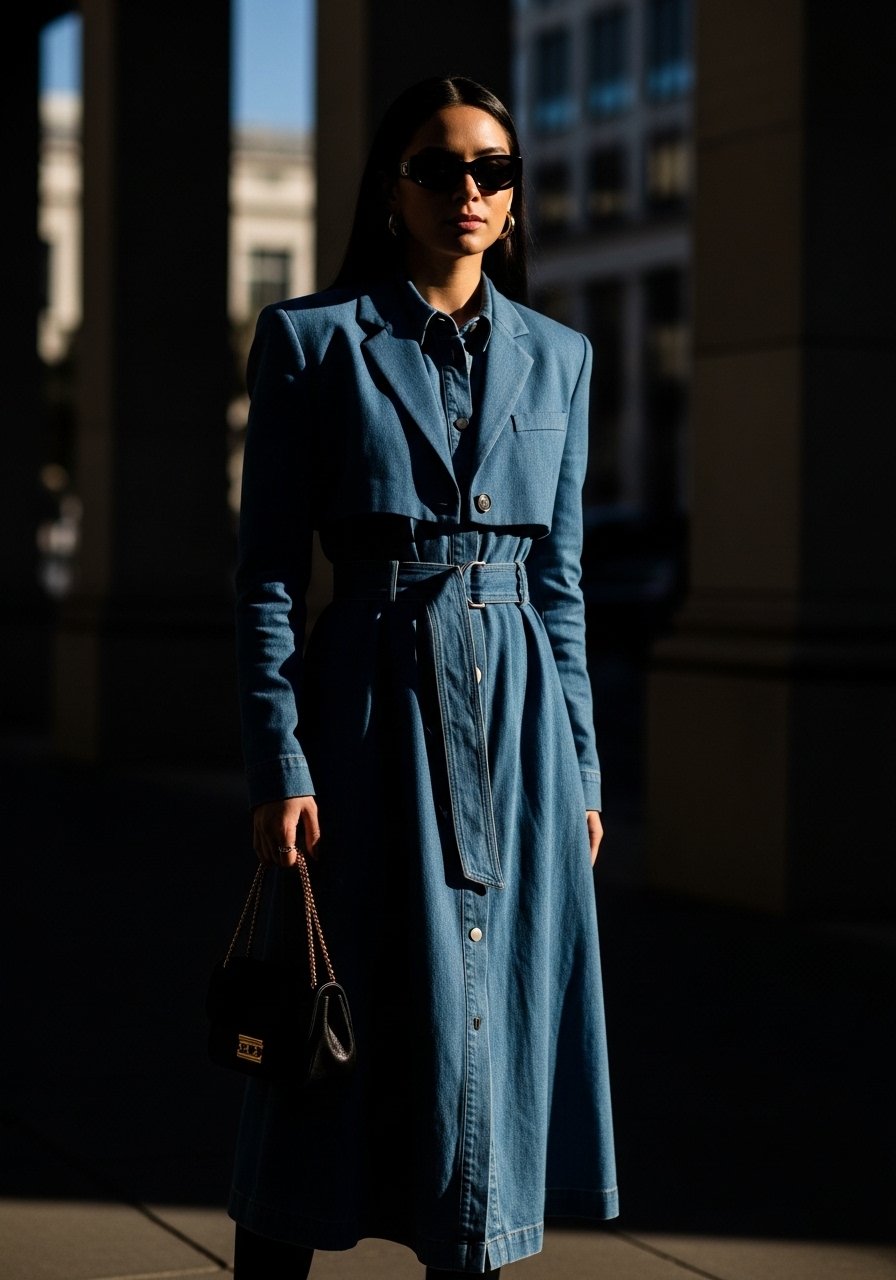
Layering a cropped blazer adds polish and creates a working-wear silhouette without losing the dress’s casual feel. Aim for a blazer hem that hits at the natural waist or one inch above it. Pair with a thinner belt through blazer loops or over fabric for a defined silhouette. A structured blazer like a cropped blazer in neutral wool blend raises the finish for meetings.
Mistake to Avoid: Using a long blazer that hides the dress shape and makes the outfit look oversized.
5. Knot the Front for Mini-Dress Energy

Tying a front knot shortens a midi-length denim dress and gives it a casual, lived-in energy. Fold the fabric into a 1.5- to 2-inch roll before knotting so it stays put. This is a good trick for petites who want the visual of a mini without committing to a shorter hem. For a more secure hold, anchor the knot with a small clear elastic or a hidden safety pin.
Mistake to Avoid: Over-tightening the knot so the dress pulls awkwardly across the hips.
6. Add A Slip Skirt For Contrast
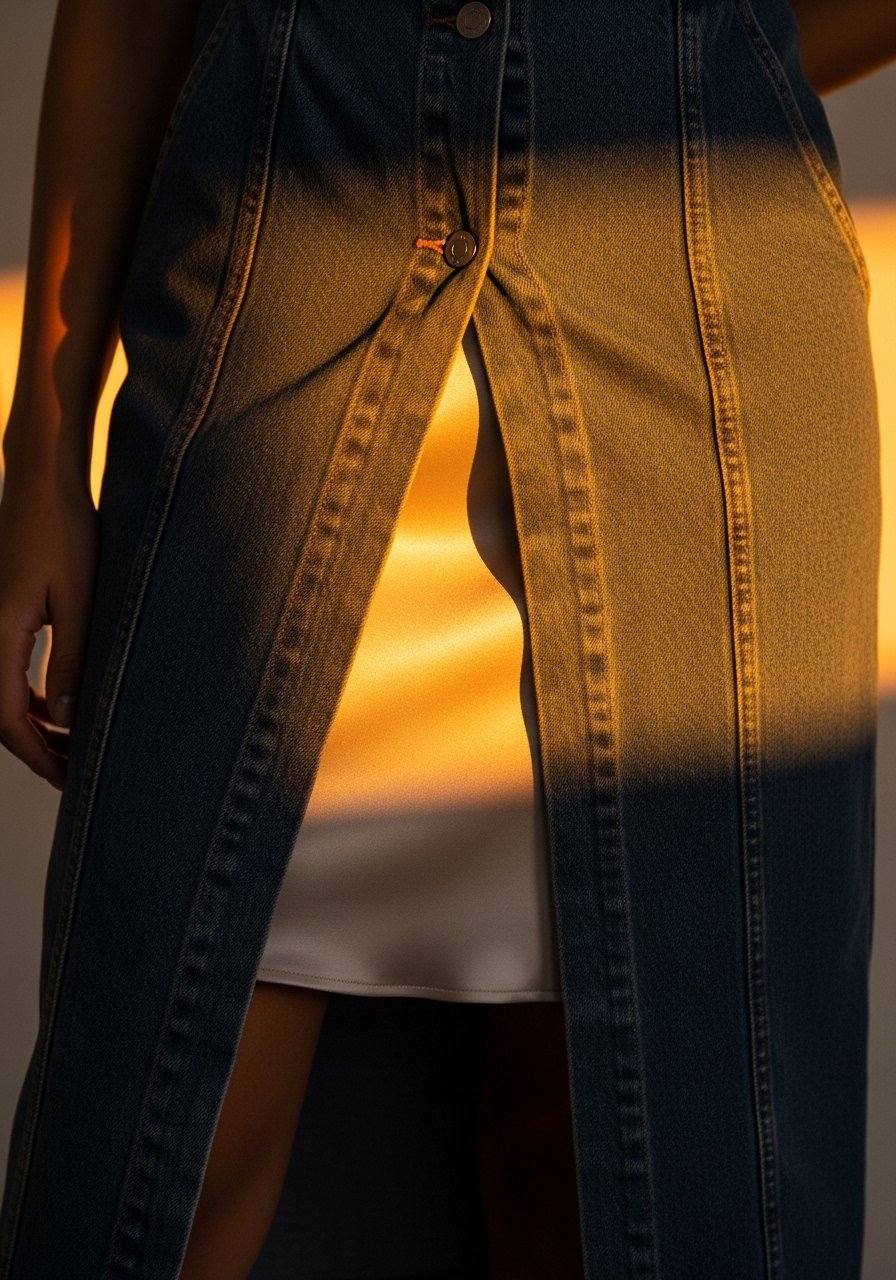
If your denim dress has a front slit, show a contrasting slip skirt underneath for movement and texture. Silk or satin in bias-cut panels works well because it skims rather than adds bulk. Keep the slip about 1.5 inches longer than the dress hem so it peeks intentionally. I use a bias-cut satin slip skirt to soften a boxy denim shape.
Mistake to Avoid: Picking a slip that matches the hem length exactly which cancels out the layering effect.
7. Tuck and Belt For High-Waist Proportions
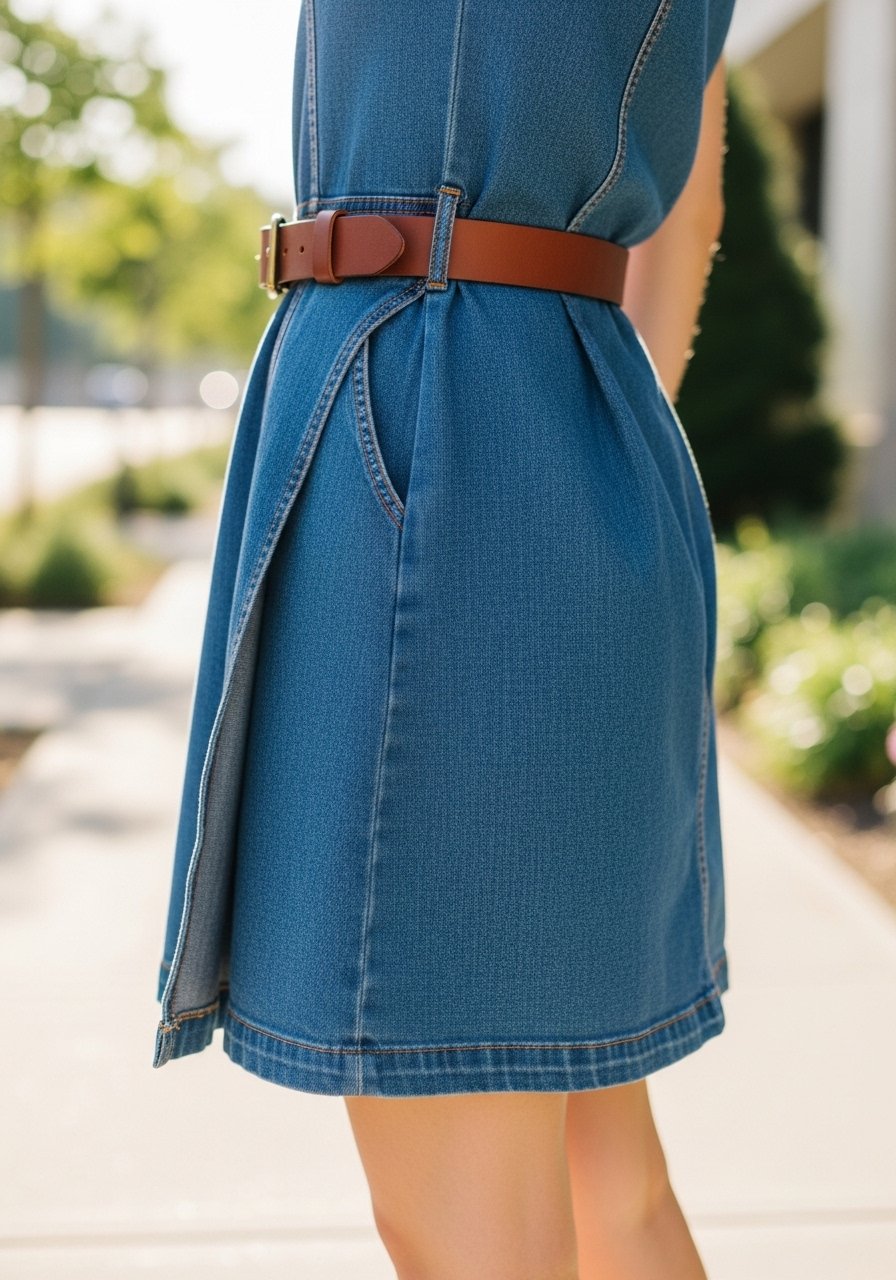
If your dress is longline, tuck the front third into a belt to create a faux high-waist and more leg show. The rule of thumb is to tuck only one third so the back remains long and the proportions feel intentional. This approach helps long-torso or tall bodies get a better waist definition without altering the hem.
Mistake to Avoid: Fully tucking the dress which creates bulk and loses the intended A-line fall.
8. Switch Buttons To Smaller Spaced Ones
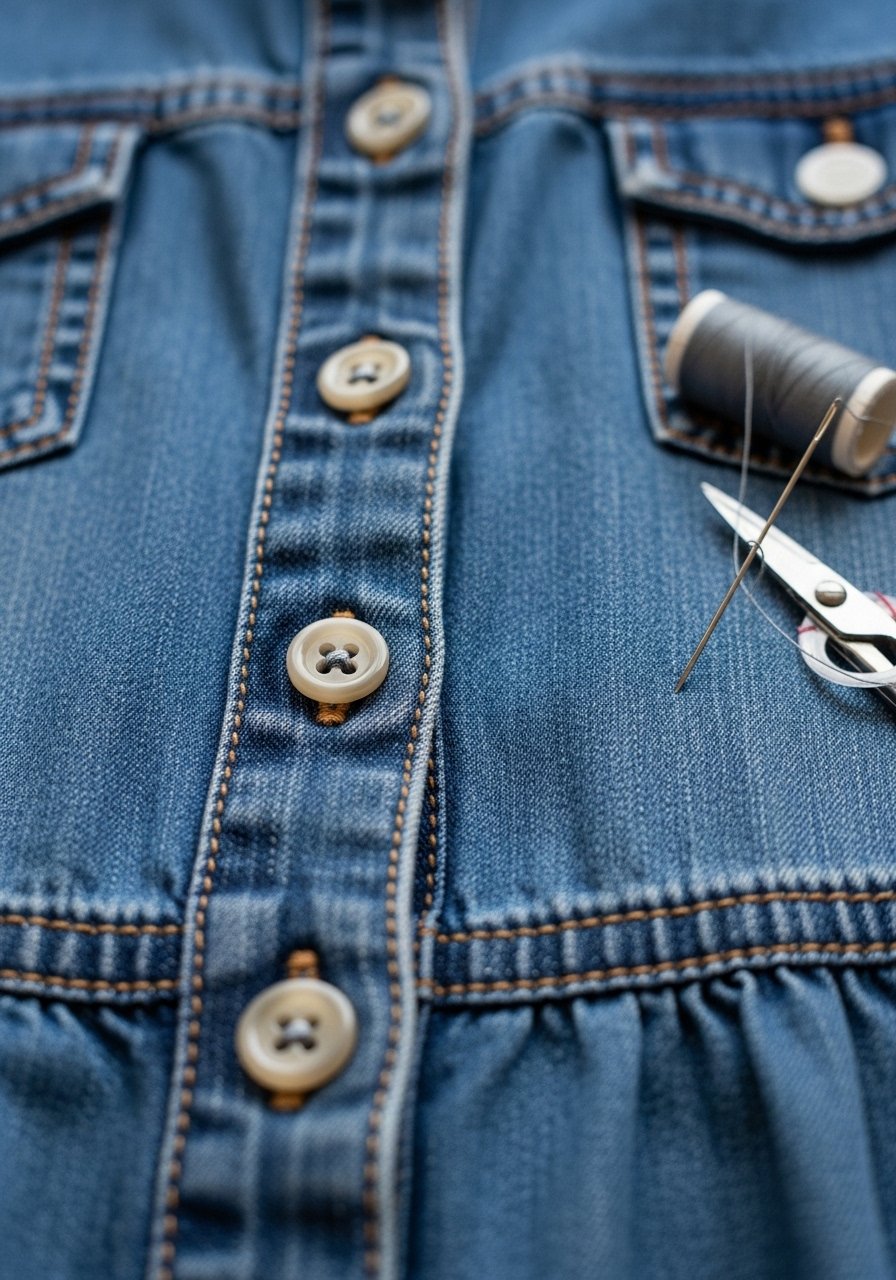
Replacing oversized buttons with smaller, closer-spaced ones prevents gaping between fronts. Move to buttons with a 1/2-inch diameter and space them 2.5 inches apart for a smoother closure, especially across the bust. This is a cheap tailoring fix that solves one of the top fit complaints and keeps the dress original.
Mistake to Avoid: Using too-small buttons that look out of scale and can pop open under tension.
9. Add Shoulder Pads For Structure
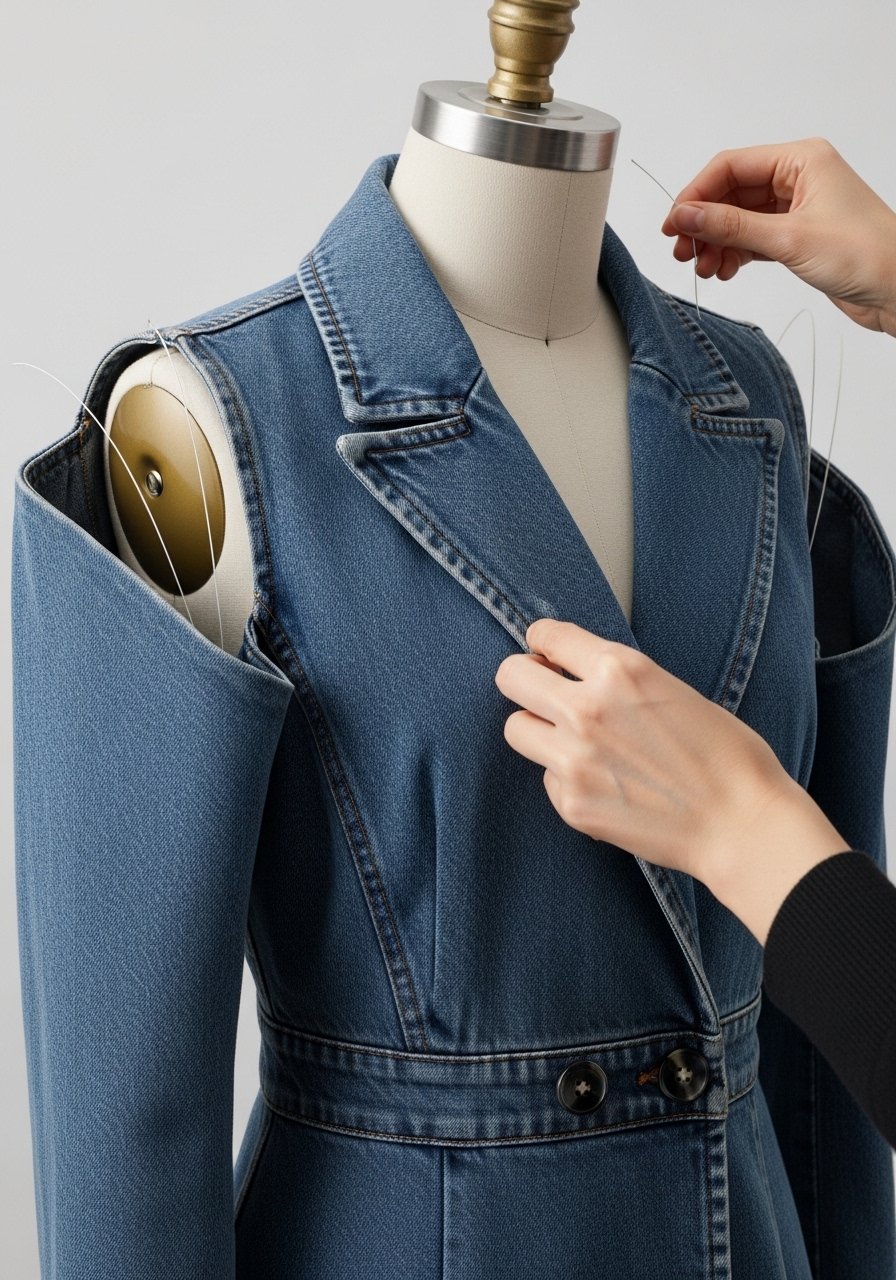
A small shoulder pad gives shape to an otherwise slumped denim dress and balances wide hips. Choose a 3/8- to 1/2-inch pad for a subtle lift rather than an eighties silhouette. This helps straight and pear shapes read more proportional in camera shots without changing the waist.
Mistake to Avoid: Adding thick pads that create a boxy, dated shoulder line.
10. Cuff Sleeve Twice For Casual Roll
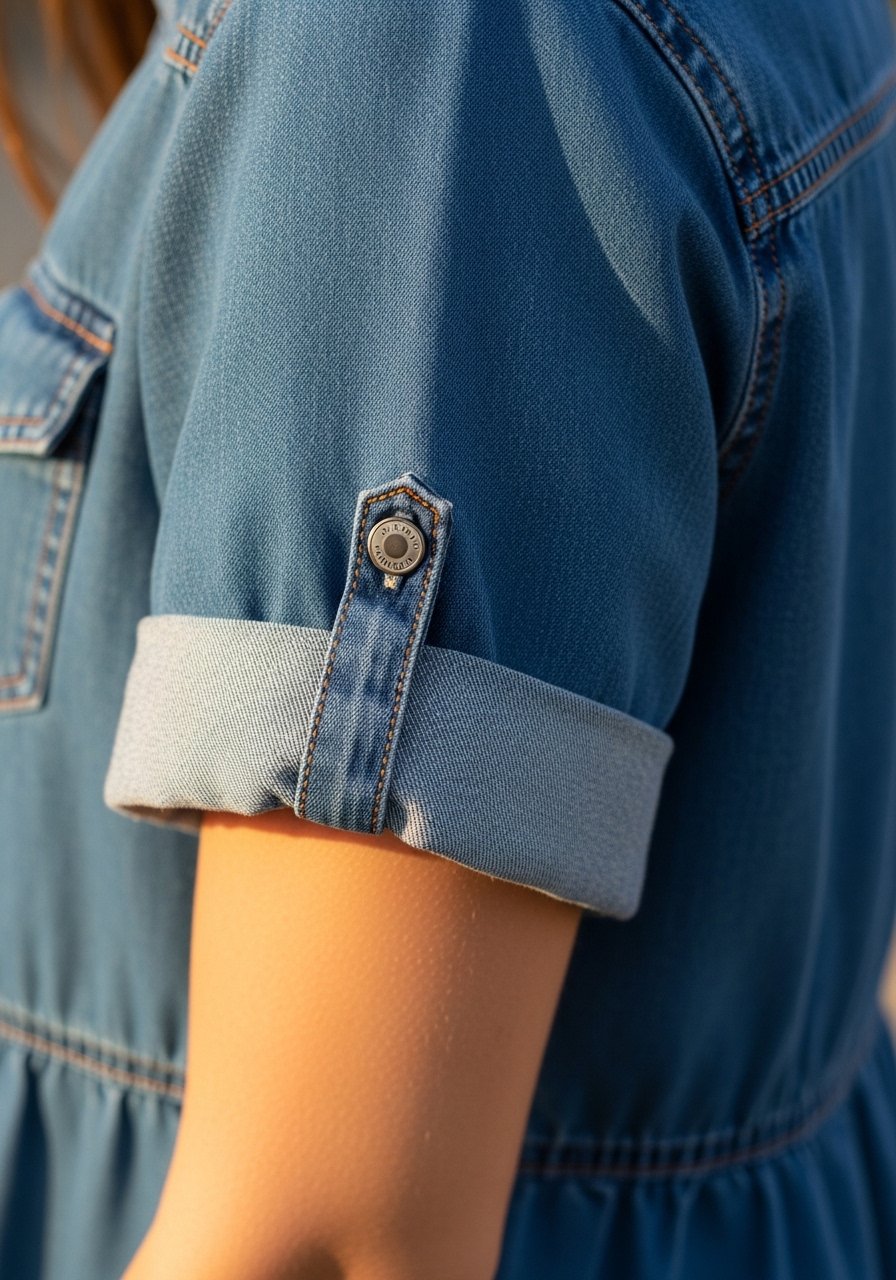
Rolling sleeves twice by roughly 1 inch each creates the casual cuffed look and shortens sleeve length by about 1.5 inches total. It works on 3/4 and short sleeve dresses and makes the outfit feel more deliberate. Secure the roll with a small stitch or pin if your fabric is slippery.
Mistake to Avoid: Rolling unevenly which makes both sleeves look mismatched and sloppy.
11. Pair With Ankle Booties For Balance
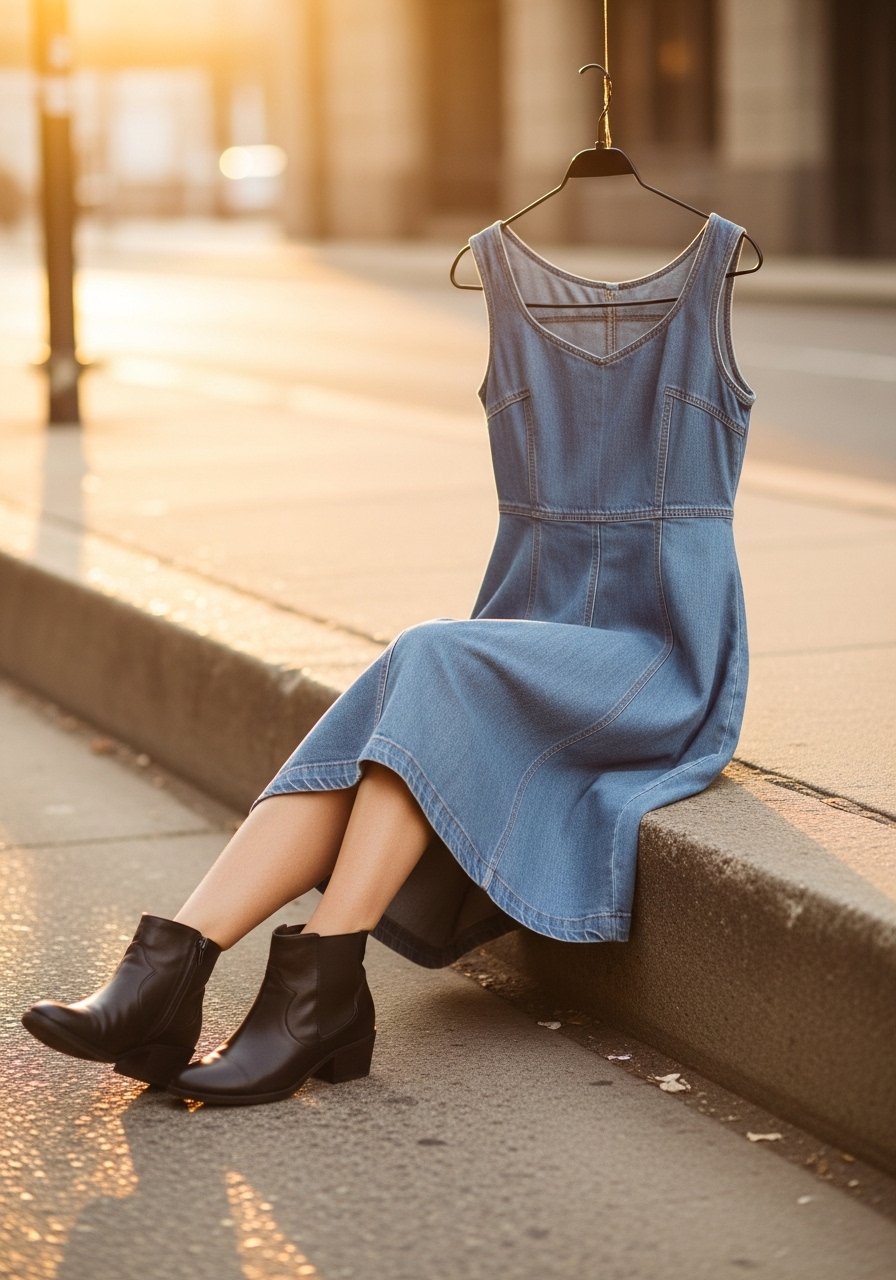
Mix a mid-knee denim dress with ankle booties to anchor the look. Choose boots with a 1.5- to 2-inch heel for a subtle lift that elongates the leg without making the outfit formal. A brown or black leather works as a neutral base. I like a classic leather ankle boot for everyday wear.
Mistake to Avoid: Wearing heavy hiking boots that overpower the dress’s proportions.
12. Use A Lightweight Scarf As A Neck Tie

A slim silk scarf knotted at the throat adds color and refines a casual denim dress. Keep the scarf about 2 inches wide and 30 inches long. For cool undertones pick blue-based patterns, and for warm undertones pick rust or ochre. This tiny detail solves the frustration of an outfit looking unfinished.
Mistake to Avoid: Using a bulky scarf that hides the dress neckline and overwhelms the face.
13. Layer With A Chunky Knit For Winter
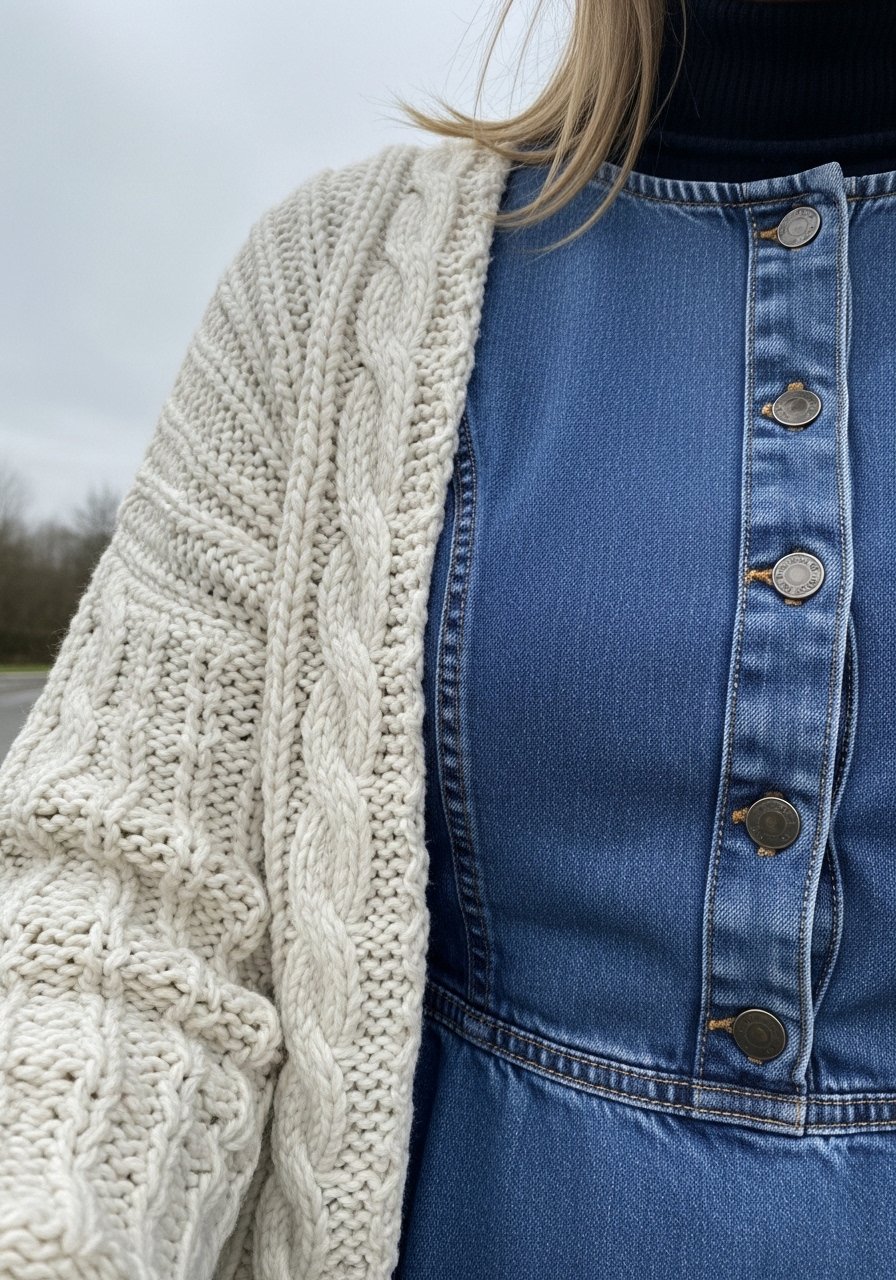
Wear the dress under a chunky sweater as a skirt substitute. Shrug the sweater over the shoulders or tuck the front into a wide belt so the dress peeks out below. Make sure the sweater hem is at least 2 inches shorter than the dress to avoid an odd double layer. This makes a single dress work for colder months.
Mistake to Avoid: Choosing a sweater that is longer than the dress which masks the denim entirely.
14. Add Contrast Stitching Details

If your dress looks flat, add topstitching in a thread 2 to 3 shades lighter or darker than the denim for visual interest. Pick stitches around pockets and plackets only so it reads handmade rather than overly busy. This is an inexpensive customization that other articles often miss but makes a big visual difference.
Mistake to Avoid: Overstitching every seam which makes the garment look DIY and cluttered.
15. Wear With A Cropped Puffer For Sporty Vibe
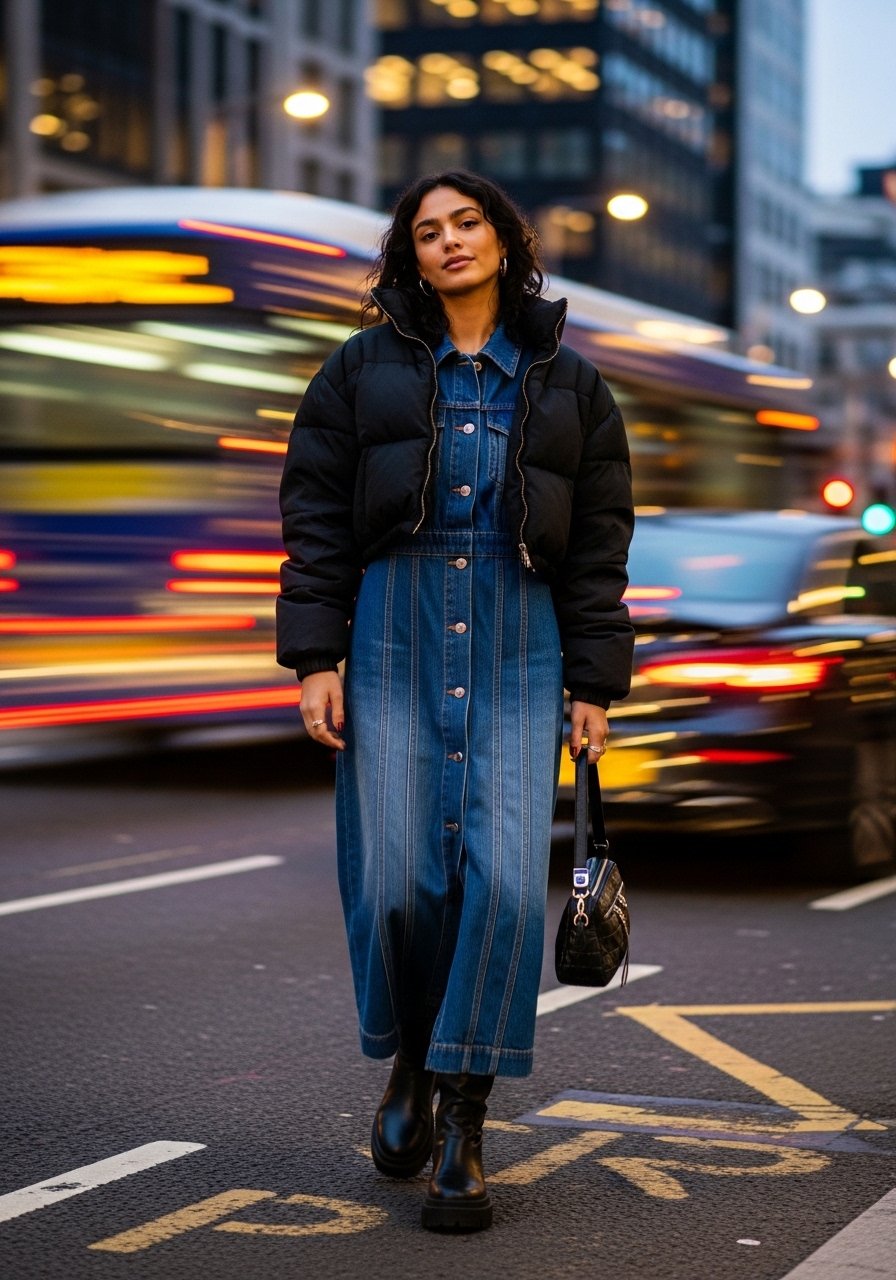
A cropped puffer that stops at the waist keeps the dress shape while adding weather protection. Look for 3-inch quilting and a jacket length that hits the natural waist. This pairs well with straight and athletic body shapes, and it avoids the common winter problem of the dress disappearing under outerwear.
Mistake to Avoid: Choosing a long puffer that hides the dress and flattens your silhouette.
16. Knot A Waist Scarf Instead Of A Belt
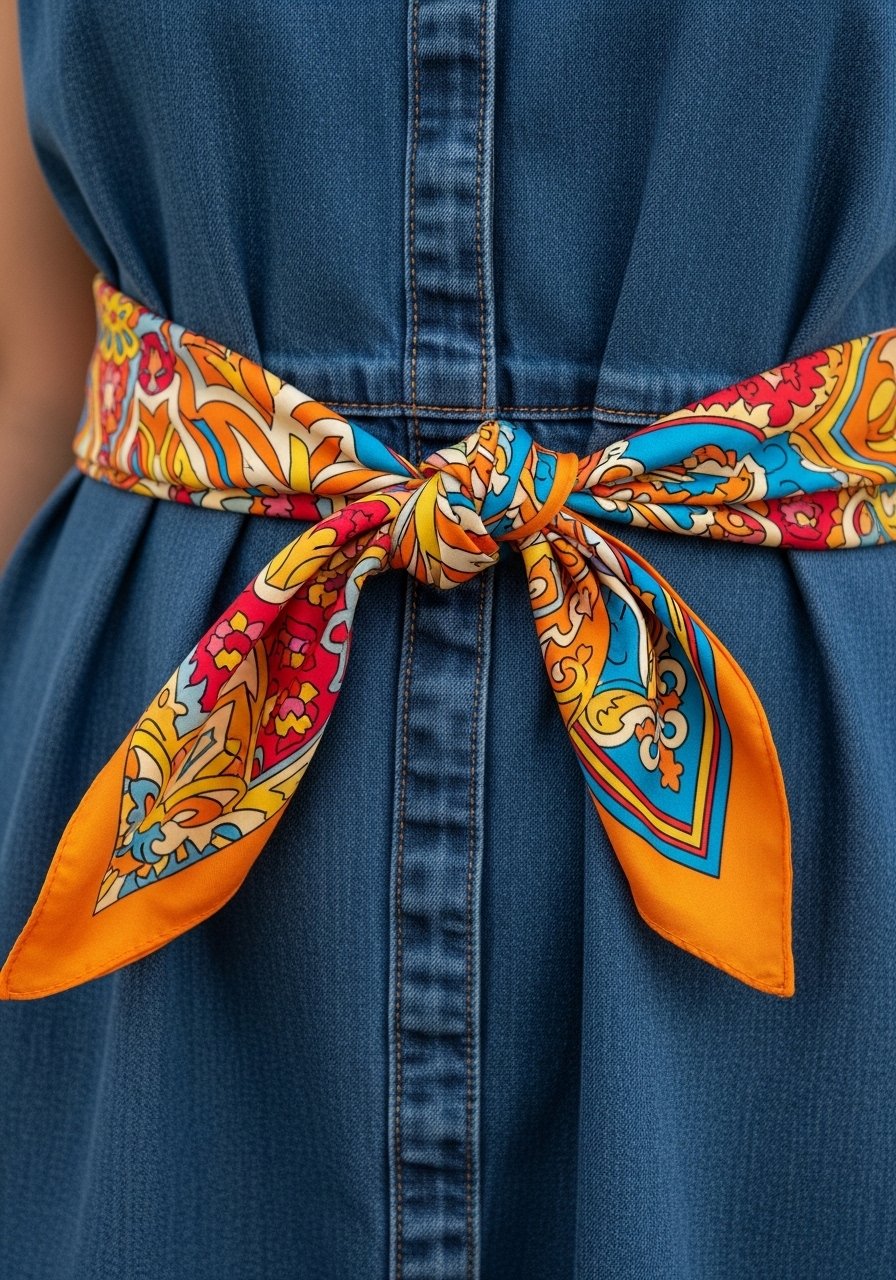
A patterned scarf tied in a flat knot creates waist definition without the stiffness of leather. Use a 20-inch square and tie it flat so it reads like a sash. This is great for those who find belts uncomfortable or who want a lighter, packable option.
Mistake to Avoid: Using a large bulky scarf that adds volume and looks accidental.
17. Use A Denim-on-Denim Layering Trick
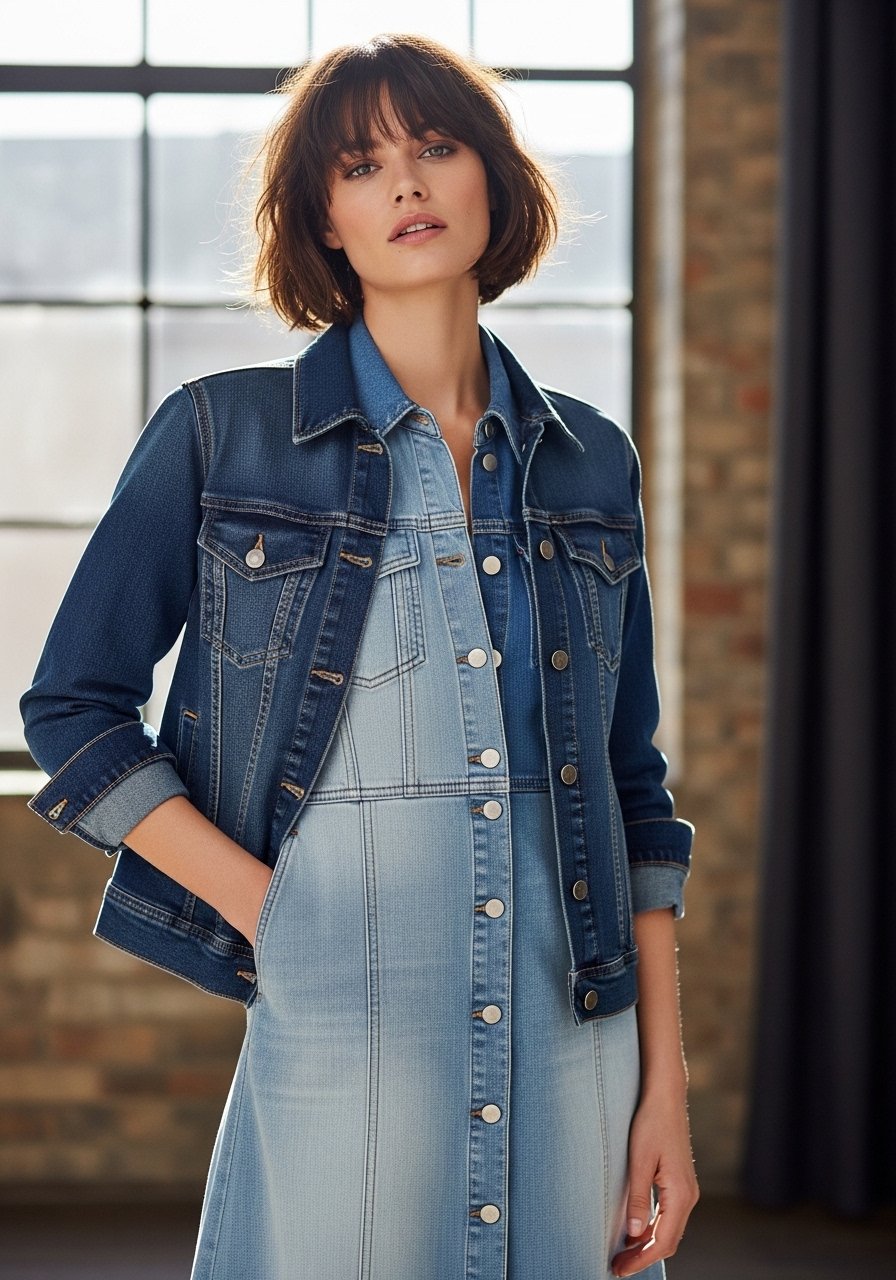
If you want a double denim look, keep top and bottom in different washes for contrast. The jacket should be one or two shades darker than the dress and cropped at the waist. This avoids the matched-set trap and gives structure to the outfit.
Mistake to Avoid: Matching washes exactly which can look like an accidental uniform.
18. Add A Statement Collar For Interest
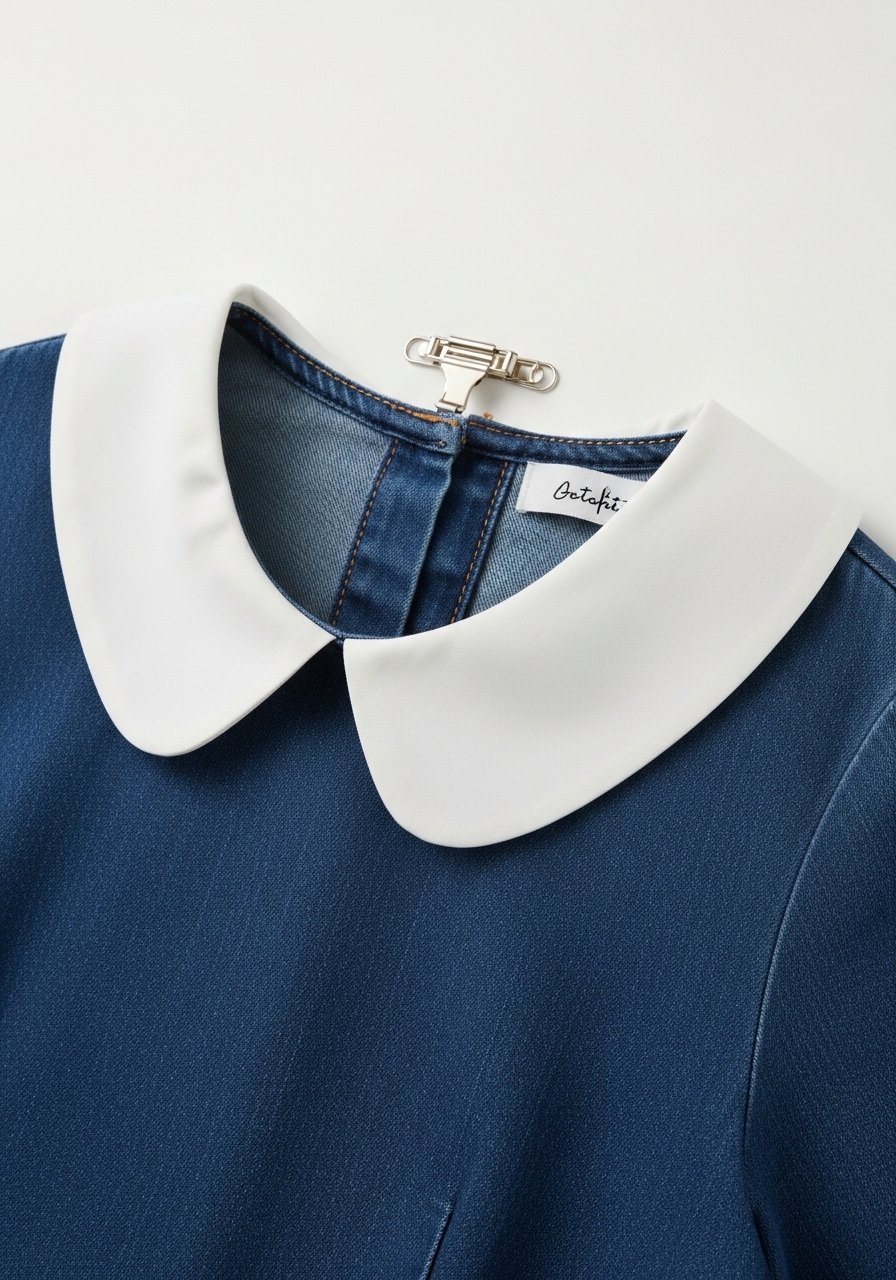
A detachable collar changes the mood without altering the dress permanently. Pick a collar that adds about 1 to 1.5 inches of visual weight near the face. It brightens selfies and fixes the problem of dresses that look plain on camera.
Mistake to Avoid: Picking a collar that is disproportionately large for your neck, which can overwhelm.
19. Layer Tights In Pattern Or Color
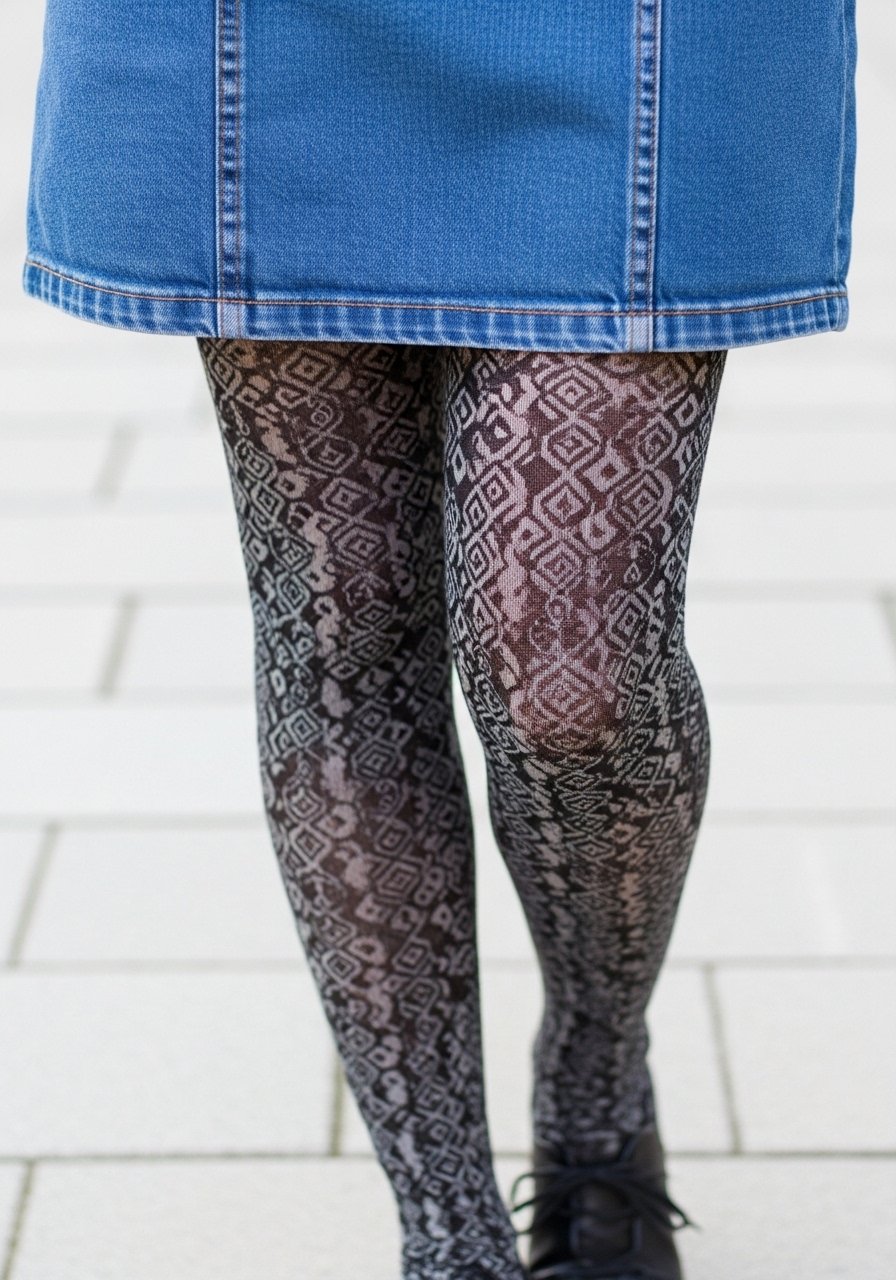
Swap plain tights for a subtle pattern or color to elevate a basic dress. Choose tights with 40 to 80 denier depending on warmth needed. Patterned tights draw the eye down and solve the monotony that makes denim dresses feel too casual.
Mistake to Avoid: Wearing heavy opaque tights that add unwanted bulk beneath the dress.
20. Shorten The Hem For A Proportionate Mini
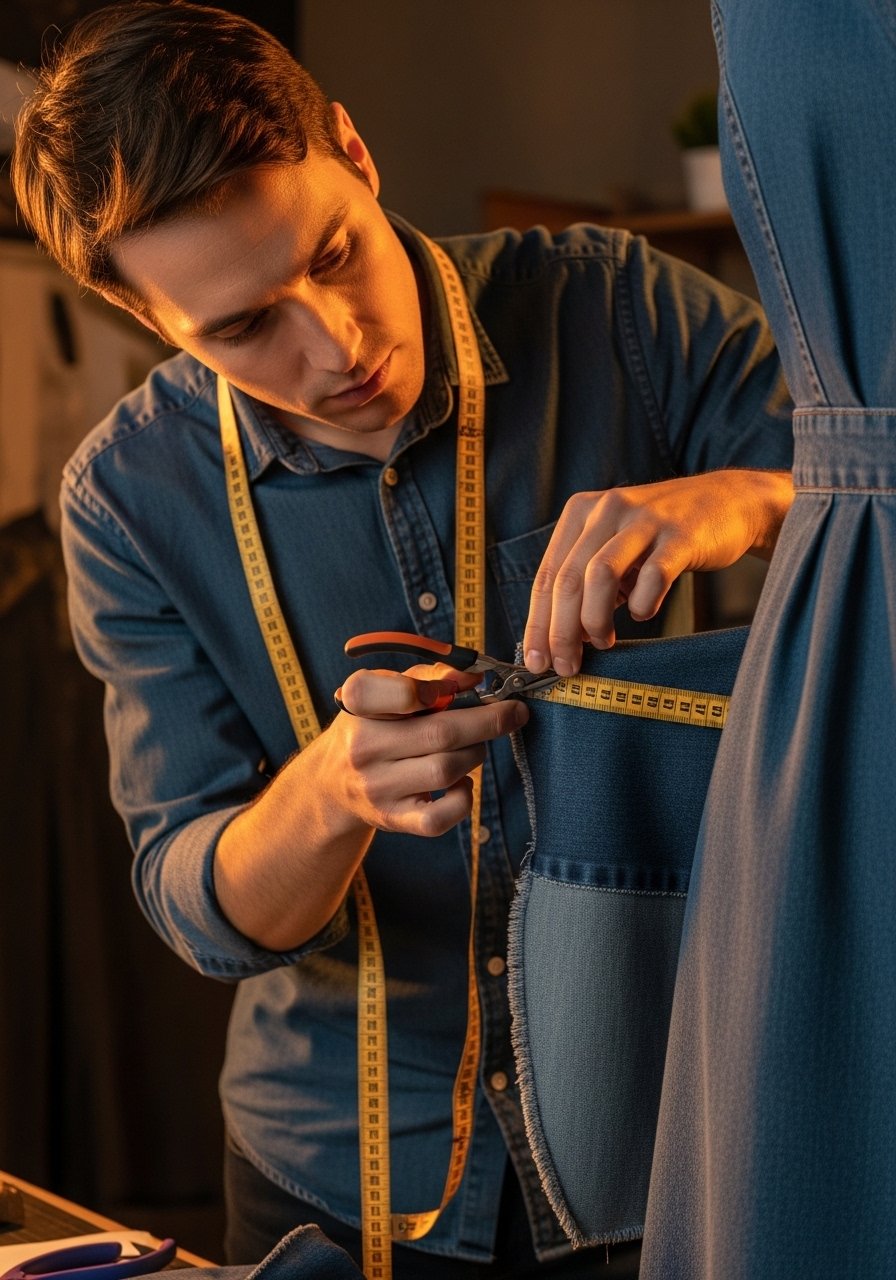
When a dress hits mid-thigh awkwardly, a 1.5- to 2-inch hem adjustment can fix proportion without changing style. Tailoring the hem so it lands at two-thirds of the thigh length often reads more balanced on camera. This is one of the tailoring tweaks most guides skip but it matters.
Mistake to Avoid: Cutting too much at once which can distort the dress’s original shaping.
21. Use A Lightweight Pinafore Layer
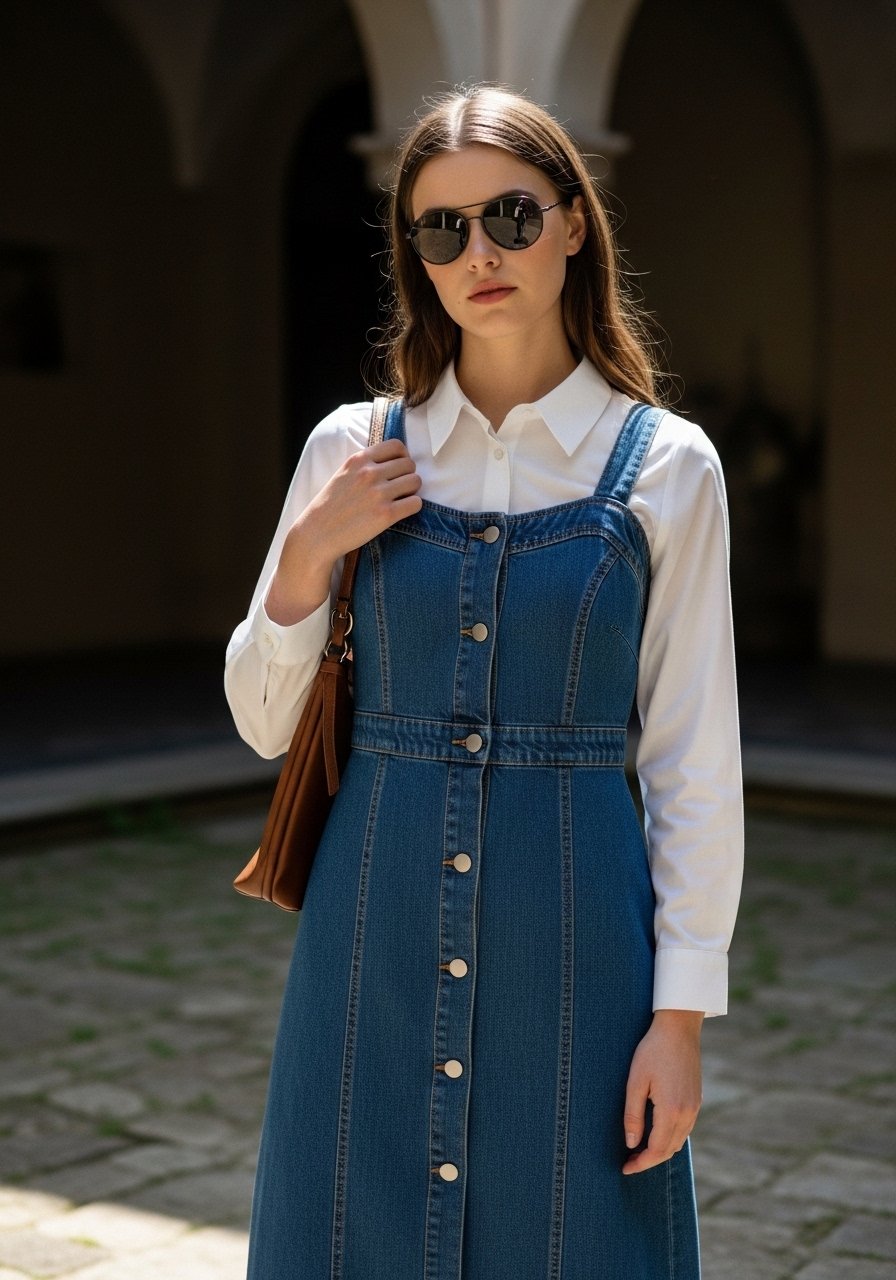
A pinafore overlay or apron-style panel adds coverage and visual layering. Choose a panel that covers the front third and ties at the back so you can remove it for a different look. It helps when a dress is too short or shows too much in certain settings.
Mistake to Avoid: Adding a heavy pinafore that makes the outfit feel costume-like.
22. Play With Proportions Using Knee Socks
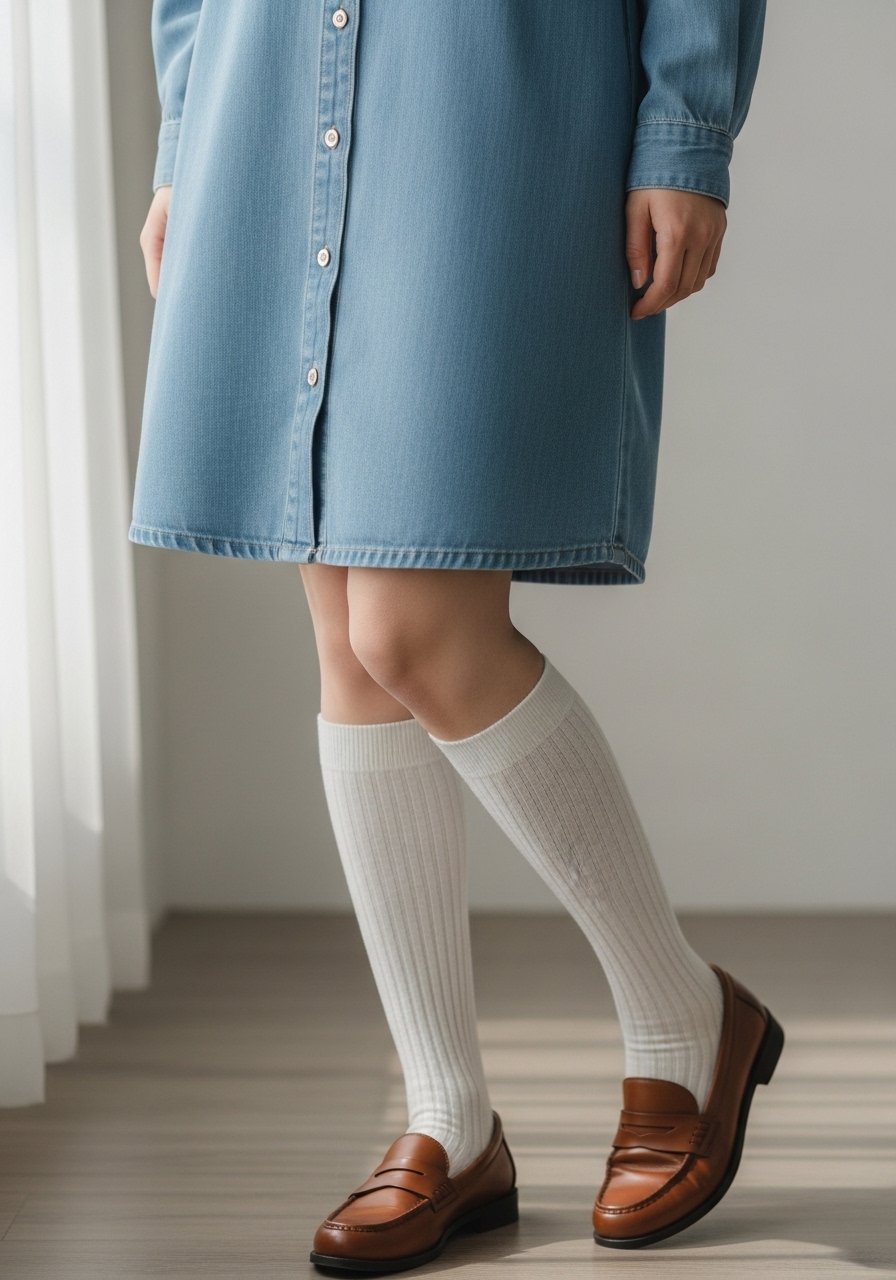
Knee socks pull attention to the center of the leg and pair well with loafers for a preppy feel. Pick socks with a 10 to 12-inch rise and keep colors coordinated with shoes. This solves the problem of ankle booties that sometimes cut off the leg visually.
Mistake to Avoid: Wearing socks that match the dress color exactly which flattens the look.
23. Add A Removable Waist Panel For Shape
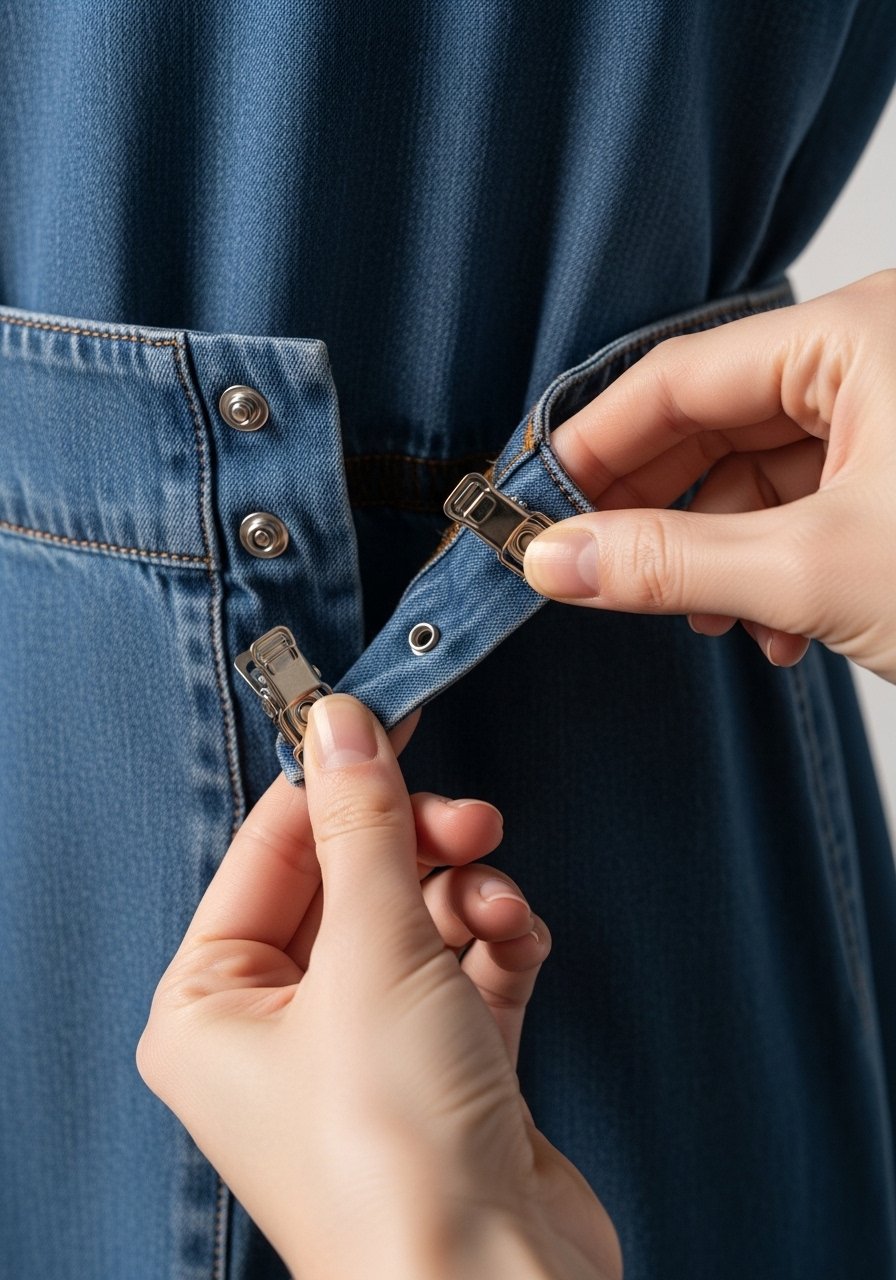
A snap-in or clip-in waist panel gives temporary tailoring without sewing. Choose a panel that reduces waist circumference by 1 to 3 inches, depending on how much shape you want. It is perfect for rentals or pieces you cannot permanently alter.
Mistake to Avoid: Installing a panel that pulls fabric oddly at the bust, causing unflattering folds.
24. Accessorize With A Crossbody For Casual Ease
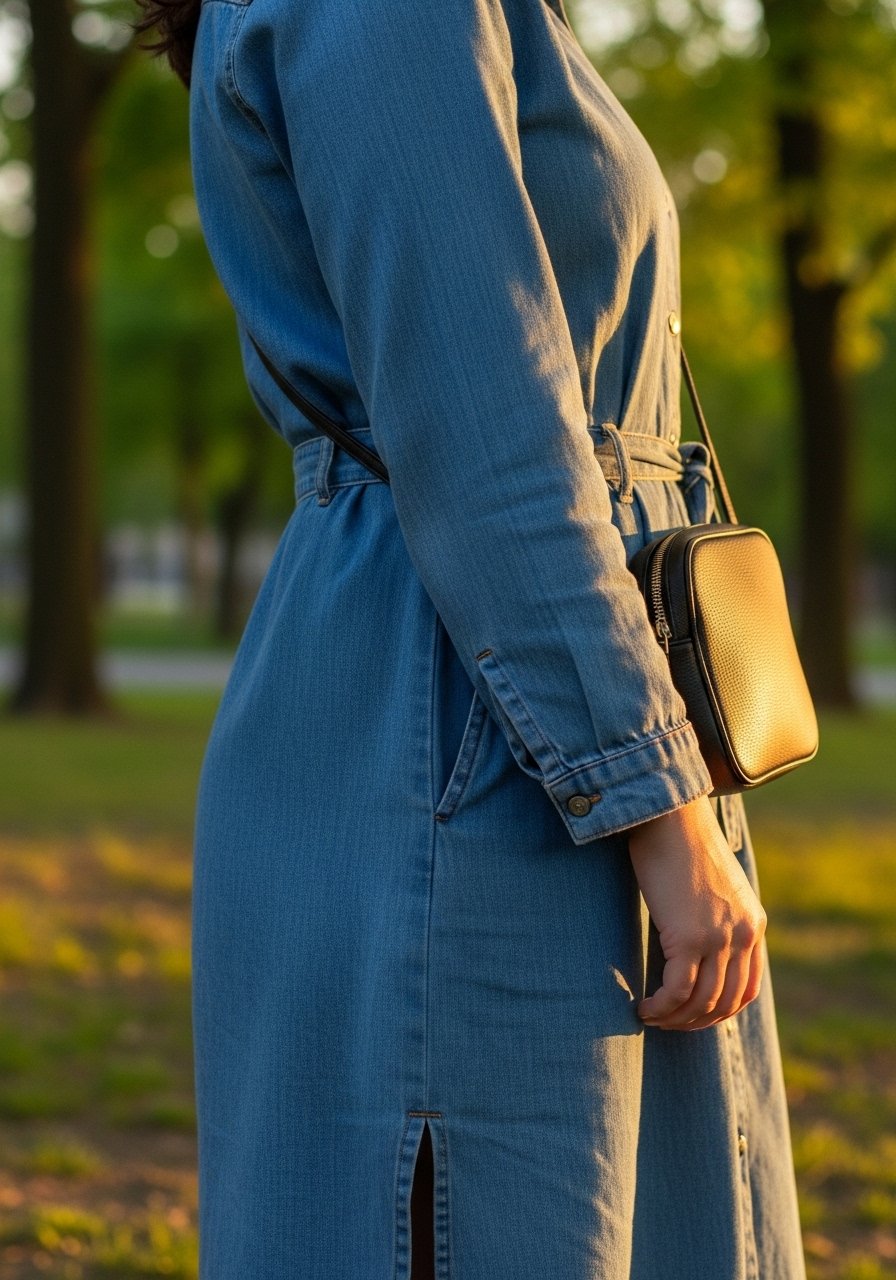
A small crossbody bag creates a diagonal line that slims the torso and keeps hands free. Opt for a strap width under 1.25 inches so it does not look heavy on the chest. This fixes the common frustration of wanting to carry essentials but losing the dress’s silhouette.
Mistake to Avoid: Using a wide satchel strap that divides the torso and feels bulky.
Your Capsule Picks
Honestly the belt I reach for most is a narrow leather option, a 1.25-inch leather belt ($25). Good for cinching dresses.$18) in white and black.
For layering, I keep a slim rib tee (
A reliable slip that does not cling is a stretch-knit slip ($22).$28) is my go-to.
When I need shine, a bias-cut satin slip skirt (
For shoes, classic leather ankle boots ($85) cover most outfits.$90).
A cropped blazer that holds a belt well is a cropped blazer wool blend (
Small details matter. I keep a 20-inch silk scarf ($16) for neck and waist ties.$7) lives in my drawer.
For quick fixes, a pack of sew-on buttons, 20-piece (
When tailoring, a light dressmaker’s tape measure ($6) stops guessing.$60) pairs with dresses well.
For warmth, a chunky knit pullover (
I stash a set of clear elastic hair ties ($5) to anchor knots and rolls.$20).
A travel-friendly option is a detachable collar set (
Styling Tips I Keep Coming Back To
Thin tweaks matter far more than big changes. Swap one accessory, like a narrow leather belt, and you change the outfit’s proportions.
Pick different washes for denim-on-denim. I use a dark denim jacket with lighter dresses to keep the look intentional.
Curious about fit issues? Measure the bust and hips on a dress flat, then compare to a top that fits you well. A flexible tape measure helps avoid returns.
Most people spend somewhere between $500 and $800 when they finally commit to refreshing a room. That holds for your closet too, if you count tailoring and a few investment pieces.
If you struggle with cling, try a thin slip. A stretch-knit slip makes denim dresses hang correctly and reduces static.