
I kept biting my cuticles between meetings and telling myself I would stop next week. One Tuesday a salon tech finally said, "Stop cutting, start oiling," and it clicked. My nails stopped snagging on everything, polish lasted longer, and those ragged white edges slowly shrank. If you have one under-15-minute habit you can add, this is it.
These tips lean practical and low-cost. Most steps take under 15 minutes and work for short, medium, and long nails. Expect a mix of drugstore finds and one or two salon-level splurges. If you prefer a weekly mini-ritual over daily fuss, I point out which steps you can skip and which ones you should not.
1. One-Drop Oil Every Night
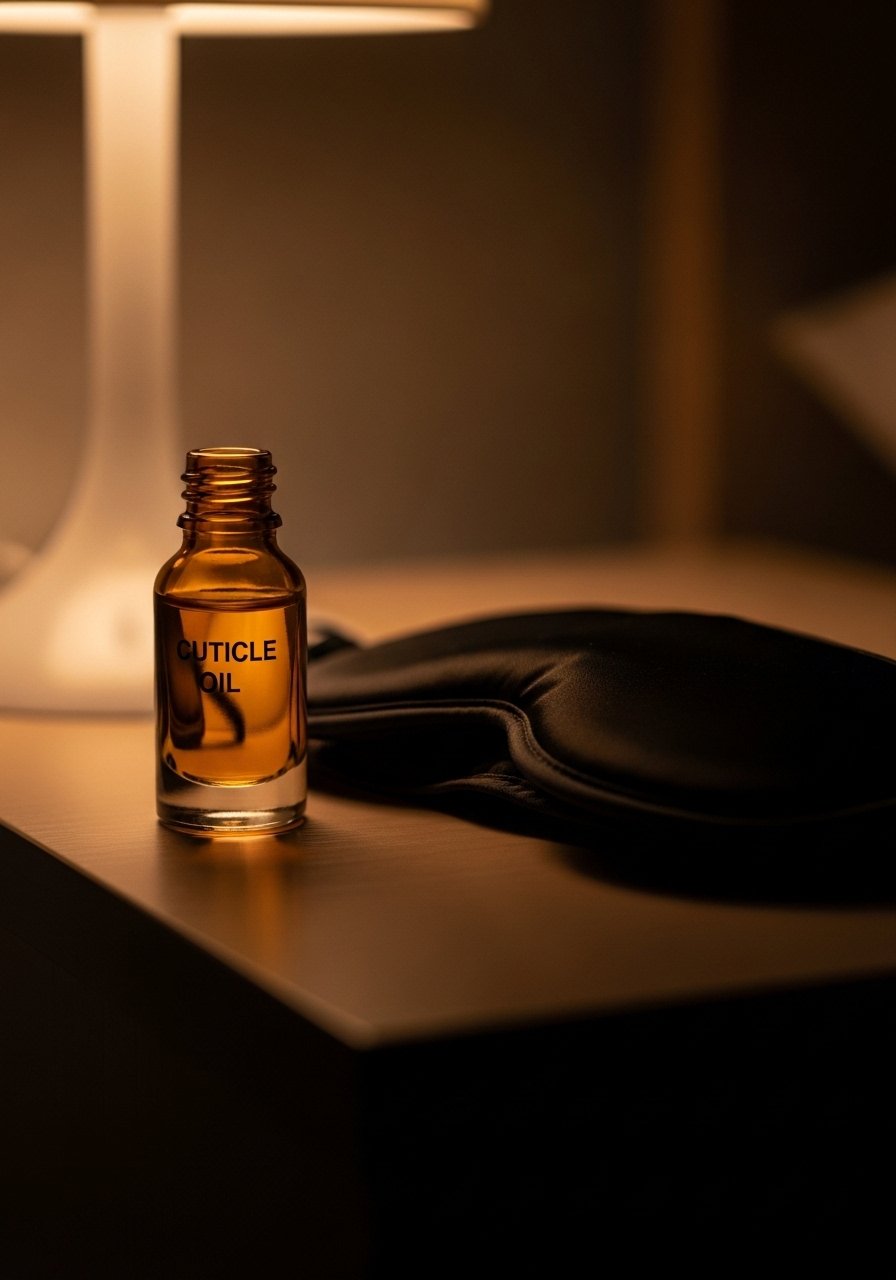
Style/Vibe: Simple nightly ritual
Best For: Short to medium nails, anyone who hates multi-step routines
Skill: Beginner
Two drops per nail is all you need. Rub the oil along the cuticle and the nail plate for 20 to 30 seconds, then massage the base of the finger for an extra 10. Do this while scrolling or listening to a podcast and the habit actually sticks. I use cuticle oil with jojoba and vitamin E because it soaks in without leaving a greasy film. Pair with cotton-free wooden orange sticks for gentle pushbacks once a week.
Mistake to Avoid: Rubbing in too much oil and skipping the massage. A tiny amount absorbed well is better than a puddle that smudges polish.
2. Push, Do Not Cut
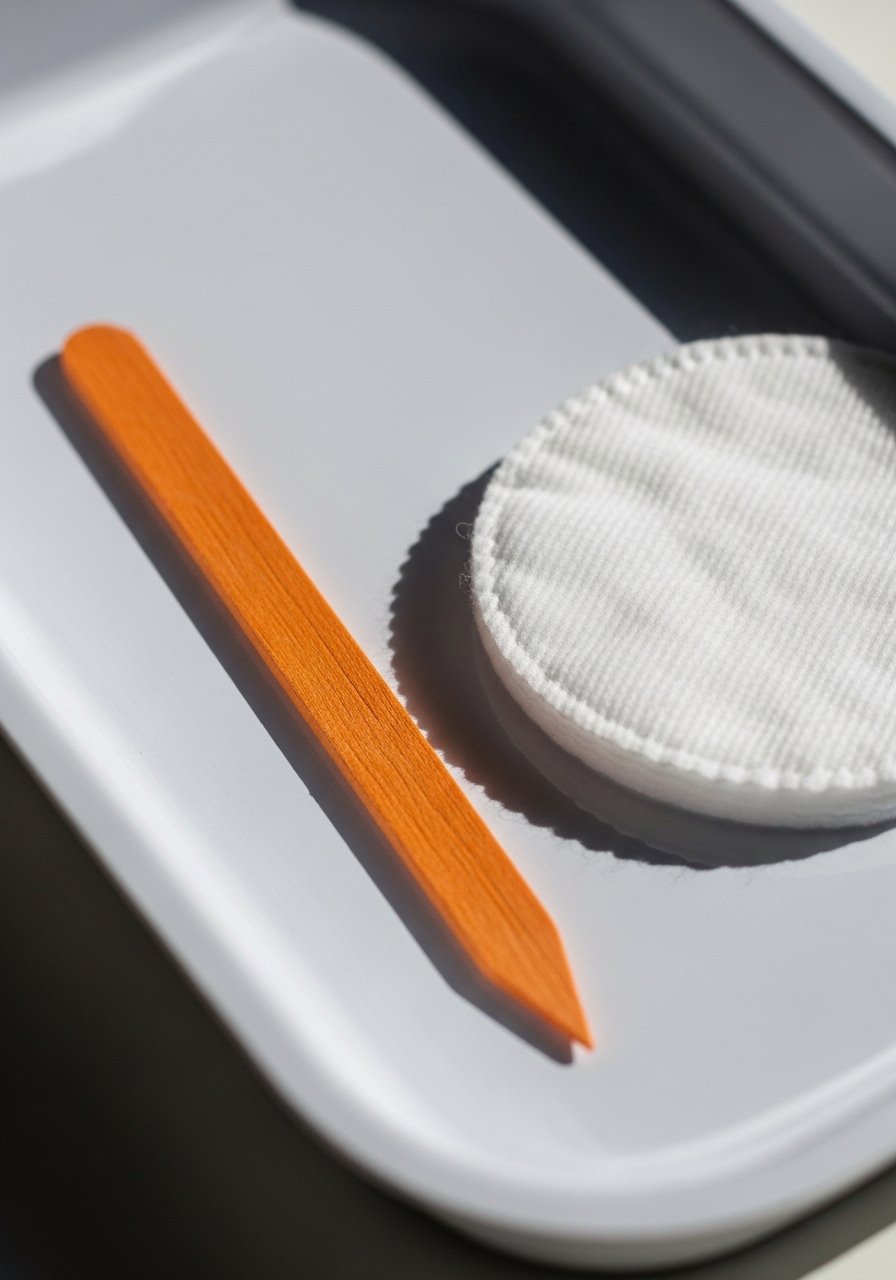
Style/Vibe: Salon-esque at home
Best For: Medium to long nails, anyone with sensitive skin
Skill: Beginner
A tech at a salon downtown showed me how gentle pushing keeps the cuticle intact and reduces infection risk. After a warm five-minute soak, use a wooden orange stick to nudge the cuticle back, not scrape. I like soft-tipped cuticle pusher set for home use. This method creates a cleaner polish edge, and your nail looks longer without trimming the live skin.
Mistake to Avoid: Forcing a dry cuticle back. Always soak first and be patient.
3. Warm Oil Soak for Stubborn Cuticles
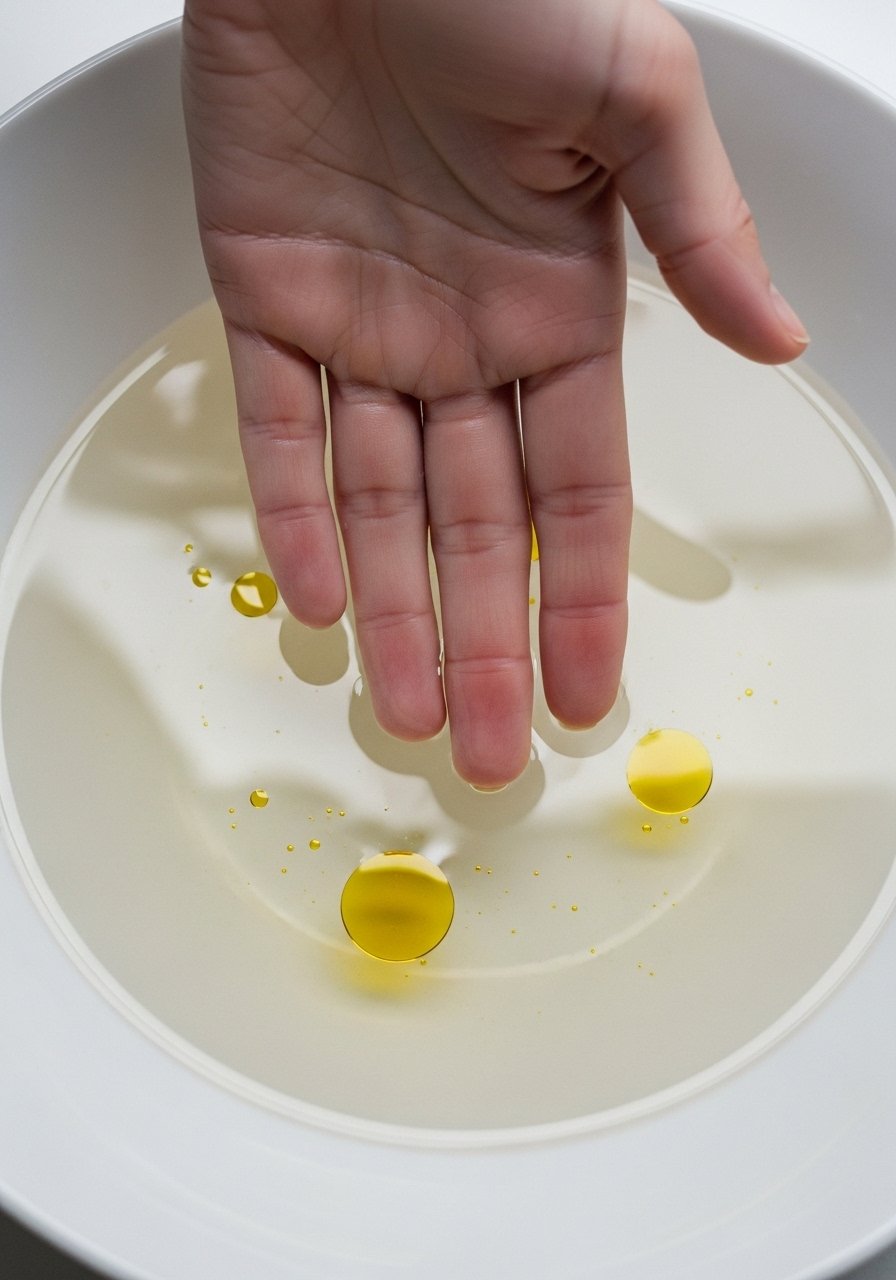
Style/Vibe: Soothing prep step
Best For: Thick or overgrown cuticles, rough hands
Skill: Beginner
Heat 1 cup of warm water and mix in 1 teaspoon of coconut or olive oil and a pinch of sea salt. Soak fingers for three to five minutes to soften skin. The oil helps the cuticle glide back and the salt adds gentle exfoliation. I keep a small bowl by the sink and do this before any polish change. Try mini hand soak bowls if space is tight.
Mistake to Avoid: Over-soaking. Five minutes is enough. Longer soaks can dry the nail plate.
4. Skip the Clippers for Hangnails
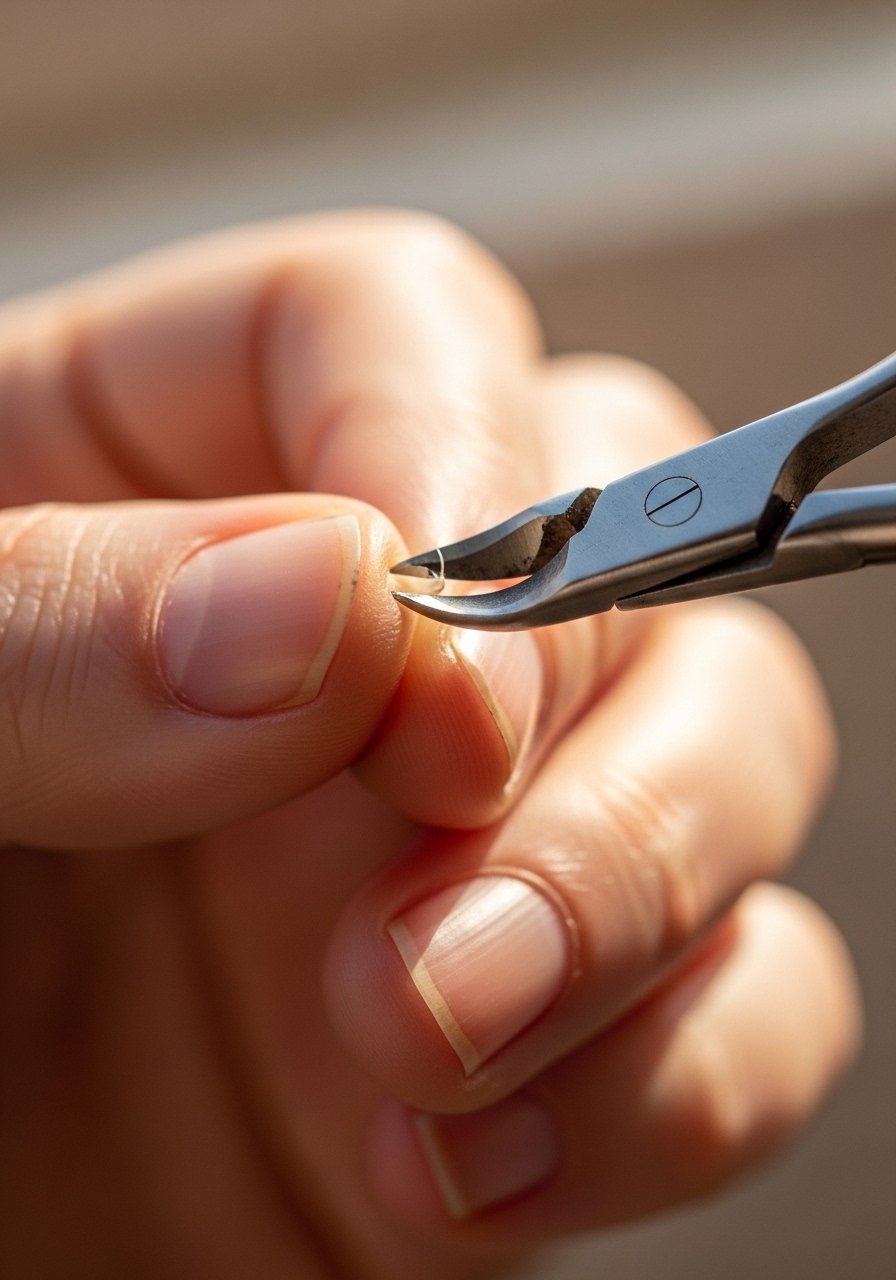
Style/Vibe: Precise care, low drama
Best For: Short nails, people prone to hangnails
Skill: Intermediate
If you must remove a hangnail, use sharp cuticle nippers and clip the edge, not the base. Pulling or tearing invites infection. Keep stainless steel cuticle nippers sterilized with rubbing alcohol between uses. Clip only the loose bit and apply an antiseptic and oil afterwards.
Mistake to Avoid: Tearing hangnails. That is how you end up with raw, painful skin.
5. Use a Gel Remover Correctly
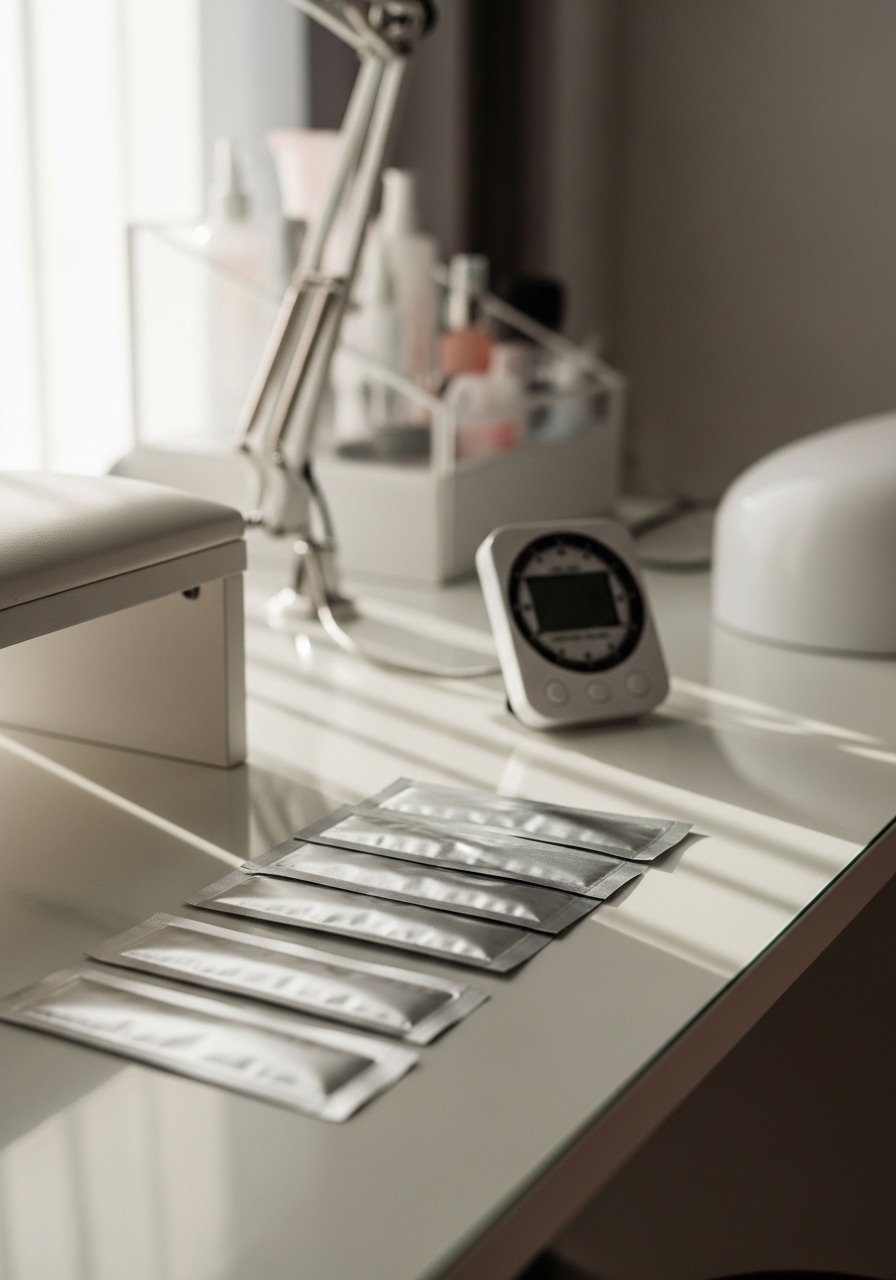
Style/Vibe: At-home gel-safe
Best For: Gel and shellac wearers, medium to long nails
Skill: Intermediate
When removing gel at home, file the shiny top layer first to let the remover work. Wrap each fingertip in foil with an acetone-soaked cotton ball for 10 to 12 minutes. Avoid scraping aggressively. I recommend acetone-soak removal wraps and a soft nail file 180/240 grit. Follow with oil and a gentle buffer.
Mistake to Avoid: Picking at gel. That removes layers of your natural nail and makes cuticles angry.
6. Night Gloves Over Oil for Deep Hydration
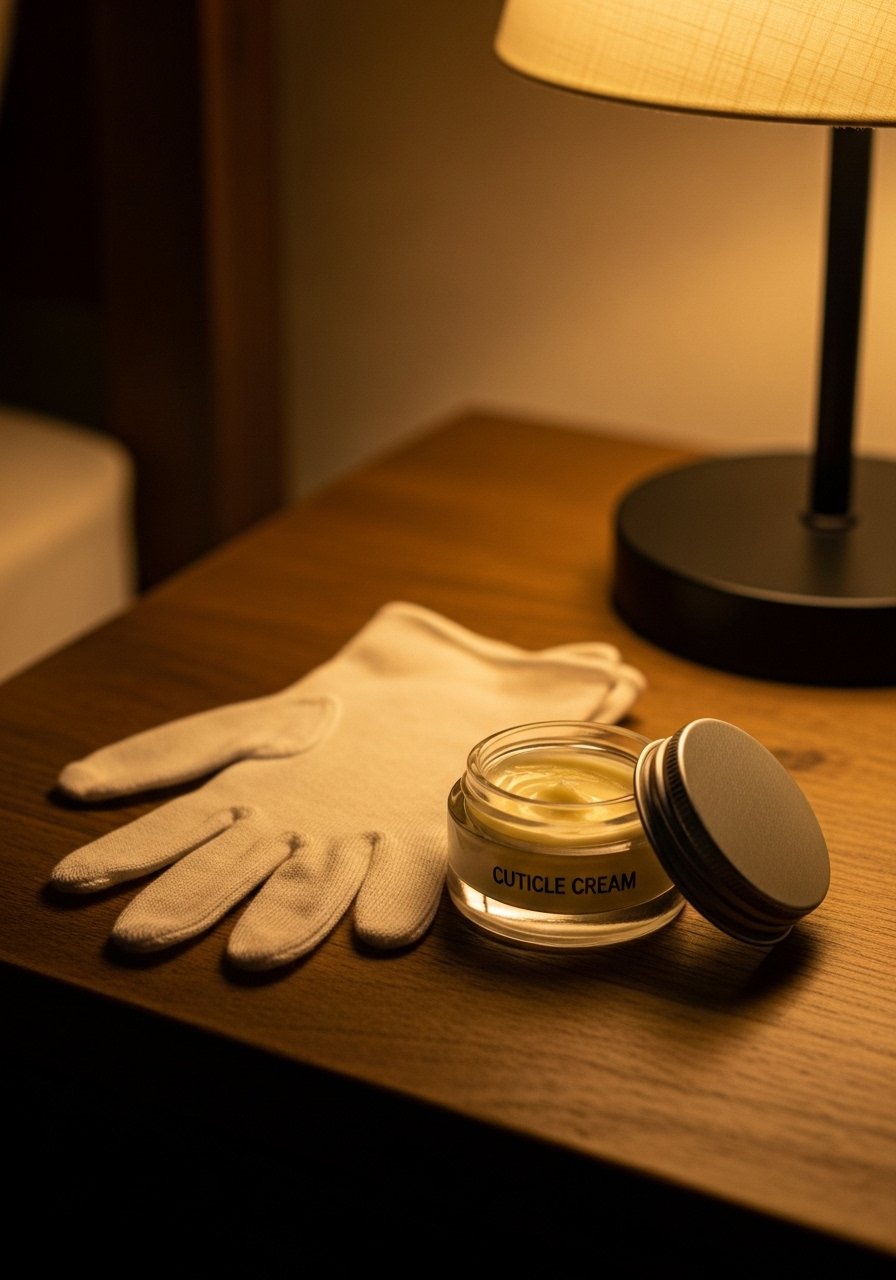
Style/Vibe: Intensive repair
Best For: Very dry cuticles, winter hands
Skill: Beginner
Slather on a rich cuticle cream and sleep with thin cotton or nitrile gloves to lock in moisture. I alternate a heavier balm once a week and a lighter oil nightly. Overnight cuticle cream plus thin cotton glove liners equals noticeably softer edges by morning. This also keeps your sheets clean, which is a practical win.
Mistake to Avoid: Using thick gloves that prevent skin from breathing. Thin liners do the job.
7. Buffer Lightly, Not Extensively
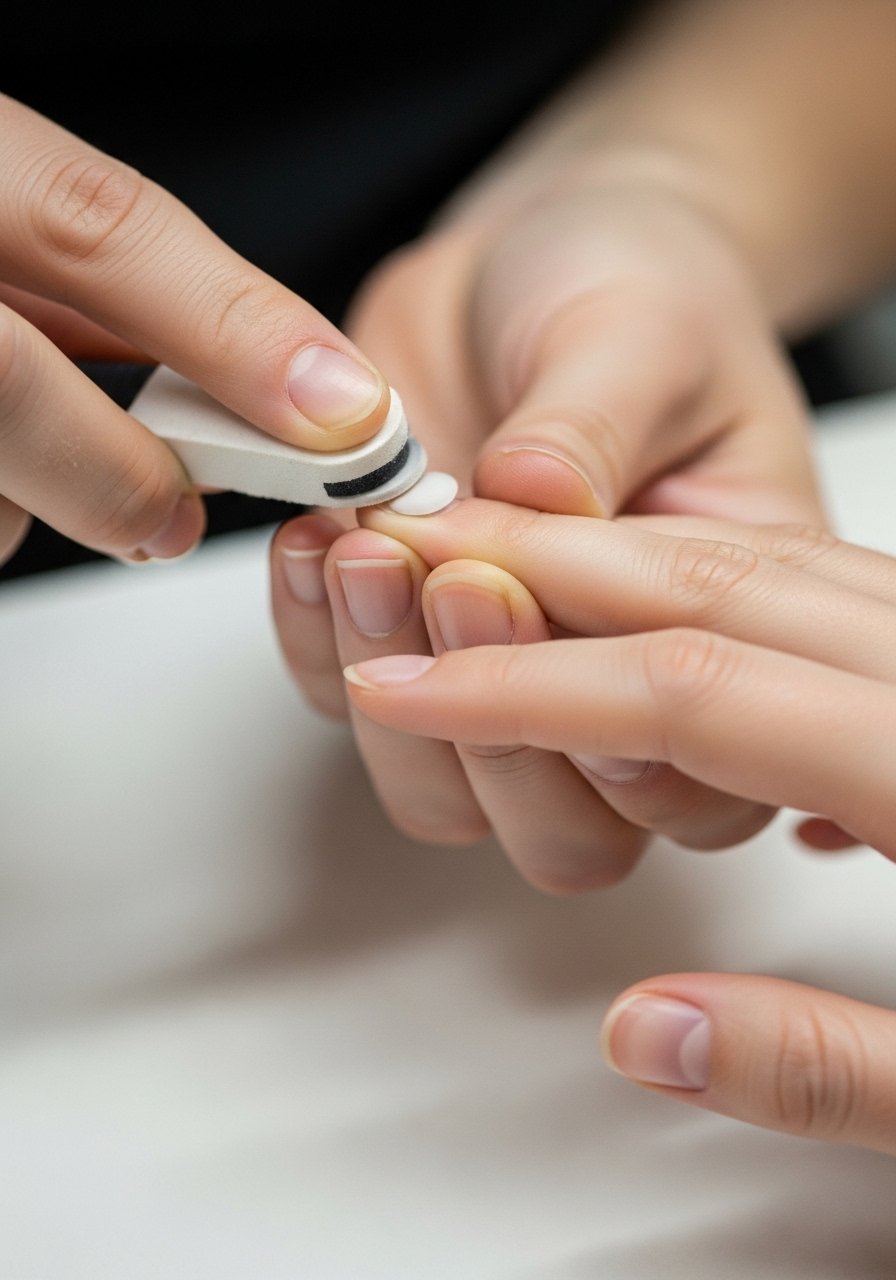
Style/Vibe: Natural sheen finish
Best For: Short and medium nails, natural mani look
Skill: Beginner
A 1800 to 2400 grit buffing block smooths ridges without thinning the nail. One or two light passes across the plate is enough. Over-buffing weakens nails and irritates the cuticle junction. Keep a multi-grit buffer block for occasional use and file shape with a fine file instead.
Mistake to Avoid: Buffing daily. Once a week or less is safe.
8. File in One Direction for Strength
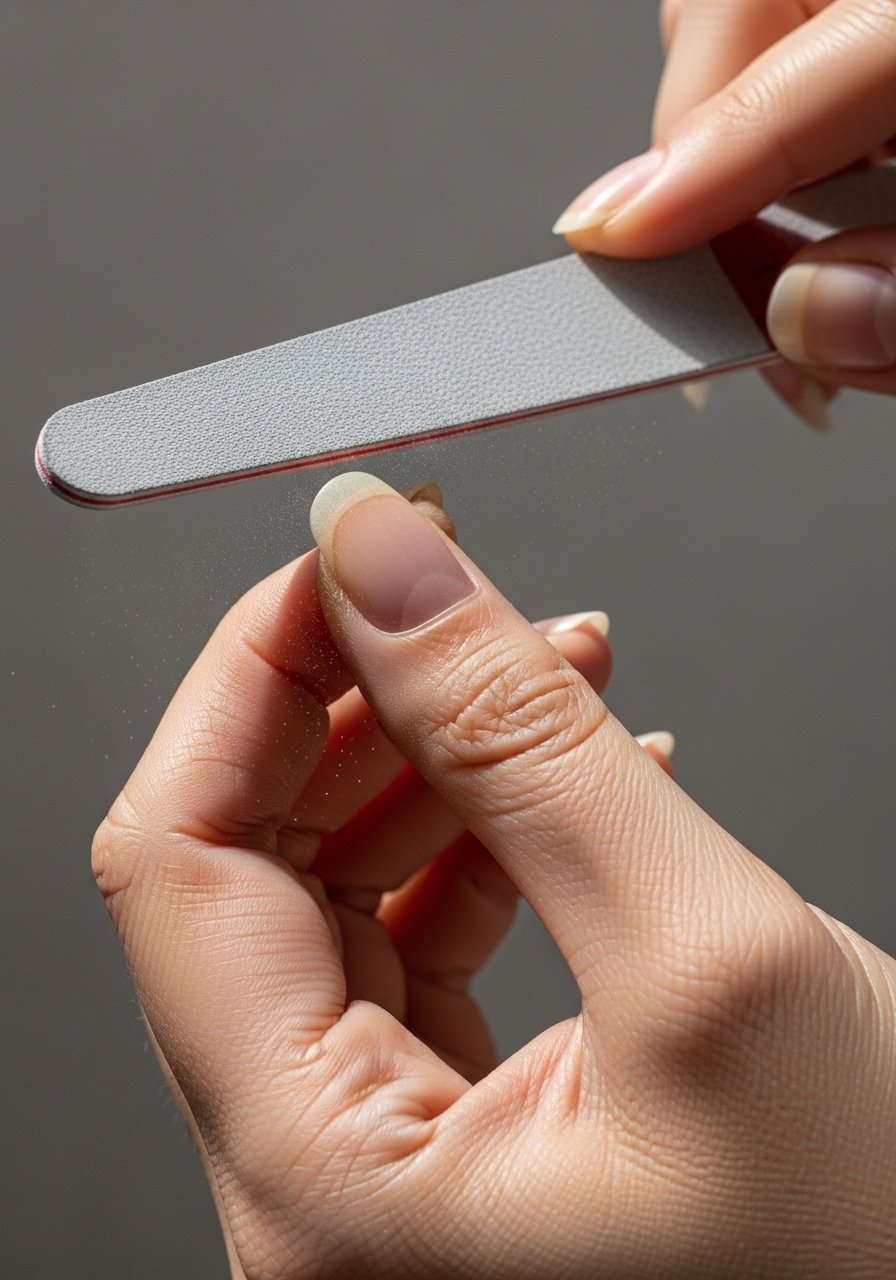
Style/Vibe: Clean edges, no snagging
Best For: Long nails, prone to splits
Skill: Beginner
File from the outside edge toward the center in one direction only. Back-and-forth sawing creates fissures that catch on fabrics and tear the cuticle. A 180-grit file works for acrylics, 240-grit for natural nails. I favor glass nail files for smooth edges and longevity.
Mistake to Avoid: Filing too aggressively while nails are wet. Dry nails hold shape better.
9. Trim Skin With Caution, Then Oil
Style/Vibe: Safe maintenance
Best For: People who already use nippers occasionally
Skill: Intermediate
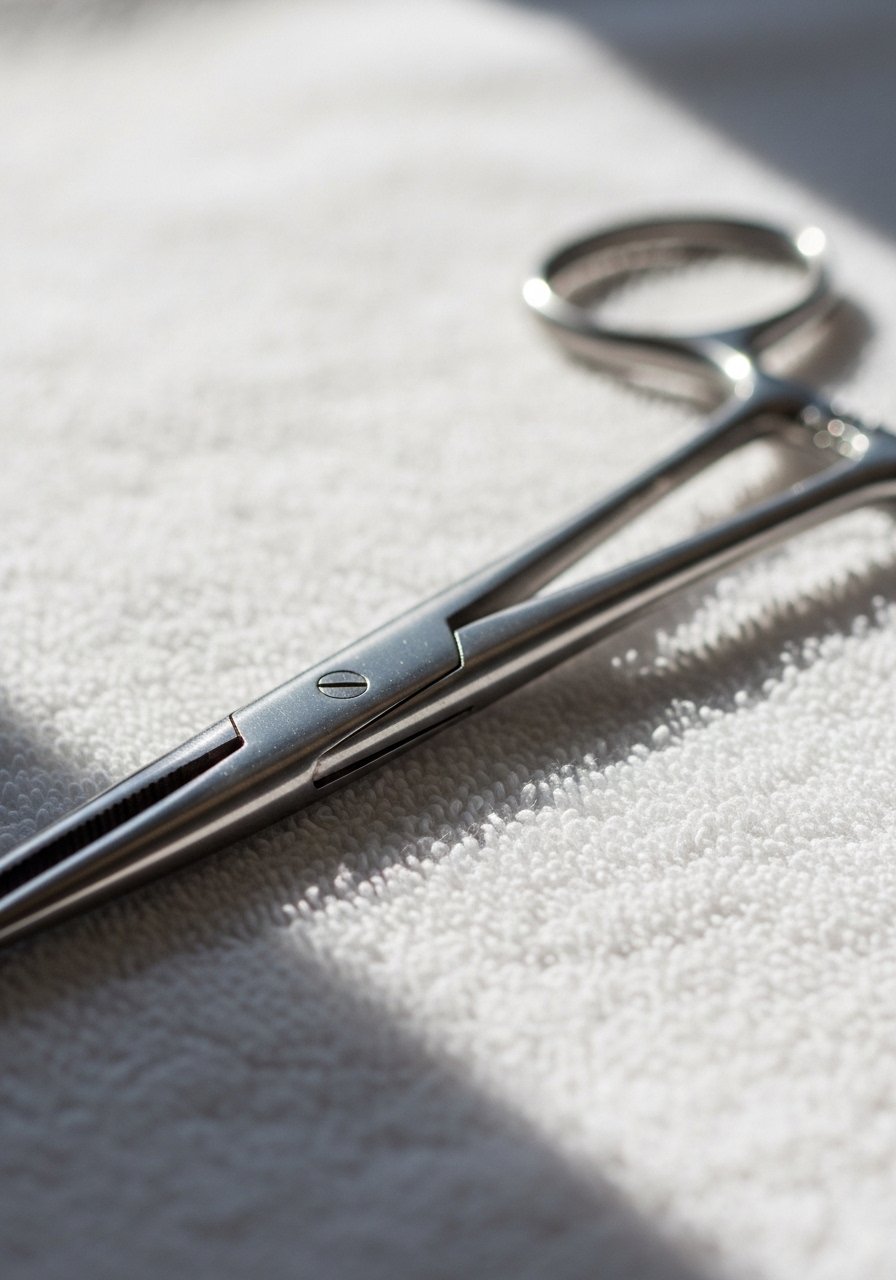
If you are going to trim the smallest bits of loose skin, use sharp, sterilized nippers and cut only the dead hang. After trimming apply oil immediately to calm the area. I keep medical-grade nitrile gloves on hand when doing this and a small bottle of antiseptic solution.
Mistake to Avoid: Cutting live cuticle. If it hurts, you cut too far.
10. Barrier Cream Before Chores
Style/Vibe: Practical protection
Best For: Anyone who cleans without gloves regularly
Skill: Beginner
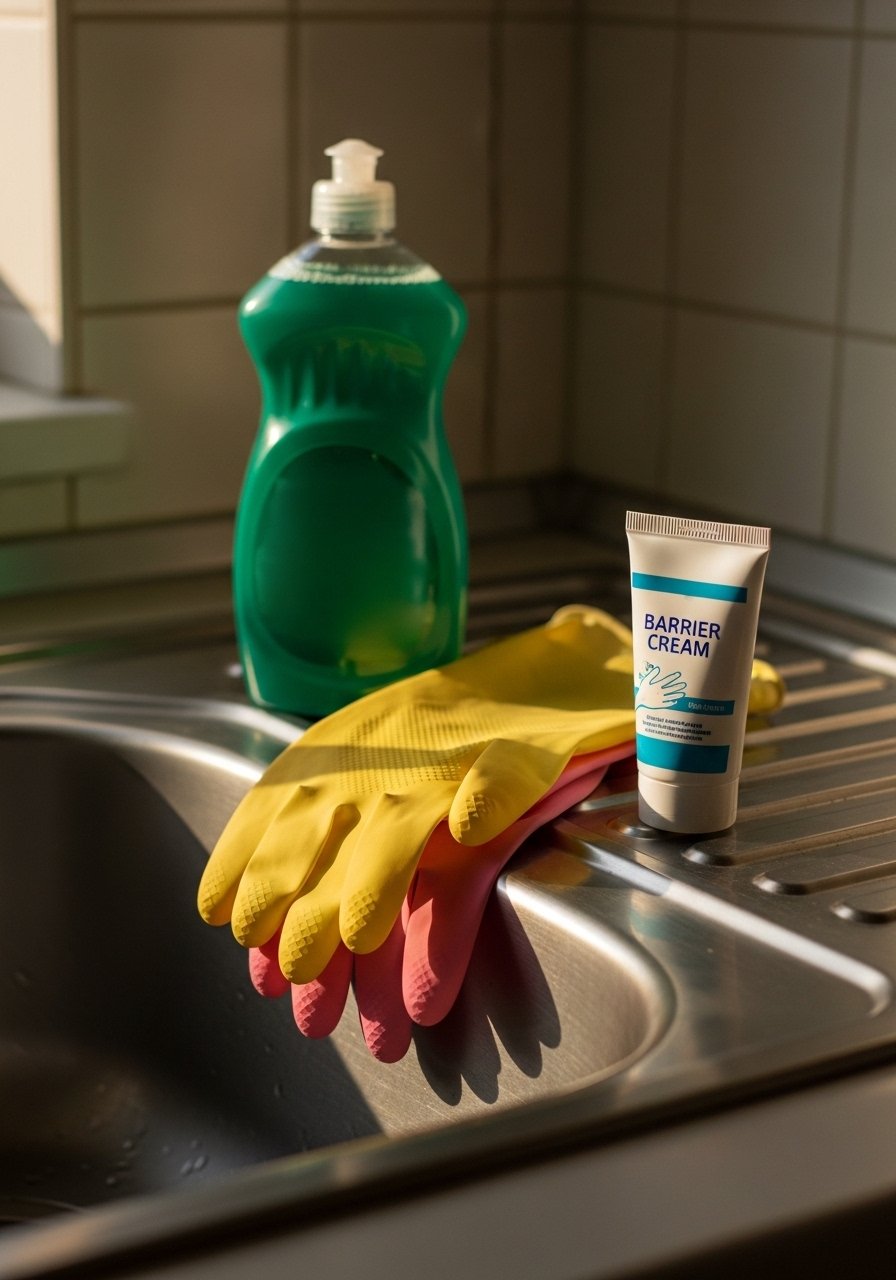
Apply a thin layer of barrier cream around nails before washing dishes or using harsh cleaners. It reduces the stripping of natural oils and keeps cuticles intact. I recommend barrier hand cream for daily kitchen work. Wearing long nitrile gloves for deep cleaning adds another layer of protection.
Mistake to Avoid: Thinking gloves replace oiling. Both work together.
11. Short Nails Need Different Cuticle Care

Style/Vibe: Minimalist maintenance
Best For: Short nail length, busy lifestyles
Skill: Beginner
Short nails show ragged cuticles more, so consistency matters. A quick weekly soak and a nightly oil stop most problems. Use a thinner formula that disappears fast so it does not transfer to keyboards. Lightweight cuticle serum is perfect for this. Keep mini file and buffer in your bag for on-the-go touch-ups.
Mistake to Avoid: Skipping maintenance because the nails are short. They need regular attention to look tidy.
12. Prep for Polish Like a Pro
Style/Vibe: Longer-lasting polish
Best For: Gel and regular polish users, all lengths
Skill: Beginner
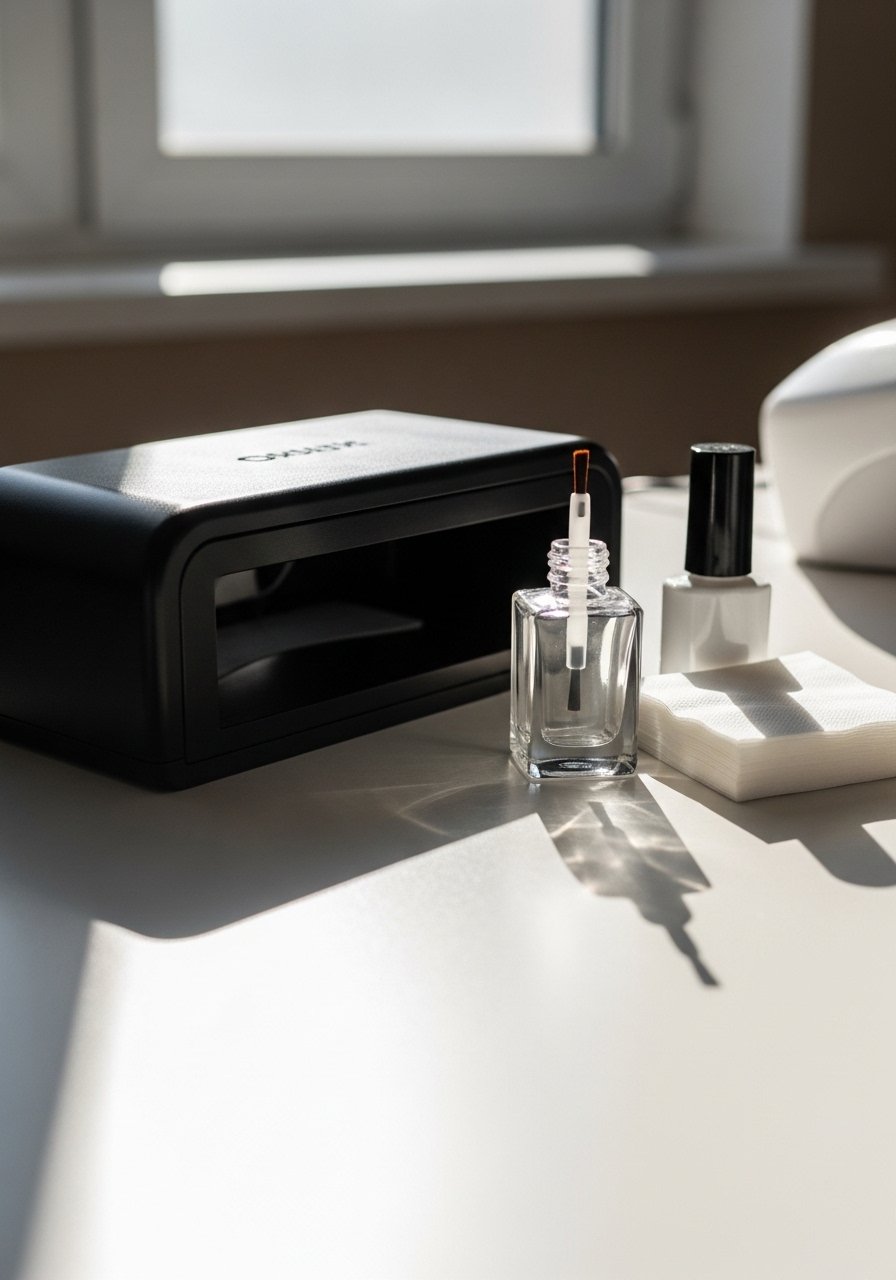
Clean the nail plate with an alcohol wipe, push cuticles back gently, apply a thin base coat, and cure if using gel. Thin coats beat thick ones here. I like brush-on base coat and lint-free wipes for tidy edges. Proper prep reduces polish lifting at the cuticle and keeps the mani intact.
Mistake to Avoid: Applying base coat over unpushed cuticles. That creates a gap that lifts.
13. Quick Fix for a Torn Cuticle
Style/Vibe: Emergency care, low drama
Best For: Anyone who deals with torn skin occasionally
Skill: Beginner
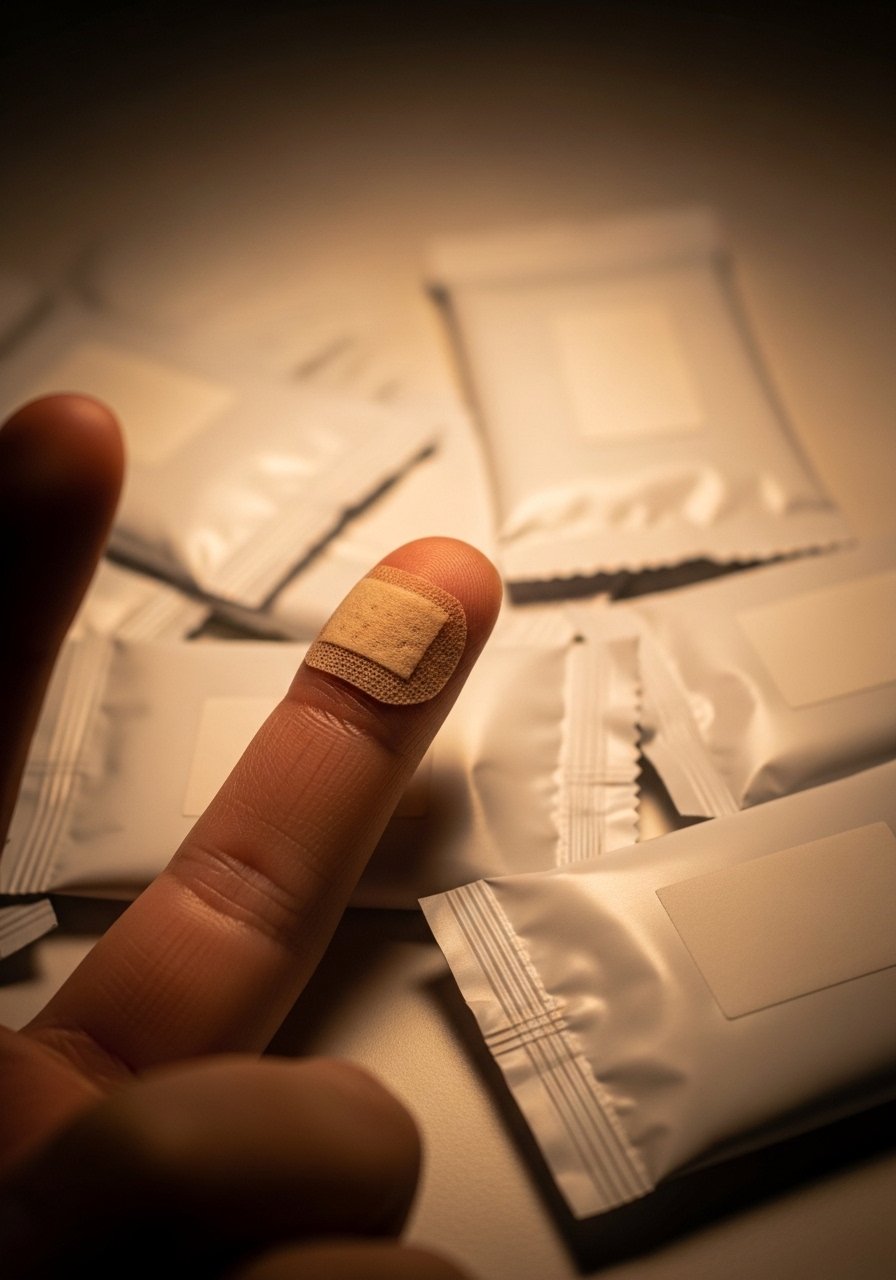
If a cuticle tears, wash, apply antiseptic, and cover with a small adhesive bandage for 24 hours. Keep it clean and oil after removing the bandage. I carry small fingertip bandages in my purse for this exact reason. Don’t try to reattach the skin. Let it heal and treat gently.
Mistake to Avoid: Peeling the scab. That delays healing and increases scarring.
14. Avoid Over-Buffing After Gel Removal
Style/Vibe: Nail health first
Best For: Post-gel maintenance, thin nails
Skill: Intermediate
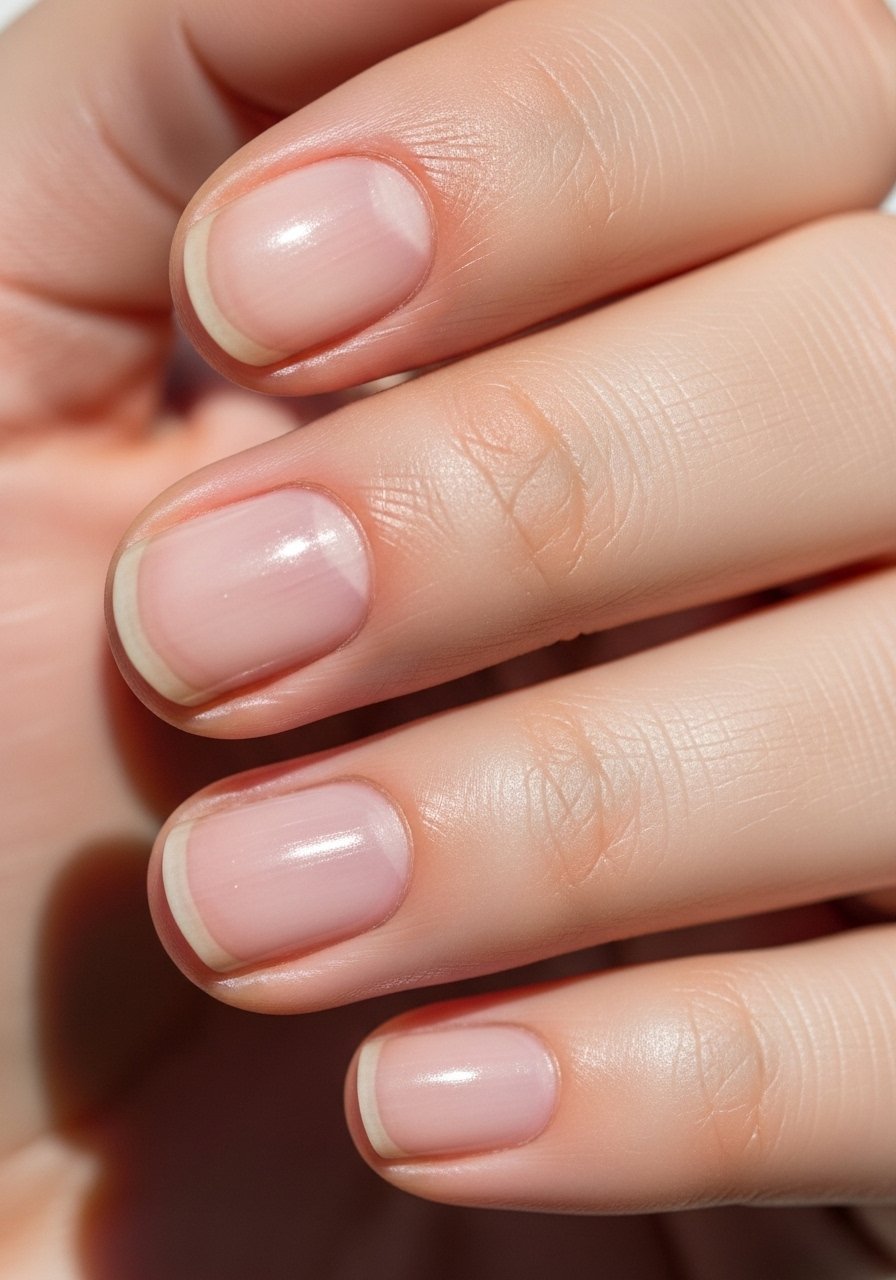
After gel removal, nails often feel rough. Do two light passes with a 240-grit buffer and then oil. Avoid aggressive buffing to smooth the plate. I keep gentle nail files and buffers separate for post-gel use. Follow with a week of nightly oil and a lighter hand with polish.
Mistake to Avoid: Trying to restore smoothness in one session. Give nails a week of gentle care.
15. Use pH-Balanced Soaps for Less Irritation
Style/Vibe: Small swaps that matter
Best For: Sensitive skin around nails, frequent washers
Skill: Beginner
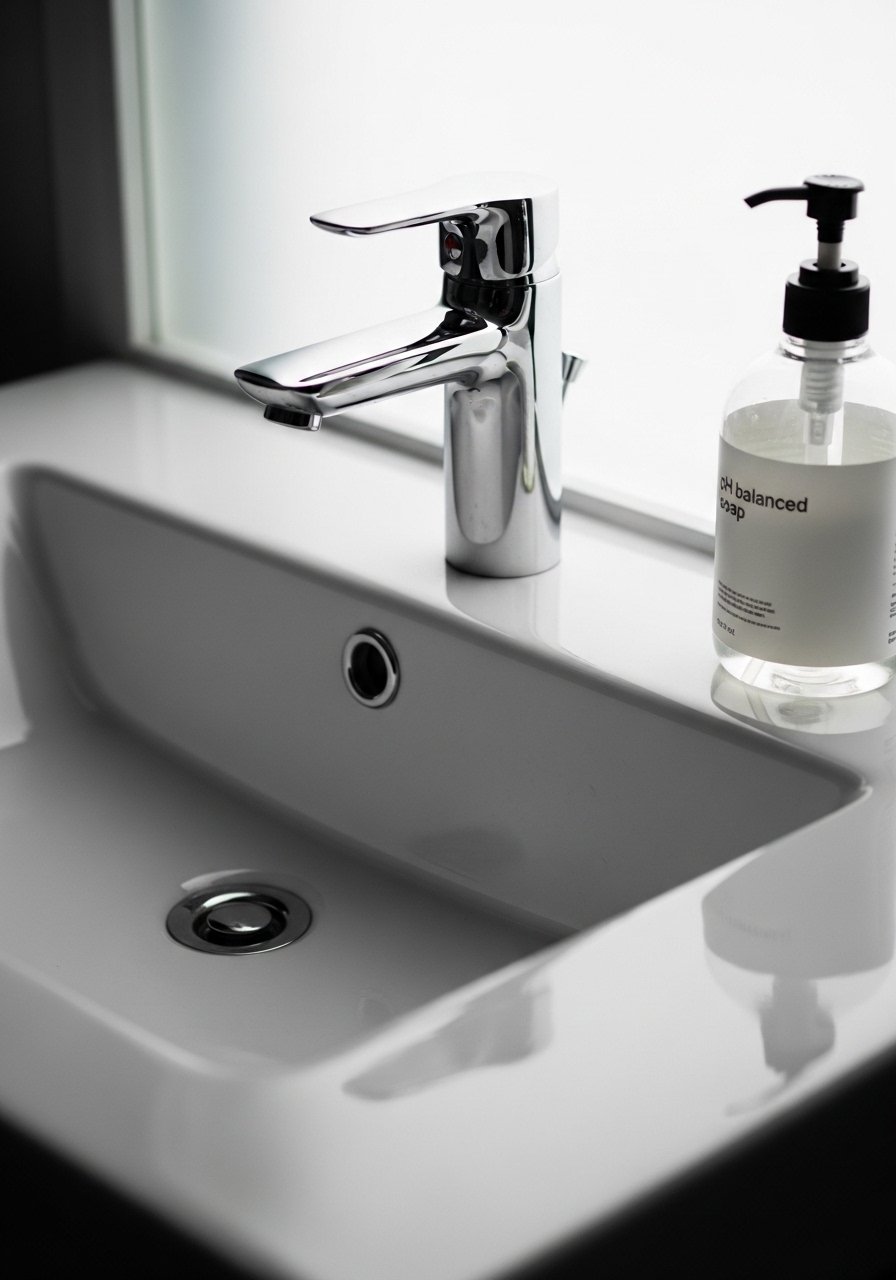
Harsh soaps strip oils and make cuticles peel. Swap to a pH-balanced hand wash to reduce dryness. I switched and noticed fewer white flakes around the nail bed. Try pH-balanced hand soap refill packs and combine with regular oiling.
Mistake to Avoid: Believing all "moisturizing" soaps are gentle. Check the pH and ingredients.
16. Sanitize Tools After Every Use
Style/Vibe: Clean and safe
Best For: Shared kits, salon-level care at home
Skill: Intermediate
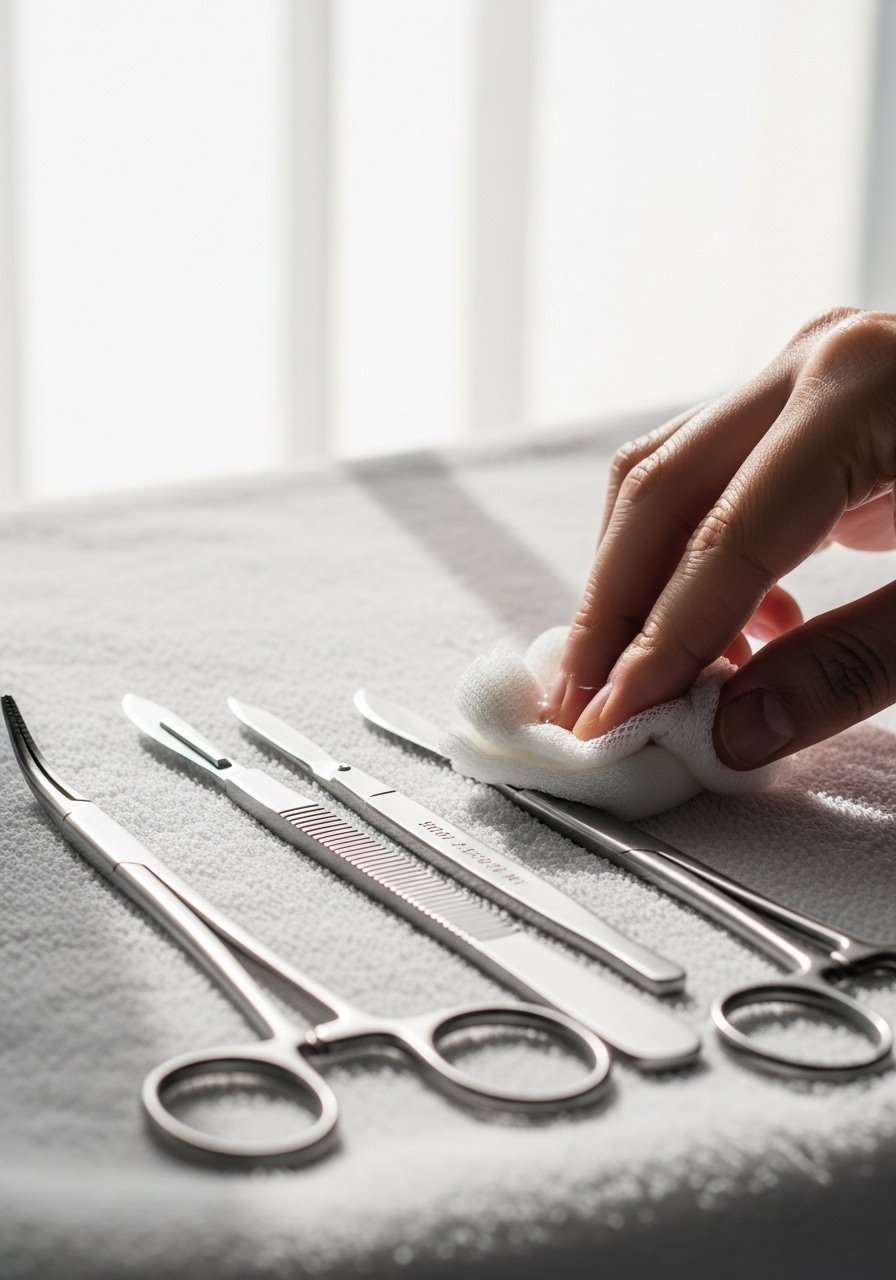
Sterilize metal tools in 70% isopropyl alcohol after each use to prevent infections. I mark my kit and never lend it. A small spray bottle and a clean towel work well. Keep a travel case and portable UV sanitizer box if you want extra assurance.
Mistake to Avoid: Storing tools wet. Dry them fully before putting them away.
17. Cuticle Cream Ingredients That Actually Help
Style/Vibe: Ingredient-aware care
Best For: Dry or chapped cuticles, anyone curious about formulations
Skill: Beginner
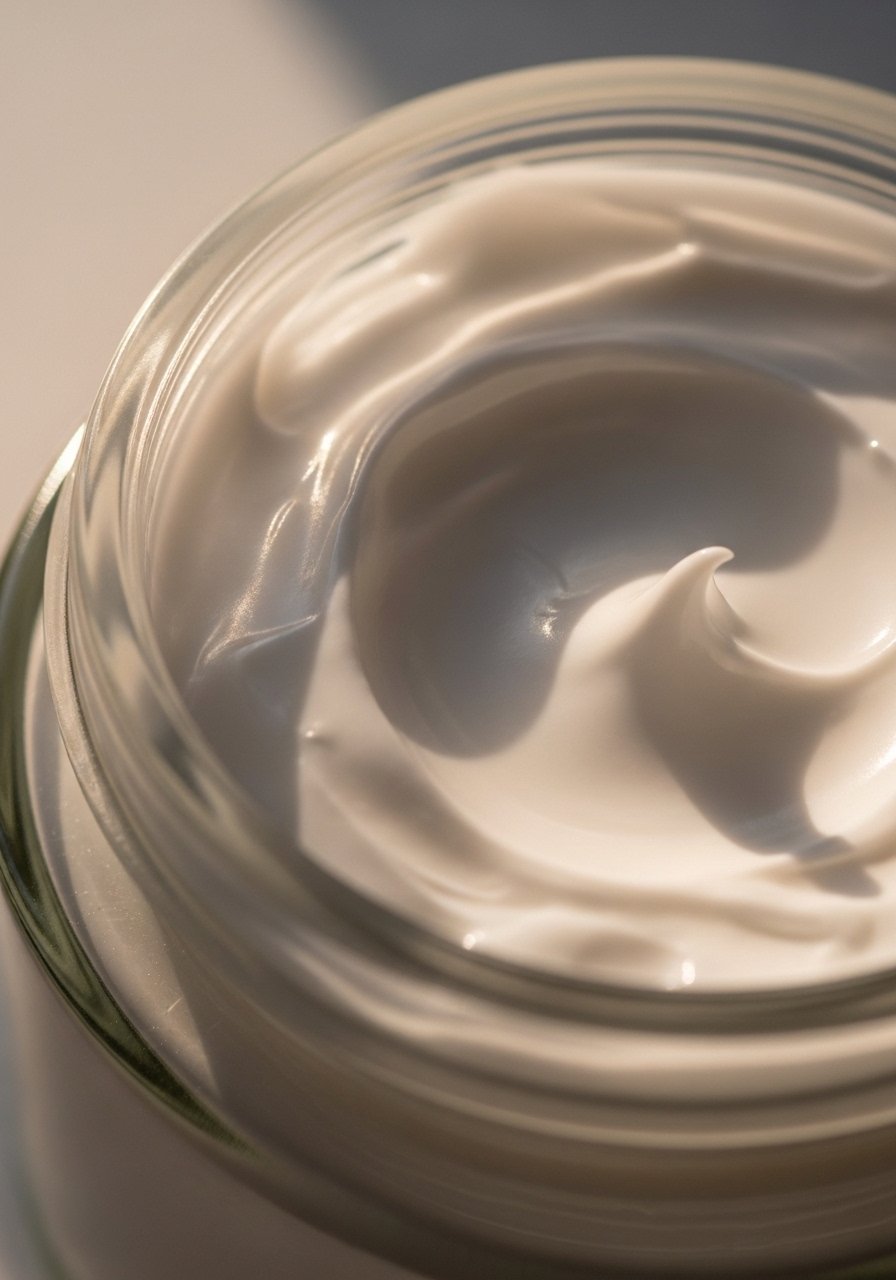
Look for urea or glycerin in cuticle creams for humectant action, and vitamin E for barrier support. Avoid heavy fragrances if your skin is reactive. I use cuticle cream with glycerin and vitamin E for daytime and a thicker balm at night.
Mistake to Avoid: Buying the prettiest jar. Ingredients matter more than packaging.
18. Quick Travel Kit for On-the-Go Care
Style/Vibe: Practical portability
Best For: Frequent travelers, office workers
Skill: Beginner
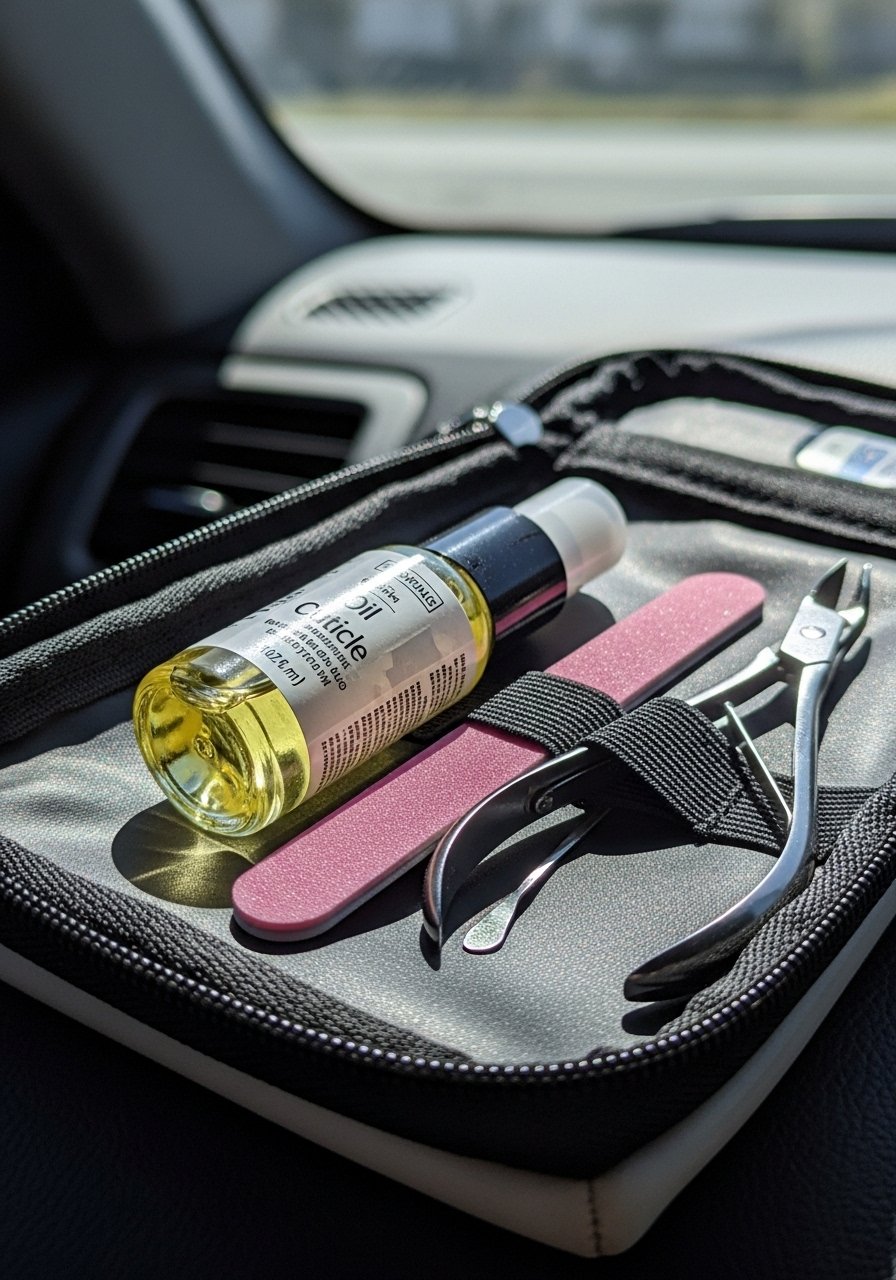
Keep a tiny kit in your bag with a 5 ml oil, a compact file, and a pair of sanitized nippers. The mini oil can be used discreetly after meetings and saves the day when a hangnail appears. This travel cuticle kit fits perfectly in a wallet or desk drawer.
Mistake to Avoid: Using pocket nippers with dull blades. That tears skin instead of cutting cleanly.
19. Cuticle Care for Natural Versus Acrylic Nails

Style/Vibe: Technique-specific advice
Best For: Mixed tech users, those transitioning from acrylics
Skill: Intermediate
Acrylics change how you approach cuticles. If you get fills, ask techs to avoid over-buffing the natural nail. For naturals, keep oiling daily and avoid acetone dips. I found acetone-free polish removers kinder between fills. Communicate with your tech about what you want preserved.
Mistake to Avoid: Letting a tech buff too aggressively to hide lift. Ask for minimal removal of your natural nail.
20. Timing Your Manicure Around Activities
Style/Vibe: Practical scheduling
Best For: People with active hands, gardeners, cooks
Skill: Beginner
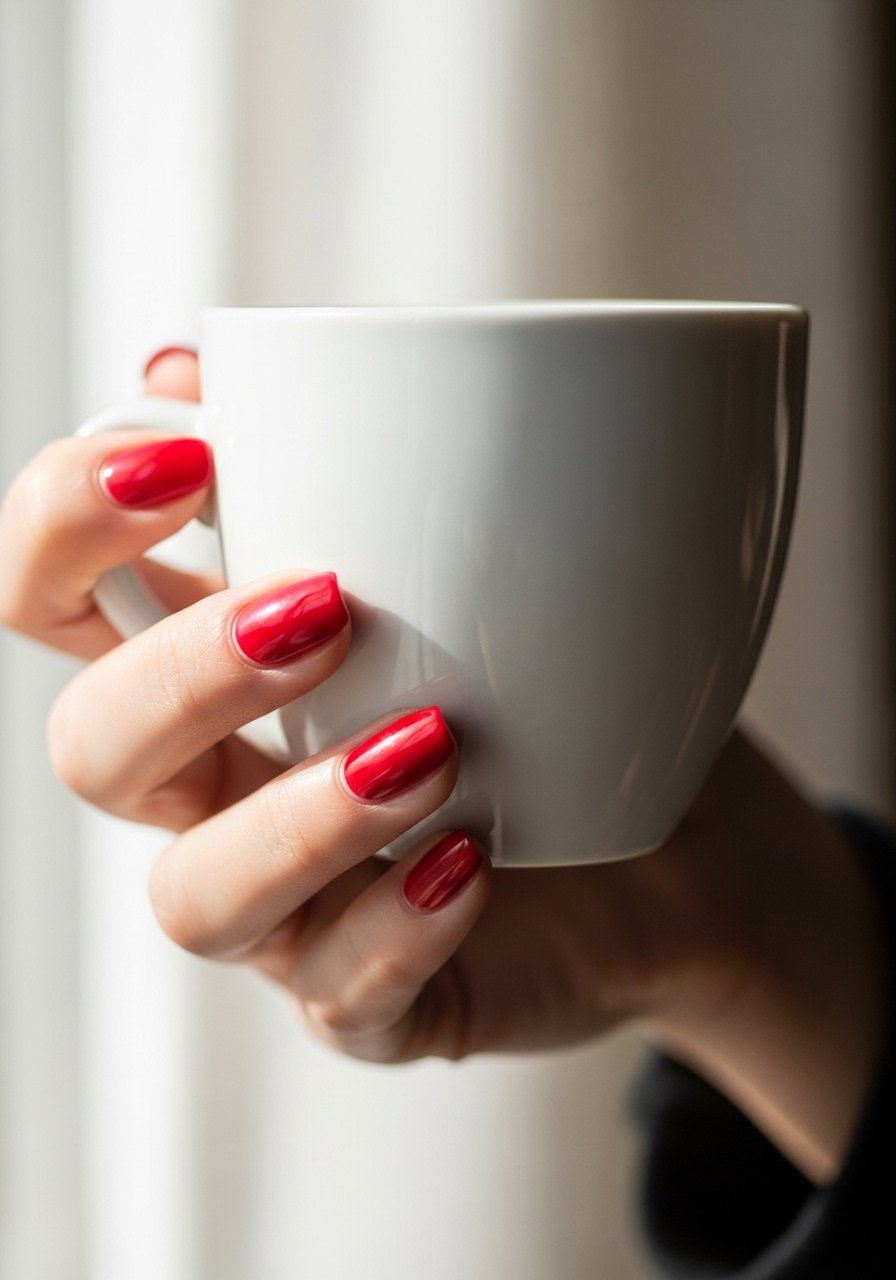
Plan a mani for days when you can avoid heavy chores for 24 hours. Fresh polish needs time to harden at the cuticle edge. If you must do dishes, wear gloves for the first day. I schedule my weekly polish on Sunday evenings, which fits with my slower day and keeps chips away.
Mistake to Avoid: Doing a mani before heavy cleaning. That almost always leads to premature chipping.
21. Lightweight Oils for Daytime
Style/Vibe: Invisible day care
Best For: Office workers, people who type a lot
Skill: Beginner
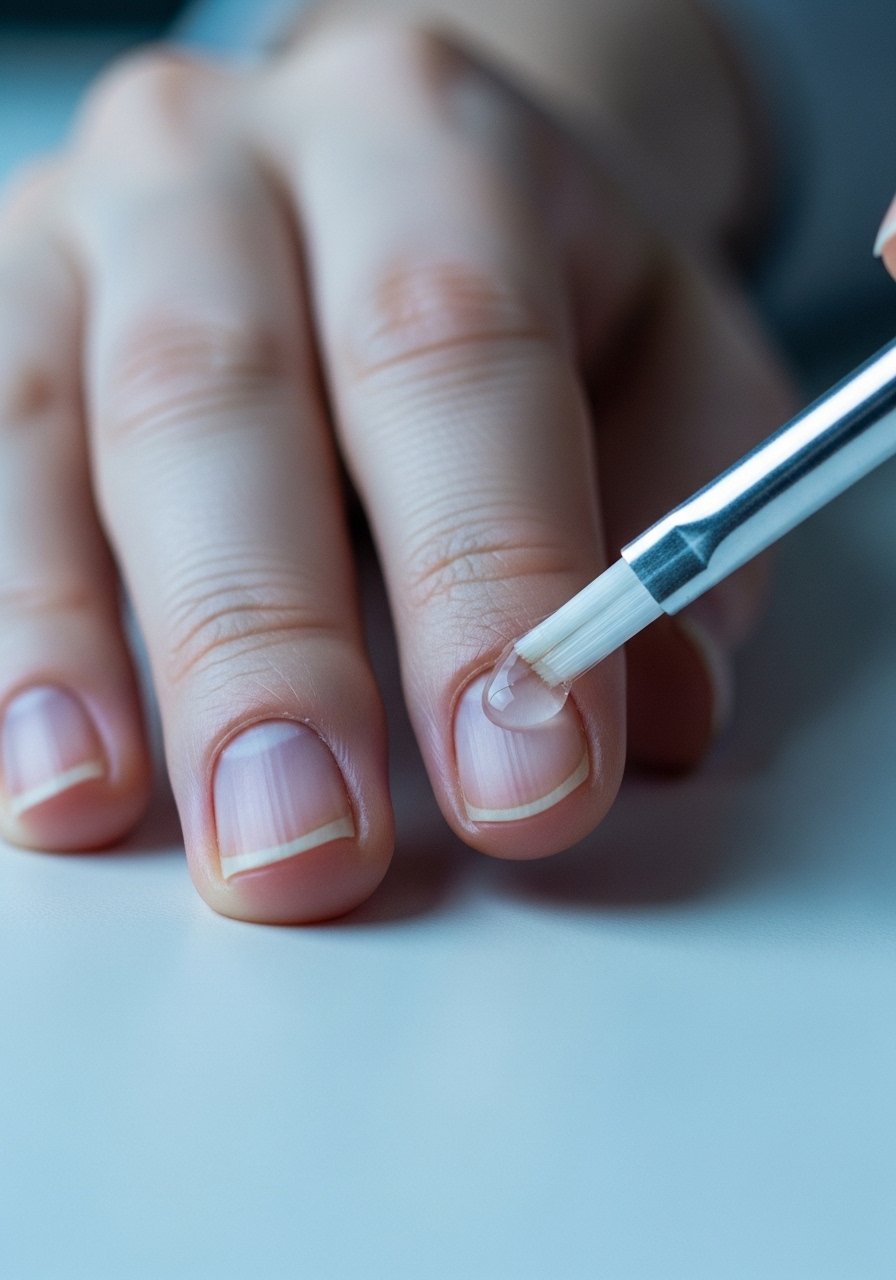
A lighter oil with fractionated coconut or grapeseed soaks in quickly and does not smear on keyboards. Use one drop per nail and massage briefly. Lightweight cuticle oil roller is discreet and perfect for daytime touch-ups.
Mistake to Avoid: Over-applying midday. One drop is enough.
22. When to See a Pro
Style/Vibe: Professional escalation
Best For: Persistent issues, recurring infections
Skill: Advanced
If cuticles are swollen, red, or painful despite home care, book a visit. A trained tech can safely trim, treat, and recommend topical antiseptics. I took photos and showed them to my tech, which made the visit faster and more targeted. Look for a licensed salon near you via local listings and read reviews.
Mistake to Avoid: Waiting until infection is severe. Early treatment is simpler and heals faster.
23. Seasonal Shifts Matter
Style/Vibe: Seasonal routine tweaks
Best For: Cold-weather care, sun-exposed hands in summer
Skill: Beginner
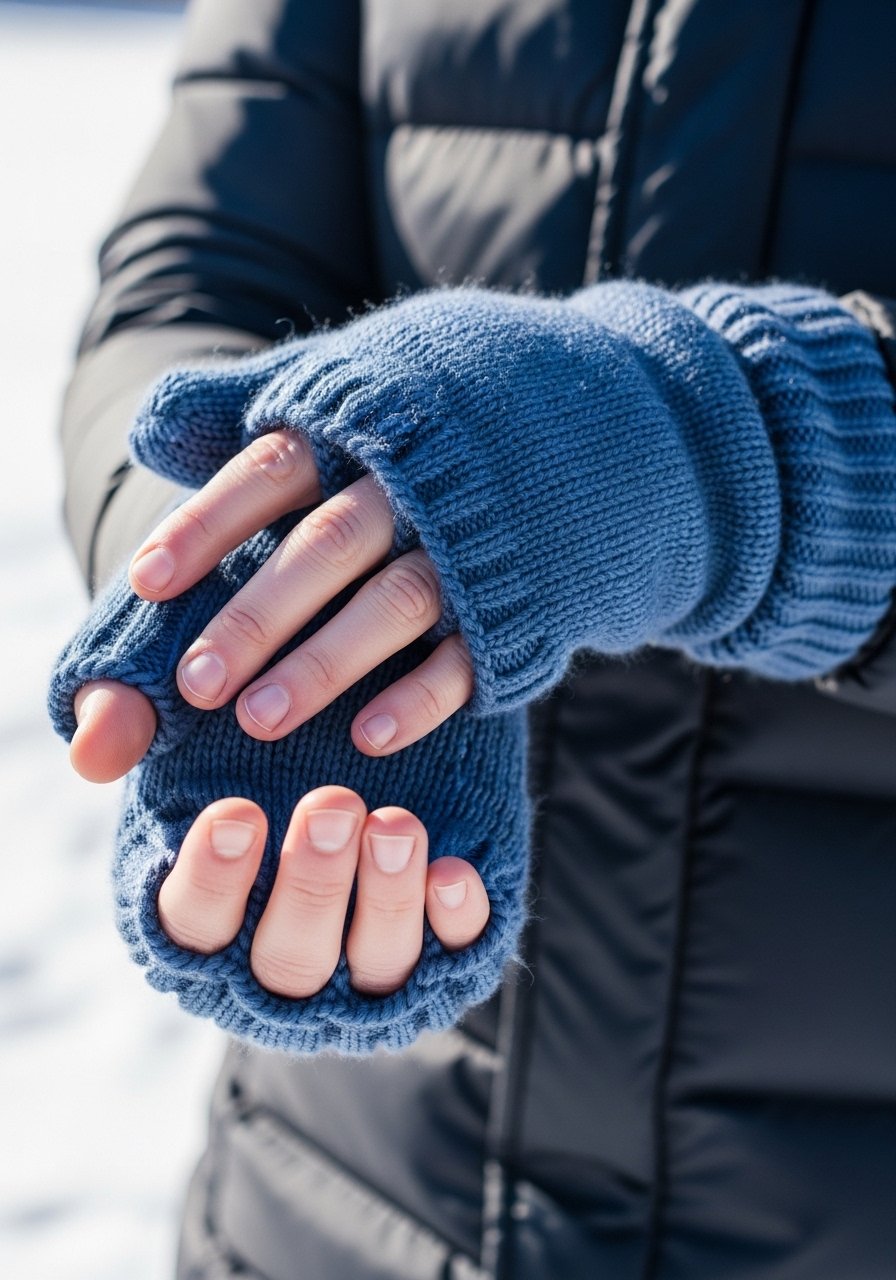
In winter, swap to thicker balms and wear gloves outside. In summer, use lighter oils and increase sunscreen on hands to prevent dryness and pigmentation. A small hand sunscreen stick near the door helps you remember. Seasonal swapping keeps cuticles steady year-round.
Mistake to Avoid: Treating one season the same as another. Your skin reacts to climate.
24. Maintain a Simple Weekly Ritual
Style/Vibe: Sustainable upkeep
Best For: Anyone wanting low-effort consistency
Skill: Beginner
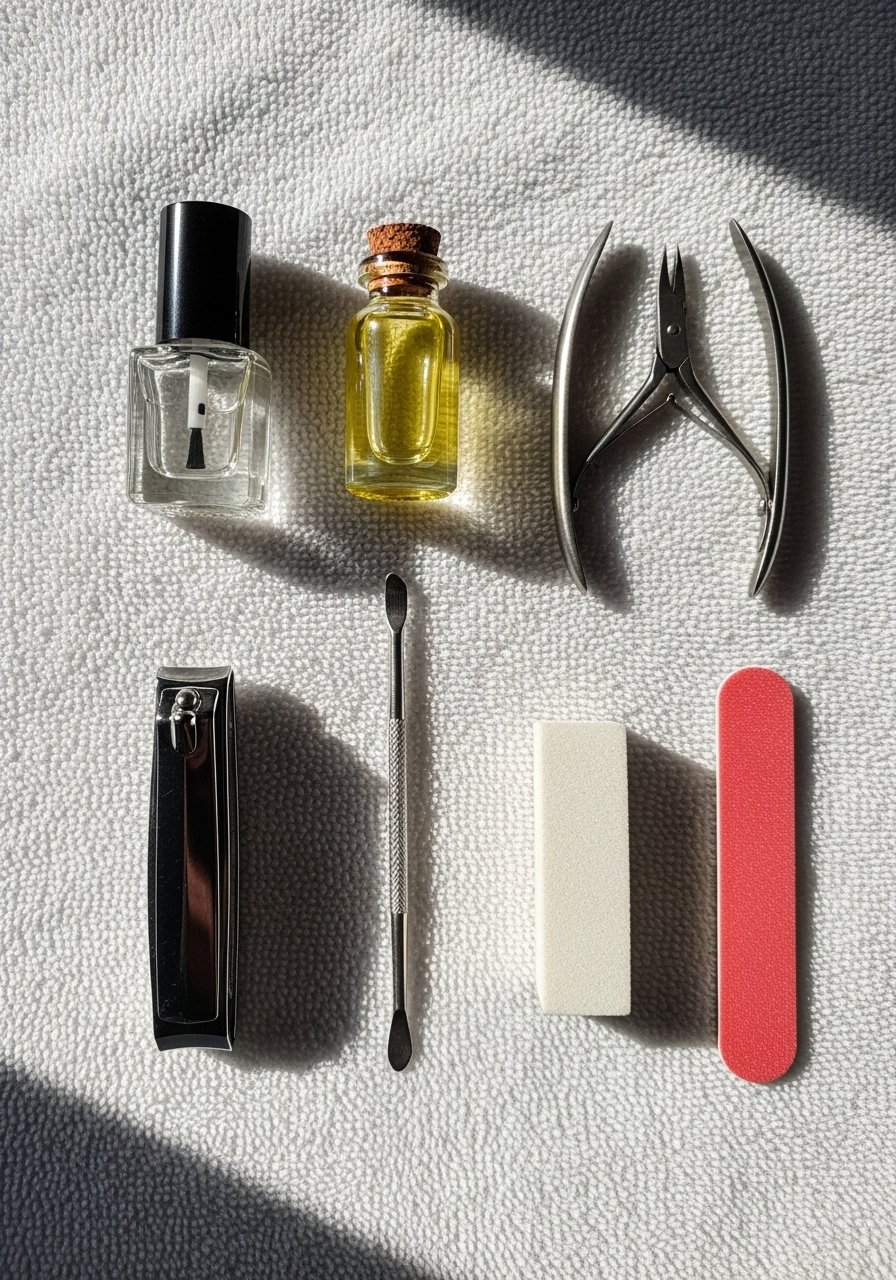
Pick one evening a week for a focused five- to ten-minute routine: soak, push, oil, and light file. That small weekly investment prevents most crises. I set a recurring reminder on my calendar until it felt automatic. Put a small manicure tray by your bathroom to make it frictionless.
Mistake to Avoid: Doing everything daily. A focused weekly session plus nightly oiling is more sustainable.
Your Nail Kit
- Honestly the best 5 ml bottle I have kept: Travel cuticle oil with jojoba (~$6-12). Keeps a bottle at work and one at home.
- For gentle pushes: Soft-tipped cuticle pusher set (~$8-15), stainless and easy to clean.
- For hangnails: Stainless cuticle nippers (~$10-25). Sharp and precise.
- For gel removal: Acetone removal wraps (
$8-18) and soft 180-240 nail file ($4-10). - Night repair: Overnight cuticle cream (
$12-20) and thin cotton glove liners ($6-12). - Quick fixes: Small fingertip bandages (
$4-8) and antiseptic wipes travel pack ($5-10). - For travel: Travel cuticle kit (~$10-18). Compact and complete.
- Daily care: Lightweight cuticle oil roller (~$7-14) for office use.
- Sanitizing: Portable UV sanitizer box (~$20-40) for tools, or 70% isopropyl alcohol as low-cost alternative.
- Filing and buffing: Glass nail file (
$6-12) and multi-grit buffer block ($5-10). - Soap swap: pH-balanced hand soap refill (~$10-20) for gentler washing.
- Protective layer: Barrier hand cream (~$8-16) for chores.
- Salon find: Nitrile gloves box (~$10-20) for cleaning and manicures.
Nail Tips That Save a Mani
Thin coats beat one thick coat every time. Three thin layers of a quick-dry top coat look smoother and last longer than a single gloopy layer.
Grab a lightweight cuticle oil roller for your desk. One quick roll after typing keeps the cuticle edge soft without looking greasy.
Curious observation: when I switched to a pH-balanced soap, my tags of white cuticle flakes dropped noticeably. Try pH-balanced hand soap if your cuticles seem consistently dry.
If you use gel, invest in acetone soak wraps and resist scraping. Removing gel right prevents long-term thinning.
Keep a small travel kit in your bag. Fixes like a trimmed hangnail or a quick oil can stop a manicure from becoming a chore.
Use nitrile gloves for heavy cleaning. They protect both your polish and your cuticles and they are cheap to replace.