
I used to think you needed a backyard to garden. Nope. My first attempt was a windowsill with three parsley pots and a crooked tomato in a bucket, and it surprised me. Over a few seasons I learned how to squeeze a surprising amount of edible life into 20 square feet, and how small changes tripled yields. This guide is the stuff I actually did, the mistakes I made, and the shortcuts that worked.
I’ll walk you through assessing light and micro-spaces, picking containers that multiply capacity, quick soil swaps that save water, and easy plant combos that actually produce. I keep the budget low, favor multipurpose items, and focus on setups that take 10 minutes a day. Expect practical hacks that let you harvest herbs, salad greens, and even a few tomatoes in places that felt hopeless at first.
What You'll Need
Containers & Planters:
- Self-watering-planter (~$20-40)
- Vertical-garden-pockets (~$15-30)
Soil & Amendments:
- Lightweight-potting-mix (~$10-25)
- Compost-accelerator (~$8-20)
Tools & Hardware:
- Mini-pruning-shears (~$8-18)
- Soil-moisture-sensor (~$10-25)
Seeds & Plants:
- Herb-seed-kit (~$6-15)
- Compact-tomato-seedlings (~$8-20)
Map your light and micro-spaces
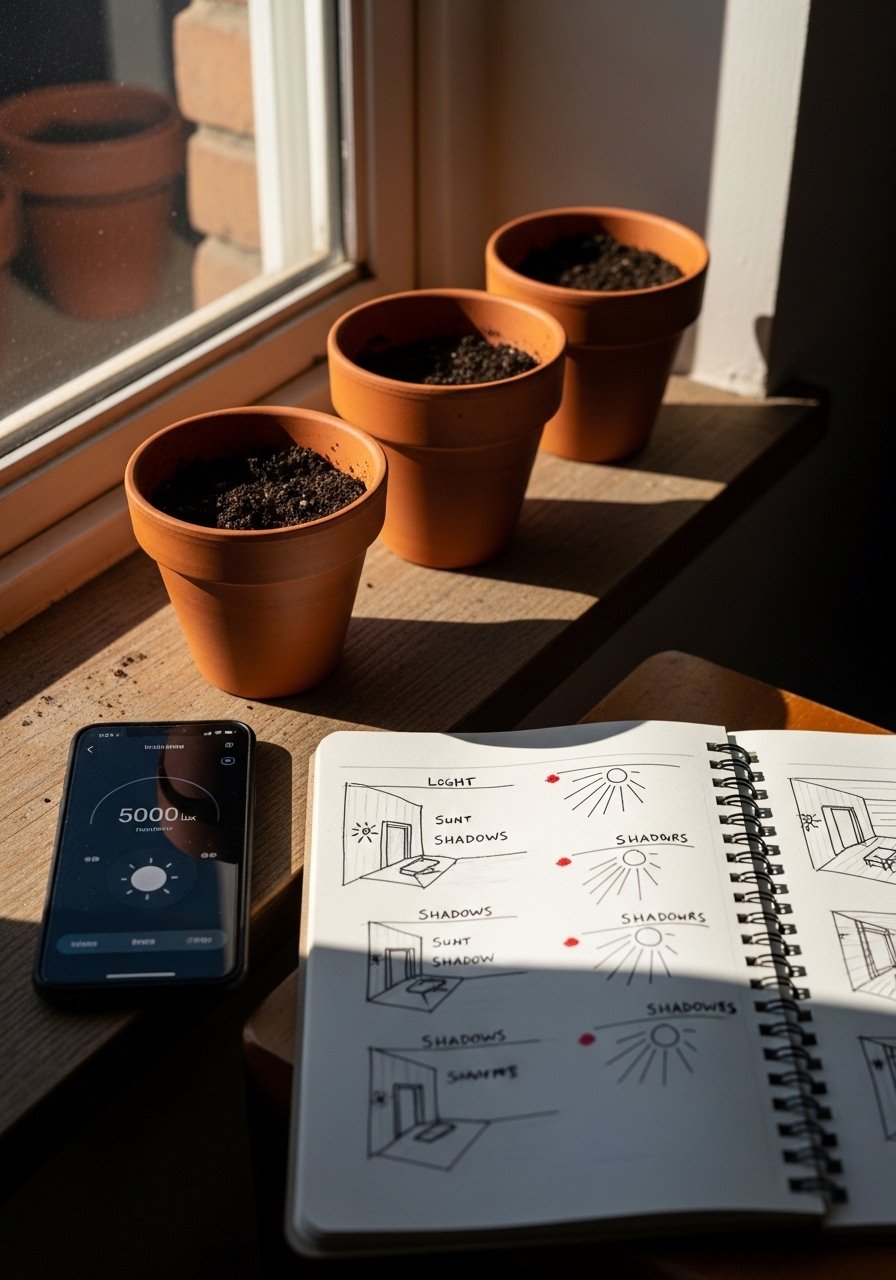
Measure or observe where the sun hits and when. I used a phone app once, then just sat with a cup of coffee and watched light move across the balcony. I found about 70% of my herbs did fine with just morning sun, while fruiting plants wanted at least five to six hours. Note shadows from overhangs and neighboring buildings. Use that info to place leafy greens in lower-light zones and sun-hungry tomatoes on the brightest rail. That simple map saved me from moving pots all season.
Mistake to Avoid: Placing sun-needy plants in permanently shaded spots and hoping they adapt.
Stack up vertically and reuse odd spaces
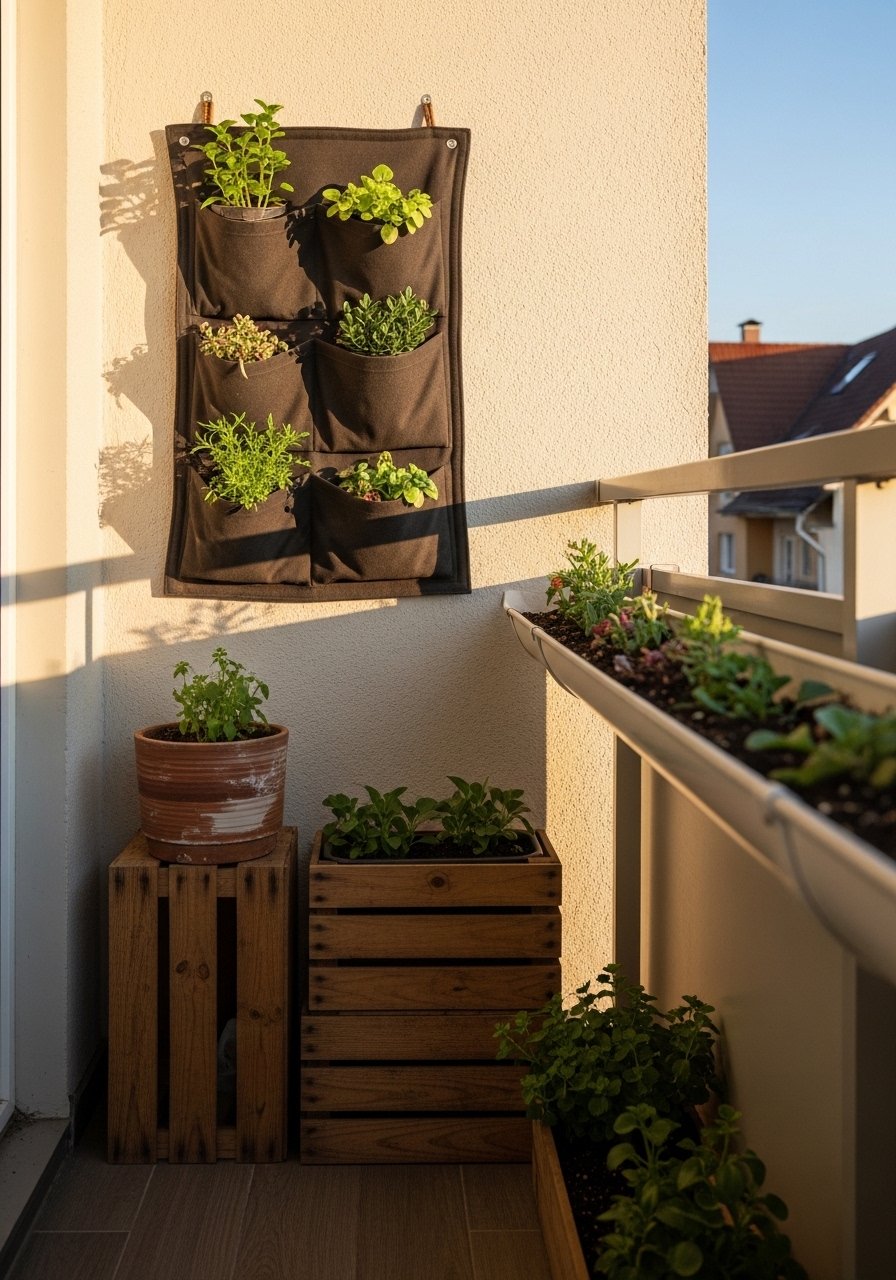
Vertical solutions multiply space quickly. I nailed up a vertical-garden-pockets panel behind a chair and suddenly had room for 12 herbs where one pot had been. I also repurposed old gutters and a shoe organizer for a quick hydroponic-ish setup that worked surprisingly well. Stacking planters gives you three times the planting area without stealing walking room, and makes watering more efficient because surplus drains down to lower pots.
Mistake to Avoid: Overloading a railing with heavy pots without securing them, causing strain or tipping.
Use lightweight mixes and compost tricks
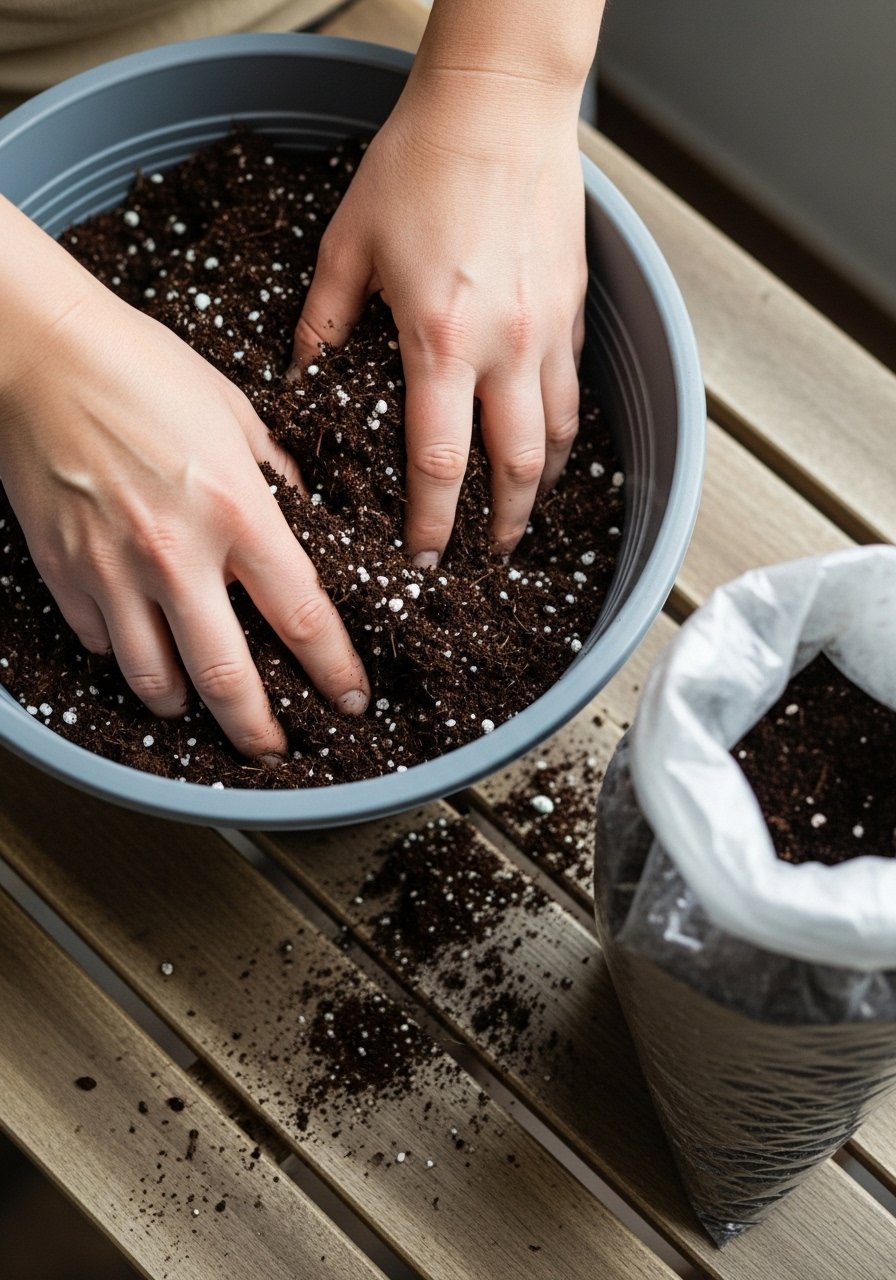
Heavy garden soil will crush containers and suffocate roots. I switched to a lightweight-potting-mix and added a cup of compost and perlite to each large planter. That change cut how often I had to water by about 30% and kept roots happier through heat spells. For cheap compost, I started a small kitchen bin and used a compost-accelerator the first season to speed things up.
Mistake to Avoid: Using heavy backyard soil in containers, which leads to poor drainage and root rot.
Pick plants that actually perform in small spaces
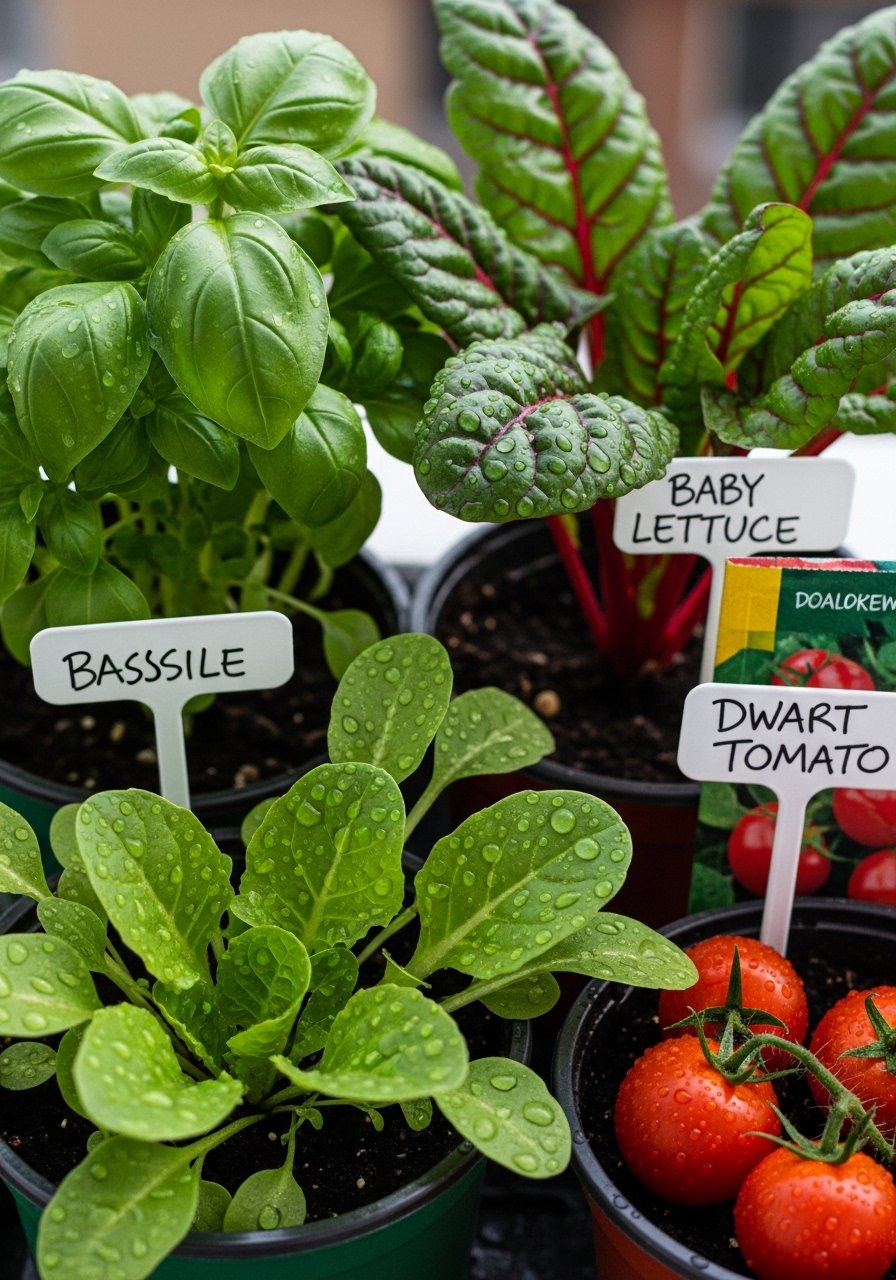
I learned the hard way that big-vining varieties sulk in tiny pots. Choose dwarf or patio cultivars, microgreens, and cut-and-come-again lettuces. Herbs like basil, thyme, and chives are forgiving and give you a lot quickly. When I swapped to compact varieties, my survival rate jumped to about 70% across the season, and I actually harvested every week. Group plants by water needs so thirsty basil doesn’t drown drought-tolerant rosemary.
Mistake to Avoid: Planting everything together without considering differing water and light needs.
Water smartly, feed lightly, make routines simple
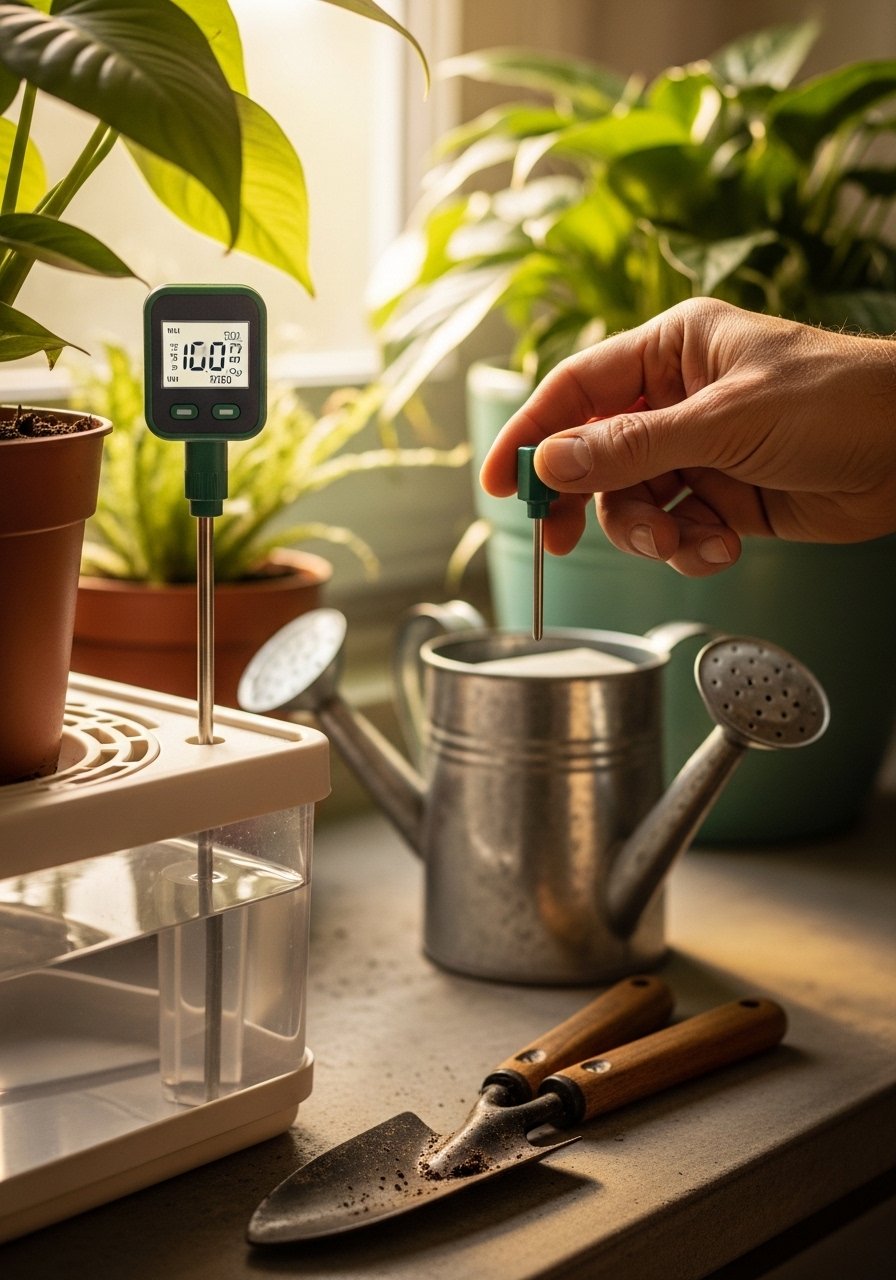
Overwatering is the most common killer in tiny gardens. I switched to a self-watering-planter for my tomatoes and used a soil-moisture-sensor for the rest. That combo cut my watering mishaps in half. Feed with a diluted liquid fertilizer every two to three weeks, not daily. I set a ten-minute evening check routine and things ran smoothly, even when I traveled for a few days.
Mistake to Avoid: Watering on a fixed schedule without checking the actual soil moisture first.
Maintain, harvest, and scale cleverly
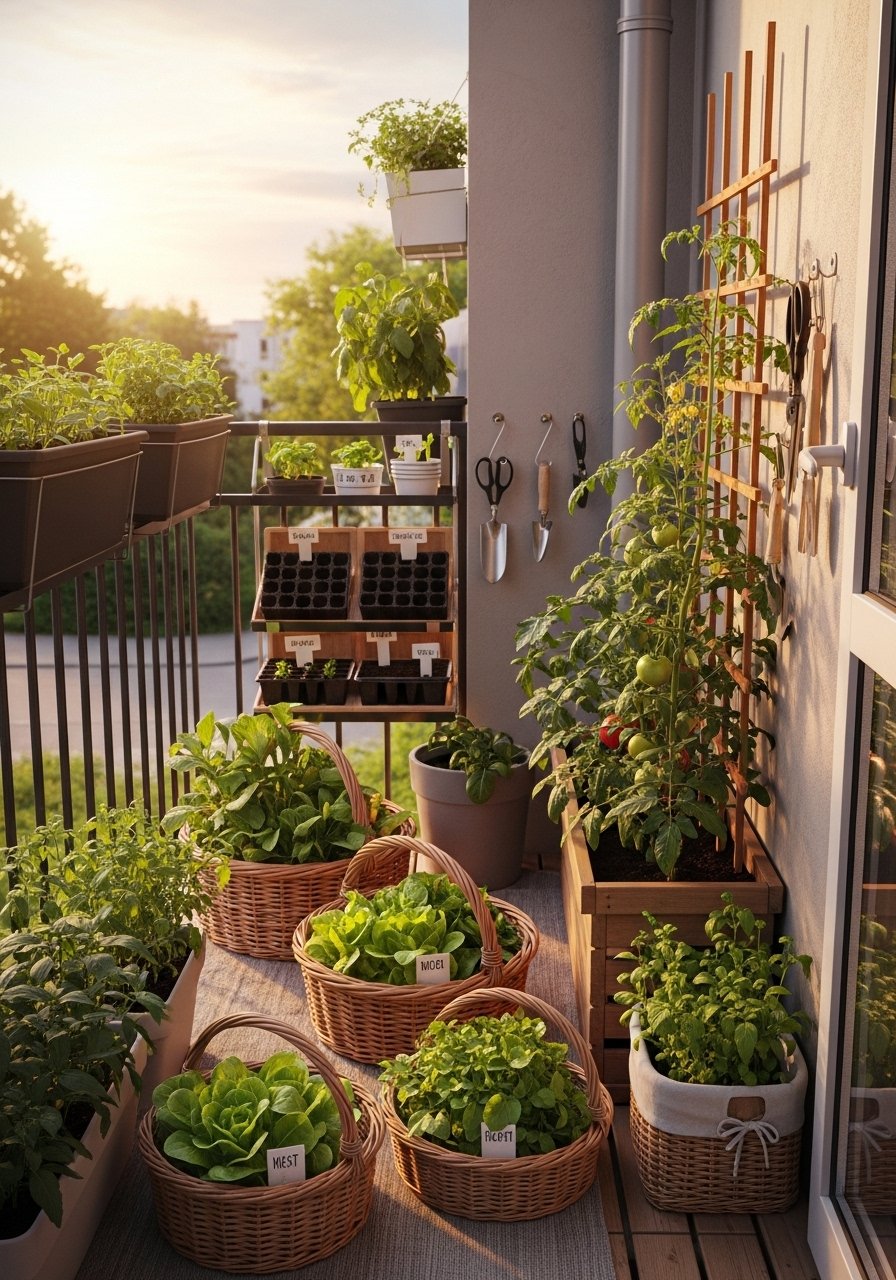
Prune regularly to keep plants productive. I saw a 40% yield increase after learning to pinch tops and harvest outer leaves weekly. Use trellises or a slim obelisk to train vining plants up, not out. When a pot is spent, rotate in a quick crop, like radishes or microgreens. Fresh idea: mount magnetic planters on a metal shed wall or fridge exterior for tiny indoor spots. Another trick was using stackable pallet planters to expand vertically without drilling.
Mistake to Avoid: Leaving tired plants in pots all season without rotating them out for fast-growing replacements.
Gardening Tips
Quick-start herb combo: Plant basil, chives, and parsley together in a medium pot, they share water needs well. I used a herb-seed-kit for easy success.
Gutter salad beds: Attach garden gutters to a balcony wall for long, shallow beds that drain well. Seed with baby greens and water from the top.
Re-use and upcycle: Old crates make deep planters when lined, and cost nothing if you find them. A simple liner plus lightweight-potting-mix gets you started.
Use magnets for windows: Magnetic pots on metal window frames make herb gardens that don’t block light. I tried this on a cramped kitchen window and it freed counter space.
Set reminders: Ten minutes, twice a week is enough for checkups. I set phone reminders and kept a small watering can beside the door.
Seasonal rotation: Plant fast crops like radishes in gaps between slower crops to squeeze out an extra harvest.
Cheap pest buffers: Floating row covers or netting prevent common pests without chemicals. I saved a tomato crop once with a quick mesh cover.
Grow Anywhere Now
You can get steady, satisfying harvests from a railing, a windowsill, or a tiny balcony. Start with one bright corner, pick forgiving plants, and use vertical tricks to multiply your space. My final tip, from hard-won experience: keep a small notebook for what you planted and when, then tweak the next season. Garden small, enjoy big rewards, and have fun mastering the habits that make it effortless.