
I almost threw out a warped thrift frame until I tried one last thing, lining the back with leftover peel and stick wallpaper and hanging it as a panel. The room finally felt like it belonged to someone, not like a staged set. That small idea turned into a handful of tricks I kept repeating, ones that survive renters, pets, and lazy weekends.
These ideas are for people who want useful changes that survive moving day, not big construction. Most projects are renter-friendly or have easy small-space alternatives, and they run from low-skill weekend jobs to one afternoon installs. After trying this in three rentals, I focused on fixes that do two things at once, and I keep time, cost, and kid- or pet-safety notes front and center.
1. Framed Wallpaper Panels For Instant Art
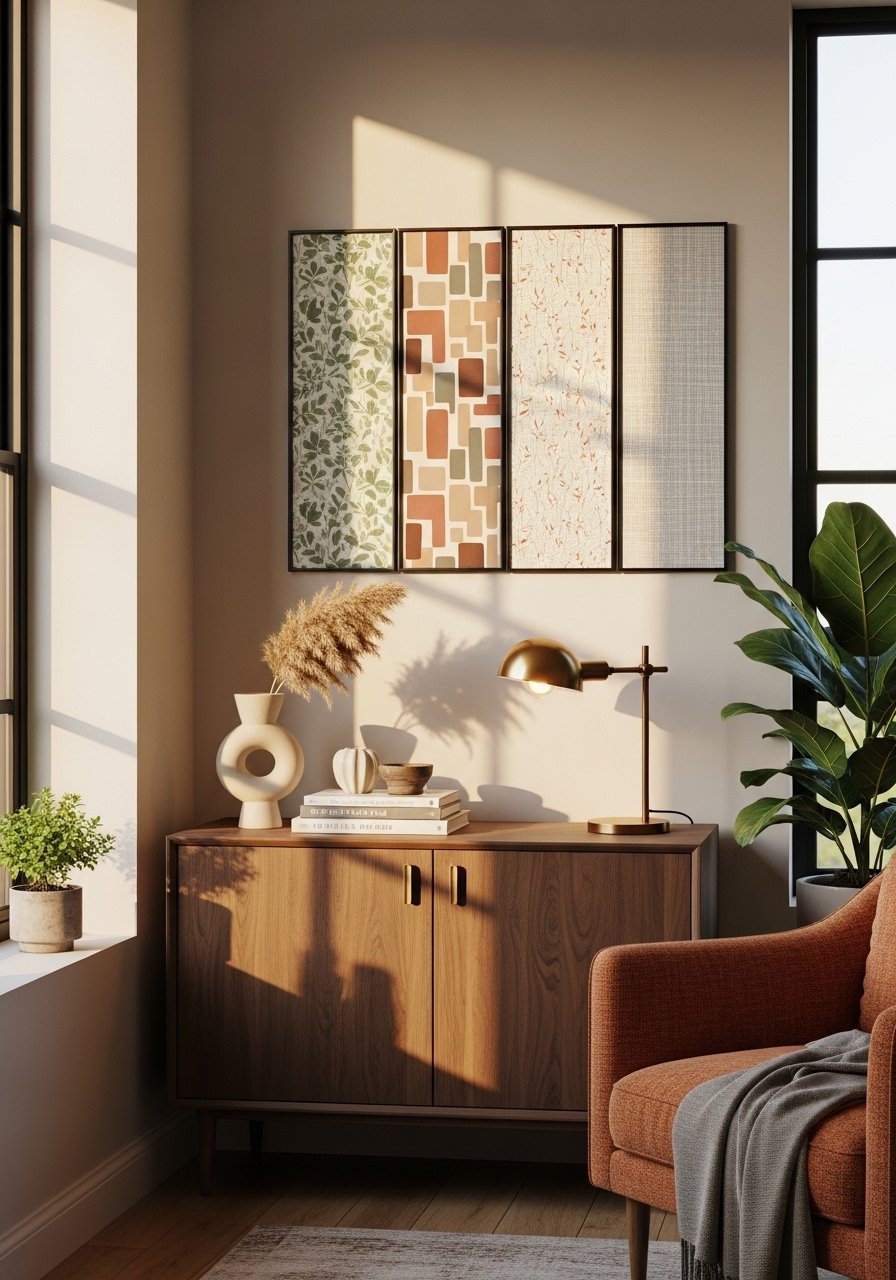
Instead of wrestling with full-wall paper, I cut peel and stick wallpaper to wrap thin 1/8 inch MDF panels and framed them. Measure twice, cut once, then trim panels 1/16 inch smaller than the frame inner lip so they slide in cleanly. The result reads like custom art with a small supply list and no paste mess. Use two coats of matte sealer if you want a washable surface. This works for renters, dorms, and anyone who likes swapping art seasonally. For supplies, grab peel and stick wallpaper and a picture hanging kit.
Mistake to Avoid: Don’t wrap the wallpaper edge-to-edge with no allowance, it will buckle inside the frame.
2. Thrifted Table Turned Mobile Bar Cart
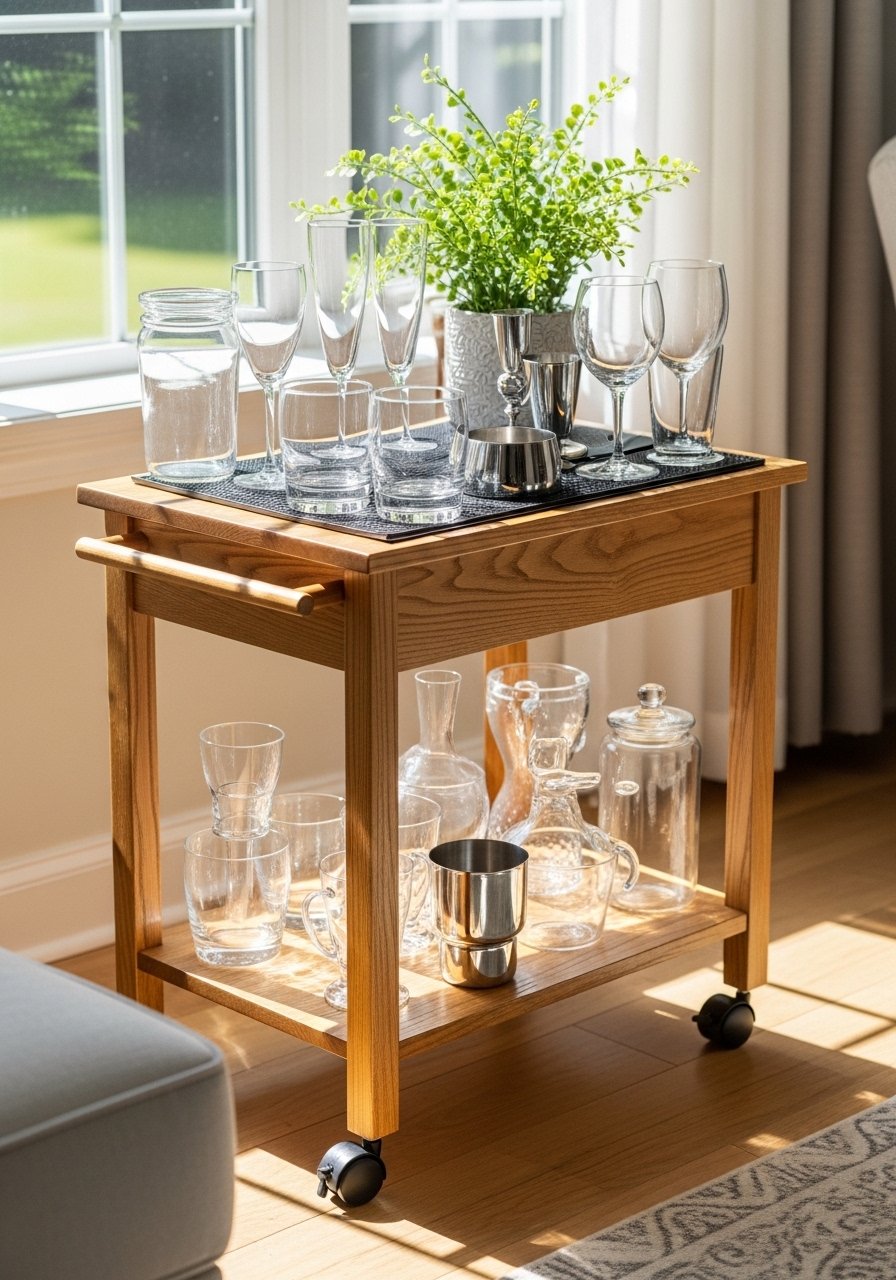
I slapped a new finish on a thrifted table and added locking casters to make a mobile bar or extra prep surface. Sand with 120 grit, stain a single thin coat, then apply two thin coats of water-based poly and let cure 48 to 72 hours for light use. The casters I used are rated for 200 pounds total and lock solidly. This saves buying new furniture and works in tiny apartments where flexibility matters. Supplies I use include locking casters and water-based wood stain.
Mistake to Avoid: Skipping the locking casters, which makes a rolling cart frustrating and unsafe.
3. Painted Geometric Runner On Low-Pile Rug
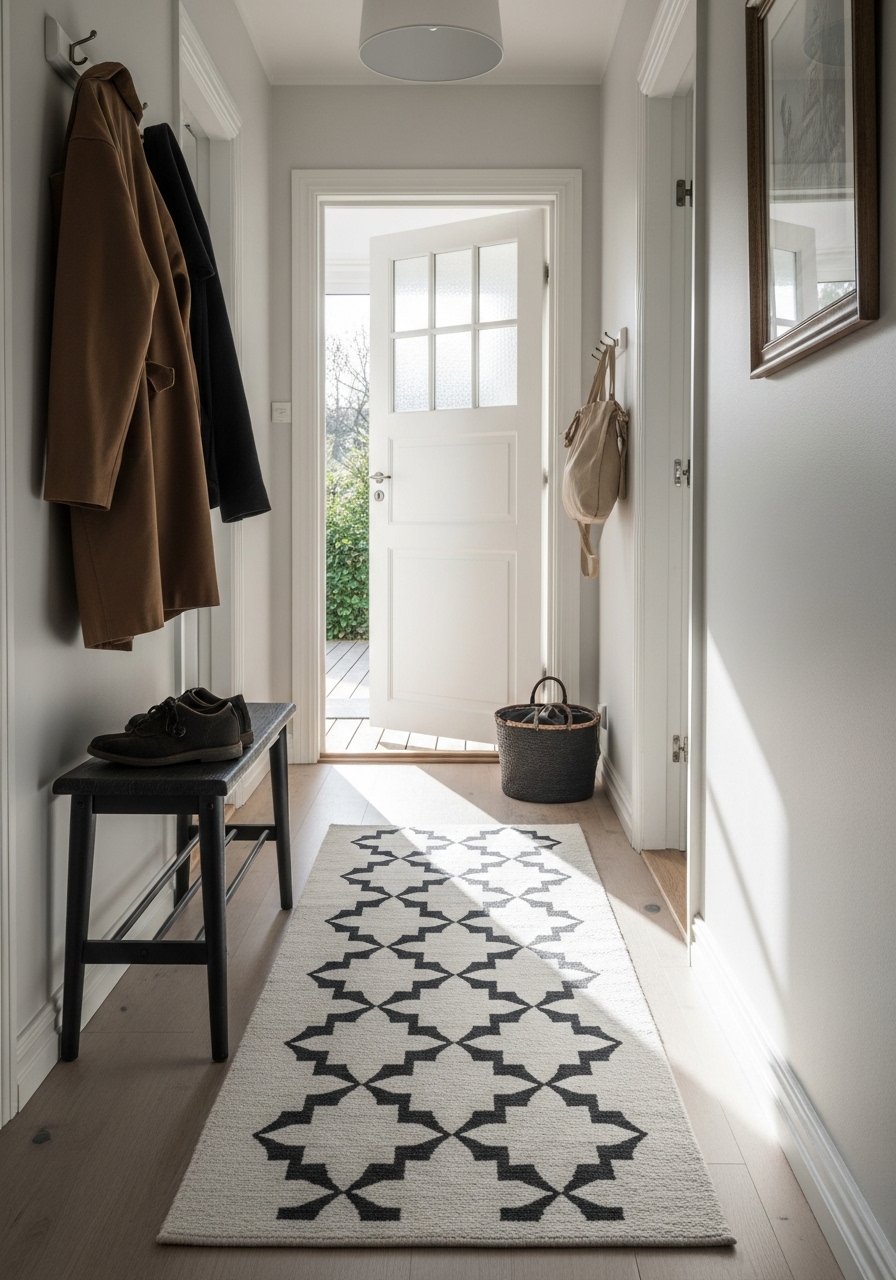
Rugs are expensive, so I painted a cheap low-pile rug with porch and floor paint to make a patterned runner. Tape off crisp angles using frog tape and a stiff cardboard stencil. Apply two thin coats of paint, then wait 72 hours before light foot traffic. For color depth, mix two parts paint to one part clear floor primer when starting over porous fibers. This gives a durable surface that wipes down. It is a low-cost alternative when floor replacement is out of reach. Use indoor floor paint and a geometric stencil.
Mistake to Avoid: Painting thick coats that sit on fibers instead of sealing into them, which peels after a few weeks.
4. Bottle Pendant Lights From Thrift Finds
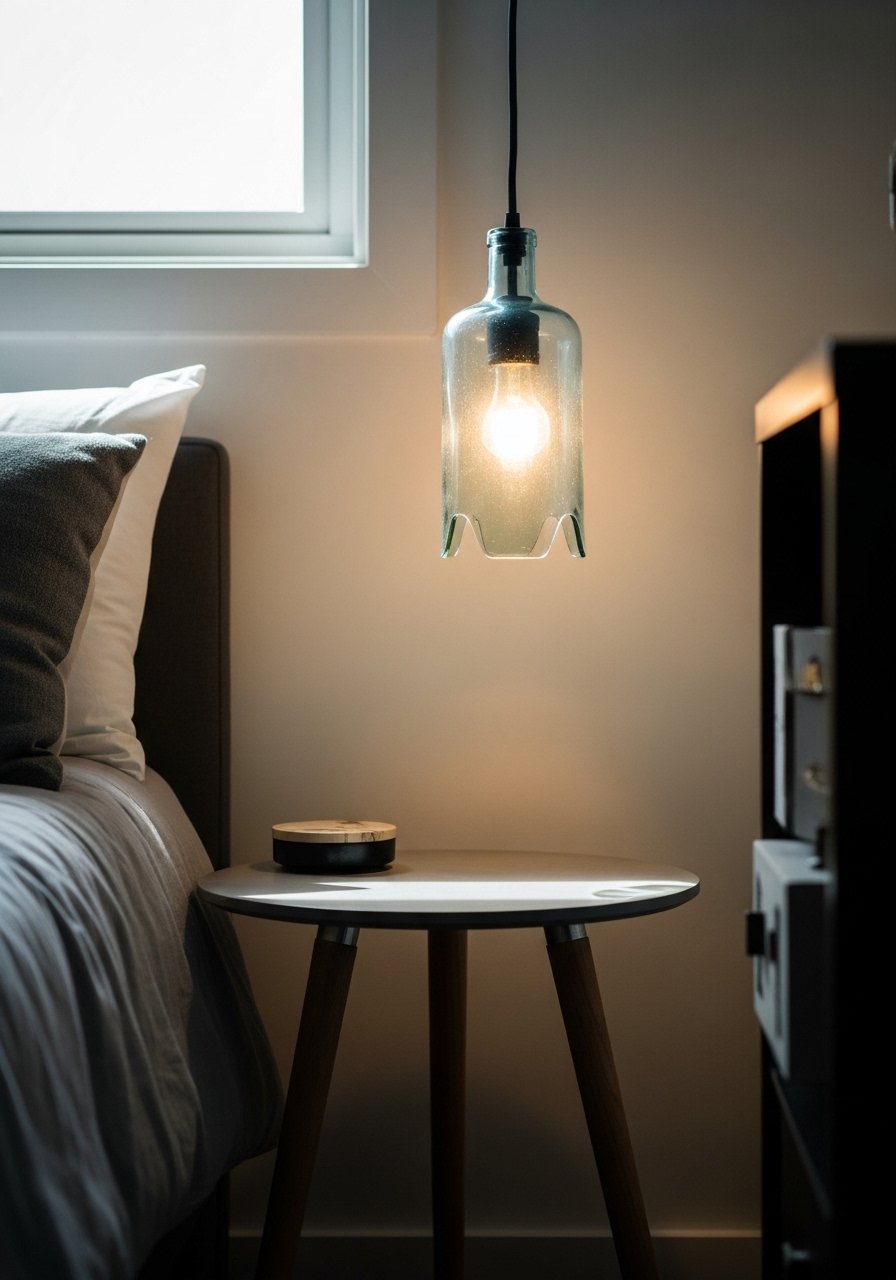
I wired cheap glass bottles into plug-in pendants and learned the hard way to use the right heat-rated socket kit. For renters, use a plug-in kit and hang from a sturdy ceiling hook or clamp fixture to avoid rewiring. Drill the glass with a diamond bit at low speed and keep water running to reduce heat stress. This creates a focused warm light without replacing the whole fixture. I used a plug-in pendant lamp kit and a diamond glass drill bit.
Mistake to Avoid: Trying to hardwire without confirming ceiling box capacity or using non-rated sockets.
5. Peel-and-Stick Backsplash For Rental Kitchens
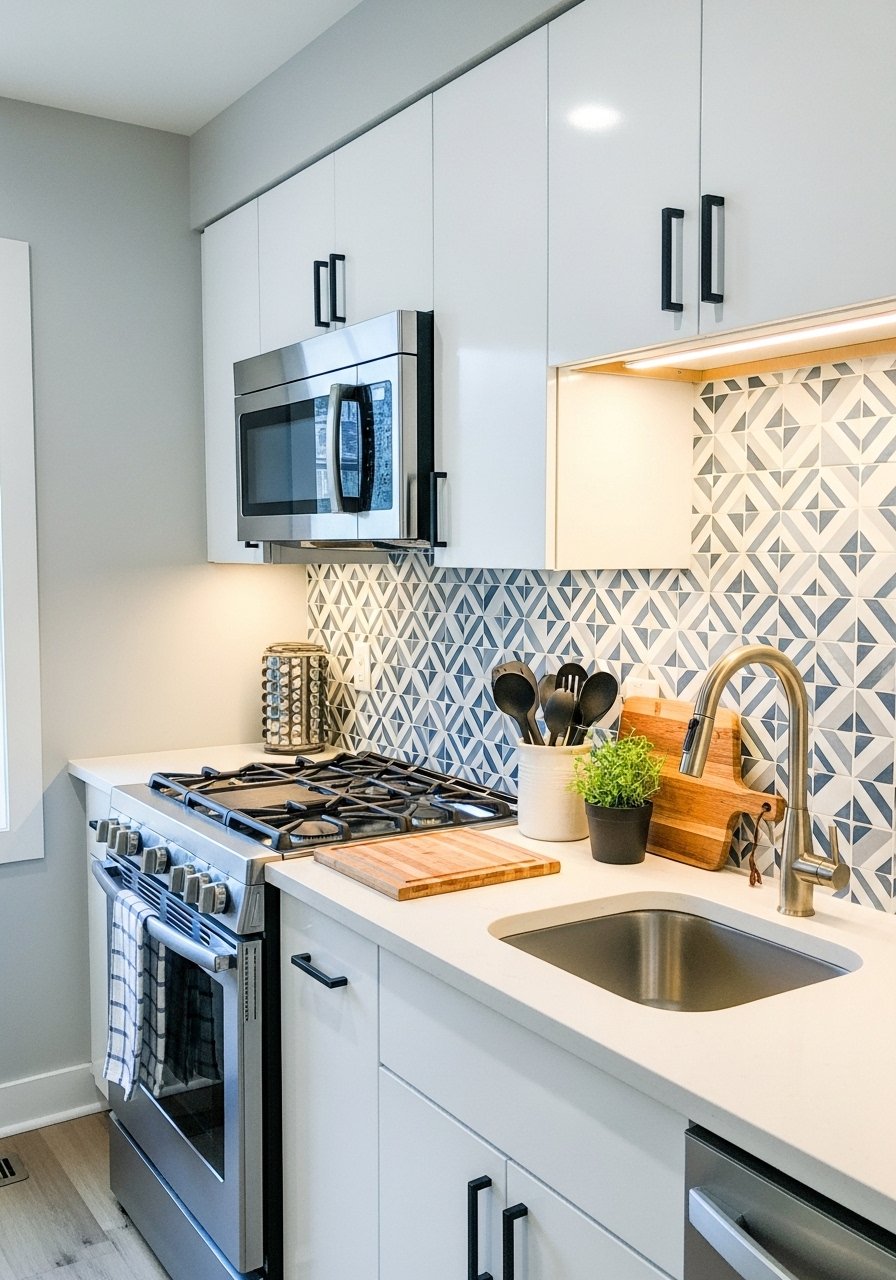
Peel-and-stick tiles are not all equal. Pick a thicker vinyl with a textured grout look and overlap edges by 1 to 2 millimeters when matching pattern repeat. Clean the surface with isopropyl alcohol and apply from the center outward to avoid trapped bubbles. If you later move, the tiles pull off with a heat gun set to low and a firm plastic scraper, leaving minimal residue. This works for renters and landlords who allow non-permanent upgrades. My go-tos are peel and stick tile and a handheld heat gun.
Mistake to Avoid: Applying to greasy surfaces, which prevents adhesion and causes early peeling.
6. Swap Hardware and Paint Cabinet Interiors
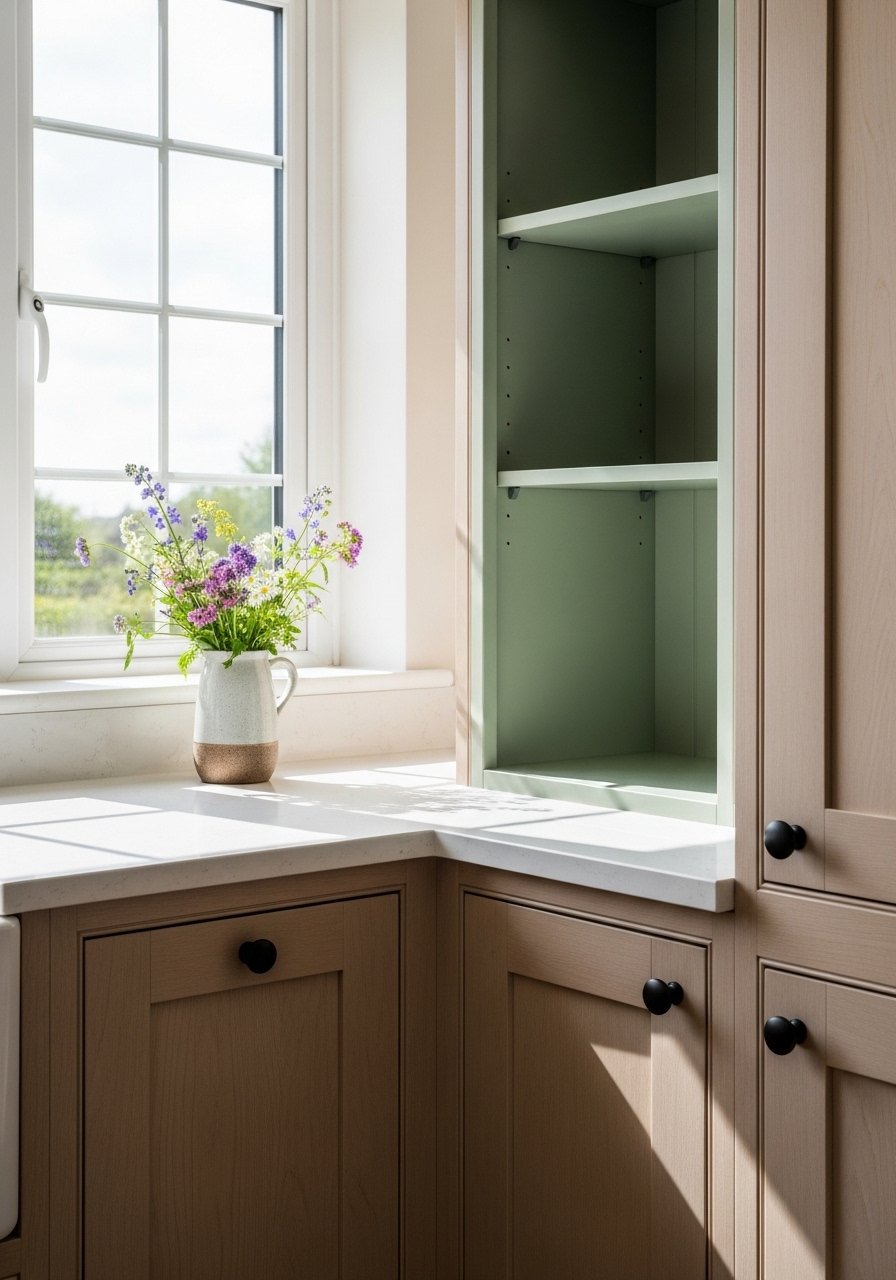
A small scatter of new knobs and a fresh interior paint do more than a full repaint. Swap hardware for simple, consistent pulls and paint the cabinet interiors a warm color to make contents feel intentional. Use chalk or acrylic cabinet paint for low-odor touch-ups and cure 24 hours before restocking. This is a budget move that suits most skill levels and can be reversed on move-out. I usually pair a set of matte cabinet knobs with a chalk cabinet paint.
Mistake to Avoid: Replacing knobs without checking screw spacing, which wastes time and leads to mismatched holes.
7. Paintable Cord Channels To Hide Electronics
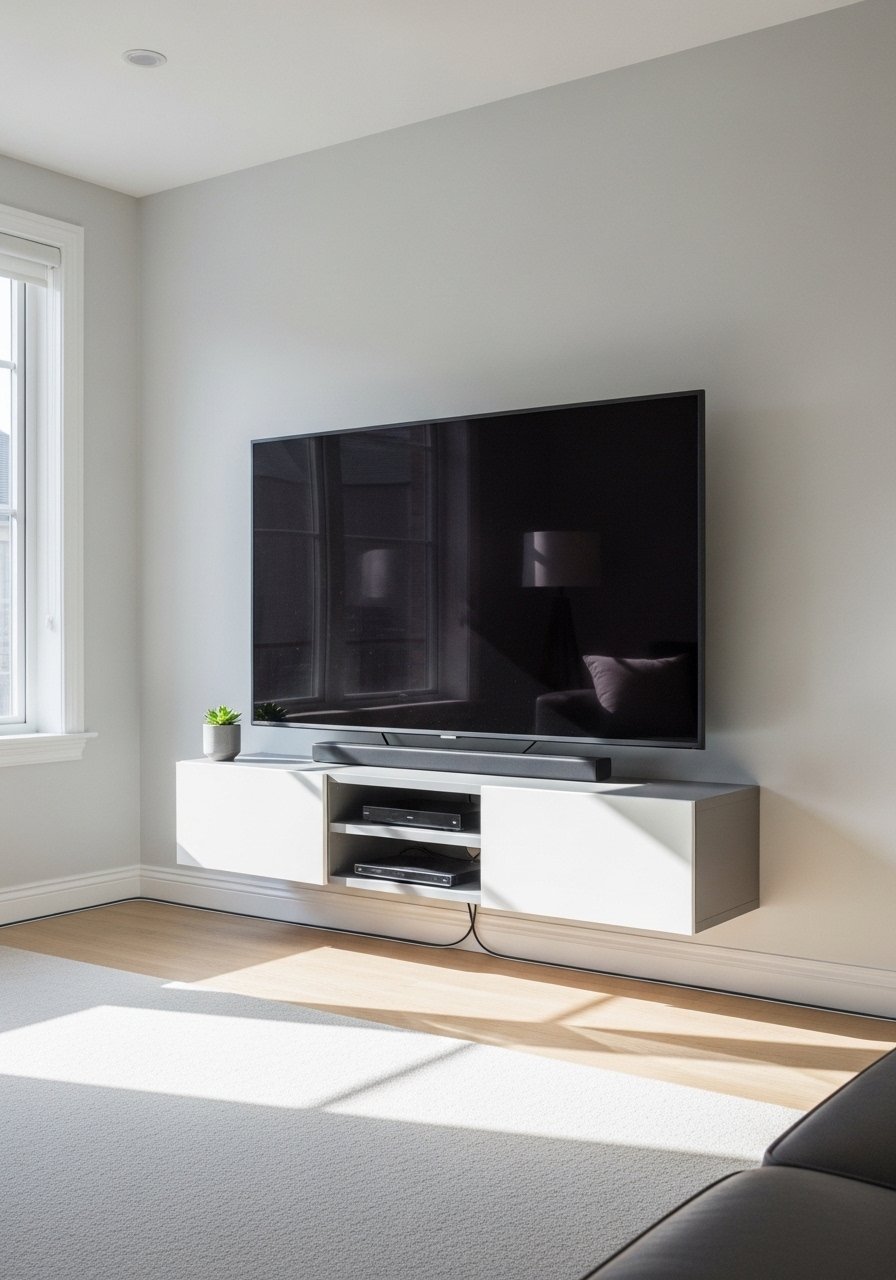
I painted slim cord channels to match the wall, routing power to lamps and televisions without a floor full of cables. Measure the run, cut channels in 12 inch segments for easy bends, and use adhesive foam pads on textured walls. If you rent, pick surface-mount channels that use silicone rather than screws. For pet households, choose channels that lock shut so curious paws cannot tamper. I use paintable cord channel and adhesive foam pads.
Mistake to Avoid: Running cables loosely under rugs where heat can build and cords wear quickly.
If any of these ideas have you ready to actually try something, here are the essential items I use across most projects.
Essentials For Renter-Friendly Upgrades
Tools and Basics:
- Picture hanging kit (~$8-15) for panels and framed art.
- Peel and stick wallpaper (~$25-50) to make custom panels.
- Paintable cord channel (~$12-25) to tidy cables.
Lighting and Hardware:
- Plug-in pendant lamp kit (~$15-30) for bottle pendants.
- Matte cabinet knobs (~$10-25) to update cabinetry.
Paint and Finishes:
- Indoor floor paint (~$25-40) for painted rugs.
- Water-based poly (~$15-30) for a pet-safe topcoat.
Wearable Tricks For Busy Weekends
Bold tip first: Measure once, cut once. If you take one habit from this list, measure twice and mark with painter’s tape before you cut. A metal tape measure with a locking blade saves time and avoids returns.
Grab heavy-duty picture hanging strips when you are in a hurry. They make swapping gallery panels painless and keep walls intact for move-out.
When you are painting a small rug or a shelf, use a small foam roller for an even finish. Thin, even passes beat one thick pass and dry faster.
Most people underestimate cure time. Let new finishes rest for at least 48 hours before heavy use. A simple room thermometer/humidity reader helps you decide if paint will behave the same as in photos.