
My first tiny balcony garden nearly got tossed after a summer of drooping basil and mystery yellow leaves, until I tried one last trick and it actually worked. I kept the one ugly plastic pot and rebuilt everything around it, and that rough patch turned into the corner I use every morning.
These ideas are practical, renter friendly, and meant for people who want modern-looking greenery without a perfect lawn or a weekend of heavy digging. They range from low-cost weekend builds to one-afternoon swaps, and I speak from having tested them in three rentals where sunlight and space changed every move.
1. Self-Watering Raised Bed With Clean Lines
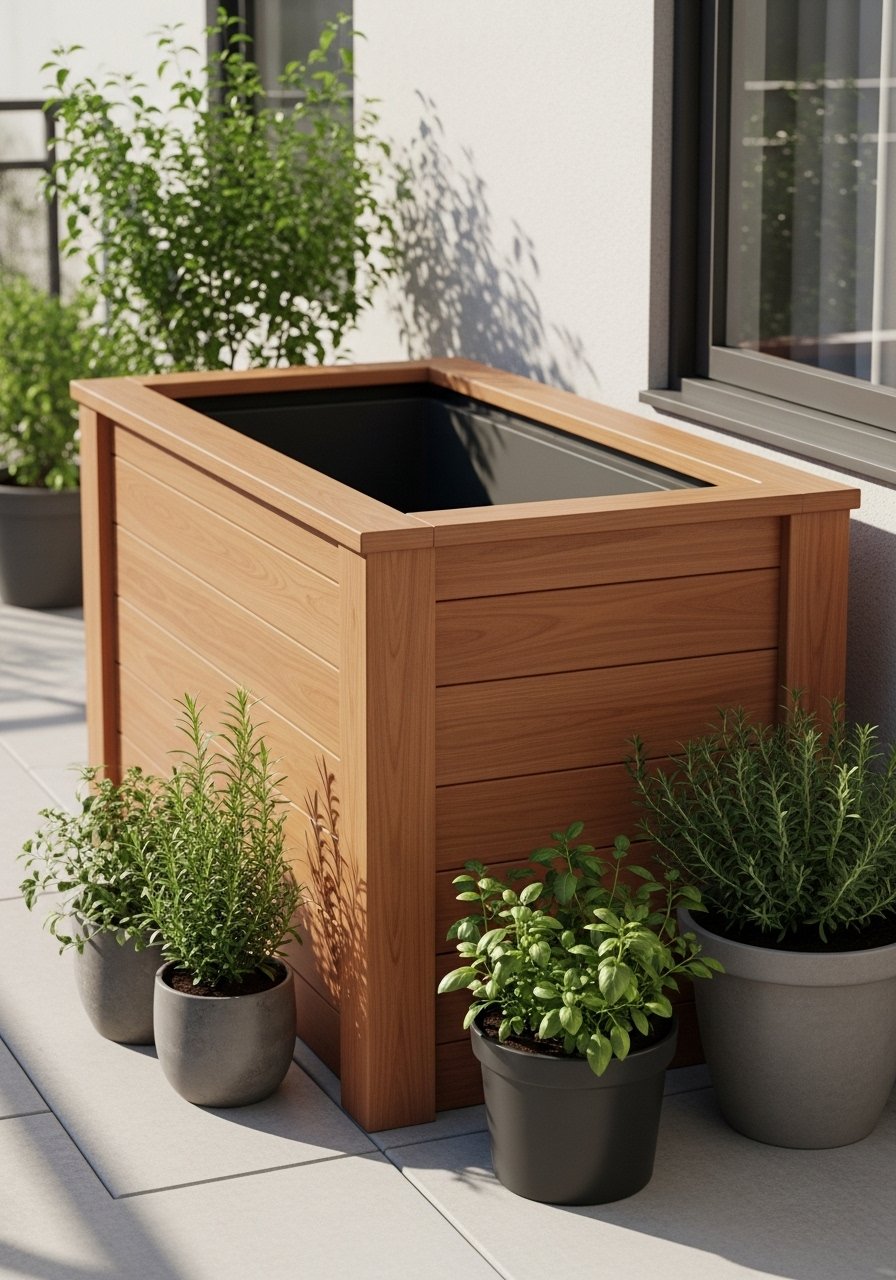
I used an 18-inch-deep cedar box with a 2-inch reservoir under the soil and it changed watering from daily panic to once-every-ten-days ease. The visual win is a single clean rectangle rather than a jumble of pots, which keeps a modern look even when you plant a mix of lettuces and tiny salad greens. Functionally it solves overwatering and root rot by keeping oxygen in the root zone, and it is a weekend build for two people with a drill and a jigsaw. Pair it with self-watering planters for mobile spots, and use a 3:1 potting soil to compost mix for fast-draining beds.
Mistake to Avoid: Building the reservoir too shallow, which leaves soil waterlogged at the edges.
2. Vertical Herb Wall That Actually Produces
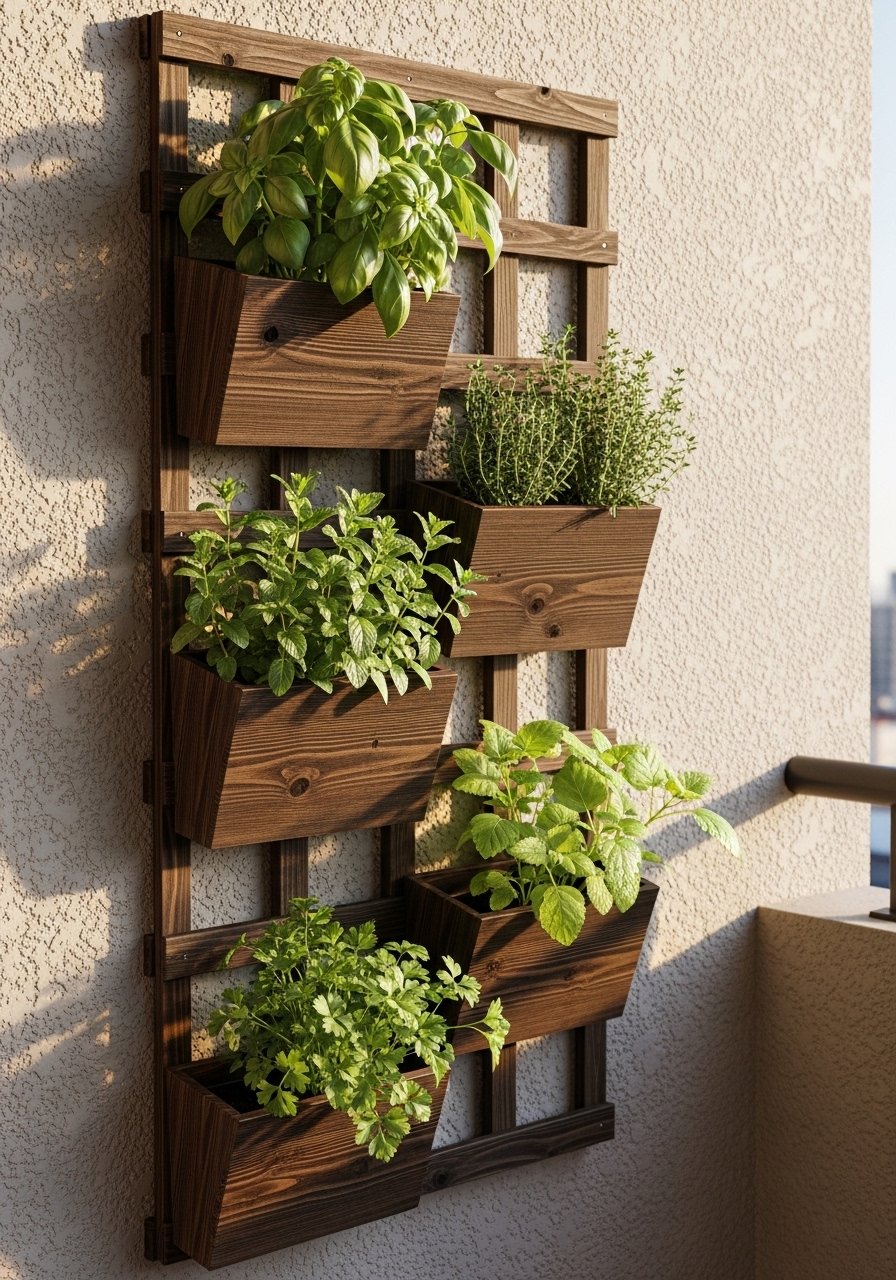
I used staggered pockets spaced 6 to 8 inches apart and planted so taller herbs do not shade the smaller ones, and the wall looked intentional not cluttered. This fixes lack of ground space by going vertical and keeps herbs at hand for cooking. It fits tiny courtyards and narrow balconies, and it is low-skill if you buy pre-made felt pockets. I put a simple dripline behind the pockets with micro-emitter tape and it waters evenly, about 30 minutes once every three days in summer for full-sun walls. For a neat finish, clip support brackets and use felt pocket planters.
Mistake to Avoid: Planting herbs with very different water needs next to each other, which forces constant micro-adjustments.
3. Railing Planter That Looks Like Furniture
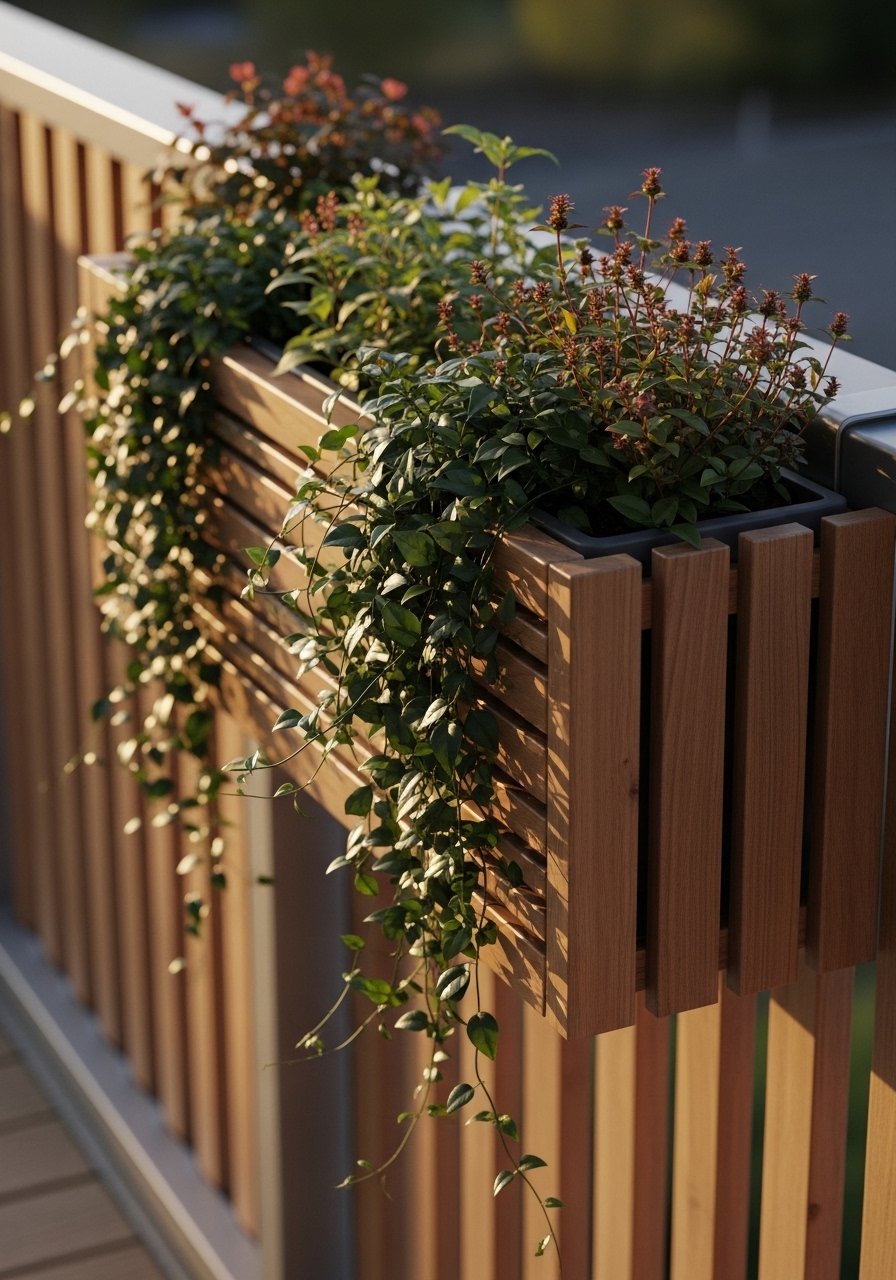
The trick I learned is to anchor a long slim planter to the railing edge and line it with slim wooden slats so it reads like built-in furniture. Use a 6-inch-deep trough for annuals and a 10-inch trough for small shrubs, and install brackets rated for the combined weight when wet. This fixes the "no floor space" problem while keeping walks clear. It is a budget-friendly swap from bulky pots and it takes one afternoon to install. I like combining it with a narrow balcony railing planter and a weatherproof cushion for a tidy seating edge.
Mistake to Avoid: Using light plastic planters that bow under soil weight when wet.
4. Gravel Garden Corner With Sculptural Pots
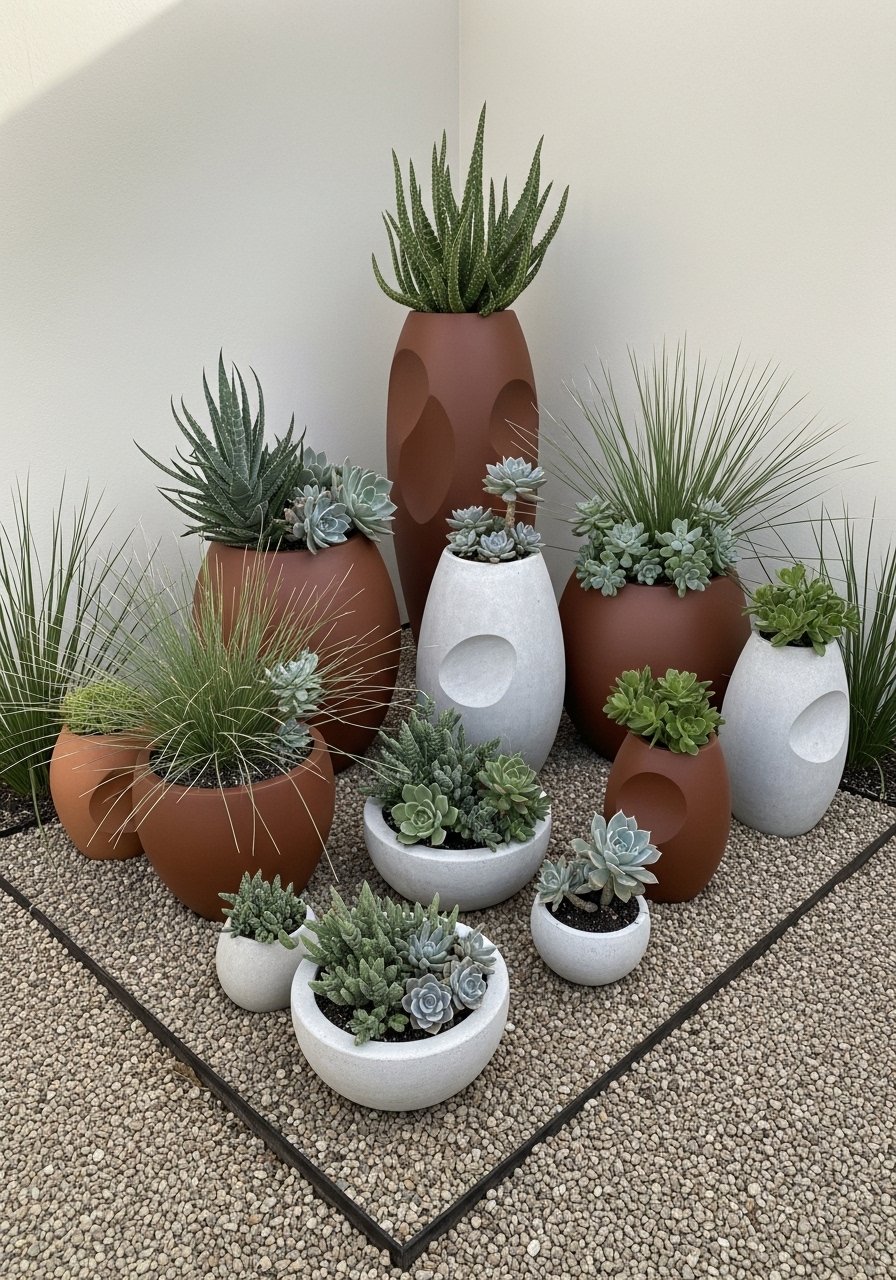
Switching a soggy lawn patch to a gravel corner is dramatic and low maintenance. I cleared a 3-foot square, put 2 inches of landscape fabric with 2 inches of crushed gravel, and planted succulents in sculptural pots on top. The result reads like a small installation, not a garden afterthought. This idea solves persistent drainage issues and winter mud, and it is great for renters who need a change that can be reversed. For a cohesive look, stick to three pot materials or colors and use concrete planters for weight and texture.
Mistake to Avoid: Skipping the fabric barrier, which lets weeds come back faster than you expect.
5. Rolling Plant Trolley for Seasonal Moves
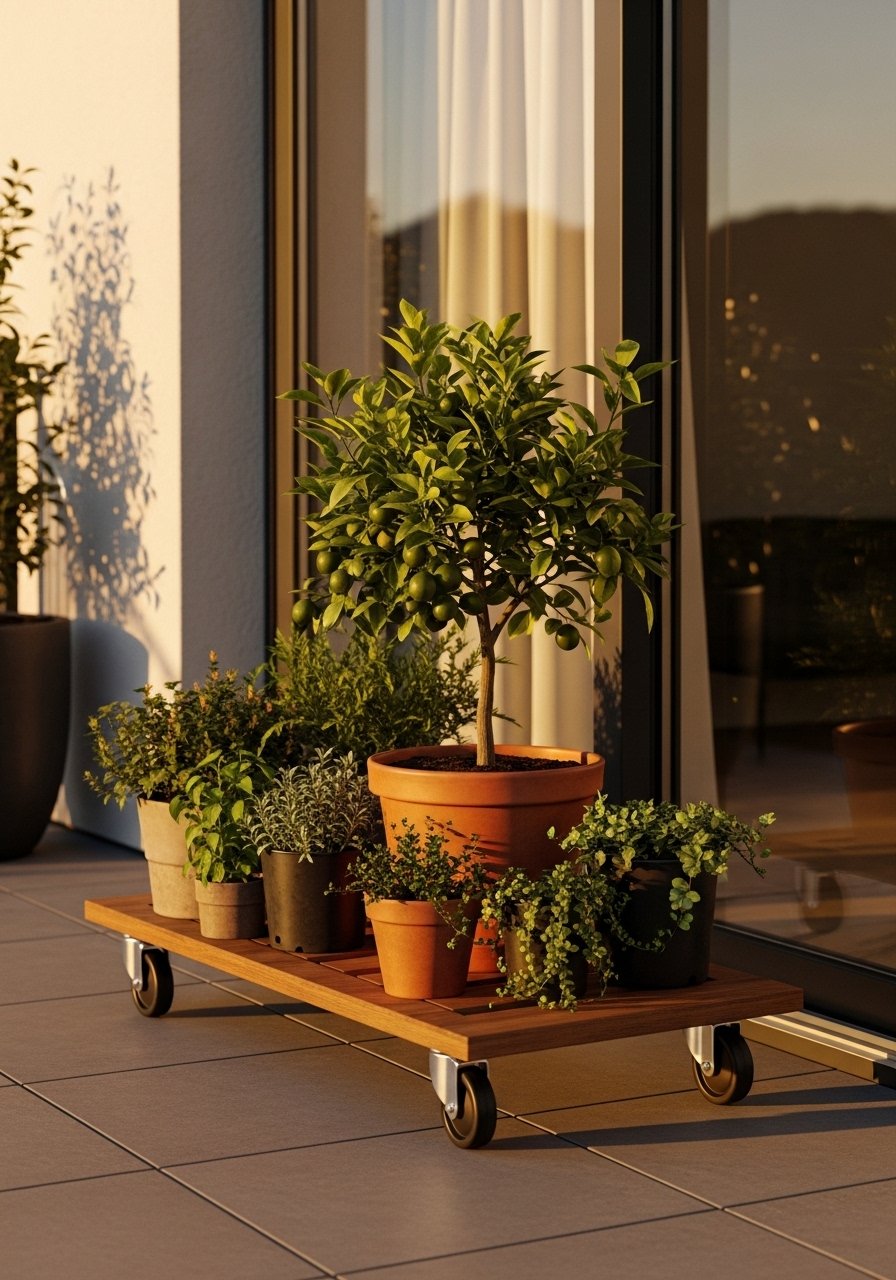
I almost gave up on mobile sun management until I built a trolley with locking casters, and it saved half my plants when seasons shifted. Pick wheels rated for outdoor use and put the heaviest pots on the bottom shelf so the trolley does not tip. This is perfect if sun moves across your balcony or you need to bring plants inside before a freeze. It is an accessibility-friendly idea for gardening without lifting heavy pots, and it takes under two hours to assemble from slatted boards. Consider a pair of outdoor caster wheels for stability.
Mistake to Avoid: Using cheap indoor casters that seize up outdoors within a season.
6. Bench Planter That Doubles As Seating
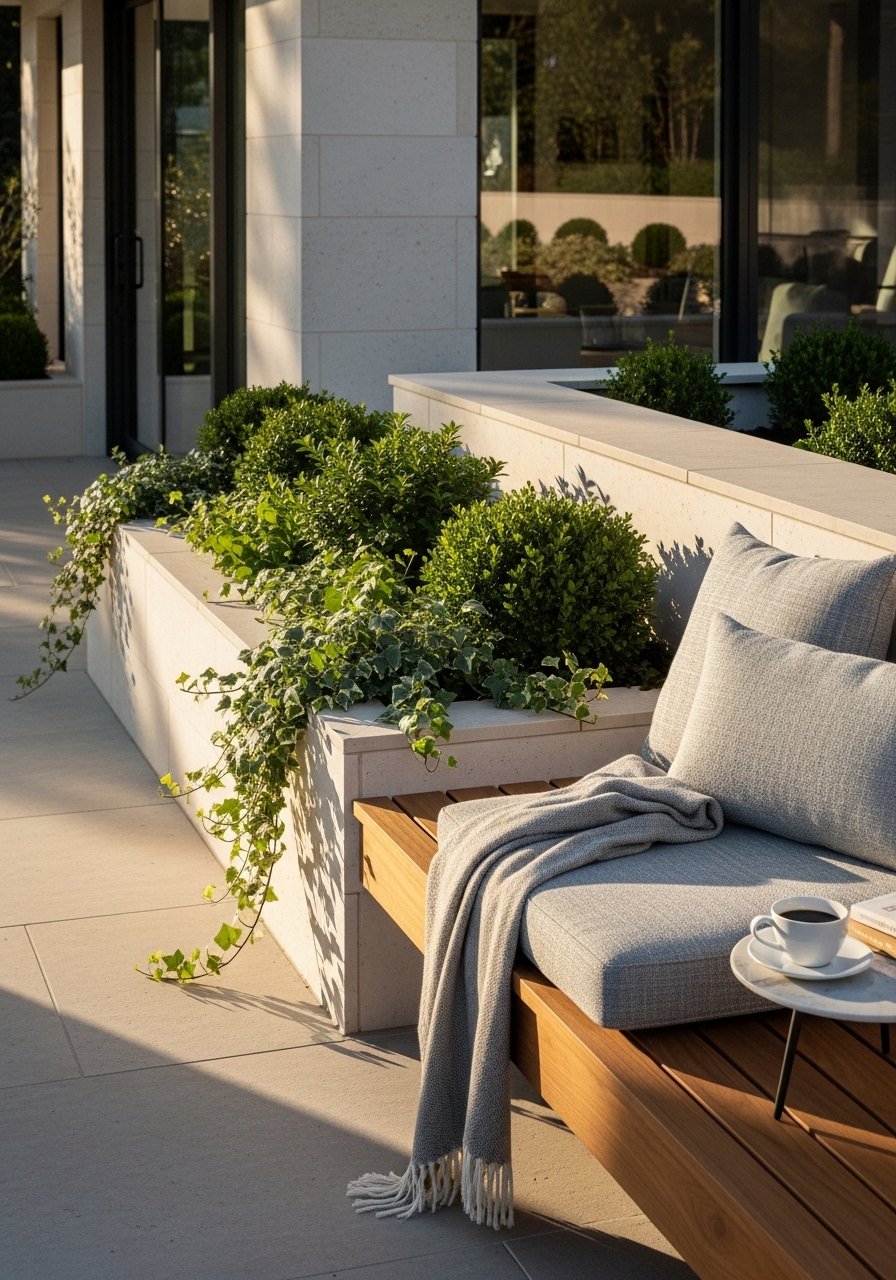
Combining seating and planting keeps a small patio from being a series of separate pieces. I left a 10-inch planter channel next to the bench and filled it with compact evergreens and trailing groundcovers so the seat edge reads warm and intentional. It solves the "no place to sit" problem without losing planting area, and it works on porches and rooftop terraces. Use rot-resistant wood or powder-coated metal for low maintenance. For a DIY route, pair a bench kit with a weatherproof planter insert.
Mistake to Avoid: Planting shrubs too close to seating, which leads to prickly encounters and constant trimming.
7. Spiral Herb Tower For Continuous Harvests
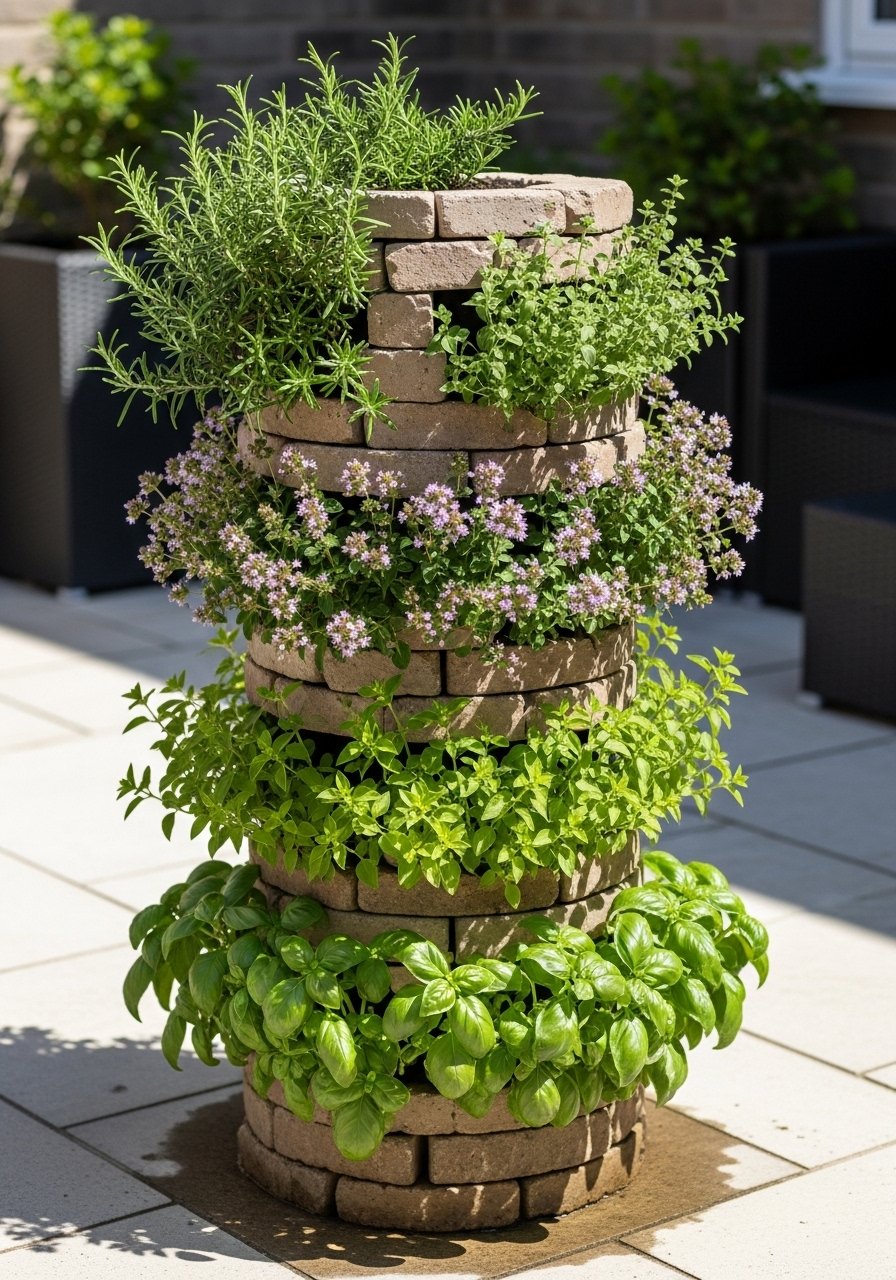
I learned to stack herbs in a spiral so sun-loving rosemary sits at the top and shade-tolerant parsley lives lower. The spiral uses vertical microclimates, so you get more harvest in less than 2 square feet. I used a 2:1 potting mix to perlite ratio and planted successors every three weeks for continuous pickings. It is a distinctive sculptural piece that also solves uneven sunlight across a balcony. Assembly is quick with pre-cut panels, and it is friendly for beginner gardeners who want immediate payoff. Try a durable herb tower kit.
Mistake to Avoid: Filling every pocket with the same soil mix, which ignores drainage differences from top to bottom.
If any of these have you ready to actually try something, here are the things I reach for every time.
Essentials For Modern Small Garden Builds
Tools & Hardware:
- Outdoor caster wheels (~$20-40), for rolling trolleys and mobile planters.
- Heavy-duty railing brackets (~$12-25), to anchor rail planters safely.
Planters & Irrigation:
- Self-watering planters (~$25-60), for hands-off hydration.
- Micro drip irrigation kit (~$30-60), easy to hide behind pockets and trellises.
Finishing Touches:
- Concrete planters (~$30-80), for weight and a modern look.
- Felt pocket planters (~$15-35), for vertical herb walls.
- Weatherproof planter insert (~$12-30), for bench planters.
Late-Season Care Habits
Thin coats beat one thick coat every time. For winterizing, prune half the foliage, then mulch with a 1-inch layer of compost so roots have insulation, and use a frost cloth if temperatures dip suddenly. A light frost cloth is handy for sudden nights.
Grab a soil moisture meter and use it before you water. I used to water by habit until I started checking the meter, and that cut overwatering in half.
Most people overpot herbs. Use smaller pots for culinary herbs and repot into the next size only when roots show at the drainage hole. A compact pot set saves space and forces healthier root structure.
Everyone buys a dozen small pots. One single large sculptural planter anchors a modern garden visually more than five mismatched small ones.