
I nearly threw out a battered drop-leaf table because it looked sad next to my apartment sofa. One rainy afternoon I sanded one corner, swapped the hardware, and leaned it into the corner with a lamp. The room stopped feeling like a storage unit and started feeling like a place I wanted to sit in, read, and not apologize for.
These ideas are for renters and homeowners who want refreshes that feel new without a full renovation. Most are low to medium budget, doable with basic tools or a handyman, and scale from studio apartments to three-bedroom homes. Expect quick wins you can finish in a weekend, renter-friendly alternatives, and a few slightly more involved DIYs if you want a project that lasts.
1. Layered Rug Anchoring

Start by placing the larger rug so that at least the front legs of key furniture sit on it. Then add a smaller, patterned rug on top offset by about 12 inches to create a foyer-within-the-room effect. Visually it reads intentional and adds texture without clutter. Works for modern, boho, or transitional rooms and is an easy rent-friendly move when using non-slip pads. Try a low-pile natural fiber base and a 5×7 patterned wool top for durability. Pair with a neutral flatweave rug in high-traffic spots.
Mistake to Avoid: Buying two identical rugs and layering them, which flattens texture instead of building depth.
2. Curtain Height, Not Width
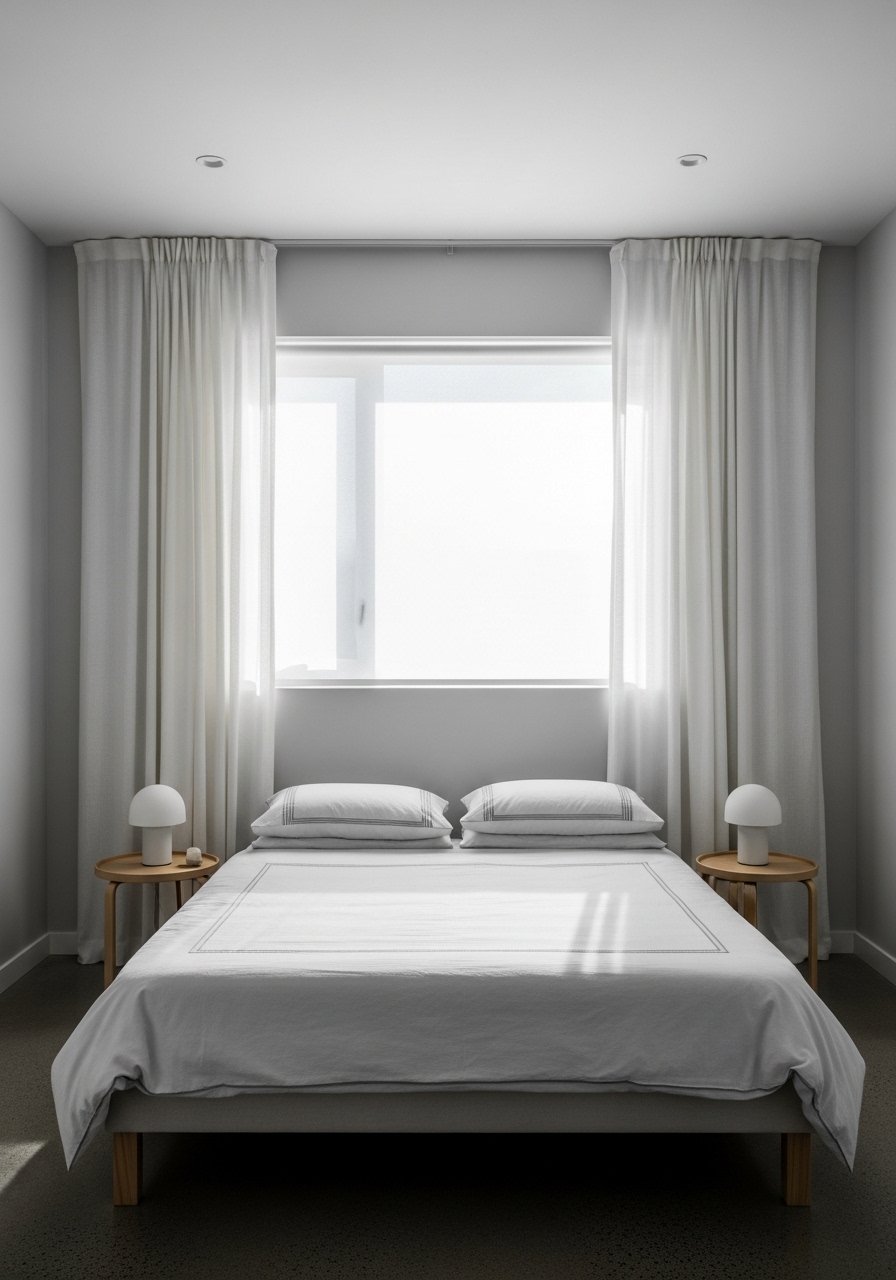
Raise curtain rods so the top of the rod lands 4 to 6 inches above the window frame, or up to the ceiling in a short room. That vertical lift makes a room feel taller without changing furniture. Use lightweight linen sheers for daytime diffusion and a heavier fabric for privacy. This trick is inexpensive and renter-friendly if you use tension rods or removable brackets. For a polished look, hang curtains that just skim the floor and avoid puddling unless you are going for a formal vibe. I used grommet linen curtains for an easy upgrade.
Mistake to Avoid: Hanging curtains at the window frame height, which visually shortens the room.
3. Gallery Wall with One Anchor Piece
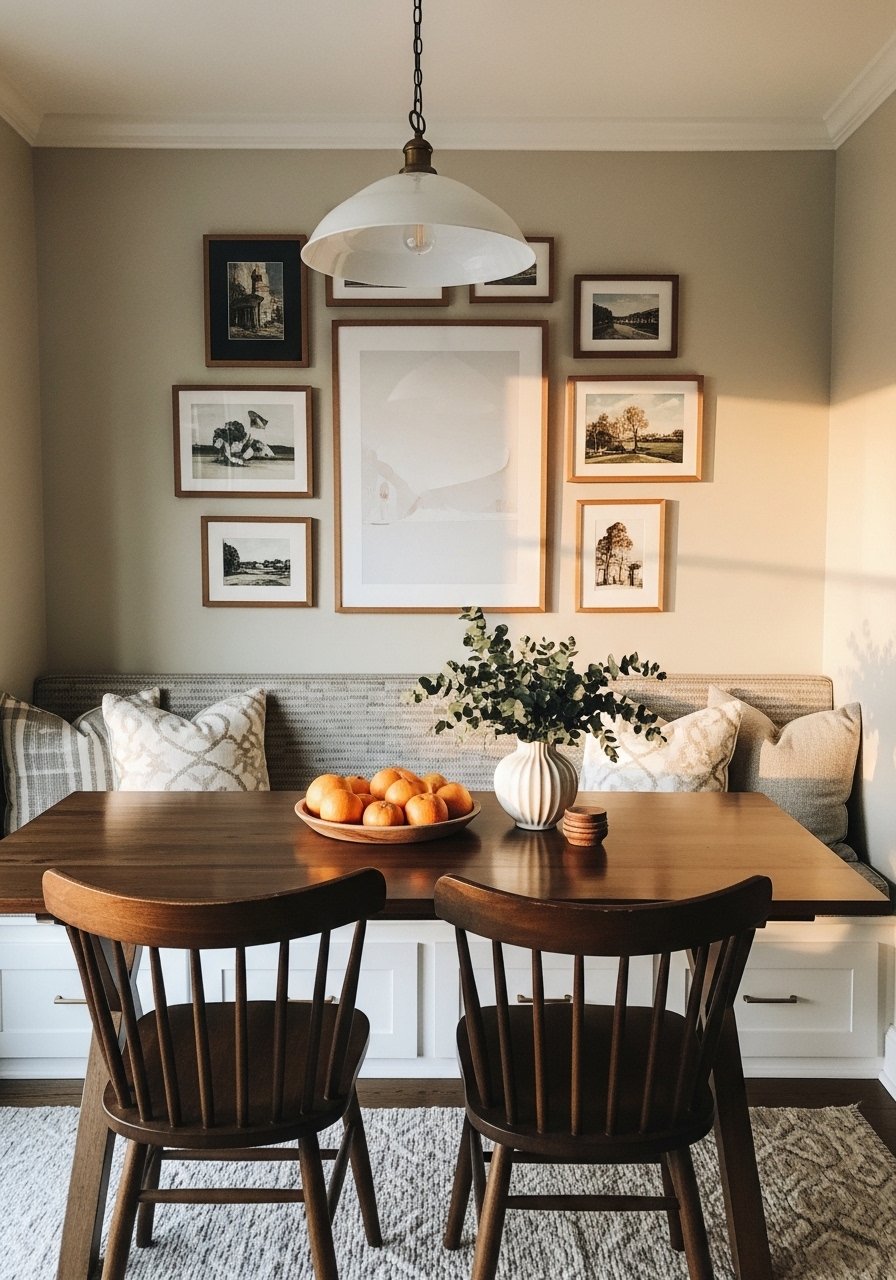
Build a gallery wall around one larger anchor frame. Place that anchor at about 57 inches from the floor to the center, then arrange smaller pieces around it with 2 to 3 inches spacing. Mix frame finishes and add one sculptural piece like a small woven tray for texture. This works for renters because you can use removable hooks for most pieces. For a balanced layout, aim for a 2:1 ratio of picture frames to sculptural accents. I lean on a black picture frame for the anchor and swap the smaller prints seasonally.
Mistake to Avoid: Starting with many small frames and no anchor, which makes the wall feel scattered.
4. Replace Flush Light With a Statement Fixture
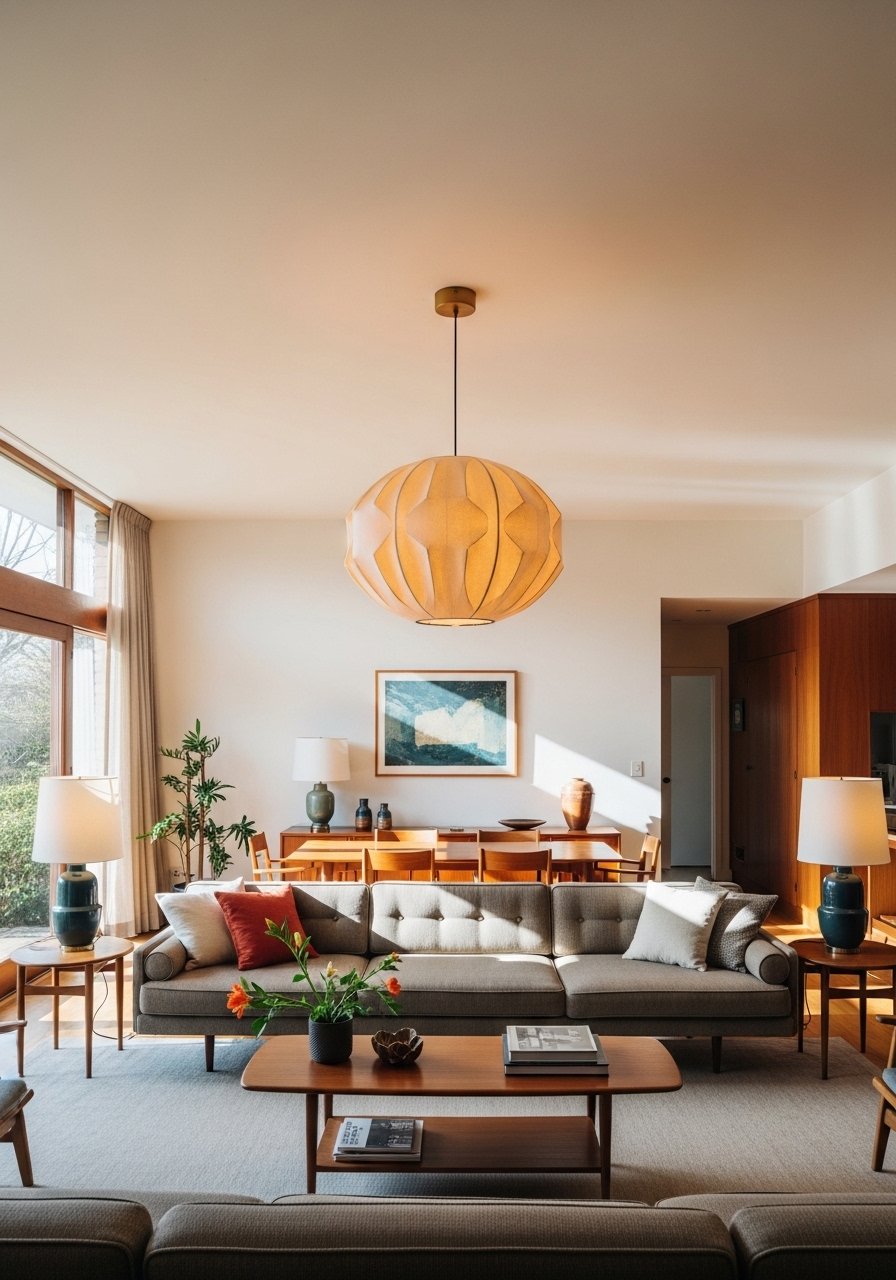
Swapping a flush mount for a low-hanging pendant instantly changes the room’s personality. Choose a fixture with scale appropriate to the space, roughly one-third the width of the sofa for living rooms. For rented spaces, pick a fixture that mounts to the existing box or use a plug-in pendant where wiring changes are not possible. A sculptural light does double duty as art and function. I installed a matte brass pendant and it anchored the seating area in a weekend. Consider the plug-in pendant lamp if you cannot rewire.
Mistake to Avoid: Picking a light that is too small, which reads like an afterthought instead of a feature.
5. Open Shelving Styled for Everyday Use
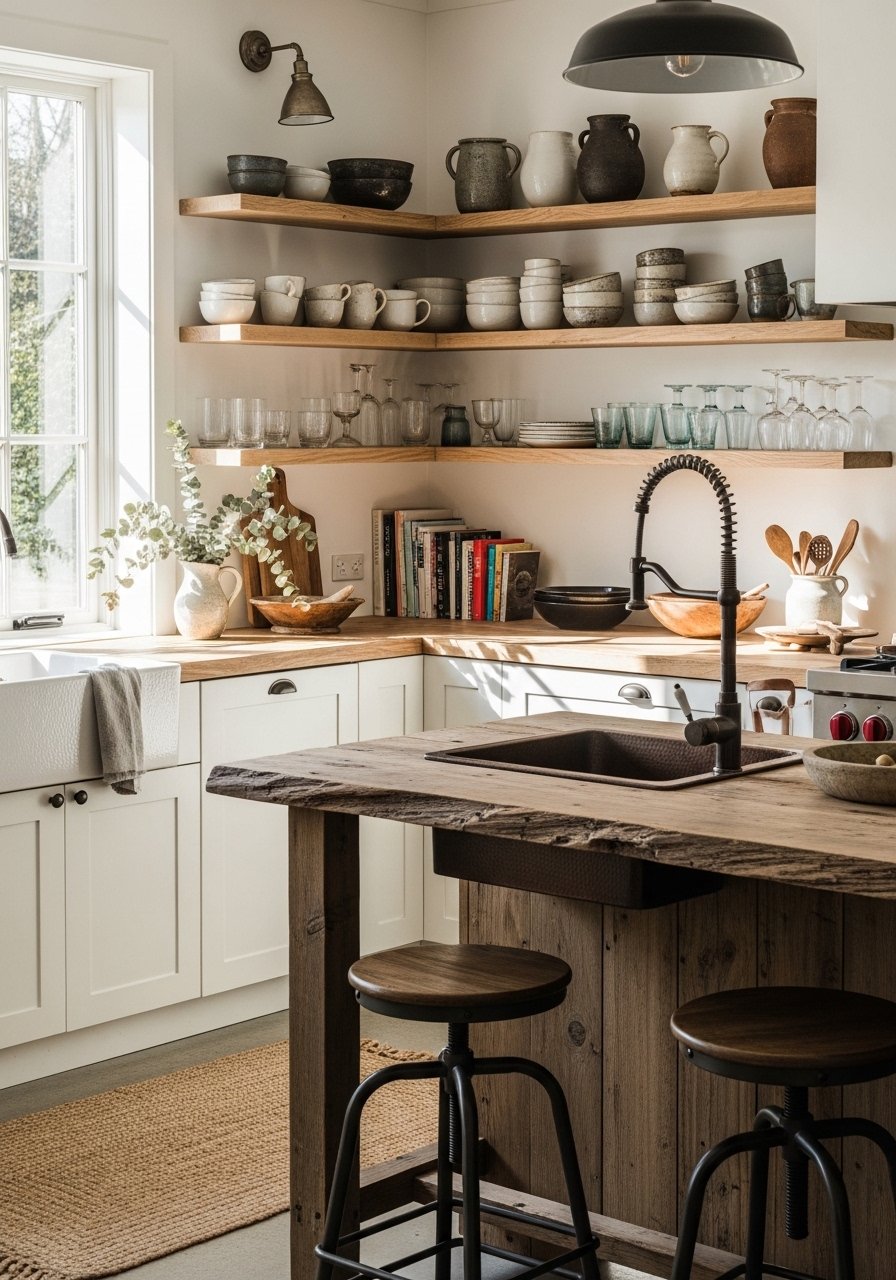
Switch one upper cabinet to open shelving or add floating shelves to show off everyday items. Group items in threes and keep like with like, stacking plates and leaning a cutting board behind mugs. This makes kitchens feel collected rather than staged. For durability, install brackets rated for 25 to 40 pounds per shelf and use a matte lacquer finish for easy cleaning. Open shelving suits small-space living and invites practical styling that keeps commonly used items within reach. A set of solid wood floating shelves is a good starting point.
Mistake to Avoid: Filling shelves with small random things, which looks cluttered instead of curated.
6. Corner Reading Nook With Layered Lighting

Turn an unused corner into a reading nook by combining task, ambient, and accent lighting. Use an adjustable floor lamp for task light, a small table lamp for warmth, and a string light or small sconce for depth. Layering light creates a room-within-a-room feeling and allows the corner to work at night without flooding the whole space. This is budget-friendly and renter-friendly when lamps are plug-in. For a compact setup, choose a slim-profile armchair and a tripod floor lamp.
Mistake to Avoid: Using only overhead light, which makes the corner feel flat and unused.
7. Swap One Big Piece Instead of Many Small Buys

If the room feels disjointed, replace one major piece rather than buying many small accessories. A new sofa or a dining table with confident lines gives the whole space a personality and reduces decision fatigue. Budget alternatives include slipcovers or thrift finds reupholstered with a neutral fabric. I noticed after trying this in three rentals that replacing one anchor piece makes smaller decor choices fall into place. For a modern update, try a compact sofa with a tight back and wood legs, or a mid-century loveseat for tighter rooms.
Mistake to Avoid: Buying many small accessories before fixing the room’s scale problem, which keeps the space feeling patchwork.
If any of these ideas have you ready to actually try something, here are the key pieces worth picking up.
Capsule Buys For Small Rooms
Textiles & Soft Goods:
- Velvet pillow covers (~$12 each) for an instant texture swap.
- Neutral flatweave rug (~$100-200) as a durable base.
Lighting & Hardware:
- Plug-in pendant lamp (~$60-120) for renters who cannot rewire.
- Tripod floor lamp (~$80-140) for layered lighting.
Storage & Shelving:
- Solid wood floating shelves (~$30-70 each) for open styling.
- Under-bed storage bins (~$20-40) to hide clutter.
Wall & Art:
- Black picture frames (~$15-40) for a gallery anchor.
- Peel-and-stick wallpaper (~$25-60 per roll) for renter-friendly pattern.
8. Midway Console Styling Trick

A narrow console is a stage for three layers: surface, vertical element, and a small tray for daily essentials. Use one taller object, like a fluted ceramic vase, one medium item such as a lamp or stack of books, and one small catchall. That 3-part rhythm reads intentional and keeps clutter contained. This works for homes and apartments and is a quick weekend styling job. I like a weighted tray so small items do not scatter. Try a fluted ceramic vase for the vertical piece.
Mistake to Avoid: Filling the console with too many small things, which makes it feel messy not styled.
9. Functional Room Divider That Adds Storage

Use a low bookshelf perpendicular to a wall to divide a studio while keeping sightlines open. Fill the side facing the living area with decorative objects and the bedroom side with baskets for clothes or bedding. Anchor the shelf to the wall for safety. This doubles as storage and creates defined zones without building walls. Choose a shelf height that reaches hip to chest level so it blocks sight without swallowing light. A modular open bookshelf unit is perfect for this.
Mistake to Avoid: Choosing a divider too tall or solid, which makes the space feel cramped and dark.
10. Paint an Accent Wall With a Two-Tone Technique
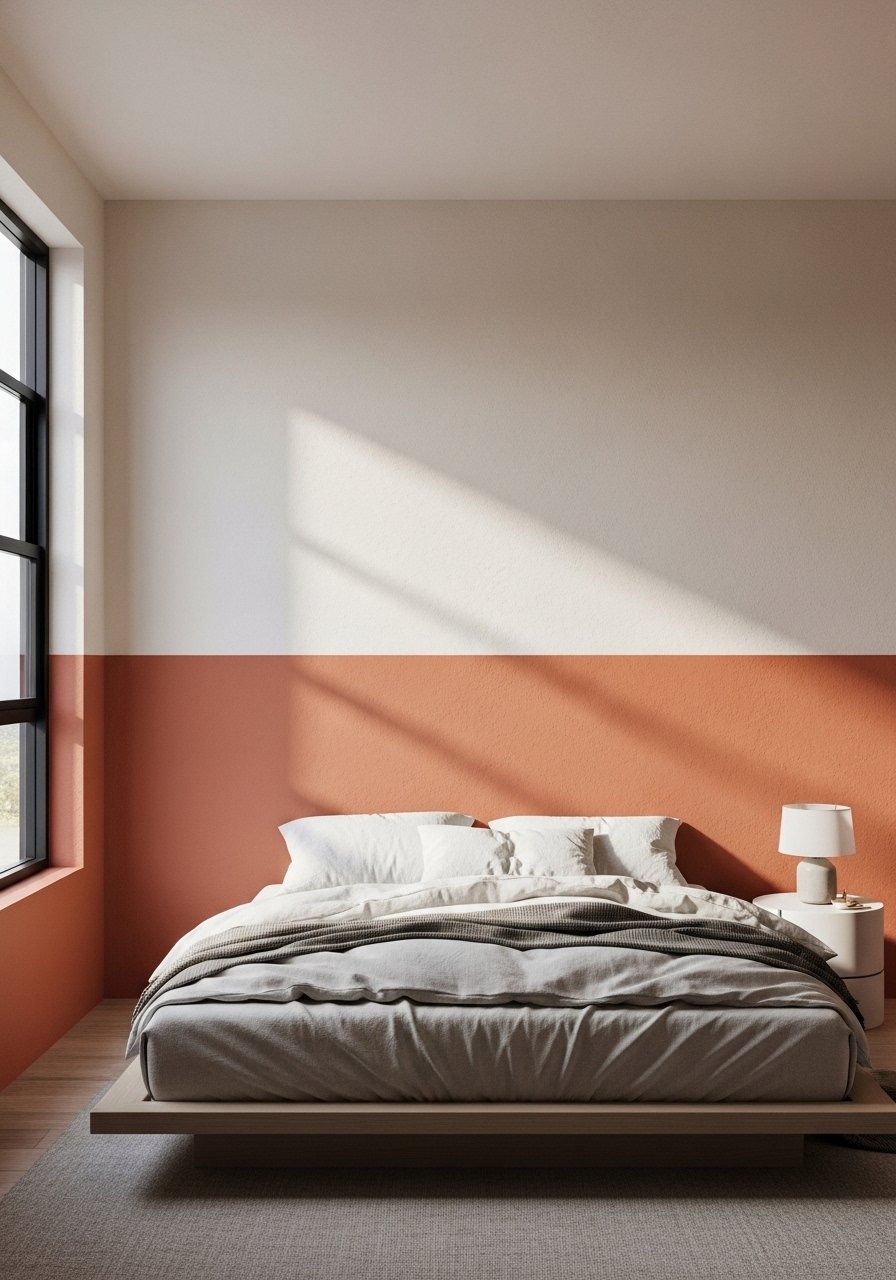
Instead of a full accent wall, paint the lower third in a saturated tone and the top in neutral, creating a grounded band that reads built-in. Use a 1:2 height ratio for banding and a satin finish on the bottom for durability. This approach looks custom and hides scuffs in high traffic areas. It is renter-friendly if you choose colors that are easy to repaint and use painter’s tape for crisp lines. For supplies, a good quality painter’s tape and a satin interior paint are all you need. I swapped a full wall paint for this and it instantly felt tailored.
Mistake to Avoid: Using a bright color on the whole wall without balancing it with neutral furnishings, which can overwhelm the room.
11. Tuck Tech Into Furniture
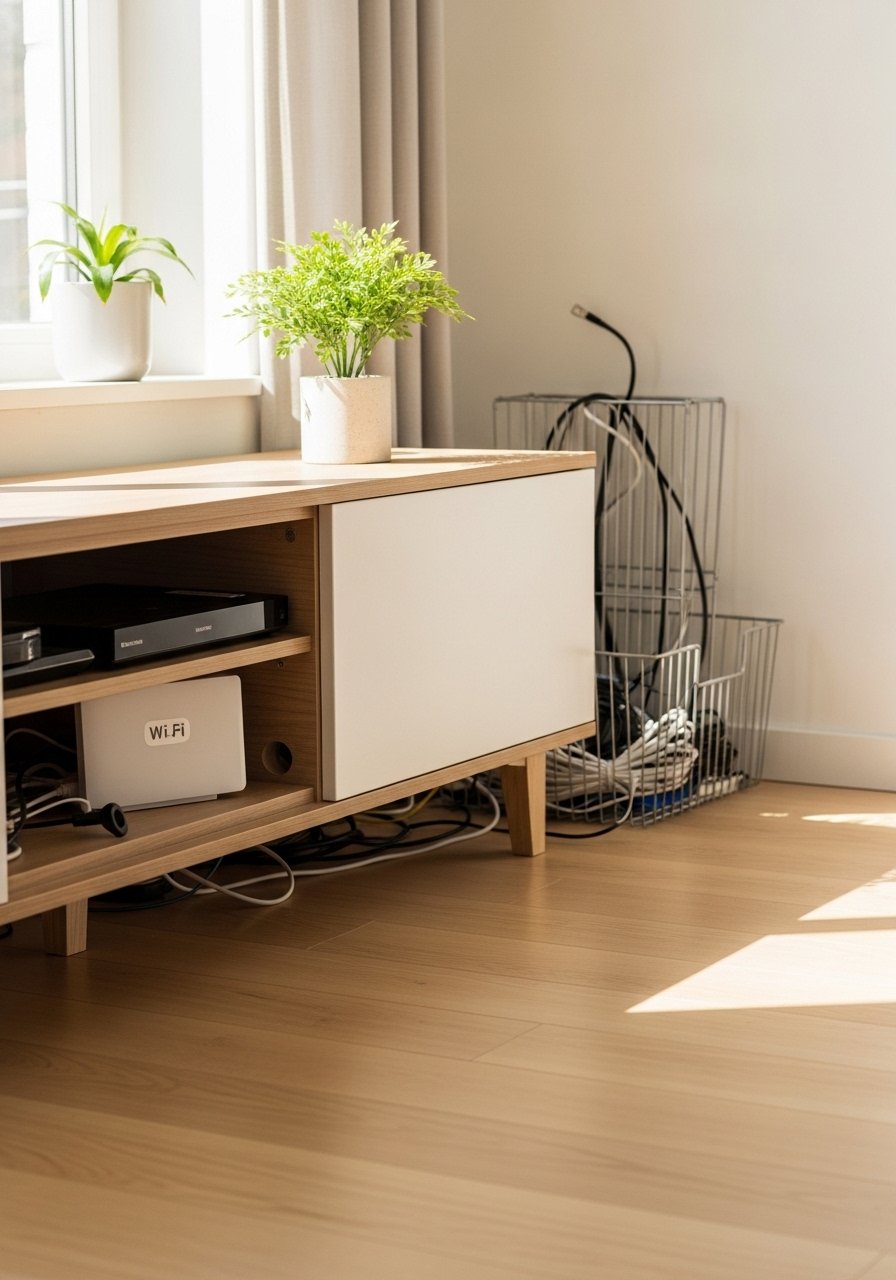
Hide charging stations and routers inside a console or a decorative basket to reduce visual noise. Drill a single clean grommet hole at the back of a console for cords and route them through a cable sleeve. This makes surfaces feel calmer and keeps devices accessible. If you are renting, use adhesive cable clips rather than drilling. I prefer a media console with a back panel gap that allows airflow and keeps electronics cool. Consider the cable management sleeve for a tidy run.
Mistake to Avoid: Letting cords snake across the floor, which reads sloppy and creates hazards.
12. Swap Out Hardware for Immediate Character

Changing cabinet pulls and knobs takes an hour and gives cabinetry personality. Mix finishes carefully, using one finish for large drawers and another for smaller doors, keeping the total number of finishes to two for cohesion. For banked kitchen runs, choose comfortable pulls with a 3 to 4 inch center-to-center measurement. This is inexpensive and reversible, ideal for rentals if you keep the old hardware for move-out. I replaced builder-grade knobs with matte black cabinet knobs and it felt like a refinish.
Mistake to Avoid: Replacing only a few mismatched knobs and leaving the rest, which looks inconsistent.
13. Plant Placement That Reads Intentional

Think about plant heights and placement as you would art. Put the tallest plant at a corner or next to a furniture leg, medium plants on stands at 24 to 30 inches high, and small ones on shelves. Group in odd numbers with varied leaf shapes for a natural look. Use pebble drainage or a cache pot to protect floors and rotate plants monthly for even light. This approach suits pet owners if you choose non-toxic varieties, and small-space dwellers can opt for wall-hung planters. A tall indoor plant stand helps elevate mid-size pots.
Mistake to Avoid: Putting every plant on the same surface height, which makes the group feel flat not layered.
Placement Habits That Change Rooms
Thin runners beat long runners that barely show. A narrow runner that leaves 6 inches of floor visible on each side looks intentional. Try a narrow hallway runner.
Grab peel-and-stick wallpaper for one small wall. It lifts a room without committing to a full repaint.
Most people hang art too high. Aim for the center at 57 to 60 inches for living areas and 65 inches in kitchens where people stand more.
Everyone piles their pillows, then wonders why seating feels crowded. Use one oversized cushion and two regular pillows for a balanced 1:2 ratio.
A plug-in pendant lamp is the fastest renter-friendly swap for dated ceiling lights.