
I almost did not try this at all. I had a bowl of slightly bruised strawberries and some hesitant faith, and the result surprised me on a Wednesday night when I needed something quick that still felt special. If you are curious and a little nervous about wasting fruit, this guide walks you through simple builds that honor texture and season, not complicated techniques you will never use.
This guide covers five reliable desserts you can mix and match: macerated fruit for yogurt or toast, quick compote for ice cream, a free-form galette, grilled stone fruit with whipped mascarpone, and a no-bake panna cotta for peak berries. Budget friendly tools and pantry staples are all you need. I tested the timing three times to get the bake and simmer windows right, and I am still not sure this is the best way, but it has worked every time for me.
What You'll Need
Core Ingredients
- Fresh berries and stone fruit (~$5-$20 depending on selection)
- Granulated sugar (~$5-$8)
- Lemons (~$2-$5)
- Heavy cream (~$3-$6)
- Mascarpone or cream cheese (~$4-$8)
Equipment
- Glass mixing bowls set (~$15-$30)
- Nonstick skillet or cast-iron grill pan (~$20-$40)
- Tart pan or baking sheet (~$10-$25)
- Measuring cups and spoons (~$8-$15)
- Fine-mesh sieve (~$8-$15)
Optional Upgrades
- Microplane zester (~$10-$20)
- Silicone spatula set (~$8-$15)
- Reusable food storage containers (~$12-$30)
Step 1: Pick and prep fruit for the job
Pull your fruit out and sort it by texture. Faster-cooking fruit like strawberries and rhubarb can be treated the same. Firmer fruit like apricots and peaches need a quick peel or a shallow cross cut so syrup can enter. I usually trim and slice to roughly 1/4- to 1/2-inch pieces for even cooking. For maceration, count cups: 1 cup fruit to 1 tablespoon sugar, plus 2 tablespoons lemon juice, is a good starting ratio. The feel of the fruit matters here, you want it firm but yielding, not mushy.
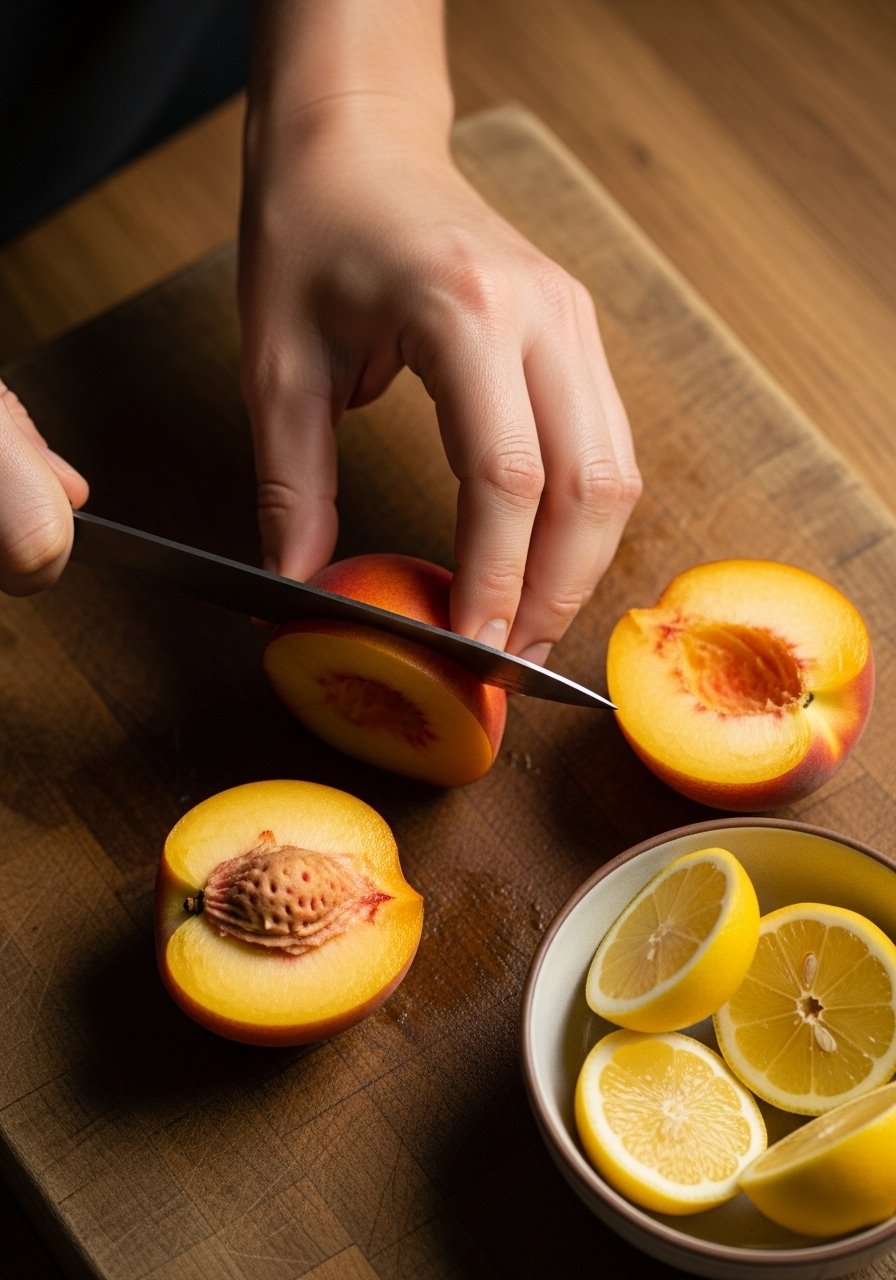
Mistake to Avoid: Skipping the fruit-sorting step mixes bruised and ripe pieces and makes sections of the dessert watery.
Step 2: Macerate for fresh topping or quick sauce
Action: toss fruit with sugar and citrus and let it sit. I put berries in a bowl, add 1 tablespoon sugar per cup, and stir gently. If you want a bit of shine and extra flavor, add 2 tablespoons of lemon juice per pint of berries and a teaspoon of vanilla. Let it rest for 20 to 30 minutes at room temperature, or up to 2 hours in the fridge for subtler juices. The sugar draws out juice and softens texture without cooking. You will see small beads of juice and the fruit will glisten.
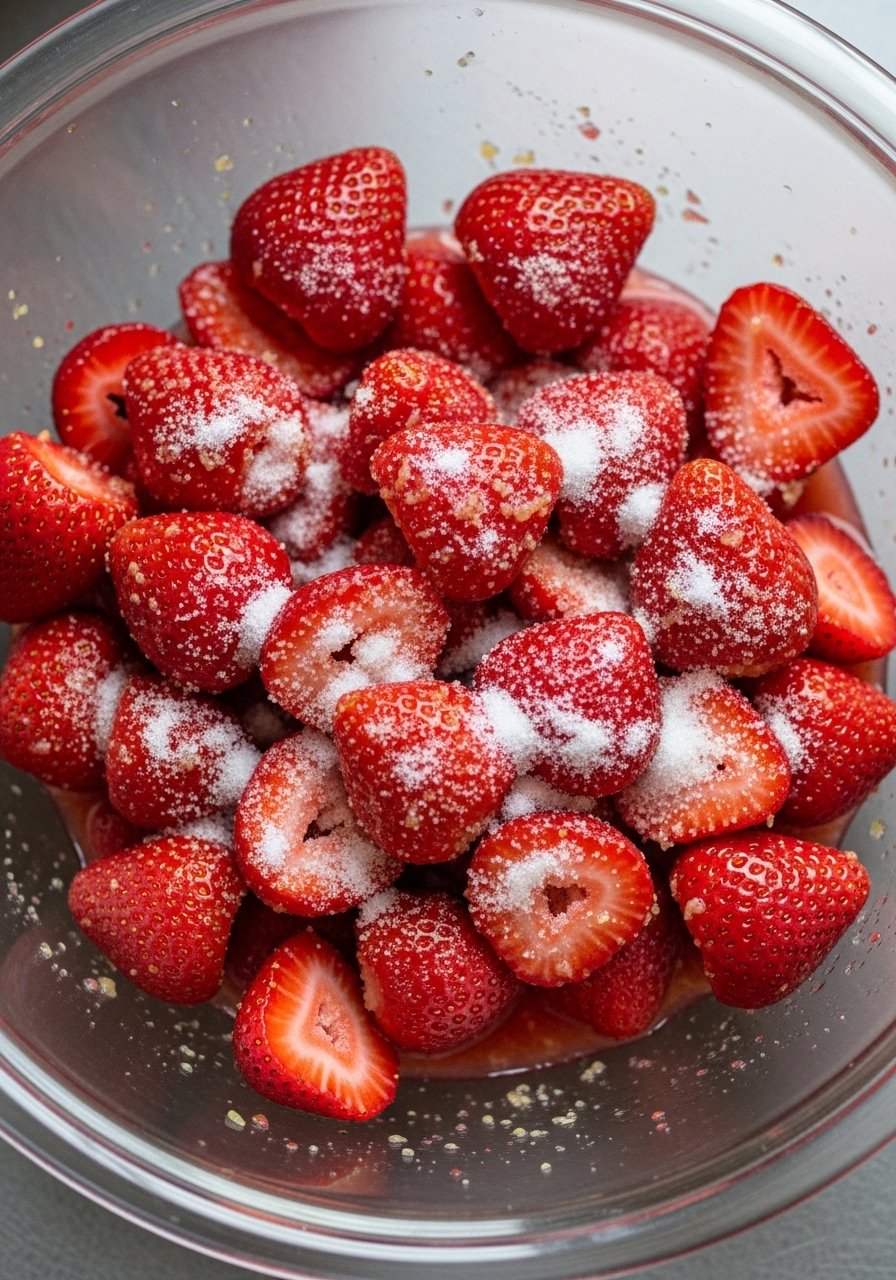
Mistake to Avoid: Adding too much sugar at once crushes delicate fruit and produces a muddy syrup.
Step 3: Make a quick stovetop compote
The feeling: this step looks dramatic fast. Heat a nonstick skillet over medium, add 1 cup prepared fruit and 2 tablespoons sugar, and let it simmer. Stir occasionally and press gently with a spoon to release juices. Simmer for 5 to 8 minutes until the mixture is glossy and slightly thickened. If you need a thicker jammy texture, add 1 teaspoon cornstarch mixed with 1 tablespoon cold water and boil another minute. Cool slightly before serving over ice cream or spooning into jars.
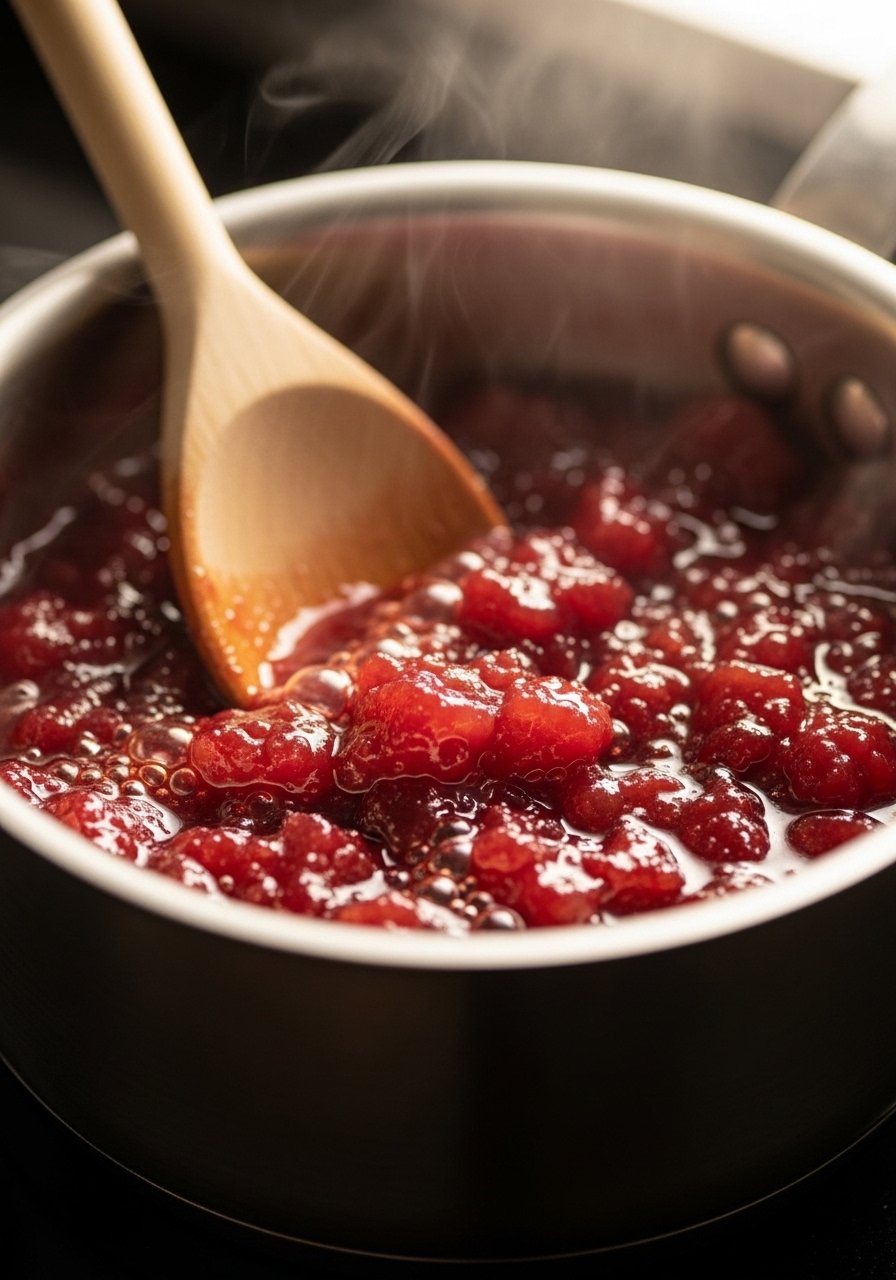
Mistake to Avoid: Leaving compote unattended lets it scorch and creates a bitter burnt scent.
Step 4: Assemble a free-form galette for gorgeous rustic dessert
The visual: put down an unrolled sheet of dough on a parchment-lined sheet. Pile 2 cups of macerated fruit in the center leaving a 2-inch border. Fold edges over with gentle pleats and brush with a beaten egg or cream for color. Sprinkle 1 tablespoon coarse sugar around the exposed rim. Bake at 375°F for 20 to 25 minutes until the crust is golden and the fruit is bubbling. The crust should feel crisp and slightly sandy to the touch when cooled.
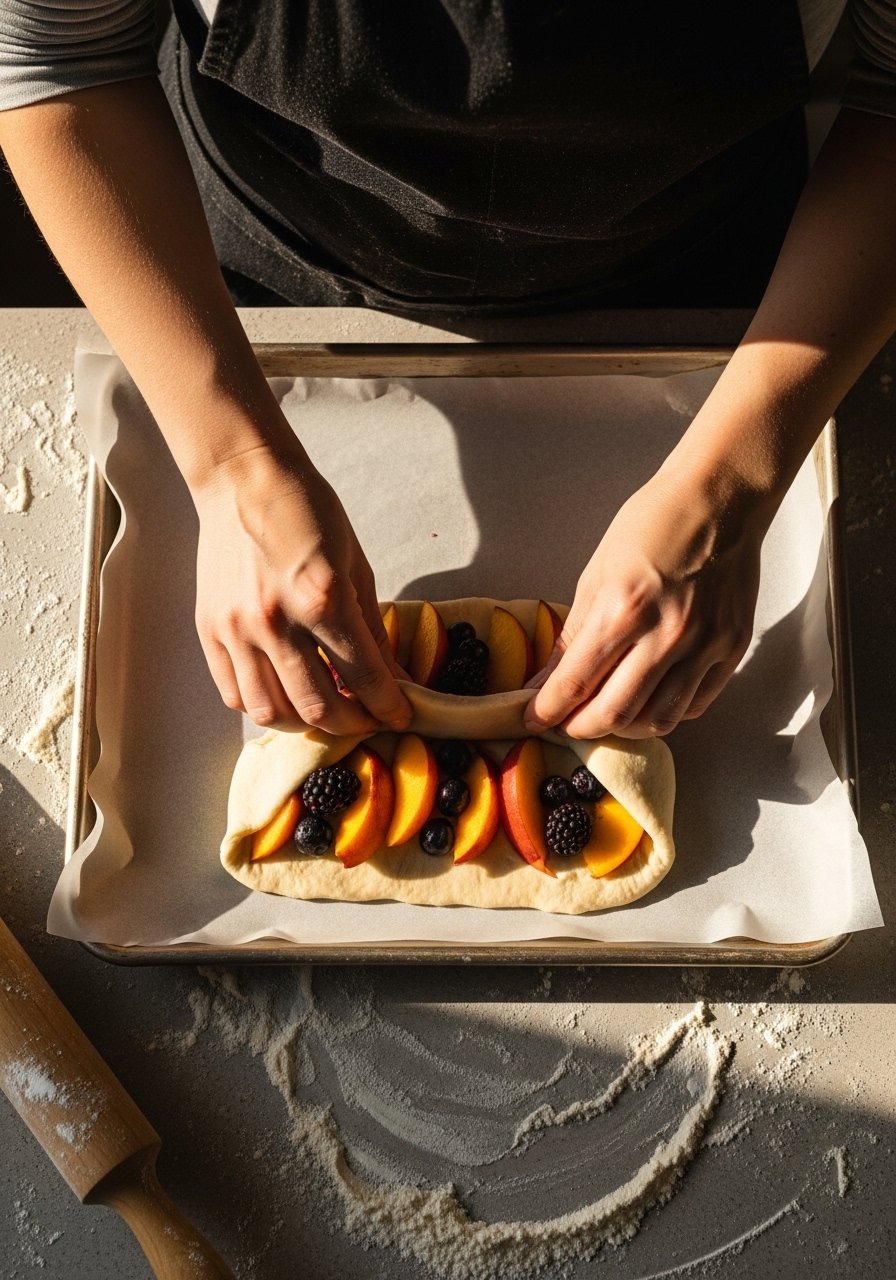
Mistake to Avoid: Overfilling the galette ruins the crust-to-filling ratio and makes it soggy in the center.
Step 5: Grill or caramelize stone fruit for warm-contrast desserts
Most people start desserts cold. Try warm fruit instead. Halve peaches or apricots, brush lightly with oil or butter, and place cut side down on a hot cast-iron grill pan. Cook 2 to 3 minutes until you see grill marks and a faint hiss. Flip and cook another minute to warm through. The fruit will smell fragrant and the sugars will caramelize on the surface. Serve with a scoop of vanilla or a dollop of 1 cup whipped cream mixed with 4 ounces mascarpone for weight and silk.
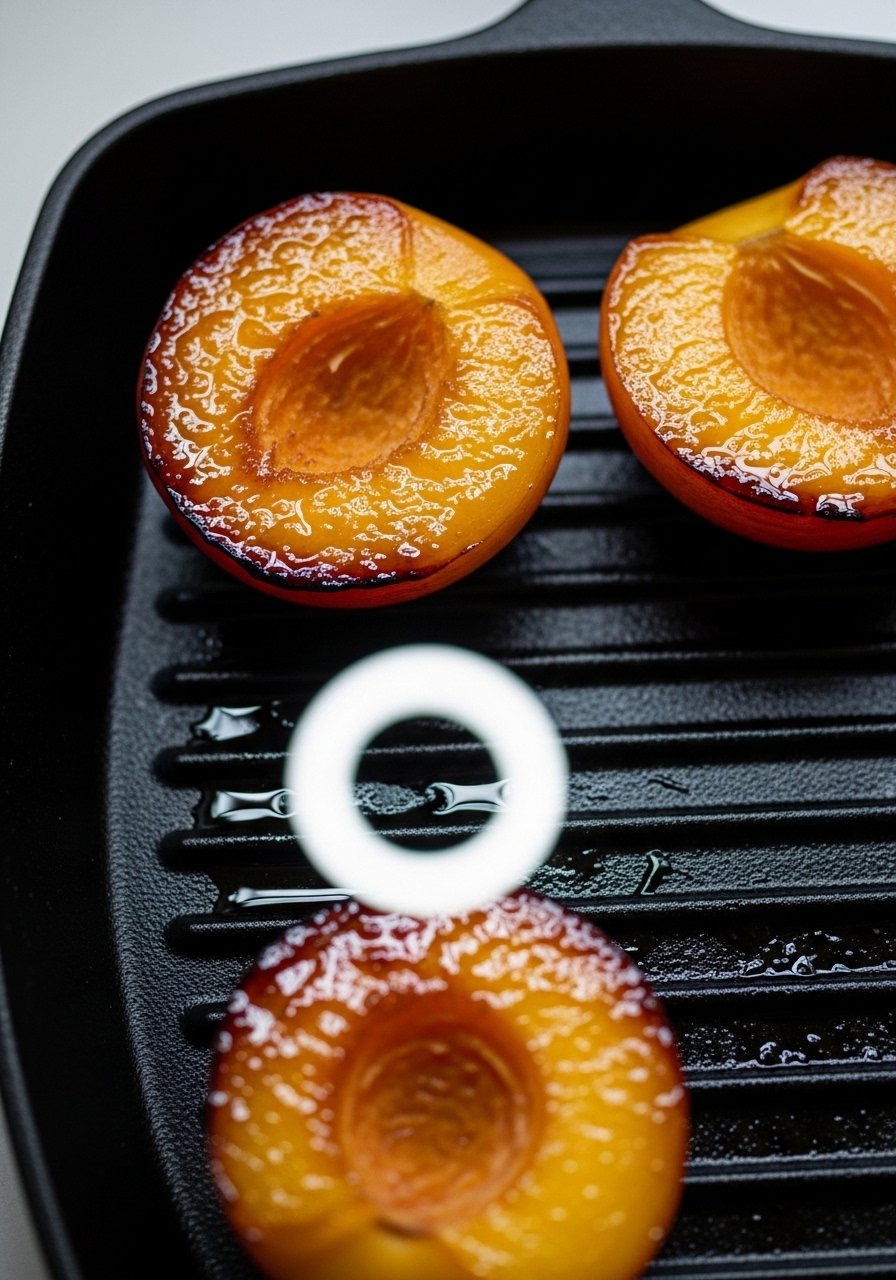
Mistake to Avoid: Moving fruit too soon prevents caramelization and leads to pale, under-scented pieces.
Step 6: Build a no-bake panna cotta or cream base for fragile berries
Personal moment: I almost skipped the panna cotta step and used whipped cream alone. Do not skip it. Bloom 1 teaspoon powdered gelatin in 2 tablespoons cold water while you warm 1 cup heavy cream and 1/2 cup milk and 1/4 cup sugar until just steaming. Stir in the gelatin off heat until dissolved. Chill 3 to 4 hours until set. Spoon 1/2 cup macerated berries or compote on top. Panna cotta adds a silky, cooling counterpoint to warm or acidic fruit.
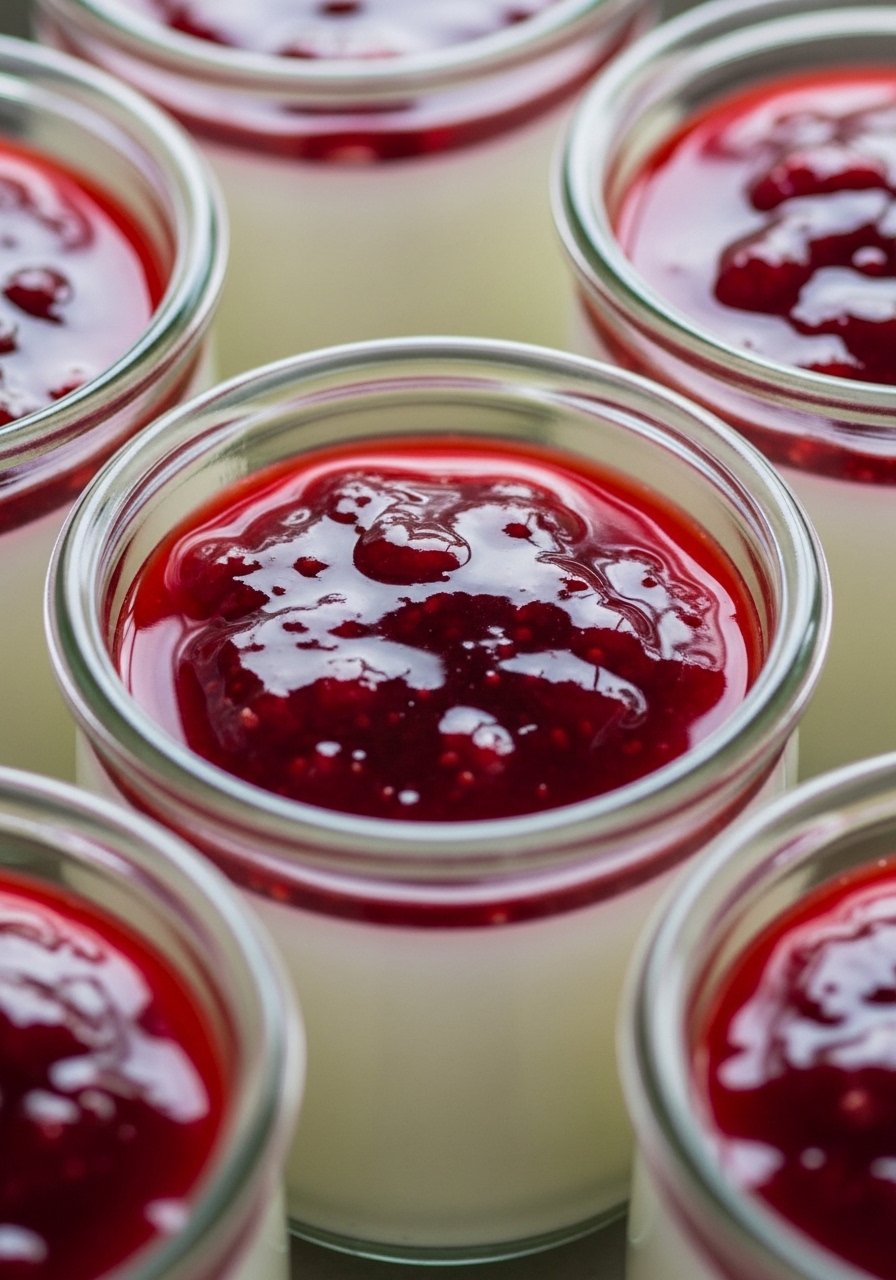
Mistake to Avoid: Adding gelatin to boiling cream breaks the setting power and leaves a runny dessert.
Step 7: Plate, store, and scale like a pro
The measurement: scale recipes by weight when you can. For 2 servings, use half the quantities used for 4. Store compote and macerated fruit in airtight containers for up to 5 days refrigerated. Grilled fruit is best eaten within 24 hours. If you need to prep ahead, make the compote and chilled cream base up to 48 hours ahead and assemble just before serving to preserve texture. Listen for the quiet when plating, that is when you know the surface is no longer weeping and the dessert will hold.
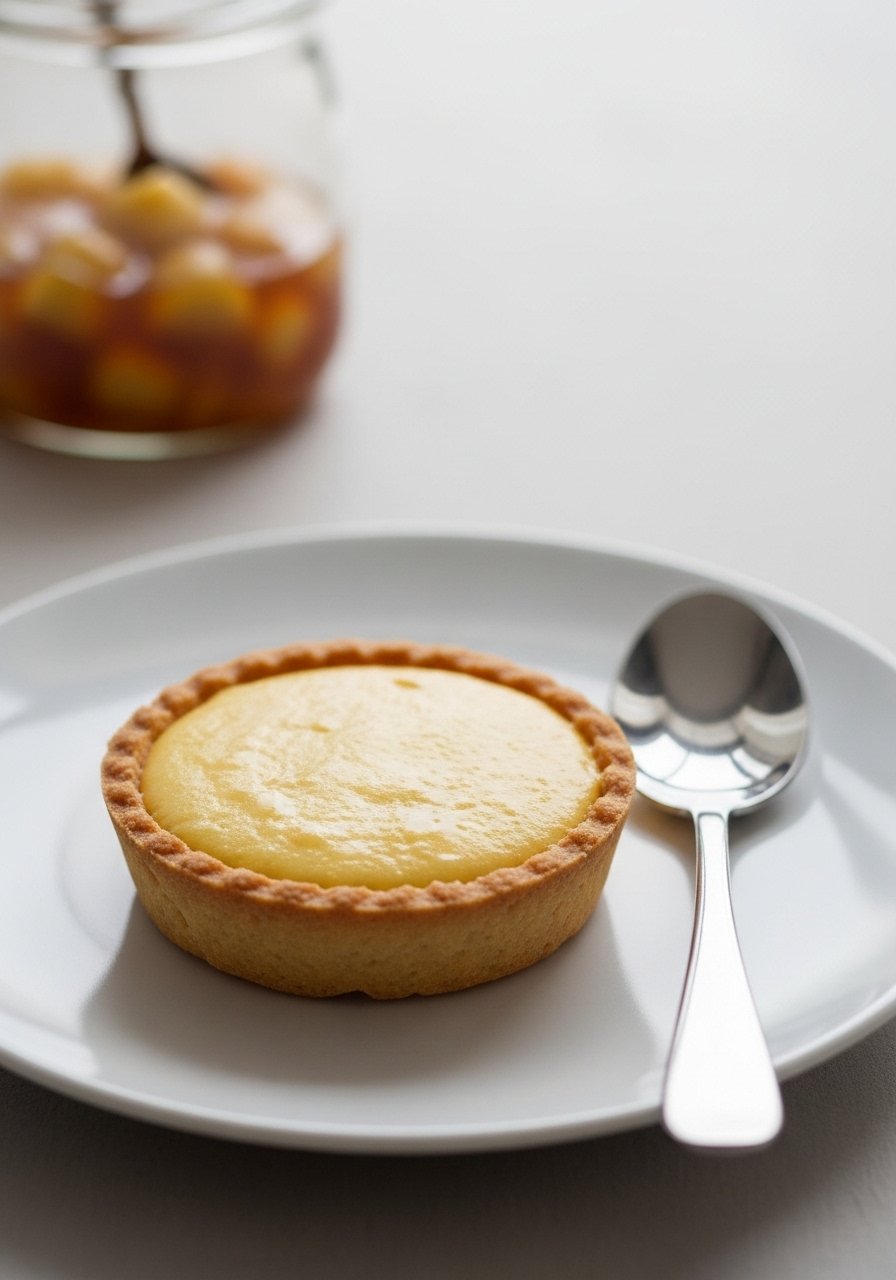
Mistake to Avoid: Storing assembled desserts too long makes crusts soggy and fruit lose their fresh snap.
Cooking Tips
Use bruised fruit: Turn slightly bruised fruit into compote or bake it. The texture breaks down fast and the flavor concentrates when cooked. Try a silicone spatula for gentle stirring.
Balance acid and sweetness: Add a splash of lemon or a teaspoon of balsamic to amplify flavor, especially with very sweet berries. A microplane zester makes bright citrus oil easy to add.
Swap starches smartly: Use 1 teaspoon cornstarch per cup of fruit for clarity. For a more rustic set, reduce starch by half. Keep a fine-mesh sieve nearby to strain seeds.
Make it dairy-free: Replace cream with full-fat coconut milk in panna cotta recipes. Chill longer for a firmer set. A small saucepan is all you need.
Serve warm and cold: Pair warm grilled fruit with cold cream for contrast. It makes textures sing and feels indulgent without extra sugar. Use a cast-iron grill pan for even caramelization.
Scale by weight: When you increase servings, double by weight not by cups for consistent results. A digital kitchen scale pays for itself quickly.
Save the juice: Strain maceration syrup and use it for cocktails, vinegar, or drizzle. Store in reusable containers to keep the kitchen tidy.
Make It Seasonal
Taste your way through the season. Spring fruit is fragile and loud in flavor, which means small interventions get big results. Try one dessert this weekend and tweak one variable the next time, like sugar amount or roasting time. The practice is how you learn to read ripeness and texture. Keep notes on what you liked, and soon you will reach the point where you instinctively know when a tart needs an extra teaspoon of lemon or when a compote is ready to spoon.