
I kept making lemonade that tasted either like a sugar bomb or flat water, the kind you sip politely and forget. It took me three ruined pitchers, a burnt simple syrup, and one late-night tasting session to see the pattern. The fix was small, a lemon-to-sweetness ratio and a rule about ice, and suddenly guests asked for the recipe instead of the pitcher back.
These recipes lean weeknight-easy and mostly pantry-friendly. Expect simple tools, single-batch yields for four to six people, and plenty of make-ahead swaps for gluten-free or vegan diets. Most ideas land under $15 per serving if you already have sugar and basic citrus. Most people spend somewhere between $500 and $800 when they finally commit to refreshing a room, so I kept the barware choices modest and focused on flavor over fancy equipment.
1. Classic Lemonade With a Clean Sweetness
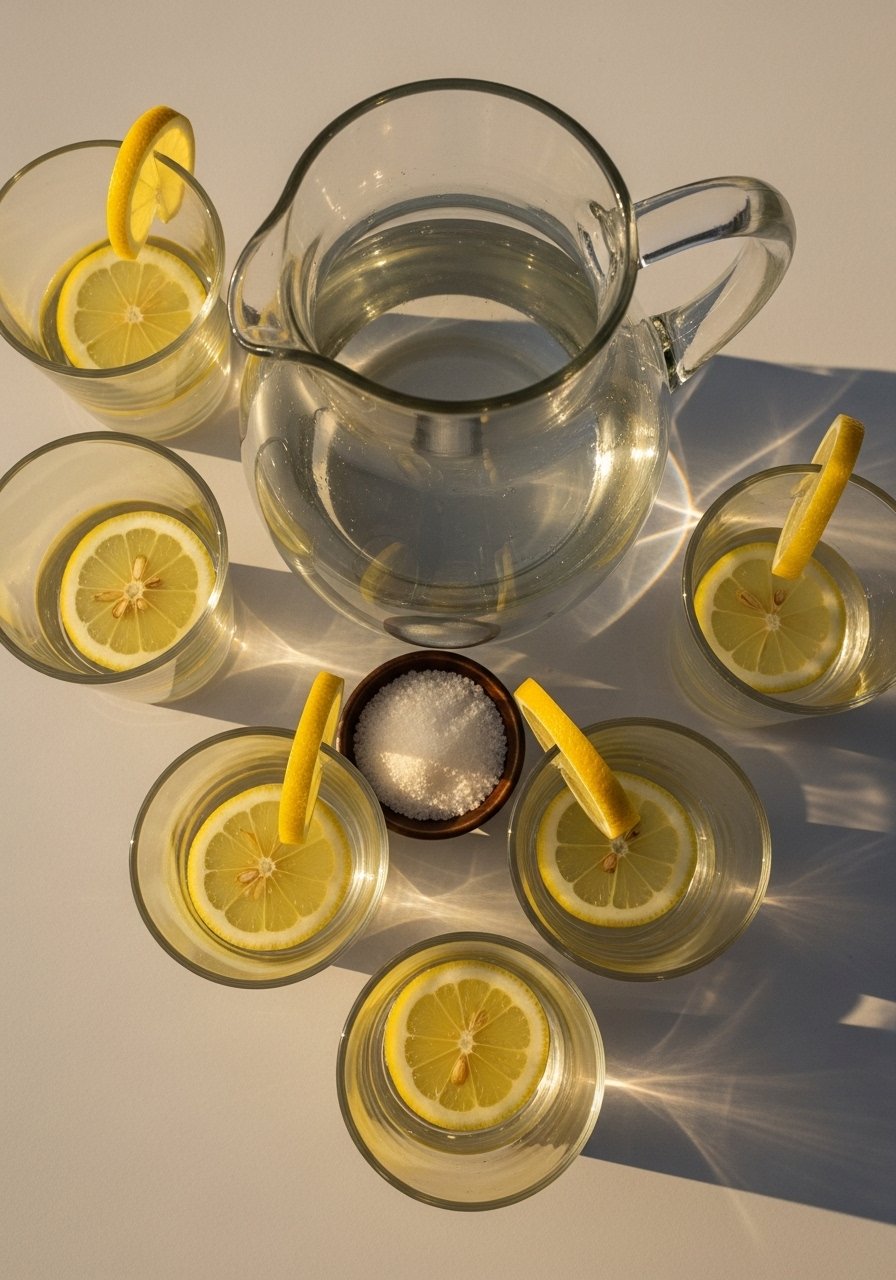
Classic lemonade works because of a tight ratio: 1 cup fresh lemon juice, 1 cup simple syrup made 1:1 sugar to water, and 4 cups cold water. It tastes bright, not cloying, when you chill the syrup before mixing. This is for anyone who wants a reliable baseline, and it scales easily to 2 or 8 servings by multiplying the ratios. I tested this three times to get the timing right for chilling. For squeezing, I use a hand citrus juicer that fits both lemons and limes.
Mistake to Avoid: Adding all the ice to the pitcher, which dilutes the drink instead of cooling it quickly.
2. Sparkling Lavender Lemonade, Light and Floral
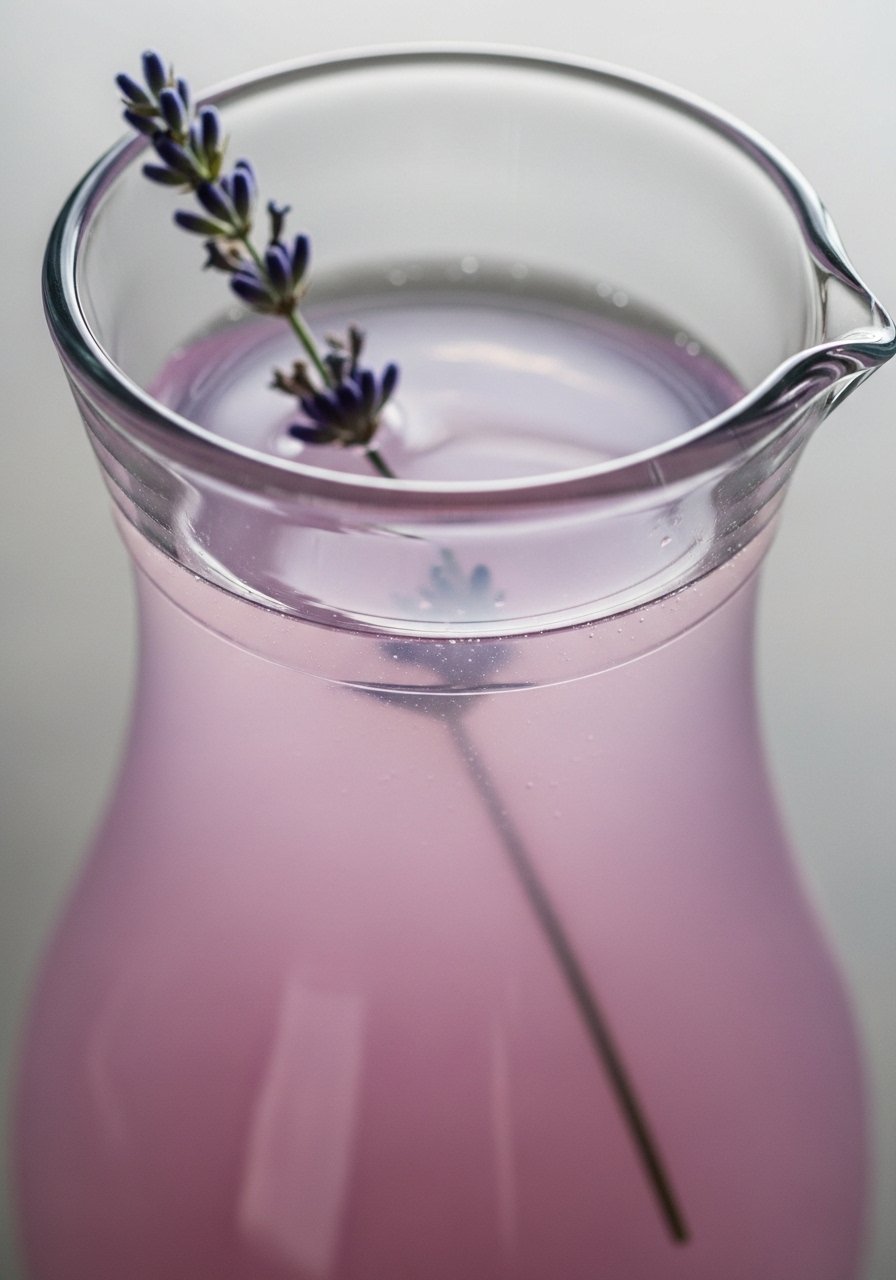
Lavender is subtle, so steep 1 tablespoon dried lavender in 1 cup hot water for five minutes, then strain. Use that lavender-infused syrup at about 1/3 cup per quart of lemonade, plus 1 part sparkling water to 3 parts lemonade for a spritz finish. It feels grown-up without being fussy, good for a brunch crowd or a quiet afternoon. If you want it less floral, halve the lavender. I pair this with a clear glass pitcher with lid for pretty chilling.
Mistake to Avoid: Steeping lavender too long, which gives a soapy taste instead of the soft floral note.
3. Ginger Honey Lemonade, Warm Bite for Cooler Days
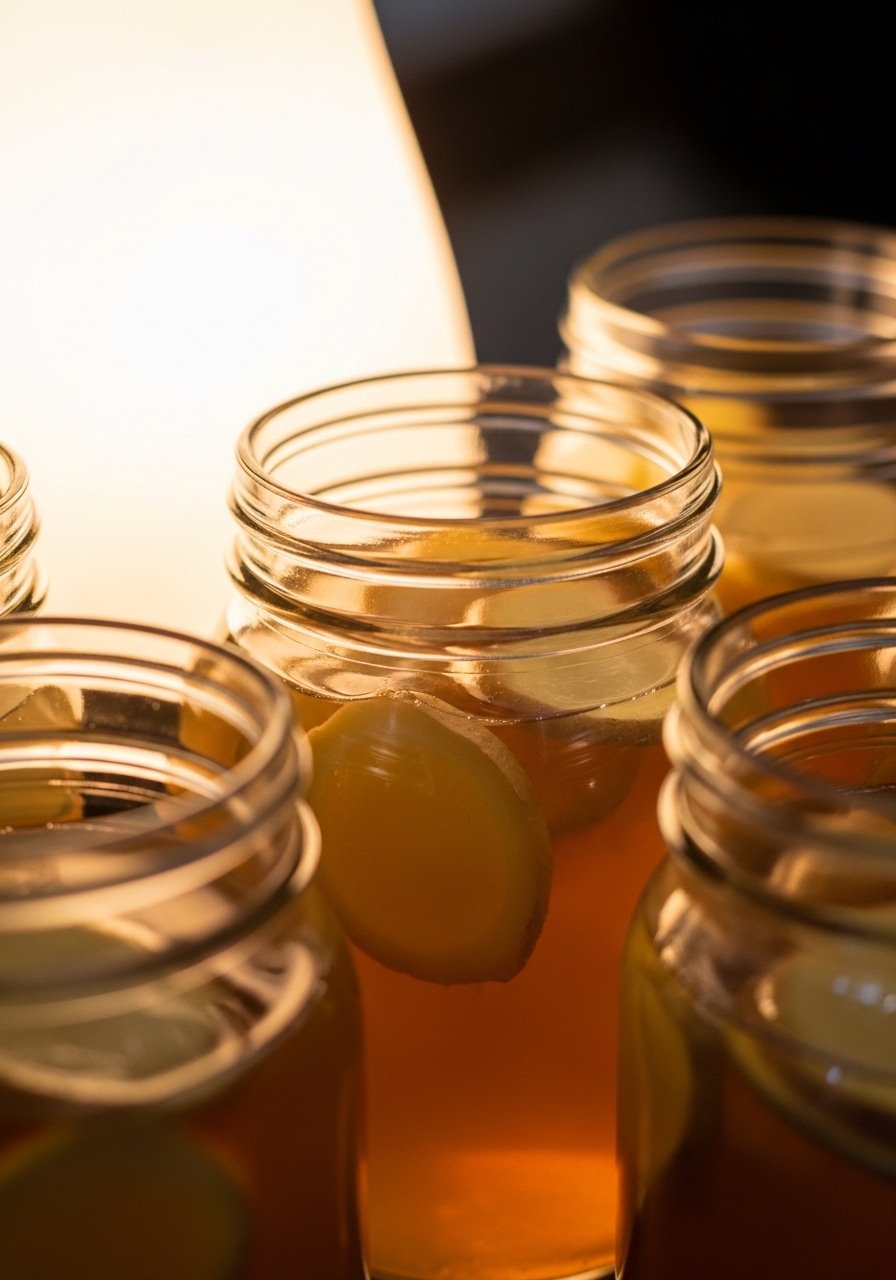
Ginger adds depth and keeps the drink feeling less sweet. Make a ginger syrup by simmering 1 cup sliced ginger with 1 cup sugar and 1 cup water for 10 minutes, then strain. Use 1/4 to 1/3 cup syrup per quart of lemonade, and stir in 1 tablespoon honey per serving if you want more roundness. This suits people who like a sharper finish and pairs well with dark spirits if you want a cocktail. I reach for a small fine mesh strainer for clear pours.
Mistake to Avoid: Using powdered ginger, which gives an uneven bite and gritty texture.
4. Strawberry Basil Lemonade, Fresh and Slightly Savory
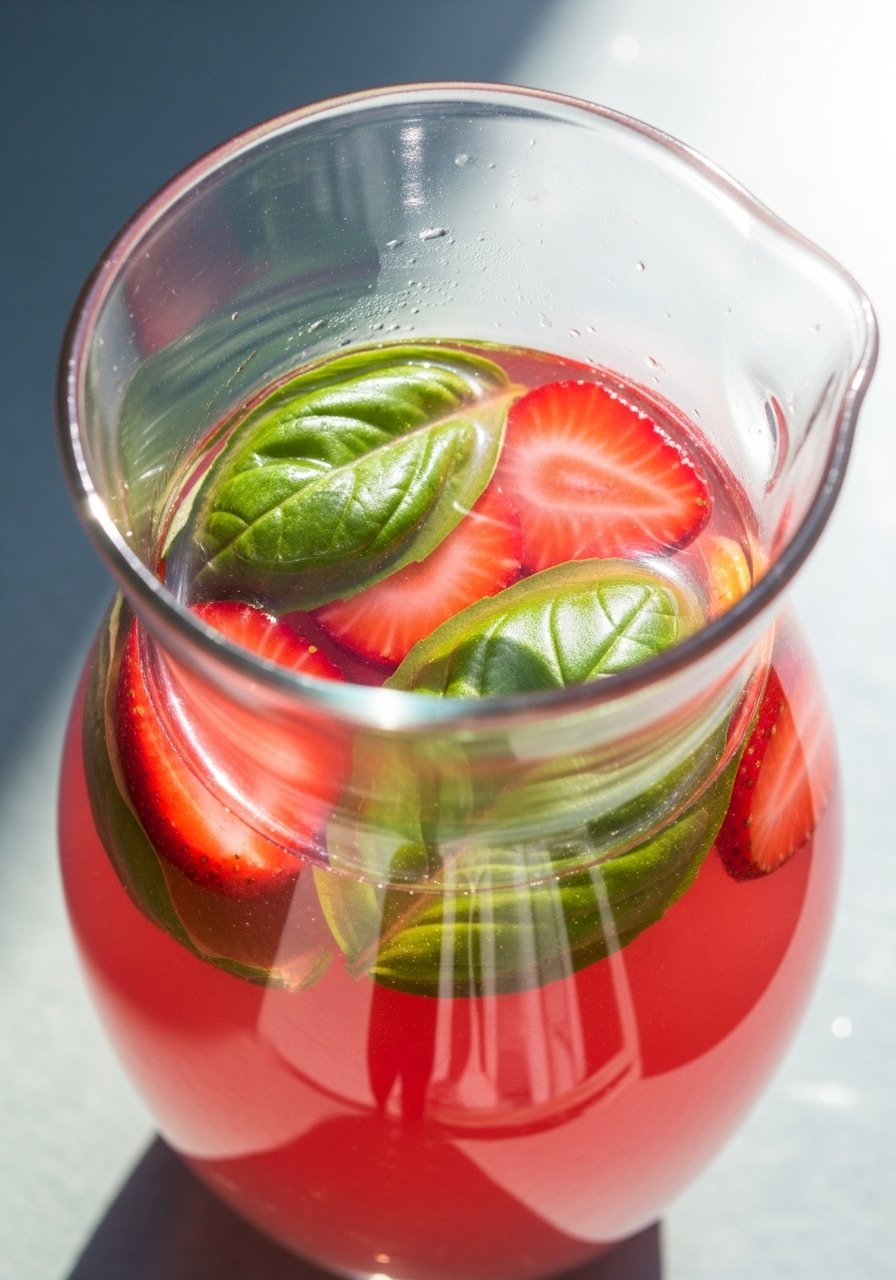
Muddle 1 cup hulled strawberries with 2 tablespoons sugar, then add 1/2 cup lemon juice and 3 cups water, plus a few torn basil leaves. For a clearer drink, cook the strawberries into a quick syrup and strain. The herb lift makes the sweetness feel balanced, so it works for people who think lemonade is usually too cloying. For vegan swaps, use agave in place of honey in any of these. A handheld muddler keeps the texture nicely broken up.
Mistake to Avoid: Over-muddling the basil, which turns it bitter instead of aromatic.
5. Cucumber Mint Spritzer, Clean and Cooling
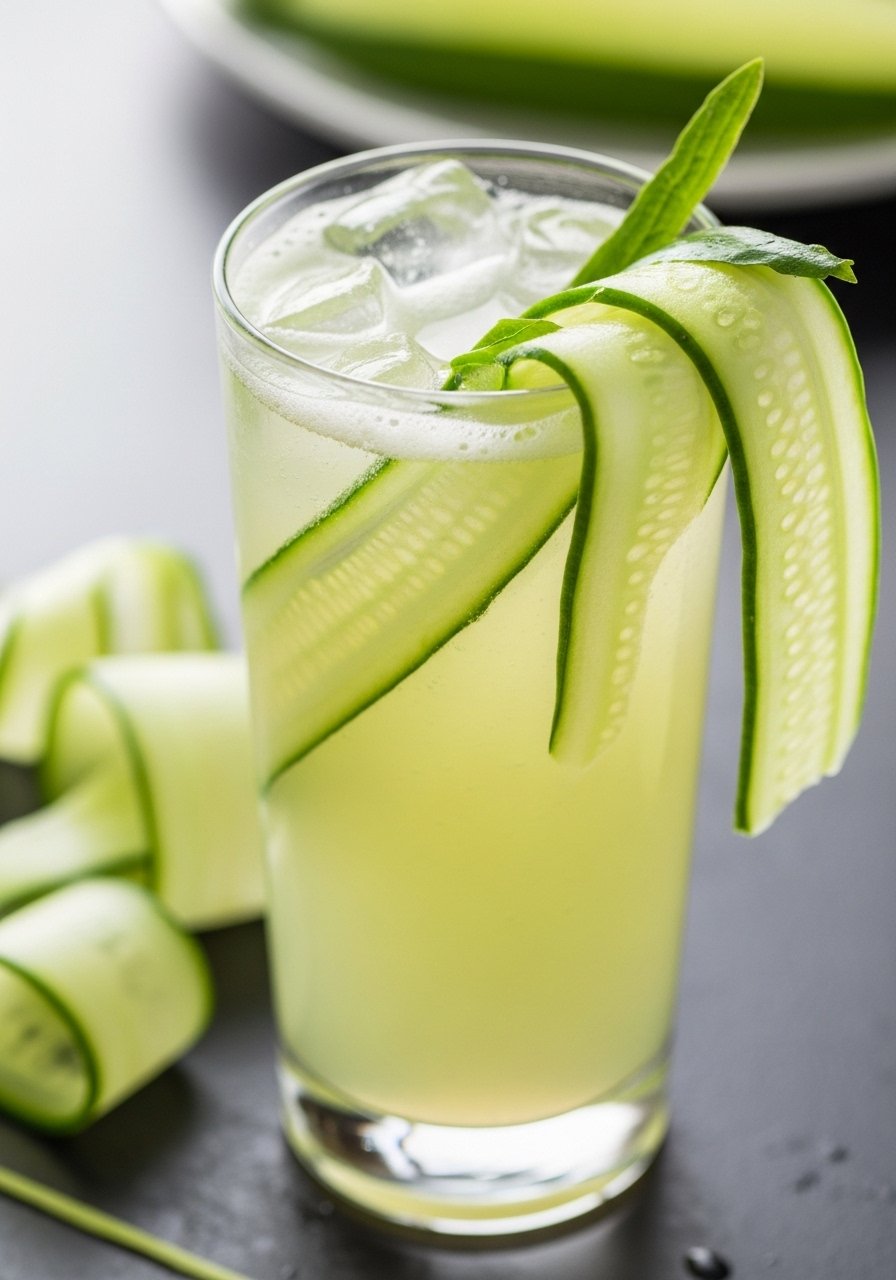
This spritzer is mostly sparkling water with a 1:6 syrup-to-water feel for a light finish. Blend half a cucumber with 1/4 cup sugar, strain, and add mint leaves. Use 2 parts cucumber-mint mix to 5 parts sparkling water for a garden-fresh sip. It is low-effort, fast to assemble, and a good nonalcoholic party option. For a fancier finish, reserve thin cucumber ribbons for garnish. I like a bottle of plain sparkling water for consistent fizz.
Mistake to Avoid: Adding the sparkling water too early, which kills the bubbles and flattens the spritzer.
6. Grapefruit and Rosemary Spritz, Bitter and Herbal
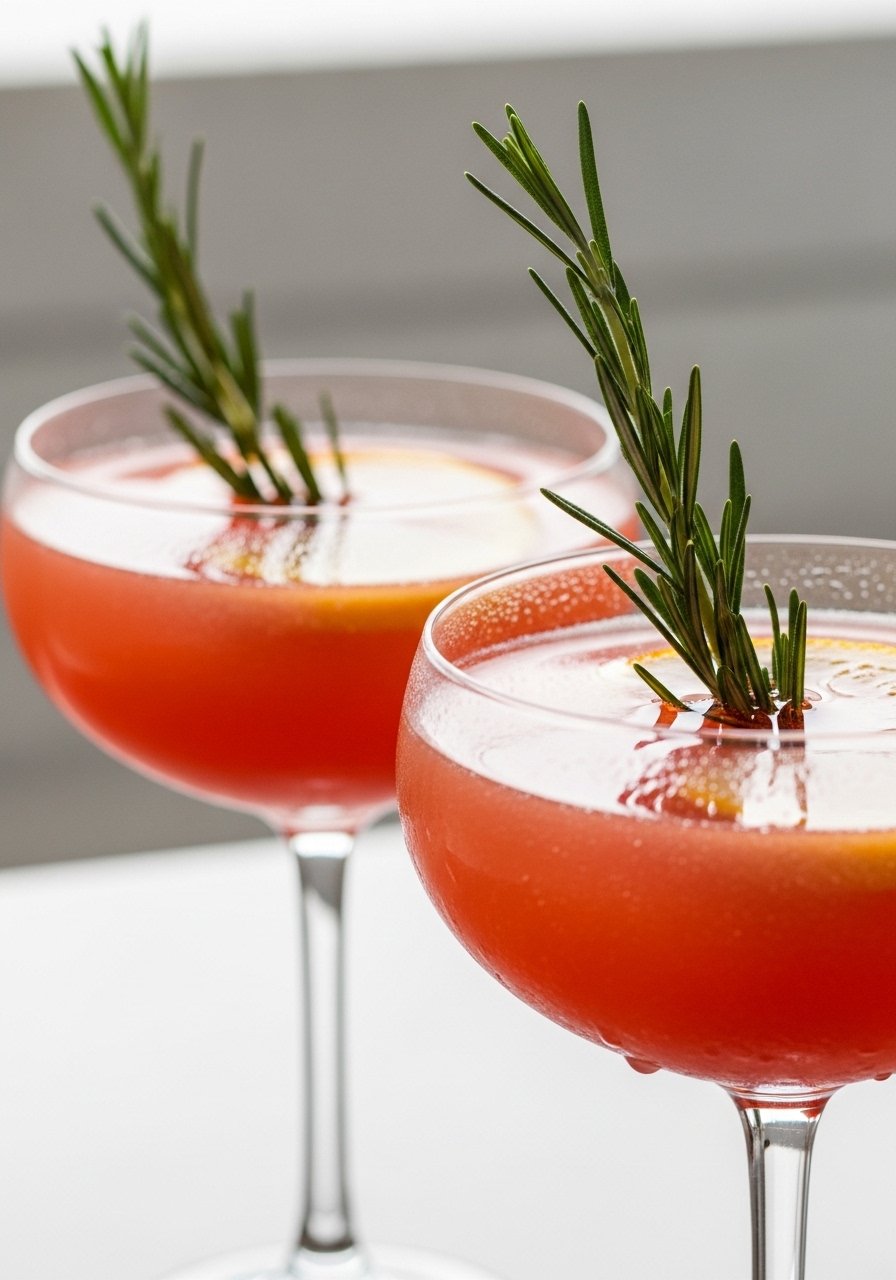
Grapefruit is naturally bitter, so offset it with a 1:1 simple syrup infused with a rosemary sprig for 10 minutes. Mix 3 parts grapefruit juice with 1 part syrup and top with sparkling water at a 1:2 ratio. This is for people who want something less sweet and more cocktail-like without alcohol. It pairs well with salty appetizers. A long-handled citrus reamer speeds up juicing when you batch this for guests.
Mistake to Avoid: Over-infusing rosemary, which gives an evergreen note that overwhelms the citrus.
7. Blueberry Thyme Lemonade, Dark Fruit Depth
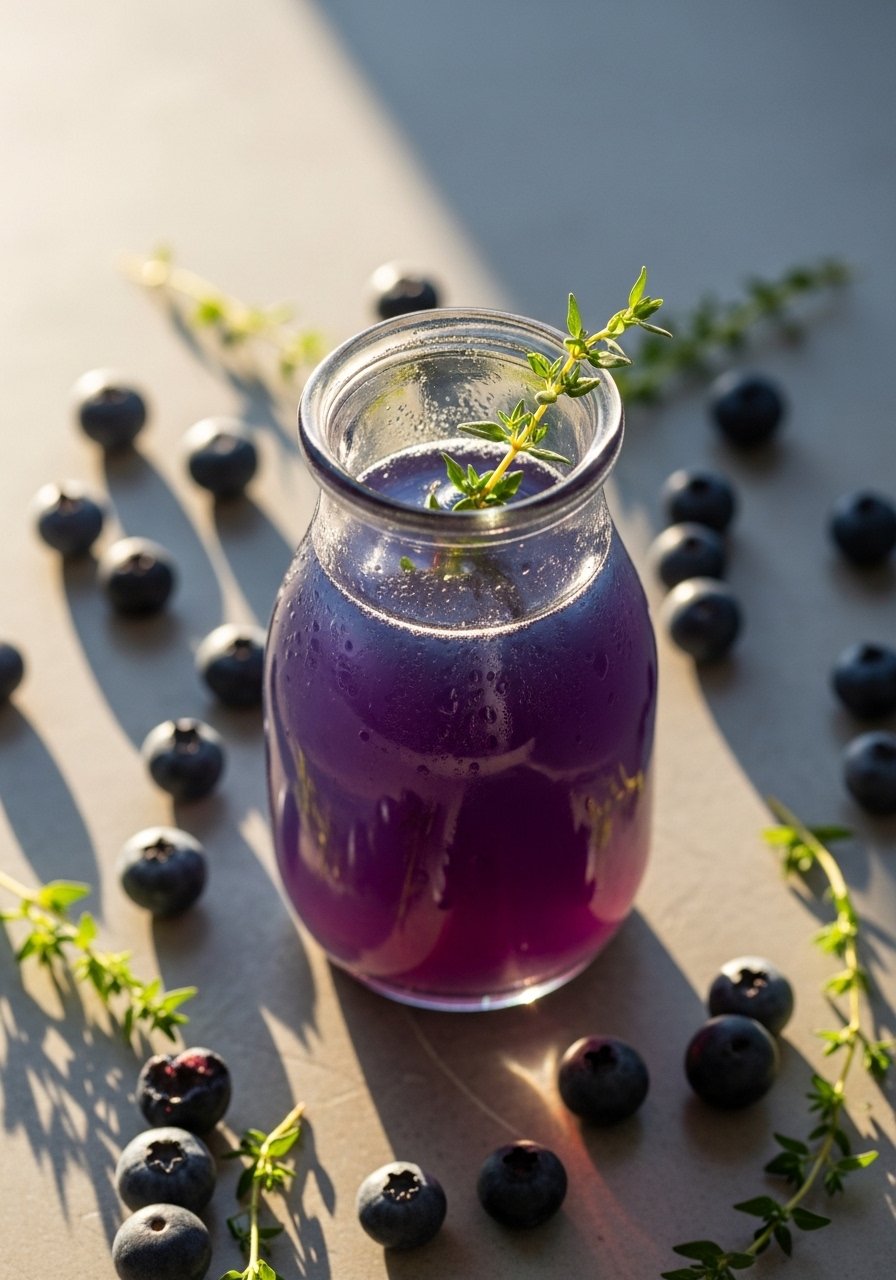
Cook 1 cup blueberries with 1/2 cup sugar and 1/4 cup water until they burst. Strain for a vivid syrup, then use 1/3 cup syrup per quart of lemonade and add a few thyme sprigs while it chills. The tiny savory element from thyme makes this a summer evening drink. It stores well in the fridge for up to three days and tastes even better the next day. For larger batches, double everything and freeze extra syrup in ice cube trays.
Mistake to Avoid: Skipping the straining step, which leaves seeds and makes the texture unpleasant.
8. Peach Iced Tea Lemonade, The Arnold Palmer Upgrade

Brew a strong black tea, chill it, then mix half tea and half lemonade for a classic Arnold Palmer. For a peach-forward version, add 1/2 cup peach purée or peach syrup per quart. Use this if you host a barbeque and need both tea and something fruit-forward. It scales easily for a crowd and holds eight hours in a cooler. A glass tea pitcher with infuser makes steeping and chilling less messy.
Mistake to Avoid: Using weak tea, which makes the drink taste watered down when combined with lemonade.
9. Citrus Ginger Kombucha Spritz, Tangy Fermented Fizz
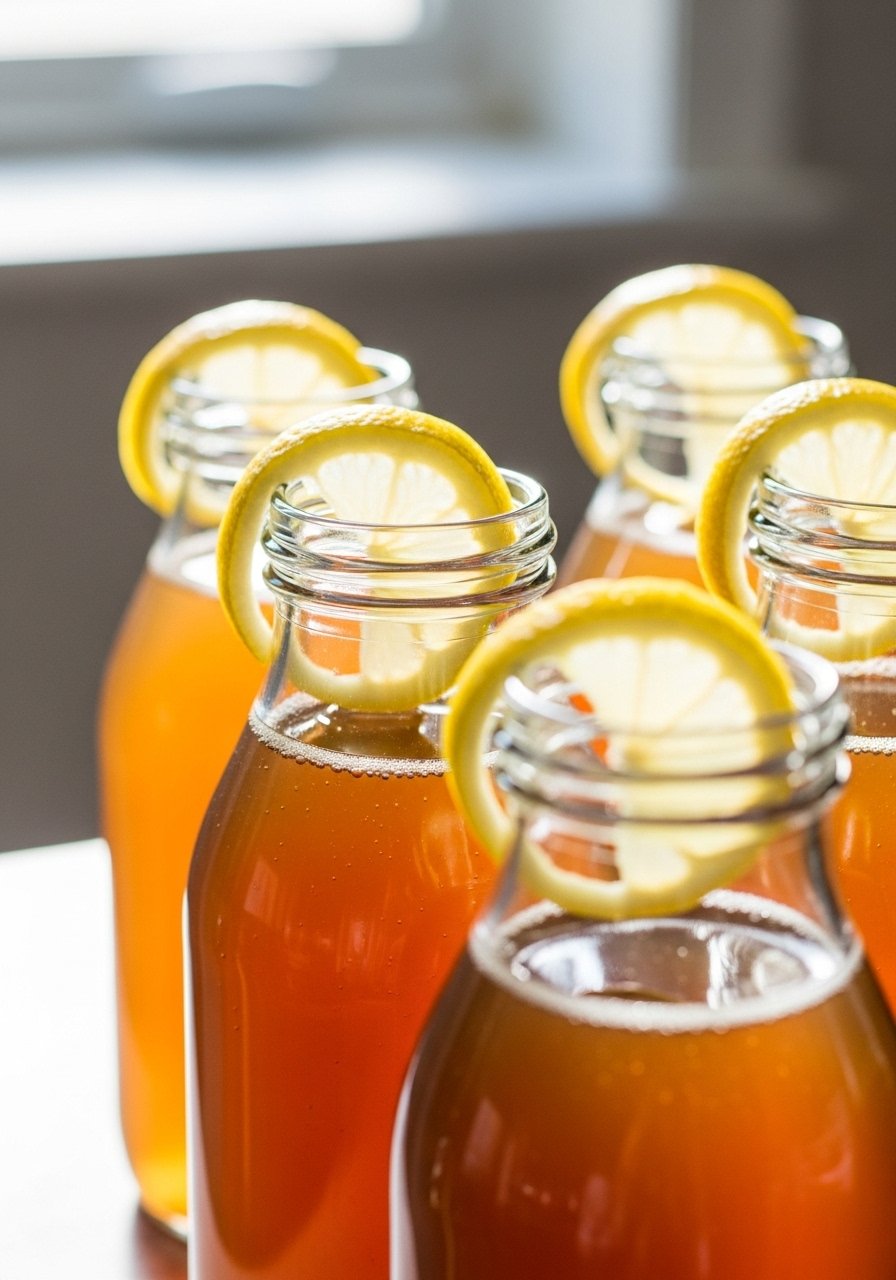
Combine plain kombucha with a splash of lemon syrup and a thin slice of fresh ginger. Use a 1:3 ratio of syrup to kombucha for balance, since kombucha adds acidity and natural bubbles. This is a good adult nonalcoholic option with a probiotic edge. Store-bought kombucha can vary in sweetness, so taste before adding syrup. For an easy garnish, have thin lemon wheels ready. A set of reusable glass bottles helps with batching and transport.
Mistake to Avoid: Adding syrup to full bottles, which can cause overflow when carbonation increases.
10. Blood Orange Spritzer With a Touch of Amaro
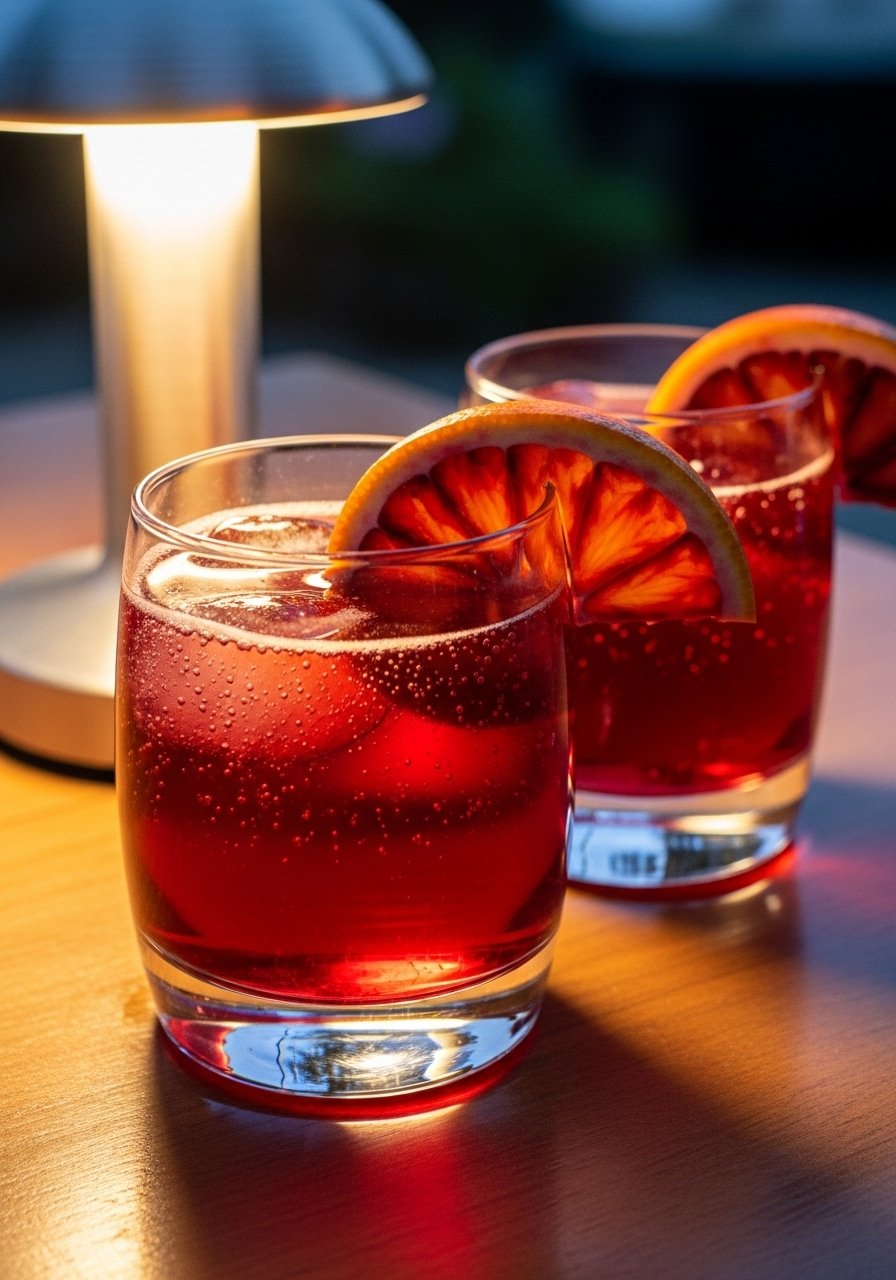
Blood orange juice is fragrant and dramatic. Mix 2 parts blood orange juice, 1 part soda, and a bar spoon of amaro or a bitter liqueur for depth if you want a boozy version. For nonalcoholic, use a few drops of nonalcoholic bitter or just increase the soda. This one favors a slightly higher juice-to-soda ratio so the color and aroma shine. A citrus zester adds bright zest for garnish.
Mistake to Avoid: Over-sweetening, which hides the blood orange's natural complexity.
11. Shrub-Based Lemon Spritzer, Vinegar for Snap
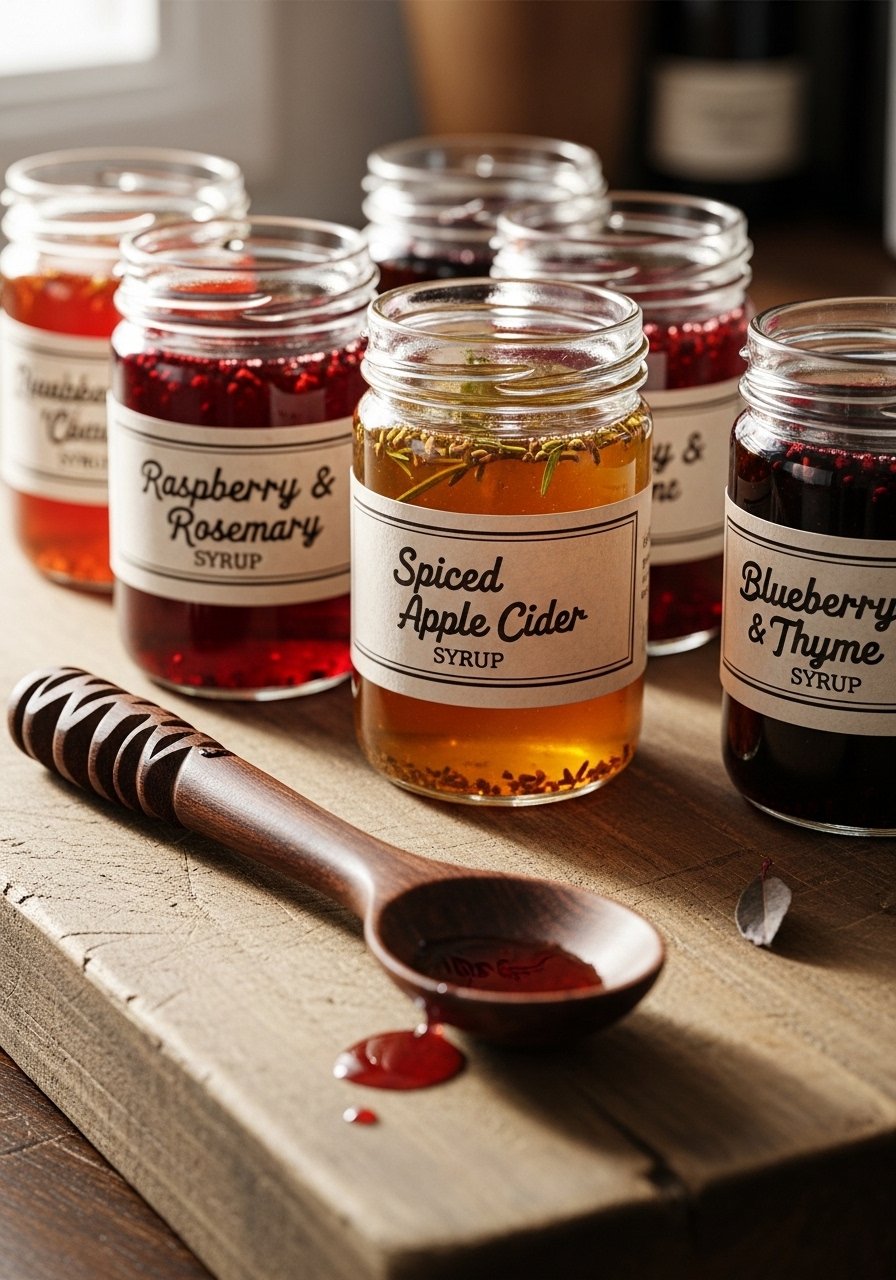
A shrub is a vinegar-based syrup that gives a snap to spritzers. Cook 1 cup chopped fruit with 1 cup sugar, cool, then mix with 1 cup apple cider vinegar and strain. Use 1 to 4 parts shrub to sparkling water depending on how assertive you like it. Shrubs last in the fridge for weeks and work well as a make-ahead concentrate. Try strawberry shrub with soda for a tangy summer drink. For measuring and storage, a set of small mason jars is indispensable.
Mistake to Avoid: Skipping the resting period, which keeps the flavors from marrying and gives a raw-vinegar edge.
12. Coconut Limeade, Hydrating and Slightly Salty
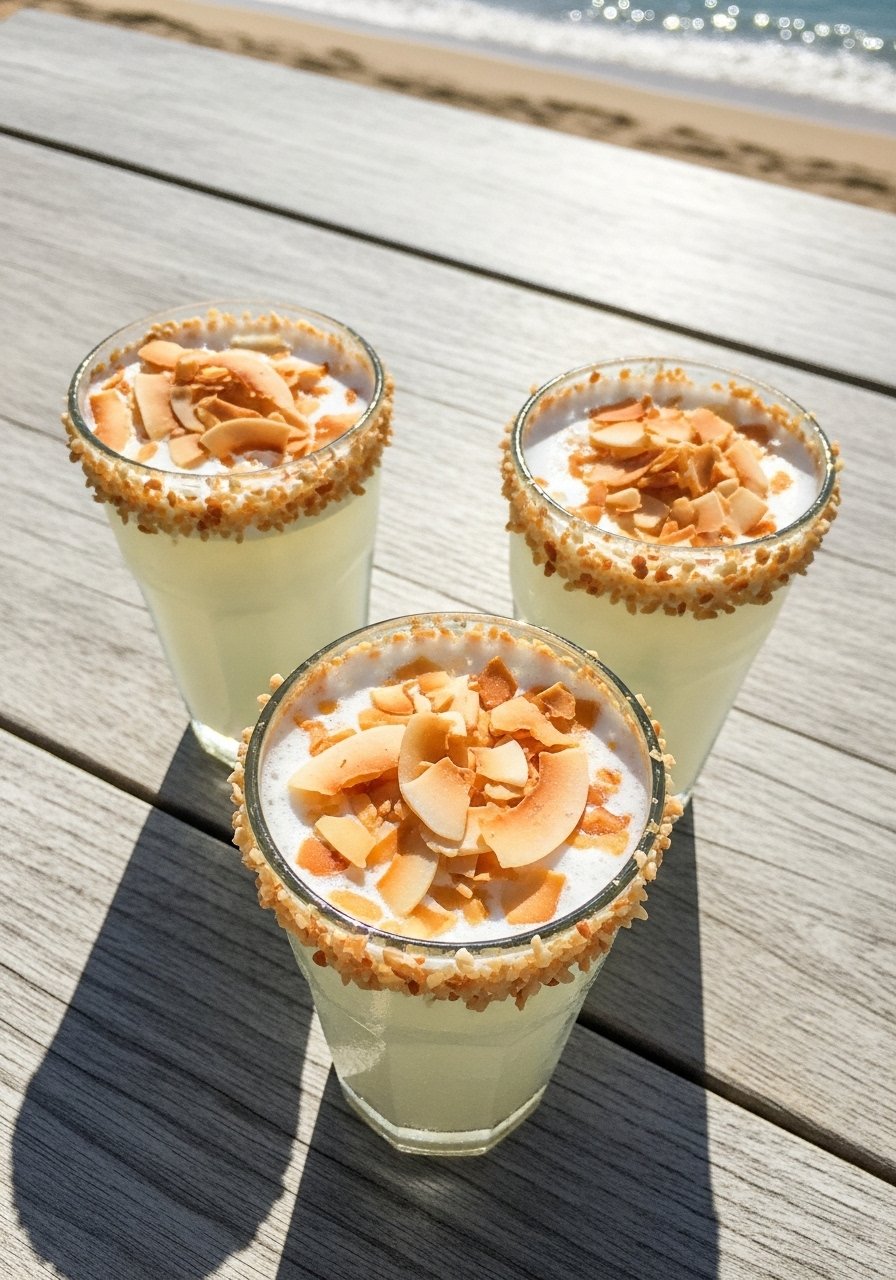
Use 1 cup fresh lime juice, 3 cups diluted coconut water, and 1/4 to 1/3 cup simple syrup depending on sweetness. Add a pinch of sea salt to highlight flavors. This one is great for hotter days when you want hydration and electrolytes without heavy sugars. For dairy-free diets this is already suitable. If you want fizz, top with a splash of soda at serving. A coconut-water carton opener is useful if you go fresh.
Mistake to Avoid: Treating coconut water like plain water, which underplays its natural sweetness when diluted badly.
13. Hibiscus Lemonade, Tart and Rosy
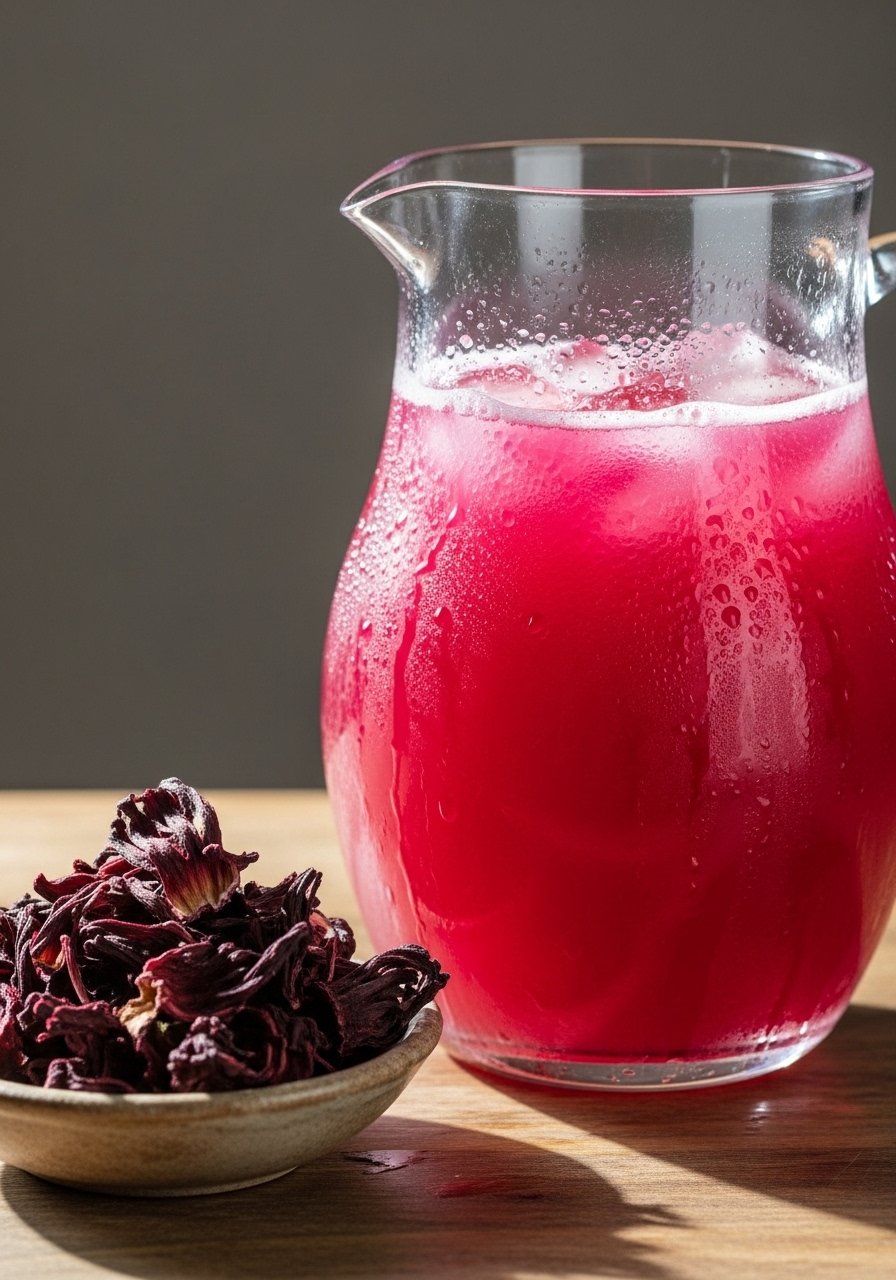
Steep 1/2 cup dried hibiscus in 3 cups hot water for 10 minutes, then strain and sweeten to taste. Mix hibiscus concentrate with 1 part lemon juice to 3 parts water for a tart finish. It is naturally caffeine-free and keeps well in the fridge for five days. For visual impact, serve over clear ice with a lemon wheel. I use a kettle with temperature control to avoid oversteeping delicate florals.
Mistake to Avoid: Boiling hibiscus, which turns it overly tannic and sour.
14. Chamomile Honey Lemon Cooler, Calm Nightcap
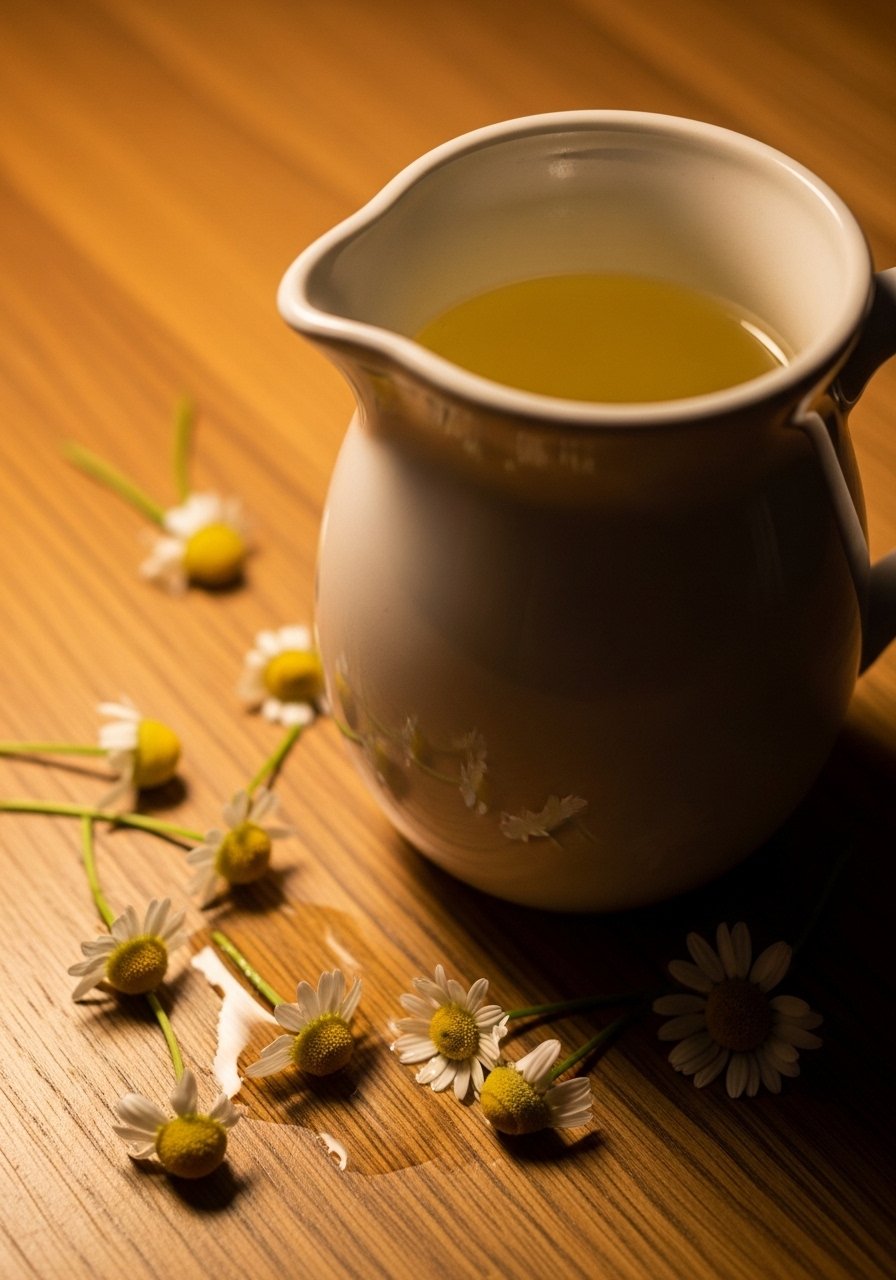
Brew chamomile tea, sweeten while warm with 1 tablespoon honey per cup, then add 1 tablespoon lemon juice to each cup and chill. For a spritz, top with sparkling water at serving. This is a low-acid, gentle option for evenings and for people who avoid caffeine. It scales to 2 or 8 servings easily and keeps in the fridge for three days. A tea infuser ball makes cleanup quick.
Mistake to Avoid: Adding lemon to boiling tea, which flattens the chamomile aroma.
Your Pantry and Equipment
- Honestly the best $18 I have spent, a hand citrus juicer (~$15-25). Faster juicing, less mess.
- For clear syrups and shrubs, fine mesh strainers set (~$12-20). Keeps seeds and pulp out of the pitcher.
- A mid-size glass pitcher with lid, 2-quart (~$20-35) for chilling and transport.
- For fizz control, reusable glass bottles 12oz set (~$20-30). Great for spritzers and takeaways.
- A small kitchen scale (~$15-25). I measure sugar and fruit by weight for repeatable results.
- Mason jars set, 12oz (~$10-18) for shrubs and syrups in the fridge.
- A fine zester (~$8-15) for garnishes and bright oils.
- A glass tea pitcher with infuser (~$25-40) for iced teas and floral infusions.
- Reusable ice cube trays (~$8-12) for apple or herb ice cubes.
Cooking Tips Worth Stealing
Thin syrups taste cleaner. Make simple syrup 1:1 sugar to water for most applications and 2:1 if you want a richer finish. Use heatproof jars to store syrups for up to two weeks.
Grab a hand citrus juicer. Fresh juice beats bottled and saves you from bottled off-flavors. It also speeds up batch prep for parties.
If you are aiming for fizz, always add sparkling water at the last second. A chilled bottle of plain sparkling water keeps carbonation consistent and prevents flat drinks.
Don’t assume one sweetener works for everything. Use honey for chamomile and ginger syrups, agave for cold-stable sweetness, and plain sugar for neutral syrups. A digital kitchen scale helps you make exact swaps without guesswork.