
I kept shampooing and rinsing like I was washing a dish, then wondering why my hair blew up the moment I stepped outside. The day I swapped a quick cold-water rinse for a five-second finish, the frizz dropped and my ponytail looked like it belonged to a different person. That small habit change plus a few other practical swaps are what stuck across four hair textures I have styled.
These tips skew low-fuss and realistic. Most tools are under $30, a few good bottles sit around $40 to $60, and almost everything here works for straight, wavy, and curly hair with small porosity notes where relevant. If you want quick wins for humid mornings and fewer flyaways by midday, this list is the practical route.
1. Rinse With Cooler Water Last
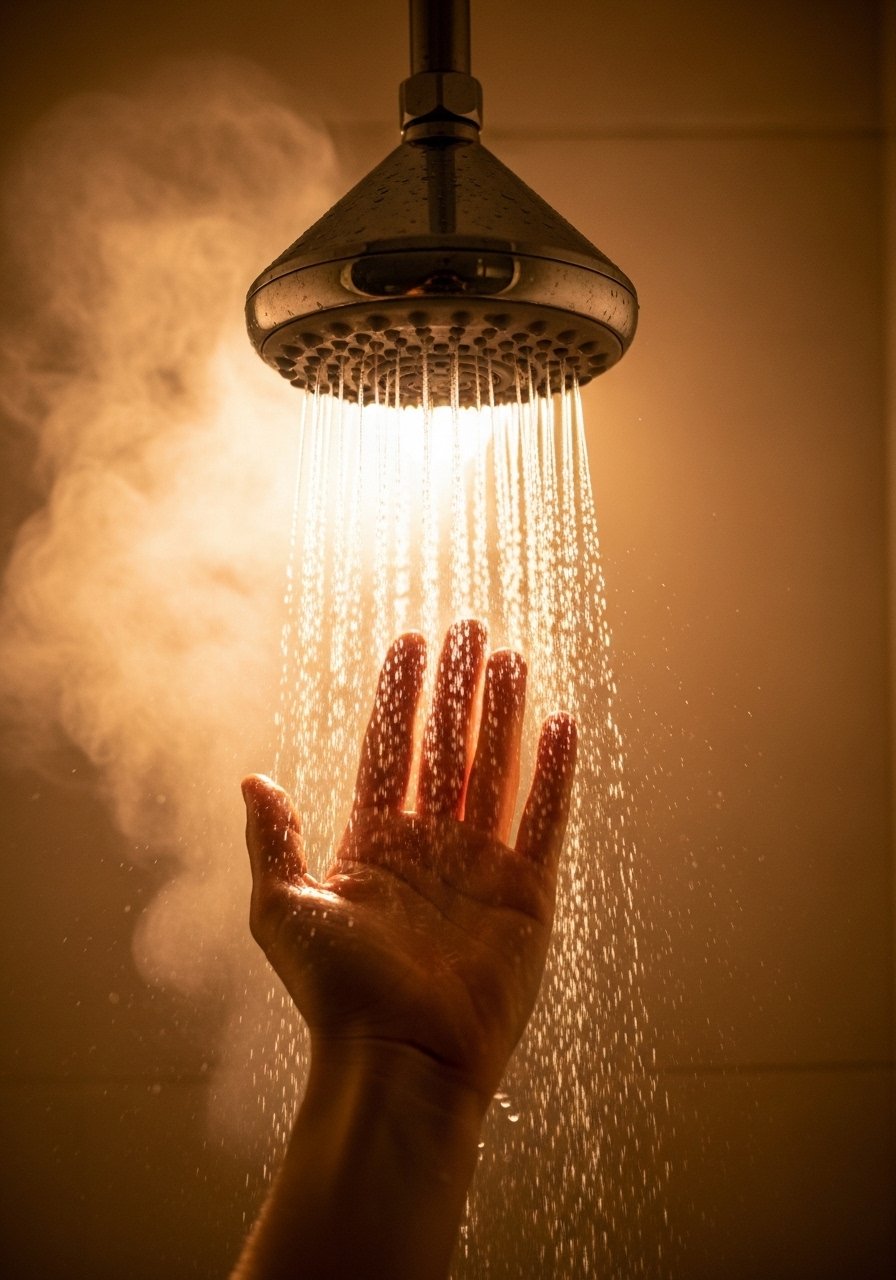
Finishing a wash with a five- to ten-second cool rinse closes the cuticle so strands reflect light instead of grabbing humidity. It is an easy step for fine, straight, and wavy hair, and for thicker curls it reduces the fuzzy halo without making hair feel heavy. Time it like a habit, not a treatment. Pair this with a lightweight conditioner and squeeze excess water with a microfiber towel before styling.
Mistake to Avoid: Rinsing with hot water for the whole wash, which lifts cuticles and increases frizz.
2. Micro-Dose Oil Into Your Leave-In
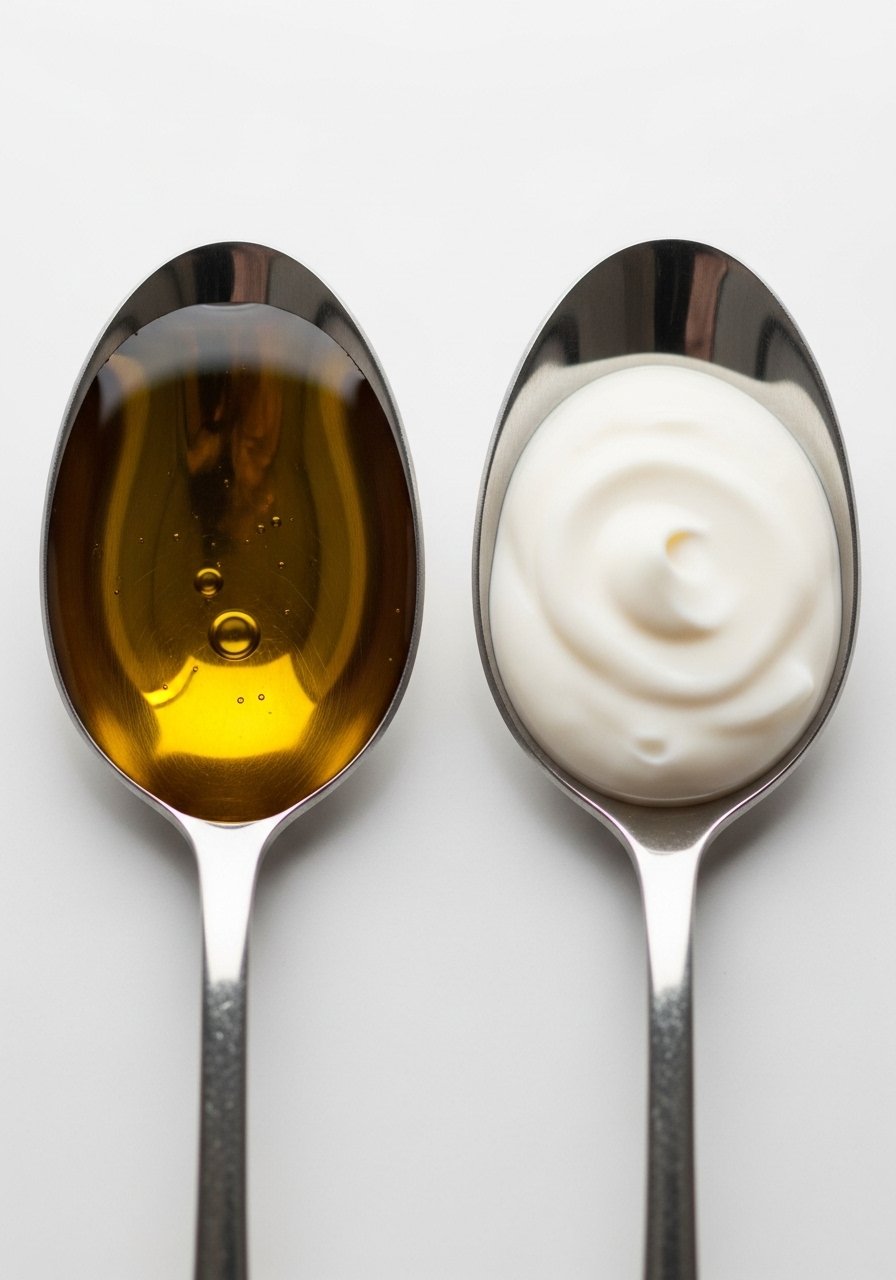
For medium to high porosity hair, mix 1 teaspoon argan oil with 1 tablespoon leave-in cream in your palm, then scrunch through damp hair from mid-length to ends. That 1:3 ratio keeps ends hydrated without weighing down roots. It creates a smooth finish that holds against humidity and pairs well with the smoothing serum in idea 7.
Mistake to Avoid: Pouring oil directly on the scalp, which can make roots look greasy while ends stay dry.
3. Swap Cotton Towels for Microfiber or a T-Shirt
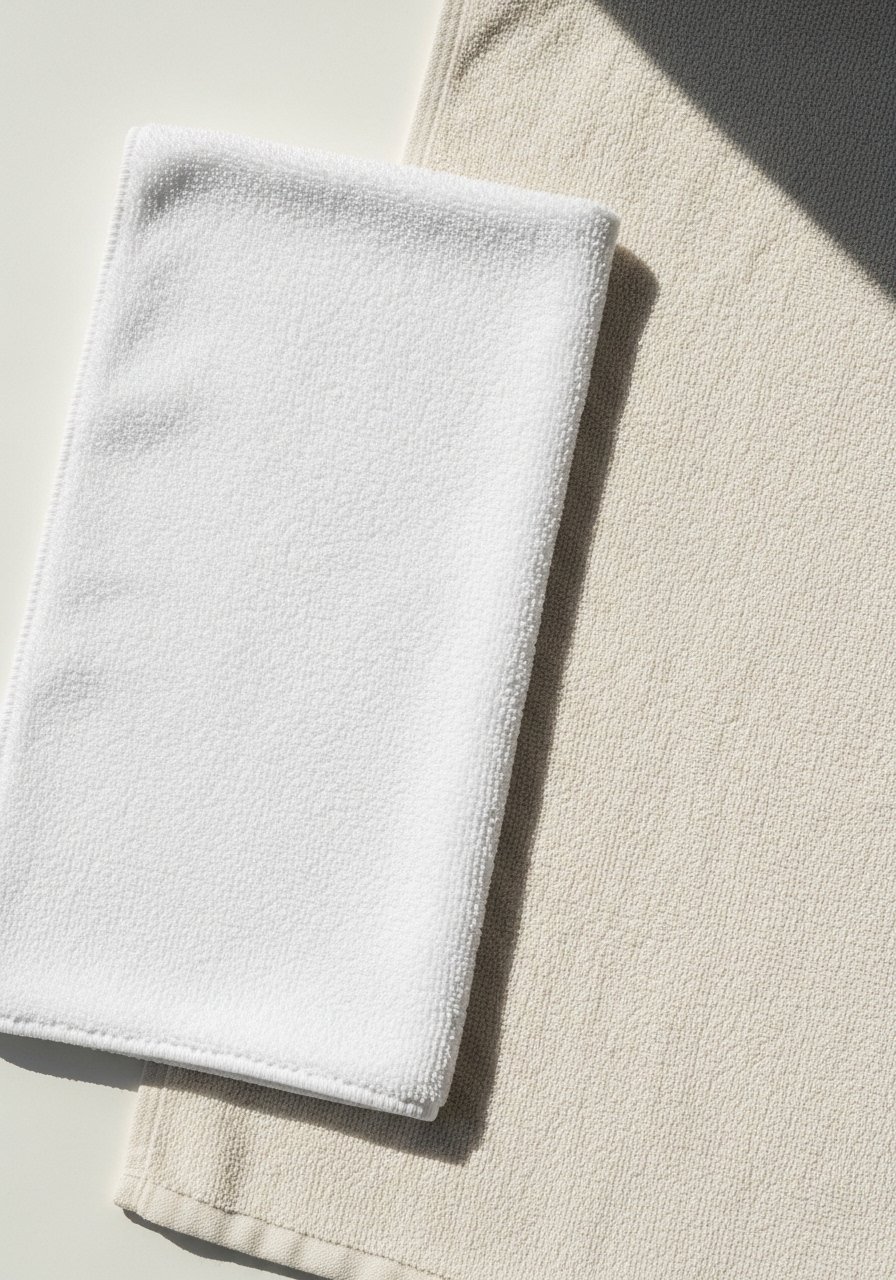
Cotton twists and rubs the hair cuticle, which makes frizz worse. Wrapping damp hair in a microfiber towel or old cotton T-shirt for 10 to 20 minutes takes out excess water without roughing the surface. This is the single habit that helped my curls keep shape on day two. It is cheap, renter-friendly, and saves styling time.
Mistake to Avoid: Aggressively rubbing hair with a bath towel to speed drying, which creates surface fluff.
4. Use a Wide-Tooth Comb, Not a Brush, On Wet Hair
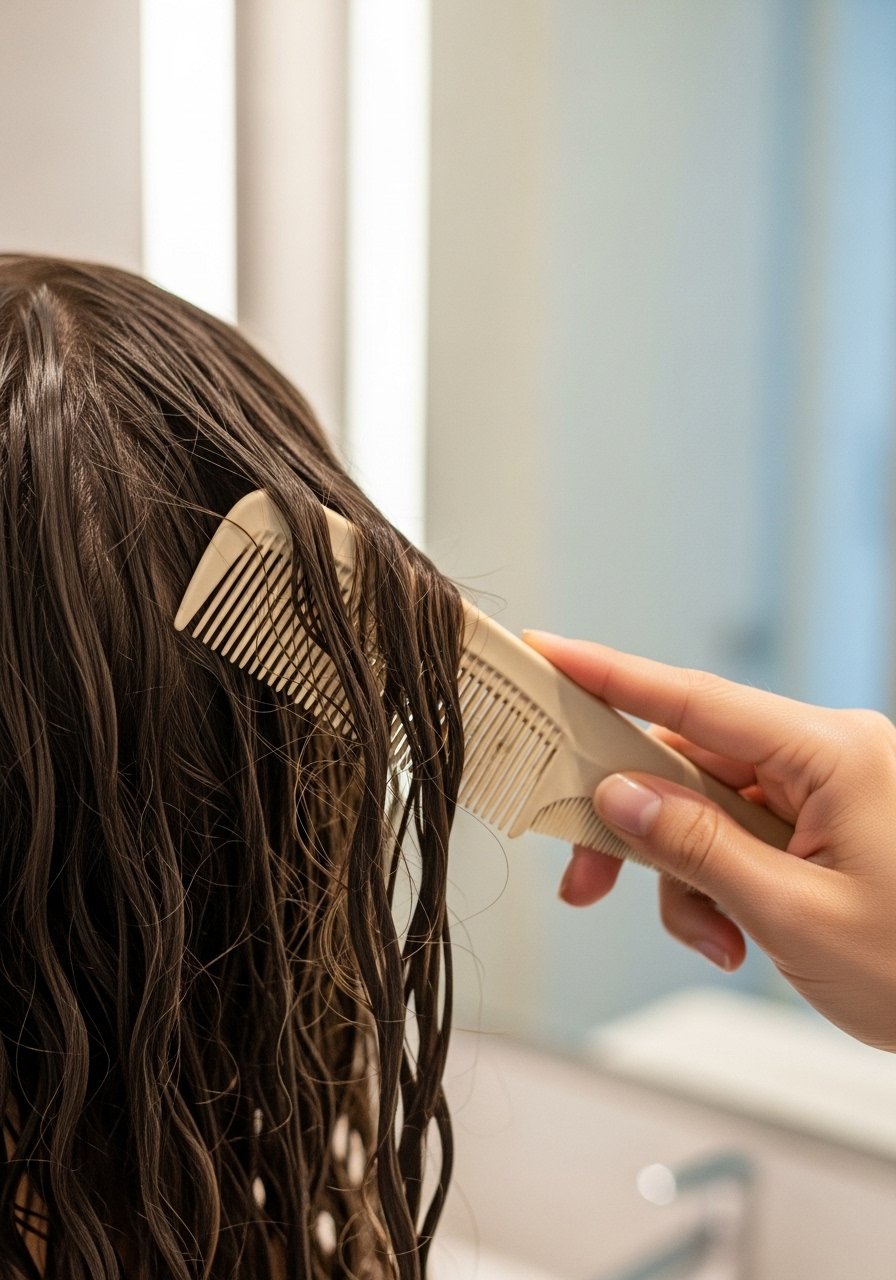
Detangle with a wide-tooth comb while the conditioner is still in. Start at the ends and work up in small sections. This avoids breakage and prevents the frizz that appears when you pull knots out of dry hair. Works on all textures and is a gentle step for anyone dealing with damage from over-brushing.
Mistake to Avoid: Forcing a brush through knots, which breaks strands and creates split ends that frizz faster.
5. Apply Smoothing Serum to Damp, Not Dry, Hair
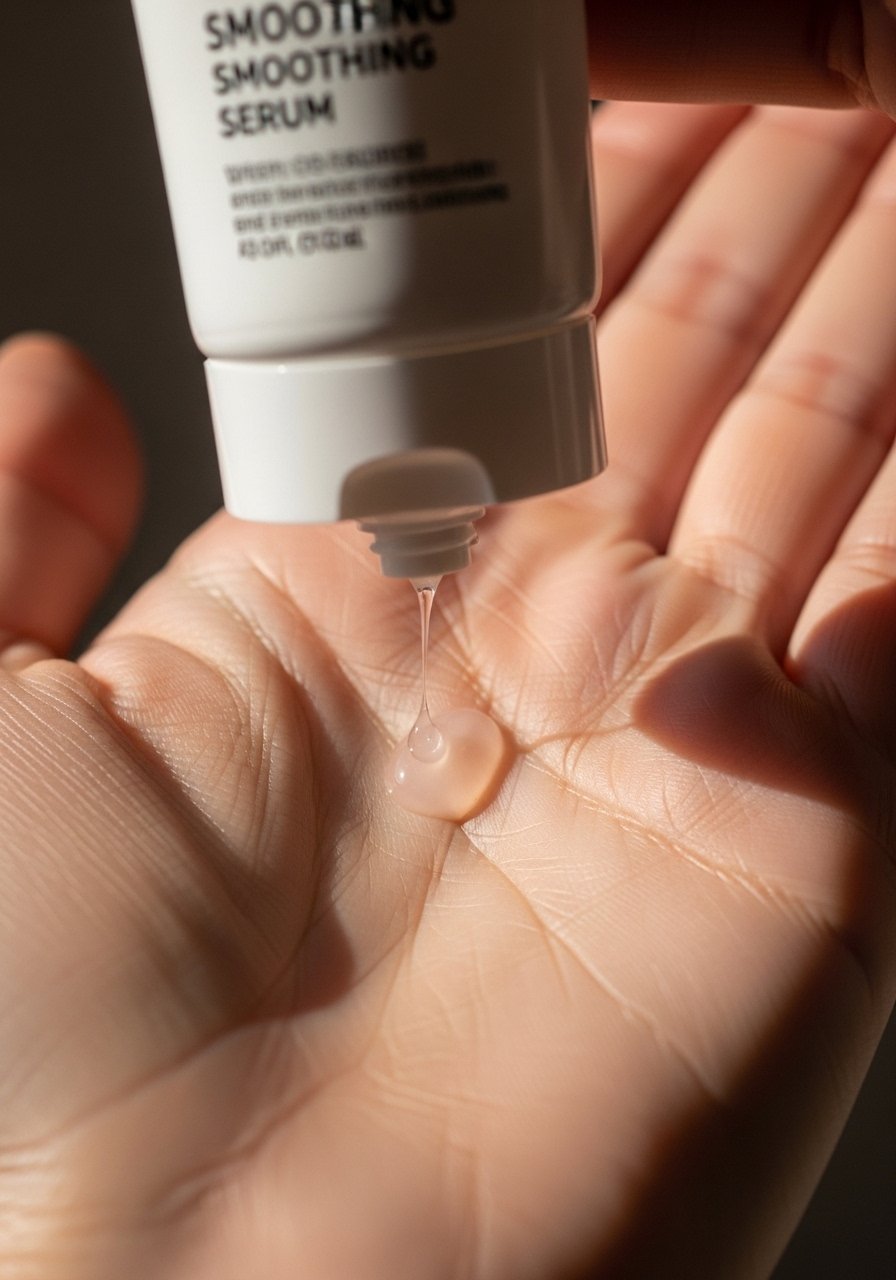
A little goes a long way. Apply a pea-sized amount of a silicone-free smoothing serum to damp hair, distribute with fingers, then comb through. Damp application forms a protective layer that fights humidity while still allowing styling movement. Choose silicone-free if you avoid build-up, and clarify monthly for high-product routines.
Mistake to Avoid: Slathering serum on dry hair, which can leave greasy-looking patches and attract dust.
6. Swap Your Pillowcase to Mulberry Silk
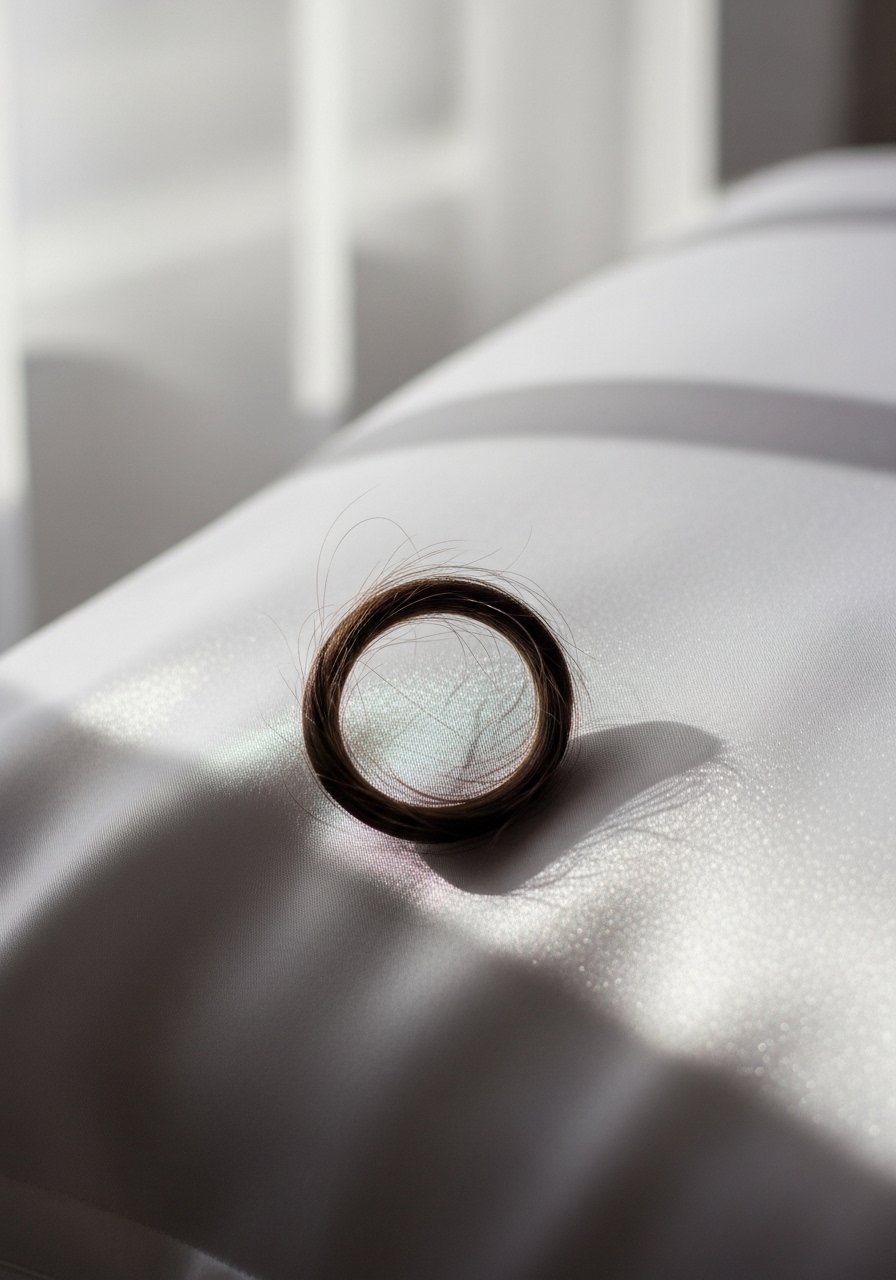
A silk or mulberry pillowcase reduces friction while you sleep, which means fewer broken strands and less morning puff. For curly and coily hair, tie a loose pineapple with a silk scrunchie so curls rest on the silk rather than cotton. The swap is a low-cost change that shows up in smoother second-day hair.
Mistake to Avoid: Using a tight elastic at the roots, which kinks and creates frizz lines.
7. Heat-Protectant Is Nonnegotiable Before Any Tool
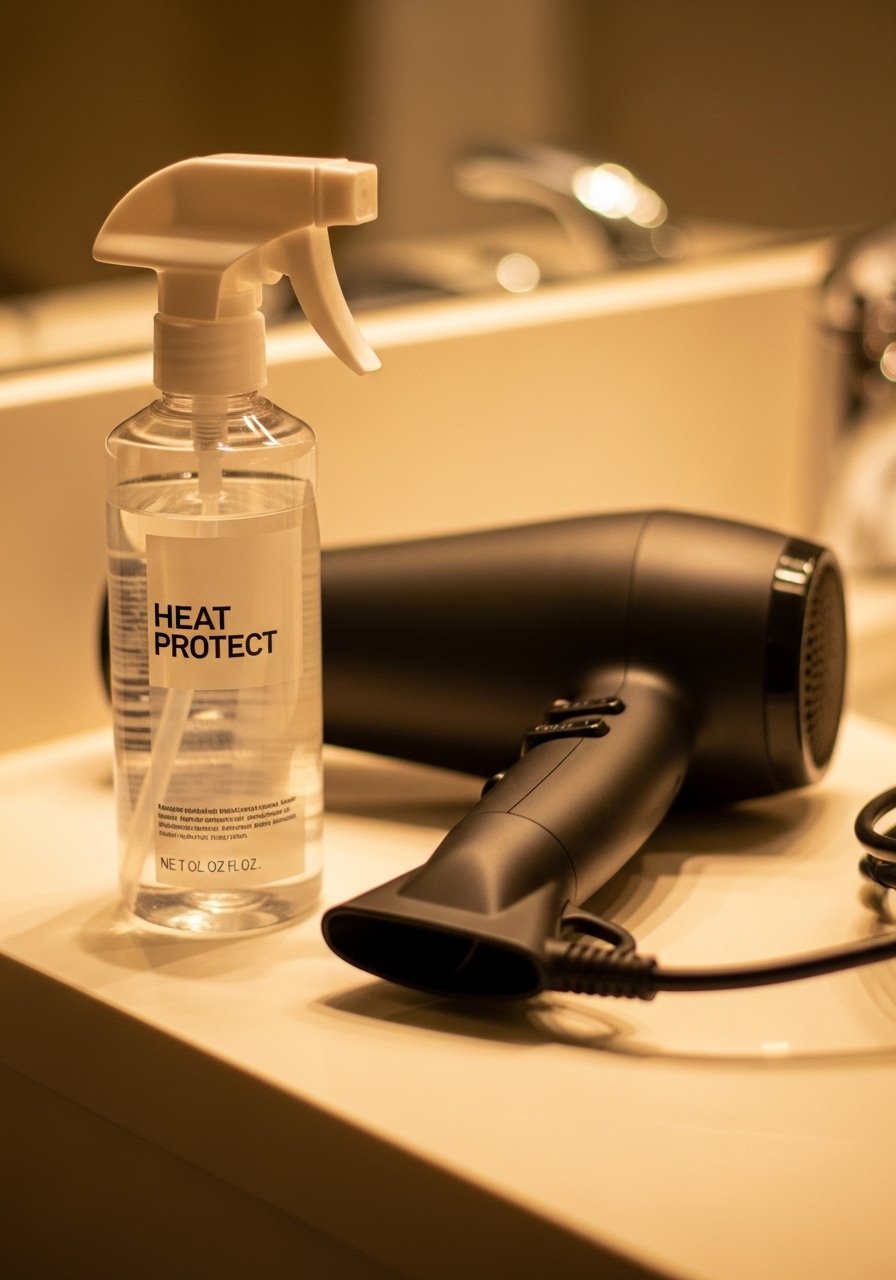
Always spray a heat-protectant on damp hair before blow-drying or flat-ironing. Look for a product with silicone alternatives if you prefer lighter feel. I like a leave-in mist for fine hair and a cream protectant for thick hair. It prevents the cuticle from lifting under heat and reduces the dry, crunchy frizz that comes from repeated styling.
Mistake to Avoid: Skipping heat protection because the tool is on low, which still damages the cuticle over time.
8. Diffuse With Low Heat and Low Speed for Defined Waves
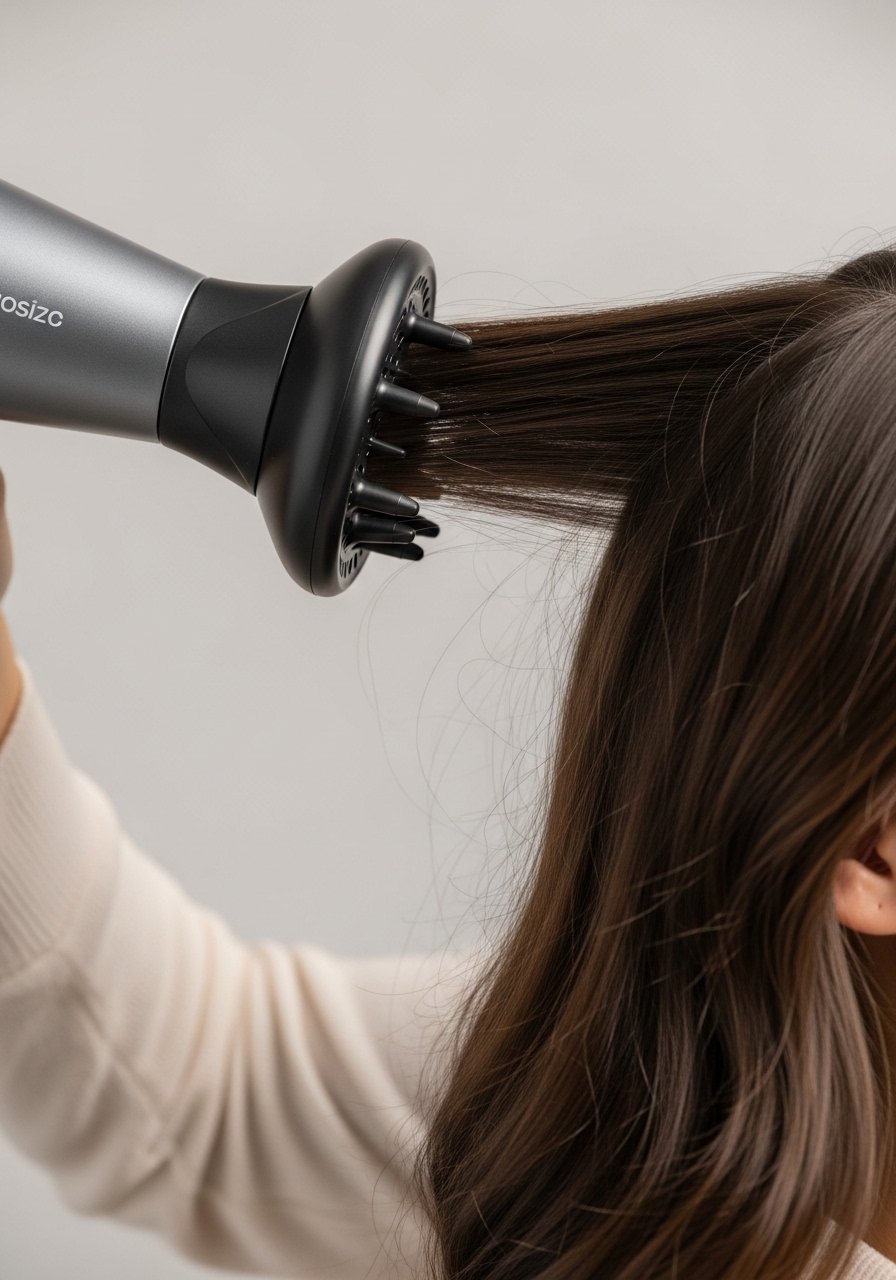
If you diffuse, keep the dryer on low heat and low airflow, cup the hair in the diffuser and lift at the roots for volume. High heat blasts lift the cuticle and create flyaways, especially on fine wavy hair. This method preserves curl shape while controlling surface frizz. Finish with a cool blast for thirty seconds to lock shape.
Mistake to Avoid: Using high heat or a small, concentrated nozzle, which roughs the hair surface.
9. Try a Silk Scarf Instead of a Hat in Humid Weather
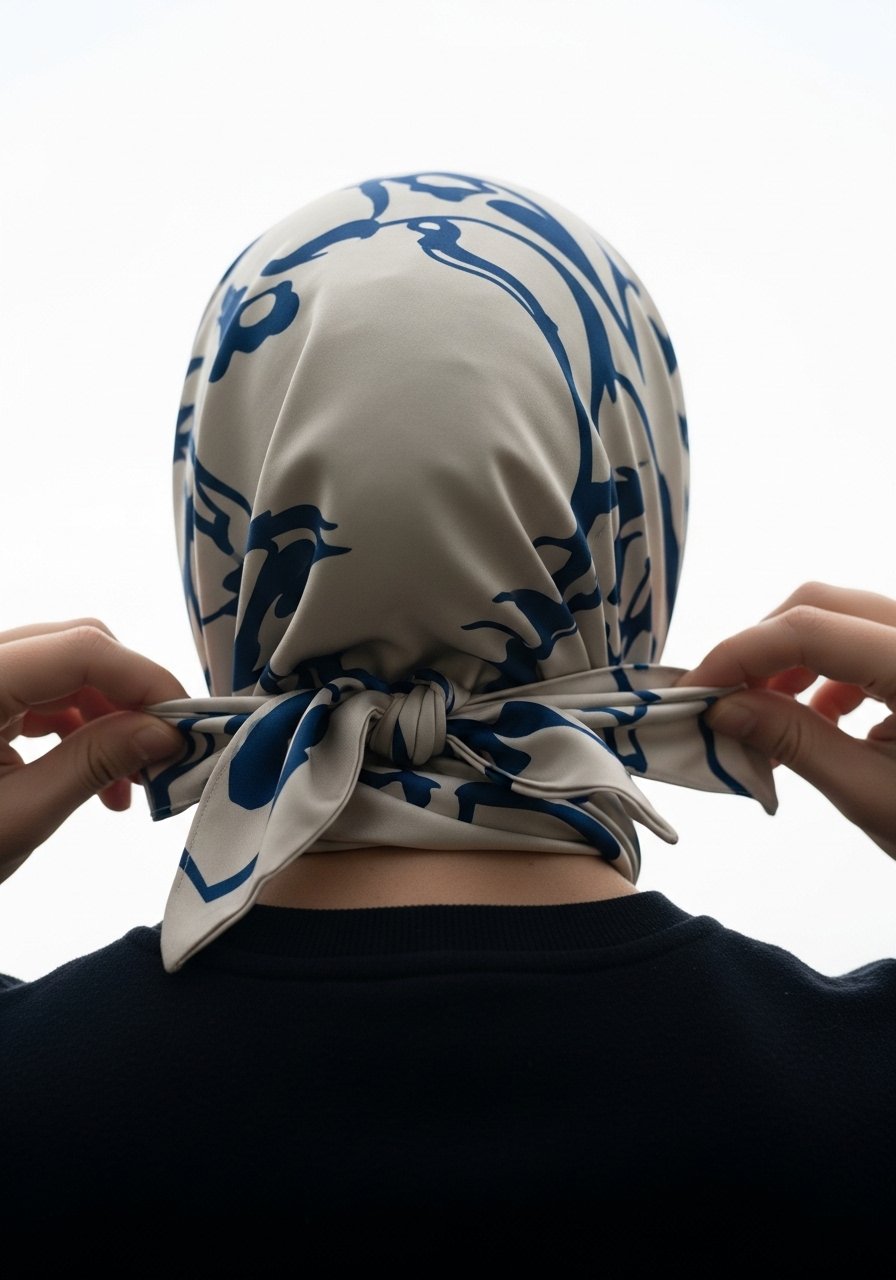
Hats trap moisture and create a halo. A silk scarf lays flat and reduces friction while still keeping hair in place. Fold it to a band width that sits at the hairline so the scarf keeps the cuticle aligned without compressing volume. This is great for long hair and relaxed styles.
Mistake to Avoid: Wearing tight hats in humidity, which steams the hair and increases frizz.
10. Replace Everyday Shampoo With a Smoothing Cleanser Twice a Week
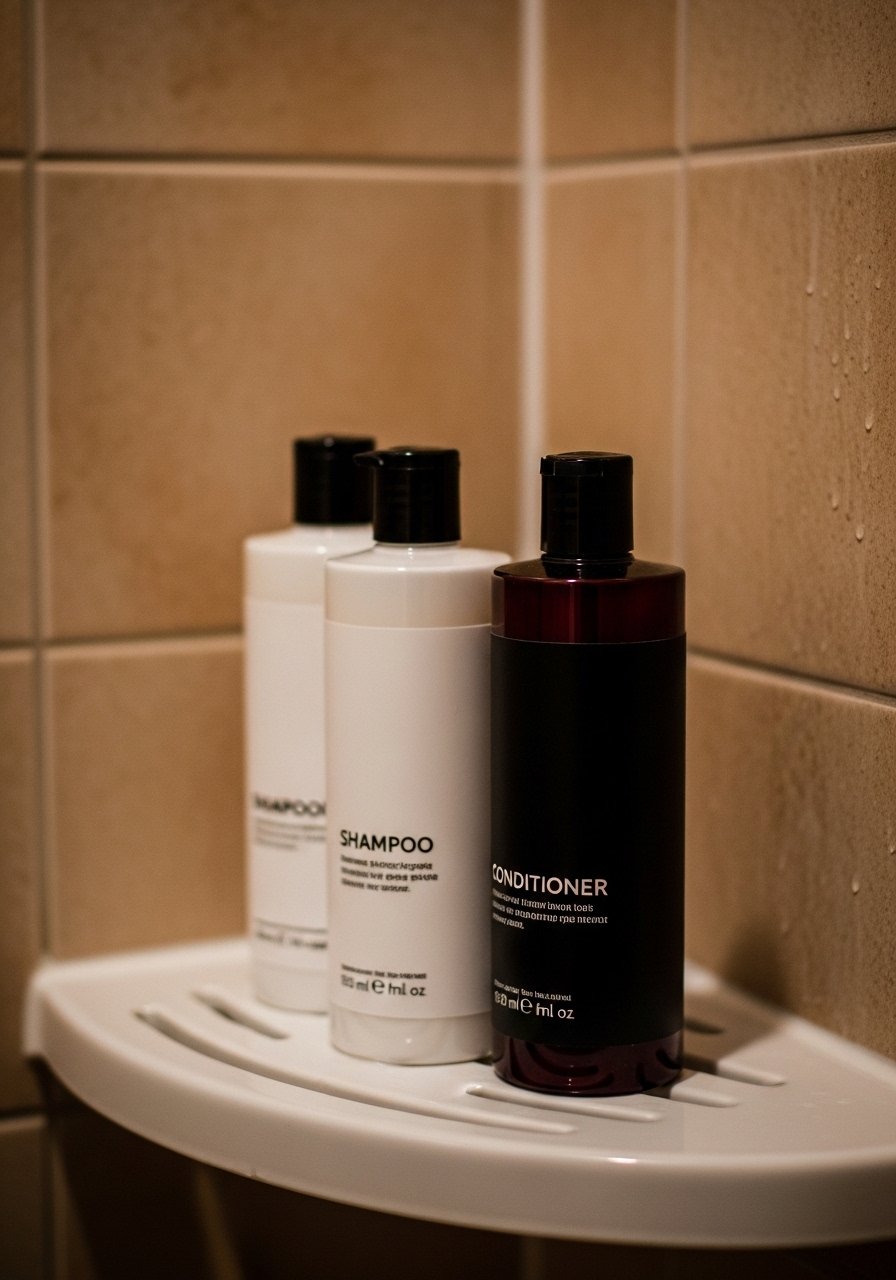
Swap to a smoothing or sulfate-free cleanser two times a week to strip less natural oil while still removing product build-up. For high-porosity hair, a gentle clarifying wash every 10 to 14 days helps products absorb better. The smoother your base, the less your styling products have to fight to control frizz.
Mistake to Avoid: Over-washing daily with stripping shampoos, which dries hair and invites frizz.
11. Use a Light-Hold Cream for Flyaways Instead of Hairspray
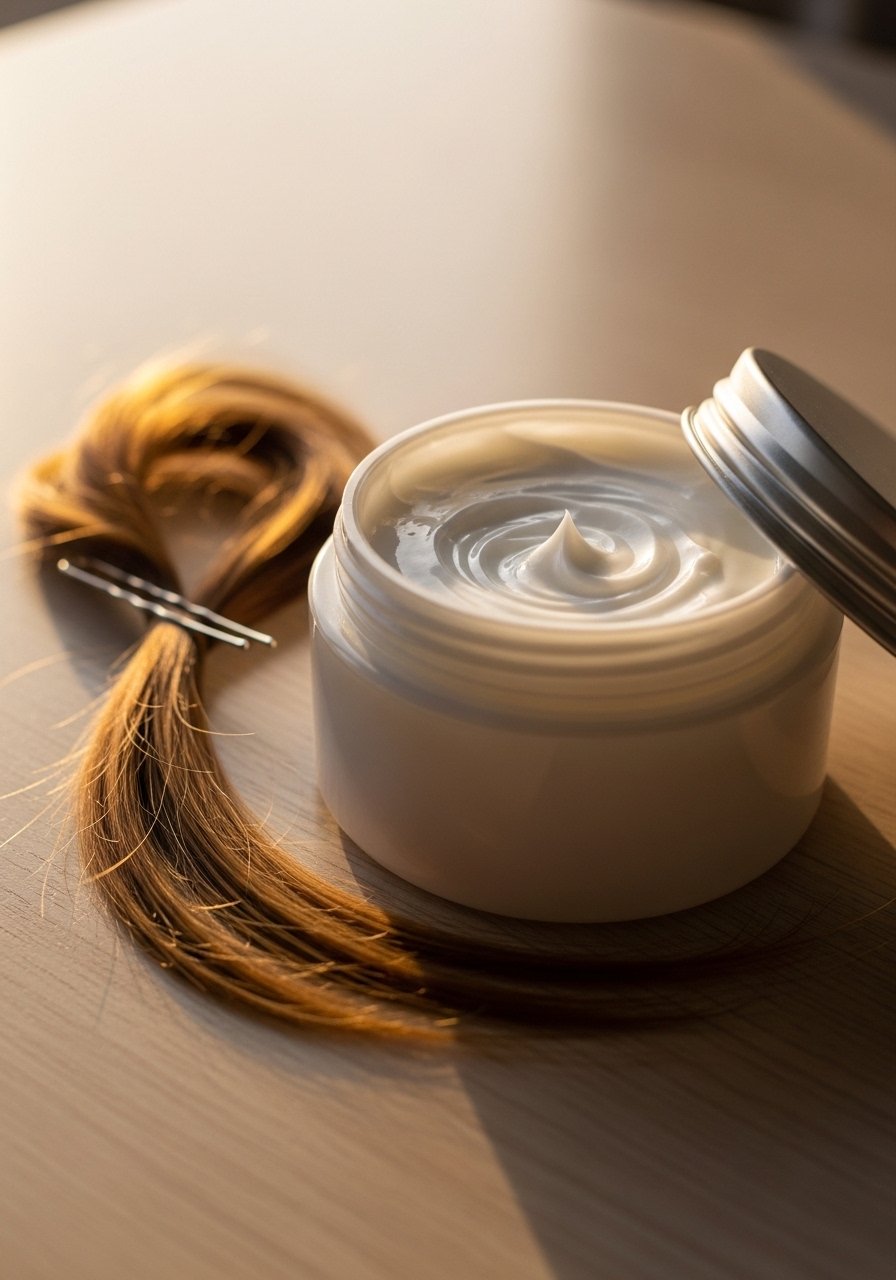
A small dab of light-hold styling cream tames baby hairs without the crunchy feel of hairspray. Apply with a clean toothbrush or a spoolie to smooth along the hairline. This technique works well for fine hair and natural textures that want movement. It is also easy to refresh without building residue.
Mistake to Avoid: Spraying hairspray close to the hairline, which flakes and looks stiff.
12. Dry Shampoo as a Texture Tool, Not a Cover-Up
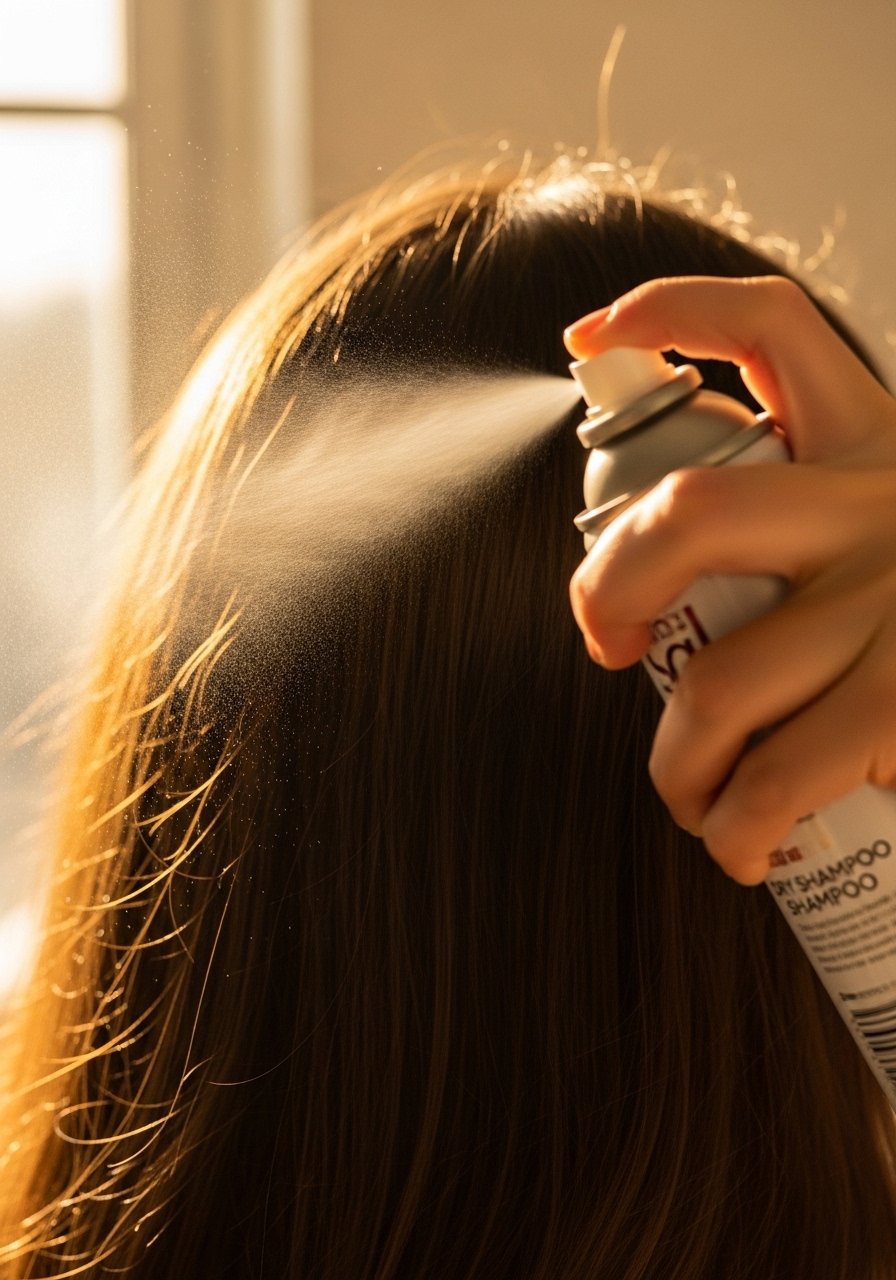
Spritz dry shampoo at the roots and massage gently to absorb oil. For frizz control, use it sparingly on the crown to lift roots and reduce the need to touch hair, which creates frizz. It is a tactical product for second-day styling, not a fix for limp or greasy hair.
Mistake to Avoid: Over-applying dry shampoo and scrubbing hard, which roughs the cuticle.
13. Try the “Plop” for Curly Hair to Reduce Surface Frizz
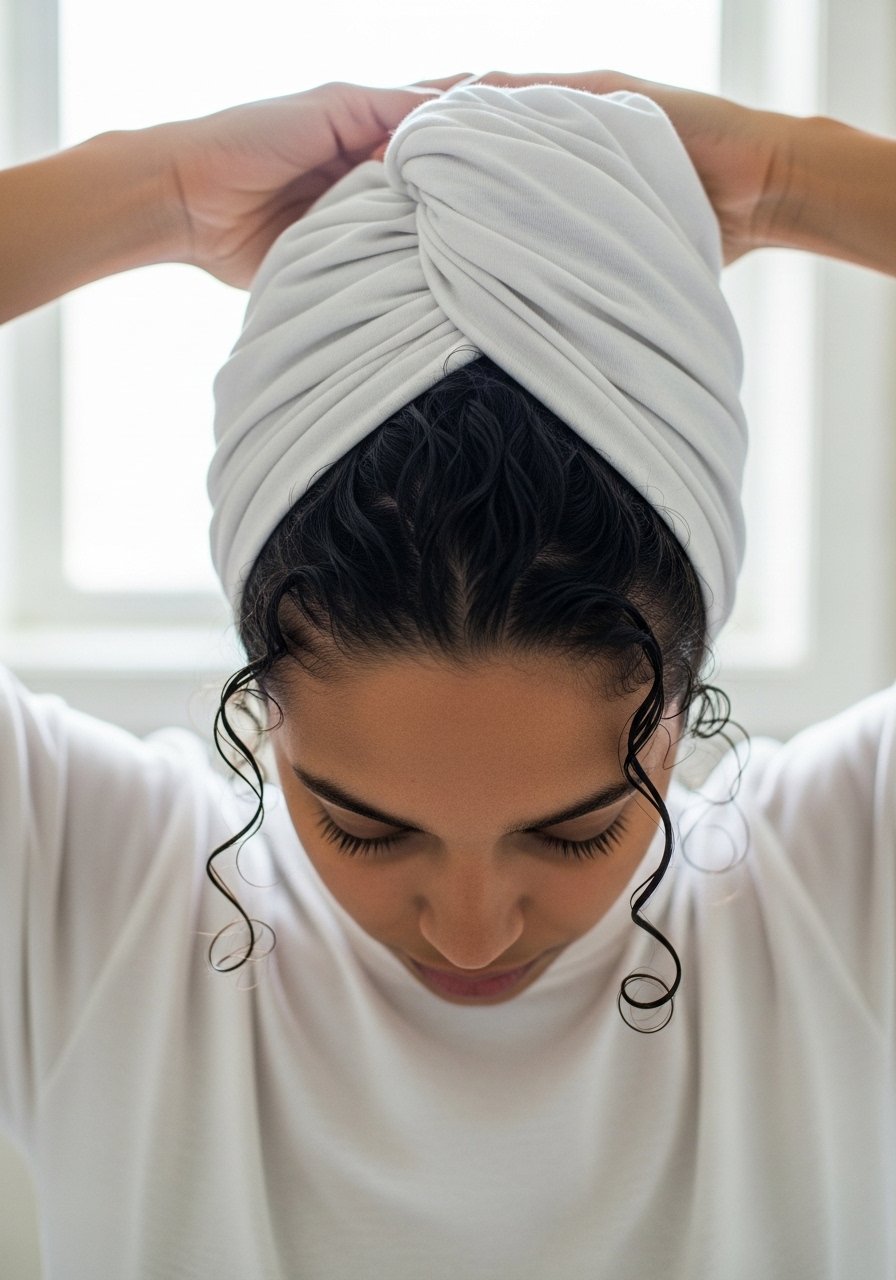
Plopping collects curls on top of the head in a T-shirt for 10 to 20 minutes, which preserves pattern and reduces drying time. It cuts down on finger separation that creates frizz. Use a leave-in gel or cream before plopping to set the shape. Works best on medium to tight curls.
Mistake to Avoid: Leaving hair in the plop until totally dry, which can flatten the root volume.
14. Seal Ends With a Tiny Dot of Balm
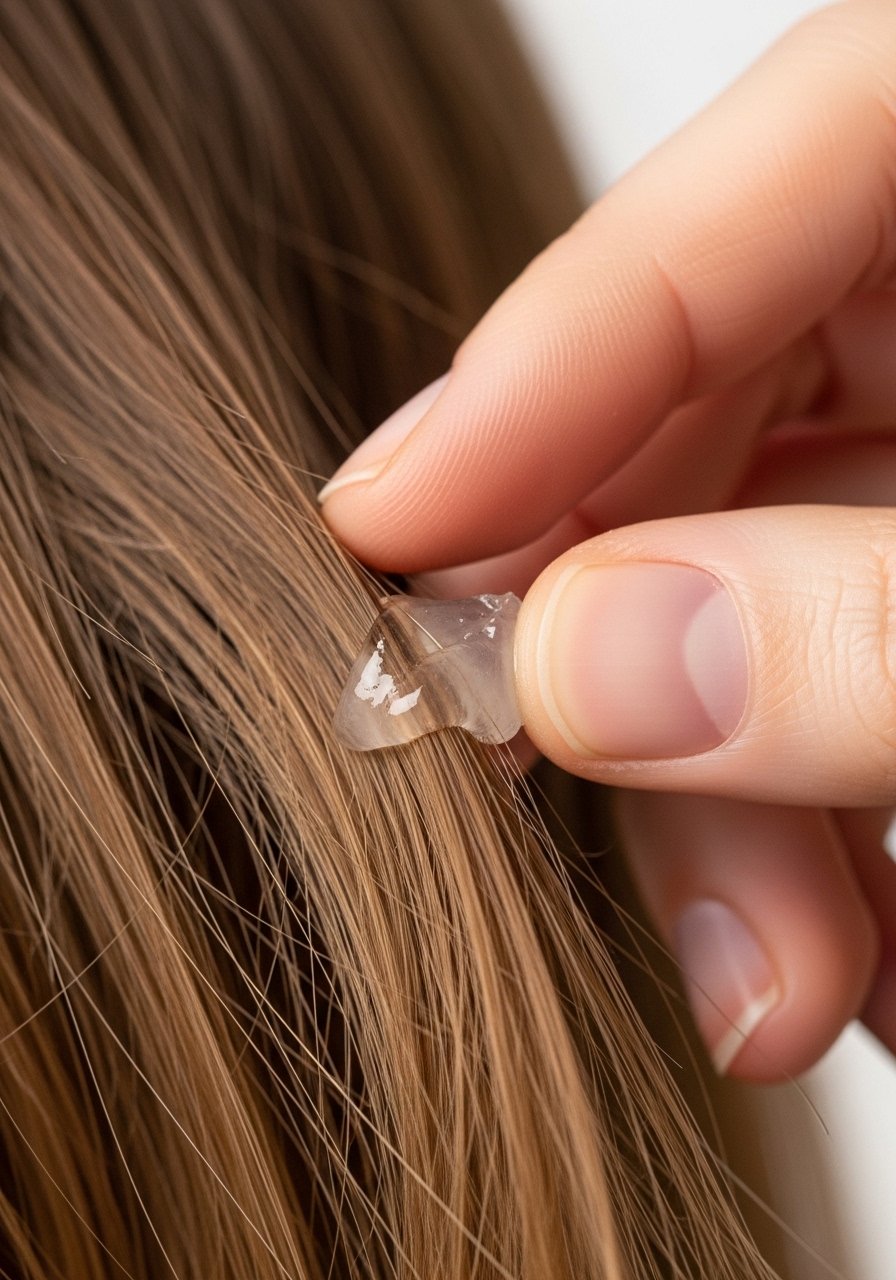
Warm a rice-grain amount of hair balm between fingers and smooth over ends to seal the cuticle and prevent split ends from moshing into frizz. For fine hair, avoid the scalp. For coarse hair, you can use a touch more. This finish helps hair look intentionally sleek without appearing coated.
Mistake to Avoid: Using a walnut-sized amount, which makes hair look weighed down and greasy.
15. Do a Porosity Test at Home
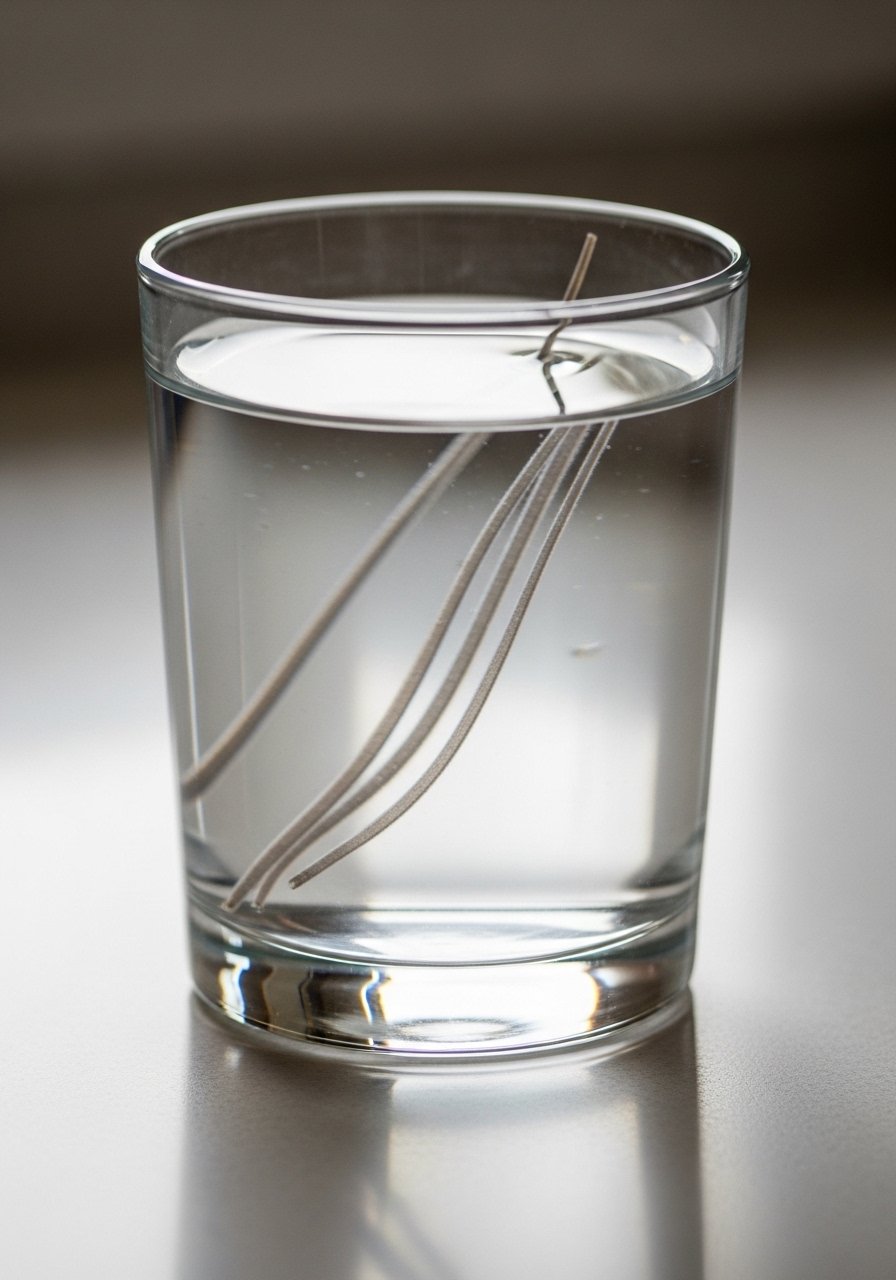
Drop a clean strand into a glass of water. If it floats it is low porosity, if it sinks slowly it is medium, and if it sinks fast it is high. Low porosity hair needs lightweight products and occasional heat to open the cuticle. High porosity hair benefits from heavier oils and protein treatments. Adjusting by porosity is a simple gap many guides miss.
Mistake to Avoid: Using the same routine for every hair porosity, which creates either buildup or under-conditioning.
16. Protein and Moisture Balance Once a Month
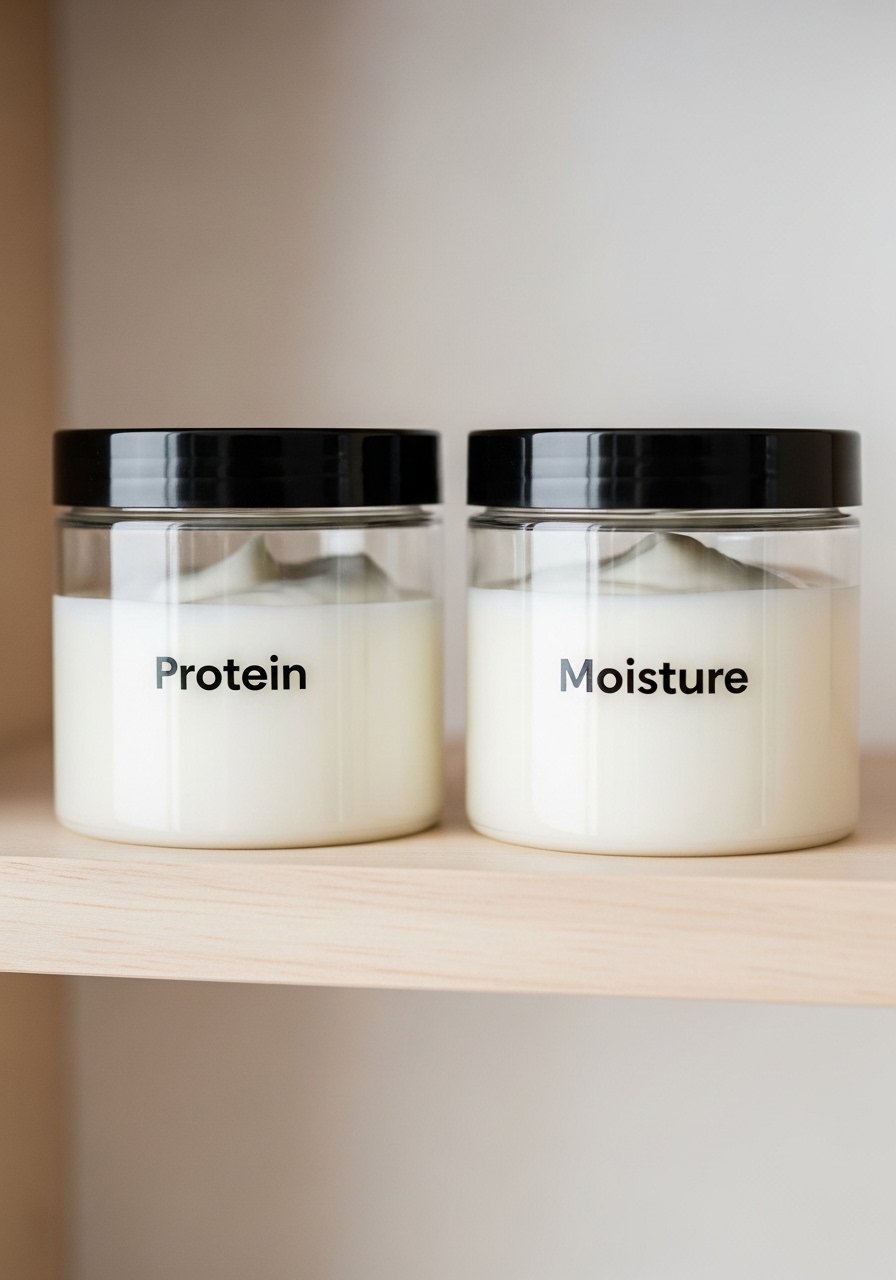
Rotate a protein mask and a deep moisturizing treatment every 4 to 6 weeks depending on damage. Protein rebuilds structure, moisture restores pliability. For chemically treated hair, do protein every 3 to 4 weeks. For natural hair, monthly alternating treatments keep frizz from structural weakness.
Mistake to Avoid: Doing protein too frequently, which makes hair brittle and more prone to breakage.
17. Brush From Ends Up to Reduce Tugging
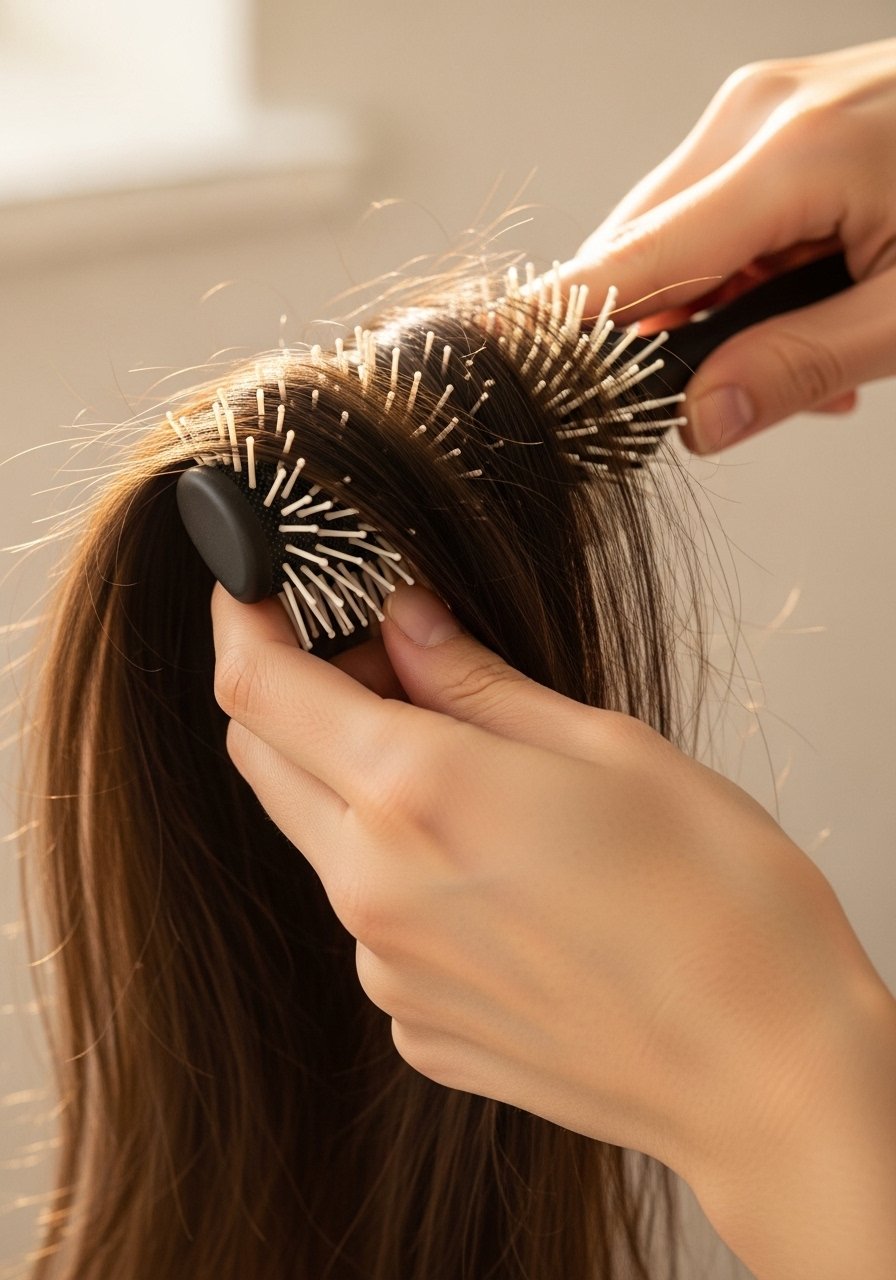
Start detangling at the ends and work upward. This reduces mechanical stress that fragments cuticles into frizz. Use a paddle brush for long straight hair and a wide-tooth comb for curly textures. It is a small habit that lowers split ends and prevents the frizz cascade.
Mistake to Avoid: Brushing from roots to ends, which forces snarls and breaks strands.
18. Use a Tension Blow-Dry for Smoother Finish
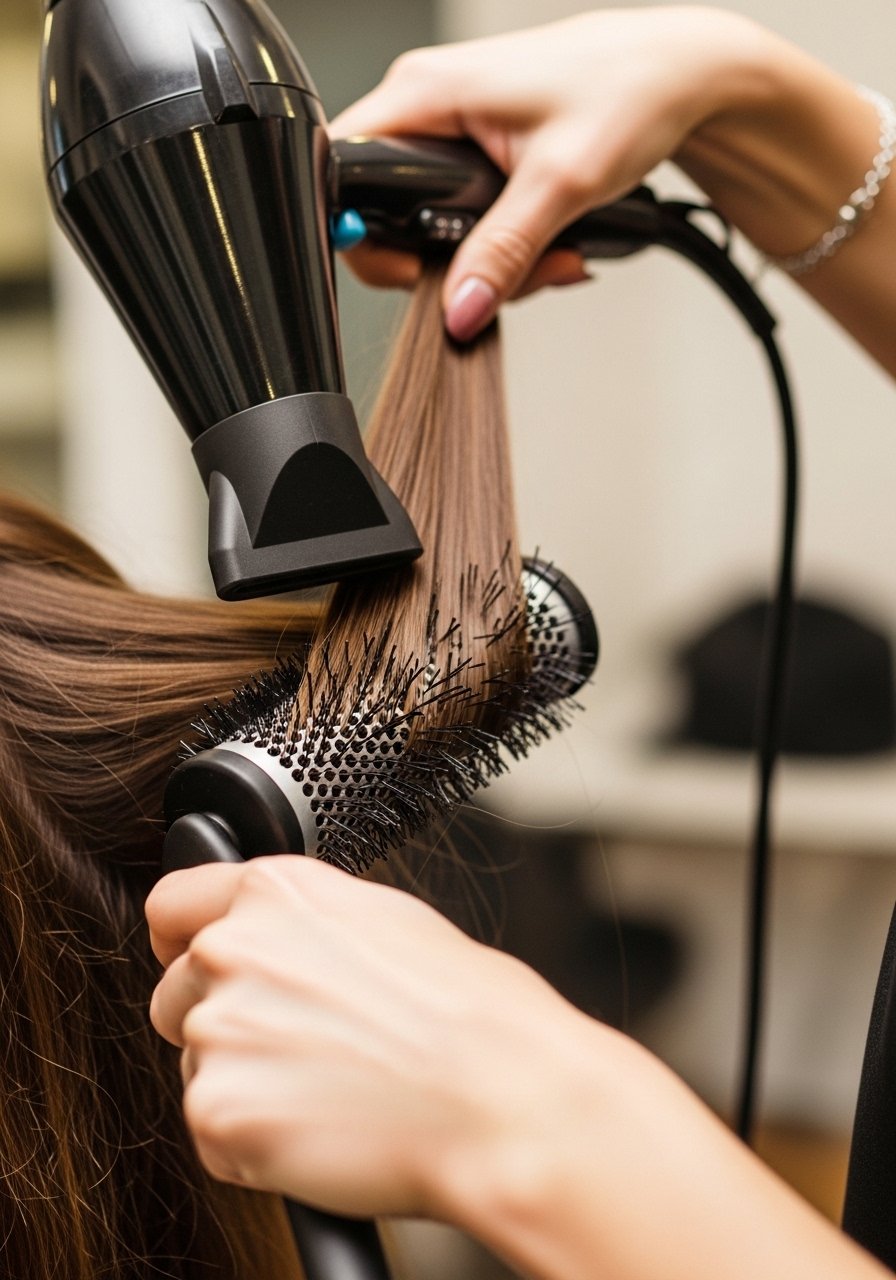
Wrap hair around a round brush and pull taut as you dry along the strand. The tension smooths the cuticle and reduces frizz without flat ironing. Low to medium heat works if you keep the dryer moving. This is the in-between option for days you want sleeker hair without full heat styling.
Mistake to Avoid: Holding the dryer too close in one spot, which causes hotspots and roughness.
19. Keep a Travel Anti-Frizz Kit for Weather Surprises
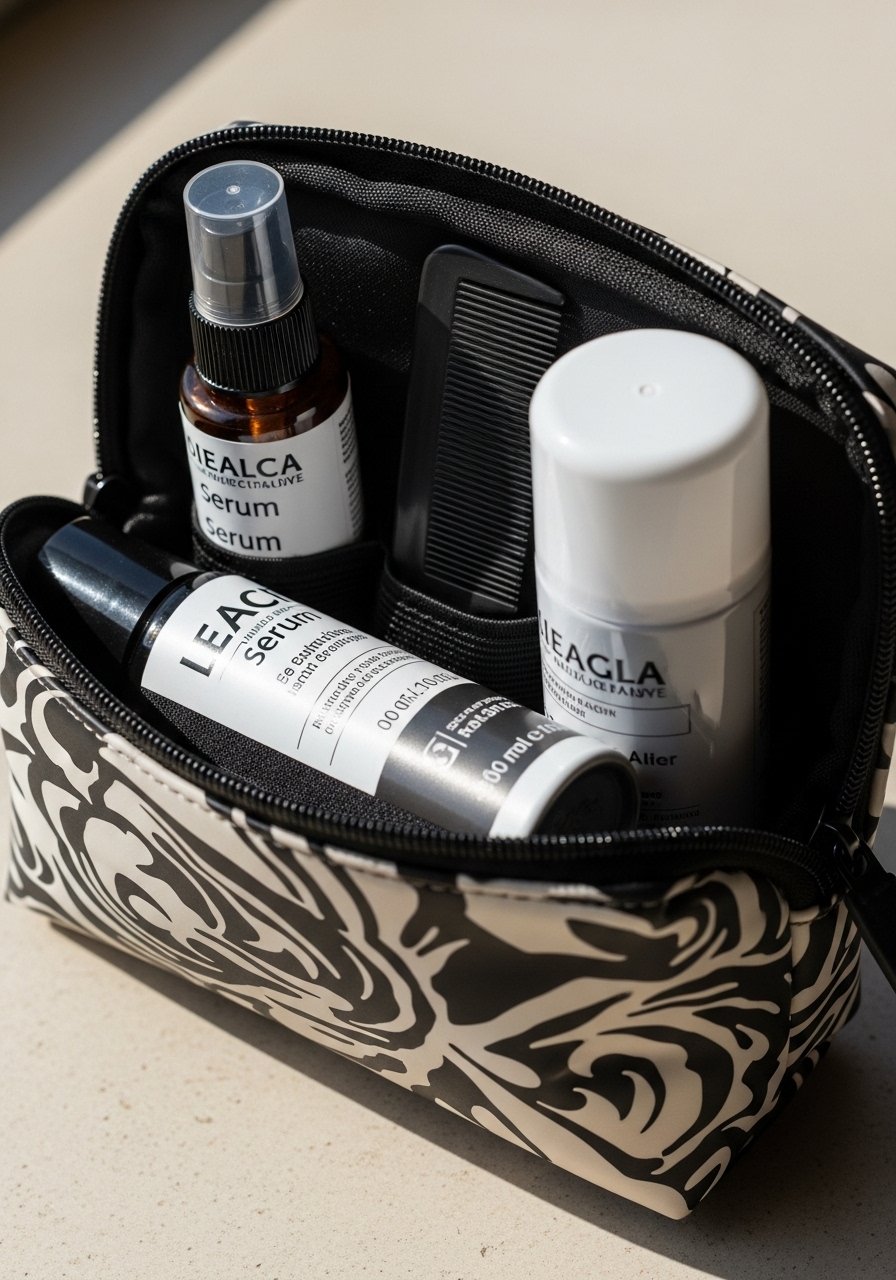
Pack a small tube of smoothing cream, a mini comb, and a travel-size anti-frizz spray for sudden humidity changes. A targeted touch-up at the hairline or ends saves the whole style. This habit solves the midday puff problem that ruins meetings and short outings.
Mistake to Avoid: Carrying full-size bottles that leak or add weight to your bag.
20. Layer Products From Lightest to Heaviest
Apply leave-in, then cream, then oil in that order so weight builds naturally. For fine hair skip the oil, for coarse hair finish with a light oil seal. Layering prevents the heavy ingredients from sliding off damp hair and creating uneven texture, which leads to spotty frizz.
Mistake to Avoid: Putting oil or heavy balm first, which blocks absorption of lighter products.
21. Refresh Curls With a Spray or a Light Gel Mix
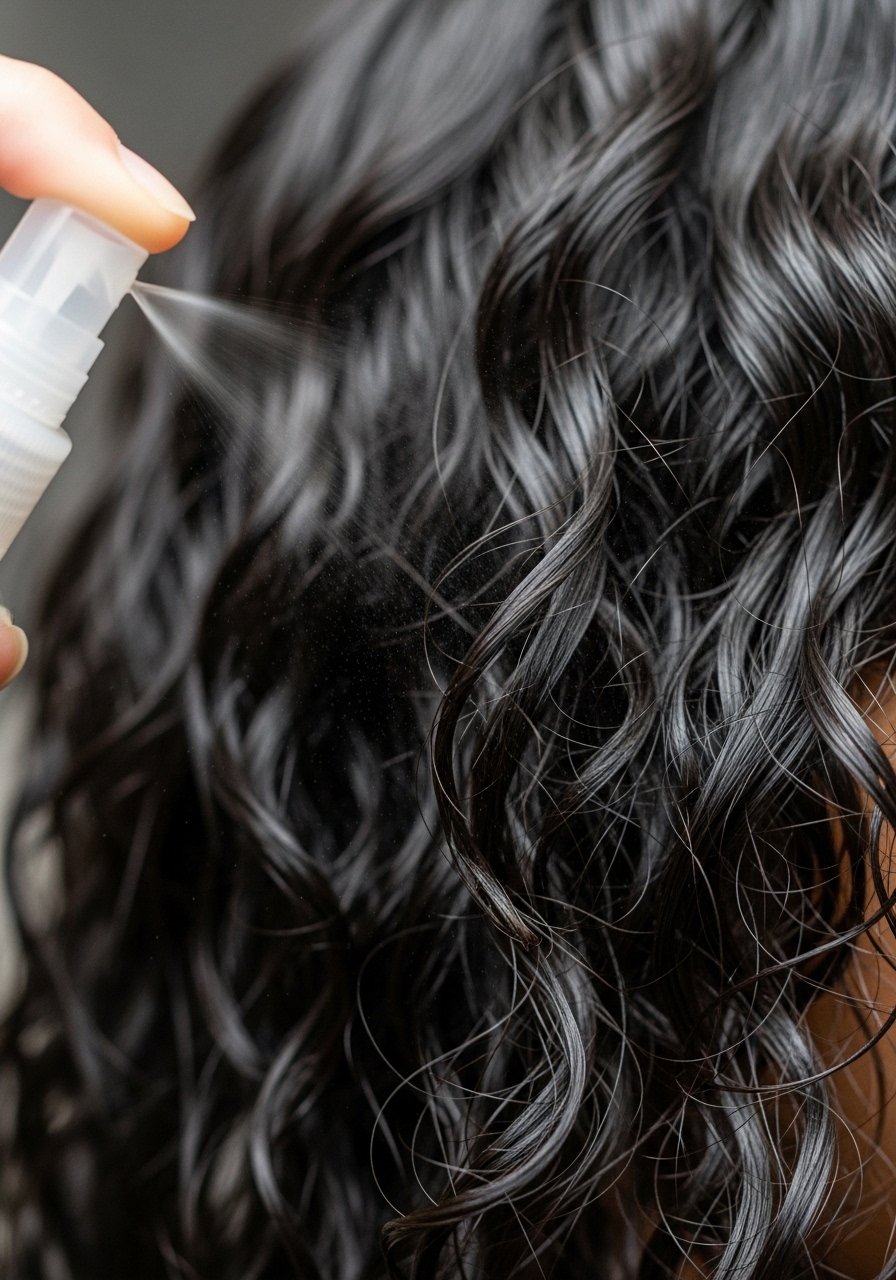
Mix water with 1 teaspoon leave-in and a drop of gel in a spray bottle for on-the-go curl refreshes. Mist until plumped, scrunch gently, then diffuse or air-dry. This revives pattern without over-wetting or adding buildup. It is a technique many routine lists omit but it saves time and texture.
Mistake to Avoid: Pouring water alone on curls, which causes temporary frizz before the product can reset the shape.
22. Trim Regularly to Remove Split Ends That Cause Puff
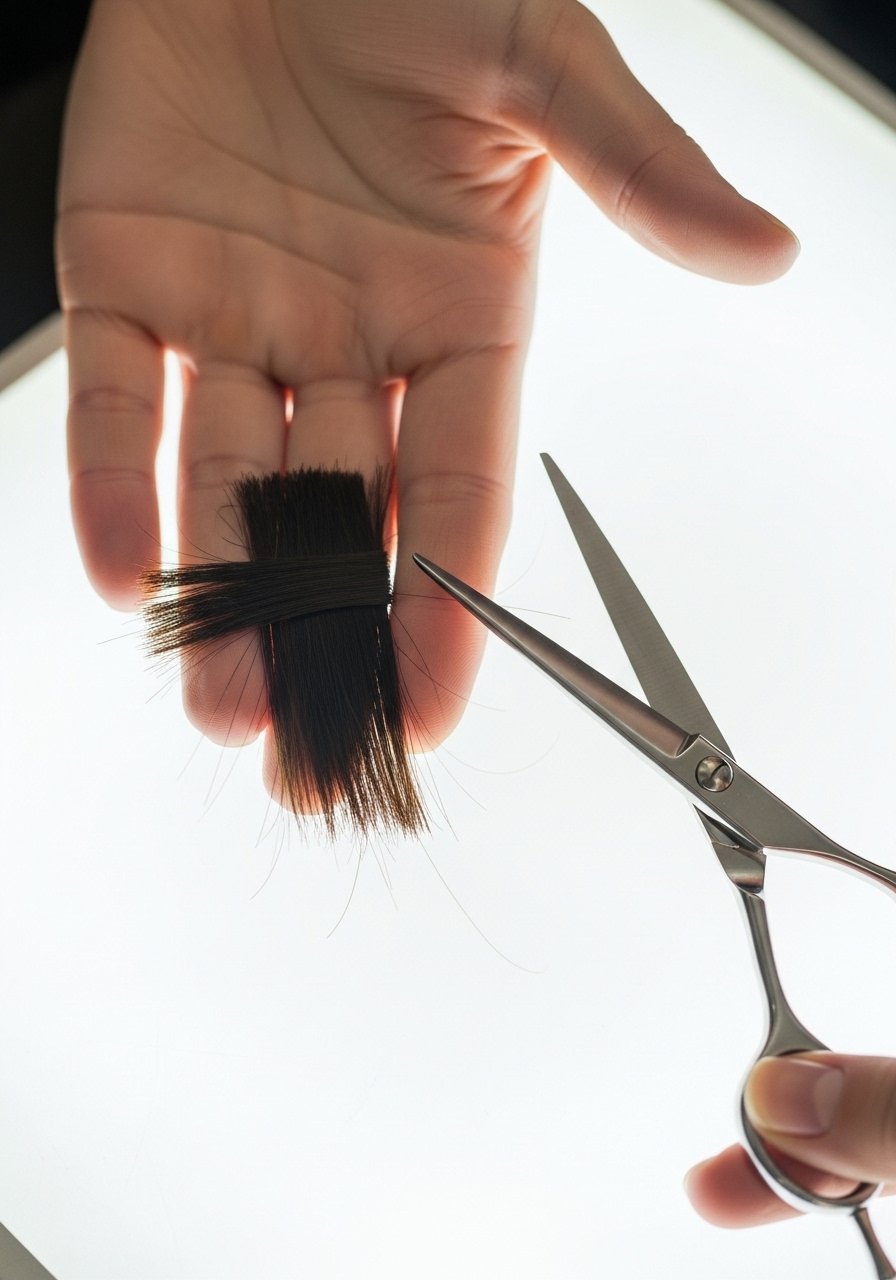
A small trim every 8 to 12 weeks keeps split ends from travelling up the shaft and creating frizz. You do not need a full chop, just a cleanup. For textured hair, stretch the schedule slightly if you are growing length. Clean ends make styles sit smoother and look more intentional.
Mistake to Avoid: Waiting until damage is obvious, which requires a bigger cut to correct.
23. Avoid Alcohol-Heavy Sprays Near the Hairline
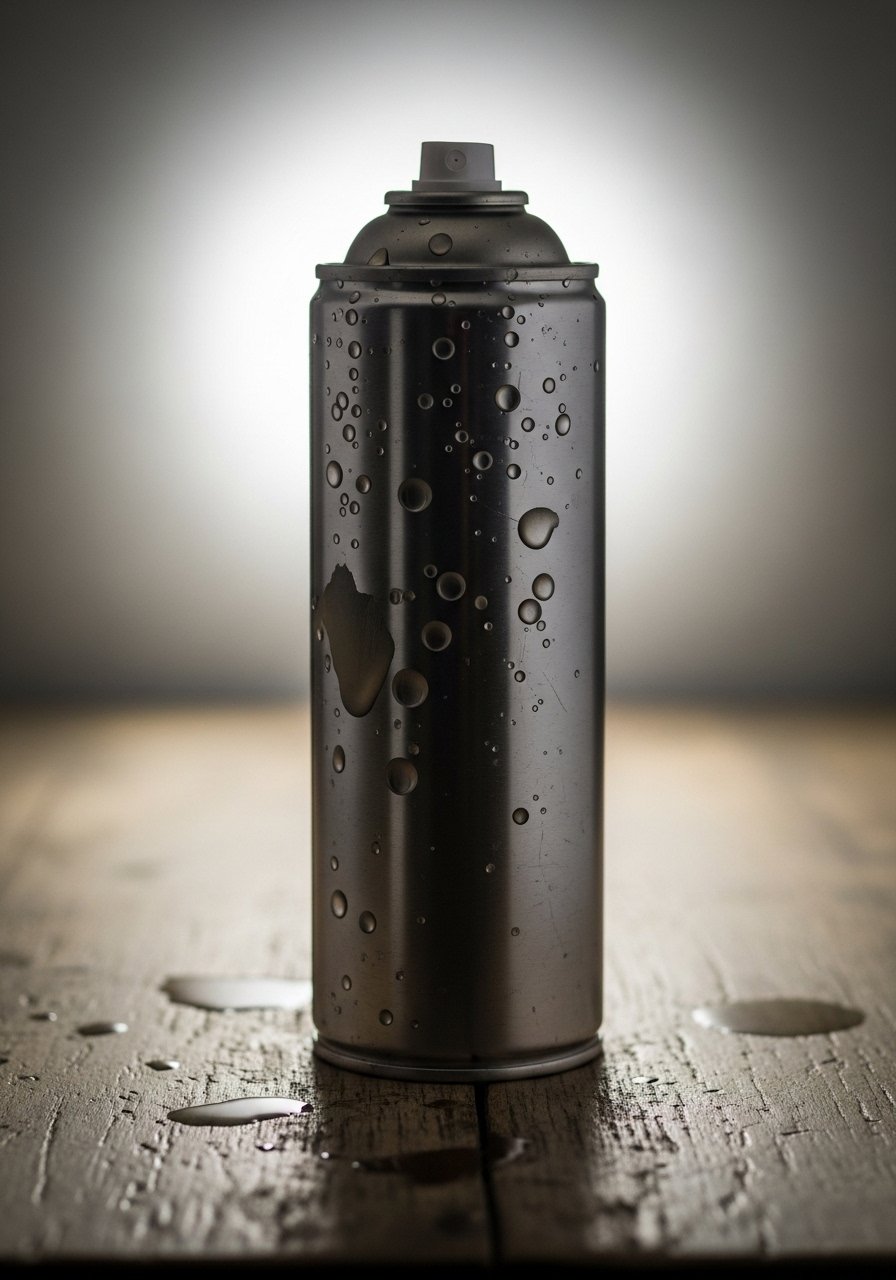
Alcohol dries the cuticle and exaggerates flyaways. Check ingredients and use alcohol-free finishing sprays near the hairline. For oily scalps that need control, apply sparingly at the crown not at the ends.
Mistake to Avoid: Spraying alcohol-laden products directly on the ends to control frizz, which dries and stiffens strands.
24. Try a Banana-Olive Oil Pre-Shampoo Once in a While
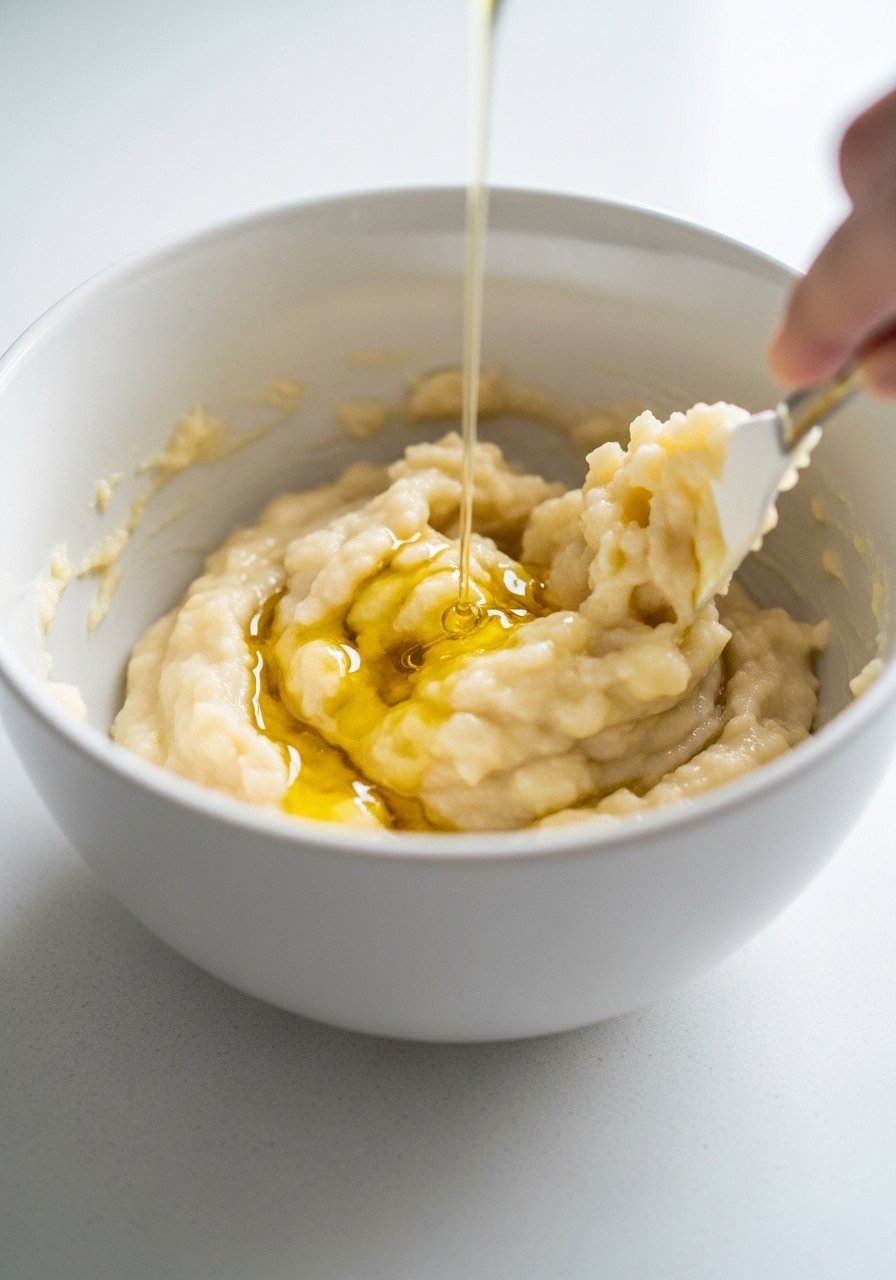
Mash half a banana with 1 teaspoon olive oil and apply to ends for 15 minutes before shampooing as a simple, inexpensive mask. It adds slip and temporary sealing for the cuticle, which reduces frizz for one to two washes. It is a weekend treatment that fills the gap when you want a natural option.
Mistake to Avoid: Leaving fruit-based masks on too long, which can become sticky and hard to rinse.
25. Learn Your Local Humidity Pattern and Plan Styles Around It
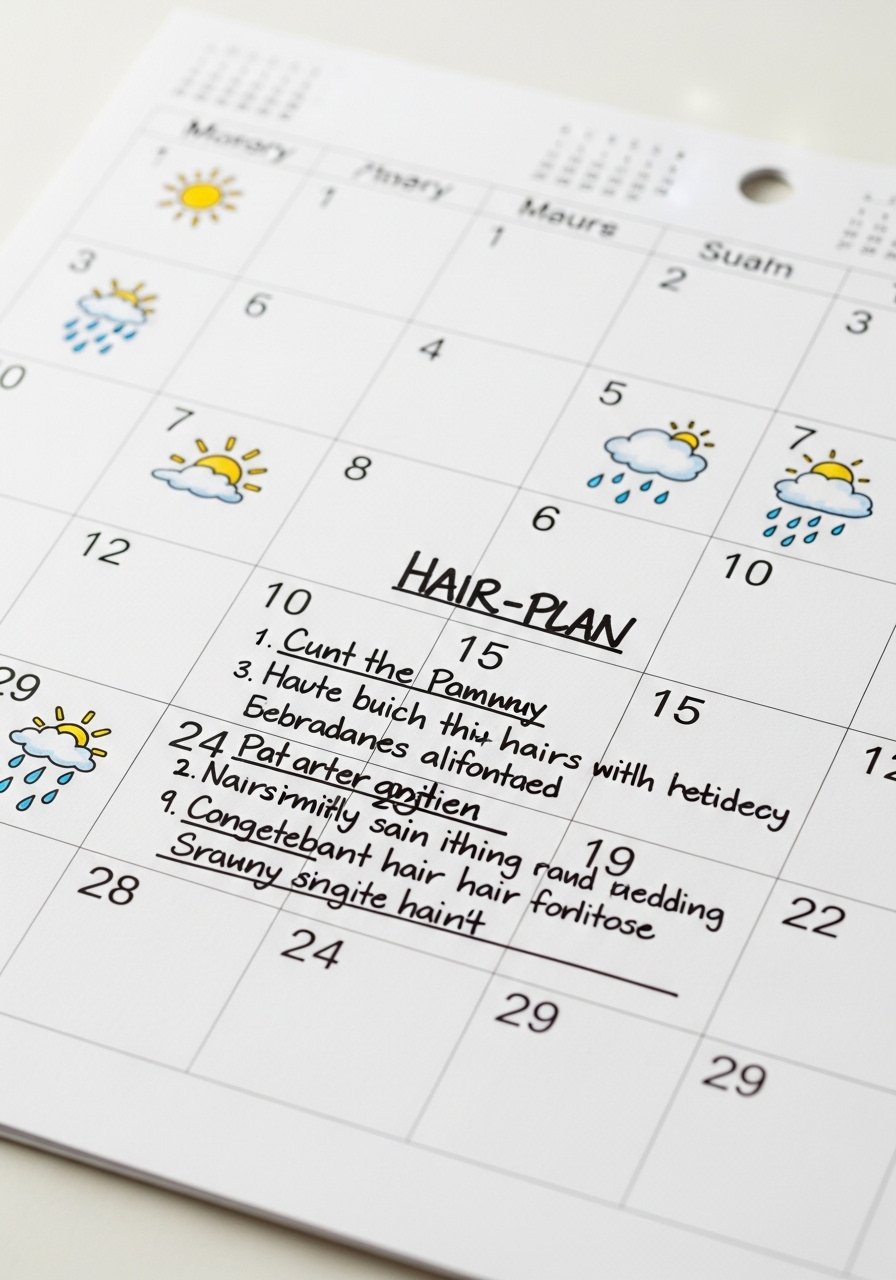
If you live in a humid climate style for it. High humidity mornings call for updos, braids, or heavy creams. Dry climates allow lighter products and more heat styling. Planning your week around weather reduces daily frustration and makes product choices more effective. This is one of the competitor gaps most articles miss.
Mistake to Avoid: Using the same style every day regardless of the weather, which leads to repeated disappointment.
Your Hair Styling Kit
- Honestly the best $18 I have spent. Microfiber hair towel wrap, pack of two (~$12-20). Cuts drying time and reduces surface frizz.
- Silk pillowcase, mulberry silk queen (~$30-70), good for second-day hair and sleeping smooth.
- Wide-tooth detangling comb (~$6-12), start at the ends and work up.
- Lightweight leave-in conditioning spray (~$10-25). Use on damp hair before styling.
- Silicone-free smoothing serum (~$12-28), apply a pea size to damp mid-lengths.
- Heat-protectant spray (~$8-20), nonnegotiable before tools.
- Diffuser attachment that fits most dryers (~$12-25), low heat, low speed is key.
- Small travel smoothing cream (~$6-12) for midday touch-ups.
- Deep moisturizing mask, 8 oz jar (~$20-40), rotate monthly.
- Protein treatment sachets, pack of five (~$12-25), use sparingly for repair.
- Silk hair scarves, set of two (~$15-30), for humid days and gentle styling.
- Paddle brush with flexible bristles ($$15-30), for smoothing during blow-dry.
- Clarifying shampoo travel size (~$8-15), use every 10 to 14 days to prevent buildup.
- Small spoolie or clean toothbrush (~$2-6) for taming baby hairs.
- Mini travel dry shampoo (~$6-12) for day-two quick fixes.
Most people spend somewhere between $500 and $800 when they finally commit to refreshing a room, and the same idea applies here. A few targeted buys will change your daily routine more than a huge product haul.
Hair Styling Tips Worth Knowing
Thin coats beat one thick coat every time. Apply products in small amounts and build as needed. Try a light styling cream so you do not overdo it.
Grab a microfiber towel wrap for about $12. Stop using bath towels for hair and you will see less surface frizz when you style.
Curly and wavy hair air-dries best when plopped in a soft T-shirt. This pack of two microfiber wraps saves drying time and protects curl pattern.
Check porosity by dropping a strand in water, then tailor products. A gentle clarifying shampoo helps if your products are not absorbing.
Skip the extra passes with a flat iron. One steady glide over a small section with a proper heat-protectant spray keeps heat exposure lower and cuticles smoother.
If humidity ruins the plan, pin hair up into a loose bun with a silk scrunchie and touch the edges with a tiny dab of light finishing balm. It is fast and holds better than heavy hairsprays.