
I had $40 and a free Saturday. The Pinterest version wanted a built-in bench and bespoke cushions. I could not afford that, so I learned what actually matters: light, a comfy seat, and a place to set your book. Most people end up spending between $500 and $800 when they finally commit to refreshing a room. I did it in stages, and the cheap fixes often taught me more than the expensive ones.
This guide shows how to pick the corner, choose scale, and layer textiles so the nook feels intentional not cluttered. Budget options work as well as pricier ones if you follow a few simple ratios and placement rules. Expect to spend between a single afternoon and a handful of weekends depending on how much you change. After trying this in three rentals, I have restyled this room four times and the same approach keeps winning.
What You'll Need
Textiles & Soft Goods
- Throw blanket (~$20-$60)
- Lumbar cushion (~$15-$40)
- Sheepskin rug (~$25-$80)
Seating & Surfaces
- Comfy armchair (~$120-$400)
- Small side table (~$30-$120)
Lighting & Storage
- Floor lamp (~$35-$150)
- Narrow bookshelf or wall shelf (~$25-$150)
Step 1: Pick the right corner and measure it
Pull everything away from the wall and look at the corner. You want at least 30 inches of floor depth to fit an average armchair and a side table without feeling squeezed. I measured and cursed once, then moved the chair 6 inches and the whole thing clicked. If your space is tiny, a chair that is 24 to 26 inches wide and a 12-inch round table will do the trick. The principle I use is the rule of three when arranging objects: group three elements of varying height to make it read as intentional. That little rule fixes 90 percent of my awkward layouts.

Mistake to Avoid: Placing an oversized chair that leaves no breathing room.
Step 2: Choose lighting that reads like late-afternoon sun
Lighting decides the mood. I aim for a lamp that puts the bulb about 20 to 24 inches above the seat so the light hits your book without blinding you. Use a warm bulb around 2700K for a cozy glow. A floor lamp with a directional shade keeps the light focused. I once used an overhead fixture and it flattened everything. Swap a cool LED for a warm filament bulb and the corner becomes softer instantly. Listen for the lamp switch click, and if it hums replace it. That little buzz kills the peace.
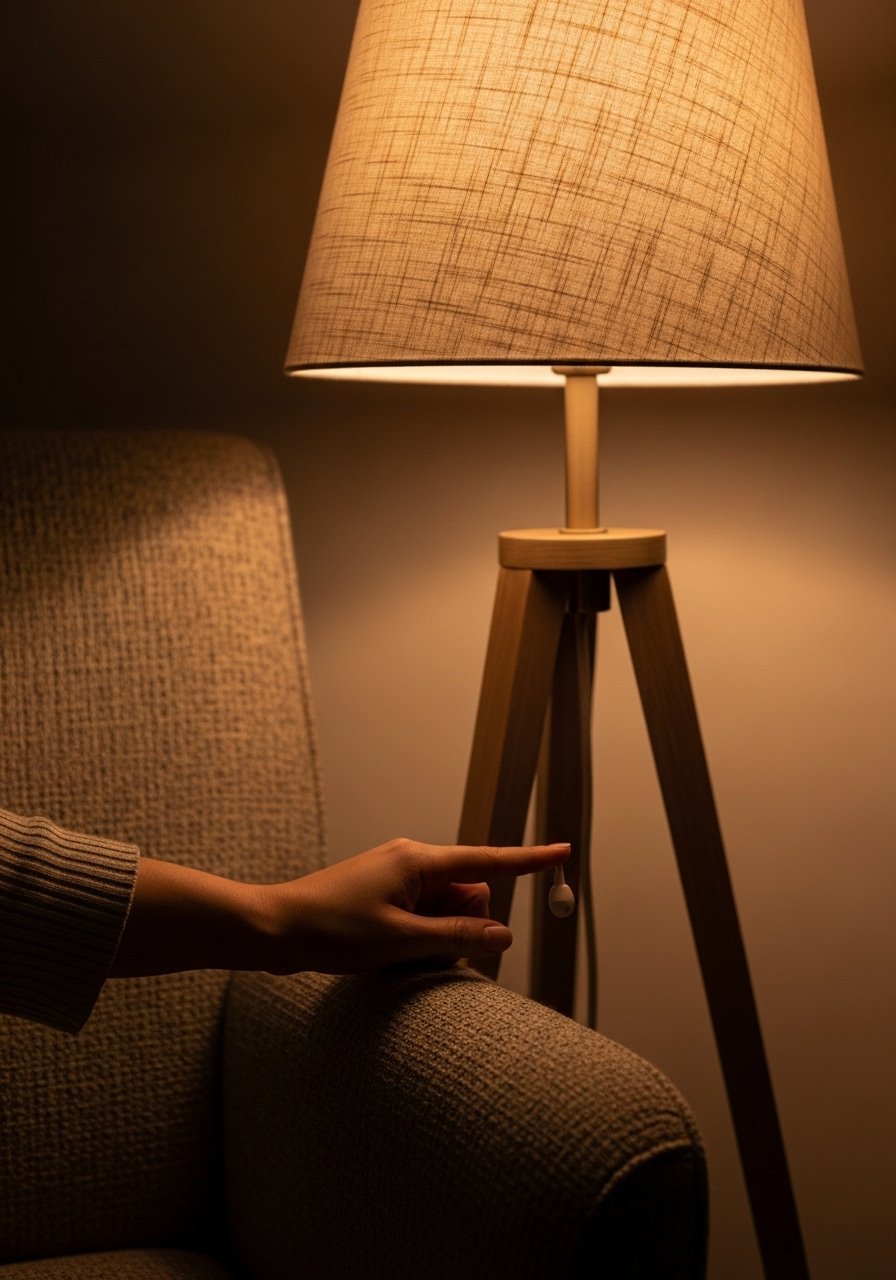
Mistake to Avoid: Choosing a lamp that glares into your eyes while you read.
Step 3: Anchor the space with a rug and surface at proper scale
A rug should extend at least 8 to 12 inches beyond the chair footprint to feel anchored. I tried a tiny mat once and it made the chair float oddly. The rug texture matters, a nubby wool or soft sheepskin feels grounded and cool to the touch, not plasticky. Place the side table on the rug or just off it so the pieces read as one group. The sound is different too, footsteps soften and pages turn without echo. If you rent, use a low-profile rug pad that won’t mark floors.

Mistake to Avoid: Using a rug that is too small so the chair appears disconnected.
Step 4: Layer cushions with a simple ratio and texture play
I do two seat cushions for comfort and one lumbar for support, a 2:1 seat-to-lumbar ratio that seems to work in almost every chair. Use one firmer cushion at the back and a softer one in front to lean into. Linen feels a little crisp, velvet gives a plush weight, and a knit throw adds tactile contrast. I am still not sure this is the best way, but it has worked every time for me. Tuck the throw over the arm, not under it. It looks deliberate and invites you to pull it over your knees.
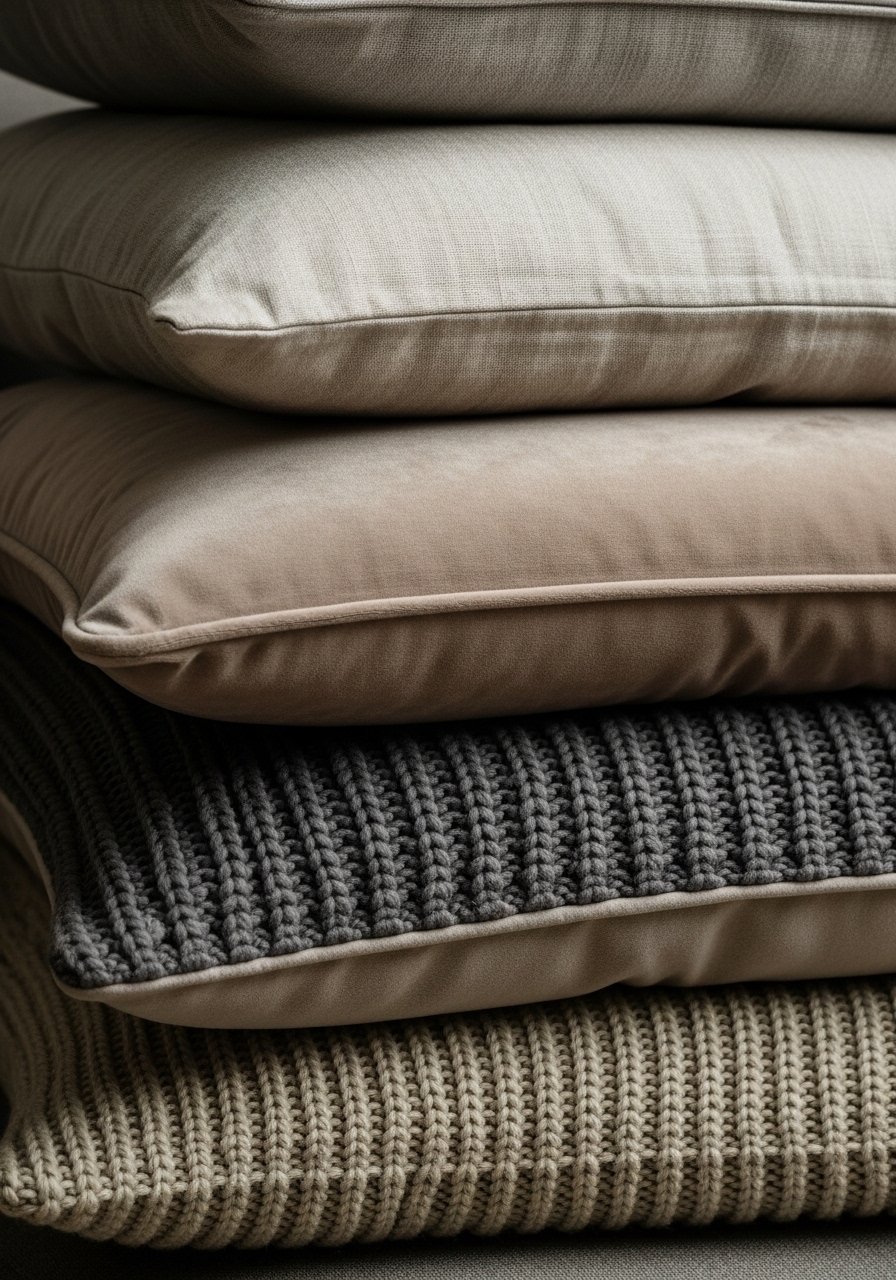
Mistake to Avoid: Adding too many cushions so you lose usable seat space.
Step 5: Add a small bookshelf and stash for clutter control
Open shelving looks nice until it becomes a catch-all. I use one narrow shelf for current reads and a closed basket underneath for chargers and glasses. A vertical shelf that is 12 to 14 inches deep fits in most nooks without dominating the space. One trick competitors miss is using the vertical edge for small baskets or slotted magazine holders to hide receipts. My first attempt had everything visible and it read messy. The closed storage keeps the corner calm and invites you to sit.
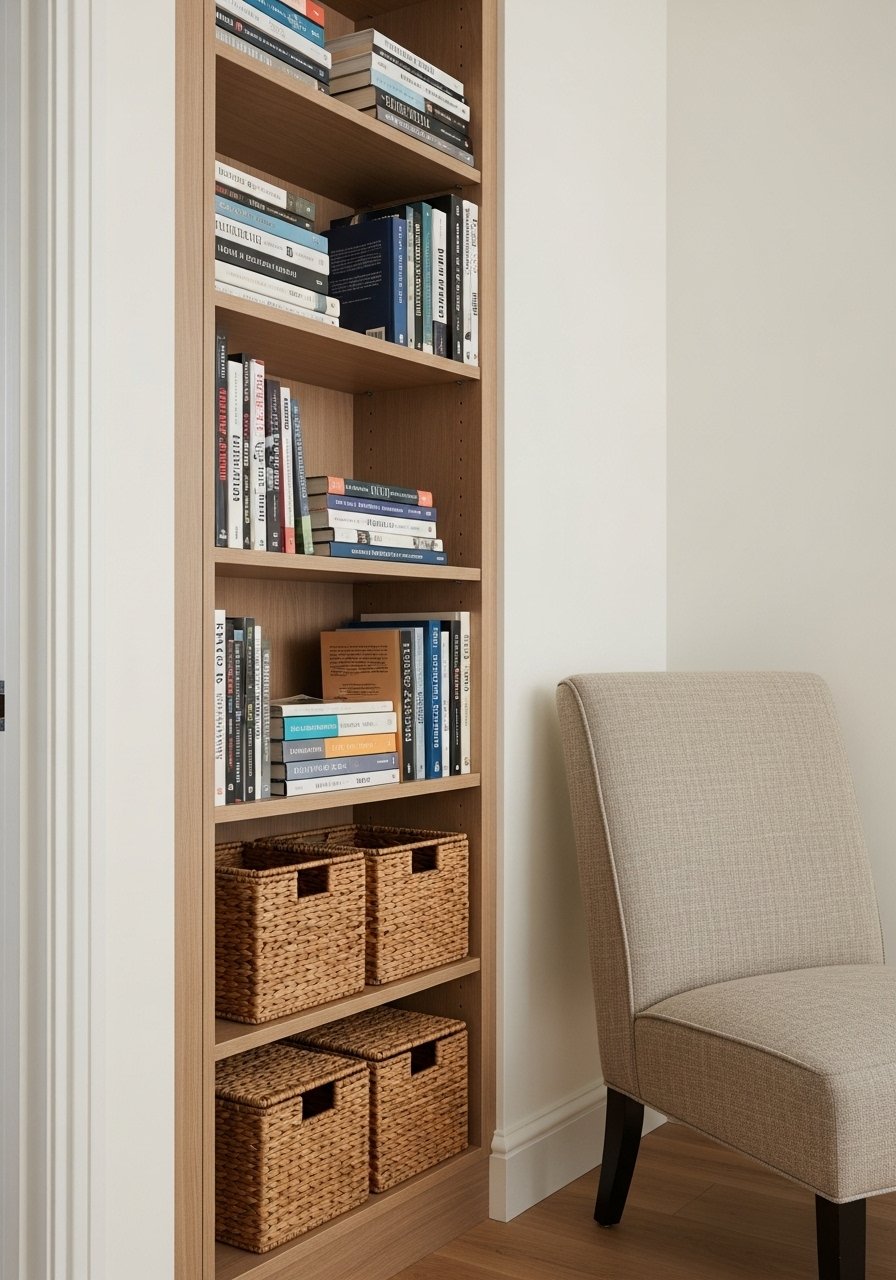
Mistake to Avoid: Filling every shelf with decor instead of leaving negative space.
Step 6: Finish with personal details that appeal to the senses
Scent is subtle. I keep a small ceramic diffuser or a candle on the side table for an evening ritual. Choose a subtle scent so it does not compete with the pages. Swap a busy photo for a single small print that reads from a distance. I almost skipped this step, glad I did not. The weight of a wool throw surprised me on a rainy Tuesday night, it settled differently than the thin cotton throws I started with. The goal is a corner that whispers invitation, not shouts for attention.
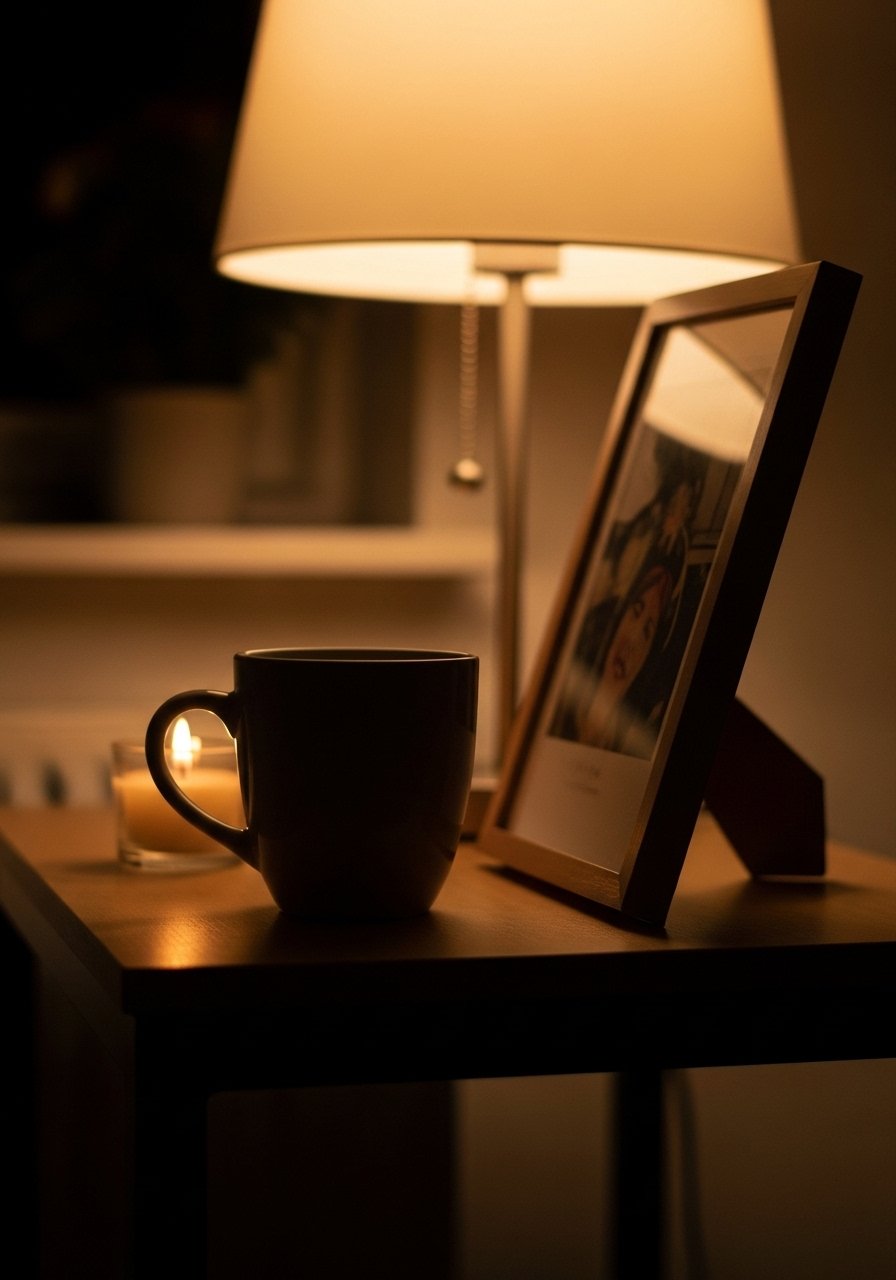
Mistake to Avoid: Overloading the space with scent or visual clutter.
Decorating Tips
Use a clip-on lamp when outlets are scarce: A clamp light can attach to a shelf and direct light where you need it, like this clip lamp.
Make a window seat with a narrow bench: If you lack floor space, a 12-inch deep bench with a cushion reads like a built-in and works as extra seating or storage, see narrow-bench.
Opt for washable covers: For households with pets, removable cushion covers save hours and keep the nook feeling fresh, try zipper-covers.
Create a bedtime lighting scene: Use a lamp on a smart plug so the light dims at the same time each night, simple automation makes the nook predictable and calming, example smart-plug.
Swap heavy art for a mirror to add depth: A small mirror reflects light and makes the corner feel less boxed in, especially in narrow rooms, see wall-mirror.
Rotate books seasonally: Keep 6 to 10 current books in easy reach and store the rest. Fewer choices make reading decisions faster and the space tidier.
Add a small basket for throws: A low basket keeps the floor tidy and the throws accessible, try storage-basket.
Claim Your Corner
After a few small tries you will know what works for your space. Start with light, seat, and scale, then layer texture and storage. One last tip, live with the setup for a week before buying more things. That pause stops impulse buys and reveals what actually improves the nook. You will end up with a cozy corner you use, not just another styled photo.