
I used to think small outdoor spaces meant surrendering to a single pot of sad basil. Turns out you can pack a ton of personality and yield into a balcony, narrow side yard, or little patch of soil. I learned the hard way that scale, vertical thinking, and the right containers make more of a difference than budget. After a few seasons of trial and plenty of messy re-pots, I now plan every inch with purpose.
I kept this list focused on practical setups that actually worked for me, from $25 projects to $400 mini-makeovers. Use whatever fits your scale and budget, I often mix thrifted finds with targeted buys. These ideas cover balconies, patios, stoops, and tiny yards, and include low-cost and higher-investment options so you can pick what fits. Tip, I sometimes spend more on soil than pots, and it pays off.
What You'll Need
Containers & Planters:
- self-watering-planter (~$20-$60)
Soil & Amendments:
- potting-mix (~$8-$25)
Trellis & Support:
- bamboo-trellis (~$10-$40)
Irrigation & Tools:
- soaker-hose (~$15-$50)
- hand-trowel (~$8-$20)
Lighting & Accessories:
- solar-grow-light (~$15-$60)
Seeds & Starter Kits:
- herb-seed-kit (~$10-$25)
1. Vertical Pallet Herb Rack
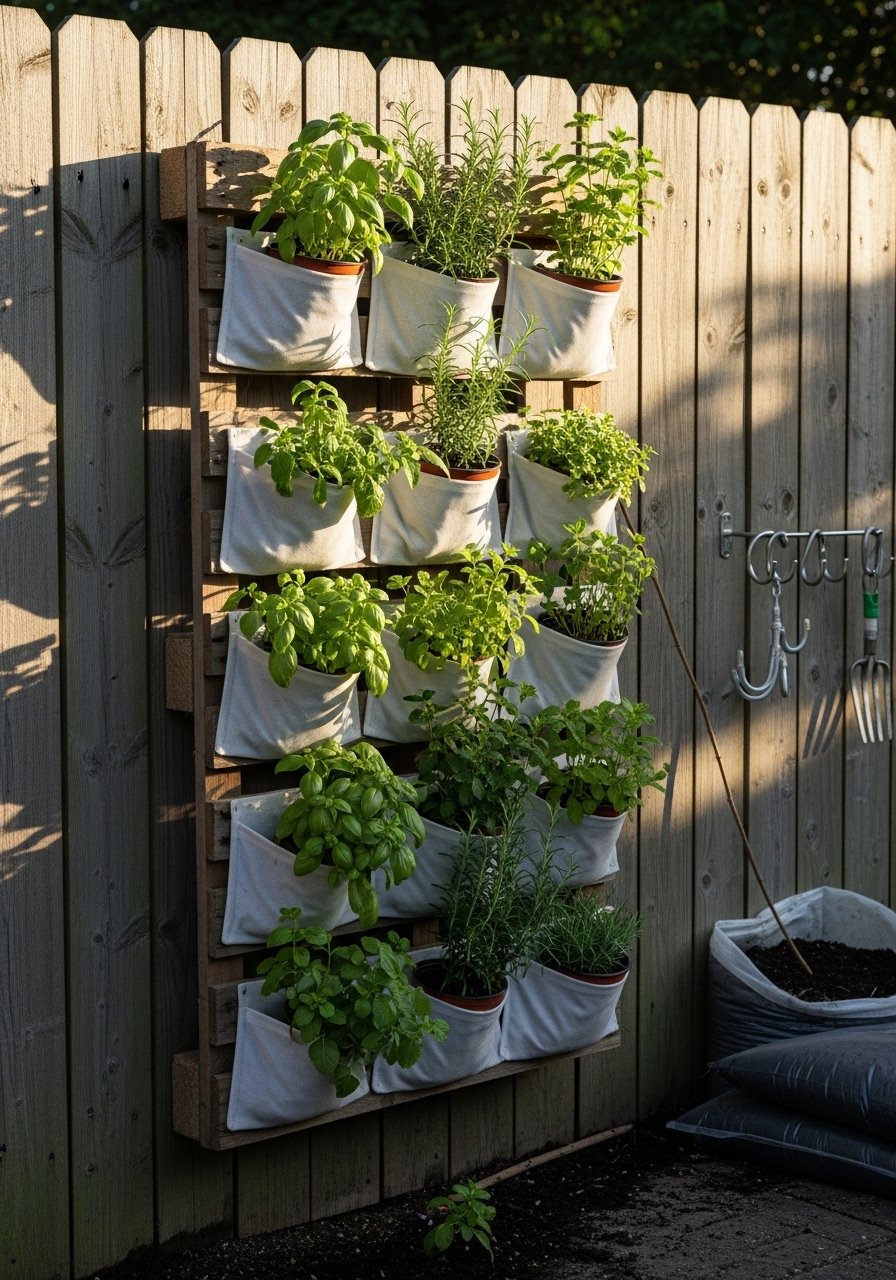
I screwed a pallet to my fence and added coco coir liners to create pockets for herbs. Basil, parsley, and chives fit perfectly and I was shocked how much I harvested: I noticed about 60% more usable herbs than my old countertop jars. Use self-watering-planter inserts for less fuss. It saved floor space and gave me a living spice wall that I actually use when I cook.
Mistake to Avoid: Ignoring drainage and overstuffing pockets, which leads to root rot and dead herbs.
2. Tiered Plant Stand for Shade Corners
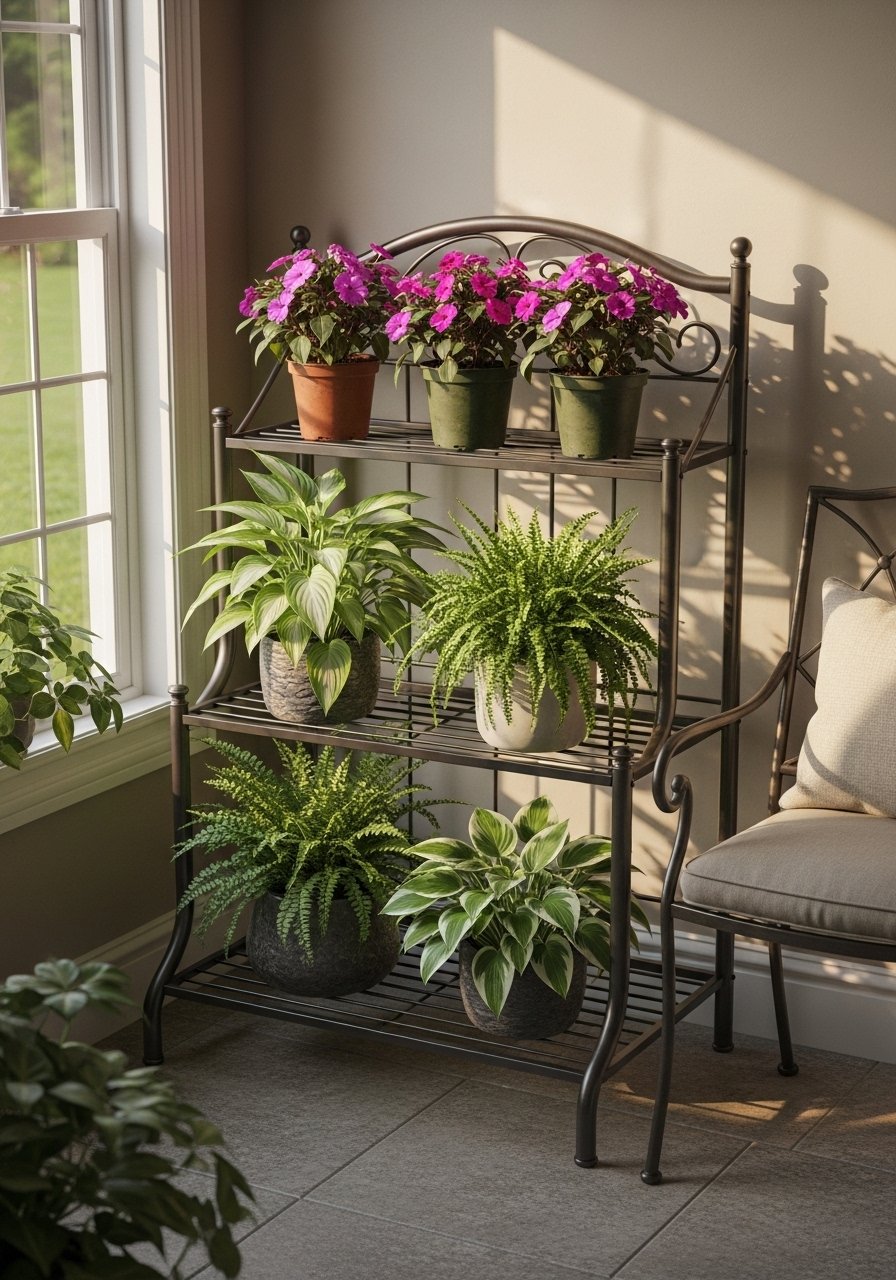
I bought a compact tiered stand and moved my shade-loving plants into it; suddenly that neglected corner looked intentional. It lets me group moisture-loving plants together, which cuts watering time. I link a sturdy bamboo-trellis when vines need support. In small spaces, height wins: I fit three pots where one used to sit.
Mistake to Avoid: Putting sun plants on the bottom shelf where they get no light.
3. Rail-Mounted Strawberry Planters
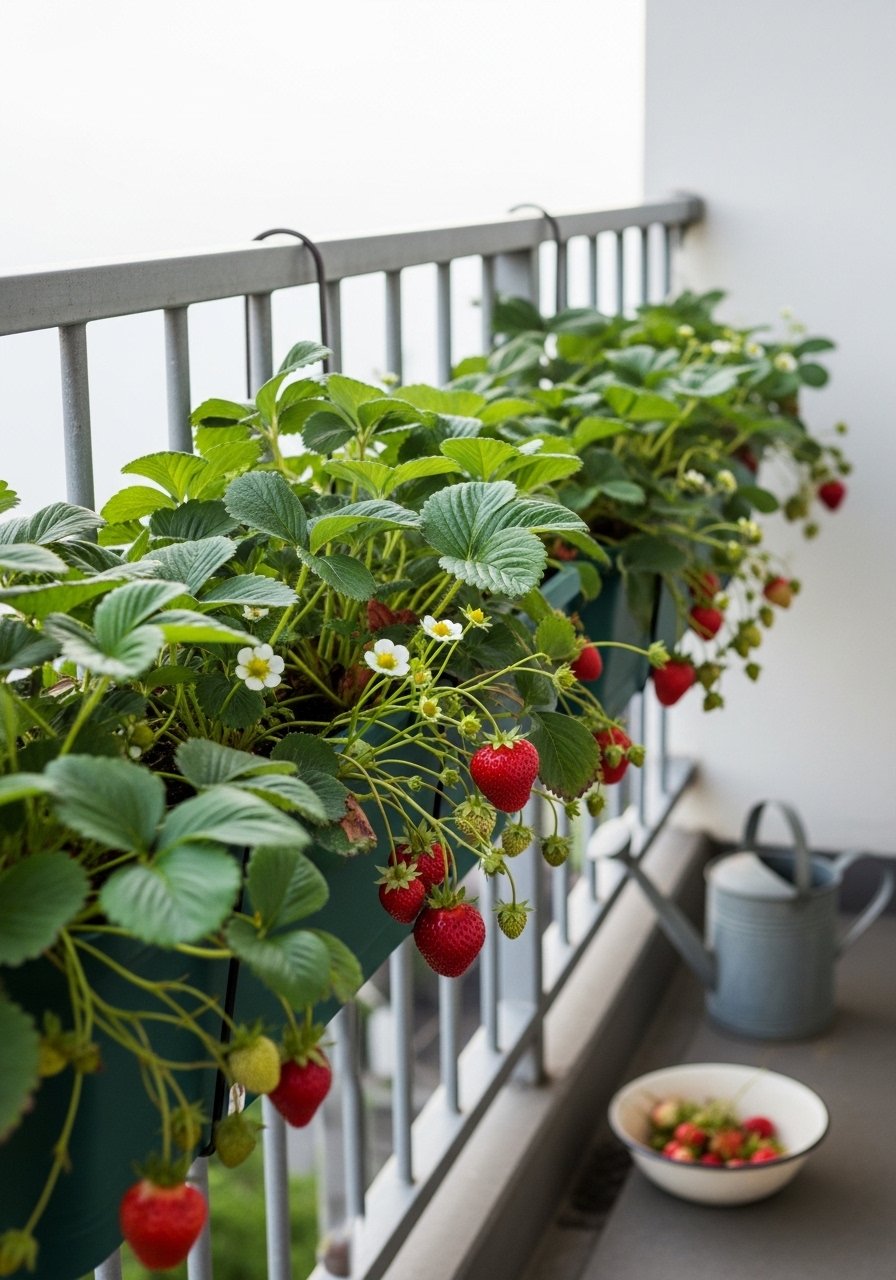
I installed slim rail planters and planted everbearing strawberries. They give more fruit than expected; I once picked enough for dessert twice a week. Pick varieties labeled for containers, and line the planter with breathable fabric. A soaker-hose thread makes regular watering painless.
Mistake to Avoid: Choosing deep, heavy planters that stress the railing weight limit.
4. Mini Raised Bed With Succession Planting
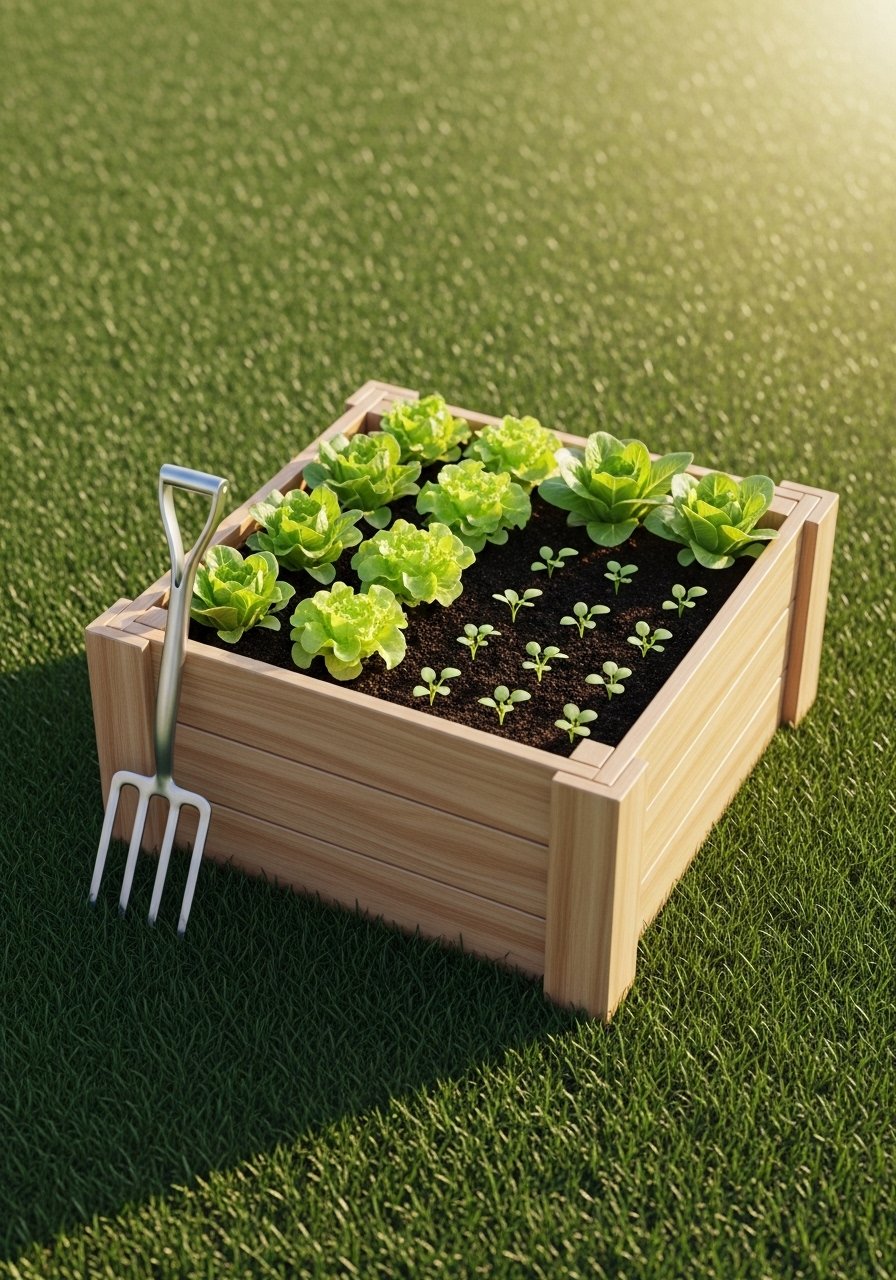
I built a 3×2 foot raised bed and staggered plantings of lettuce and radish. I usually get a harvest every two weeks. Succession planting was a game-changer: a steady supply instead of a glut. Use rich potting-mix and top with compost. It felt like cheating, honestly, how much more you can get from a few square feet.
Mistake to Avoid: Planting everything at once, which leads to a few heavy weeks then nothing.
5. Window Box Pollinator Mix
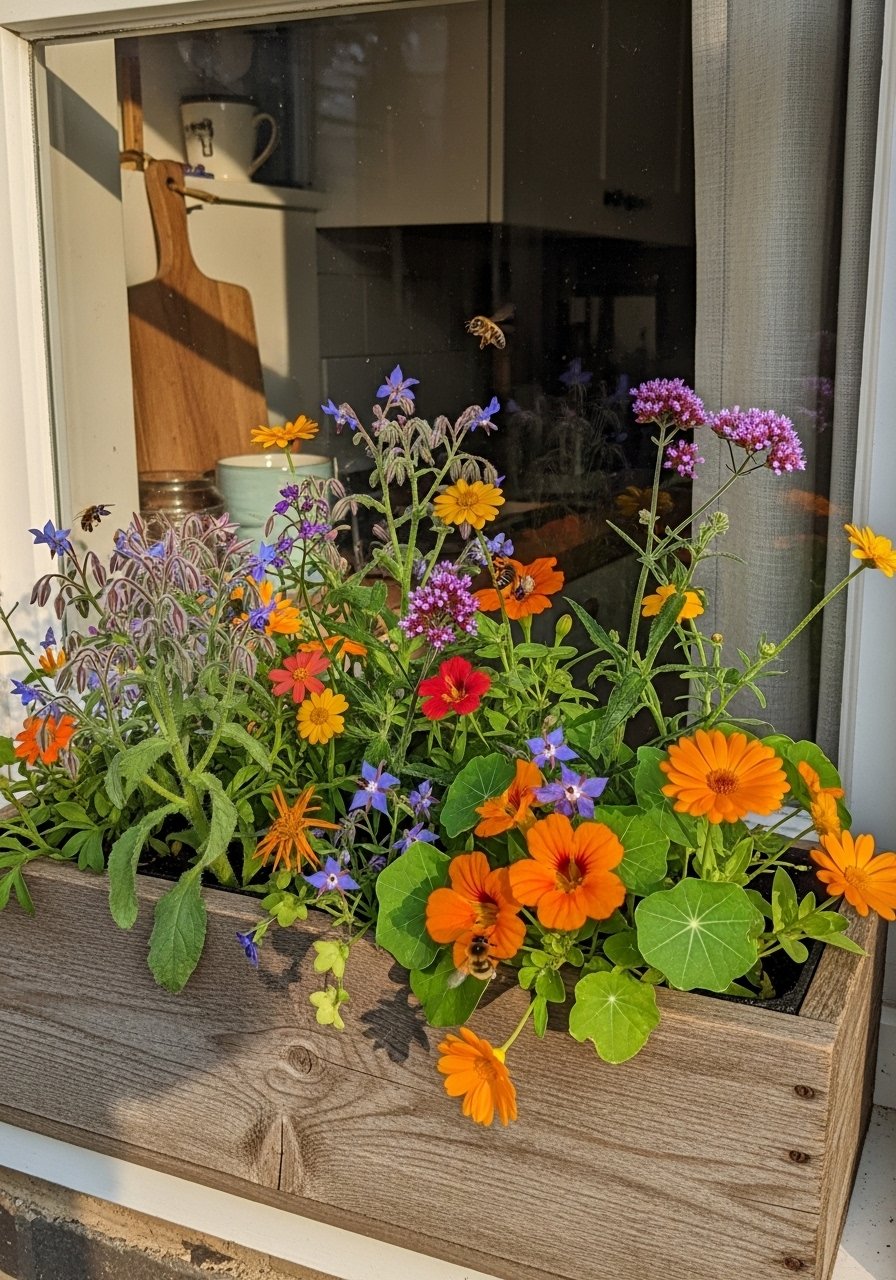
I swapped out decorative-only plants for a pollinator mix and noticed my tiny balcony became busier with bees and more productive for nearby veggies. I used compact varieties so blooms were dense without taking over. A solar-grow-light helped seedlings get established in low light.
Mistake to Avoid: Planting only one species, which invites pests and reduces continuous bloom.
6. Gutter Herb Wall
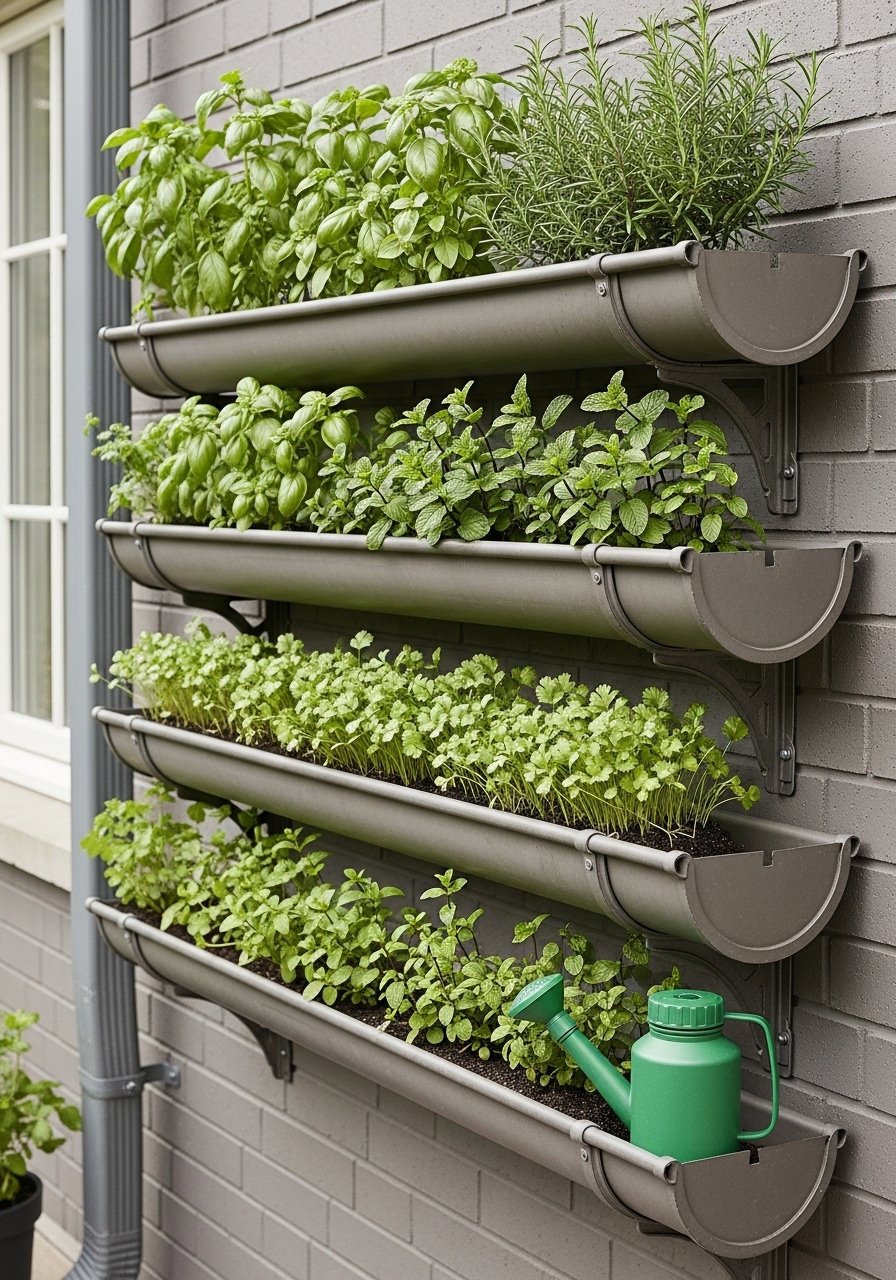
I hung sections of cleaned gutters and filled them with herbs; it looks neat and saves soil. I can line up mint, oregano, and thyme without losing ground space. The trick was adding drainage holes and a layer of gravel. Use a long, narrow trough style like self-watering-planter for less daily watering.
Mistake to Avoid: Skipping drainage, which drowns roots in shallow trays.
7. Window-Ledger Micro-Green Station
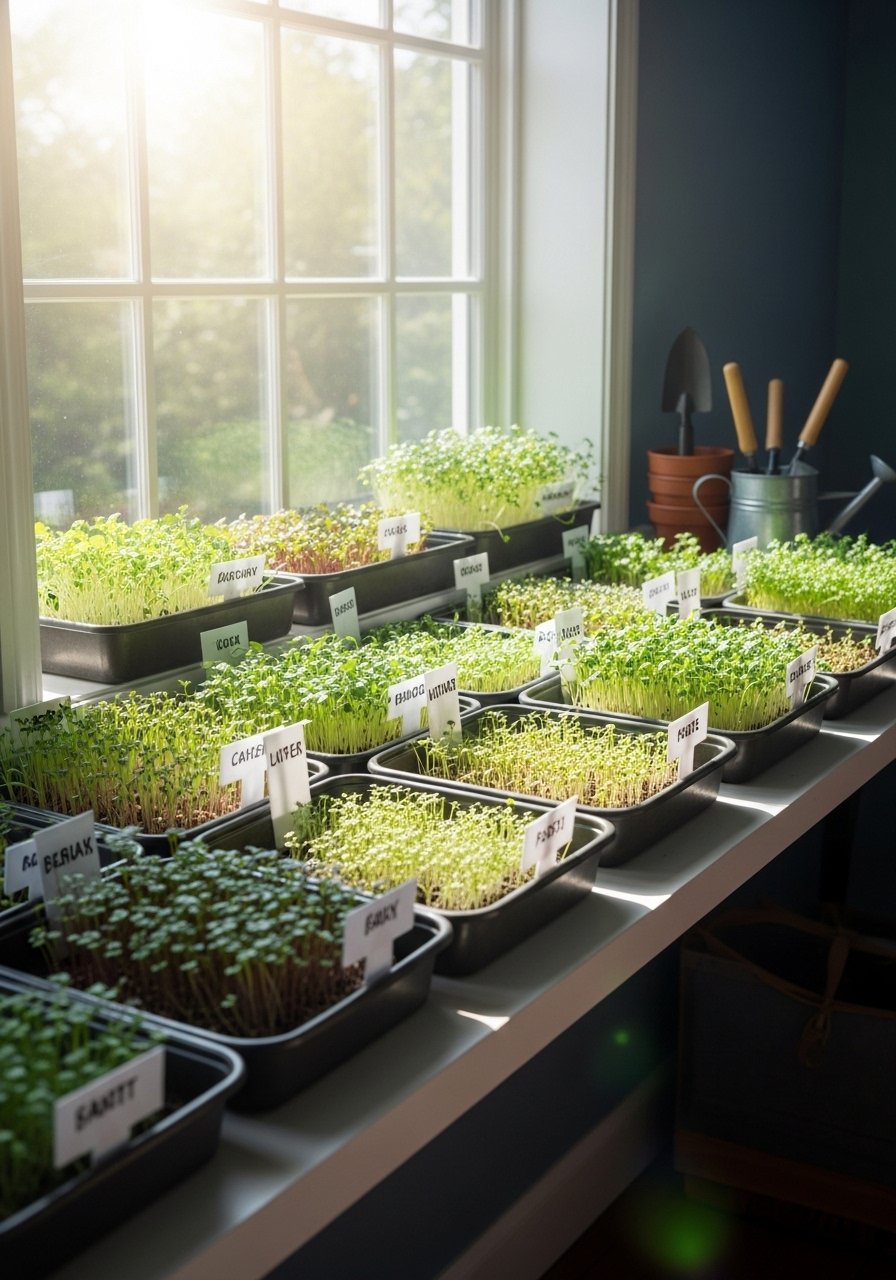
I turned my kitchen window into a micro-greens station using shallow trays. Two trays fit side by side and I harvested salad greens weekly. I noticed about four harvests per tray over a month, so it pays off quick. Use a herb-seed-kit for easy seeds.
Mistake to Avoid: Letting trays sit soggy, which causes mold and lost crops.
8. Hanging Tomato Baskets
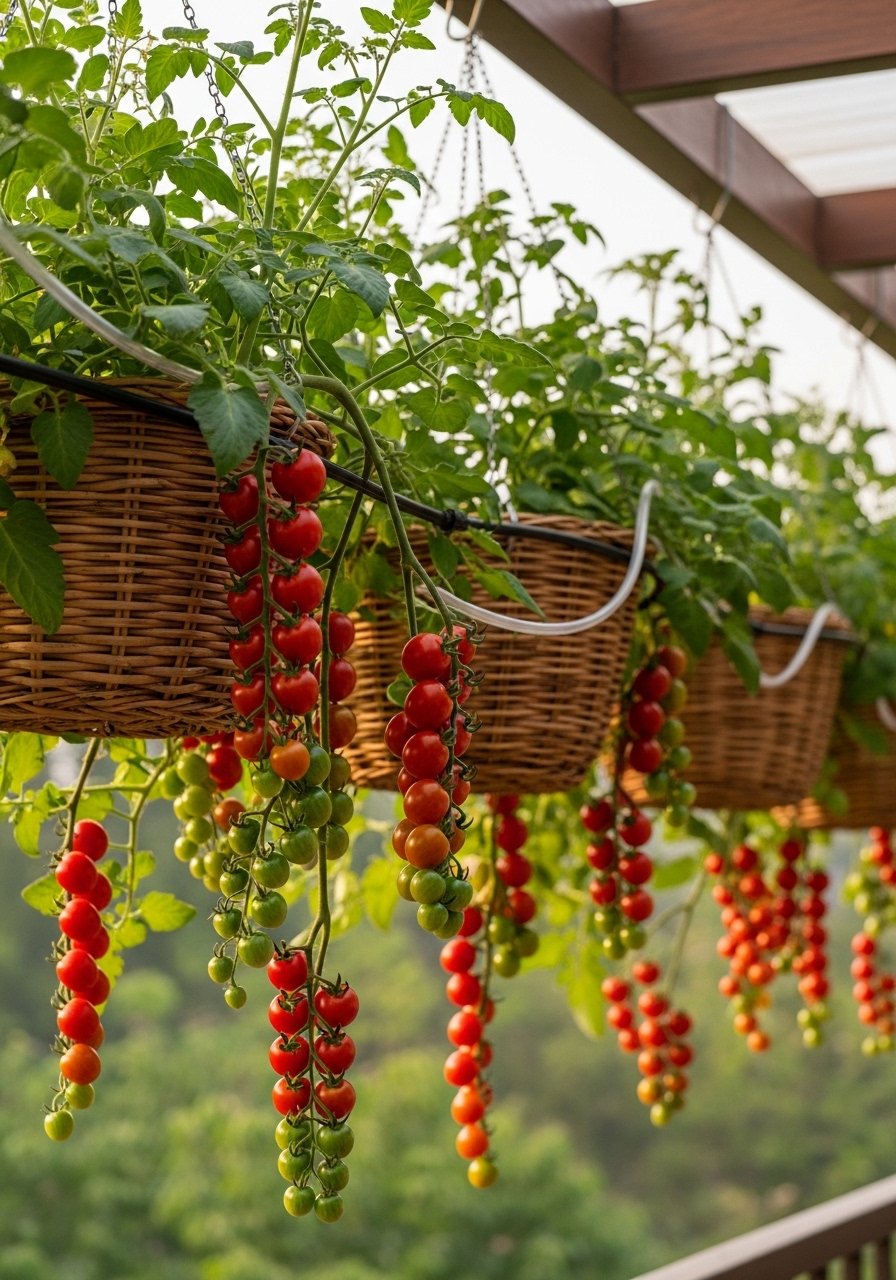
I switched to indeterminate cherry tomatoes in hanging baskets to avoid floor space hogs. They produced a surprising amount of fruit, and I like grabbing handfuls without bending. Feed with soluble fertilizer every couple weeks and choose compact varieties. A lightweight self-watering-planter version keeps them easier to manage.
Mistake to Avoid: Using heavy soil mixes that pull hooks out and strain supports.
9. Stackable Potato Tower
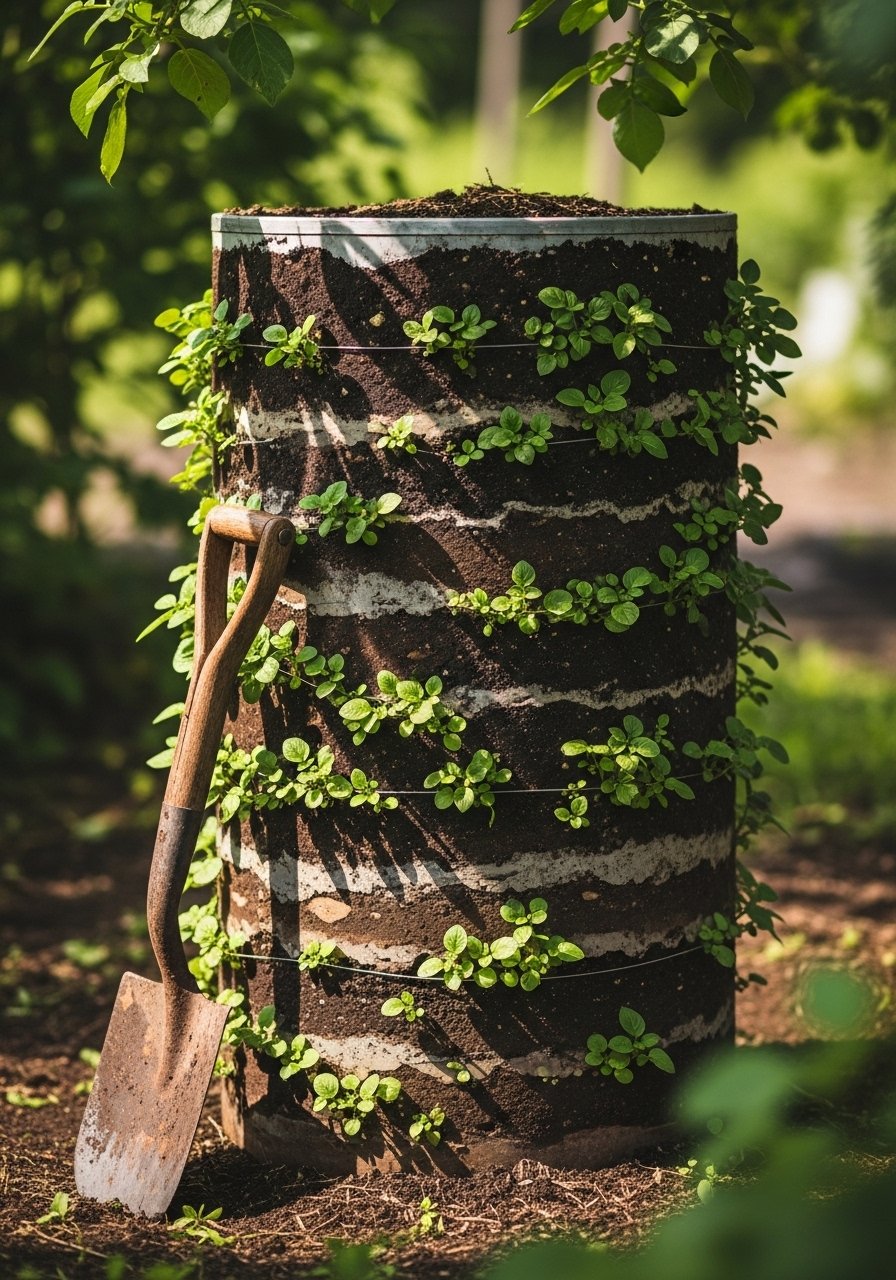
I built a stackable potato tower from a barrel and added soil as shoots grew. One tower delivered enough potatoes for two meals. It felt almost magical seeing tubers form with little ground space needed. Buy a sturdy kit or improvise with wire and landscape fabric. Use high-quality potting-mix for lighter results.
Mistake to Avoid: Overcompacting soil, which prevents tuber expansion and reduces yield.
10. Trellis Pocket for Vining Beans
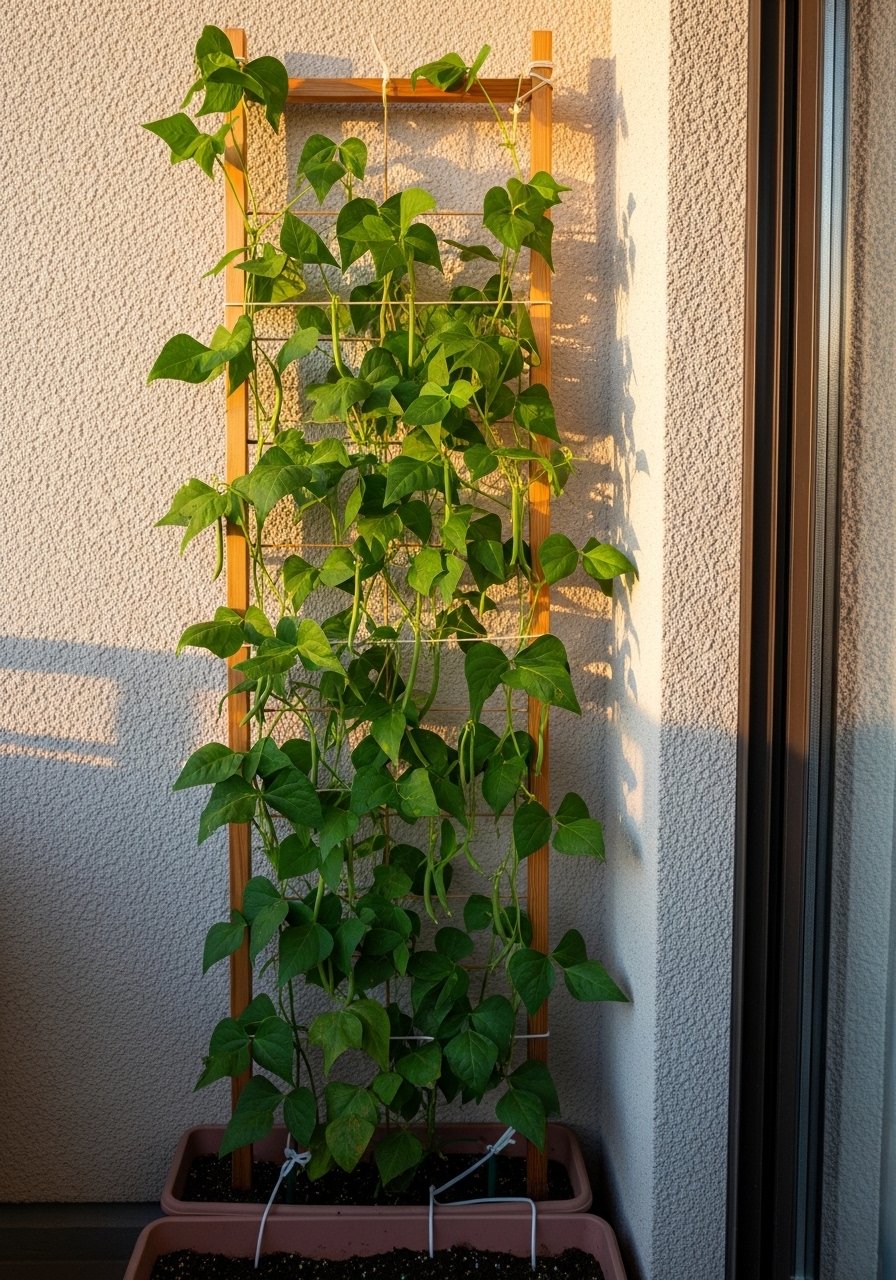
I installed a skinny trellis and planted pole beans at the base; they climbed and provided a privacy screen. I like that it gives vertical shade and edible payoff. Plant two beans per pocket and pinch early tips to encourage branching. A simple bamboo-trellis works great.
Mistake to Avoid: Planting too many seeds per hole, leading to tangled weak vines.
11. Mixed Succulent Rail Garden
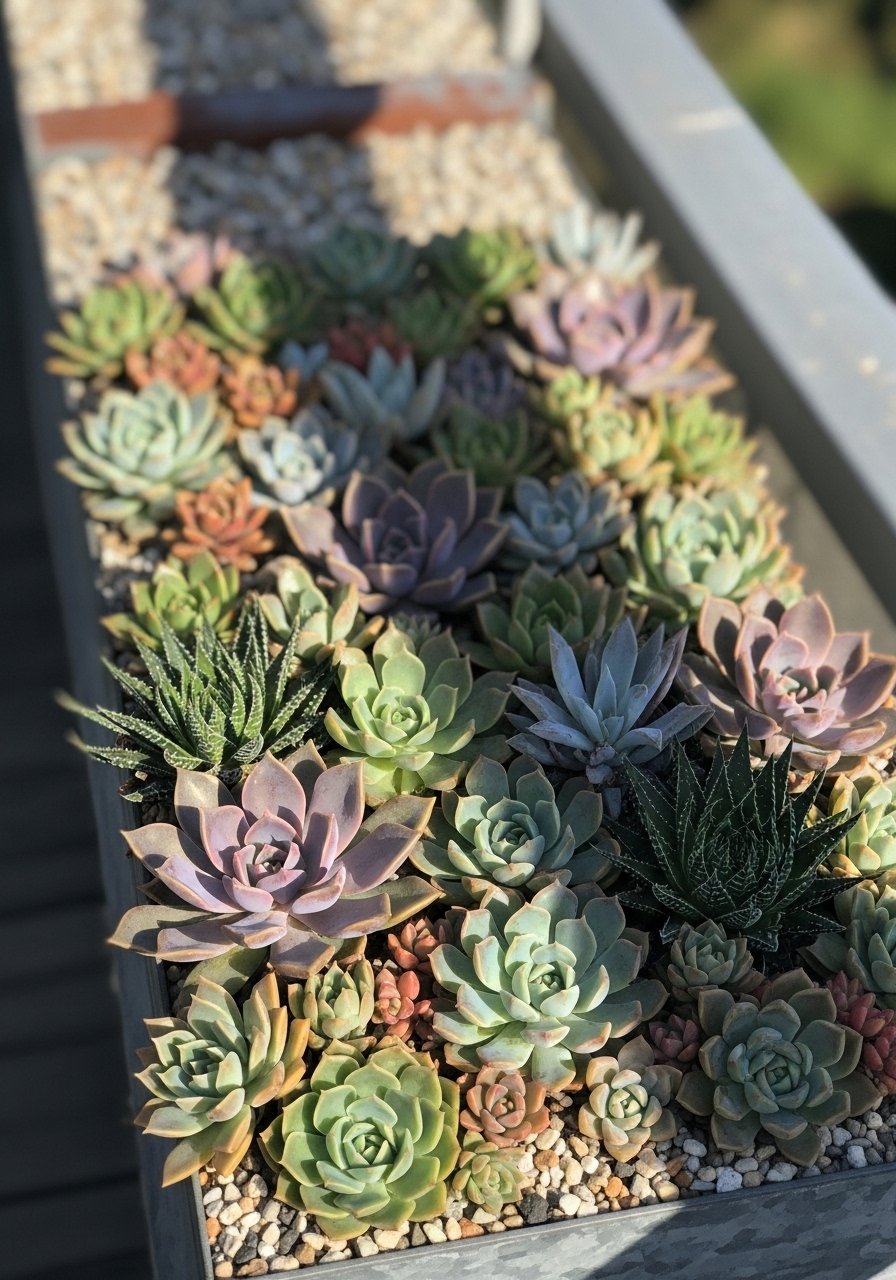
I made a shallow succulent rail garden for hot, sunny areas. Once established, watering is rare and it looks tidy. Succulents save time and they are surprisingly long-lived in small planters; I have pots that are three years old and still thriving. Use a gritty potting-mix and a low-watt solar accent light.
Mistake to Avoid: Using moisture-retentive soil that causes rot after heat spells.
12. Companion Planting Companion Tray
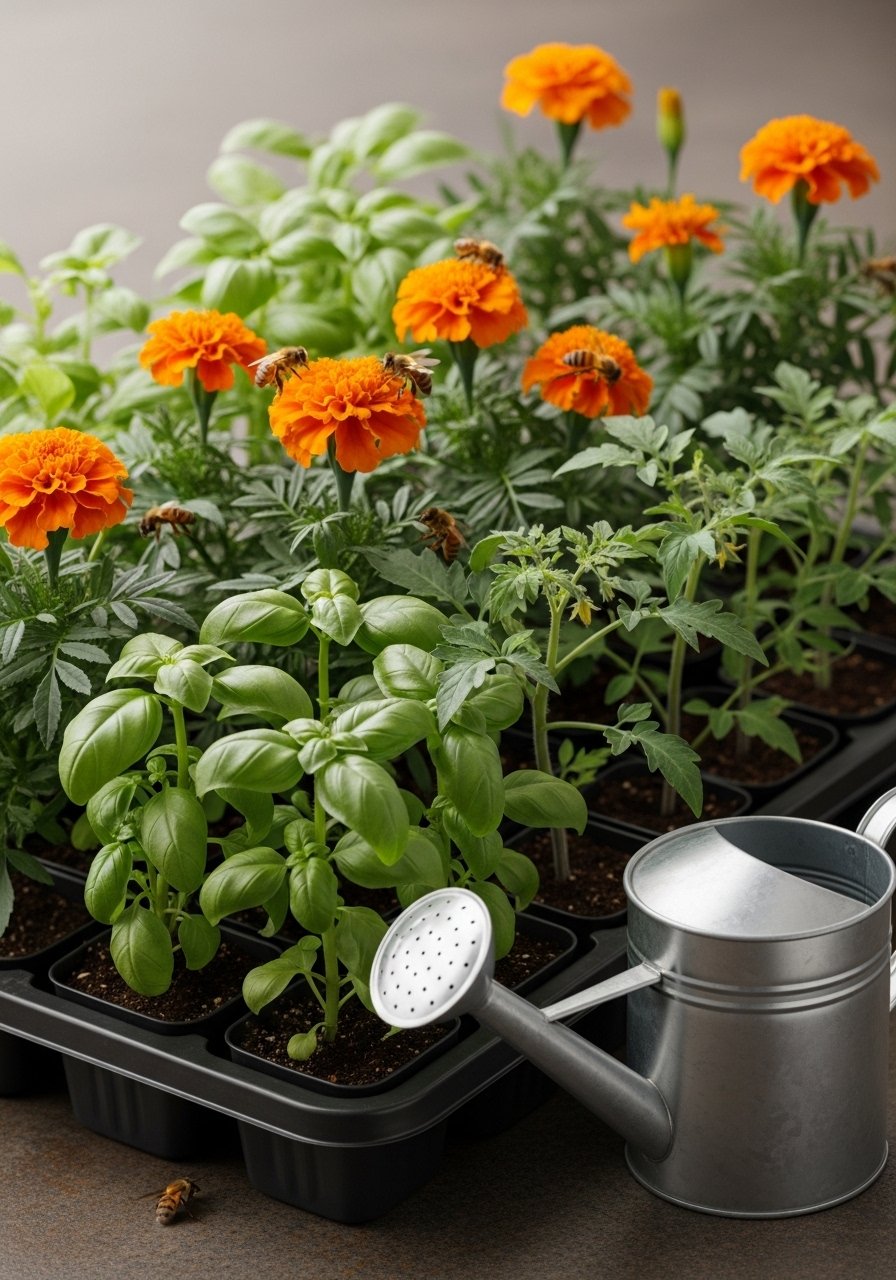
For a tiny terrace I grouped tomato, basil, and marigolds in one big tray. Pests were lower and flowers drew pollinators. I noticed about 20% better fruit set compared to tomatoes alone. This is great when you want color and yield from a single footprint. Try companion combinations from a herb-seed-kit.
Mistake to Avoid: Crowding without airflow, which invites fungal disease.
13. Pallet Potting Bench With Compost Bin
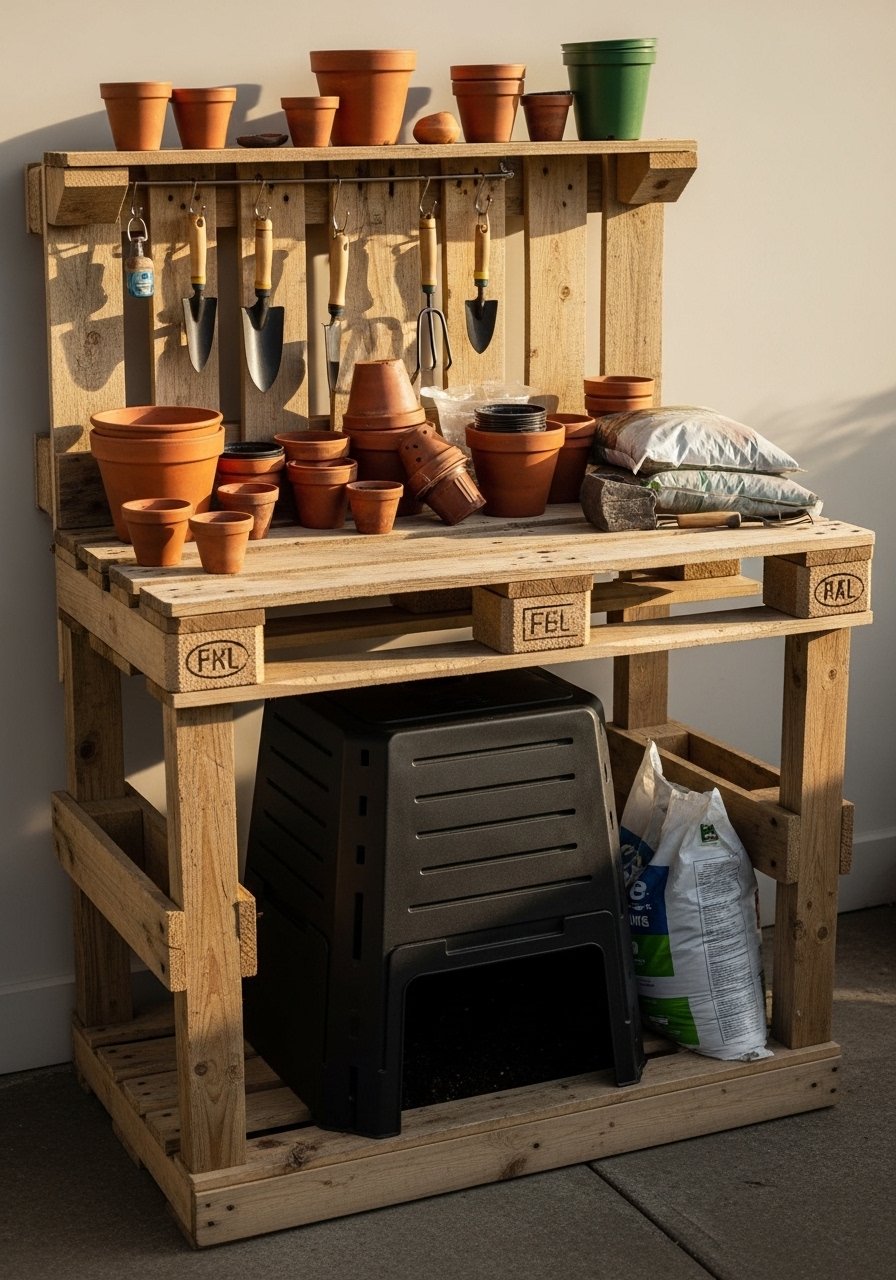
I built a potting bench from an old pallet and tucked a small compost bin underneath. It saved me trips to the garage and I recycled kitchen scraps into potting boost. Composting cut my soil purchases by about 30% over a season. A compact hand-trowel and compost starter made it easy.
Mistake to Avoid: Starting compost too wet or without enough browns, which smells and attracts pests.
14. Window-Shelf Hydroponic Jars
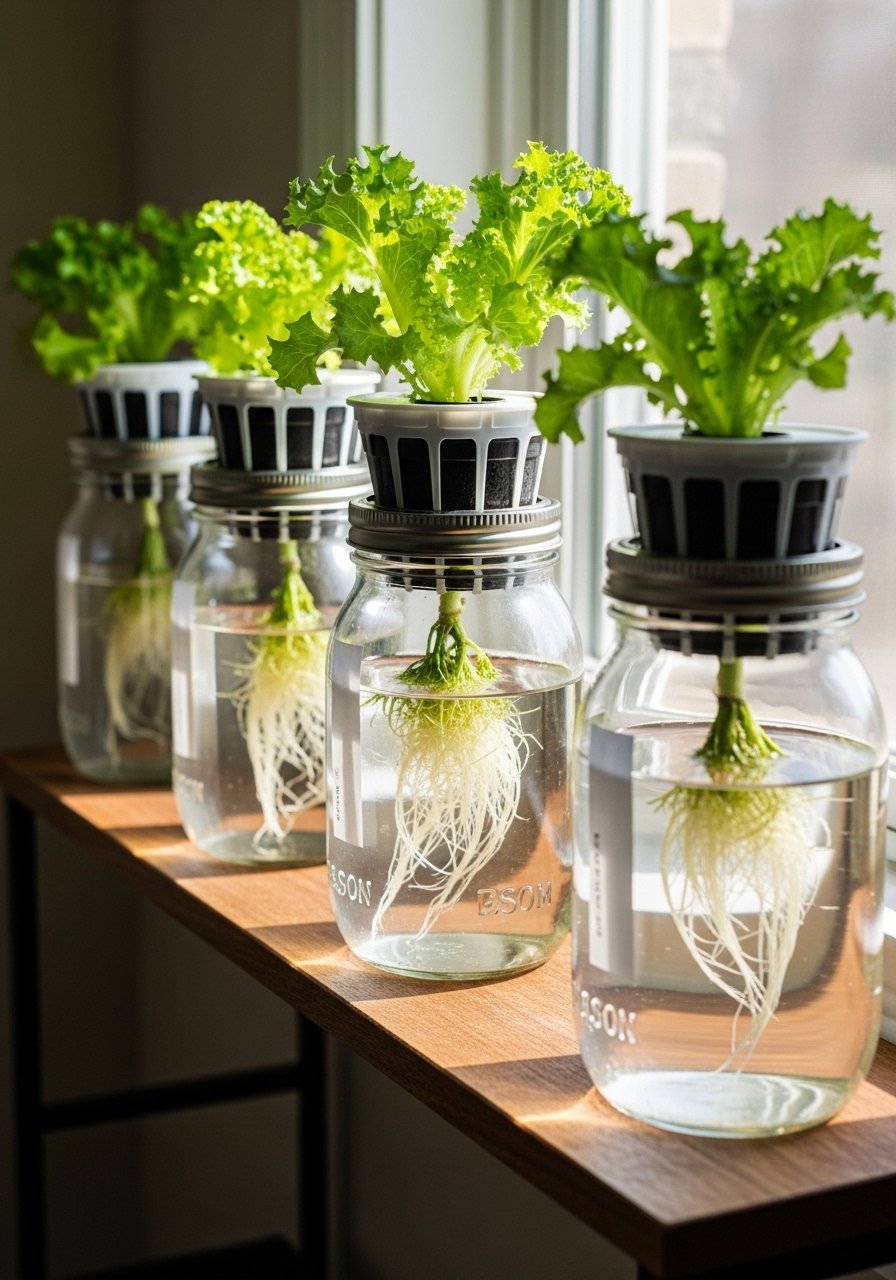
I tried a cheap hydroponic setup using mason jars and net pots on a shelf. Micro-lettuce and basil loved the steady moisture and I had harvests in a few weeks. It was a fun experiment and uses minimal space, though you need to monitor nutrient levels. A small solar-grow-light helps in winter.
Mistake to Avoid: Ignoring nutrient refresh, which leads to weak, leggy plants.
15. Small Orchard in Large Containers
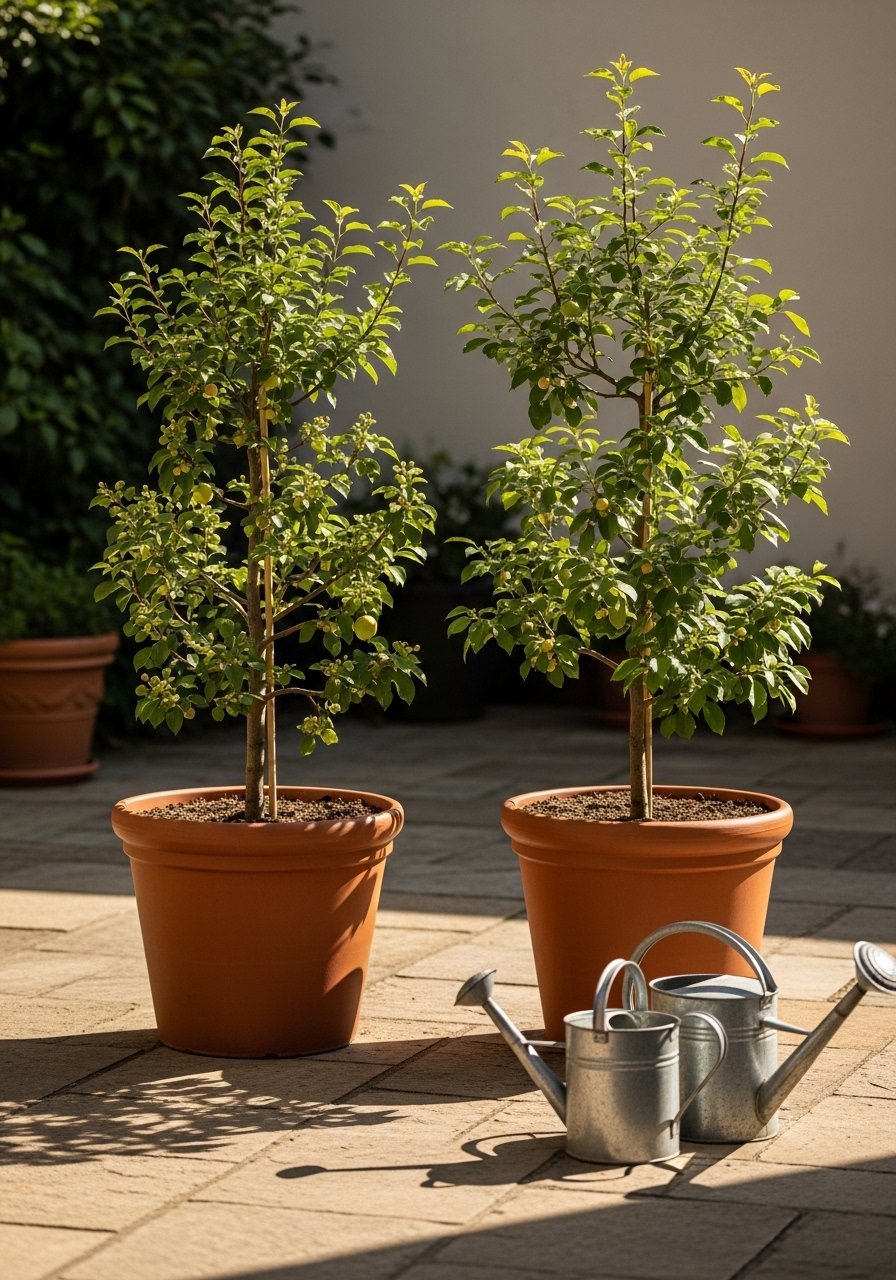
I planted dwarf apple and fig trees in big containers and trained them to stay compact. They blossom and give a few fruits, enough for a treat. I was surprised how quickly a container tree adds structure to a small space. Feed regularly and winter-over indoors if your zone demands. Use a large self-watering-planter for stability.
Mistake to Avoid: Buying full-size rootstock trees that will outgrow the pot.
16. Aromatic Border for Narrow Walkways
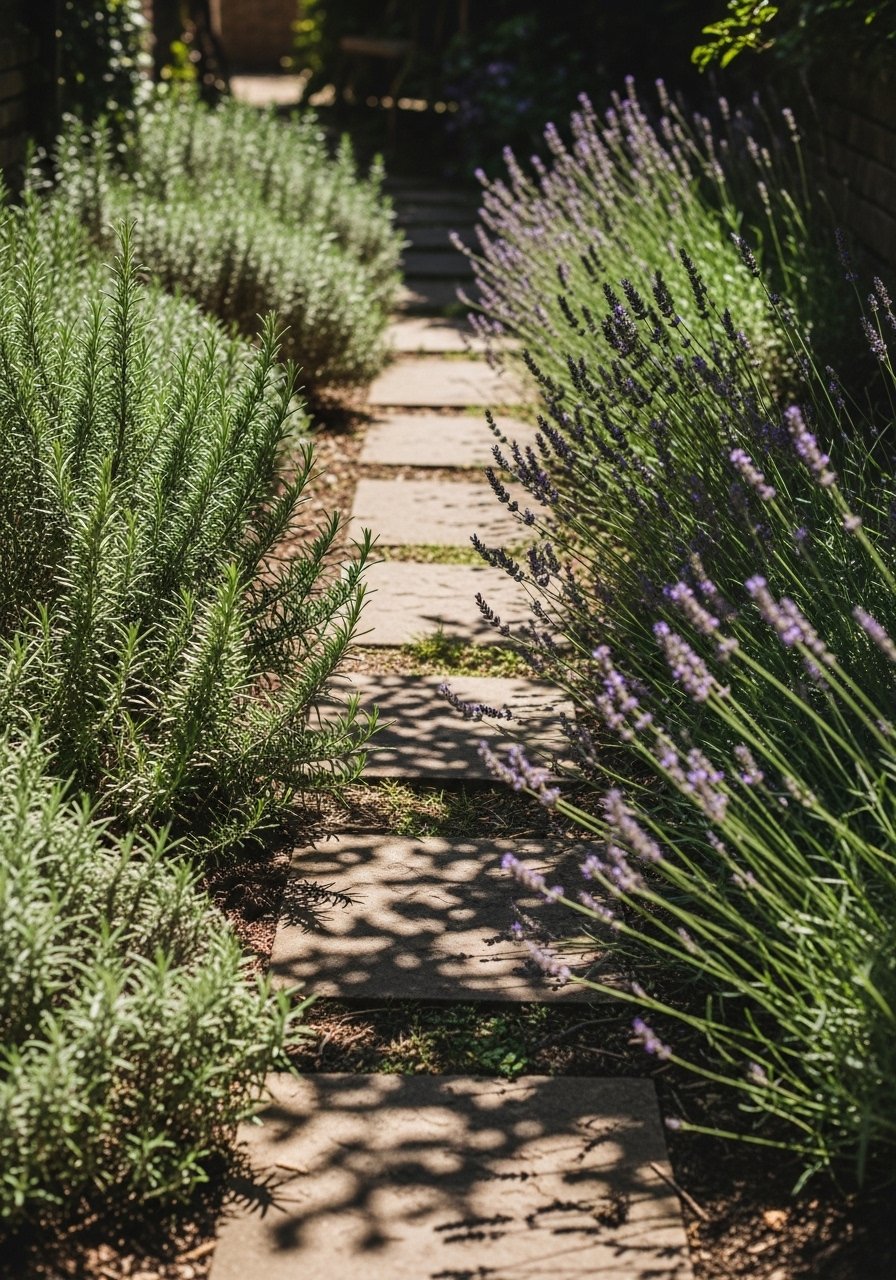
I edged a narrow walkway with rosemary and dwarf lavender. The scent is constant when you brush past and it uses very little width. I harvest sprigs through the season. These tough plants tolerate neglect and make a small space feel curated. Plant in a gritty potting-mix for best drainage.
Mistake to Avoid: Planting thirsty species in narrow, dry paths that receive hot reflected light.
17. Recycled Bottle Herb Spiral
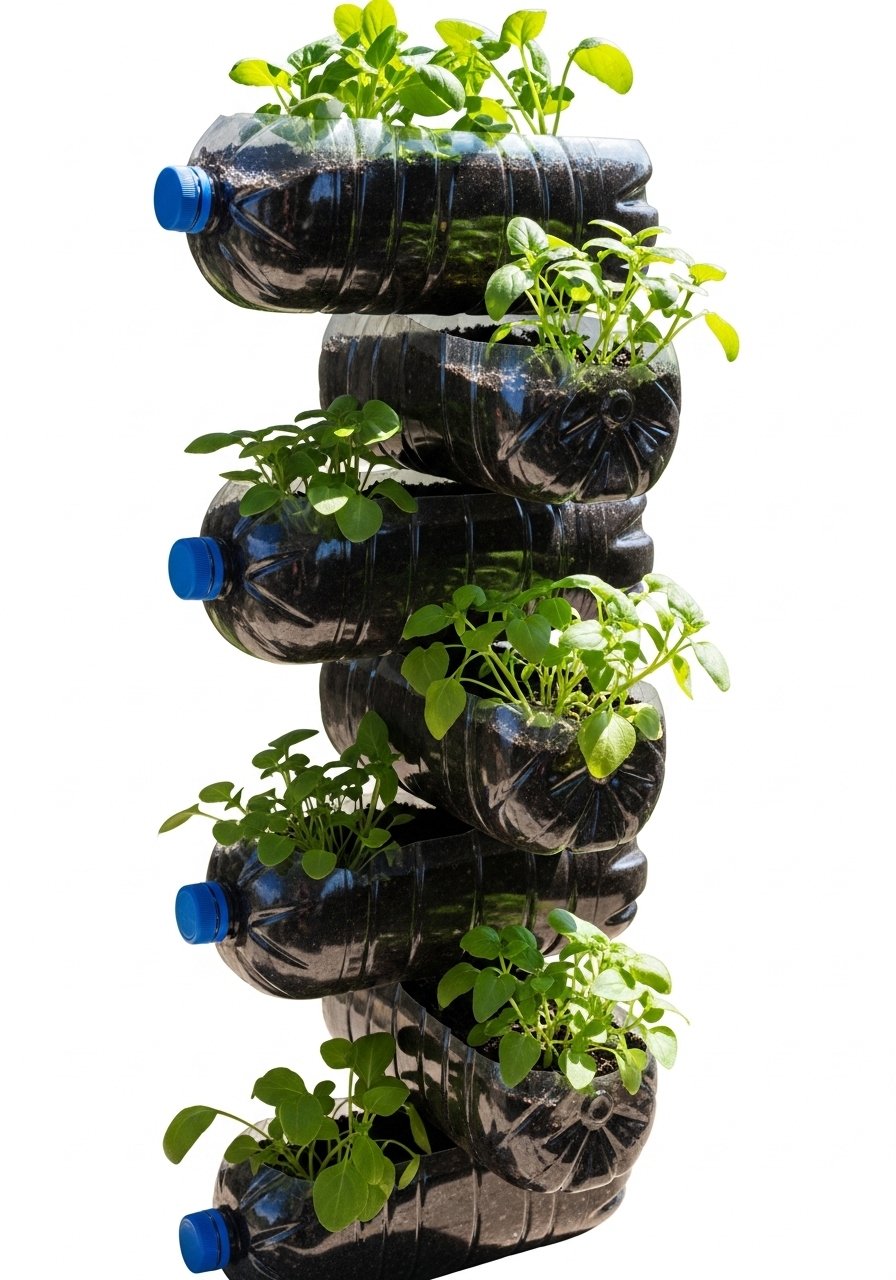
I made a spiral planter from recycled bottles and it became my favorite low-cost hack. Herbs in different microclimates allowed me to test what liked the top vs bottom. It saved money and felt clever. Use short-root herbs near the top and bigger soil pockets lower. It is light and easy to move when needed.
Mistake to Avoid: Using untreated plastics that break down in sun; choose thicker bottles or shade them.
18. Cold Frame Greenhouse on Patio
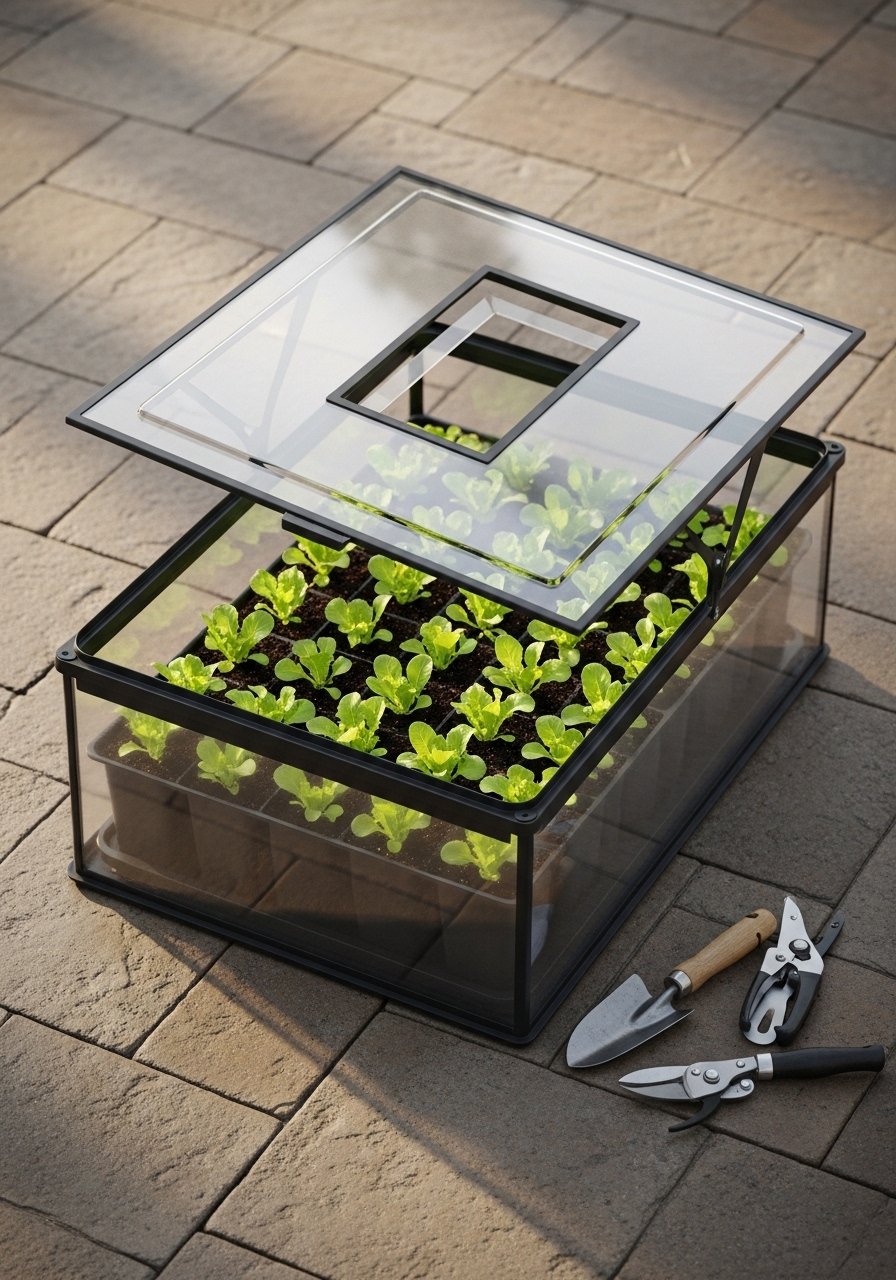
I added a small cold frame and extended my growing season by several weeks. Seedlings love the extra warmth and you can get a jump on spring. I noticed earlier harvests and fewer pests early in the season. A basic kit or DIY with clear panels works. Keep a soaker-hose handy for even moisture.
Mistake to Avoid: Leaving a closed frame in full sun on a hot day, which cooks plants.
19. Balcony Pollinator Pond
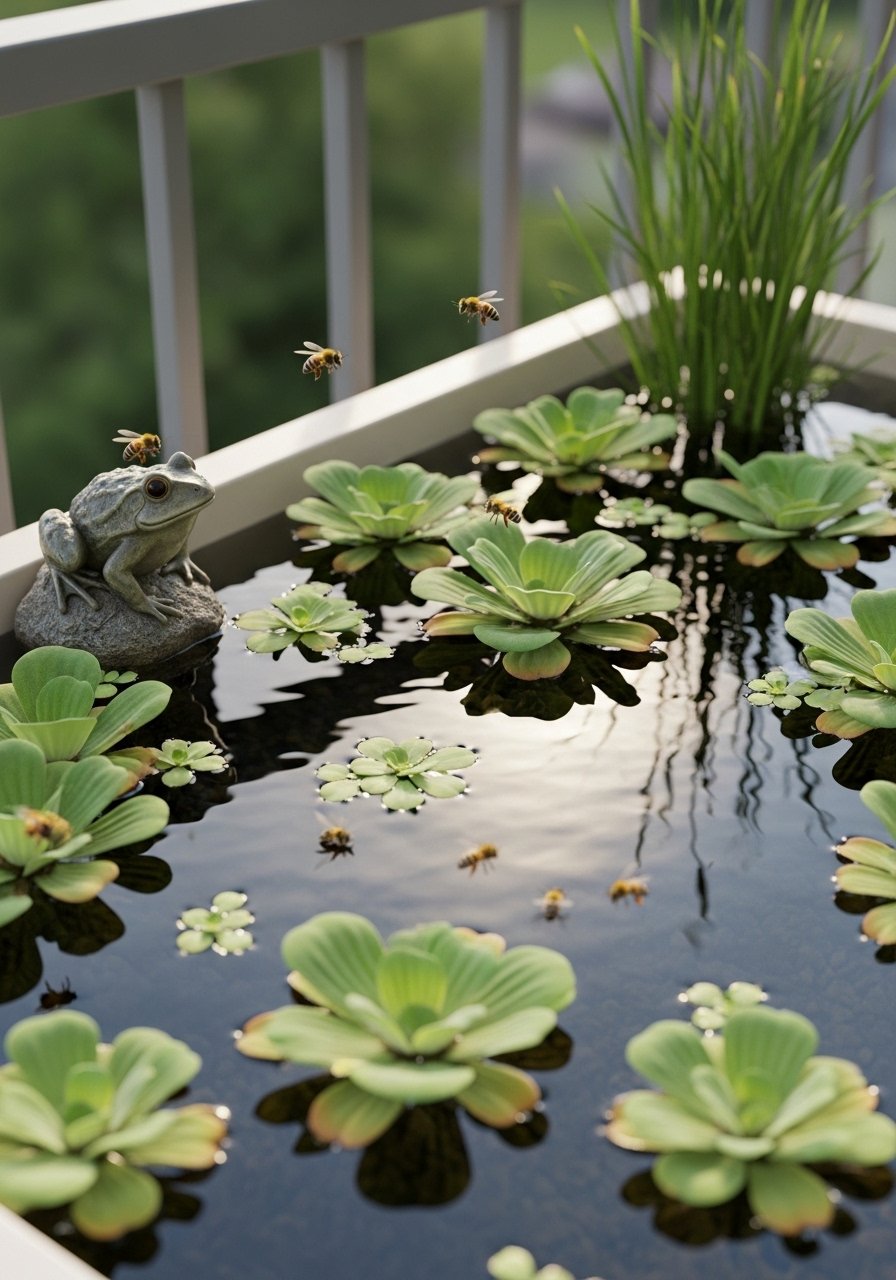
I added a tiny shallow pond and saw more pollinators and beneficial insects visit. It also provided a humid pocket for moisture-loving containers. Keep it shallow, change water occasionally, and add floating plants to prevent algae. Use a wide shallow tray rather than deep tubs for safety.
Mistake to Avoid: Letting water stagnate without change, which attracts mosquitoes.
20. Succession Potatoes in a Grow Bag
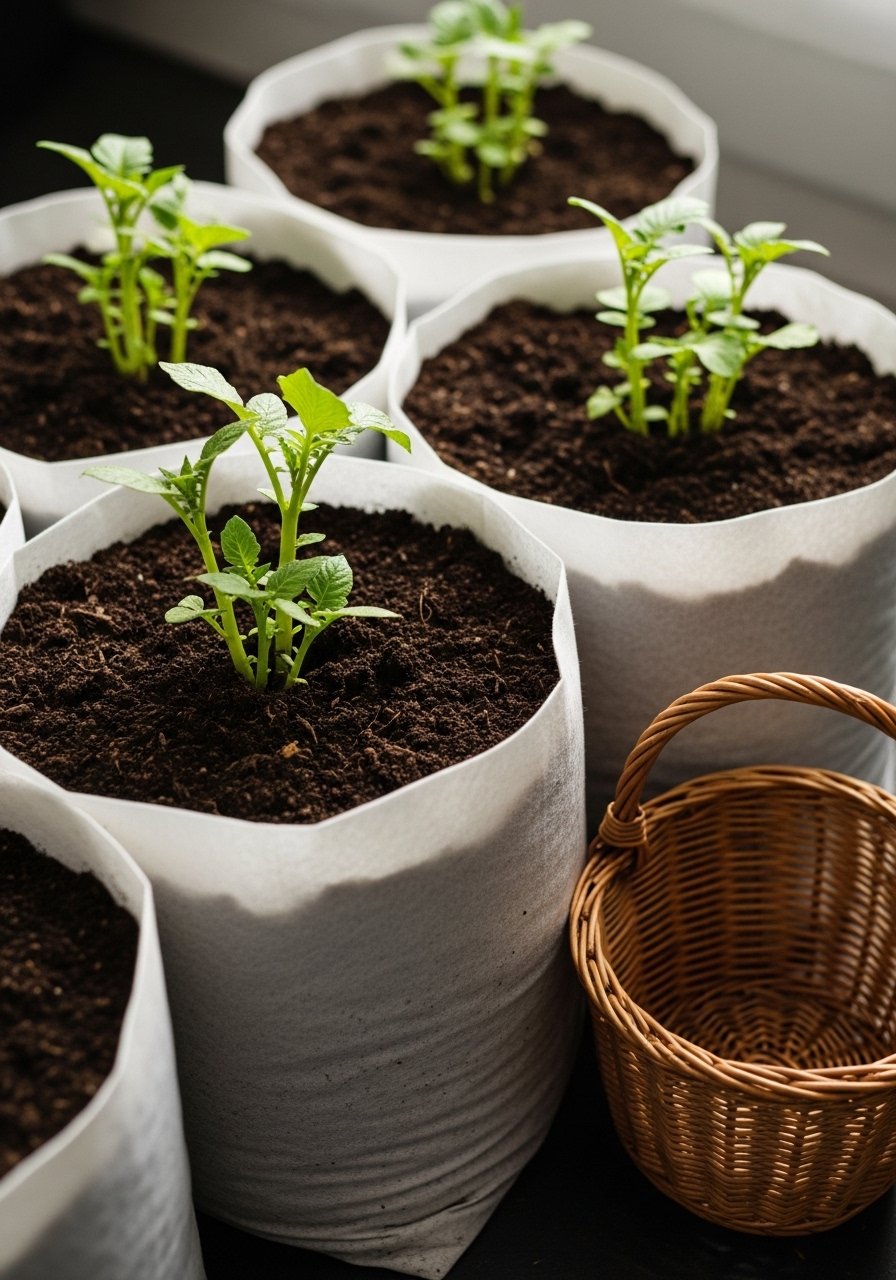
I planted potatoes in fabric grow bags and harvested in stages by pulling aside soil. It was mess-free and surprisingly productive for a porch. The bags are light to store and give good aeration. A potting-mix blended with compost did the trick.
Mistake to Avoid: Starting with poor seed tubers that reduce final yield.
21. Shallow Shade Pond Planters
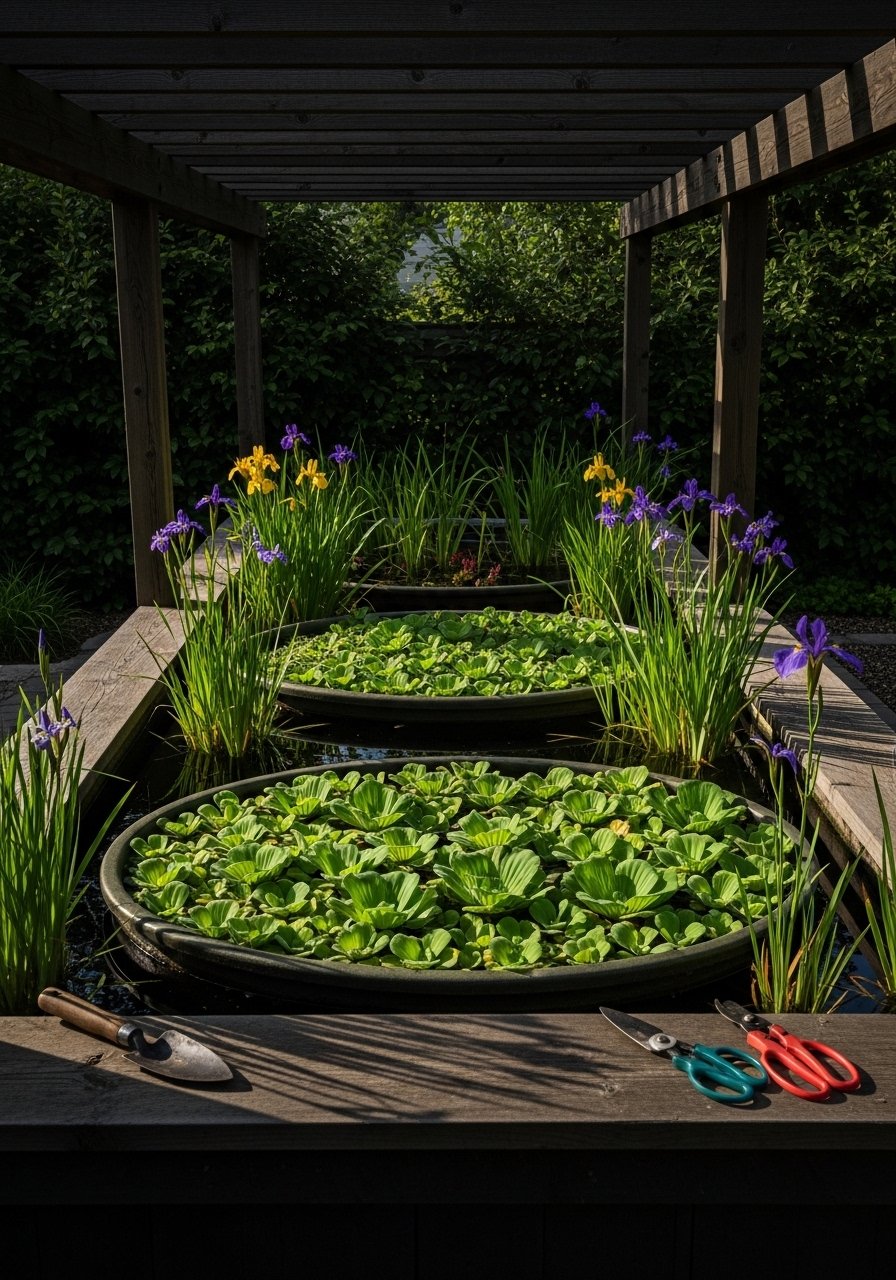
On a small shaded deck I used shallow water containers with marginal plants. They held moisture and created a cooling microclimate for ferns around them. I found that plants like hostas nearby appreciated the humidity boost. Change water monthly and avoid deep containers that are hard to manage.
Mistake to Avoid: Planting sun-loving aquatic species in too much shade.
22. Pocket Vertical Garden Using Felt Planters
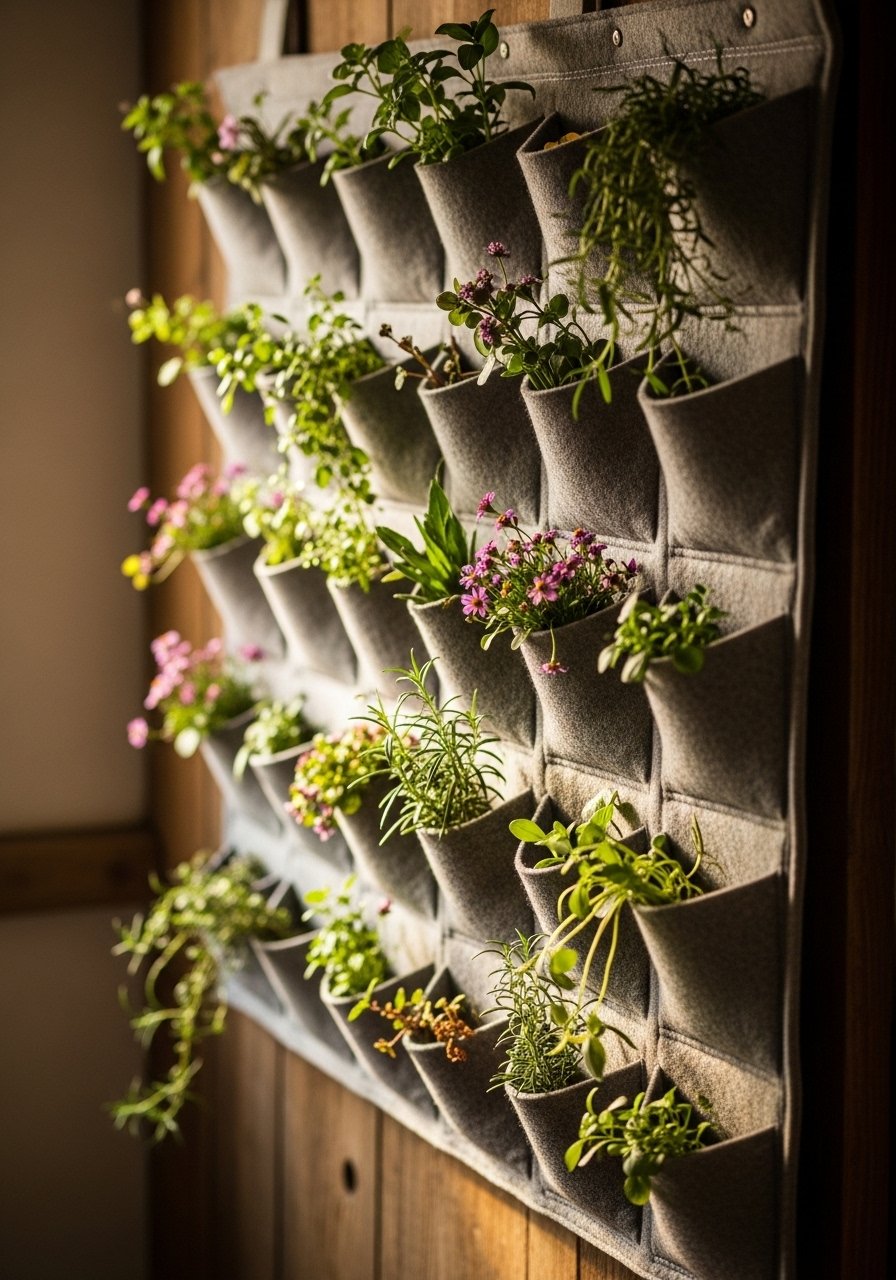
I hung felt pocket planters on my apartment wall and filled them with small herbs and strawberries. They stay light and breathe, though I hand-water them weekly. I noticed greener leaves with less rot than plastic pockets. Buy sturdy felt and use quality soil.
Mistake to Avoid: Overfilling pockets so they sag and lose shape.
23. Compact Mediterranean Corner
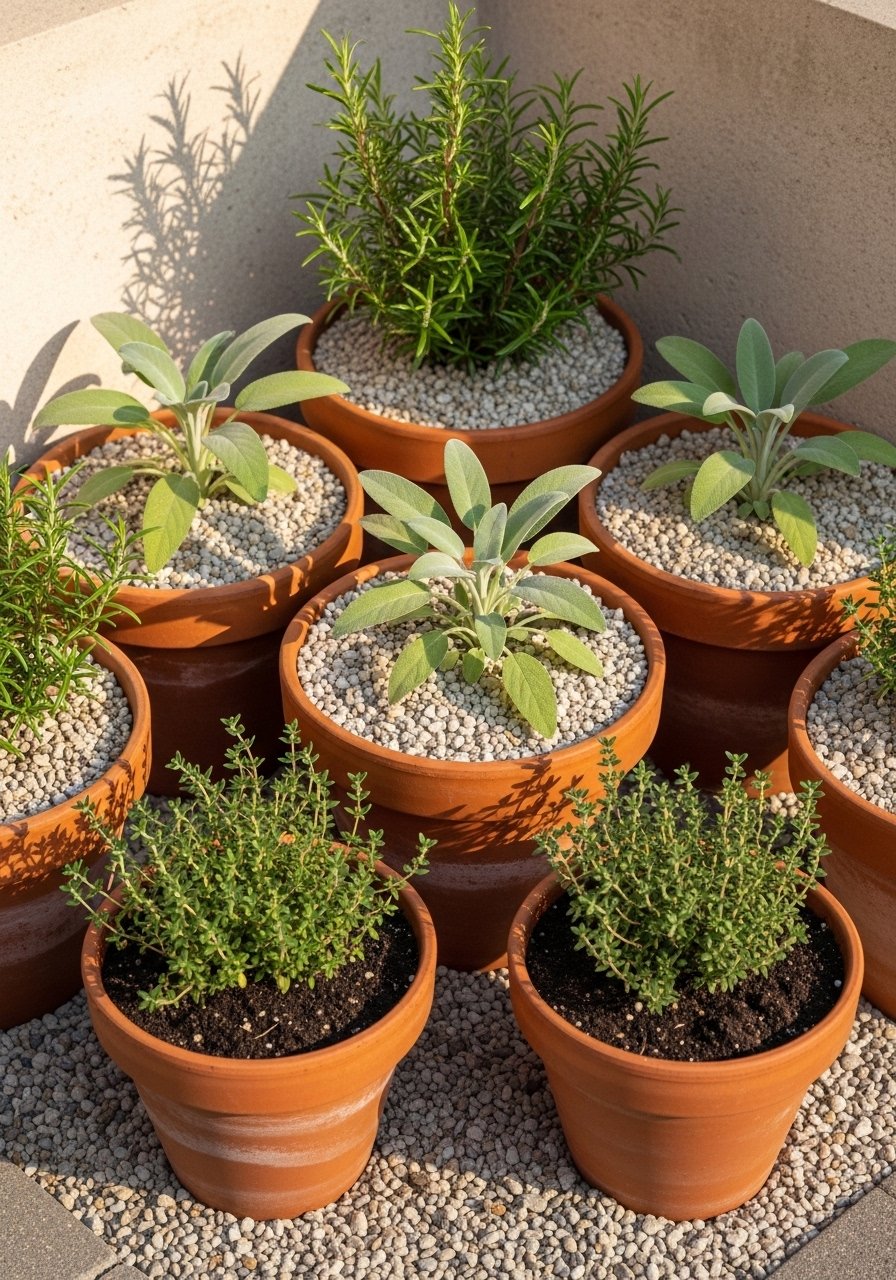
I created a Mediterranean palette in terracotta pots for a sunny corner. Drought-tolerant plants thrive with minimal attention and they smell great when you walk by. I keep pots grouped for microclimate benefits. Terracotta breathes but dries fast, so plan watering accordingly.
Mistake to Avoid: Expecting lush, moisture-loving plants to thrive in this dry scheme.
24. Sliding Tray Under-Bench Garden
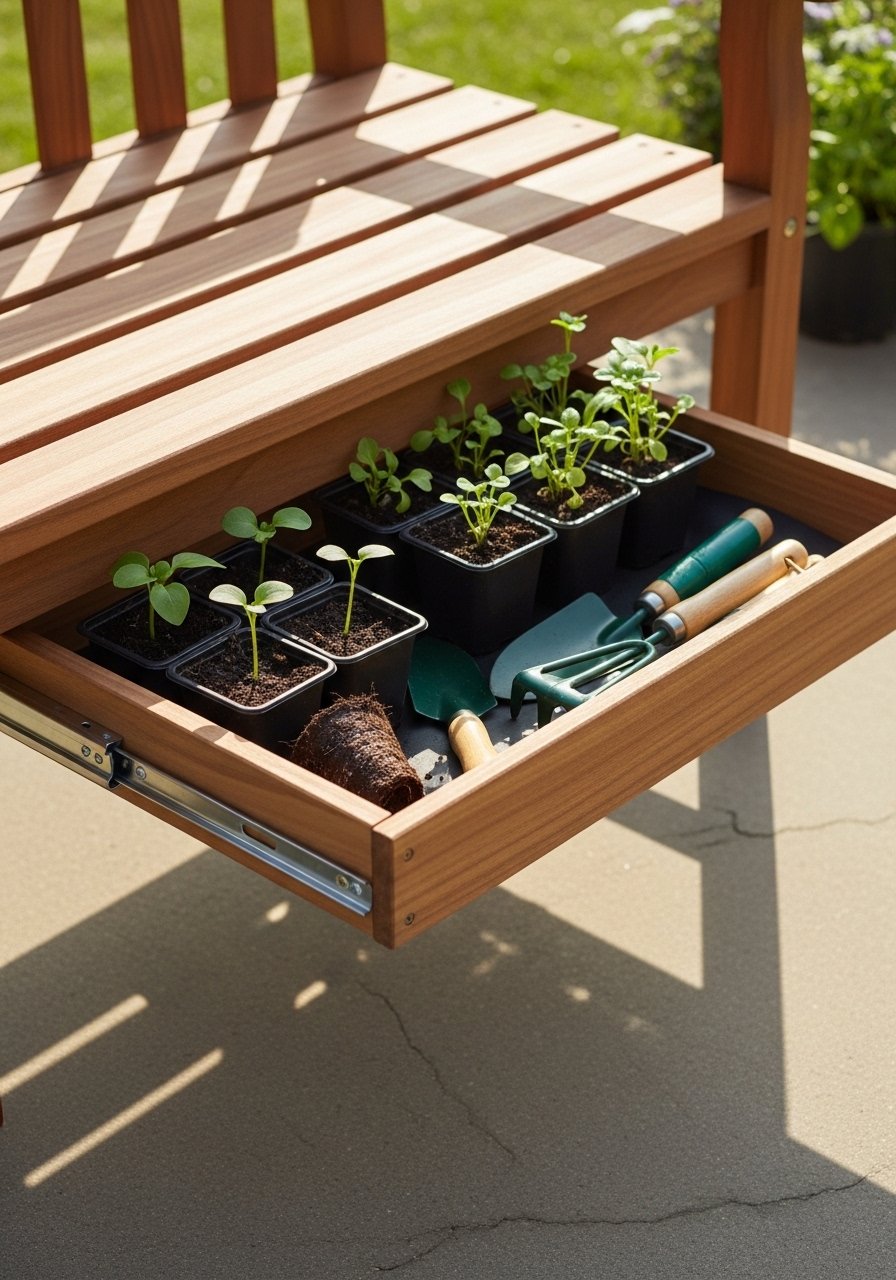
I installed a sliding tray under a garden bench and used it to store seed trays and small pots. It freed up tabletop space and made it simple to tuck away seedlings. This is especially useful when you need to protect starts from chill overnight.
Mistake to Avoid: Forgetting ventilation, which can cause damping-off in seedlings.
25. Cold-Frame Compost-Top Planter
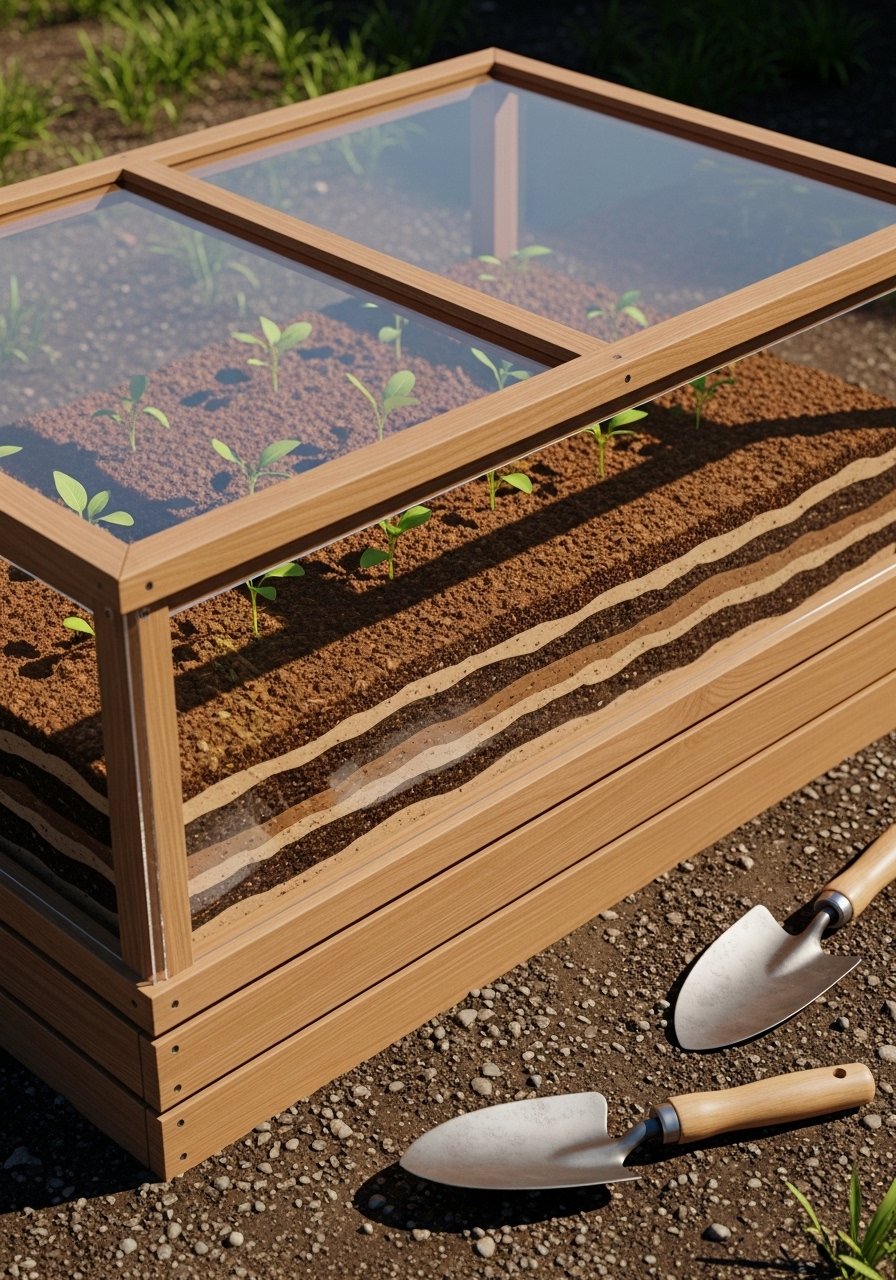
I used a compost-top cold frame to warm a mini bed. It provided heat and nutrients as the compost broke down. I noticed quicker germination in early spring. It takes a bit of planning but is a clever space saver for season extension.
Mistake to Avoid: Using uncomposted materials that leach and harm seedlings.
26. Edible Living Fence with Espaliered Fruit
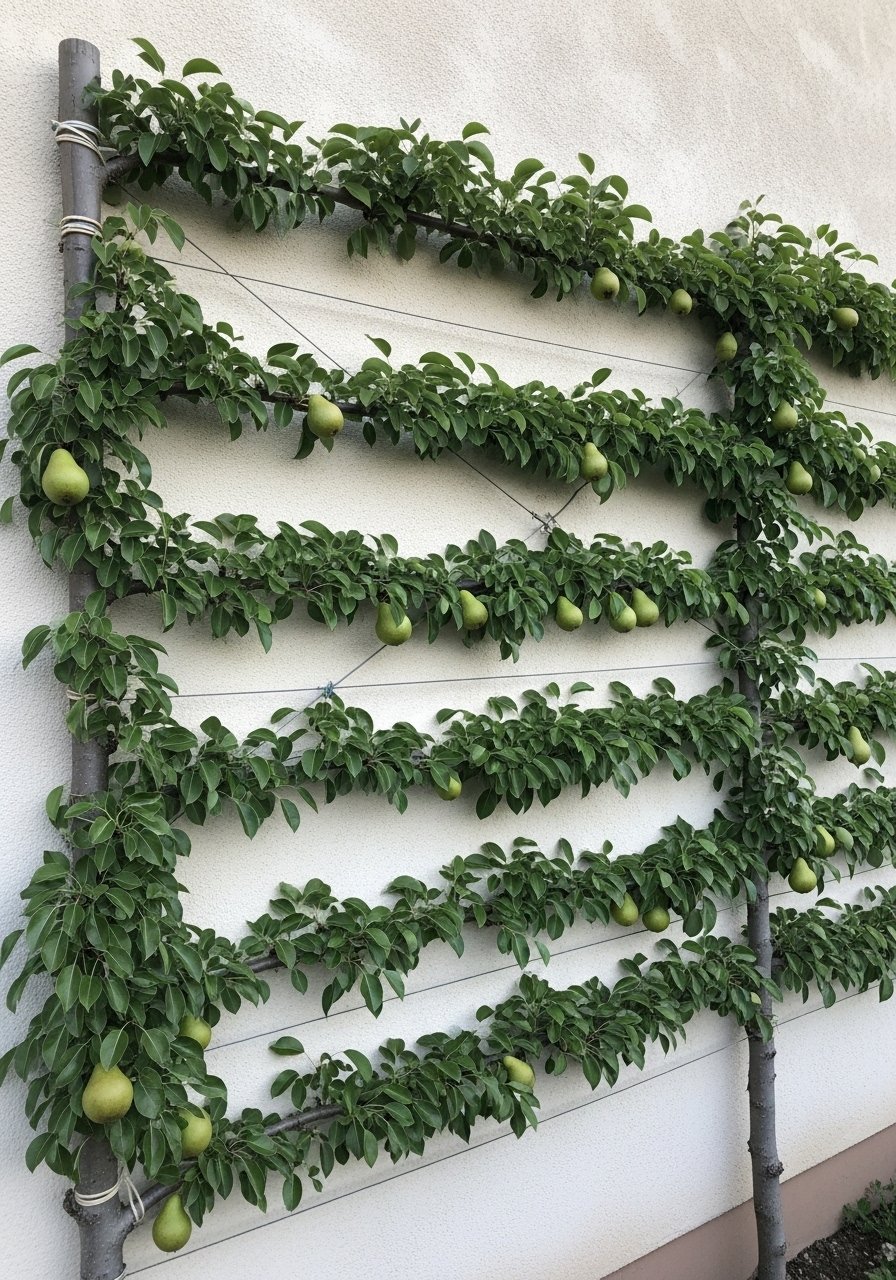
I trained dwarf fruit trees flat against a boundary and created a living fence that produced food while saving space. Espalier makes trees manageable and decorative. I harvest enough for a small family jam once a season. Start with dwarf varieties and sturdy ties.
Mistake to Avoid: Ignoring early pruning, which makes espaliering hard later on.
Decorating Tips
Plan for Access: Leave at least 18 inches of walkway so you can water and harvest comfortably, use a hand-trowel to keep plants tidy.
Group by Water Needs: Put thirsty plants together and drought-tolerant ones together to avoid over or under-watering, consider self-watering-planter for mixed schedules.
Use Vertical Fast: Install trellises or wall planters to multiply growing area, a simple bamboo-trellis is inexpensive and effective.
Soil Over Pots: I spend most of my budget on soil, it repays you with better plants; top up with potting-mix when needed.
Start Small and Expand: I usually begin with three containers and add one each season, this keeps things manageable and teaches what thrives.
Smart Watering: Use a soaker-hose or set a timer for consistent moisture, you’ll save time and avoid shock.
Mix Ornamentals and Edibles: I plant flowers to attract pollinators and deter pests, a herb-seed-kit helps you try combinations without fuss.