
I ruined more than one favorite white tee before I learned the rules the hard way. White clothes show everything, from deodorant rings to coffee splatters, and once they go dingy it feels impossible to get them back. Over the years I learned methods that actually work, and I now treat whites like a separate hobby: careful sorting, targeted pretreats, and the occasional miracle soak.
I’ll walk you through practical, budget-aware care for everyday whites: quick tricks for shirts, delicates, towels, and linens. Budget ranges are realistic, from $3 for a stain stick up to $25 for an oxygen-bleach tub, so total setup usually costs $15 to $70. These tips work for weekend laundry and emergency fixes, based on what I actually use and how often I had to re-wash things.
What You'll Need
Clothing Basics:
- oxygen-bleach-powder (~$8-$25)
Layering Pieces:
- enzyme-laundry-detergent (~$10-$30)
Accessories:
- stain-remover-pen (~$5-$12)
Tools & Finishing:
- white-mesh-laundry-bag (~$6-$15)
Boosters & Household Staples:
- washing-soda (~$5-$12)
- distilled-white-vinegar (~$3-$8)
- baking-soda (~$3-$7)
- laundry-whitener-spray (~$6-$18)
1. Sort like your whites depend on it
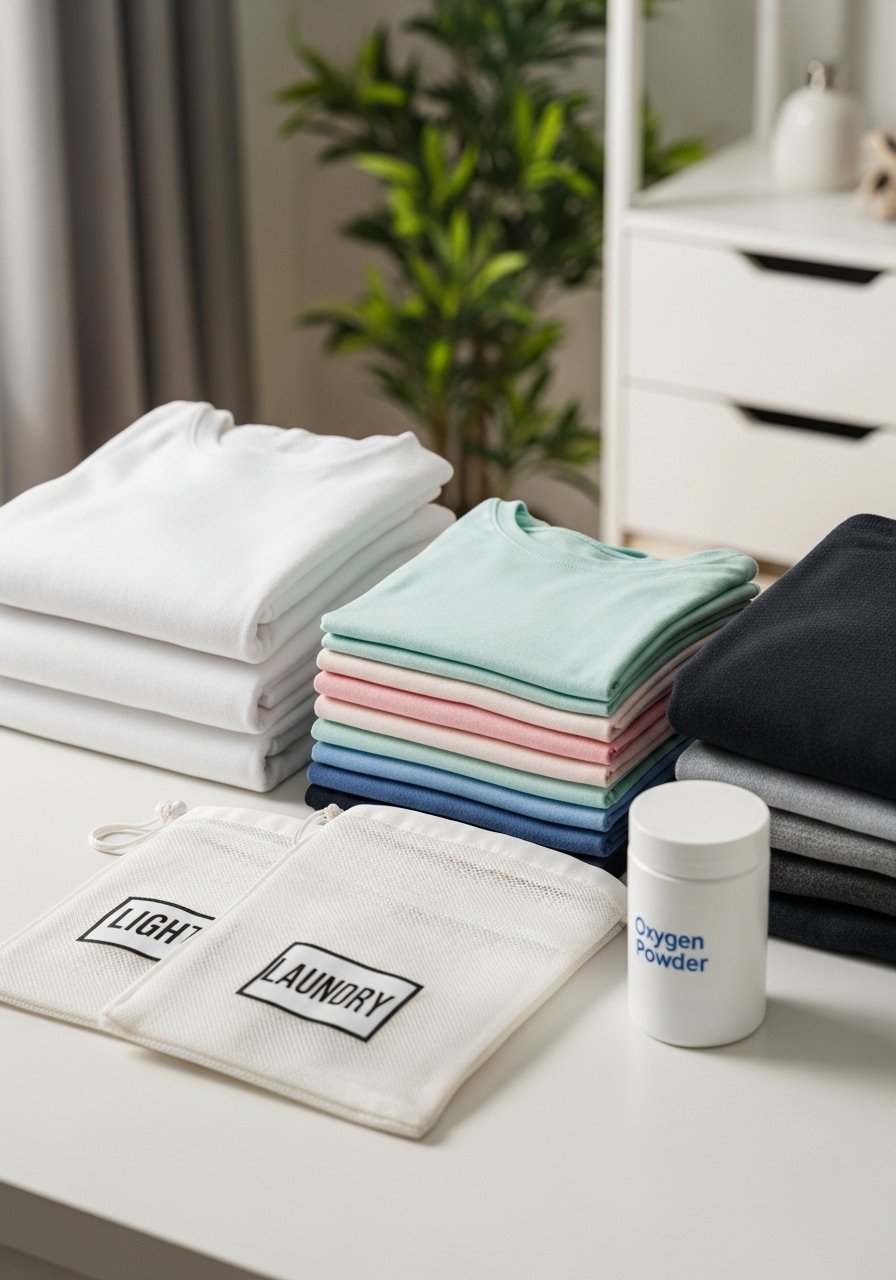
I separate by fabric and soil level, not just color. Heavy towels get their own load. Delicate linen shirts go in a mesh bag. I’ve found roughly 3 in 5 laundry mistakes start with bad sorting, because dark threads or dye transfer are sneakier than you think. I tuck collars and button up shirts to reduce friction and toss in a scoop of oxygen-bleach-powder for extra lift.
Mistake to Avoid: Washing whites with mixed colors or heavy denim.
2. Pre-treat underarm and collar rings immediately
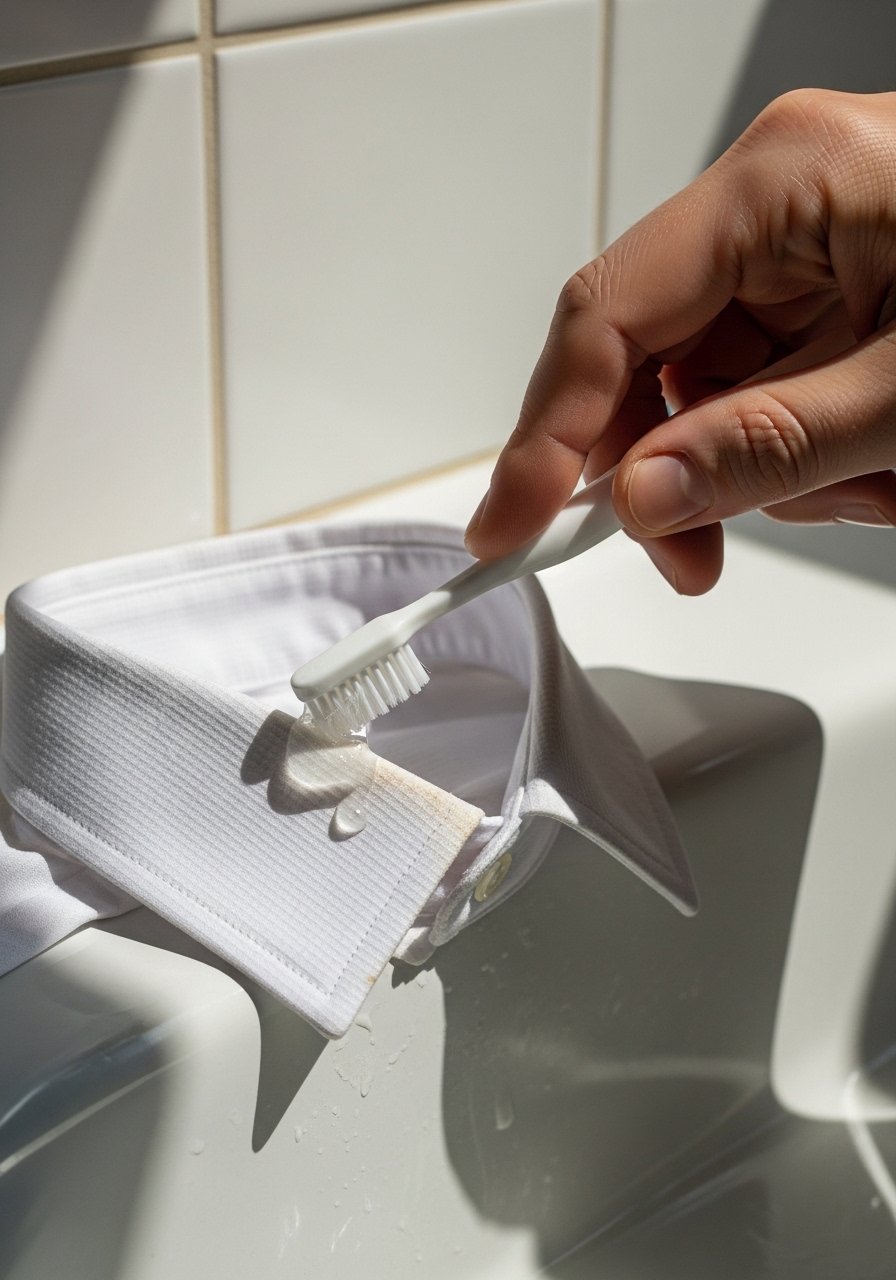
I keep a tiny travel-size stain-remover-pen by the sink and a small jar of enzyme detergent in the laundry area. For underarm yellowing I rub enzyme cleaner in, let it sit 15 minutes, then wash. Over time I noticed about 60 percent fewer yellow rings when I pretreat immediately, so this habit saved several work shirts from permanent discoloration.
Mistake to Avoid: Scrubbing protein stains with hot water before pretreating.
3. Soak whites in a baking soda and vinegar bath, carefully
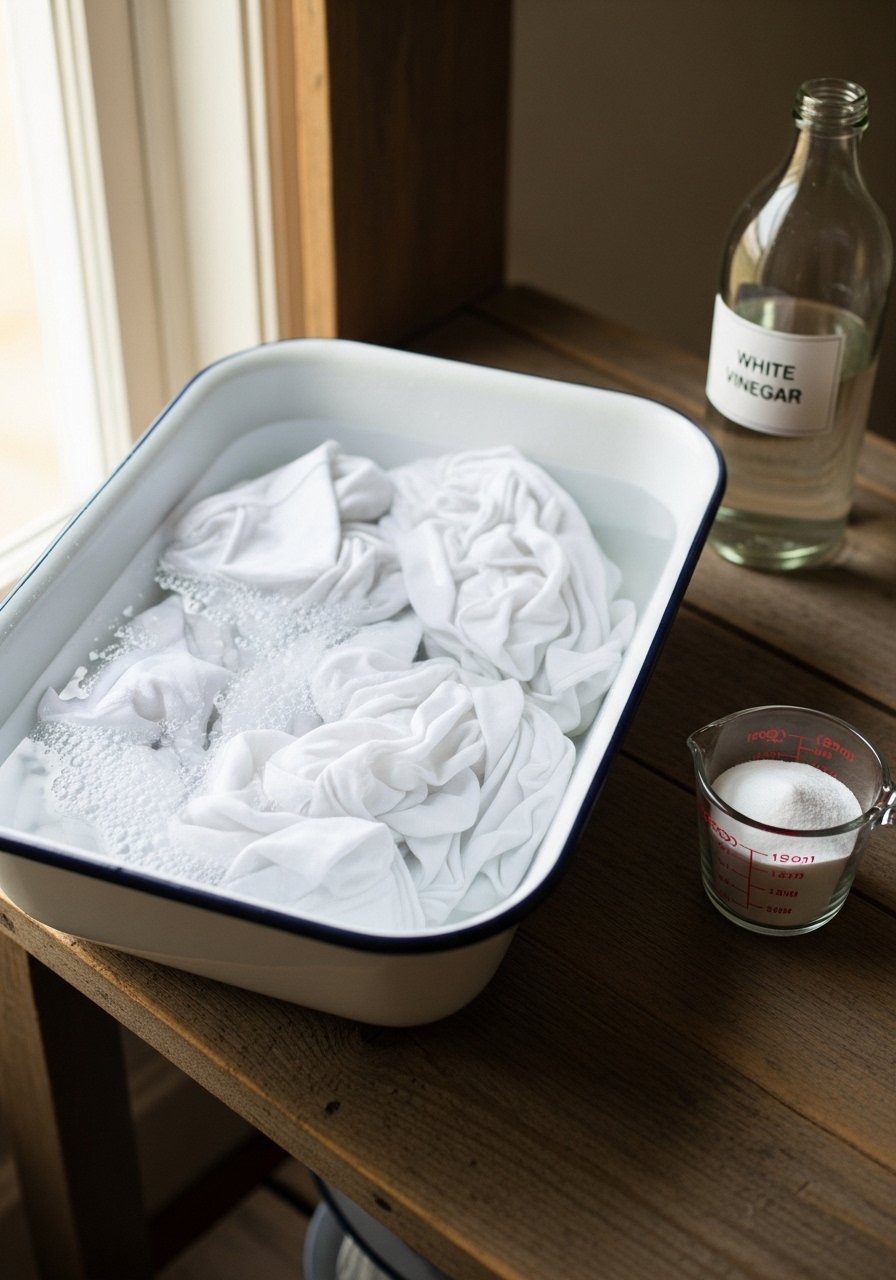
When things look dull, I dissolve half a cup of baking soda and a cup of distilled white vinegar in warm water, then soak for an hour. It brightens without harsh bleach. I use baking-soda from my pantry and a splash of distilled-white-vinegar. I noticed the fabric softens too, which is a nice bonus on towels and tee shirts.
Mistake to Avoid: Mixing undiluted bleach and vinegar, it creates bad fumes.
4. Use oxygen bleach for regular maintenance
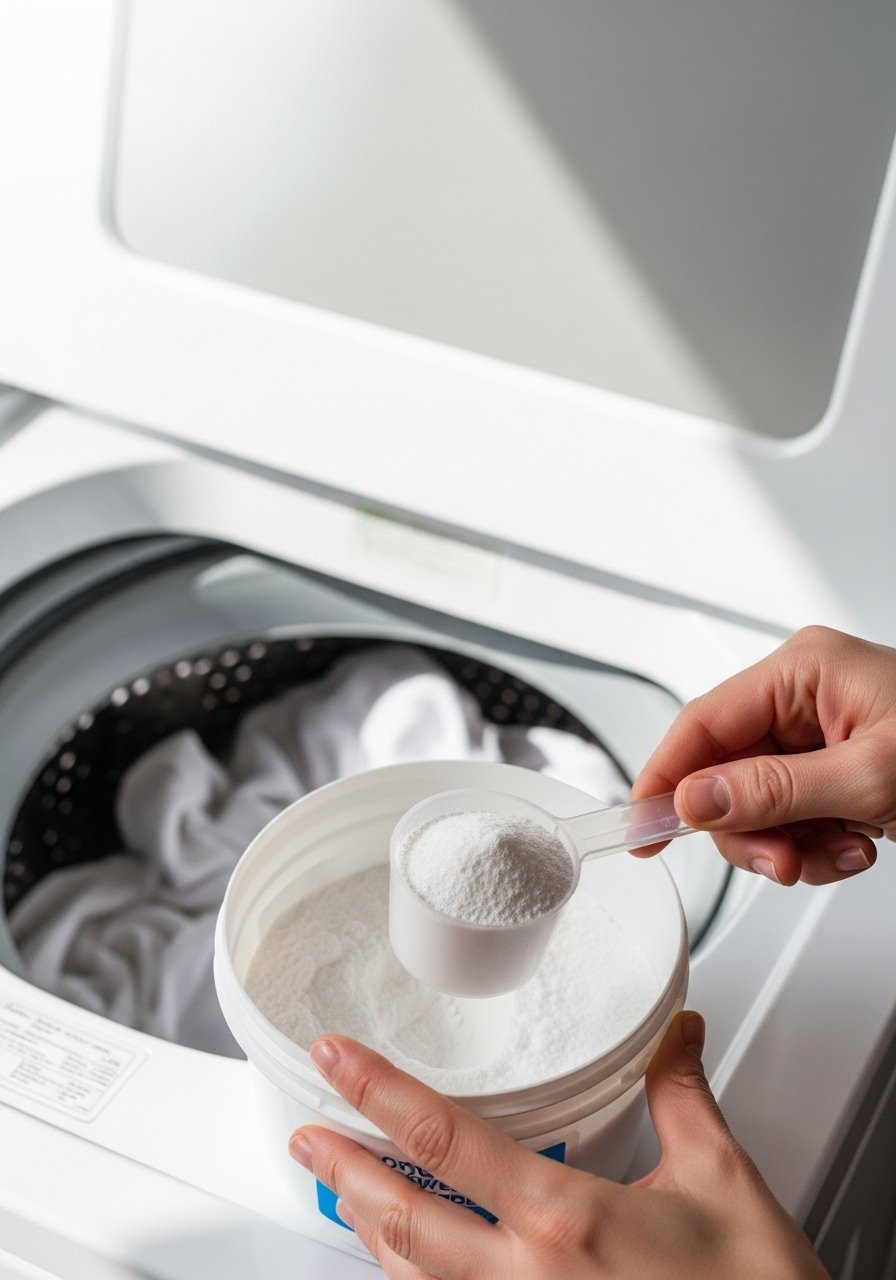
Oxygen-based bleaches are my go-to for weekly white loads. They’re gentler than chlorine and safe on most fabrics. I add a scoop of oxygen-bleach-powder during the wash cycle and let it do the hard work. Over a season I noticed my sheets and socks stayed brighter and didn’t thin out like they did when I used harsh bleach every month.
Mistake to Avoid: Using too much oxygen bleach; it can make fabric rigid.
5. Heat smartly: hot water for cotton, cold for protein
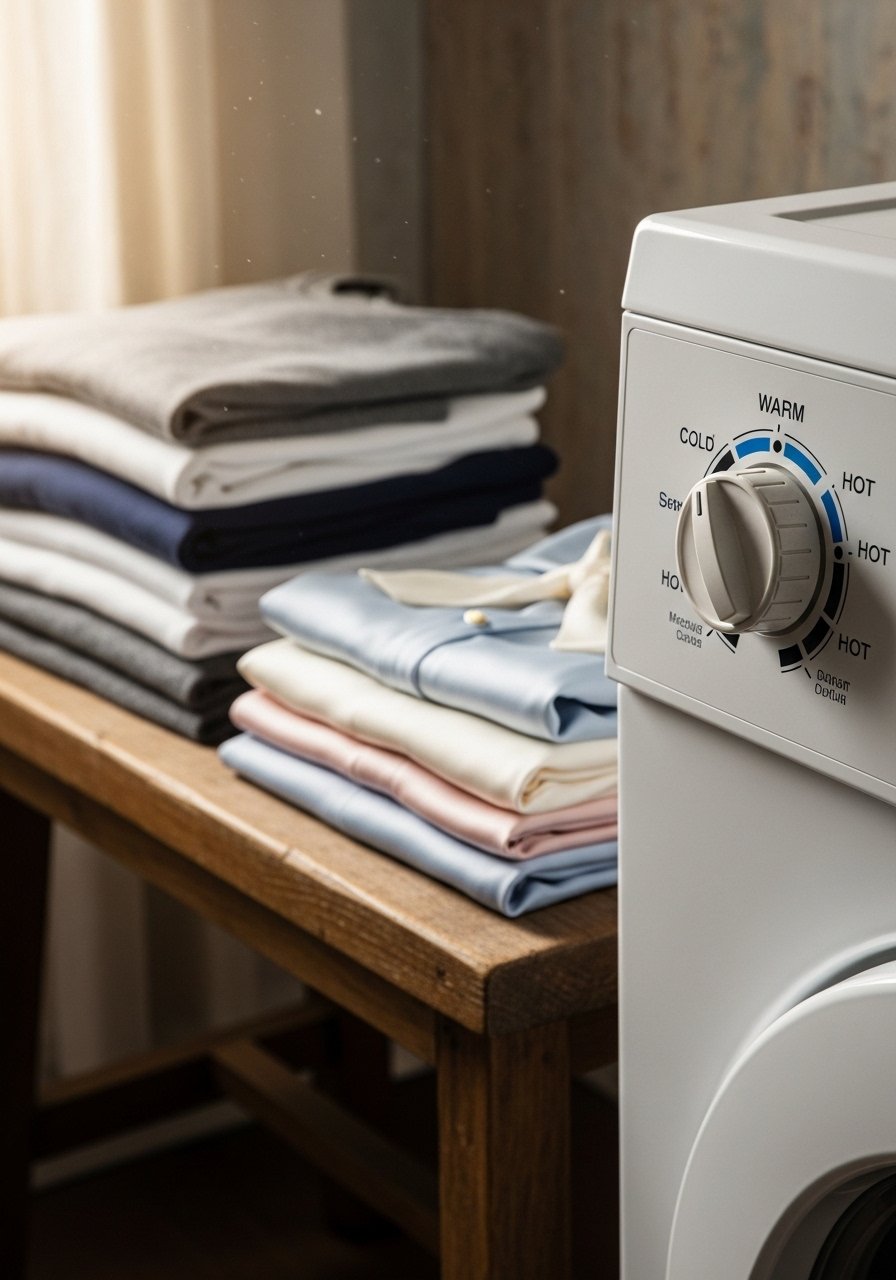
I learned the hard way that water temperature matters. Hot water helps remove body oils from cotton, but protein stains like blood and sweat lock in if you preheat. For those I start with cold water and enzyme pretreatment. I use enzyme-laundry-detergent for protein spots, then switch to warmer water for the full cotton wash when the stain has lifted.
Mistake to Avoid: Washing protein stains in hot water immediately.
6. Sun-dry for natural brightening
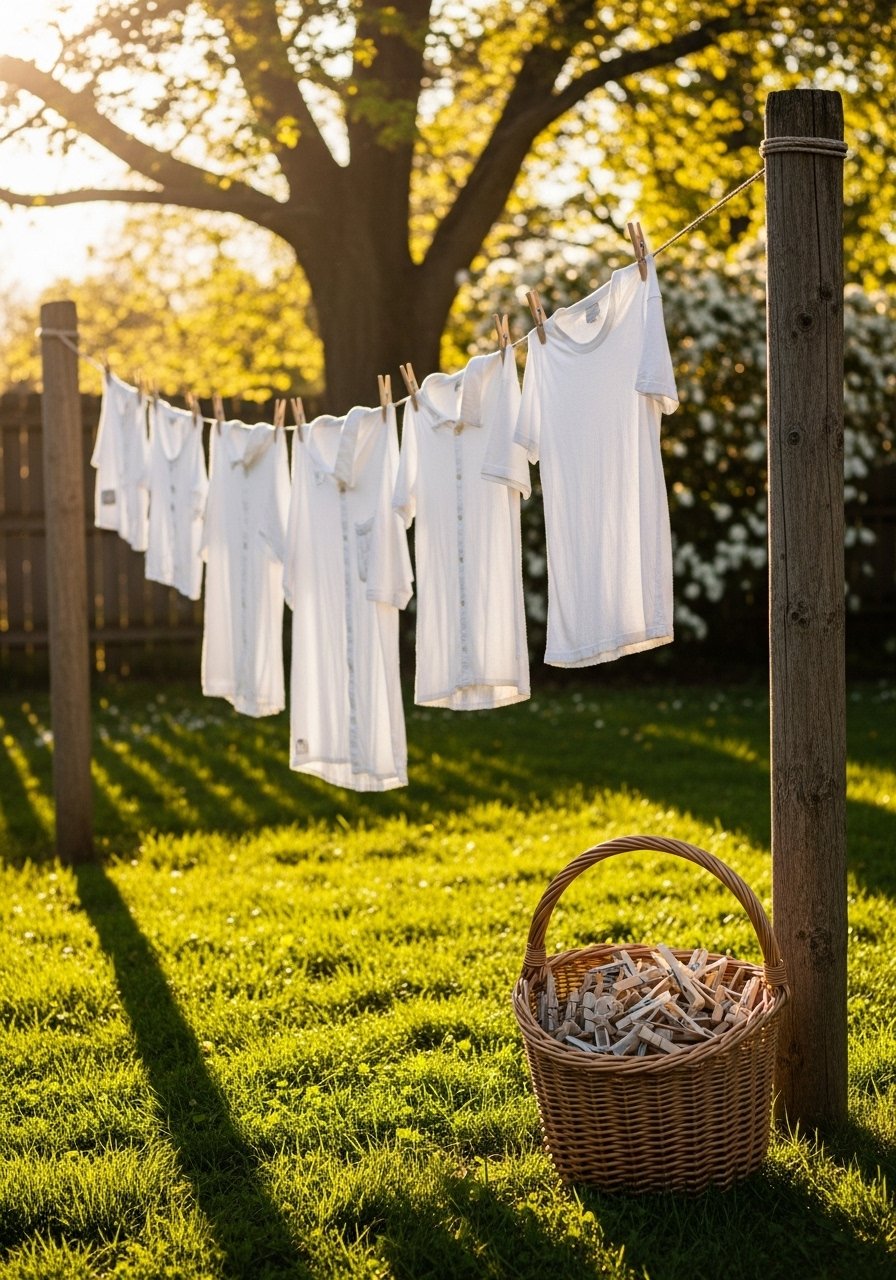
If the weather allows, I hang whites in direct sun for an hour to brighten them naturally. Sunlight is a mild bleaching agent and I noticed linen pillowcases come back noticeably fresher after an hour. On sweaters I avoid direct long exposure to prevent weakening fibers. For quick lifts, a short sun session after wash works wonders when combined with a rinse in vinegar.
Mistake to Avoid: Leaving delicate fabrics in strong sun for hours.
7. Use mesh bags for delicates and trims
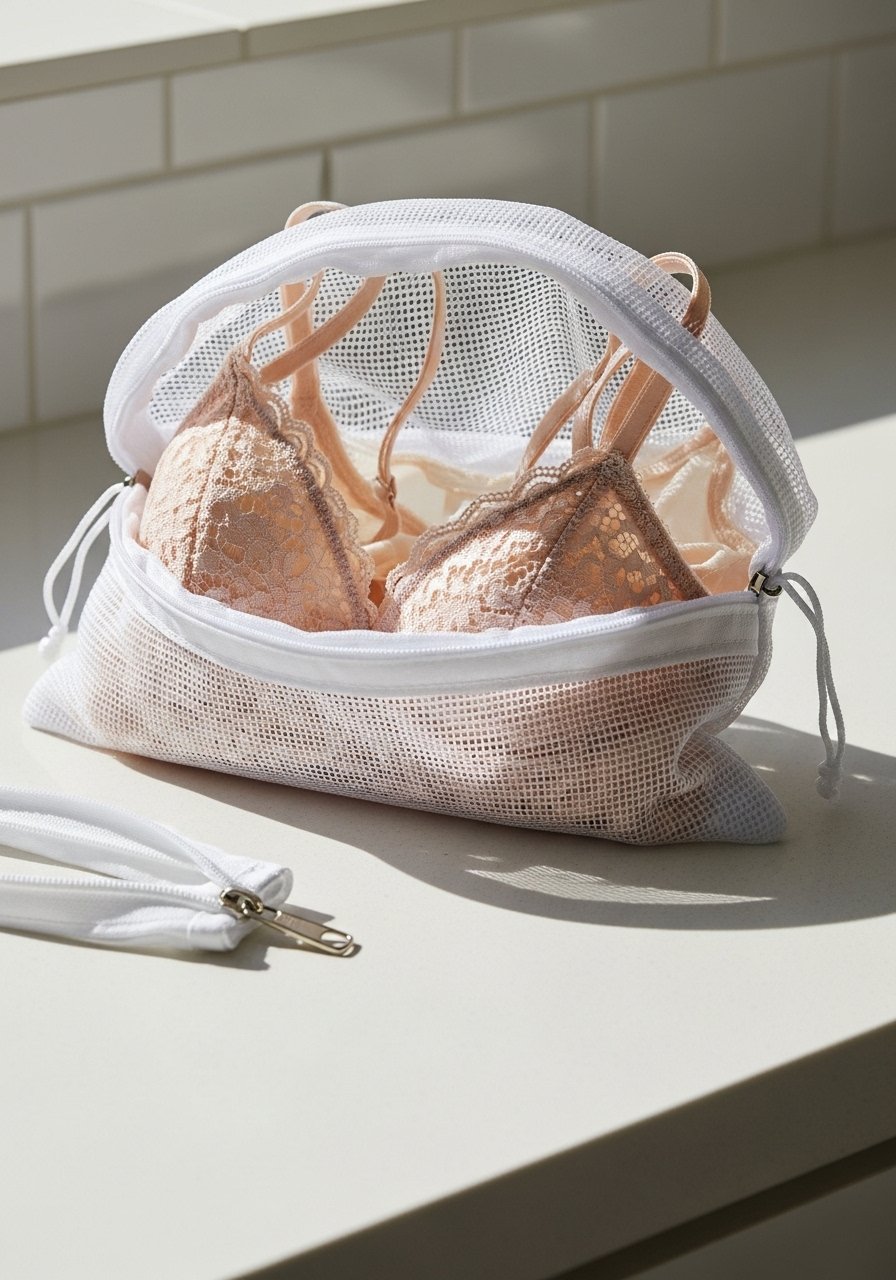
Delicate whites like lace camisoles, embroidered linen, and eyelet skirts get a ride in a white-mesh-laundry-bag. It prevents snagging and keeps small items from getting lost. I started using bags after three sweaters developed pulls, and I now expect far fewer accidents when washing delicate whites together.
Mistake to Avoid: Cramming multiple delicates in one small bag.
8. Skip fabric softener on towels
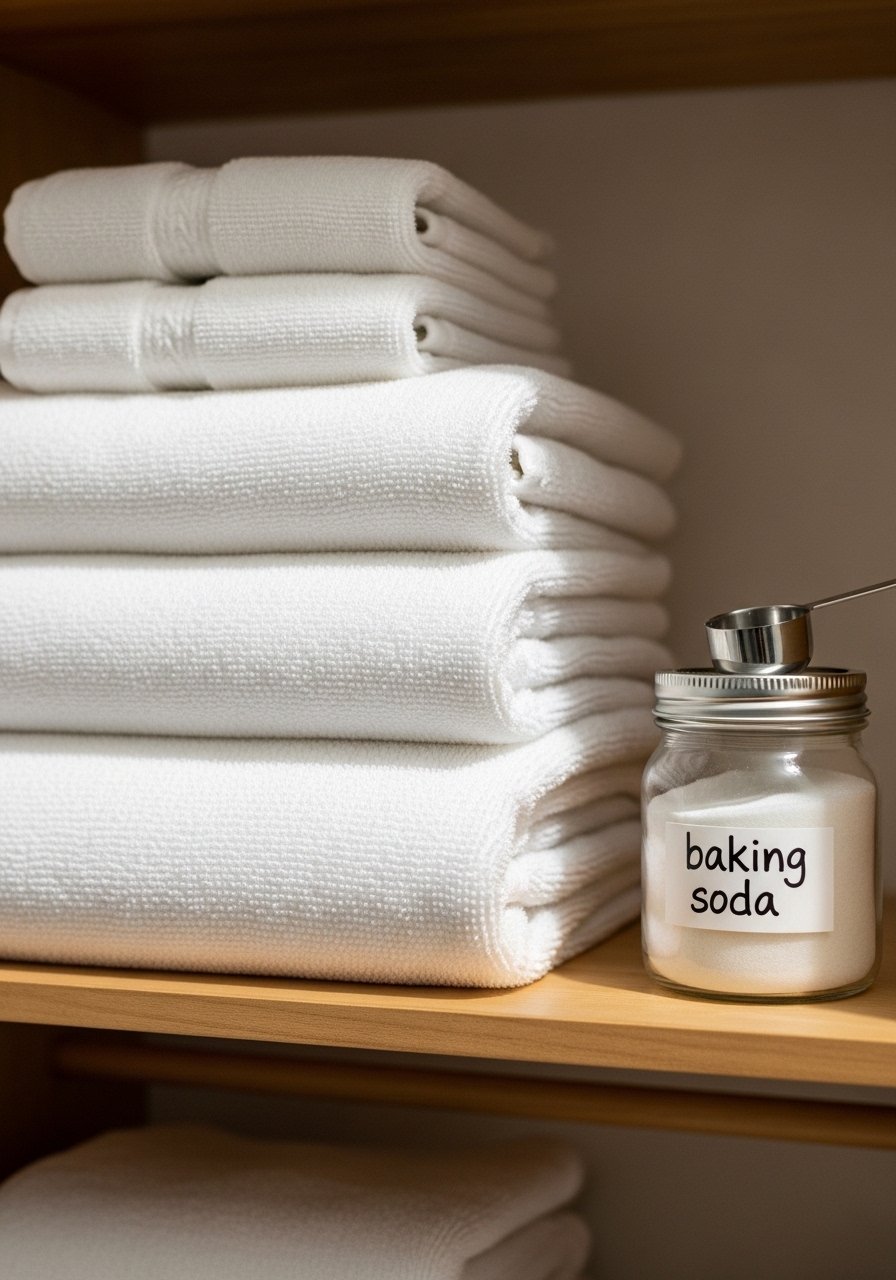
I used to add fabric softener to everything until I realized it reduces absorbency in towels. Instead, I add half a cup of baking soda to the wash and a cup of vinegar to the rinse when I want softness. The towels stay white and much more absorbent. For towels I use a normal detergent, not the scented softeners that leave residues.
Mistake to Avoid: Using fabric softener on absorbent items like bath towels.
9. Treat oil and grease with dish soap first
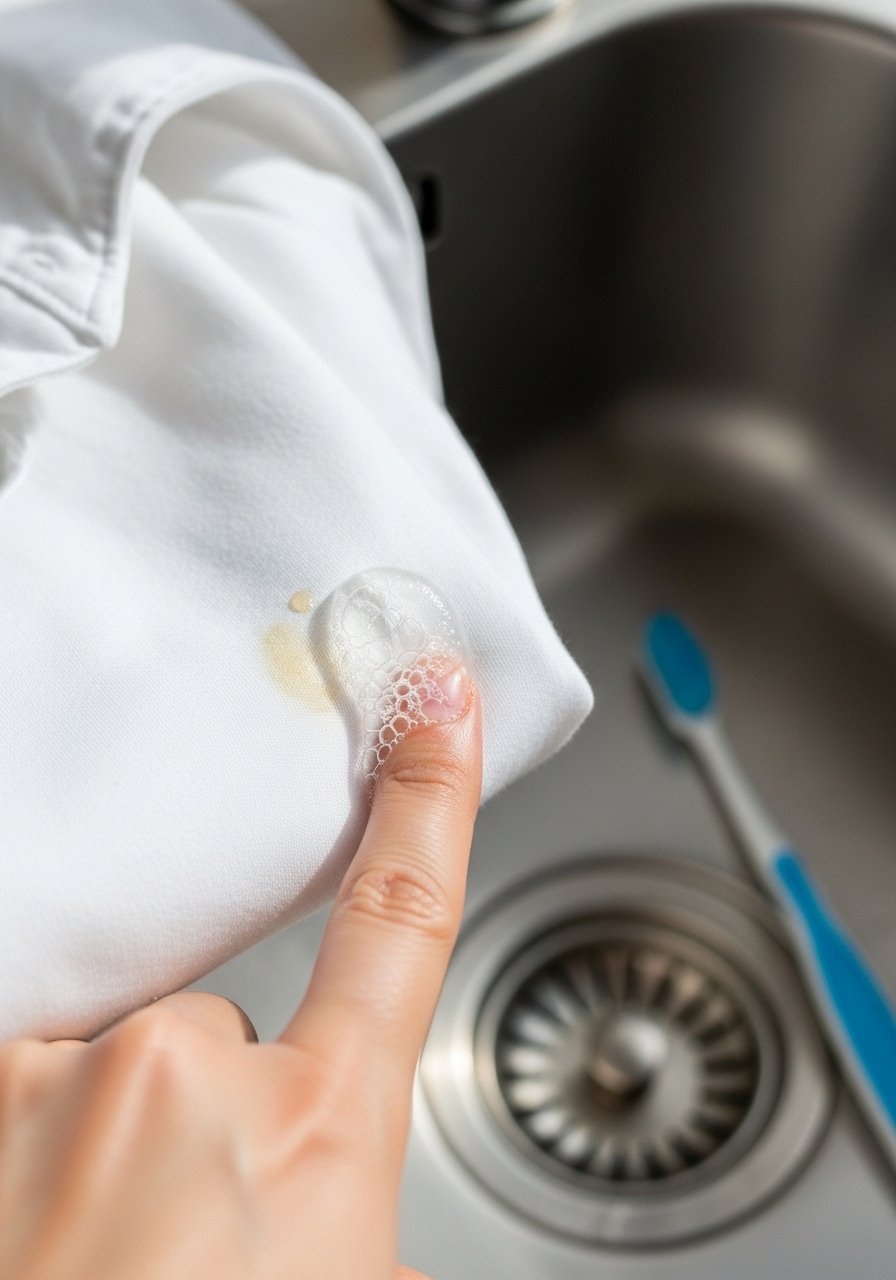
Grease and oil respond to grease-busting dish soap. I dab a tiny bit of clear dish soap, work it in gently with a soft brush, then rinse and wash with enzyme detergent. It’s one of those tricks I used so often I stopped buying fancy stain sprays. For stubborn grease I follow with a scoop of washing-soda in the washer.
Mistake to Avoid: Rubbing vigorously and spreading oil further.
10. Use a toothbrush for collar and cuff scrubs
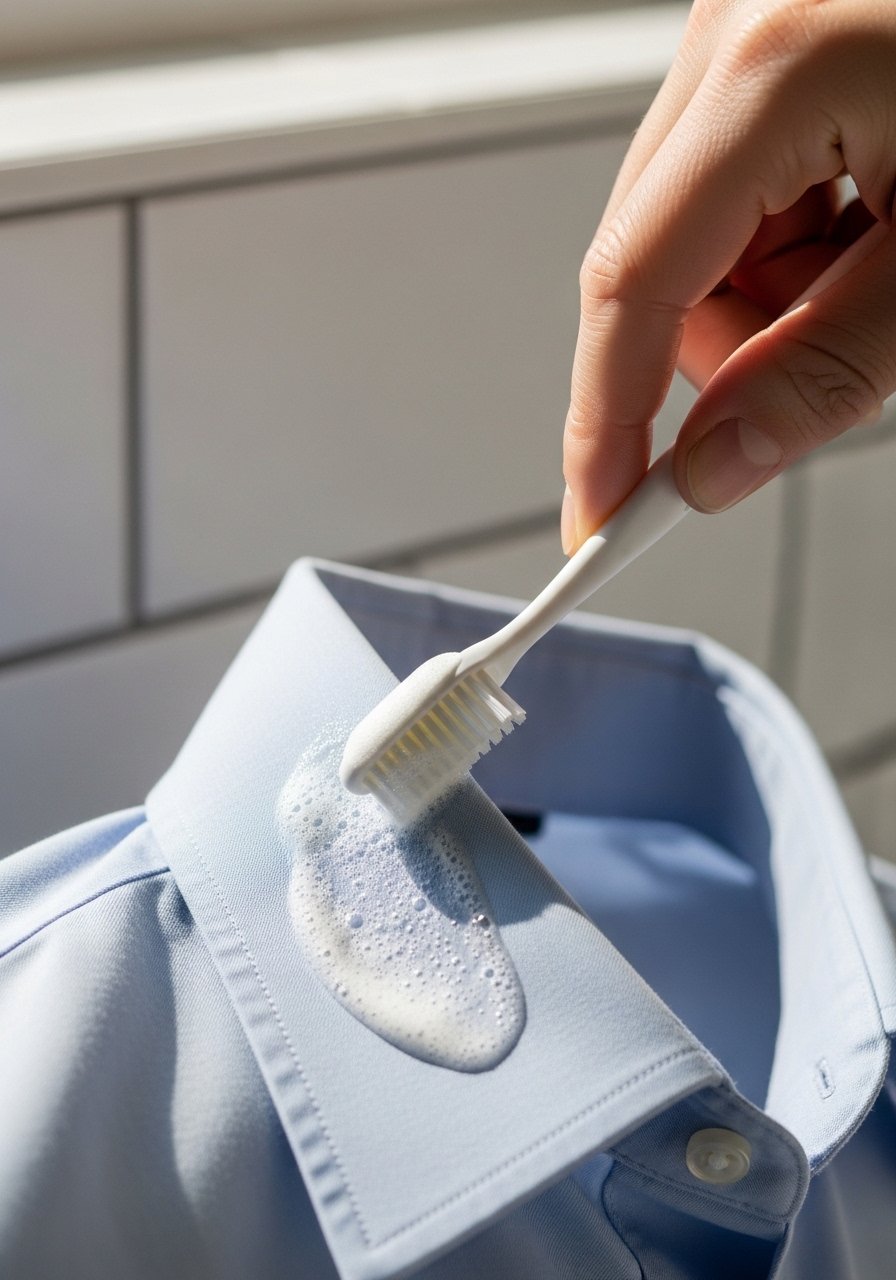
A soft toothbrush is my secret tool for collars and cuffs. With a dab of enzyme detergent I gently scrub the area, let it sit, then launder. It’s precise and saves whole shirts from being tossed. I keep a small stain-brush in the laundry drawer so I always have it ready for quick fixes.
Mistake to Avoid: Using a hard-bristled brush that scuffs fabric.
11. Oxygen soak overnight for dingy linens
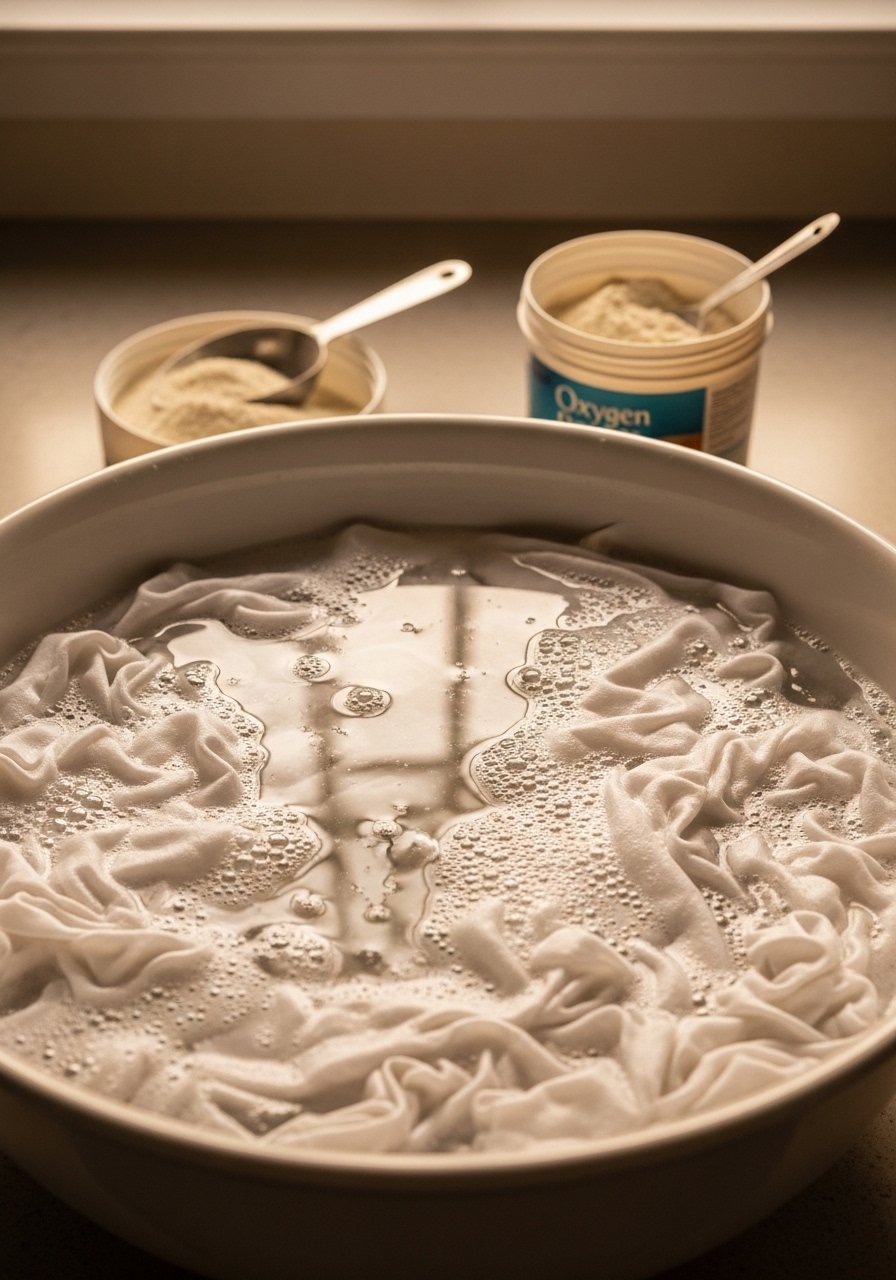
When sheets start to look gray, I do an overnight oxygen soak: a generous scoop of oxygen-bleach-powder in warm water, soak eight hours, then wash. It’s saved a few old sheets that I almost pitched. I noticed they looked about 70 percent brighter after the soak compared to a regular wash.
Mistake to Avoid: Soaking delicate fabrics too long; they can weaken.
12. Lemon and salt for stubborn stains on cotton
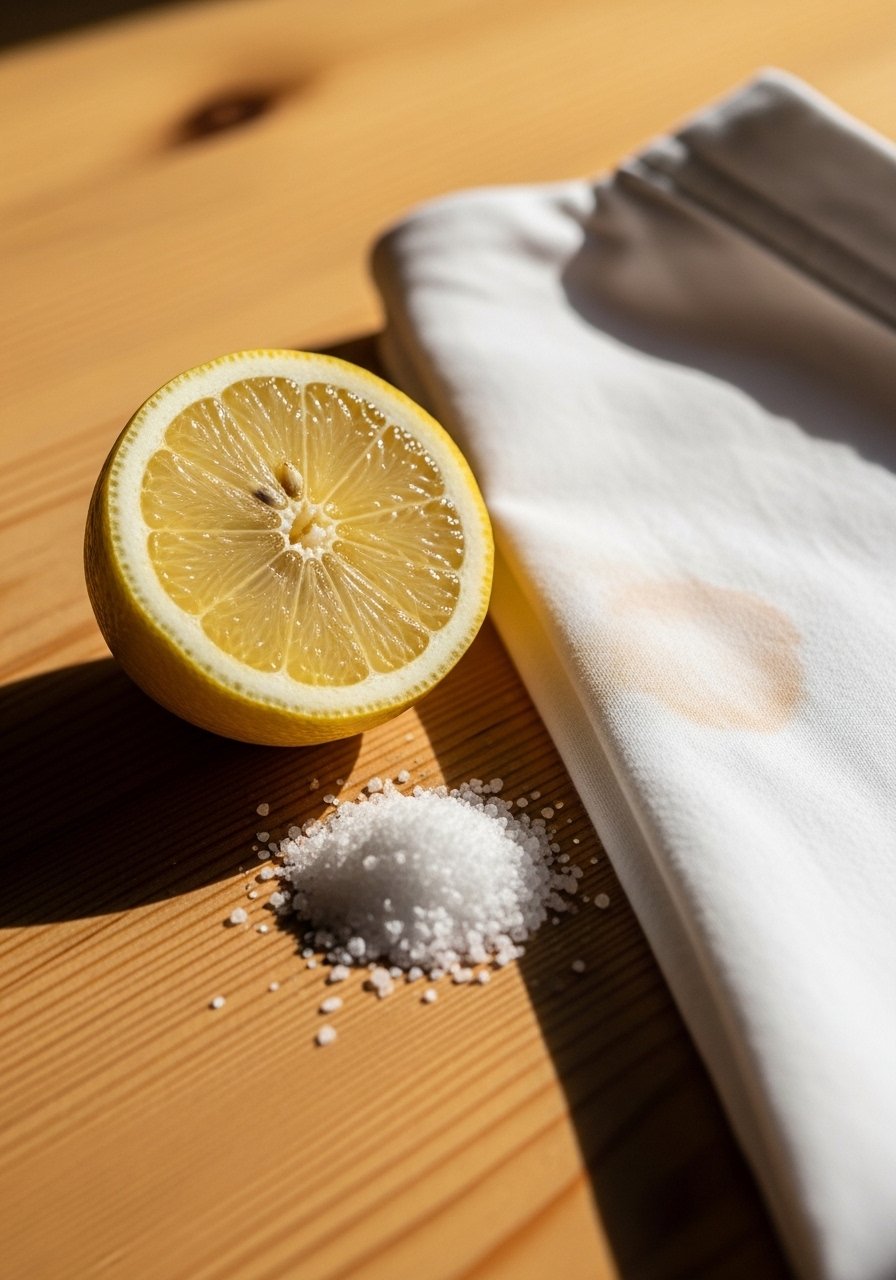
For small cotton stains I rub lemon juice and salt into the spot and leave it in sun for 30 minutes. The acidity and abrasion lift light discoloration. It’s a cheap, old-school trick that worked for a yellow spot on my picnic shirt that nothing else budged. After the sun session I rinse and pop the shirt in the wash.
Mistake to Avoid: Using lemon on synthetic fabrics that can yellow further.
13. Rotate white wardrobe to prevent wear spots
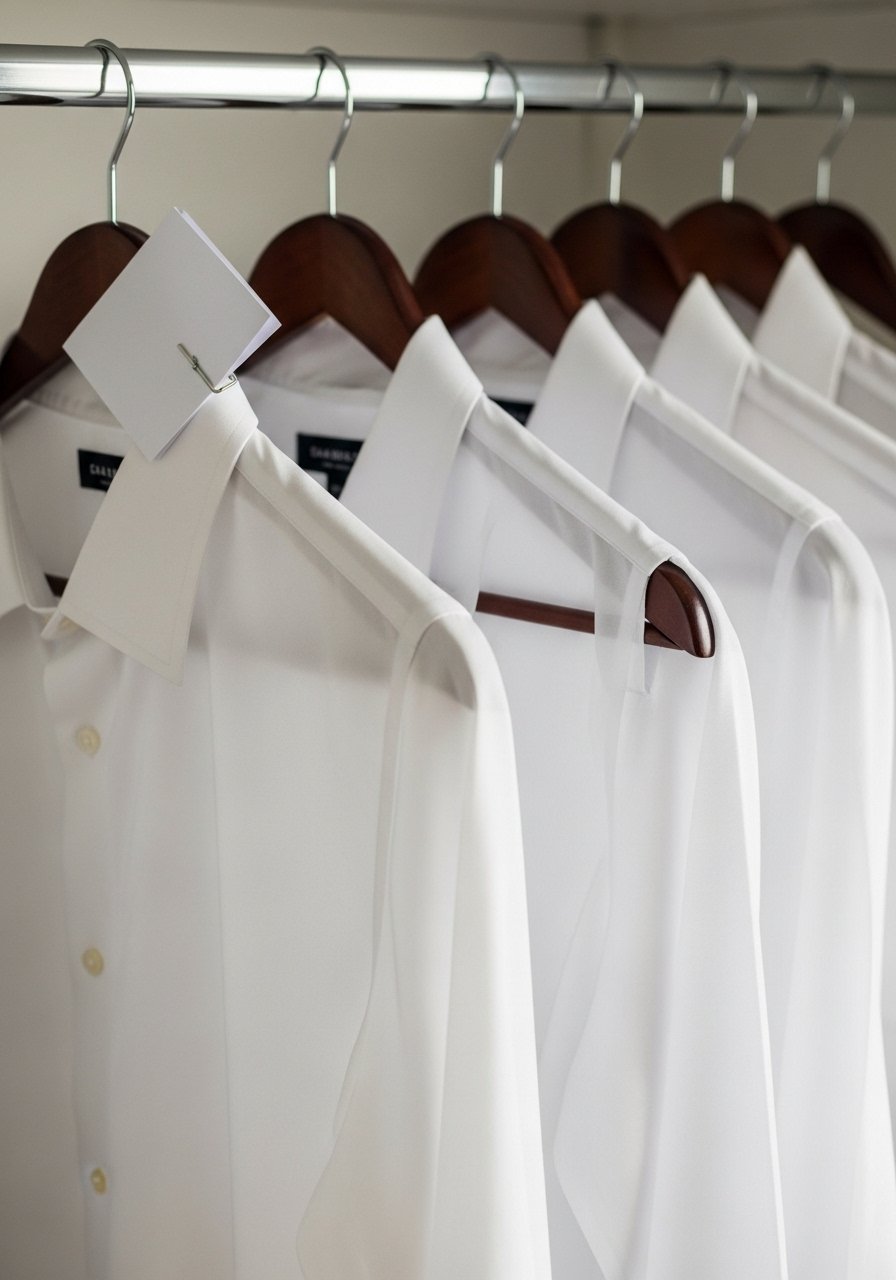
I rotate which white shirts I wear each week, especially for office staples. Wearing the same shirt repeatedly creates localized wear and sweat discoloration. After I started rotating, I noticed the lifespan of my button-ups increased. It’s low effort and keeps the fabric fresh longer. If you have favorite tees, give them a week off between wears.
Mistake to Avoid: Wearing the same white item several days in a row.
14. Iron whites while slightly damp for crispness
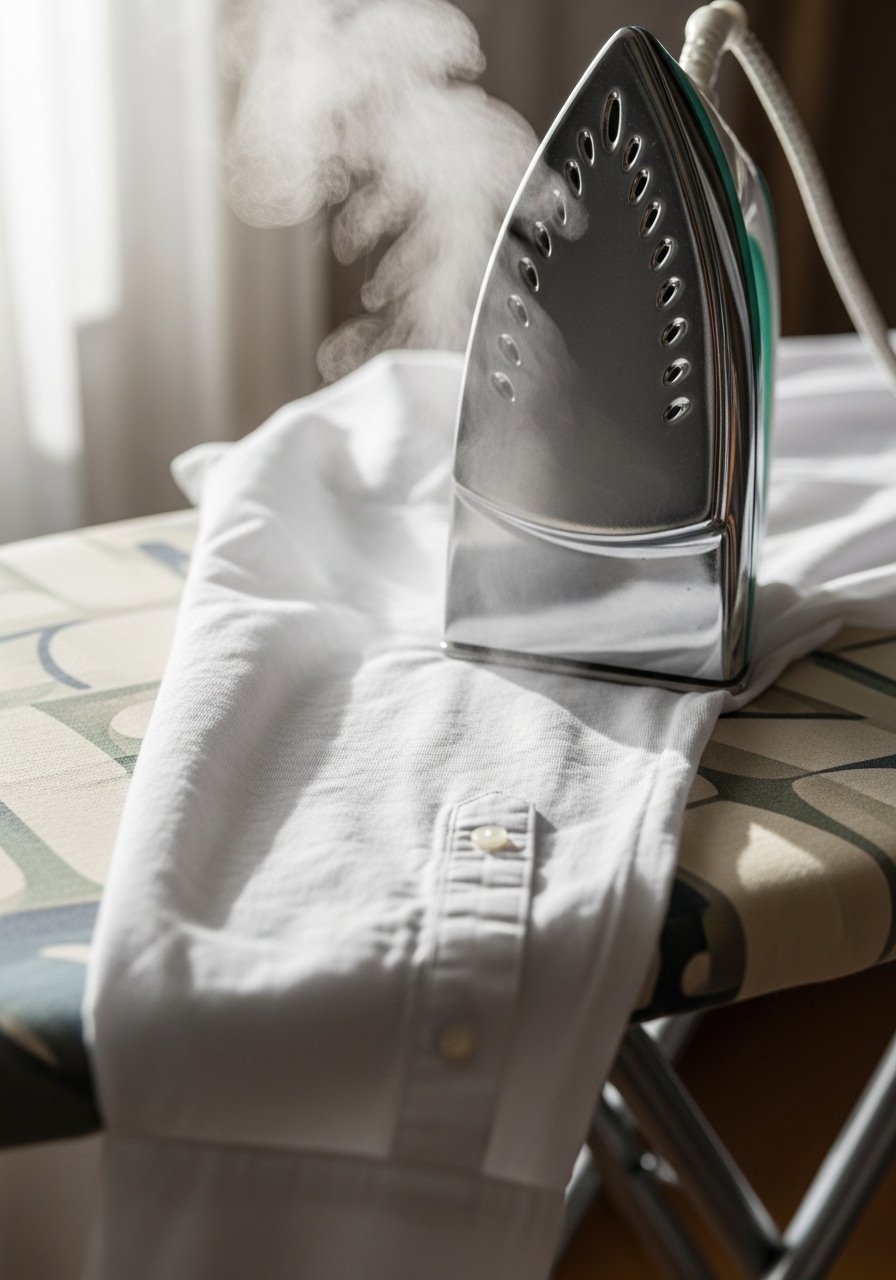
I iron shirts when they’re a bit damp for a crisp finish. It helps smooth fibers and looks brighter when light reflects evenly. For delicate cotton I use a lower heat and a pressing cloth. Toward the end I spray a light mist of water or vinegar to freshen collars. It makes a difference in how clean whites read in photos and in person.
Mistake to Avoid: Ironing at too high heat for delicate fabrics.
15. Use a whitening spray for spot touch-ups
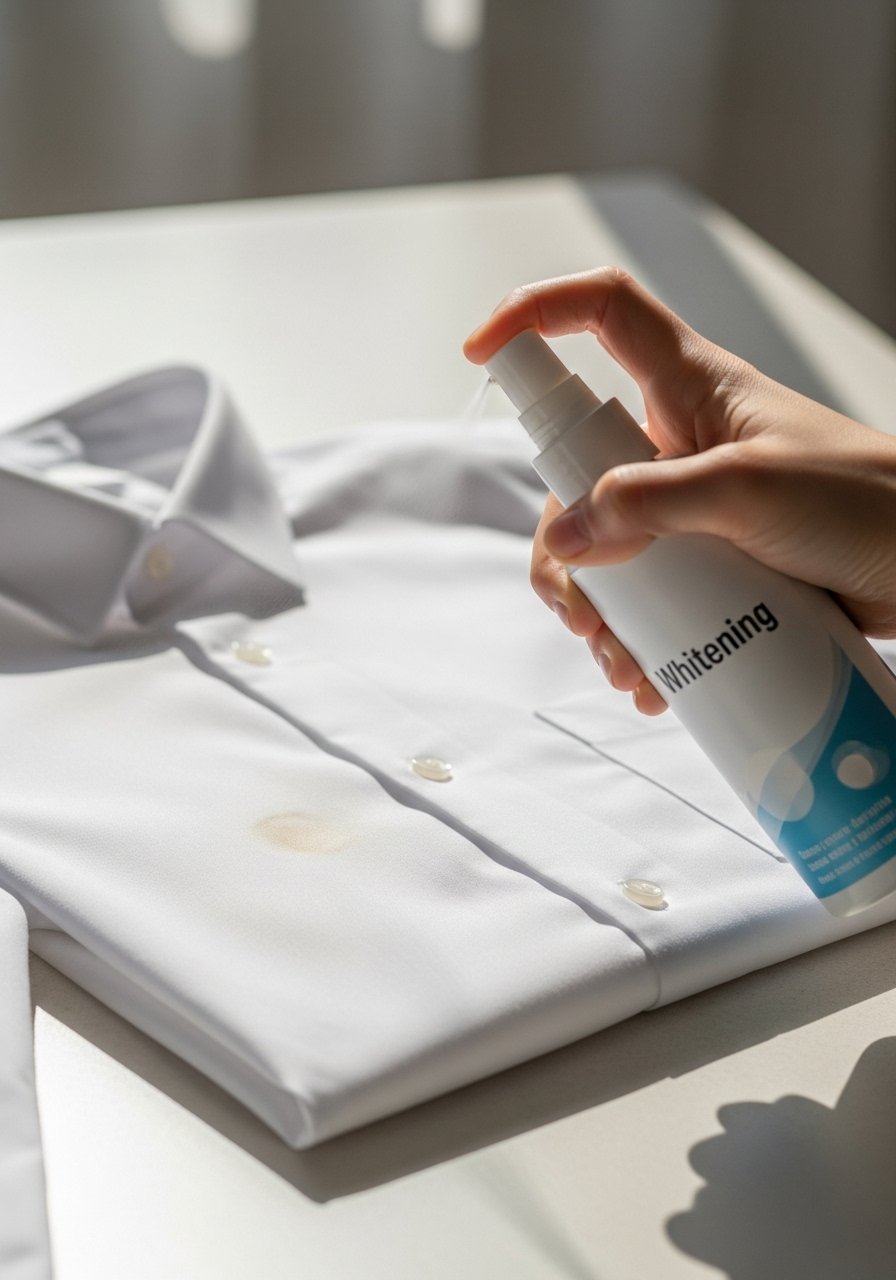
For quick touch-ups between washes I keep a laundry-whitener-spray in my closet. Spritz, lightly rub, and air-dry. It saved me before a last-minute meeting when my blouse had a coffee dot. It’s not a replacement for washing, but it’s great for emergencies and small spots that would otherwise send me back to the sink.
Mistake to Avoid: Relying on spray for deep stains instead of laundering.
16. Avoid bleaching trims and embellishments
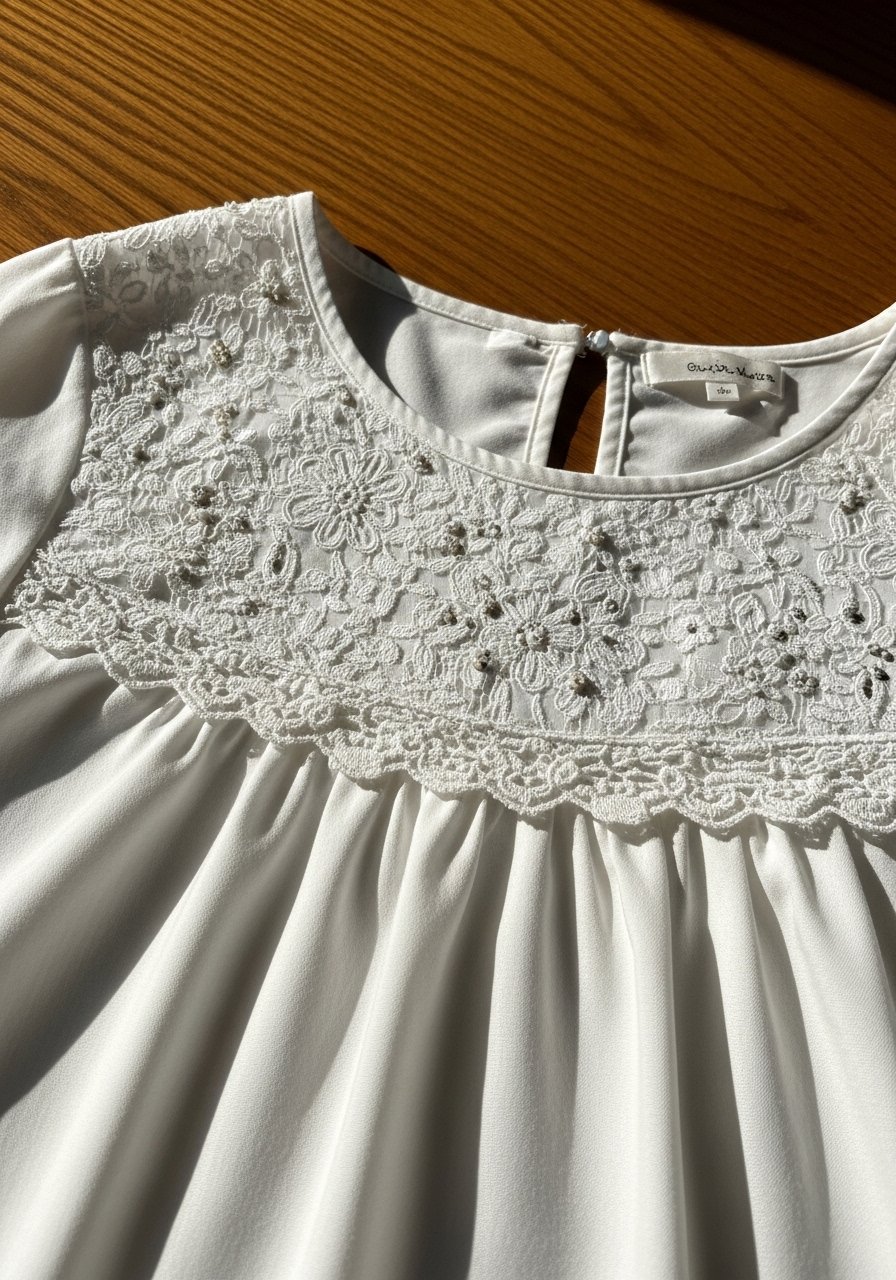
If a white item has colored trims or beads I avoid chlorine bleach and instead use an oxygen booster or spot-clean only. I once ruined a hand-embroidered blouse by soaking it in bleach, and the trims faded. Using oxygen-bleach-powder cautiously around trims keeps the overall fabric brighter without attacking those details.
Mistake to Avoid: Soaking embellished pieces in chlorine bleach.
17. Cold rinse after hot wash to set fabric
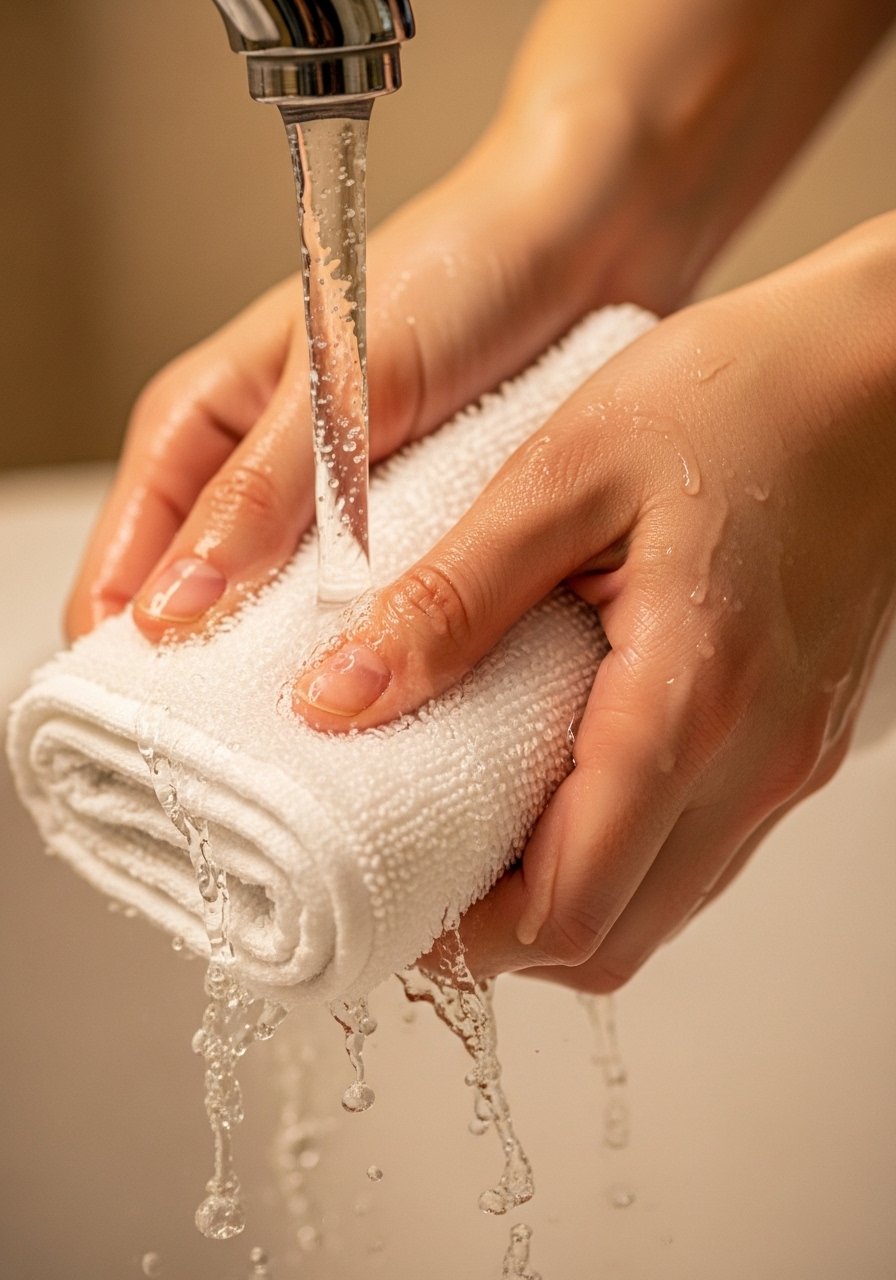
After a hot wash for heavy soil I run a quick cold rinse to set fibers and prevent any residual detergent from building up. It helps reduce dinginess over time. I do this when caring for white cotton towels and duvet covers. That extra rinse seemed to cut down on stiffness and left a cleaner feel.
Mistake to Avoid: Skipping rinse cycles to save time on heavily soiled items.
18. Test whiteners on a hidden seam
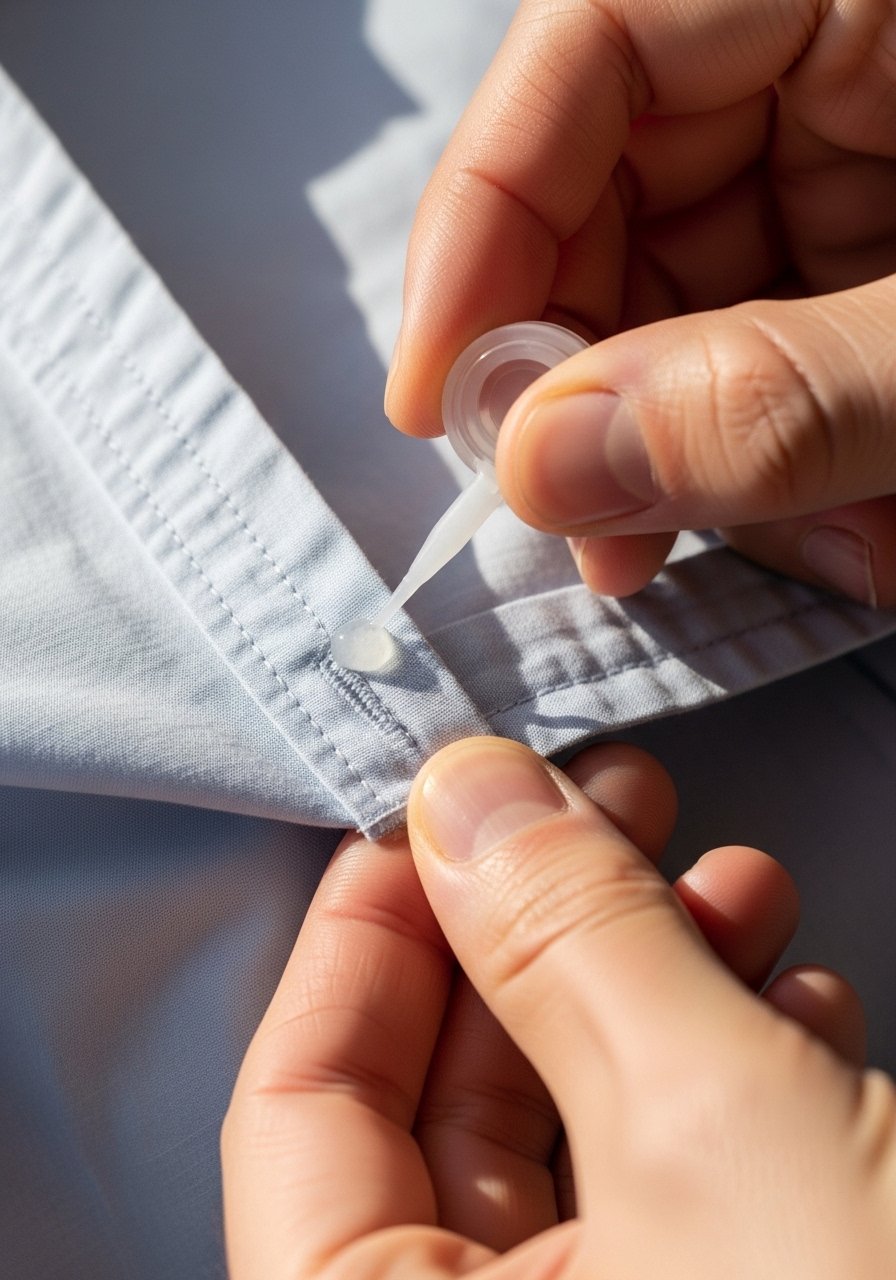
Before using a new whitener I test on a hidden seam or hem. It’s cheap insurance. I had a jar of cleaner that slightly altered texture on one polyester shirt, and testing would have saved it. A small spot test takes a minute and prevents surprises with color or fabric reaction.
Mistake to Avoid: Applying new cleaners to visible areas without testing first.
19. Use cold water and enzyme prewash for wine or fruit stains
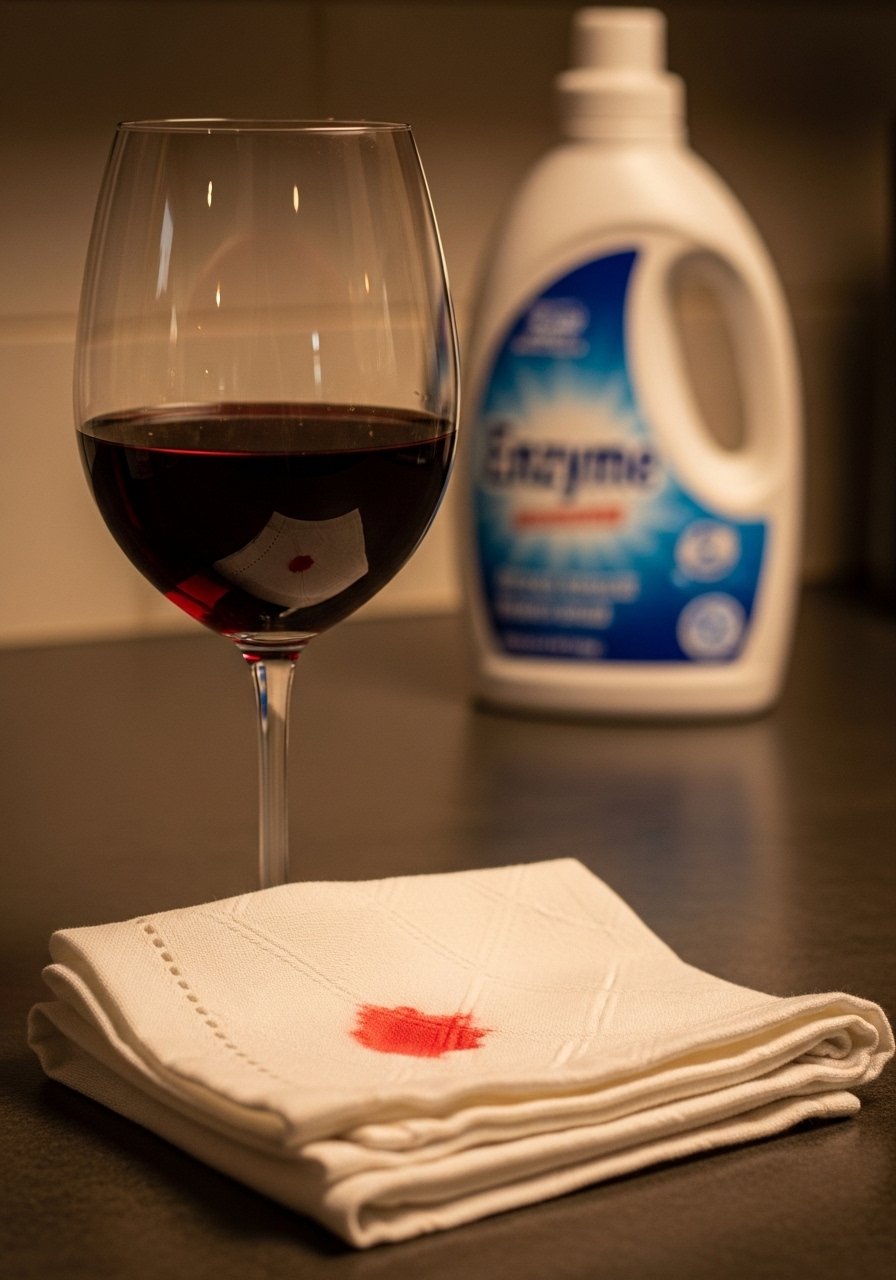
On fruit or wine splashes I blot, then rinse in cold water and treat with an enzyme cleaner. Warm water can set pigments, but enzymes break down sugars and proteins. I once saved a white tablecloth this way the night of a dinner party. Follow with a normal wash and a pre-check before drying.
Mistake to Avoid: Rubbing stains and spreading the pigment.
20. Freeze gum and scrape gently
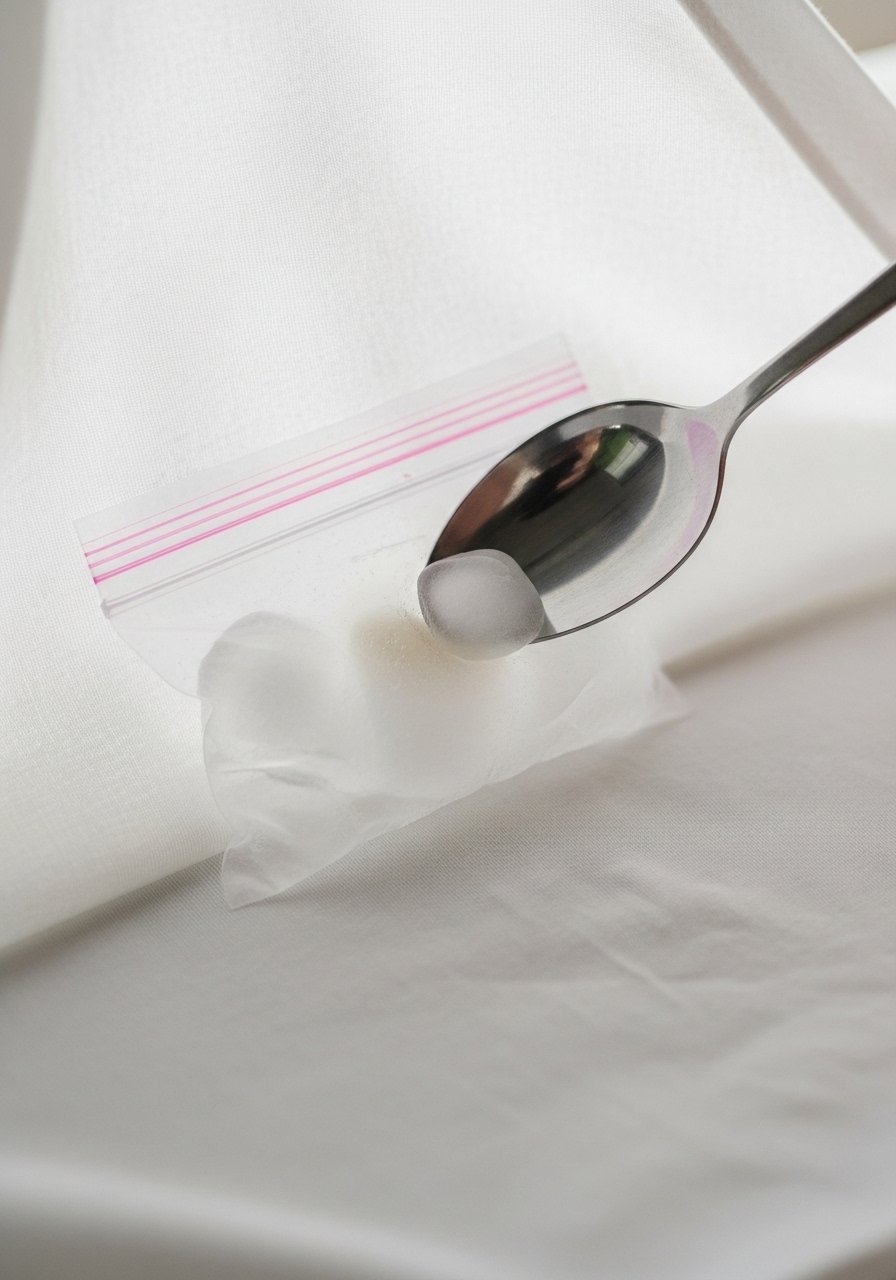
If you get gum on fabric, freeze it in a bag of ice until it hardens, then carefully scrape it off. That trick saved my favorite cotton dress after a picnic mishap. Once the bulk is gone I treat the area with a little dish soap or enzyme cleaner and wash as usual.
Mistake to Avoid: Trying to wash sticky gum out without freezing first.
21. Use washing soda for mineral build-up and dinginess
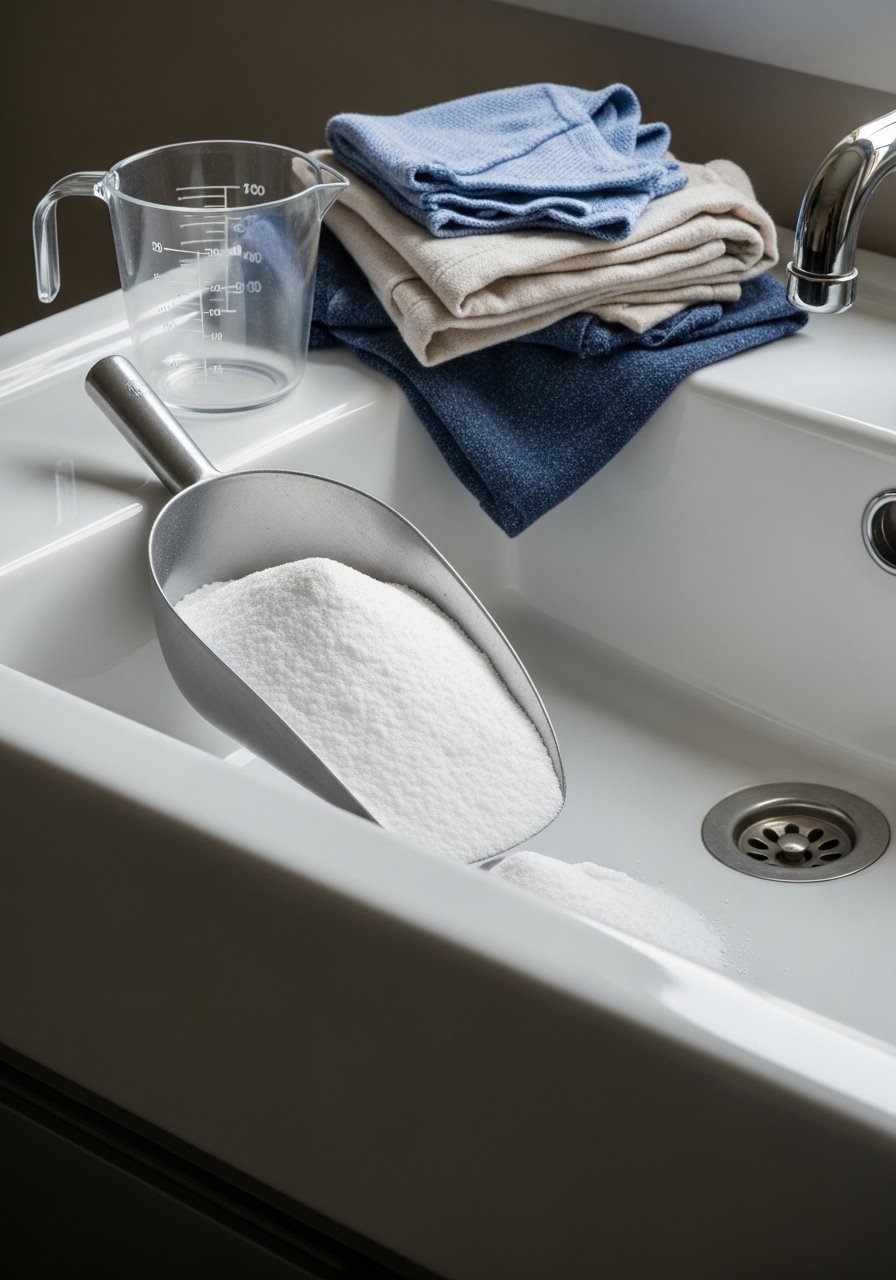
If whites look dingy from mineral deposits or hard water I add a half cup of washing-soda to the wash. It softens water and helps detergents work better. I live in a place with hard water and this made a measurable difference in brightness after a few washes.
Mistake to Avoid: Using washing soda on silk or delicate fabrics.
22. Spot-clean with hydrogen peroxide for blood
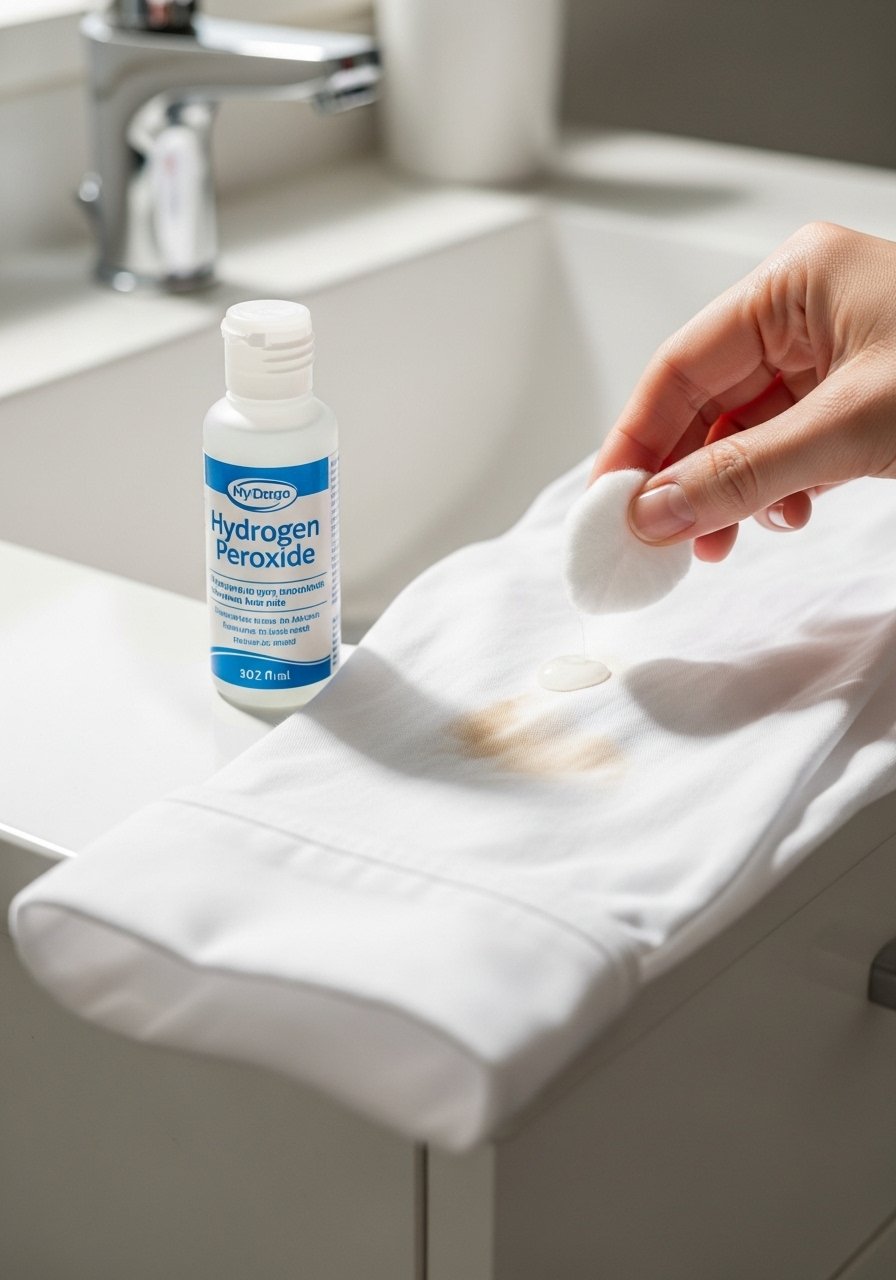
For fresh blood stains I blot with cold water then apply a little hydrogen peroxide to the spot, letting it bubble and lift. Rinse and repeat if needed, then launder. It works quickly for recent stains on cotton. If the fabric is vintage or delicate, test first on the hem.
Mistake to Avoid: Using warm water on blood before pretreating.
23. Keep a tiny emergency kit for travel
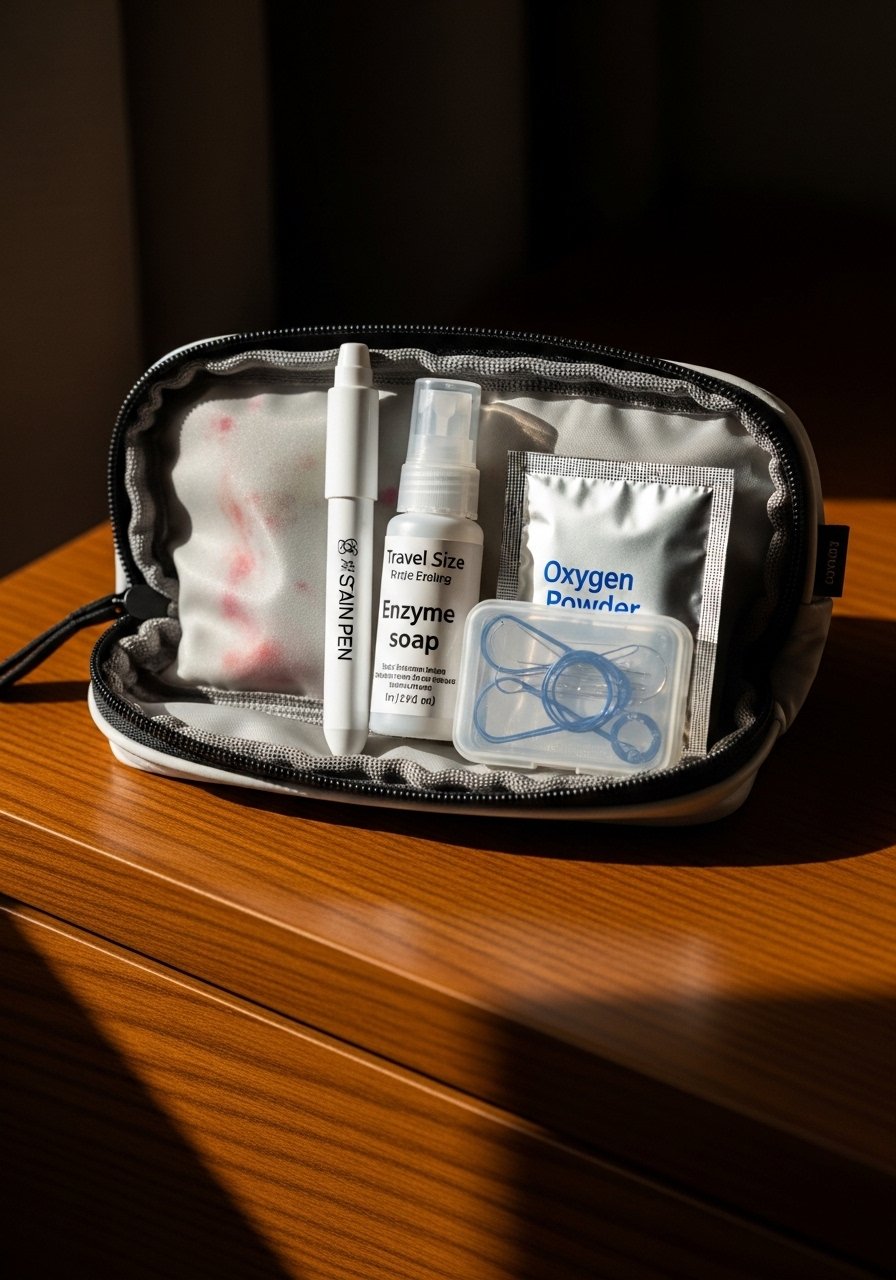
I travel with a small kit: stain-remover-pen, a travel soap bar, and a couple safety pins. Between delayed luggage and accidental spills, I’ve used it more than once. It’s compact and prevents outfit disasters at critical moments. Save yourself the embarrassment at a meeting or dinner table.
Mistake to Avoid: Packing only full-size products and not a compact solution.
24. Repair small holes and weak threads before washing
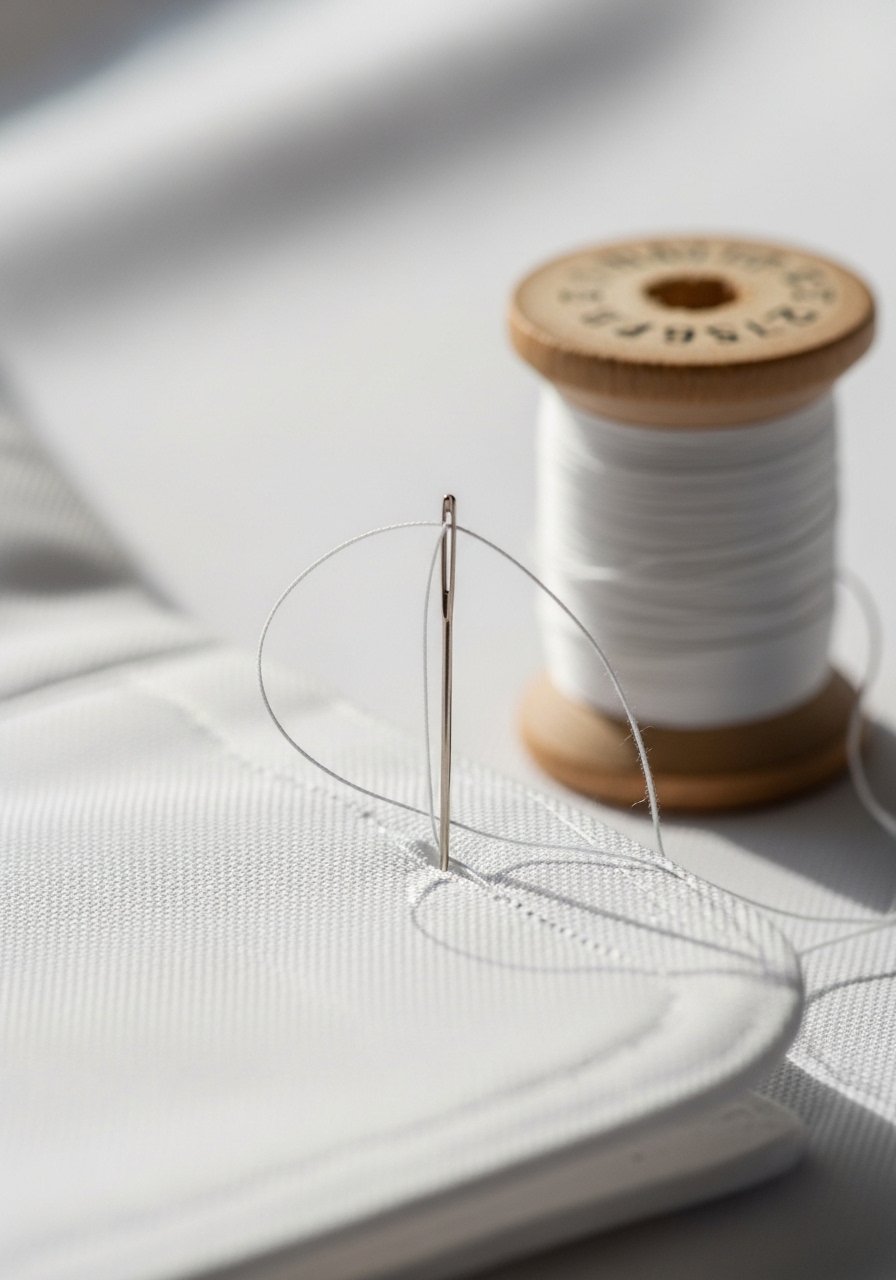
If a seam is fraying I sew it up before washing to prevent further unraveling. Washing makes weak points worse. I do simple hand repairs in five minutes, and it has saved shirts that would have become unsalvageable after one wash. This tiny habit keeps favorites wearable longer.
Mistake to Avoid: Ignoring tiny holes and letting washing enlarge them.
25. Store whites in breathable cotton, not plastic
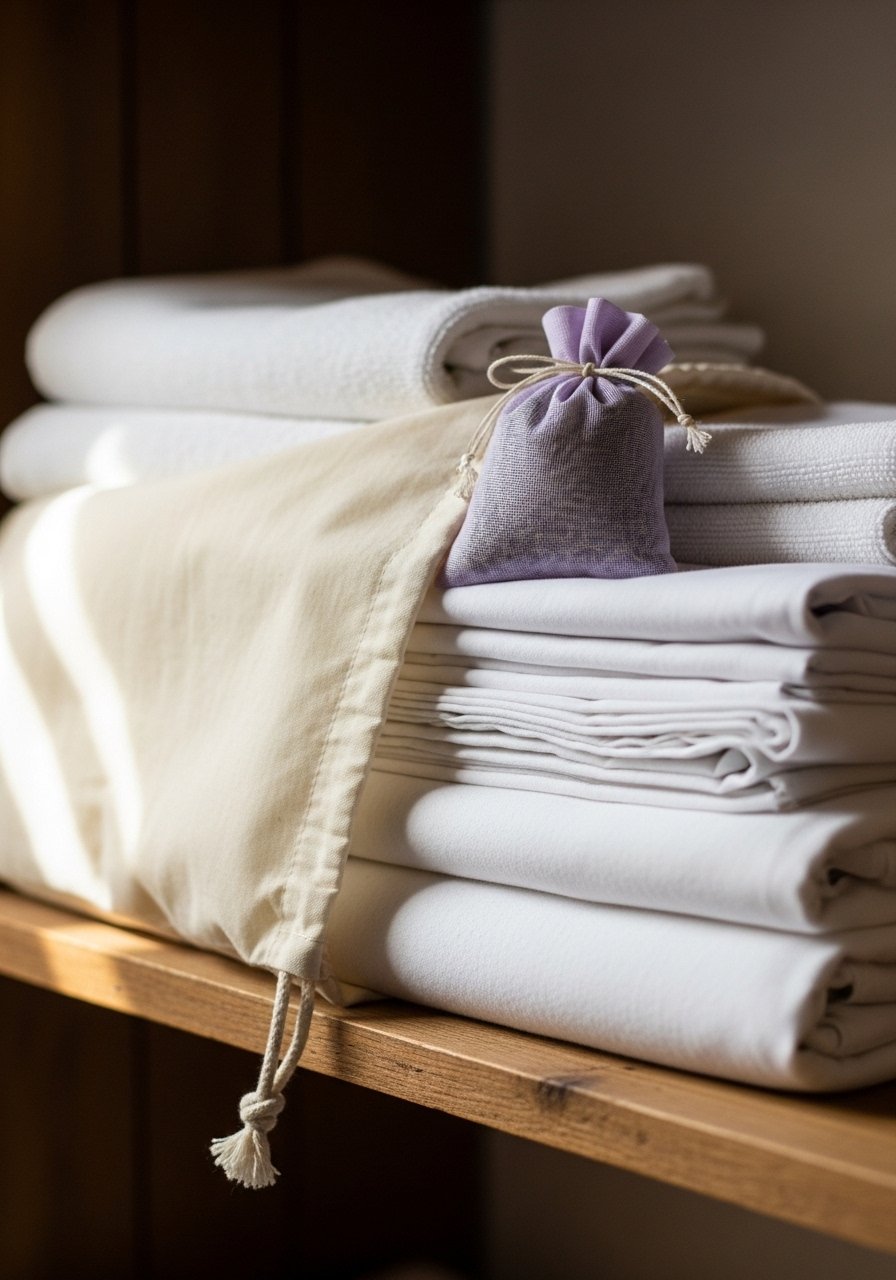
I store seasonal whites in cotton bags with silica packs, not plastic bins. Plastic traps moisture and invites yellowing over time. After switching storage methods I found linens stay fresher long term and need less heavy cleaning when brought back into rotation. A little airflow goes a long way.
Mistake to Avoid: Storing whites long-term in non-breathable plastic.
26. Use color-safe bleach sparingly on trims
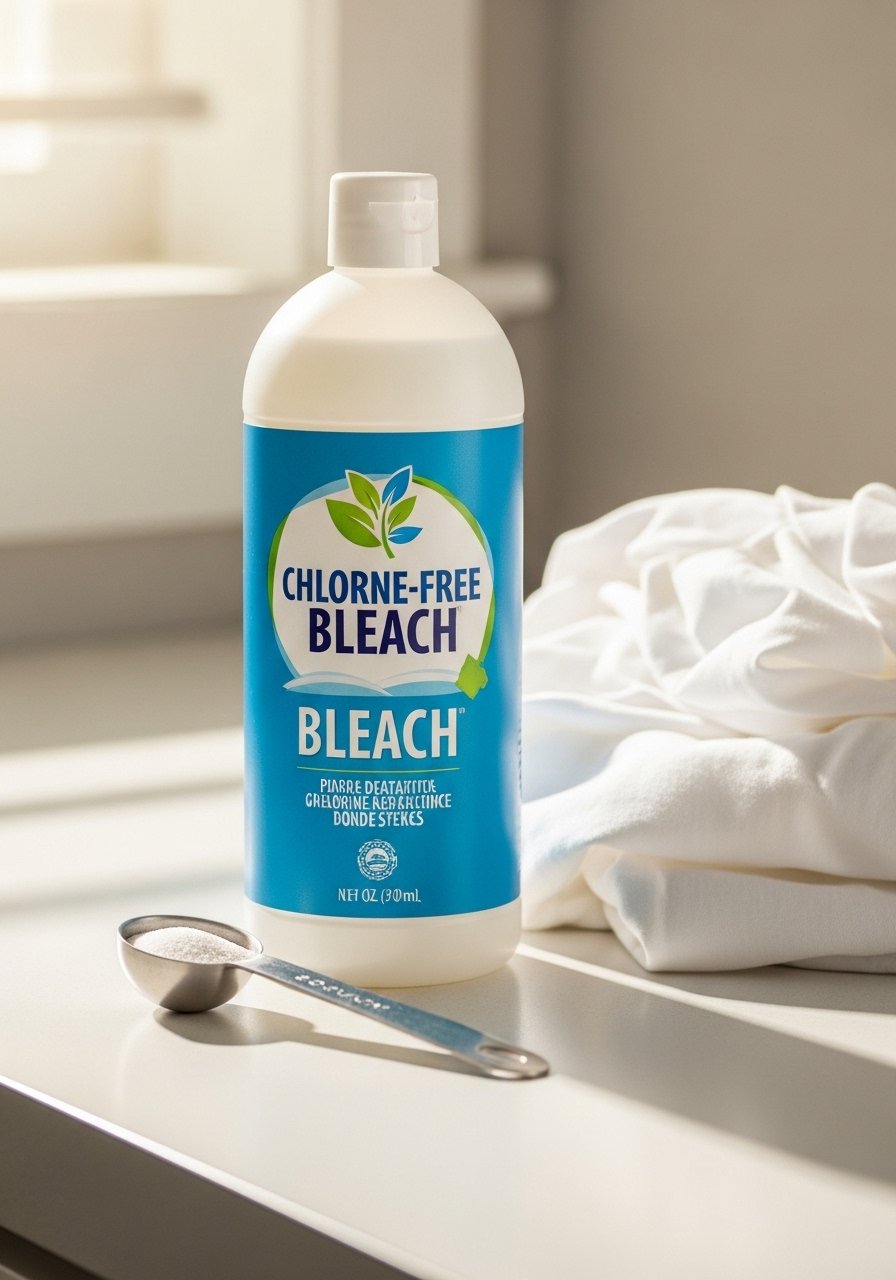
When I need extra lift but want to protect trims, I use a chlorine-free, color-safe bleach in moderation. It brightens without attacking threads as aggressively. I follow package directions and dilute carefully. It’s my in-between step when oxygen alone isn’t enough.
Mistake to Avoid: Applying color-safe bleach at full strength without dilution.
27. Keep whites separate in the dryer with dryer balls
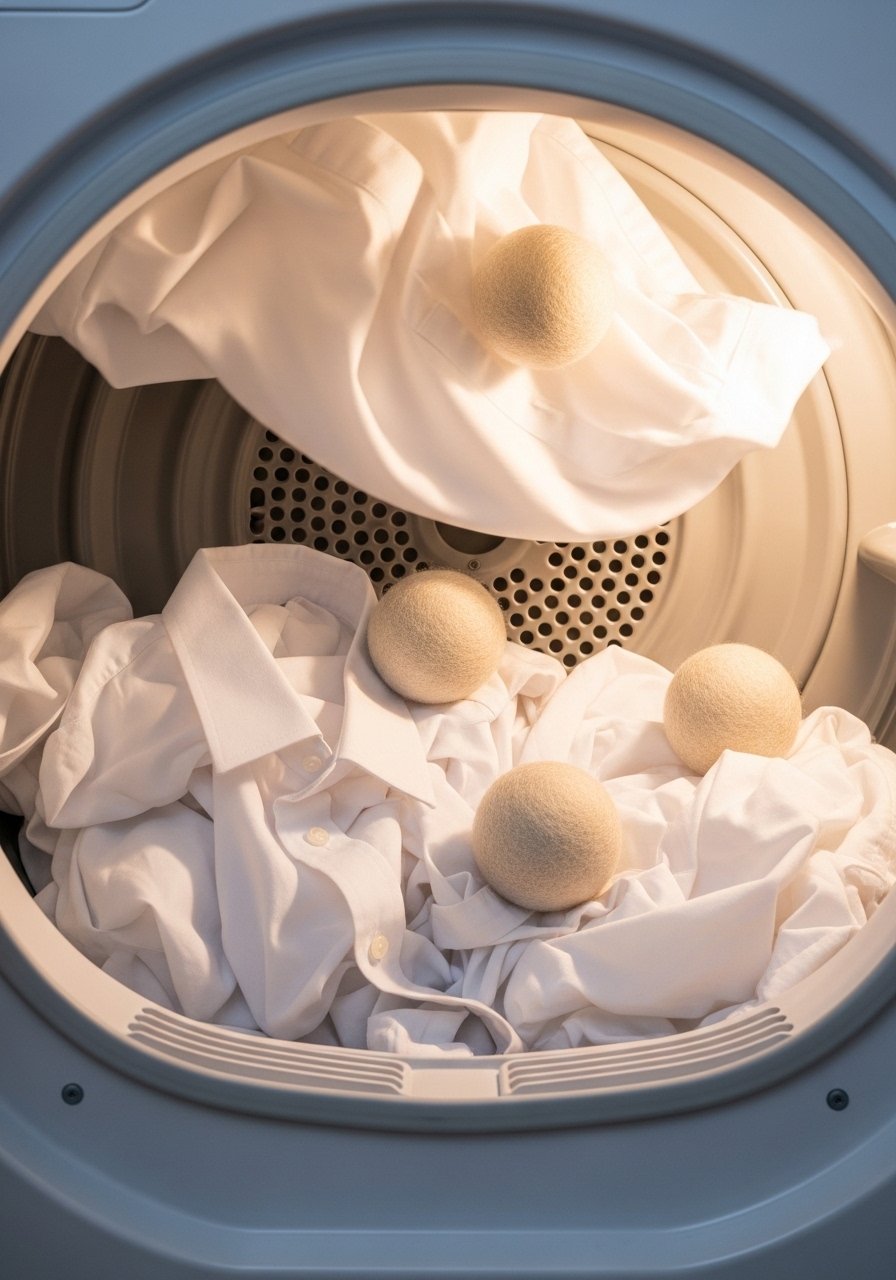
I toss a couple of wool dryer balls into the white load and avoid overfilling the dryer. They keep items from clumping and reduce static without softener residues. It helps whites dry evenly and prevents uneven browning from too little circulation. I use a low to medium heat to avoid overcooking fibers.
Mistake to Avoid: Cramming a dryer, which causes uneven drying and heat spots.
28. Schedule a monthly white-care routine
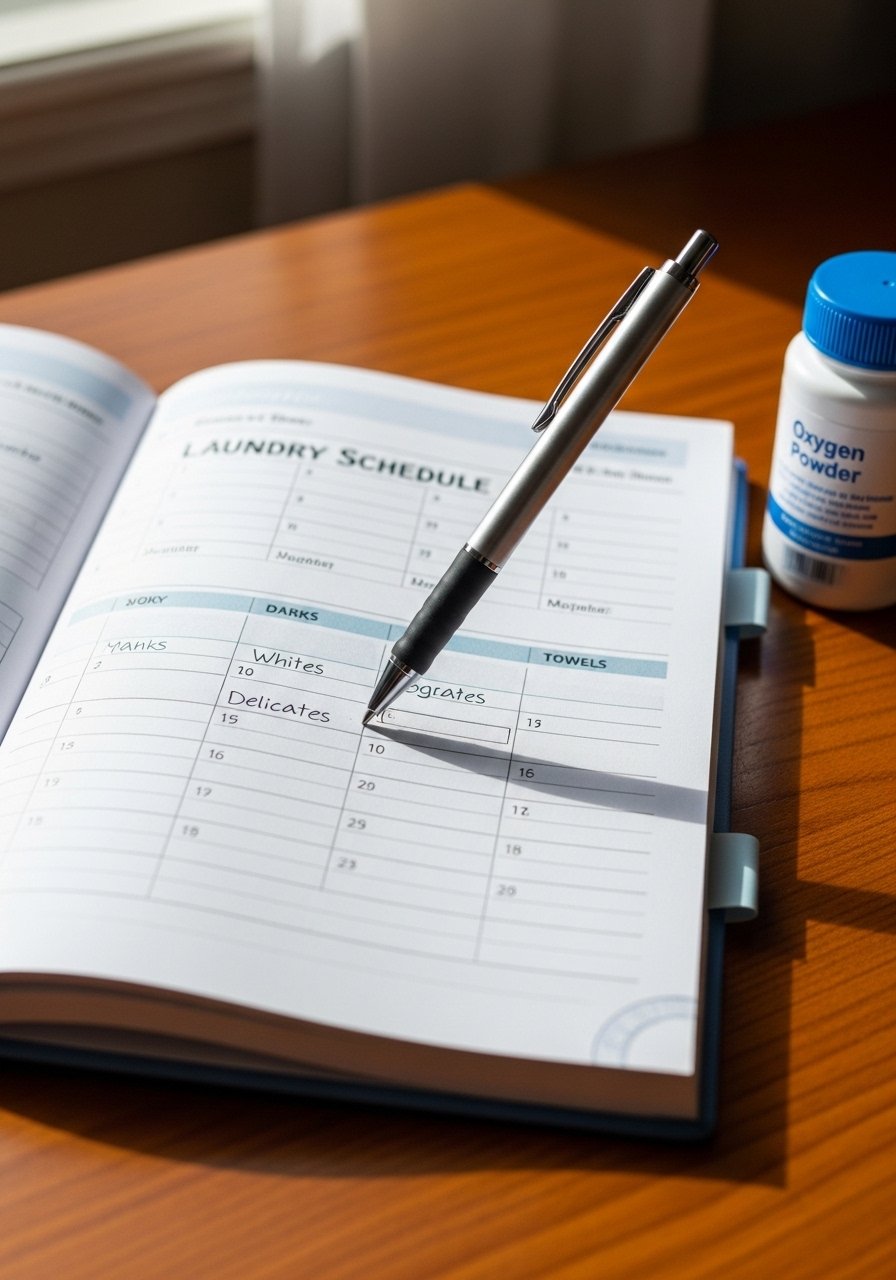
I run a dedicated white load once a month as maintenance: oxygen boost, water temperature matched to fabric, and a sun-dry if possible. That routine prevents gradual dinginess and keeps whites consistently fresh. After adopting it I found fewer emergency deep-cleans and less panic when a favorite shirt had a small stain.
Mistake to Avoid: Waiting until everything looks dingy before treating whites.
Fashion Tips
Wash labels first: Always check garment care tags before trying any treatment, and follow the highest care standard listed, using a white-mesh-laundry-bag for delicates.
Keep a stain kit handy: Carry a stain-remover-pen when traveling to handle stains immediately.
Use enzyme detergent weekly: A small scoop of enzyme-laundry-detergent on sweaty items prevents buildup.
Brighten with oxygen: Keep oxygen-bleach-powder for monthly maintenance so whites age better.
Avoid chlorine for most items: Reserve chlorine bleach only for solid white towels or socks when nothing else works, and dilute carefully.