
Dry chicken has ruined more dinners than we’d like to admit. You follow a recipe, set a timer, and still end up with meat that’s tough or bland. The truth is, juicy chicken isn’t about luck—it’s about understanding a few simple techniques that make a big difference.
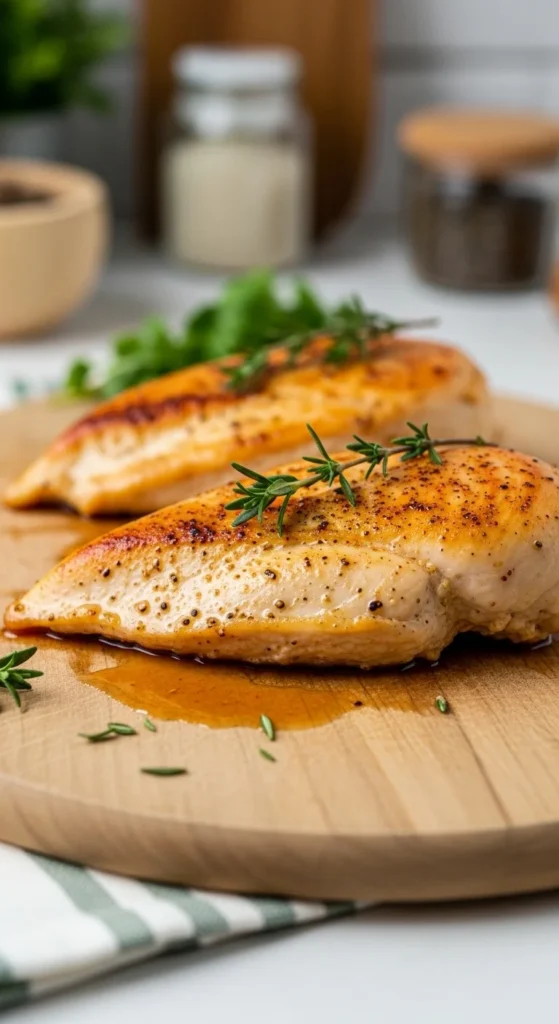
Once you know what to look for, cooking chicken becomes one of the most reliable and satisfying meals you can make. Let’s walk through how to get it right every single time.
Choose the Right Cut for the Job
Not all chicken behaves the same way in the pan or oven. Picking the right cut sets you up for success before cooking even begins.
Popular options and how they cook
- Chicken breasts: Lean and quick-cooking, but easy to dry out
- Chicken thighs: Higher fat content, more forgiving, great for beginners
- Bone-in chicken: Holds moisture well and develops deeper flavor
If juiciness is your top priority, thighs are a great place to start. Breasts can be just as good with the right technique.
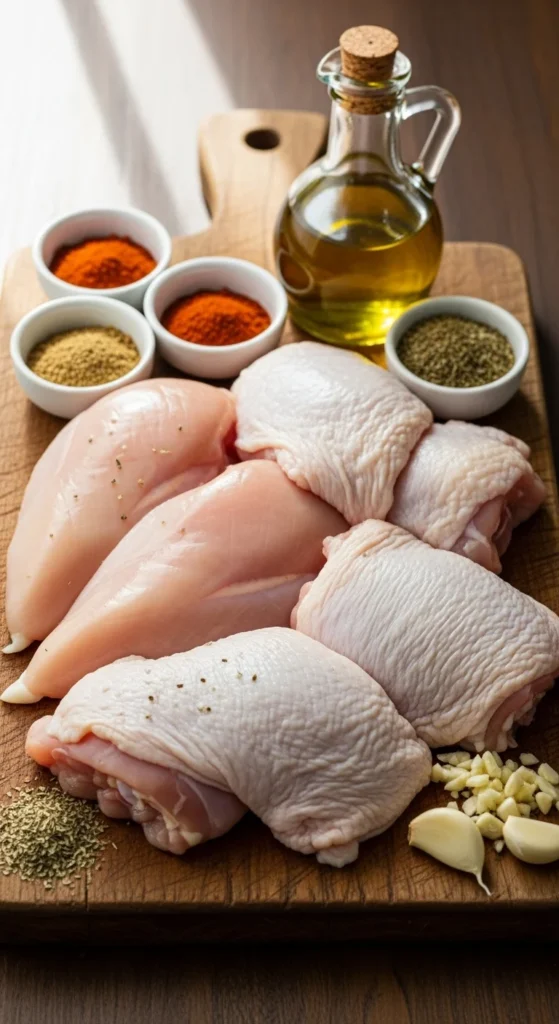
Season Early and Don’t Be Shy
Flavor doesn’t happen at the end—it starts before the heat goes on.
Simple seasoning basics
- Salt helps chicken retain moisture
- Oil helps conduct heat and prevents sticking
- Herbs and spices add aroma and depth
Season chicken at least 15–30 minutes before cooking when possible. Even a short rest gives the salt time to work into the meat.
For extra flavor, a quick marinade with oil, garlic, and lemon works wonders.
Bring Chicken to Room Temperature
Cooking cold chicken straight from the fridge is a common mistake.
Why this matters
Cold meat cooks unevenly. The outside can overcook while the inside struggles to catch up.
What to do instead
- Take chicken out of the fridge 20 minutes before cooking
- Pat it dry with paper towels before seasoning
This small step helps chicken cook more evenly and stay tender.
Master the Heat: Hot, Then Gentle
Most juicy chicken follows a two-stage cooking approach.
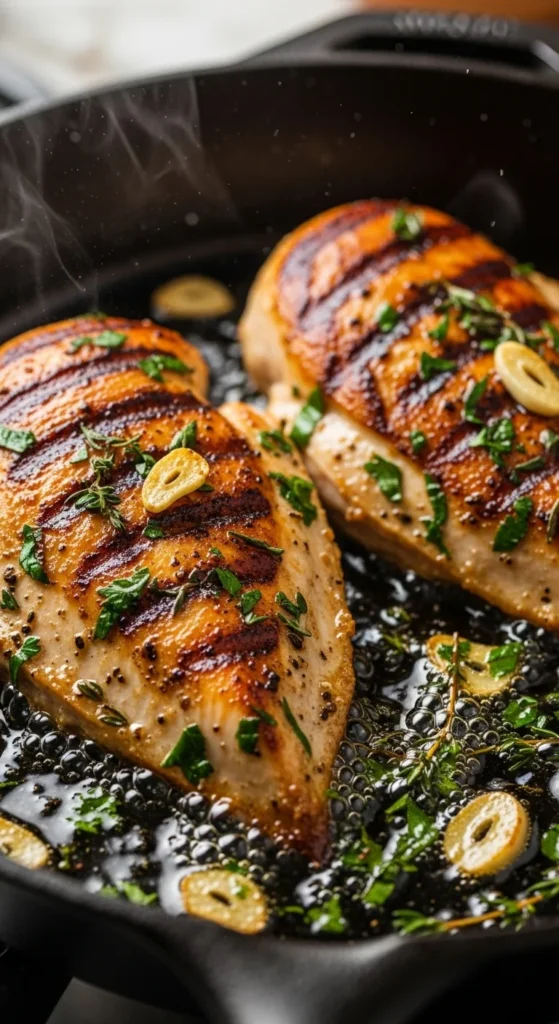
For stovetop cooking
- Start with a hot pan and oil
- Sear chicken until golden on the outside
- Lower heat and finish gently
This builds flavor without drying the inside.
For oven cooking
- Sear first, then transfer to a 375°F (190°C) oven
- Or roast entirely at a moderate temperature for even cooking
Avoid blasting chicken with high heat the whole time—it dries out fast.
Use a Thermometer (It Changes Everything)
Guessing is the fastest way to overcook chicken.
Target temperatures
- Chicken breasts: 160–165°F (71–74°C)
- Chicken thighs: 170–175°F (77–80°C)
Remove chicken from heat a few degrees early. It will continue cooking as it rests.
A thermometer removes the stress and helps you cook with confidence.
Let Chicken Rest Before Cutting
This step is often skipped, but it’s crucial.
What resting does
- Allows juices to redistribute
- Prevents liquid from spilling out onto the cutting board
- Keeps each bite moist
Rest chicken for 5–10 minutes depending on size. Tent loosely with foil to keep warm.
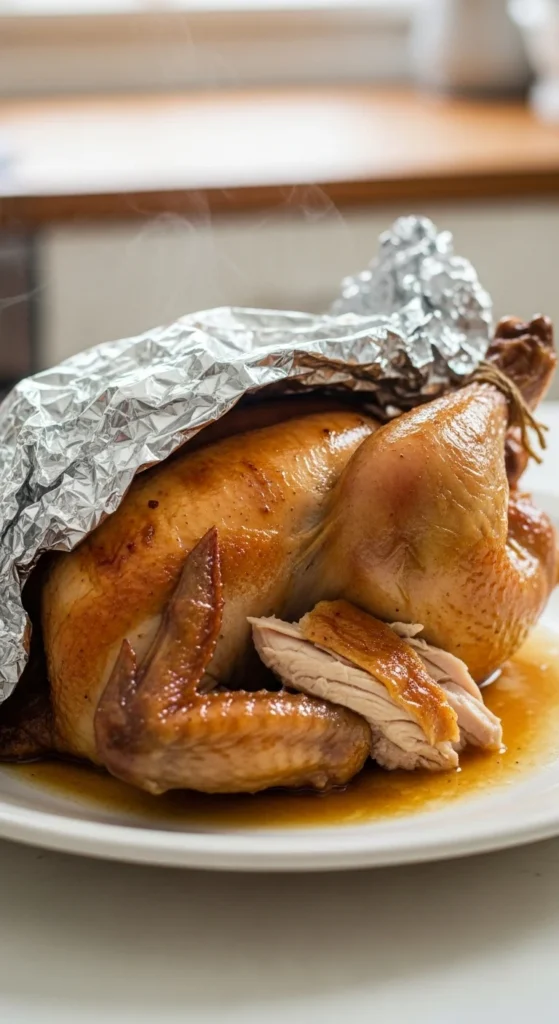
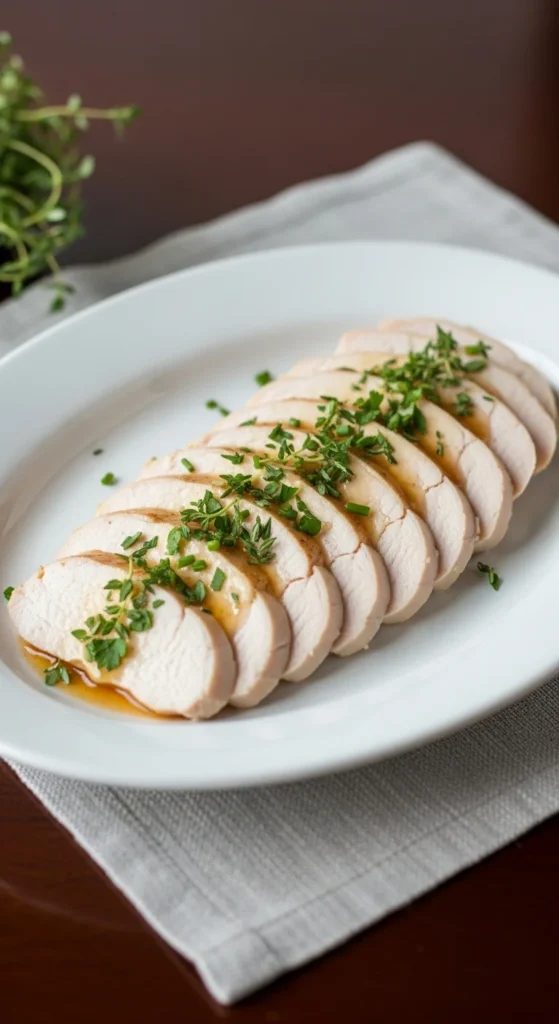
Slice and Serve the Right Way
How you cut chicken matters more than you might think.
Cutting tips
- Slice against the grain for tenderness
- Use a sharp knife for clean cuts
- Serve immediately after slicing
This makes each piece softer and more enjoyable to eat.
Common Chicken Mistakes to Avoid
If your chicken hasn’t been turning out right, one of these might be the reason:
- Cooking straight from the fridge
- Skipping seasoning or salting too late
- Using heat that’s too high the whole time
- Cutting immediately after cooking
Fixing even one of these can improve your results instantly.
Final Takeaway
Juicy chicken isn’t complicated—it’s about timing, temperature, and a little patience. Once you understand how chicken behaves during cooking, you’ll feel more relaxed and confident in the kitchen.
Save this guide for later, share it with someone who struggles with dry chicken, and enjoy meals that turn out tender and flavorful every time. 🍗