
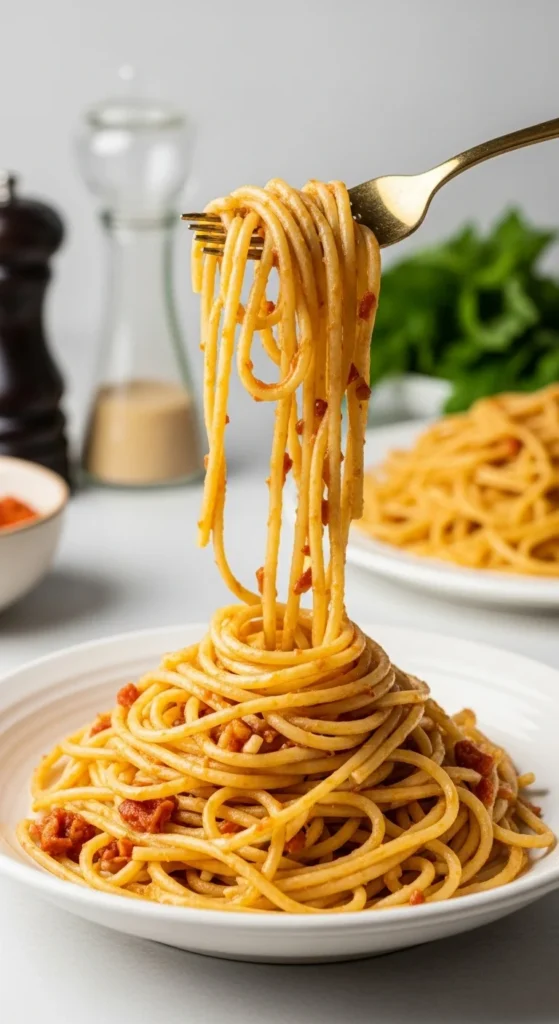
There’s a reason truly great pasta feels a little magical. The noodles are tender but never mushy, the sauce clings like it was meant to be there, and every bite tastes deeply seasoned instead of flat. The good news? That restaurant-level magic isn’t a secret reserved for Italian grandmothers or pro chefs. It’s all about a few smart techniques—and once you learn them, your home pasta game changes forever. 🍝
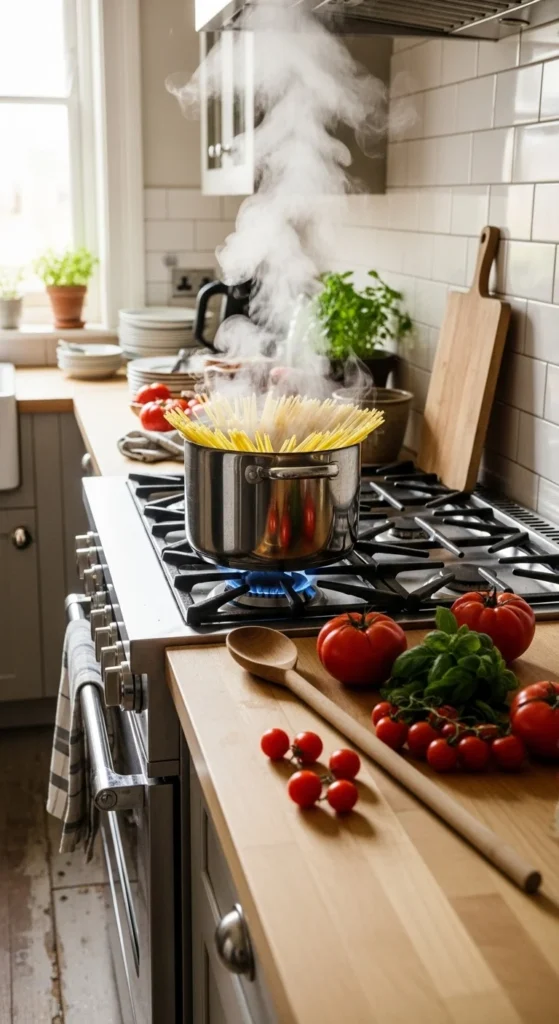
Let’s break it down step by step so you can make pasta that tastes like it came straight from a trattoria.
Master the Foundation: Perfectly Cooked Pasta
Great pasta starts long before the sauce hits the pan. The way you boil it matters more than most people realize.
Here’s how to get it right every single time:
- Salt the water generously. Think seawater salty—about 1.5–2% salinity. This seasons the pasta from the inside out.
- Use plenty of water. Roughly 2.5 liters per 400g of pasta keeps noodles from sticking and cooking unevenly.
- Skip the oil. Adding oil to pasta water is a myth—it actually prevents sauce from clinging later.
- Stir early and often. Especially in the first 1–2 minutes to prevent clumping.
Cook the pasta until it’s just shy of al dente, usually about one minute less than the package suggests. That final minute happens later—in the sauce.
Never Drain Without Saving Pasta Water
If restaurants had a secret ingredient, this would be it: starchy pasta water.
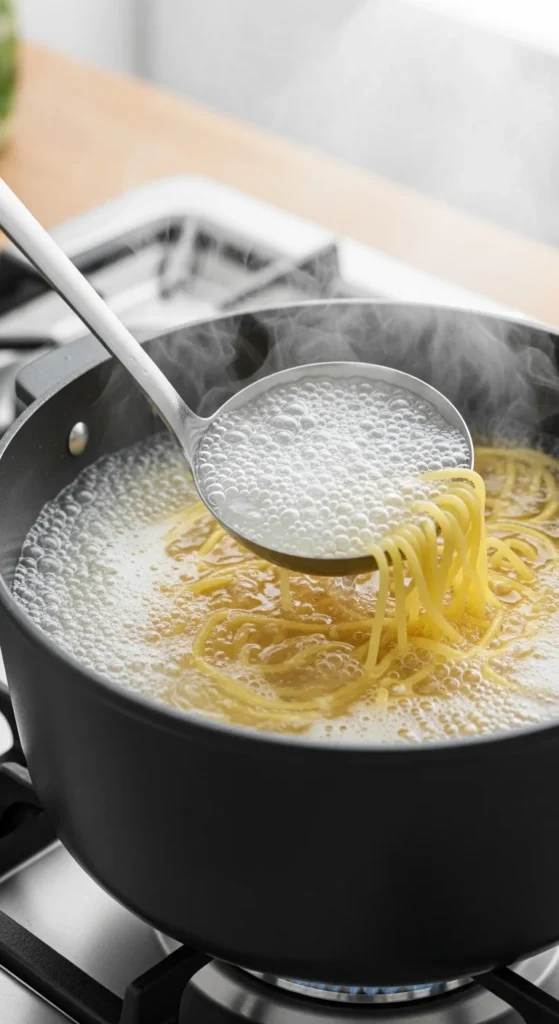
Before draining, scoop out at least one cup of that cloudy water and set it aside. Why?
- It thickens sauces naturally
- It helps fat and liquid emulsify into a silky texture
- It helps sauce cling to every noodle instead of pooling at the bottom
A splash or two can fix a sauce that’s too thick, too dry, or slightly broken. Think of it as liquid gold.
Finish Pasta in the Sauce (This Is Non-Negotiable)
If you’ve been dumping sauce over plain pasta, this one change will level you up instantly.
Transfer your undercooked pasta directly into the sauce pan while everything is hot. Add a splash of reserved pasta water and toss over medium heat for 1–2 minutes.
Why it works:
- Pasta absorbs flavor as it finishes cooking
- Starch binds the sauce to the noodles
- Texture becomes glossy, not watery
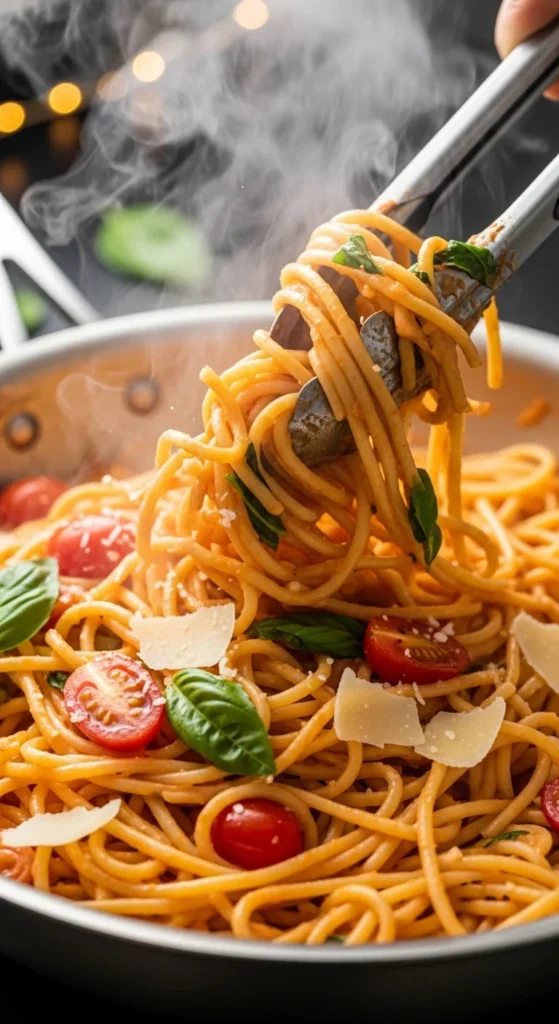
This step alone is the difference between “home pasta” and “restaurant pasta.”
Build Quick, Creamy Sauces the Smart Way
You don’t need hours of simmering for bold flavor. Some of the best sauces come together in under 15 minutes.
For creamy tomato or pink sauces:
- Bloom tomato paste in olive oil or butter until it darkens slightly
- Add garlic or chile flakes for depth
- Deglaze with a splash of pasta water or wine
- Finish with cream or butter for richness
For cheese-based sauces:
- Turn off the heat before adding grated cheese
- Toss gently with pasta water to emulsify
- Avoid high heat—it causes cheese to seize and clump
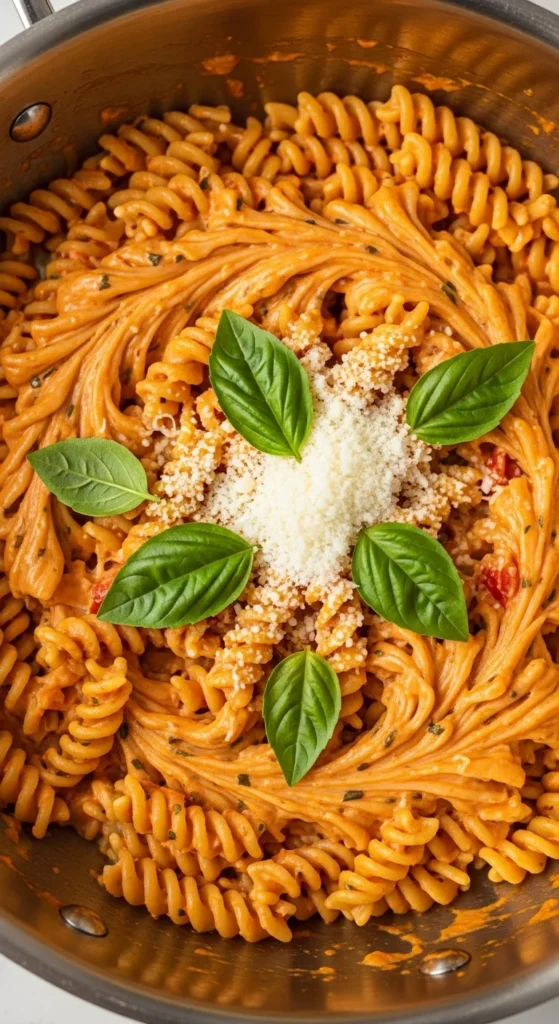
The goal is smooth, glossy, and clingy—not thick or heavy.
Elevate Everything With Fresh Homemade Pasta (Optional but Worth It)
Fresh pasta isn’t required, but it does take things to the next level—especially for simple sauces.
Basic tips for homemade dough:
- Use “00” flour and room-temperature eggs for silky texture
- Rest the dough at least 30 minutes so gluten relaxes
- Dust lightly with semolina to prevent sticking
Fresh pasta cooks in just 1–3 minutes, so stay close. It pairs beautifully with butter sauces, pesto, or light cream sauces where texture really shines.
The Takeaway: Technique Beats Fancy Ingredients
You don’t need rare cheeses or expensive imports to make incredible pasta. What you need is:
- Properly salted water
- Al dente timing
- Reserved pasta water
- Finishing the pasta in the sauce
Once those habits become second nature, every pasta night feels special.
Save this guide, grab your favorite noodles, and try it tonight—you’ll taste the difference immediately. ❤️🍝