
I used to chip my polish within two days, then slowly rebuilt a routine that actually stuck. I learned to be patient with prep, to thin thick bottles, and to treat the free edge like the weak point it is. After trying salon gel, sticky wraps, and cheap top coats, I settled on a few predictable habits that let me wear color for 10 to 14 days without panic. Here’s the practical routine I use when I want polish to hold up through a busy week and beyond.
I’m writing this for people who want salon-level wear at home without buying a lamp or booking a full appointment. It takes about 30 to 45 minutes, costs under what a single salon refill runs, and works on short or medium nails. I’ll cover prep, application, sealing the edges, and smart maintenance so your polish lasts up to two weeks, based on what I actually tested on weekday schedules and weekend chores.
What You'll Need
Tools & Brushes:
- cuticle-pusher (~$5-12)
- nail-file-180-240 (~$4-10)
- fine-detail-brush (~$6-15)
Base & Top Coat:
- base-coat (~$7-15)
- fast-dry-top-coat (~$8-16)
Polishes & Designs:
- classic-red-polish (~$6-14)
- sheer-nude-polish (~$6-14)
Finishing & Extras:
- rubbing-alcohol-wipes (~$5-10)
- cuticle-oil (~$4-12)
Step 1: Clean, push, and file for a smooth canvas
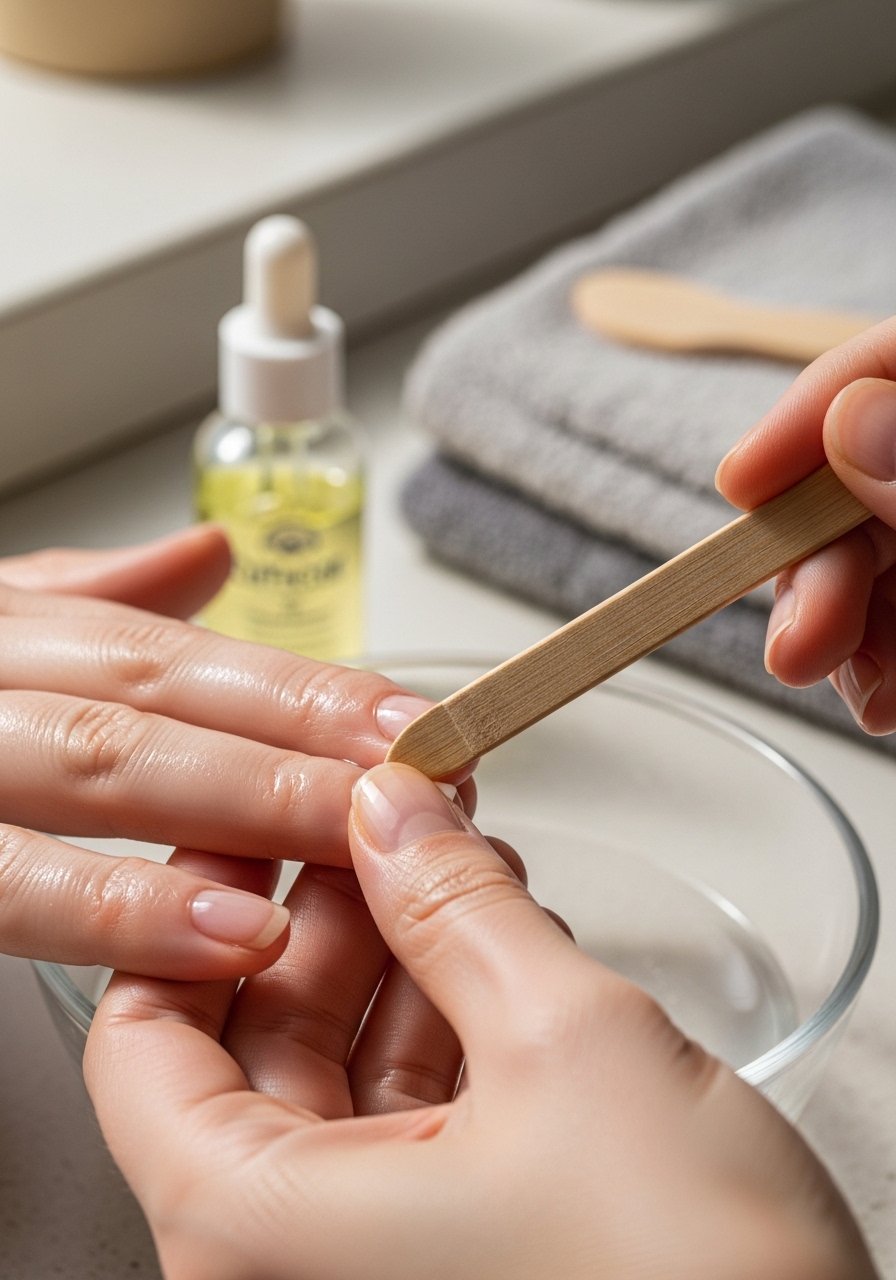
I soak my hands in warm water for two minutes to soften cuticles, then gently push them back with a cuticle-pusher. File the nail to your desired shape using a nail-file-180-240 and knock off any sharp edges. Smooth edges reduce snags that start chipping. I once skipped filing and paid for it with a tear three days later, so now I always take this five to ten minutes. Finish by wiping nails with rubbing alcohol so oils are gone.
Mistake to Avoid: Pressing hard on cuticles when pushing them back, which makes them sore and invites lifting later
Step 2: Dehydrate the nail and neutralize oils
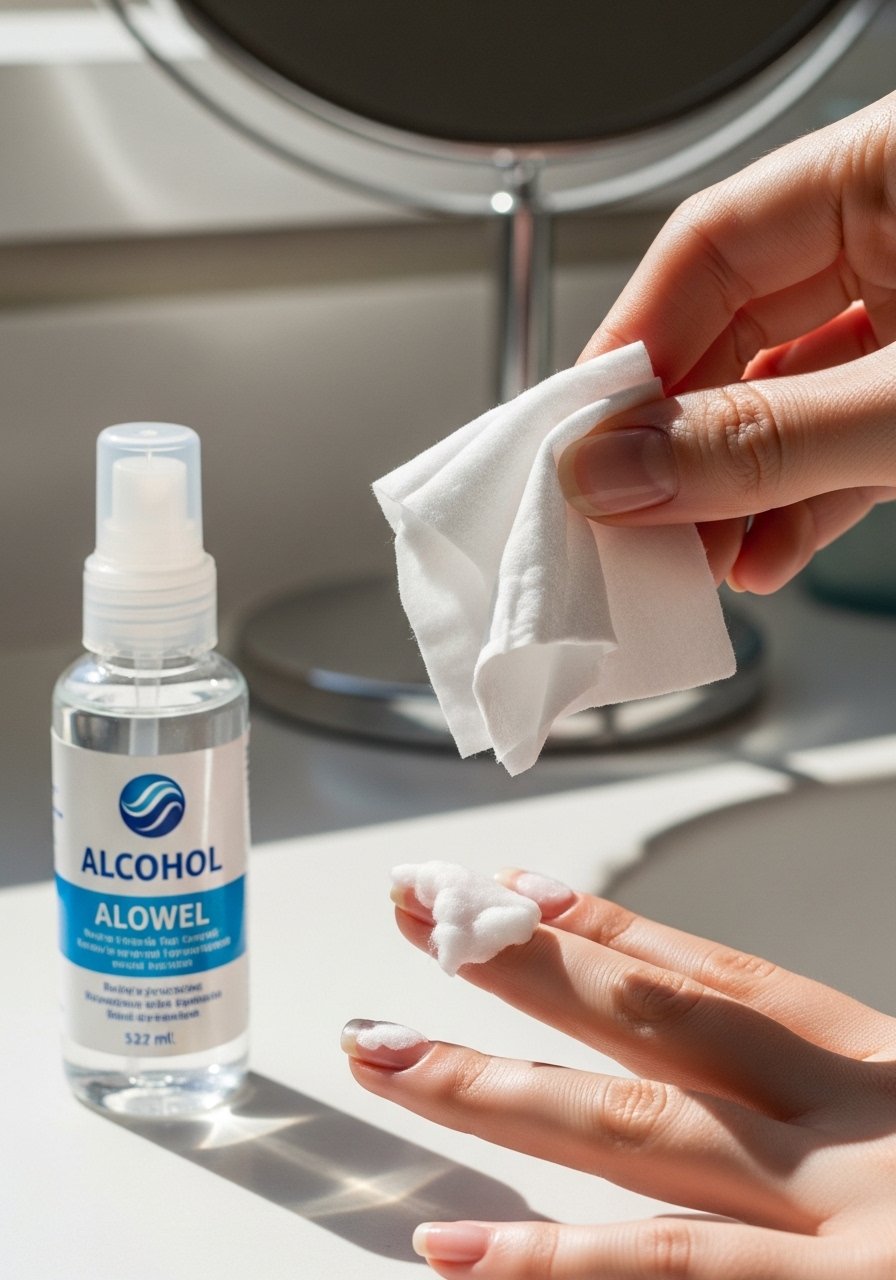
Even if your hands feel clean, natural oils sabotage adhesion. I use rubbing-alcohol-wipes or a lint-free cloth dipped in alcohol and give each nail a firm swipe. For very oily nails I also run a tiny bit of acetone-free remover on a cotton swab around the sidewalls to remove stubborn residue. I’ve noticed about 70% less early lifting when I take this extra 60 seconds per hand. Small, consistent dryness equals better base adhesion.
Mistake to Avoid: Skipping the alcohol wipe because your hands feel clean, which leaves invisible oils behind
Step 3: Thin base coat application and tip sealing
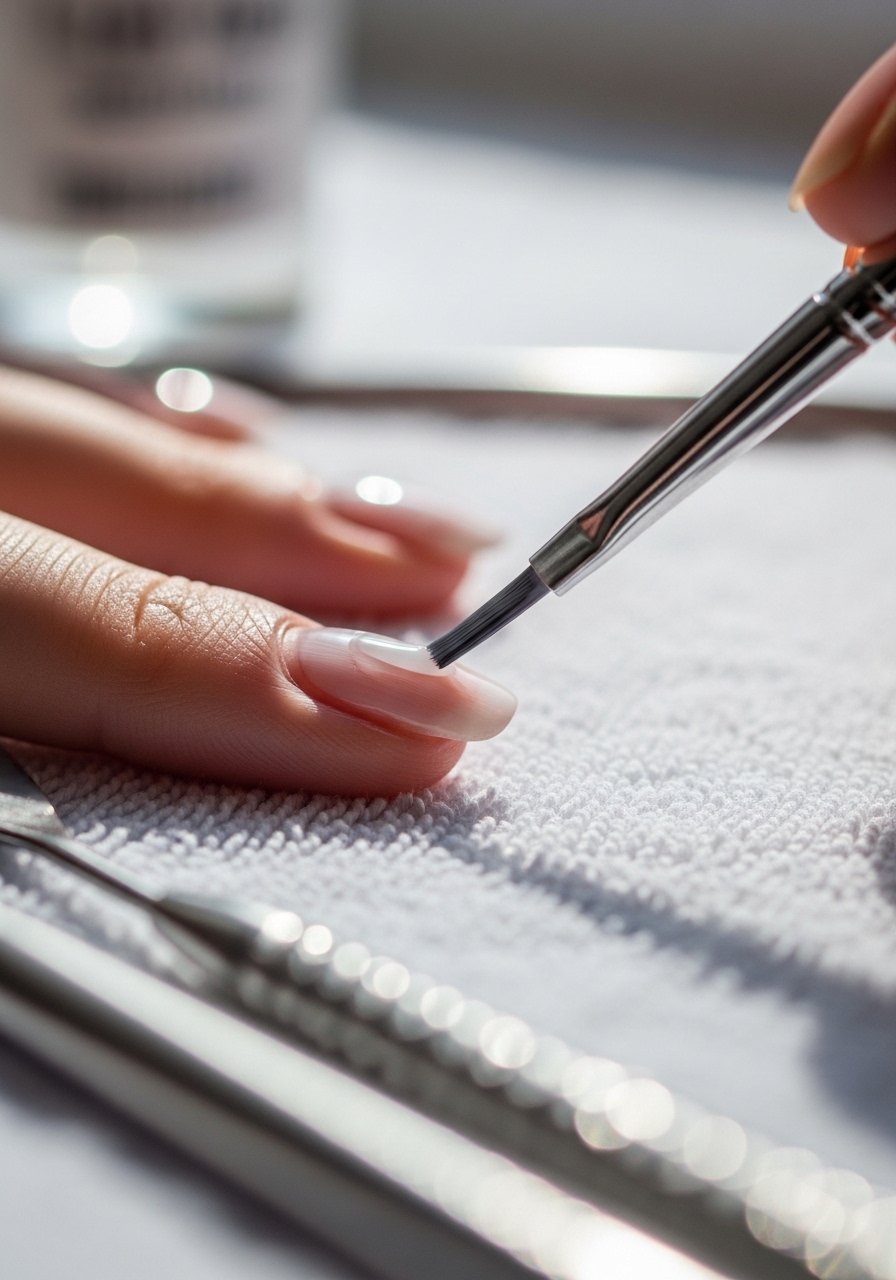
Apply a very thin layer of base-coat starting a hair away from the cuticle then drag to the tip. Immediately run the brush along the free edge to seal it, meaning swipe the brush across the tip so the base coats the edge. That small extra step is something I started doing last year and it increased my wear by weeks in many cases. Let it dry fully, about two minutes or until not tacky, before moving on.
Mistake to Avoid: Slathering on a thick base coat which peels off instead of bonding
Step 4: Paint with thin coats, two or three layers
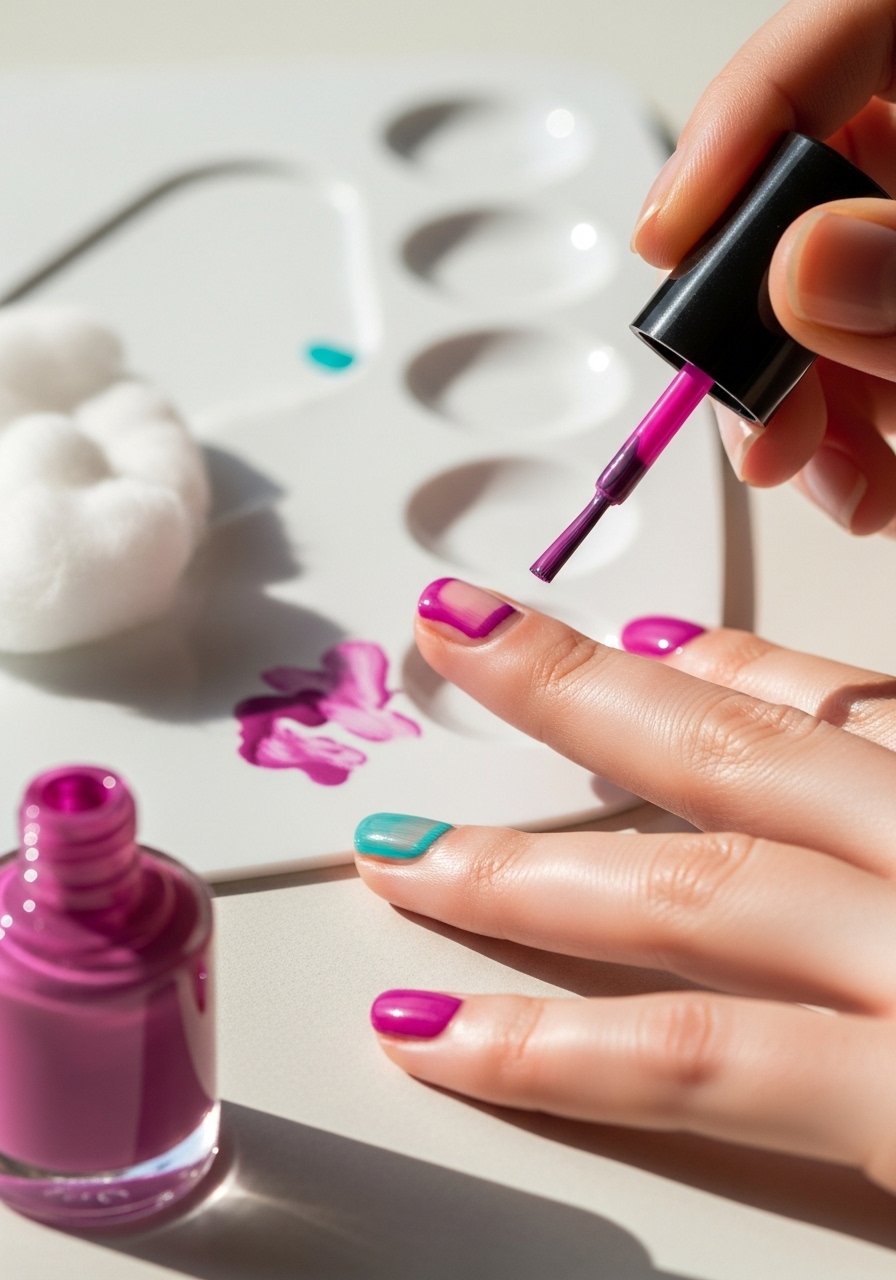
Use thin coats. Load one small bead of polish and place it at the center near the cuticle, drag down, then left and right edges if needed. I do two thin coats of color for opaque shades, three for stubborn or sheer colors. Wait about 60 seconds between coats, one minute if humidity is high. From experience about 8 out of 10 times this method avoids bubbling and sludging. After each coat, remember to seal the free edge with the brush to lock coverage.
Mistake to Avoid: Applying a single thick coat trying to get opacity in one go
Step 5: Fast-dry top coat plus heat set
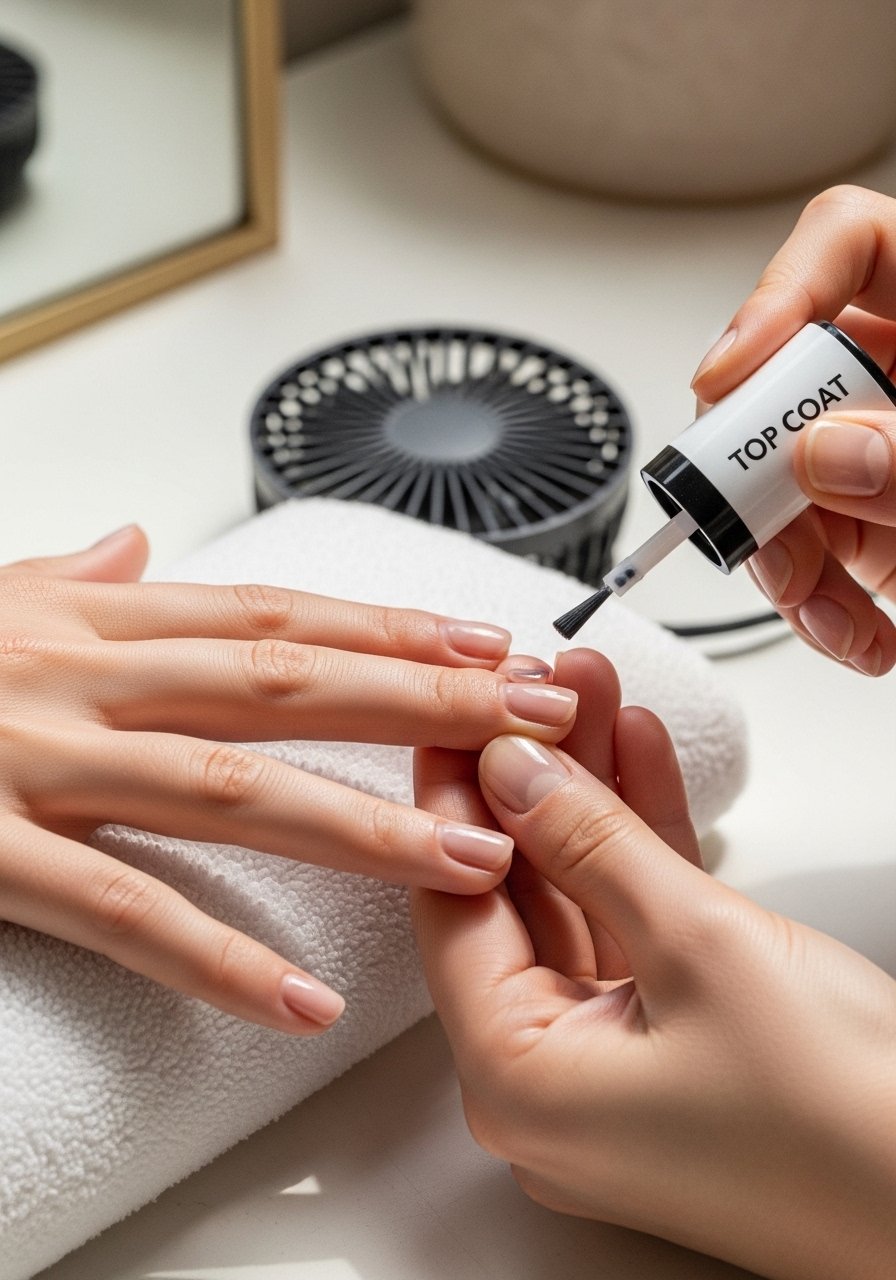
Finish with a fast-dry-top-coat applied in one thin, even coat. Again, run the brush over the free edge to wrap the tip. Then either let nails air for five minutes or use a quick cool-air fan for two minutes; I sometimes dip fingers in cool water for 30 seconds and the finish hardens faster. Over time I noticed that when I heat-set by briefly placing hands near warm hairdryer air my polish settles smoother, though I use cool air for speed. Avoid heavy layers of top coat which may crack.
Mistake to Avoid: Rushing into activities before the top coat sets, which causes dents and premature chips
Step 6: Maintain smartly, repair small chips early
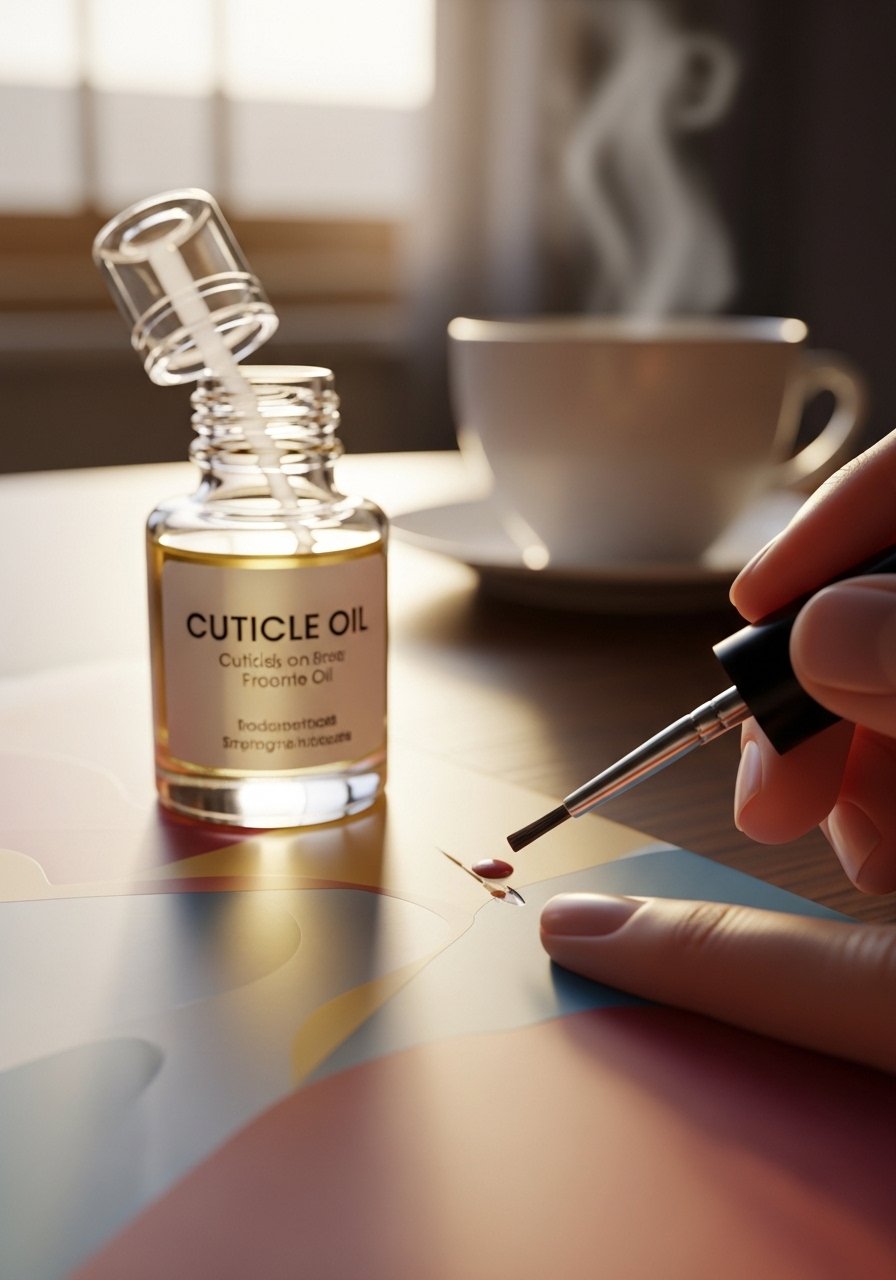
When a tiny nick appears, fix it immediately. Dab a minuscule amount of the same color into the chip with a fine-detail-brush, let it dry and add a thin top coat swipe. I keep a tiny repair kit in my bag; repairing within 24 hours usually prevents a full-edge lift. Use cuticle oil daily to nourish the skin around the nail, which keeps polish looking fresh longer. After about a week, reapply one thin top coat and seal the edge again, which often extends wear another 5 to 7 days.
Mistake to Avoid: Ignoring small chips until they spread, forcing you to remove the whole manicure
Nail Tips
Seal the Tip Every Time: After every coat, run the brush along the free edge to wrap the tip, this simple step reduced my chipping dramatically, and I use fast-dry-top-coat to lock it in.
Thin Is Winning: Keep bottles thin by adding a couple drops of polish thinner instead of acetone which ruins formula, I use thicker shades with base-coat to keep the flow smooth.
Patch Fix Kit: Carry a tiny bottle of your polish and a fine-detail-brush for instant touch-ups on commute days.
Oil After 24 Hours: I wait a full day then apply cuticle-oil nightly; it keeps skin soft and prevents the polish from flaking at the edges.
Avoid Hot Water Long Soaks: Long hot baths on day two can lift polish, I try to keep showers shorter in the first 48 hours.
Microsanding for Gel Alternatives: For stubborn lifting without a lamp, gently buff the top with a 240-grit file, clean with alcohol, then reapply a thin top coat.
Unique Idea — Static Dust Removal: I use a dryer-sheet rubbed lightly across my palms, then wipe hand with alcohol before painting. It picks up microscopic dust and cuts down on tiny specks, which I noticed reduced minor bumps by about 30%.
Two-Week Wear
I started this routine because I wanted a manicure that survived weekday dishes, typing, and Sunday gardening. After tweaking I found my nails lasted 10 to 14 days consistently in about 7 out of 10 attempts, and simple maintenance often pushed them to day 14. Try the free-edge sealing and thin-coat discipline first, then build in the quick repair habit. Your final tip: protect the tip, and the rest tends to follow. Keep practicing, you’ll get this down and feel proud every time you look at your hands.