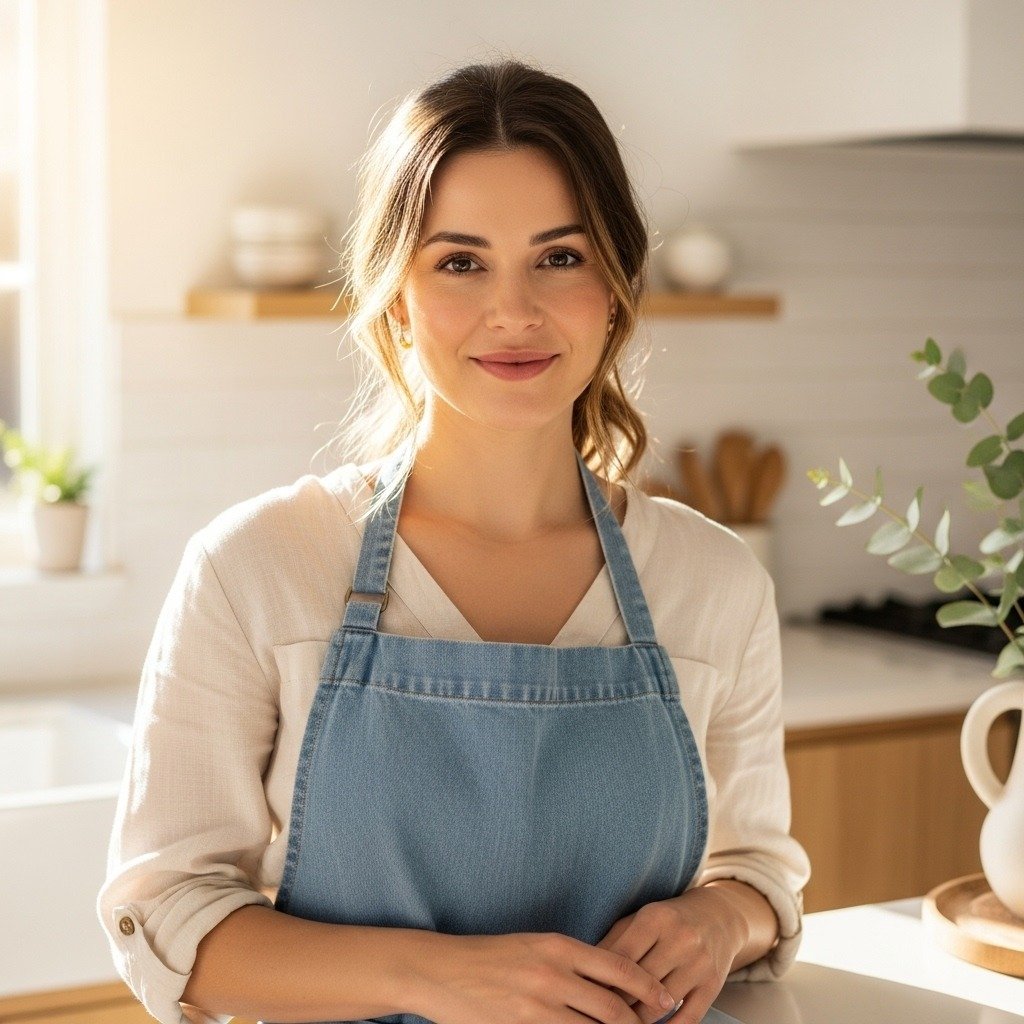
I used to pile on layers every cool spring morning and end up feeling like a padded coat rack, not someone ready to go out. After a few awkward commutes and one overheated café stop I learned to think in slim layers, proportions, and texture, not thickness. This guide is what I use when I want warmth that reads light, sleek, and effortless, especially on those unpredictable 40 to 65 degree mornings.
A few things this covers: how to pick fabrics, balance lengths, and create visual lines that keep you looking lean. Budget-wise I mix one investment piece with affordable basics. I found that on cool mornings I reach for a true base layer about 70% of the time, and simple tweaks like a half-tuck change the whole shape.
What You'll Need
Clothing Basics:
- merino-base-tee (~$30-60)
- lightweight-tank (~$10-25)
Layering Pieces:
- thin-cardigan (~$25-70)
- unstructured-blazer (~$40-120)
- cropped-puffer-vest (~$30-90)
Accessories:
- silk-scarf (~$12-40)
- thin-leather-belt (~$15-50)
- ankle-boots (~$40-150)
Start with a genuinely slim base
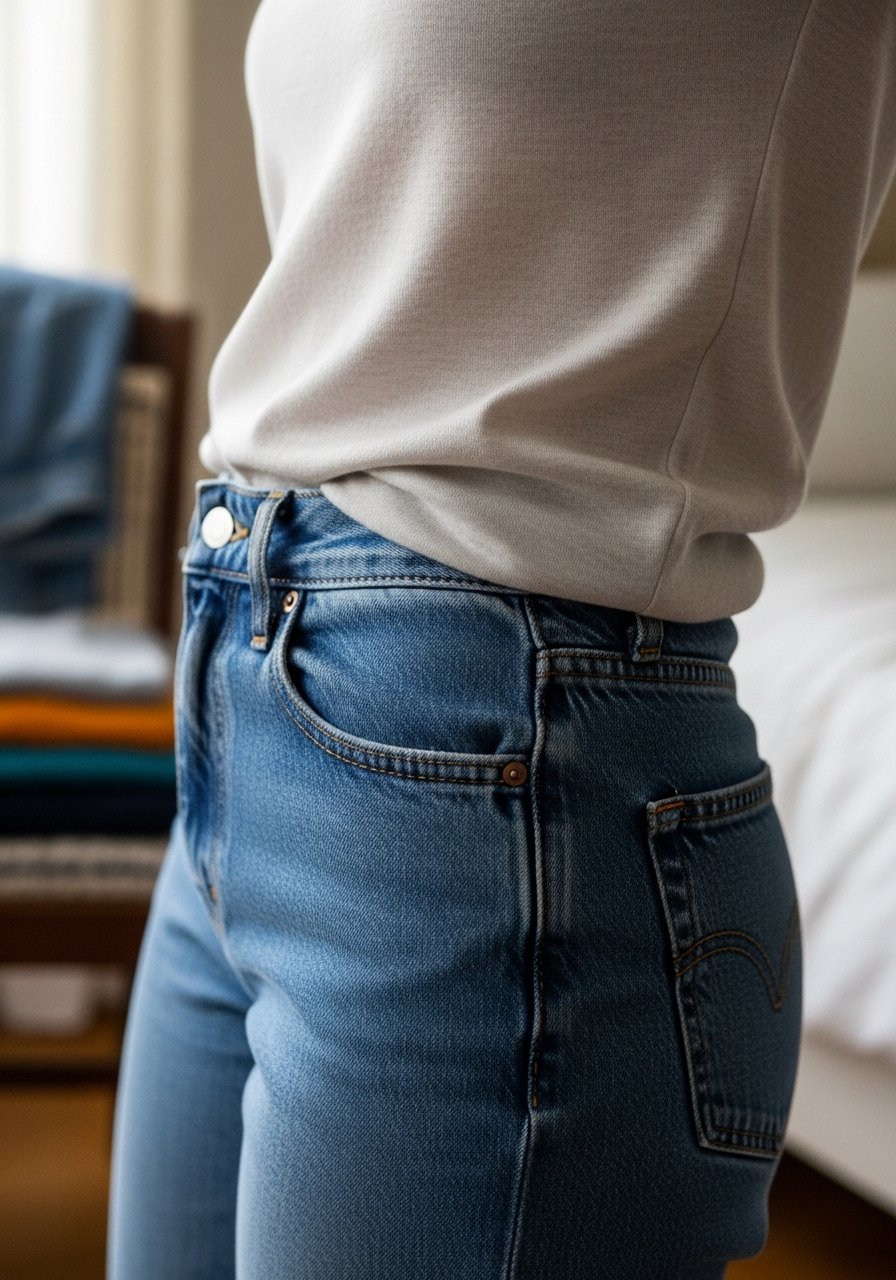
Pick a base that hugs lightly without compressing, I use merino or a modal-blend tee because it insulates without bulk. I wear this under everything: slip dresses, shirts, and even blazers. On most spring days I notice I can skip the heavy sweater if the base is right, which saves me from that puffy look. Try a fitted crew or a slim V, and size down if the fabric has stretch. I sometimes swap a tank for a short-sleeve base when temps climb midday, and that alone saves a lot of unwrapping.
Mistake to Avoid: Wearing a thick cotton tee under everything, which adds unseen volume and feels clammy later
Use a thin second layer for shape, not weight
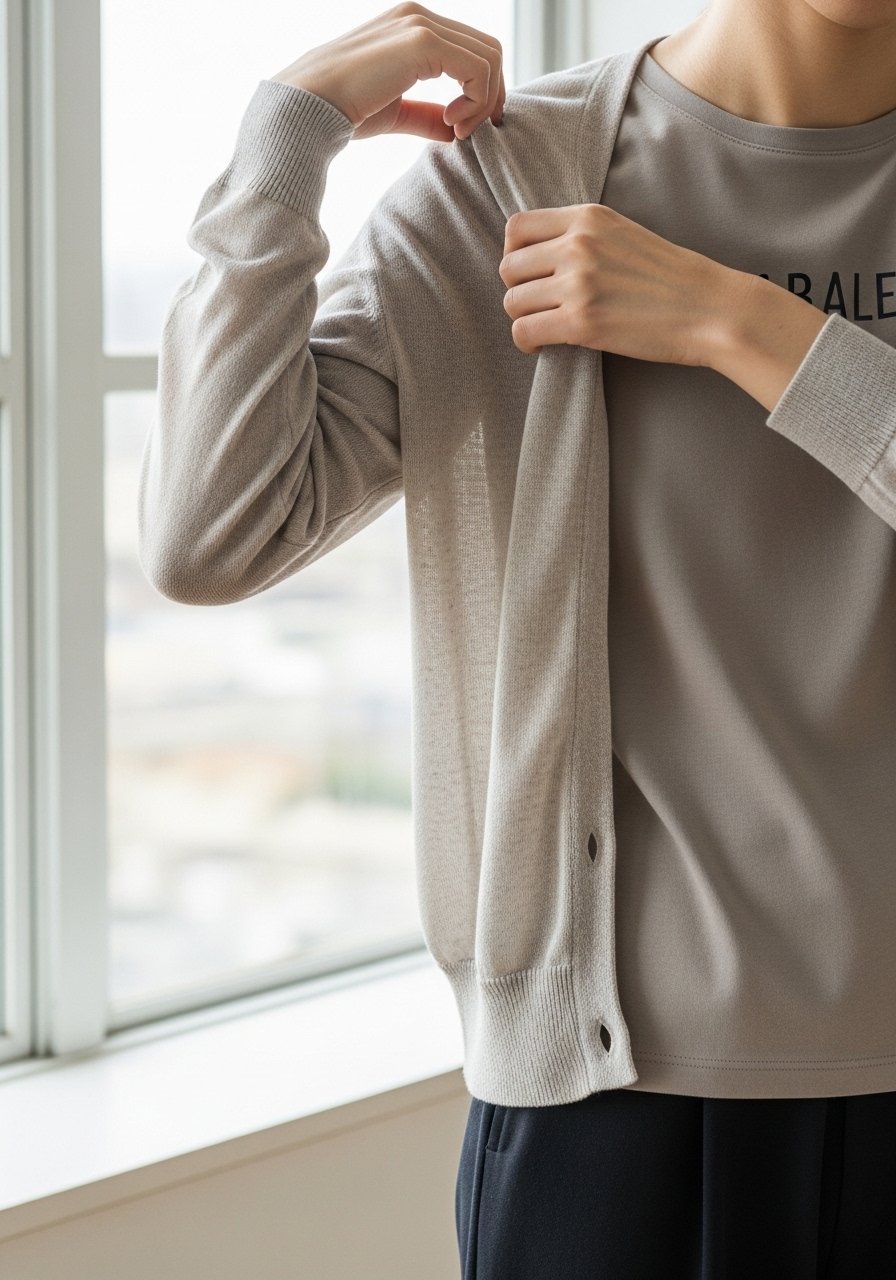
Choose a thin cardigan, shirt jacket, or overshirt with some structure. Button or zip the middle one or two buttons to create a vertical line, or leave it open to show the base. I favor knits that are lightweight but hold a little shape so they do not cling and look boxy. Around 60% of the time I pick a cardigan over a sweater because it layers cleaner under blazers and coats. If you want interest, go for subtle ribbing or a small-scale pattern instead of chunky knits.
Mistake to Avoid: Layering a chunky knit as your second piece, which reads heavy and hides your silhouette
Add an unstructured blazer or cropped jacket
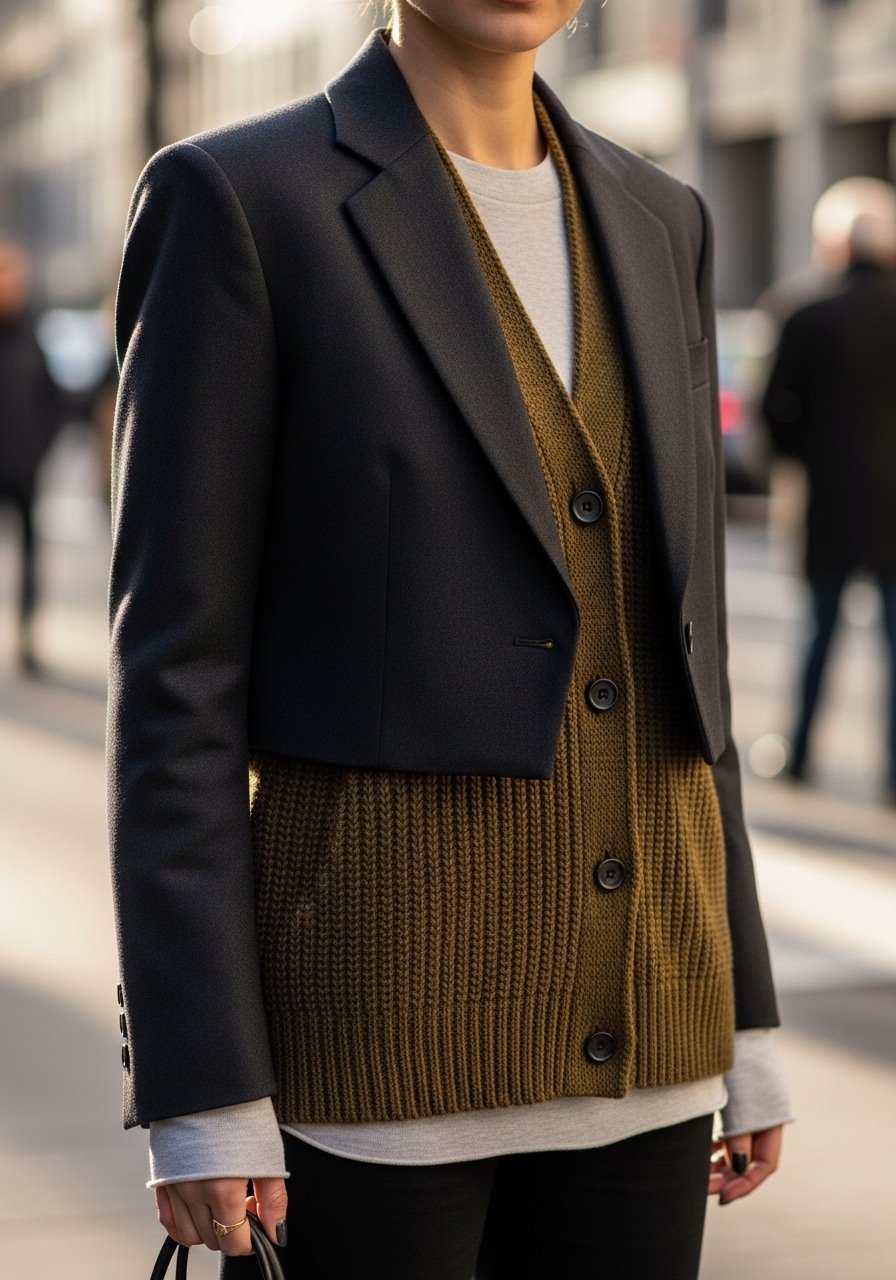
An unstructured blazer or cropped jacket gives structure and polish while staying slim. I choose blazers without heavy padding and with a shorter hem to avoid covering the waistline. A cropped puffer vest works similarly when you want warmth without sleeve bulk. When I throw on a blazer I often notice my outfit looks put together instantly, and I am not sacrificing movement. If you are small-chested, try a single-breasted cut for a longer vertical read.
Mistake to Avoid: Picking a fully lined, heavy blazer that adds hidden weight and restricts layer flexibility
Use visual tricks to keep you looking lean
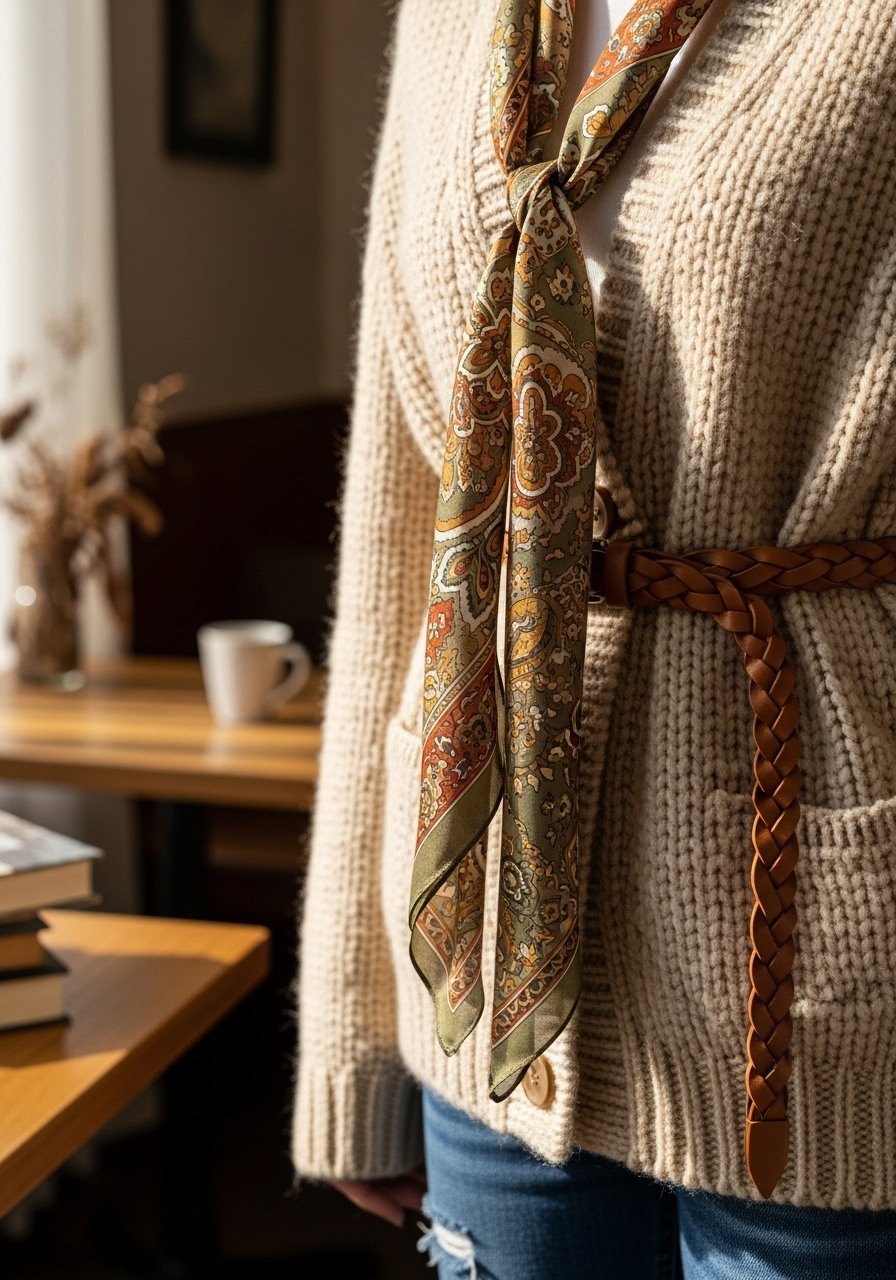
Small moves change perception: tuck one side of your shirt, add a thin belt at the natural waist, or choose a scarf that hangs long to create verticality. I do a half-tuck on busy mornings and people tell me the outfit looks slimmer instantly. Also, contrast textures—smooth base, slightly textured mid-layer—so each layer reads separately and avoids a single bulk. One odd trick I picked up was using a clear or thin leather belt so the waist reads defined without adding visual mass.
Mistake to Avoid: Fully blousing every layer over the waist, which flattens shape and looks bulky
Mind sleeve and hem proportions
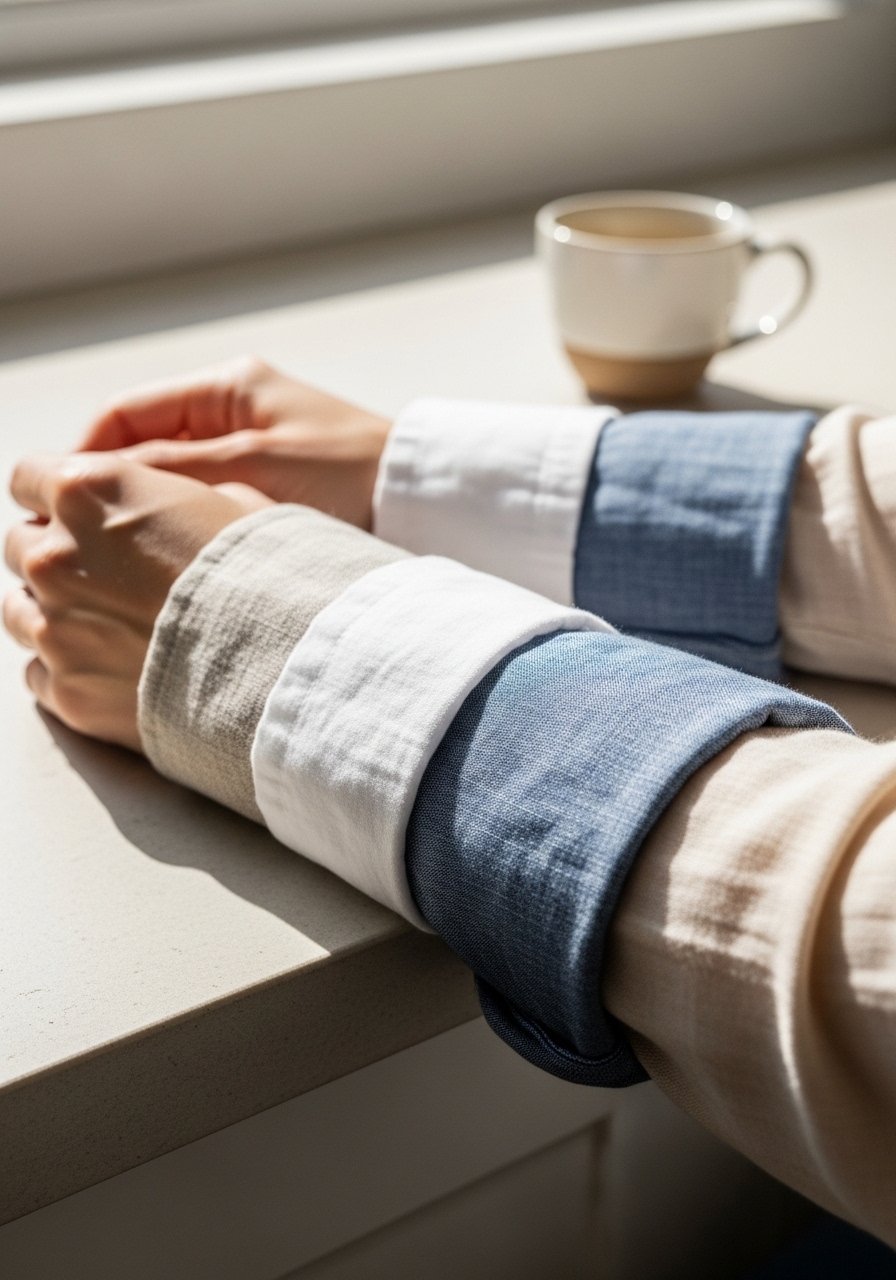
Shorten sleeves visually by rolling or pushing them to the forearm. That reduces fabric at the wrist and shows slimmer forearms, which balances a cozier torso. Same with hems: a cropped top under a longer jacket or a longer tee under a cropped sweater creates intentional layers instead of random bulk. I found that rolling sleeves saved me from feeling overheated roughly 80% of the days I tried it, and it also looks deliberately styled rather than rushed.
Mistake to Avoid: Leaving all sleeves long and unstructured, which creates unnecessary bulk at the wrists and forearms
Finish with accessories that add polish, not mass
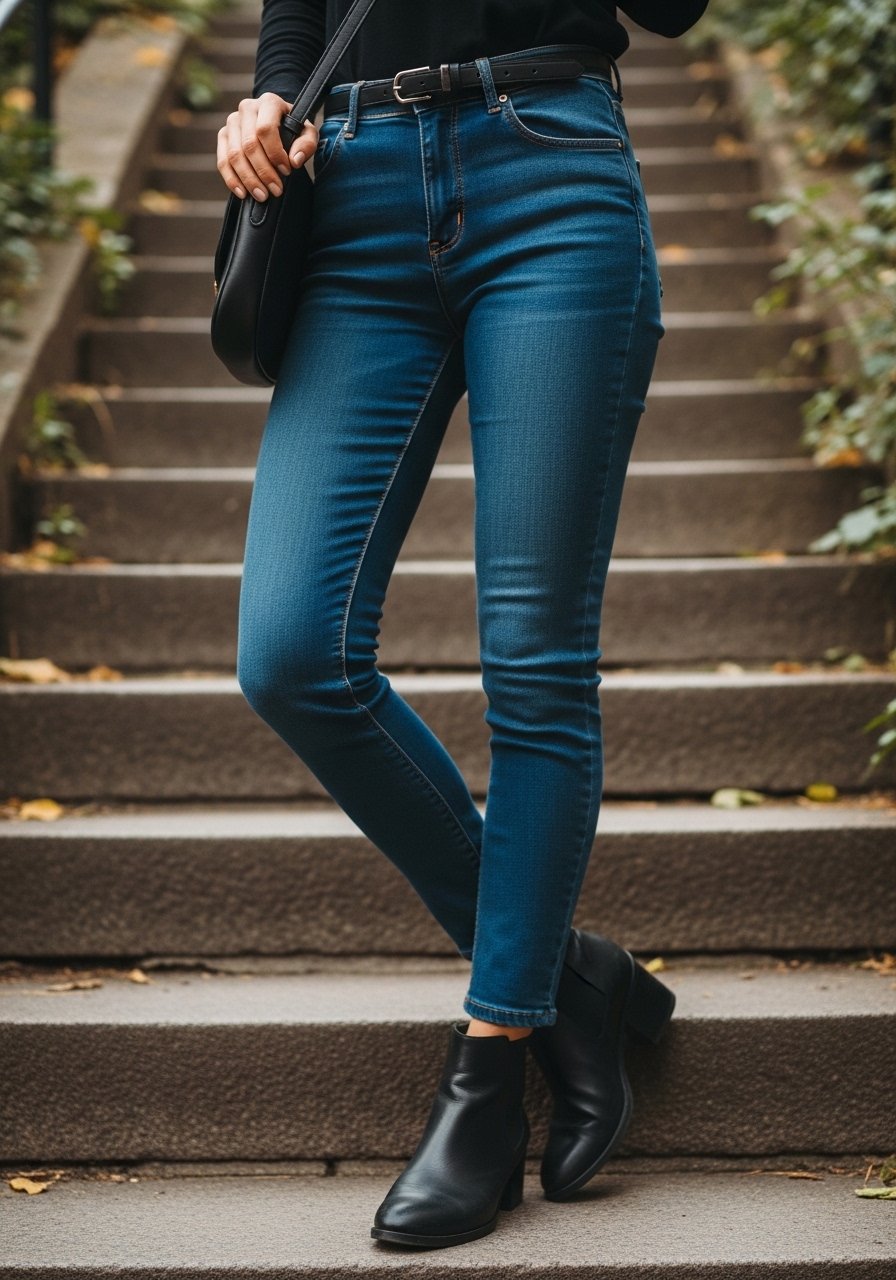
Keep accessories proportional: pick a medium-sized bag, streamlined boots, and minimal jewelry. Swap a heavy scarf for a silk one when temps are mild, or stow a bulkier scarf in your bag for the commute. I like a thin crossbody when I want the outfit to feel light; it sits flat and does not add shoulder mass. One thing I rarely skip is a tapered shoe: an almond toe boot elongates the leg and makes the whole look less bulky.
Mistake to Avoid: Choosing oversized tote bags and chunky boots at once, which competes with your slimmer layers
Fashion Tips
Micro-layering: Try a lightweight tank under a thin tee for moisture control and shape, and consider a lightweight-tank for this.
Play with asymmetry: Half-tuck one side of your shirt or wear a slip dress over a tee to create unexpected lines, add interest without volume.
Swap heavy scarves: Use a silk-scarf to add color and a vertical line, instead of a chunky knit scarf.
Trim the shoulder: Choose unstructured blazers with minimal padding, like the unstructured-blazer, to keep shoulders natural.
Use a thin belt: Define your waist with a thin-leather-belt, it reads tailored without adding bulk.
Clever vests: A cropped vest placed at the waist adds warmth but preserves arm mobility, try a cropped-puffer-vest.
Layer visually, not physically: Mix textures and lengths so the eye reads separate pieces, not a single thick mass.
Small Shape Wins
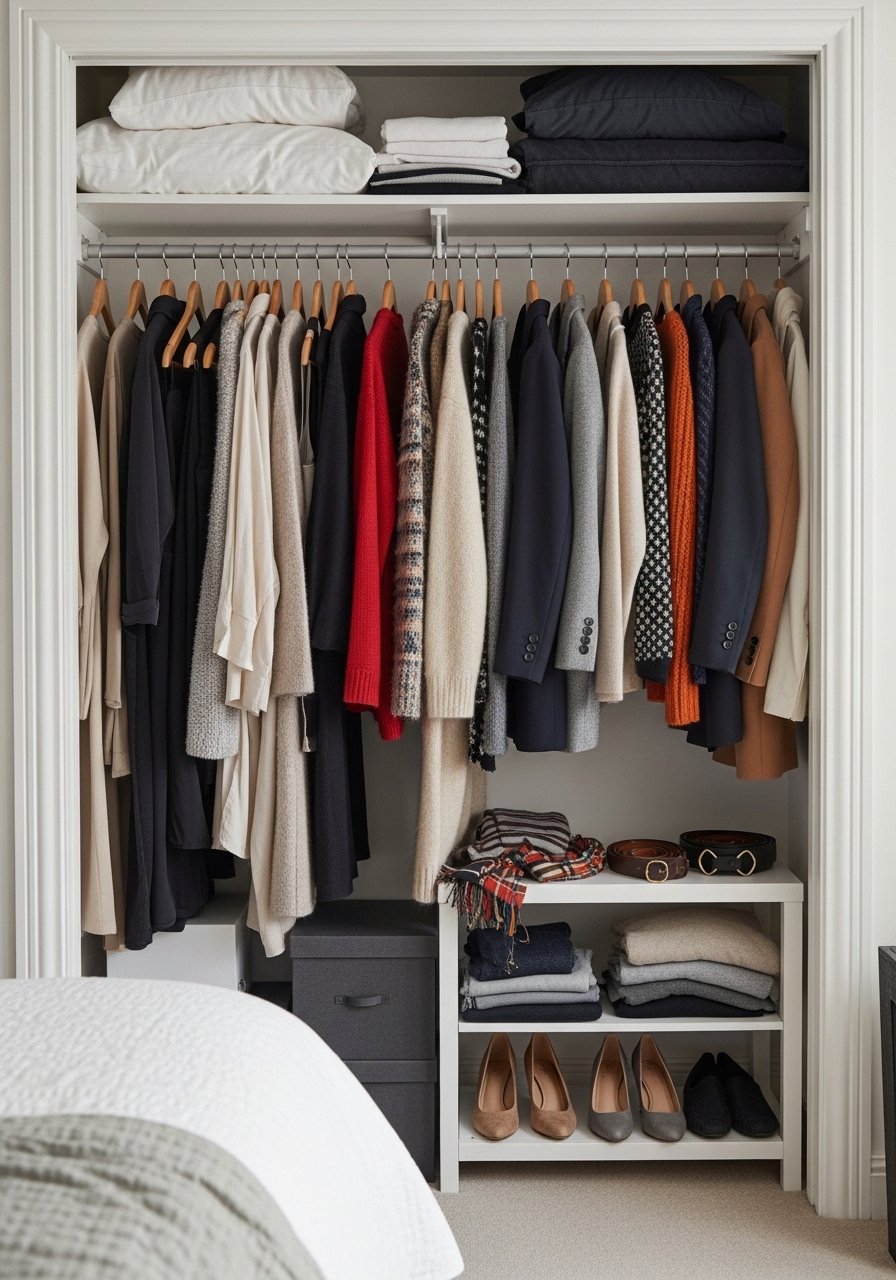
I still mess up sometimes, not gonna lie. But the small habits saved me: a merino base, selective second layers, and attention to sleeves and belts. Try one new trick at a time; I found that swapping one bulky sweater for a thin cardigan changed my whole spring wardrobe feel. You will get the hang of sensing what adds warmth and what adds weight, and then outfits will feel light and intentional. Keep experimenting and have fun mastering the look.