
If you’ve ever twirled a forkful of pasta at your favorite Italian spot and wondered, why doesn’t mine taste like this at home? — you’re not alone. The good news is that restaurant-style pasta isn’t about secret equipment or complicated techniques. It’s about a few smart choices, simple timing, and treating each step with care.
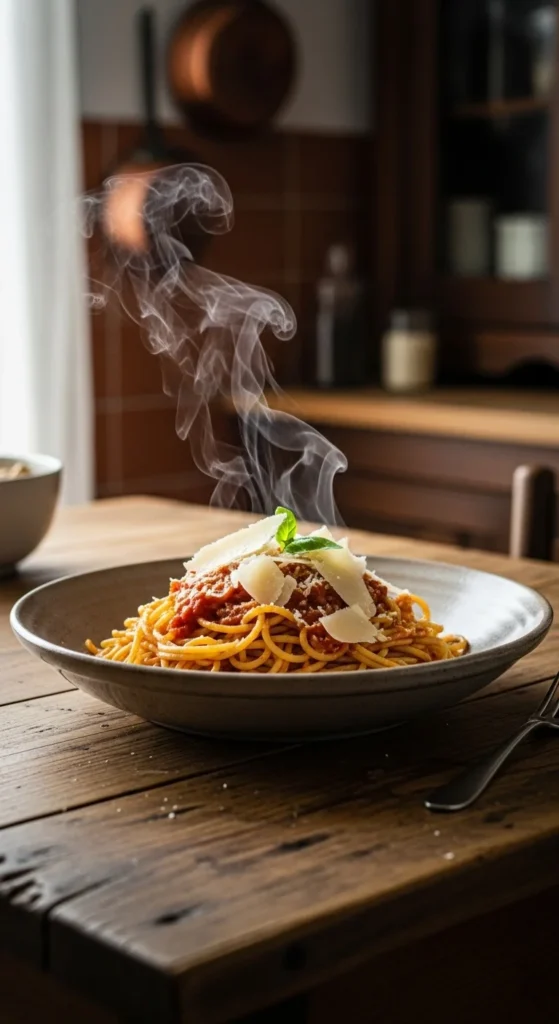
Once you understand the small details that chefs pay attention to, your home-cooked pasta can feel just as satisfying. Let’s break it down step by step.
Start With the Right Pasta and Ingredients
Great pasta begins before anything hits the stove. Restaurants focus on quality basics, not shortcuts.
Choose good pasta
- Dried pasta made with durum wheat semolina holds sauce better
- Bronze-cut pasta has a rough surface that grips sauce
- Fresh pasta works beautifully for lighter sauces
Keep ingredients simple
- Olive oil with a clean, fresh aroma
- Real Parmesan or Pecorino (grated fresh)
- Whole canned tomatoes, not pre-seasoned sauces
- Fresh garlic, herbs, and butter
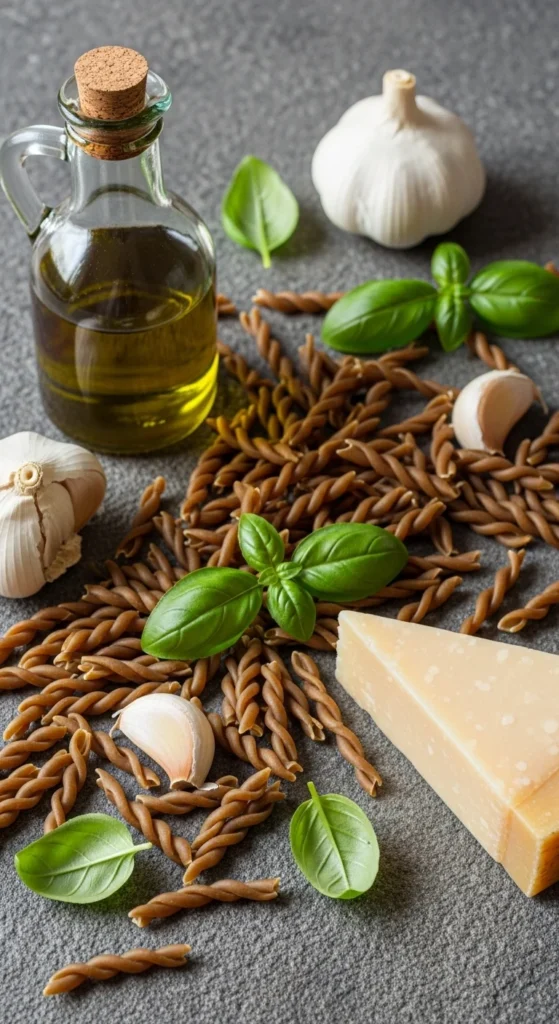
Simple ingredients let flavors shine, which is why restaurant pasta never feels heavy or dull.
Salt Your Water Like You Mean It
This is one of the biggest differences between average pasta and pasta that tastes like it came from a professional kitchen.
Why it matters
Pasta absorbs water as it cooks. If that water isn’t well-seasoned, the pasta itself will taste flat no matter how good the sauce is.
How to do it right
- Use a large pot with plenty of water
- Add salt until the water tastes like the sea
- Salt goes in before the pasta
Don’t worry about overdoing it — most of the salt stays in the water, not the pasta.
Cook Pasta Just Until Al Dente
Restaurants time pasta carefully, and you should too.
What “al dente” really means
- Tender on the outside
- Slight resistance in the center
- Never mushy
Check your pasta 1–2 minutes before the package time. It should finish cooking in the sauce, not the water.
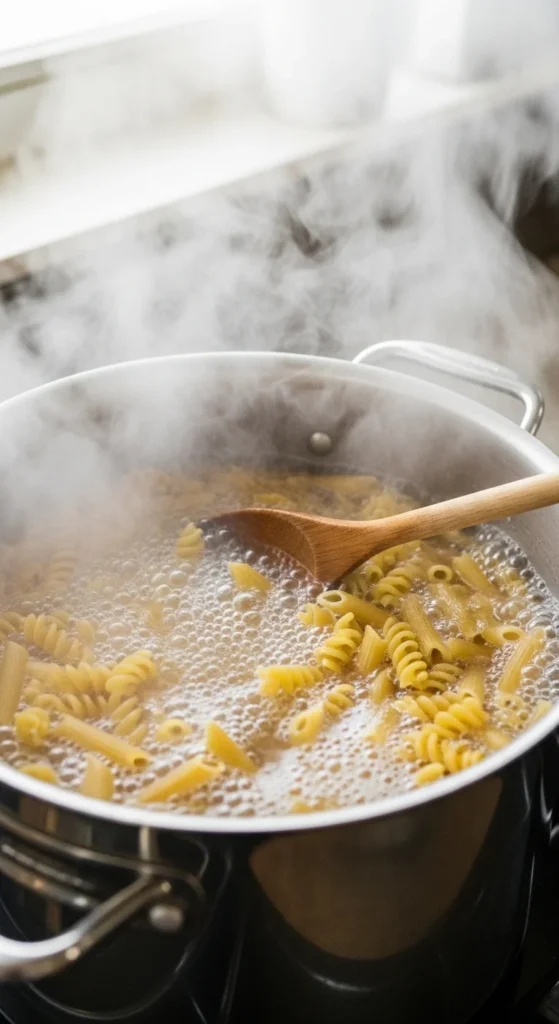
Before draining, always save about 1 cup of pasta water. This starchy liquid is essential for silky sauces.
Build Sauce in the Pan, Not in a Jar
Restaurant pasta is finished in the sauce, not topped with it.
Why this works
When pasta cooks directly in the sauce, it absorbs flavor and releases starch, which helps everything cling together.
Basic method
- Heat sauce in a wide pan
- Add drained pasta directly to the sauce
- Splash in reserved pasta water
- Toss or stir until glossy
This step transforms a basic sauce into something that looks and tastes cohesive.
Use Pasta Water Like a Pro
Pasta water is the secret weapon many home cooks forget.
What it does
- Thickens sauce naturally
- Helps fat and liquid blend smoothly
- Adds flavor without heaviness
Add it slowly, a few tablespoons at a time, while tossing. You’re looking for a sauce that coats the pasta, not pools at the bottom.
Finish With Fat, Cheese, and Balance
This is where restaurant pasta gets its luxurious feel.
Finishing touches that matter
- A knob of butter for shine
- A drizzle of olive oil for aroma
- Freshly grated cheese off the heat
Turn the heat off before adding cheese so it melts smoothly instead of clumping.
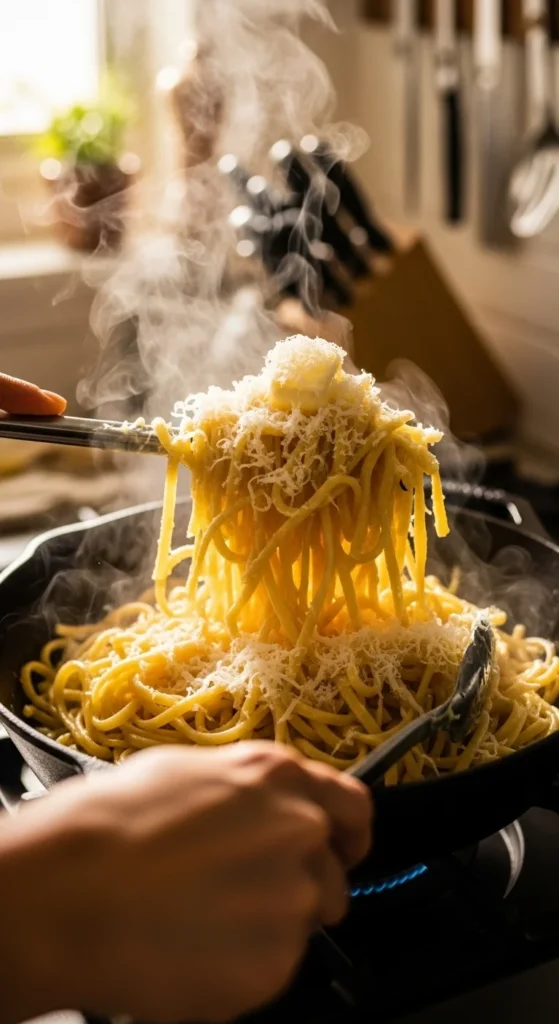
Taste before serving. A pinch of salt or squeeze of lemon can bring everything together.
Plate Like a Restaurant (Without Fuss)
Presentation affects how food tastes more than we realize.
Easy plating tips
- Use tongs to twist pasta into a loose mound
- Add sauce on top, not around the plate
- Finish with herbs or cheese
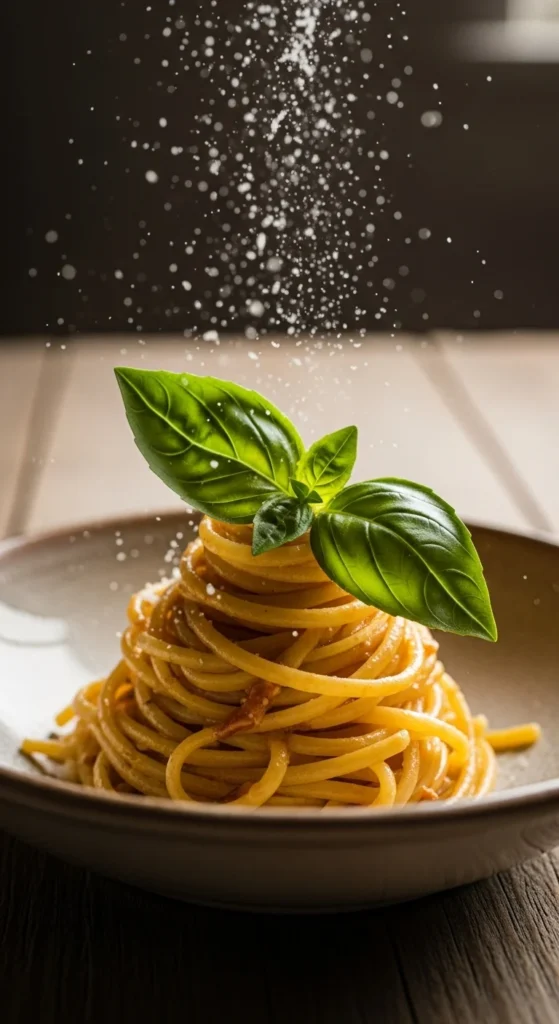
Serve immediately. Pasta waits for no one.
Common Pasta Mistakes to Skip
Even good cooks fall into these habits:
- Rinsing pasta after draining
- Overcooking noodles
- Using sauce straight from the jar
- Skipping the pasta water
Fixing just one of these can improve your results instantly.
Final Takeaway
Making pasta that tastes restaurant-made isn’t about copying complex recipes. It’s about seasoning boldly, cooking with intention, and finishing everything together in the pan. Once you try this method, boxed pasta nights will never feel boring again.
Save this guide for later, share it with a fellow pasta lover, and enjoy turning simple ingredients into something truly satisfying. 🍝